
Cultural background
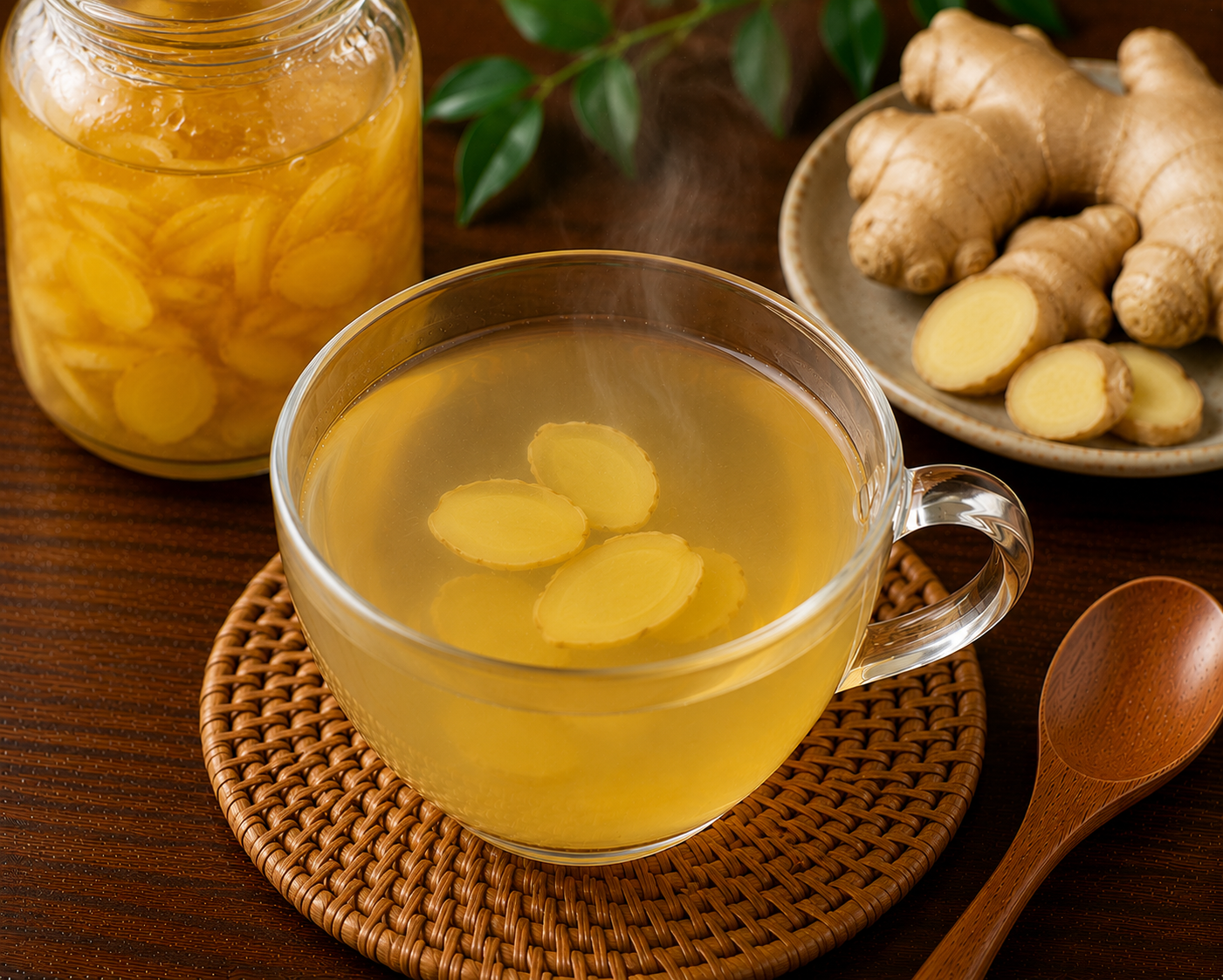
Green tea is traditionally enjoyed not only in Korea but throughout East Asia, consumed to aid digestion after meals or to refresh oneself during breaks.
Similar dishes
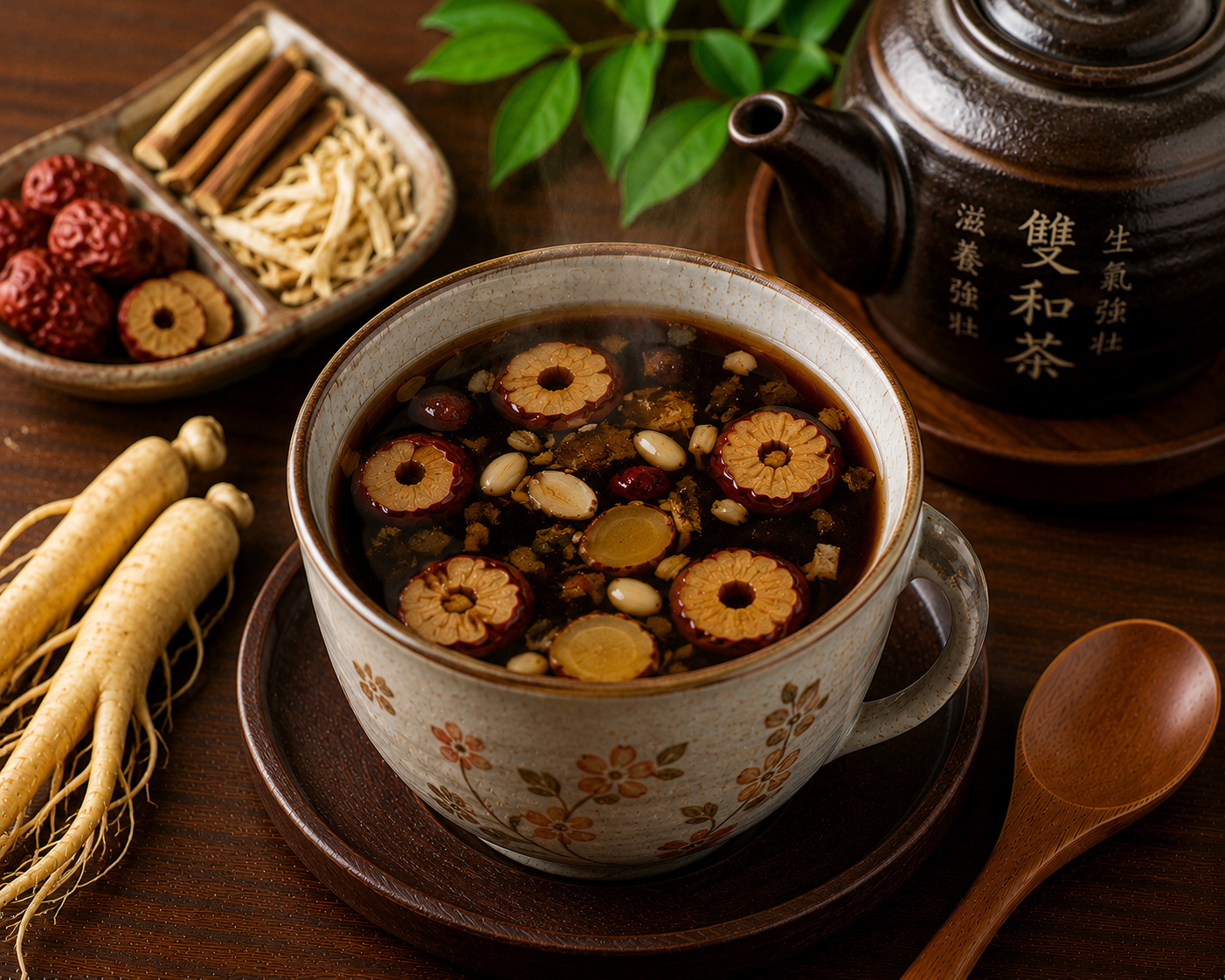
Sanghwacha
쌍화차 · ssang-hwa-cha
A warm traditional tea made by boiling various medicinal herbs, characterized by its sweet and fragrant taste. It is mainly consumed for fatigue recovery or health, often topped with ingredients like pine nuts or jujubes.

Barley Tea
보리차 · bori-cha
A traditional tea with a savory taste made by steeping roasted barley in water, usually enjoyed either cold or warm. It is a beverage commonly consumed after meals or in daily life, and it can be enjoyed without worry as it contains no caffeine.
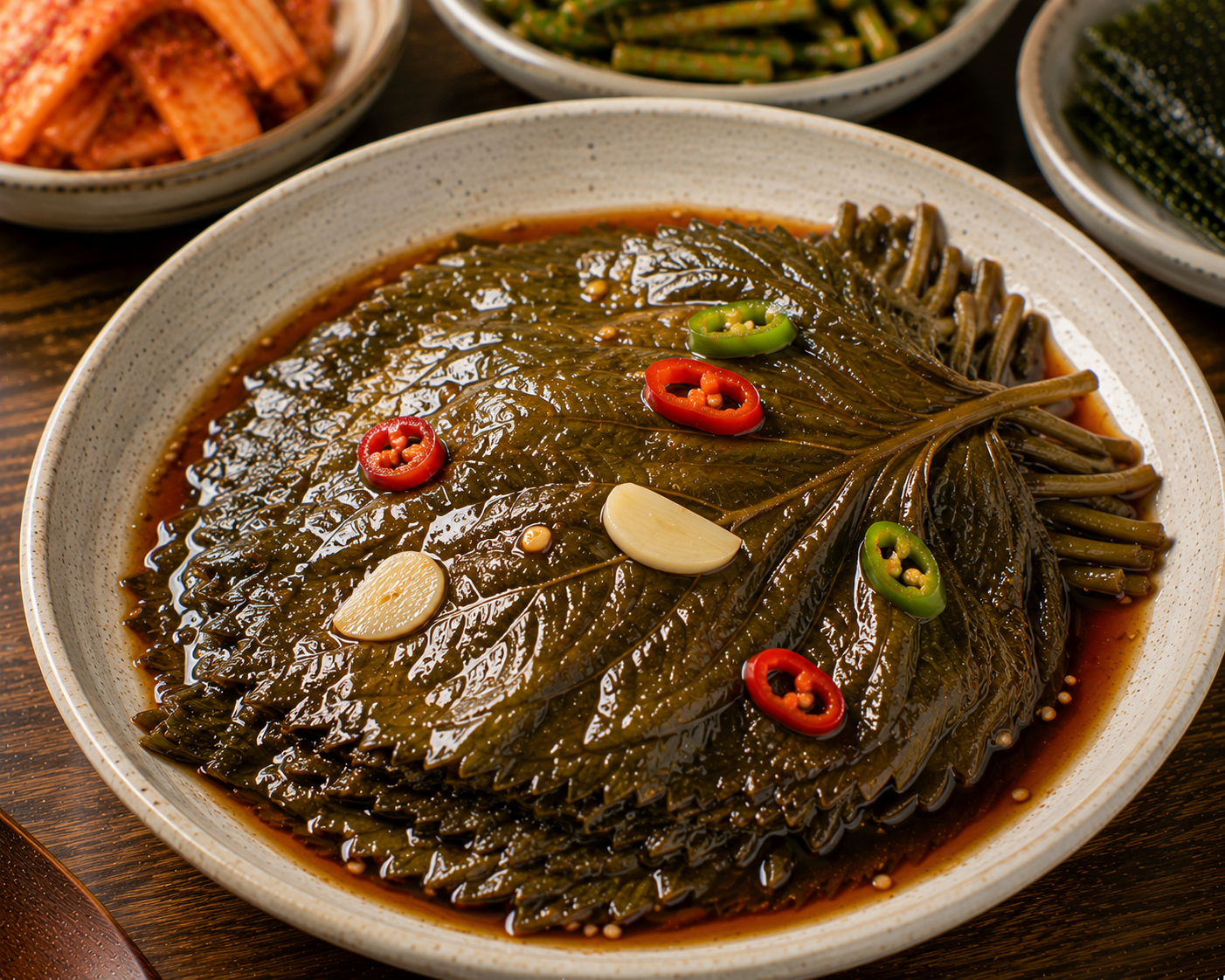
Pickled Perilla Leaves
장아찌 (깻잎) · Jang-ajji (kkaet-ip)
A savory and crunchy side dish made by pickling perilla leaves in soy sauce and vinegar, perfect to accompany rice.
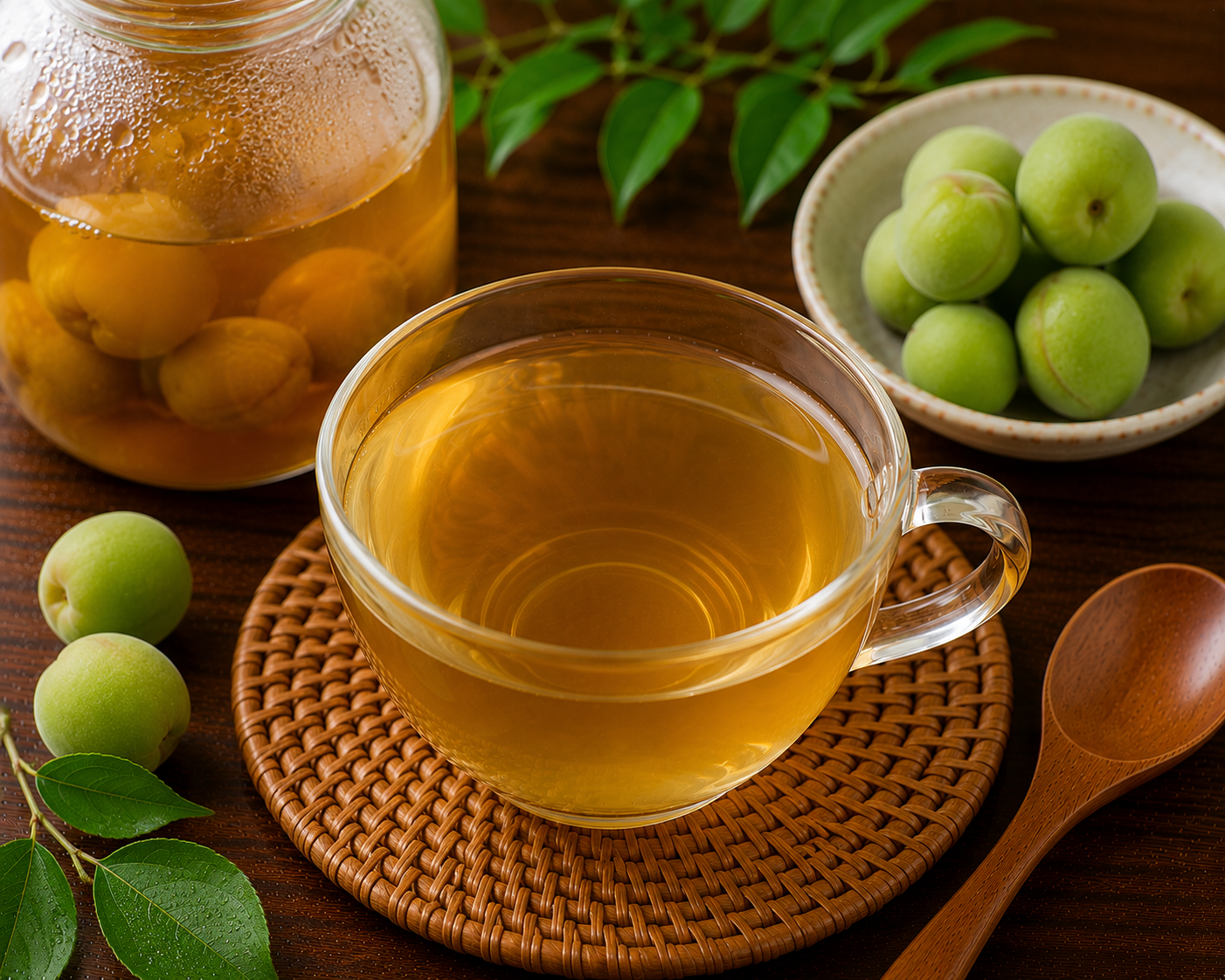
Plum Tea
매실차 · maesil-cha
A sweet and sour tea made by mixing plum extract with warm water, known to aid digestion.
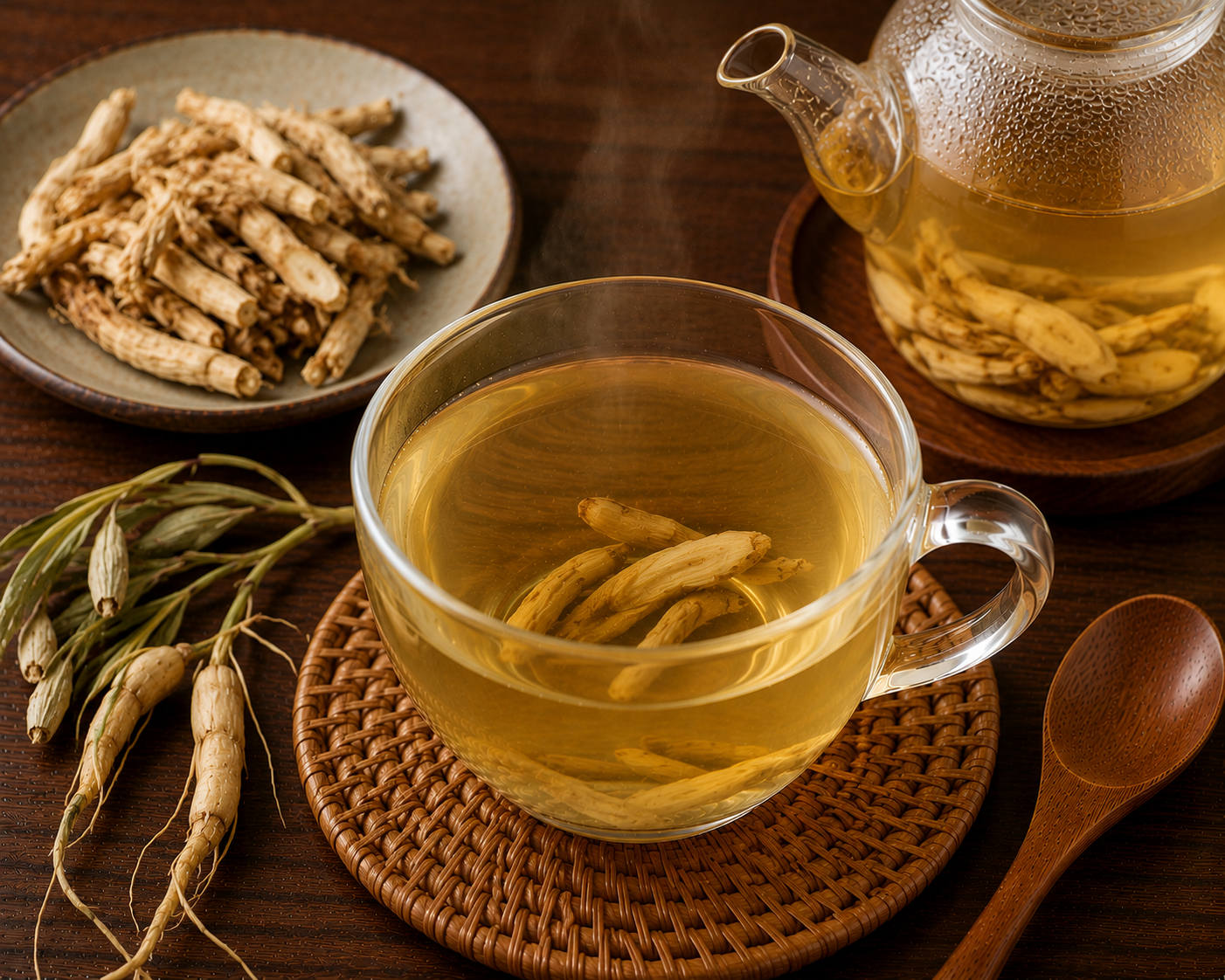
Solomon's Seal Tea
둥굴레차 · dung-gul-le-cha
A warm tea made by boiling dunggulle (Solomon's seal) root, characterized by a savory and smooth taste. It is a traditional tea consumed for health, and can be enjoyed without the burden of caffeine.

Yuja Tea
유자차 · yu-ja-cha
A sweet and tangy tea made by mixing yuja syrup with warm water, great for preventing colds in winter. It features a fragrant yuja aroma and sweet taste, and is primarily served warm.
Goes well with
Ingredients
How it's made
- 1Prepare green tea leaves.
- 2Boil water and let it cool to an appropriate temperature.
- 3Pour hot water over the green tea leaves and steep them.
- 4After an appropriate time, strain the leaves and enjoy the tea.
Nutrition
* Estimated values per serving.
Allergens
No allergen data.
Suitable for all diets.
How to order
녹차 주세요
Nok-cha ju-se-yo
Please give me green tea