History & Culture of
Korean Food
Stories of the history hidden behind Korean food, and the traditions and cultural meaning born from nature
Korean food was not born from abundance — it was made to survive.
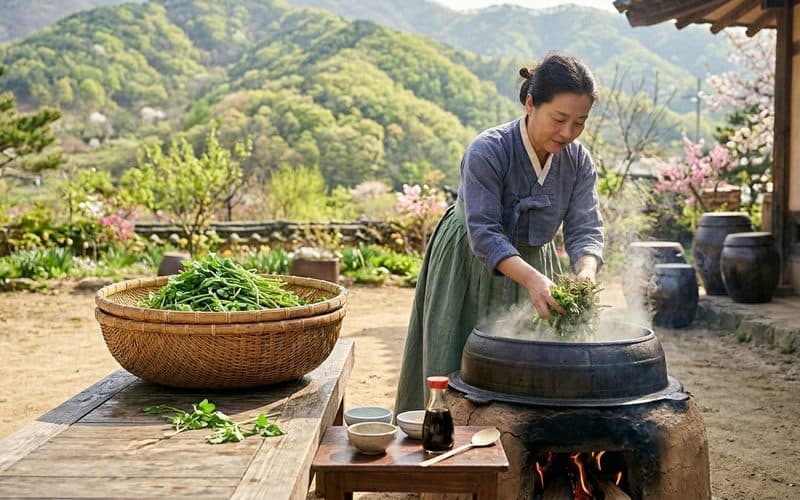
Hardship creates flavor — the hidden story behind some of Korea's most beloved dishes. From foraged spring greens to army-base stew, Korean cuisine was forged in scarcity and ingenuity.
One ingredient. Countless flavors.
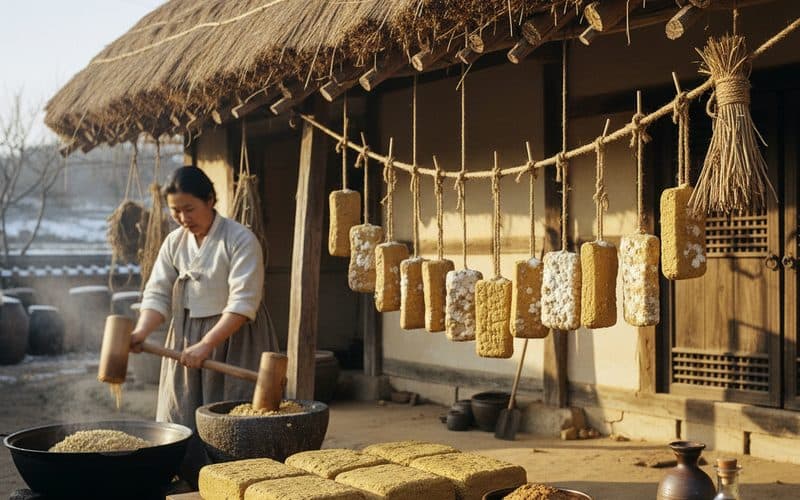
Time turned into taste. One humble soybean becomes tofu, doenjang, cheonggukjang, and gochujang — proof that in Korea, food is less about what you eat than how you transform it.
Food was medicine, philosophy, and art — all on one table.
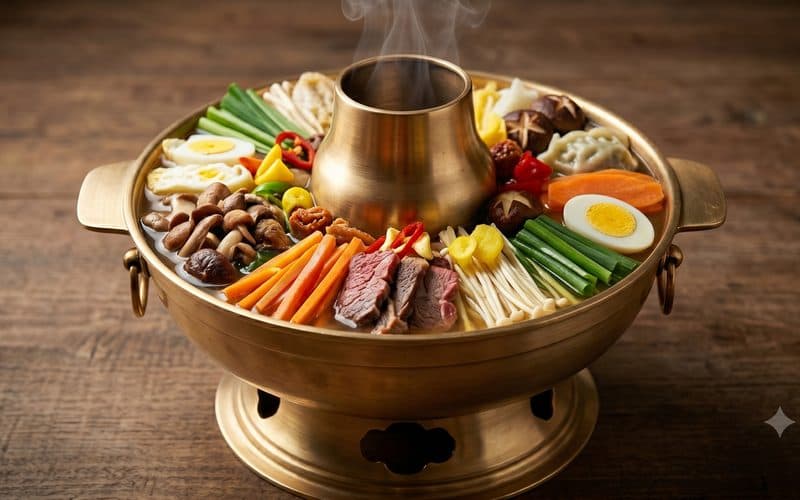
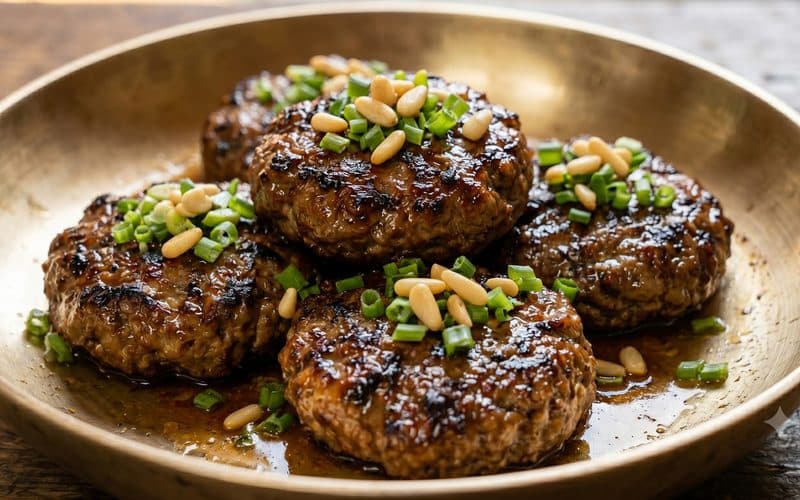
In Korea, food was never just food. It was medicine, philosophy, and art — all on one table. The Joseon royal court turned cooking into a discipline of balance, color, and harmony.
From royal tables and wartime carts to a global soul food.
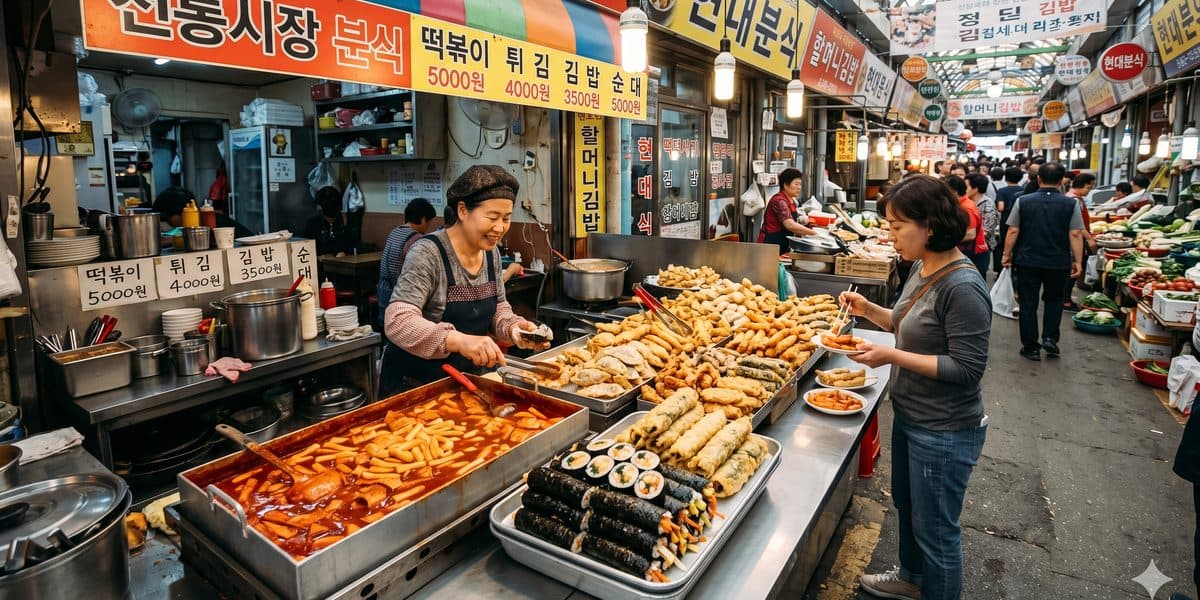
Korean street food has evolved across centuries — from the wayside taverns of the Joseon dynasty to wartime stalls and today's globally beloved K-street food. It is a living archive of who Koreans are, told through flavor.
Korean food doesn't fight nature — it follows it.
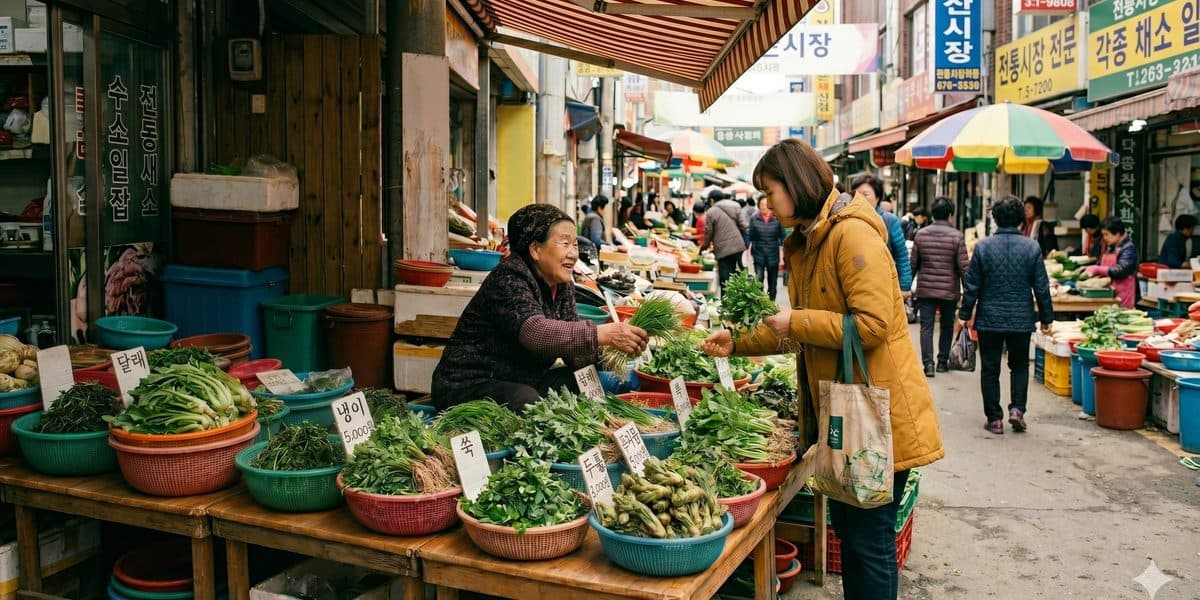
Long before refrigerators or global supply chains, Koreans learned to eat with nature's rhythm. Each season brings its own ingredients, its own flavors, and its own reasons for eating — rooted in both wisdom and survival.