“Korean street food has evolved across centuries — from the wayside taverns of the Joseon dynasty to wartime stalls and today's globally beloved K-street food. It is a living archive of who Koreans are, told through flavor.”
1. From Gukbap to Cupbap — A Chronicle
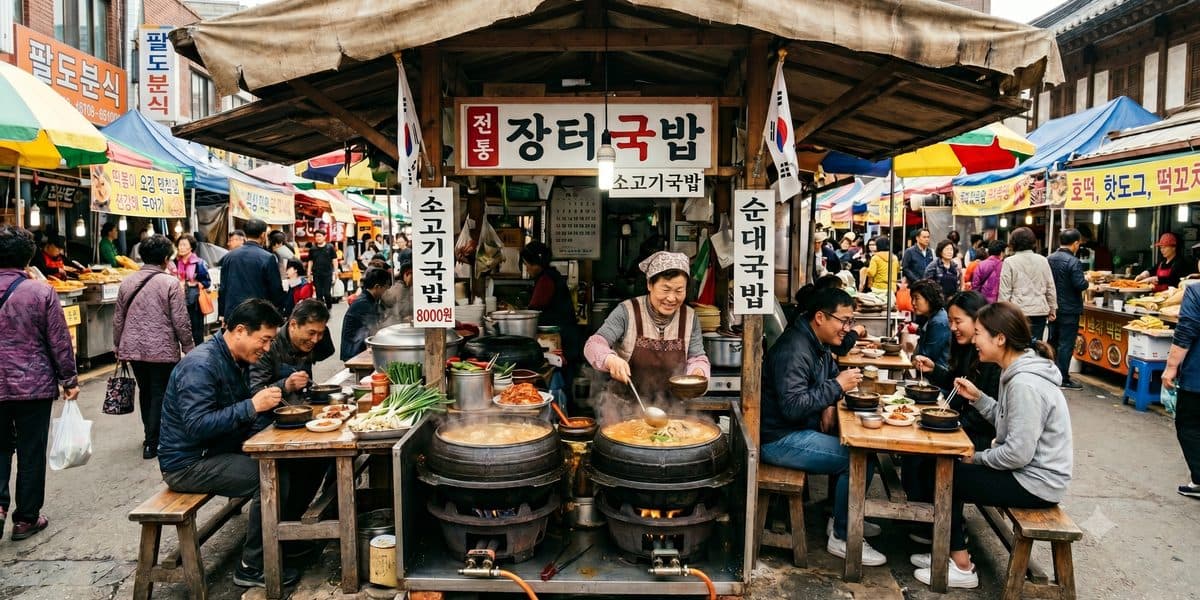
The story begins in the Joseon dynasty. As roughly a thousand five-day markets (오일장) flourished across the country in the 18th century, traveling merchants needed food on the road. Inns (주막) sprang up at every bustling marketplace, selling seolleongtang (ox-bone soup) and jangukbap (broth rice) — the earliest form of Korean street food. Even today, the periodic markets held every five or seven days across rural Korea draw crowds with restaurants resembling those old inns, serving gukbap and grilled meats just as they always have.
After the Korean War, the need for cheap, filling food drove the rise of quick meal-substitute dishes: janchiguksu (noodle soup), tteokbokki, sundae, and fried snacks. Pojangmacha (covered street stalls) became the restaurant and neighborhood gathering place for people living through rapid industrialization, offering warm comfort in hard times.
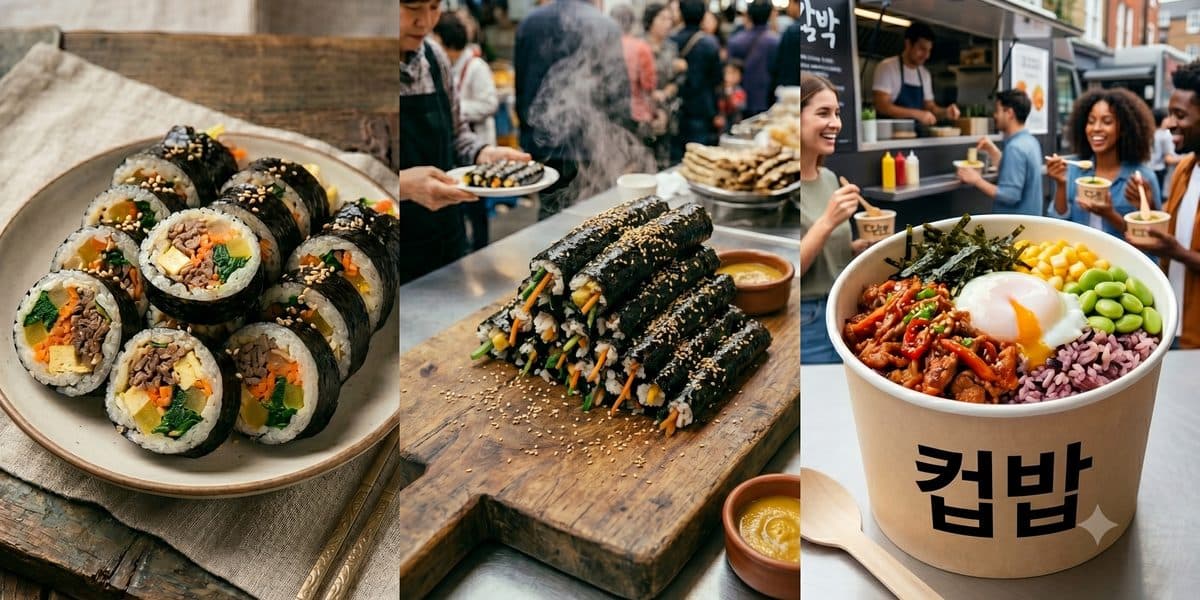
In the 2000s, creative fusion street food emerged. Tornado potatoes, Korean corn dogs, street toast, and cupbap (rice in a cup) born for students cramming at hagwon — every era has seen Koreans' creative spirit invent new street foods to rival the finest traditional cuisine.
2. From the Royal Table to the Street
Some of Korea's most beloved street foods were once reserved for royalty and the aristocracy — a remarkable journey from palace to pavement.
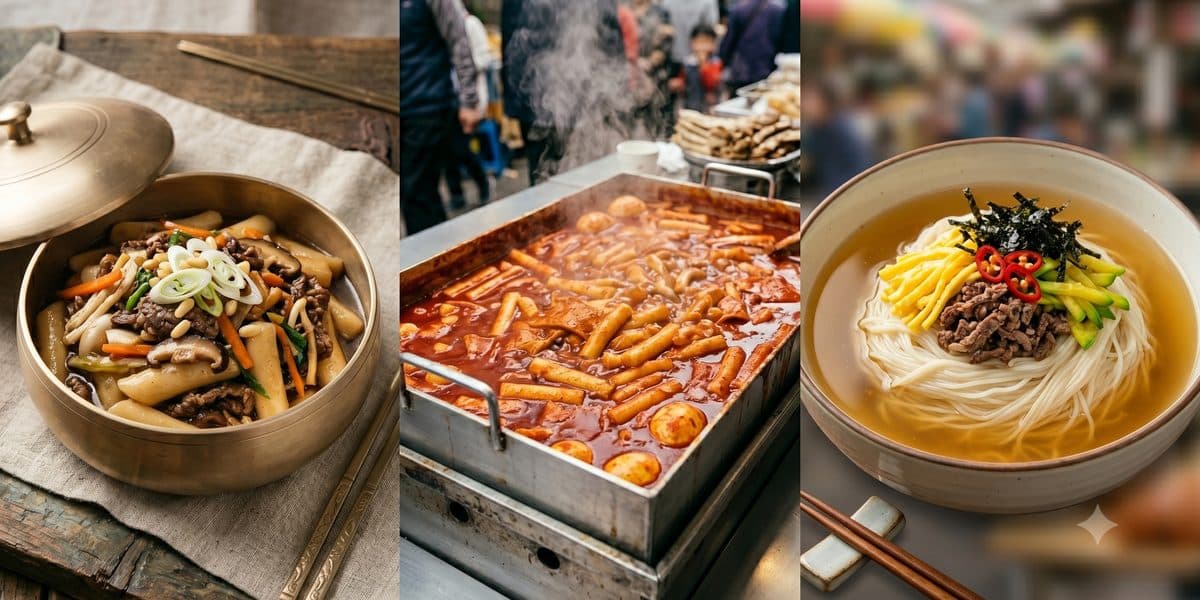
Tteokbokki is the most iconic example. In the royal court, it was a premium dish: rice cakes stir-fried with beef and sesame in a savory soy-based sauce. After the Korean War, a resourceful woman in Seoul accidentally discovered that gochujang (red pepper paste) transformed it into the spicy, satisfying snack now known to the world. From palace banquets to street carts in one generation.
Janchiguksu — noodles traditionally served at weddings and celebrations — dates back to the Three Kingdoms era. Once a precious ceremonial food made from buckwheat, it became so popular by the late Joseon period that a restaurant without noodles was hard to find.
Dongrae pajeon, the famous green onion pancake from Busan, was once offered as tribute to the king. During the Japanese colonial era it was sold exclusively at high-end restaurants. Only after liberation did it appear in Dongrae Market as a street food for everyone.
3. K-Street Food Goes Global
Today, overseas tourists consistently name Korean markets as a must-visit destination — driven largely by the street food they have seen in dramas, films, and YouTube videos.
K-content has turned street food into global ambassadors. Tteokbokki has conquered US and European markets in the form of milkits and packaged products. A famous Hollywood star introduced gimbap as a healthy recipe. CNN listed both gimbap and tteokbokki in its "50 street foods and drinks to try when visiting Asia," describing tteokbokki as "a comforting food deeply loved in Korea."
What makes Korean street food remarkable is its dual identity: it is simultaneously classic and hip, traditional and trendy. Seolleongtang and tteokbokki carry centuries of history; Korean corn dogs and tornado potato invented new forms just decades ago. Both sit comfortably side by side on the same street.
From a bowl of bone broth at a roadside inn to a viral snack seen by millions online — Korean street food is, and has always been, a story told by the people, for the people.
4. Favorite Places of Korea Street Food
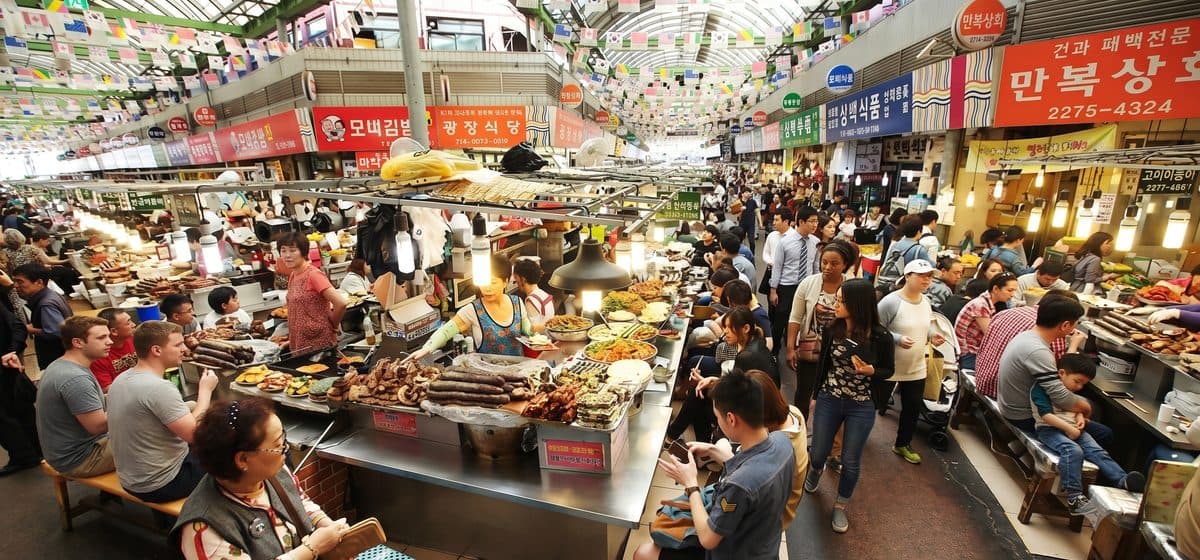
Gwangjang Market is one of the most visited destinations for foreign tourists — an iconic place where you can enjoy Korea's signature street foods alongside a wide variety of traditional Korean dishes. As foreign visitors flock to this traditionally-styled market and it spreads virally on social media, Gwangjang has become a must-visit landmark on any trip to Korea.
- For Koreans, food was never just sustenance — wherever people gathered, food was there.
- The king's table came down to the streets; now everyone eats like royalty.
- Korea's traditional flavors, reborn as K-Food, have woven themselves into daily lives across the globe.