Sikhye
A sweet rice drink made by fermenting cooked rice with malted barley, served cold with floating rice grains in a clear and refreshing broth. It has a cool and clean sweetness, often enjoyed as a dessert beverage during holidays or after meals in restaurants.
Cultural background
Sikhye is a traditional beverage often enjoyed as a dessert after celebrations or parties, and it is commonly served as a dessert in Korean restaurants. It features a cool and clean sweetness and has a unique texture with floating rice grains.
Origin & history
Sikhye is a drink whose sweetness comes from enzymes in malted barley converting the starch in cooked rice into sugar. Rather than fermentation that makes you tipsy, as in brewing alcohol, Koreans often describe the process as letting the rice ‘삭힌다’ (sakinda, break down and sweeten).
Before refrigerators became common, Sikhye was a sweet drink well suited to making ahead in winter or for large celebrations. It took root as a dessert that cleansed the palate after rich holiday foods, and today it is familiar not only at home but also in jjimjilbang and casual restaurants.
Regional & modern variations
- Andong Sikhye — A style of Sikhye well known in the Andong area of North Gyeongsang Province. Radish, ginger, and red pepper powder give it a red color, and it tastes less sweet and more pungent than ordinary Sikhye.
- Hobak Sikhye — Sikhye made with sweet pumpkin or mature pumpkin, adding a yellow hue and a gentle sweetness. Compared with clear Sikhye, its texture feels a little rounder and heavier.
- Dansul — A term used in some regions for a sweet grain drink similar to Sikhye. Depending on the region and household, it may be thicker or contain more grains of rice.
How Koreans eat it
Sikhye is often poured into a cup, but at home it is also commonly ladled into small bowls for serving. In jjimjilbang, pairing it with boiled eggs is widely known. Since it is usually drunk very cold, it may be served with a thin layer of ice on hot days.
Taste & how to choose
Good Sikhye has the nutty aroma of malted barley, and its sweetness should not feel sticky. The rice grains should not be too firm; ideally, they loosen slightly when you chew them. First-timers may find the grains of rice in the drink unfamiliar, but those grains are an important part of Sikhye's texture. A strong sour taste can mean it has been kept too long or has fermented too far.
Similar dishes
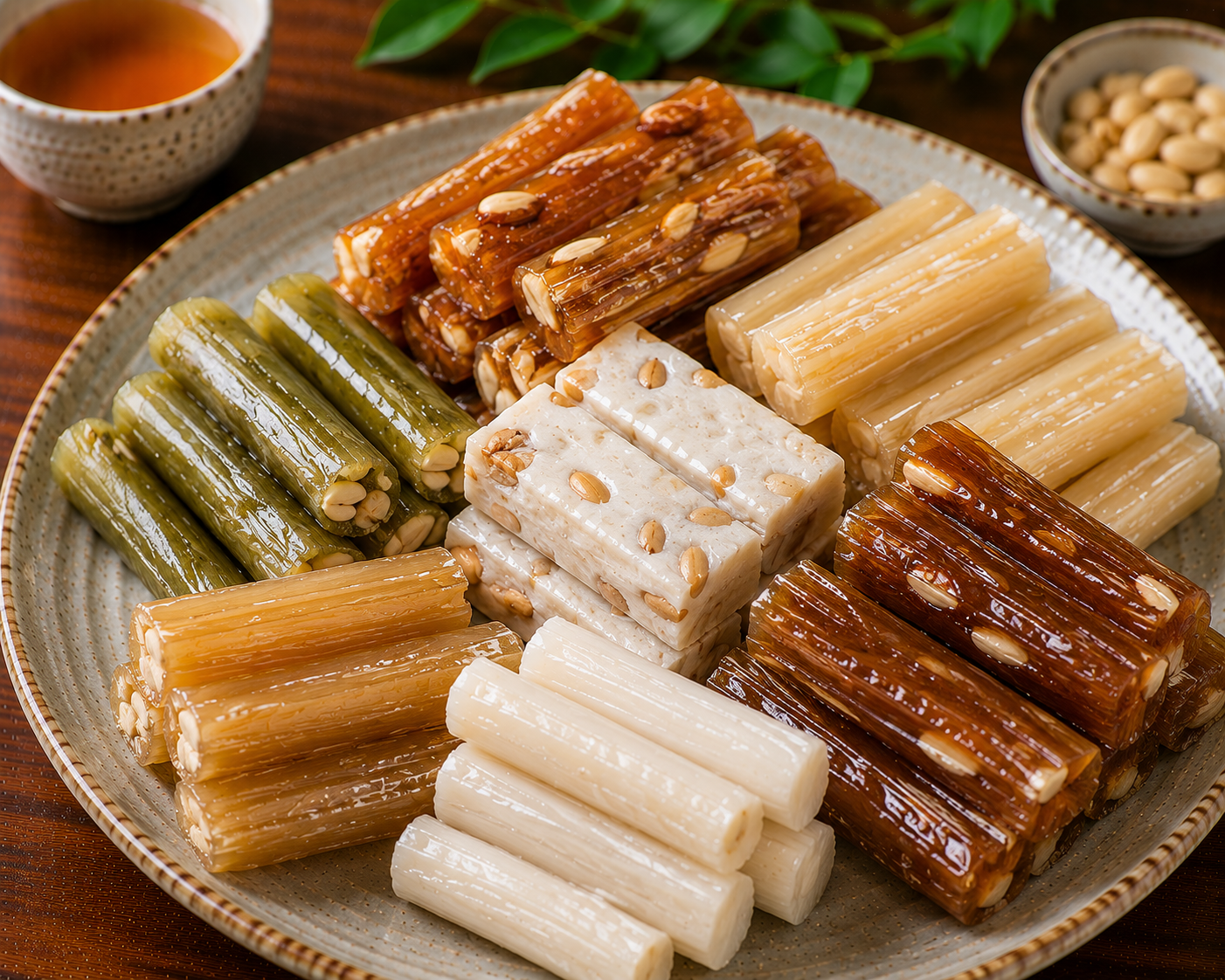
Yeot
엿 · yeot
A traditional Korean sweet snack made by fermenting rice, glutinous rice or corn with malt. It is characterized by its sticky and chewy texture and is commonly enjoyed during holidays or celebrations.
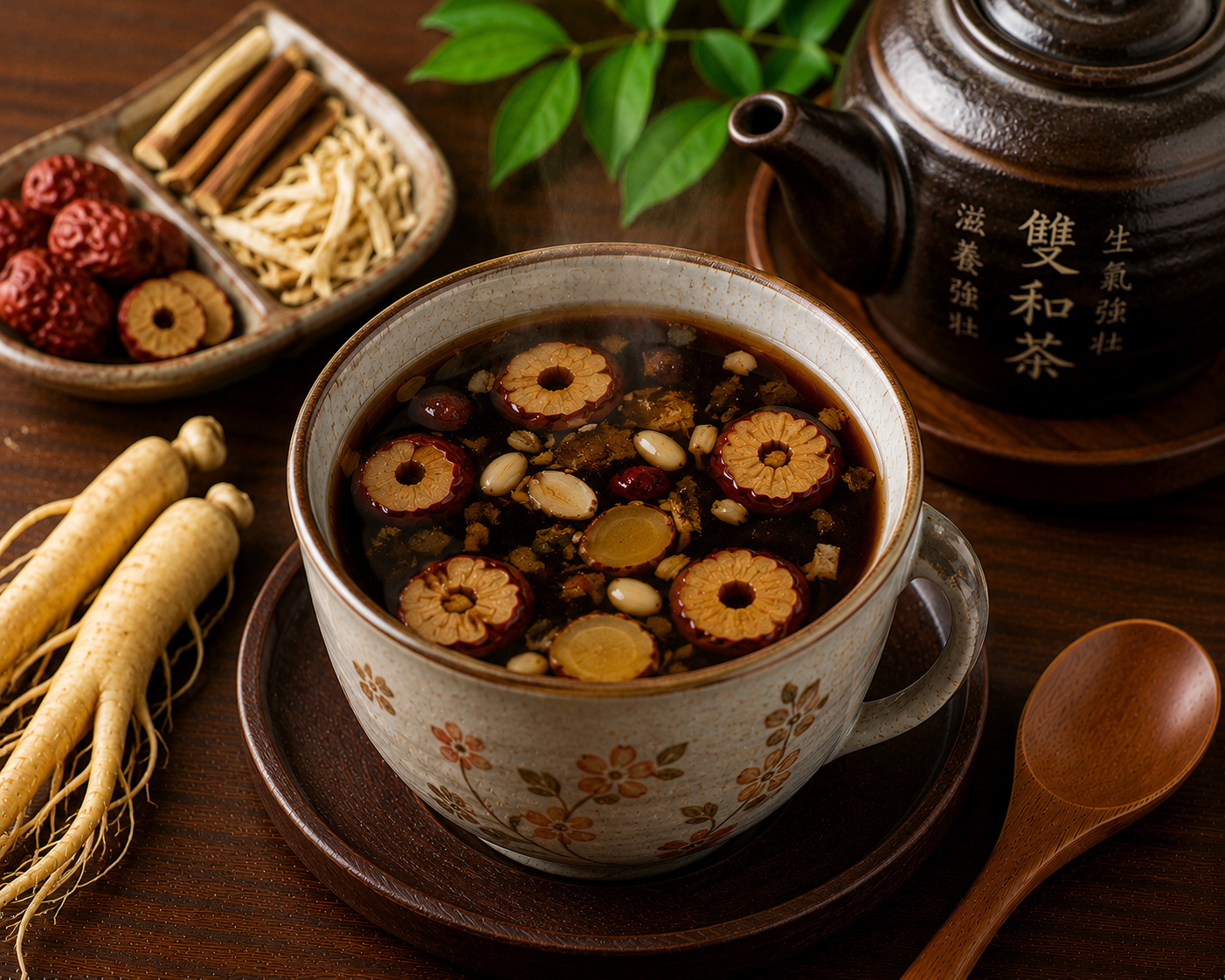
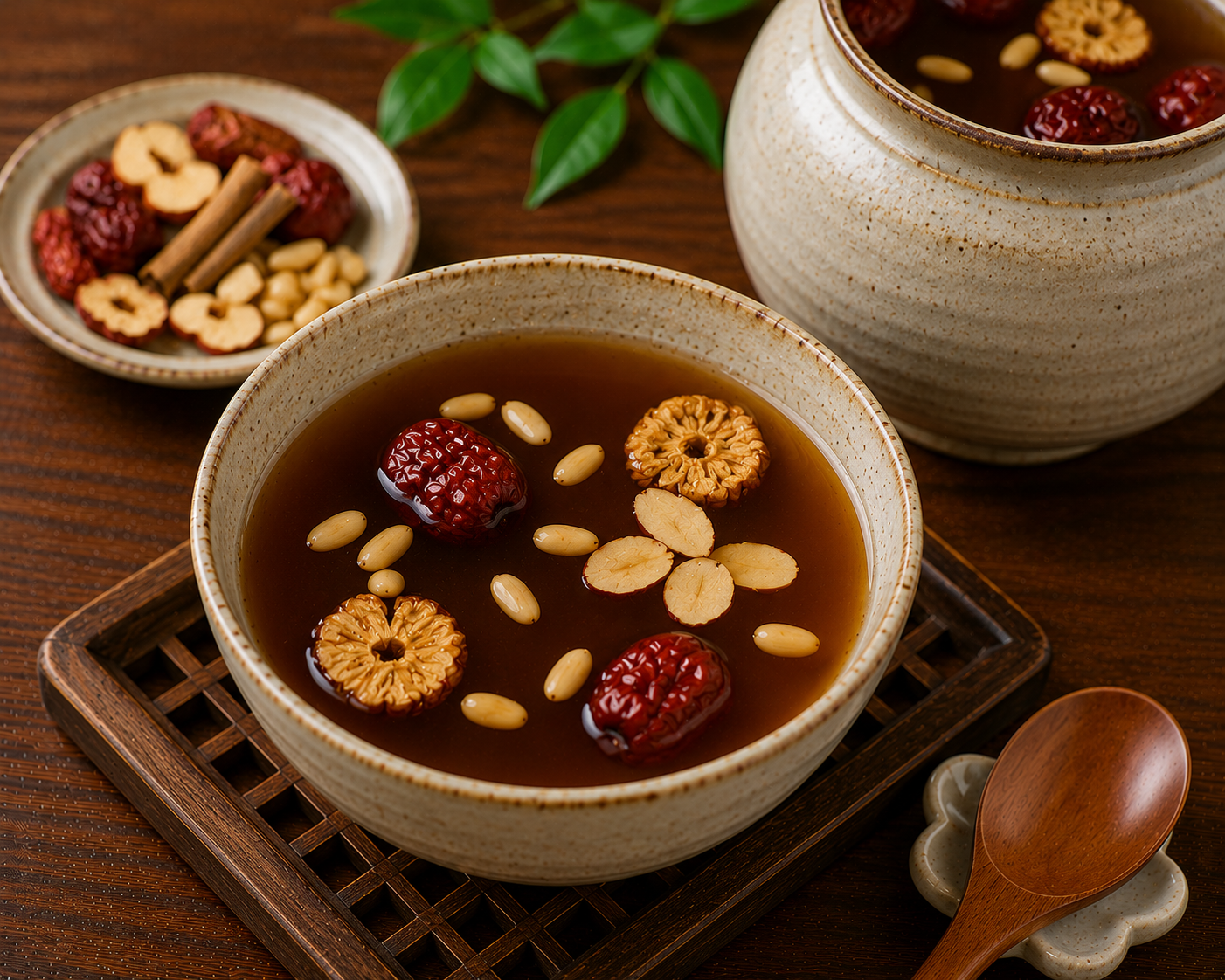
Sanghwacha
쌍화차 · ssang-hwa-cha
A warm traditional tea made by boiling various medicinal herbs, characterized by its sweet and fragrant taste. It is mainly consumed for fatigue recovery or health, often topped with ingredients like pine nuts or jujubes.
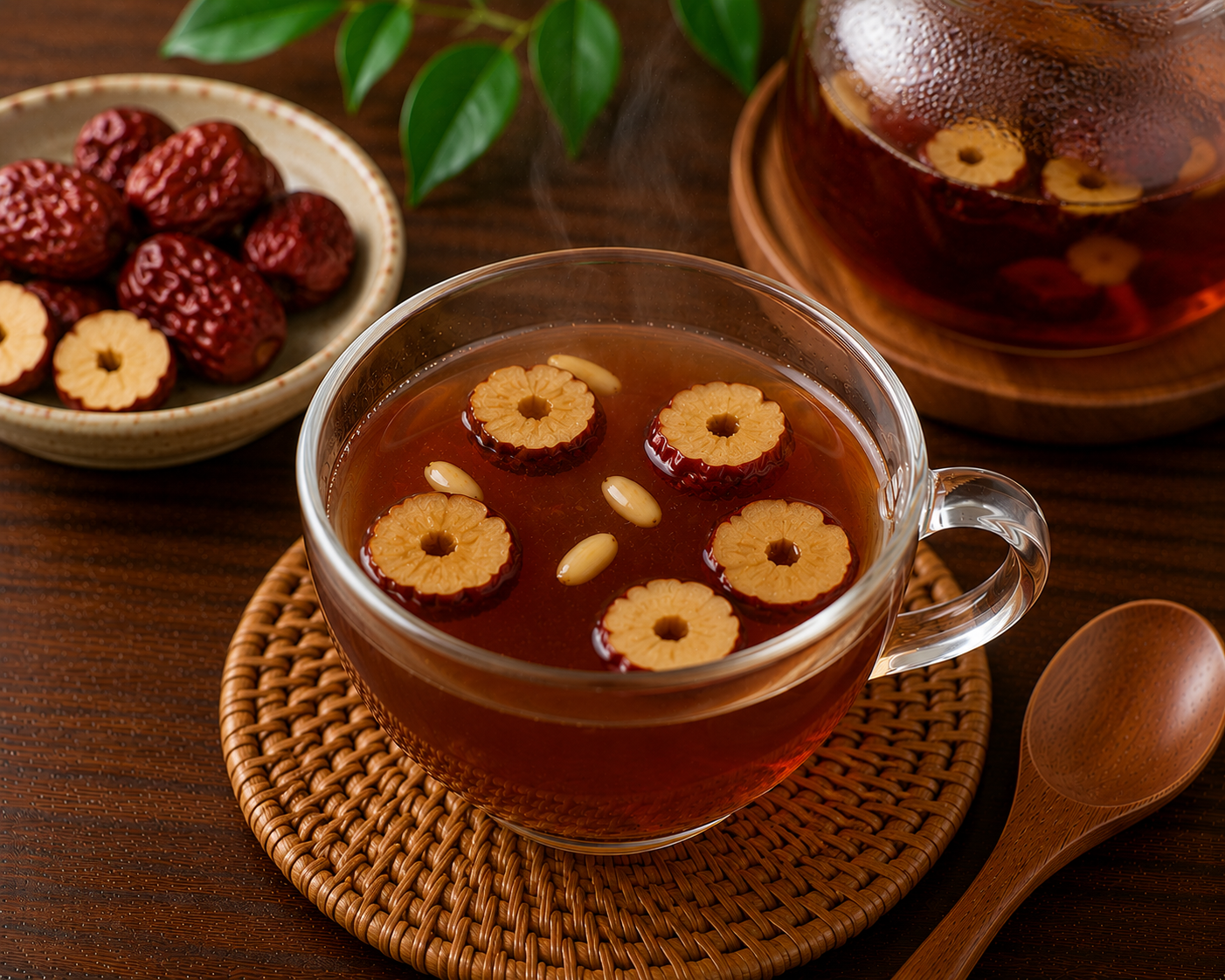
Jujube Tea
대추차 · dae-chu-cha
A warm traditional tea made by boiling jujubes, characterized by its sweet and fragrant taste. It is primarily consumed for health benefits and is said to be good for preventing colds.
Sujeonggwa
수정과 · su-jeong-gwa
A spicy and sweet traditional drink made by infusing water with cinnamon and ginger, topped with dried persimmons. It is chilled and enjoyed as a dessert, where the flavors of cinnamon and ginger are pronounced.

Egg Bread
계란빵 · gye-ran-ppang
A snack made by placing an egg on top of a flour dough and baking it, characterized by its soft and savory flavor.
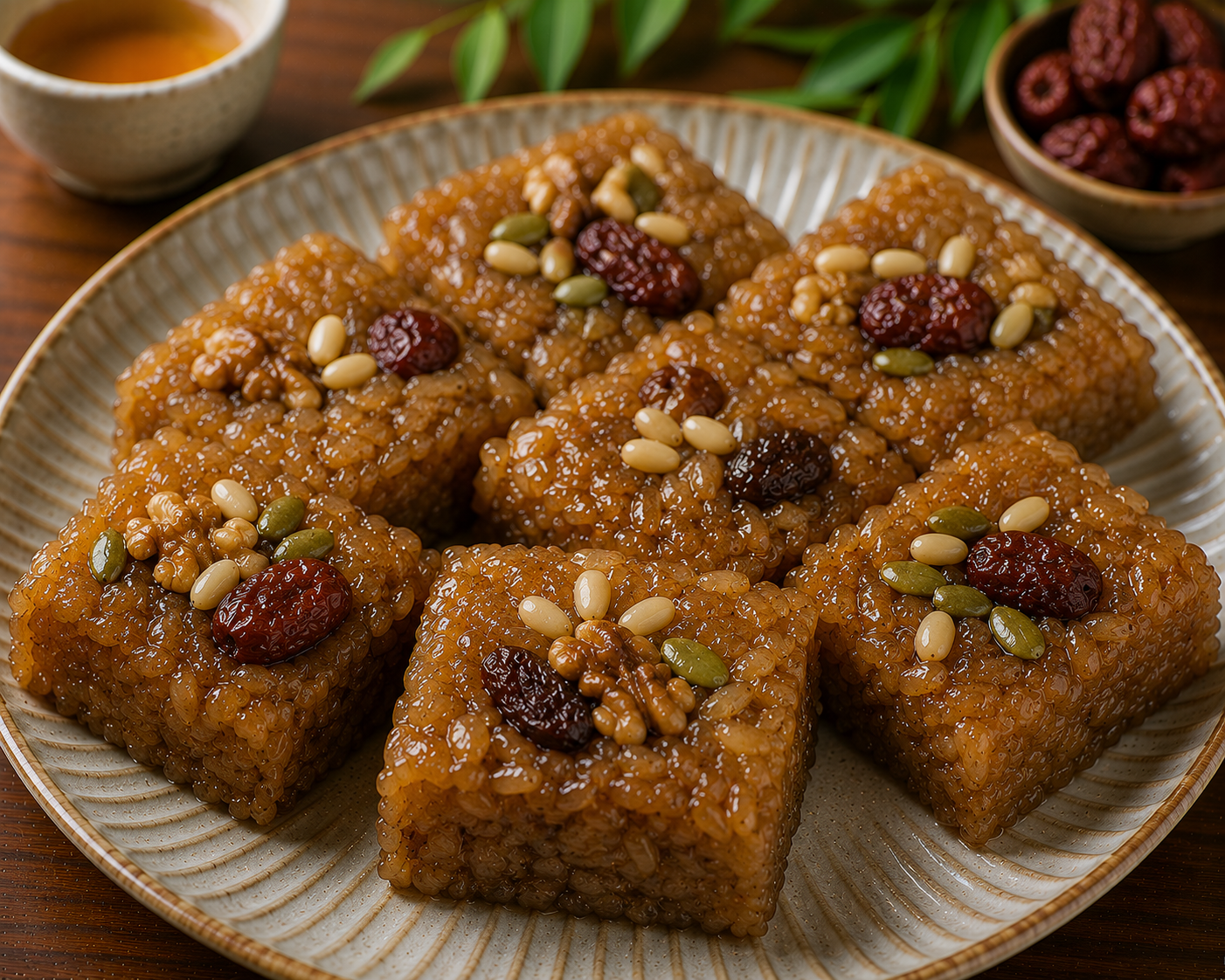
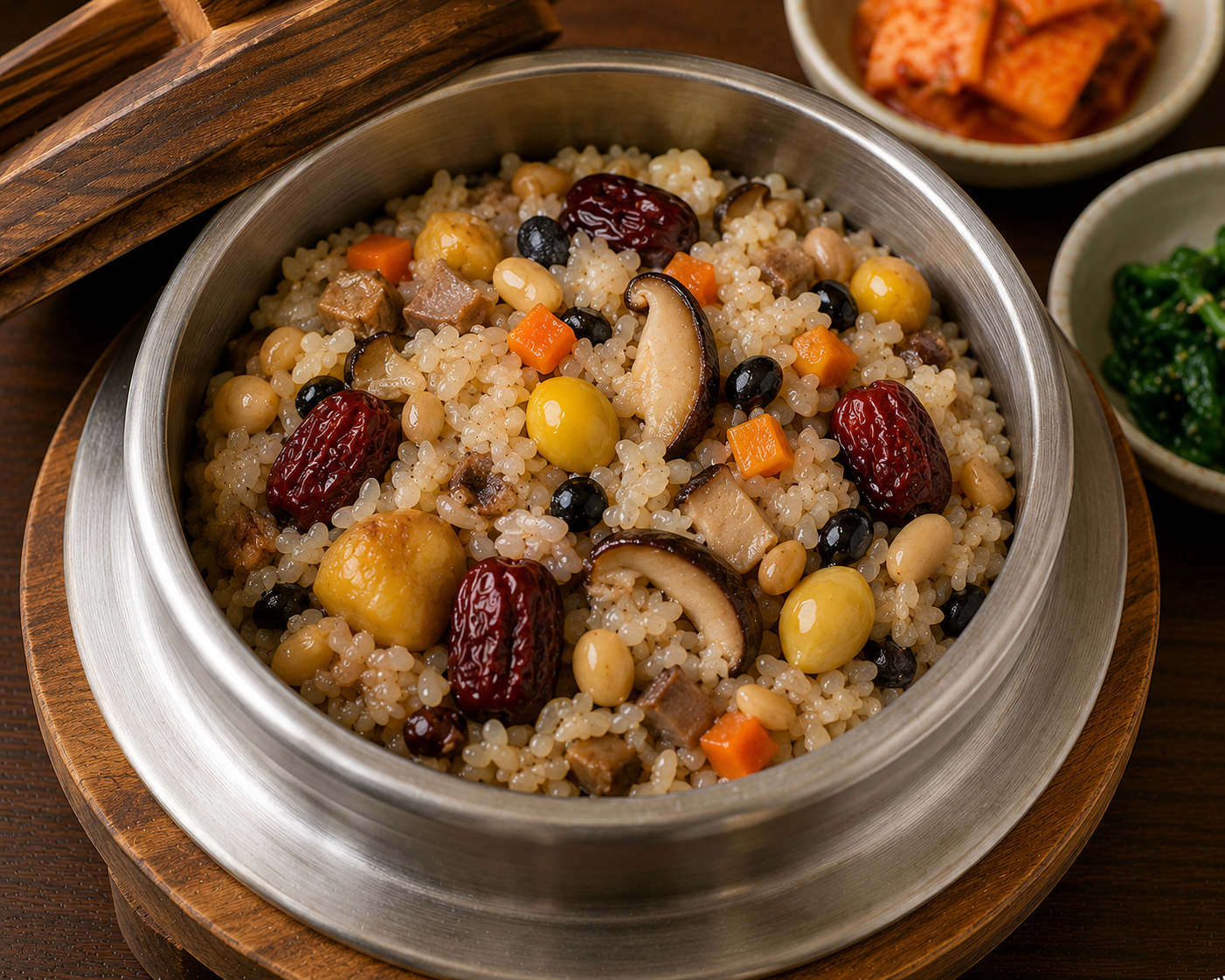
Yak-sik
약식 · yak-sik
A traditional Korean rice cake made by seasoning glutinous rice with honey and soy sauce, and steaming it with dates, chestnuts, and pine nuts.
Goes well with
Ingredients
How it's made
- 1Soak the malted barley in water and extract the juice.
- 2Add the cooked rice to the malted barley juice and ferment it.
- 3Once fermentation is complete, add sugar and boil.
- 4Cool it down and store in the refrigerator to serve cold.
Nutrition
* Estimated values per serving.
Allergens
No allergen data.
A beverage made from grains, suitable for vegetarian and vegan diets.
How to order
식혜 주세요
Sik-hye ju-se-yo
Please give me Sikhye
Customize your order
Traveler tips
How to eat it
Frequently asked questions
- Is Sikhye alcoholic?
- Ordinary Sikhye is not alcohol. The process centers on turning the starch in rice into sweetness, and the drink is boiled at the end before being served.
- Why are there rice grains floating in it?
- As the rice grains break down in the malted barley liquid, they become lighter, and some float to the surface. In Korea, the sight of rice grains bobbing on top is considered part of what makes Sikhye look like Sikhye.
- Does Andong Sikhye taste the same?
- The name is the same, but the flavor is quite different. Andong Sikhye contains radish, red pepper powder, and ginger, giving it a spicy, pungent edge, so it can be surprising if you are expecting the usual sweet, clear Sikhye.
Last reviewed: 2026-10-07