Cultural background
Traditionally enjoyed as a dessert during holidays or celebrations, featuring the distinctive spicy taste of cinnamon and ginger. It is typically served to guests and is commonly consumed chilled.
Origin & history
Sujeonggwa belongs to Korea's traditional eumcheongnyu, a category of nonalcoholic drinks in which fruit or aromatic ingredients were floated in sweetened water. Known as a drink served at royal banquets and large feasts during the Joseon period, it was enjoyed after a meal as a dessert to refresh the palate.
The ‘과’ (gwa, fruit) in the name means fruit. Today, the version made with dried persimmon is the most familiar, but the basic idea is to infuse water with cinnamon and ginger, add sweetness and a fruity aroma, and serve it cold.
Regional & modern variations
- Dried Persimmon Sujeonggwa — The best-known version. The dried persimmon softens as it soaks in the drink, and its sweetness seeps into the liquid.
How Koreans eat it
Sujeonggwa is less a drink to have with rice than a dessert served after a meal in a small bowl or cup. After rich holiday foods such as jeon or Galbi, the aroma of cinnamon and ginger helps leave the mouth feeling clean. The dried persimmon is not just decoration; it is meant to be spooned up at the end.
Taste & how to choose
At first sip, the cinnamon aroma and the prickly warmth of ginger may come through before the sweetness. The heat is not like chili pepper; it is closer to the tingling sharpness of warming spices. Good Sujeonggwa is not too cloudy in color, and even when it is quite sweet, the cinnamon aroma is not buried.
Similar dishes
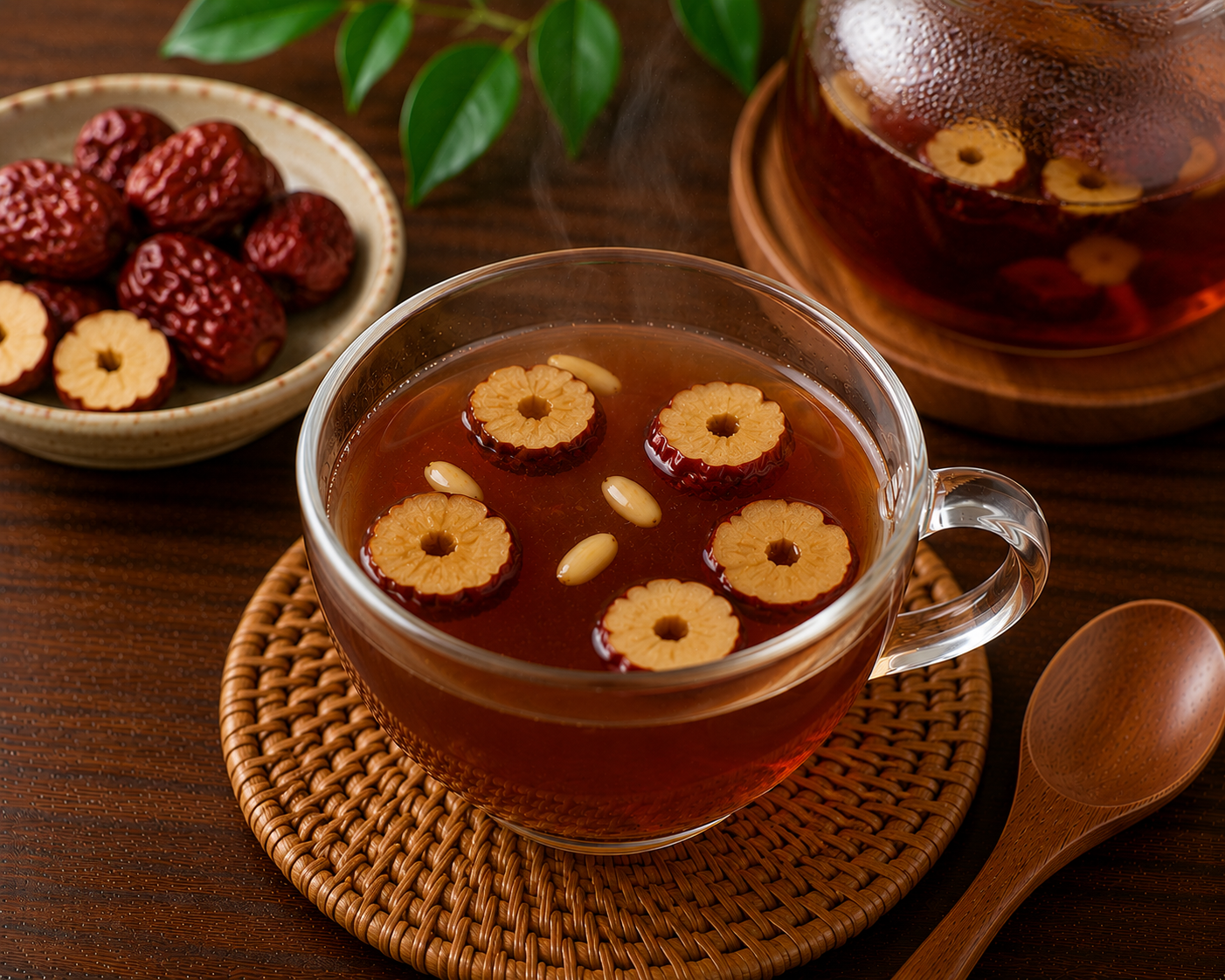
Jujube Tea
대추차 · dae-chu-cha
A warm traditional tea made by boiling jujubes, characterized by its sweet and fragrant taste. It is primarily consumed for health benefits and is said to be good for preventing colds.
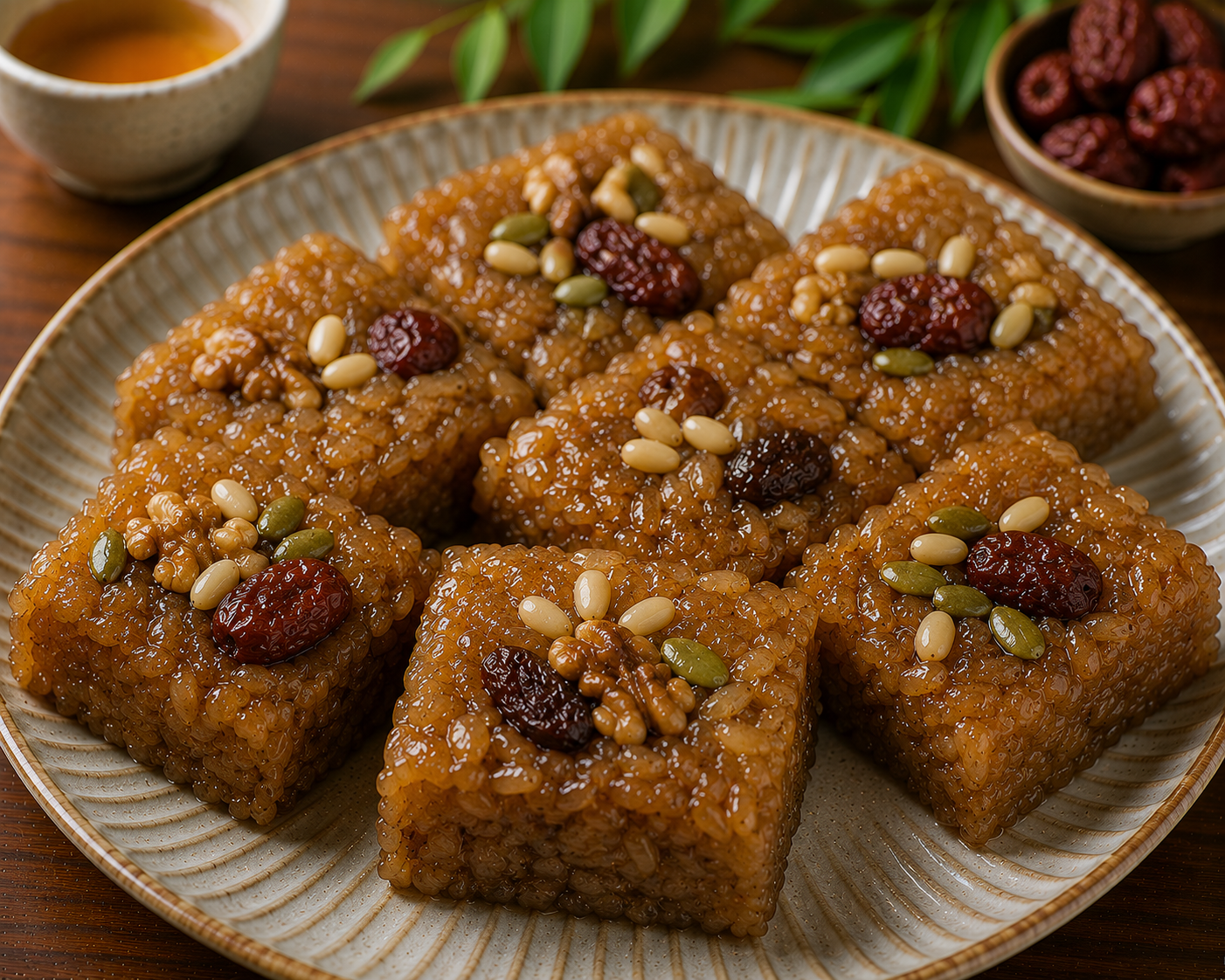
Yak-sik
약식 · yak-sik
A traditional Korean rice cake made by seasoning glutinous rice with honey and soy sauce, and steaming it with dates, chestnuts, and pine nuts.
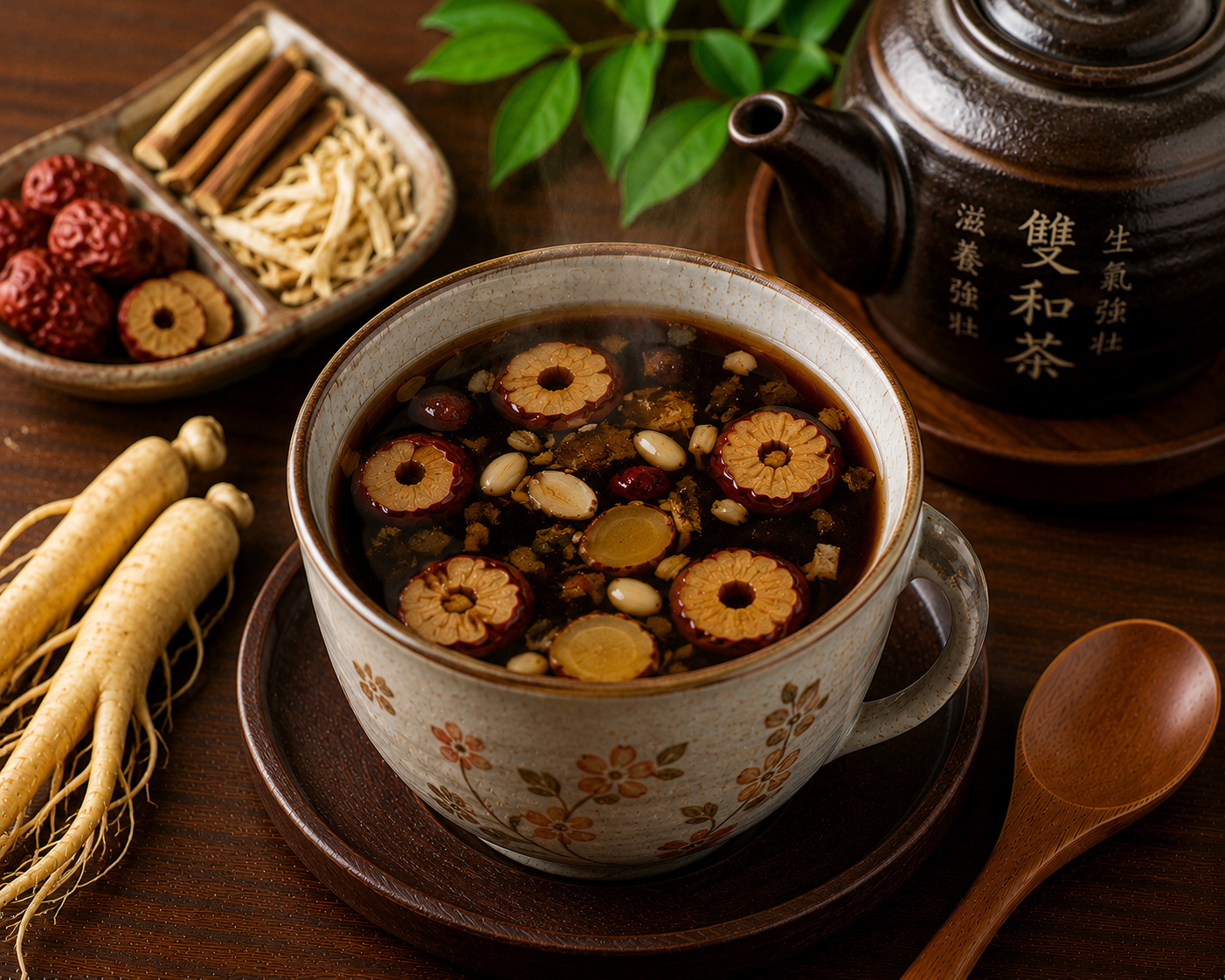
Sanghwacha
쌍화차 · ssang-hwa-cha
A warm traditional tea made by boiling various medicinal herbs, characterized by its sweet and fragrant taste. It is mainly consumed for fatigue recovery or health, often topped with ingredients like pine nuts or jujubes.

Herbal Drink
한방음료 · Hanbang-eumryo
A traditional health beverage made by simmering herbal ingredients, helping to nourish the body when consumed warm.
Sikhye
식혜 · sikhye
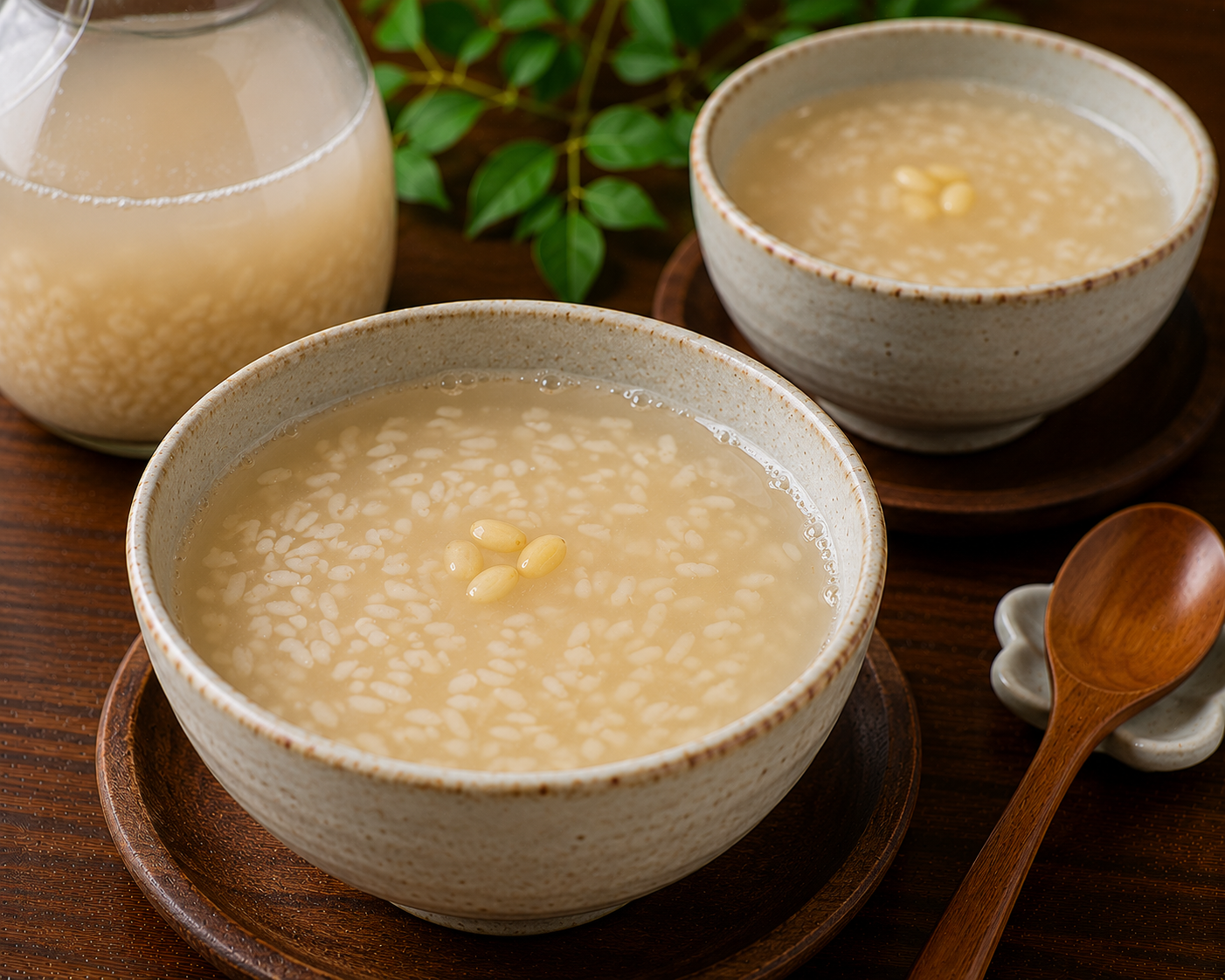
A sweet rice drink made by fermenting cooked rice with malted barley, served cold with floating rice grains in a clear and refreshing broth. It has a cool and clean sweetness, often enjoyed as a dessert beverage during holidays or after meals in restaurants.
Makgeolli
막걸리 · makgeolli
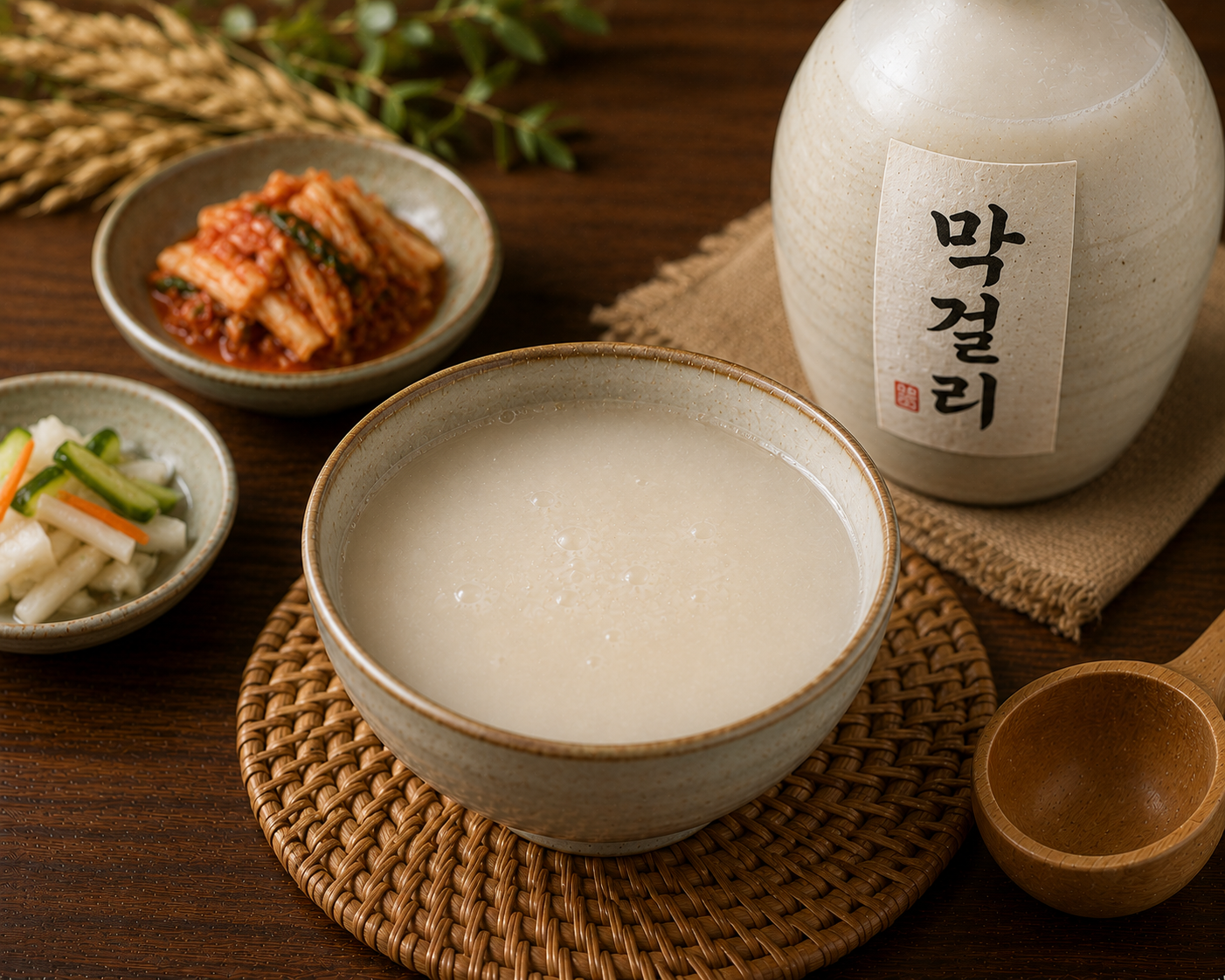
A cloudy, milky-white traditional liquor made by fermenting rice and then straining it coarsely, characterized by its tangy-sweet and smooth taste.
Chive Pancake
부추전 · bu-chu-jeon
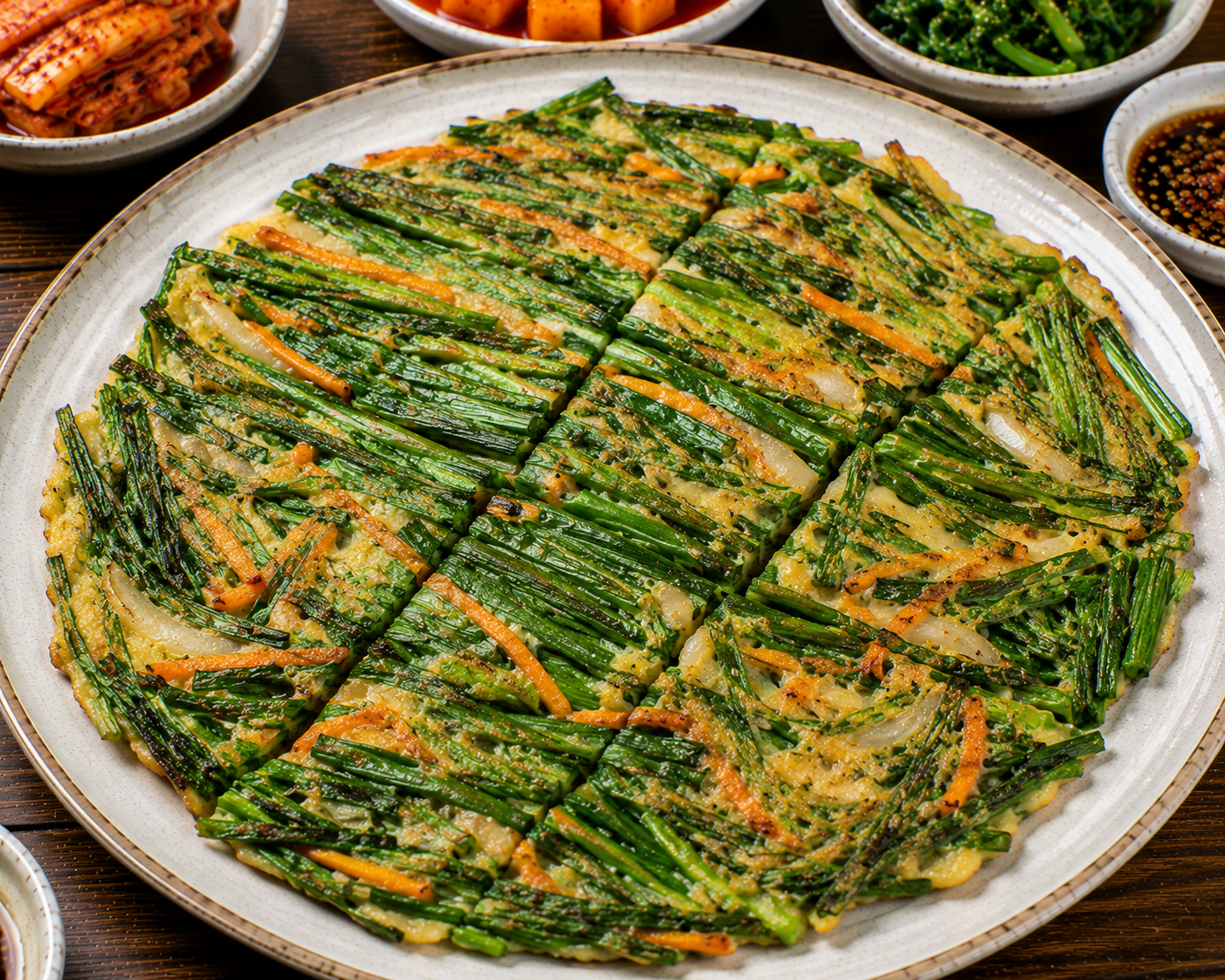
A pancake made by mixing chives with a flour batter and frying it thinly and widely. It is crispy and golden on the outside while retaining the fragrant flavor of the chives inside. It is enjoyed dipped in vinegared soy sauce and pairs well with Makgeolli.
Goes well with
Ingredients
How it's made
- 1Boil cinnamon and ginger in water.
- 2After boiling sufficiently, add honey to adjust the sweetness.
- 3Add dried persimmons and chill the mixture.
- 4Serve the chilled Sujeonggwa in a bowl.
Nutrition
* Estimated values per serving.
Allergens
No allergen data.
A traditional drink suitable for all diets.
How to order
수정과 주세요
Su-jeong-gwa ju-se-yo
Please give me Sujeonggwa
Customize your order
Traveler tips
How to eat it
Frequently asked questions
- Do you eat the dried persimmon in Sujeonggwa right away?
- Usually, you drink some of the liquid first, then eat it with a spoon. As it sits, the dried persimmon softens and releases more sweetness into the drink.
- Do the pine nuts floating in Sujeonggwa have to be there?
- Pine nuts are a common garnish, but they are not essential. Some restaurants or homes leave them out, and the drink's main flavor comes from cinnamon, ginger, and dried persimmon.
- Why is Sujeonggwa served cold instead of as a hot tea?
- Sujeonggwa is made by simmering spices, then cooling the drink so the sweetness and aroma settle. Served cold, the deep sweetness of the dried persimmon and the cinnamon aroma come across more cleanly.
Last reviewed: 2026-10-07