
Cultural background
Sanghwacha is traditionally enjoyed for fatigue recovery and health improvement, especially often consumed warm during the winter season.
Similar dishes

Herbal Drink
한방음료 · Hanbang-eumryo
A traditional health beverage made by simmering herbal ingredients, helping to nourish the body when consumed warm.
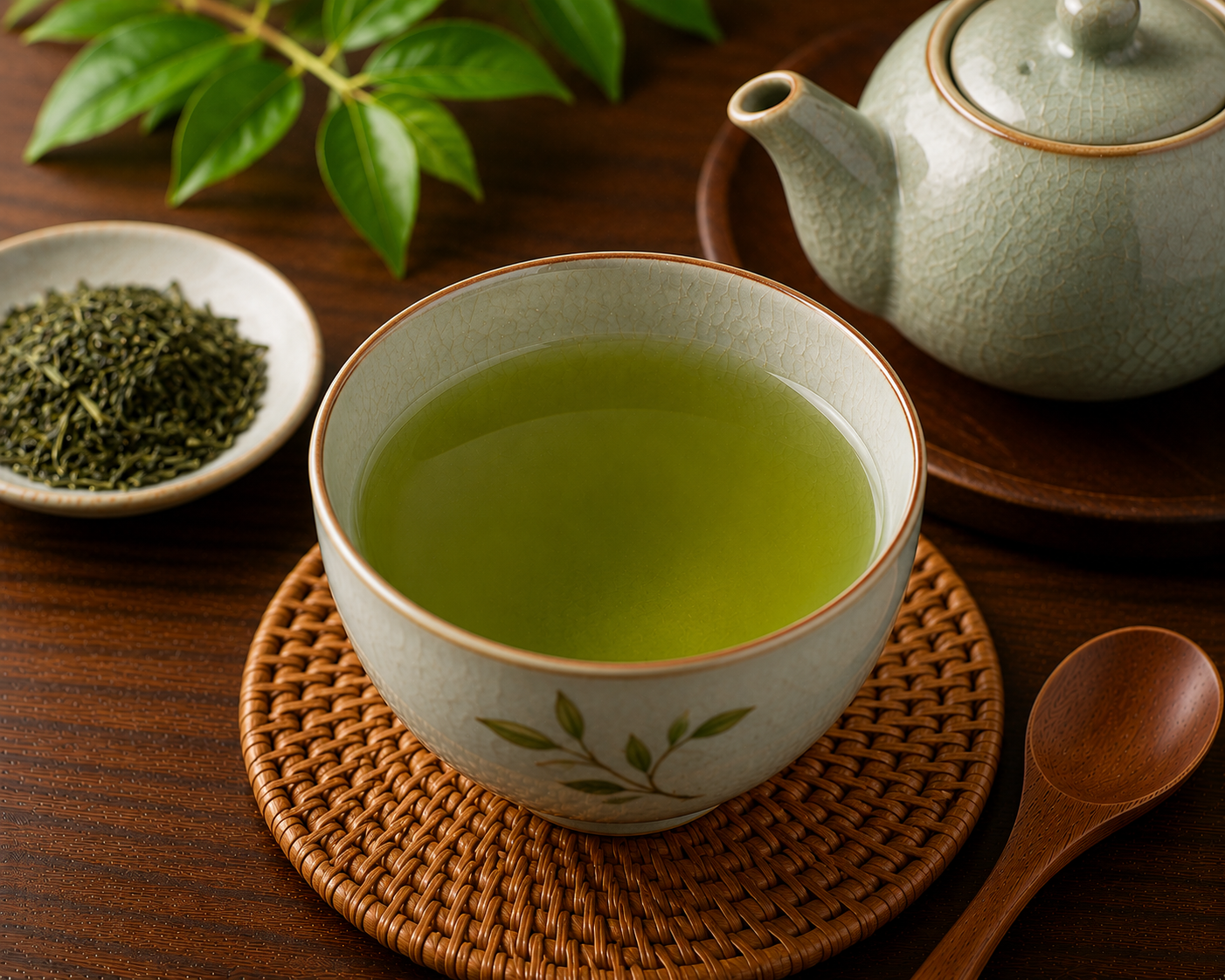
Green Tea
녹차 · nok-cha
A tea brewed from green tea leaves in hot water, characterized by its clean and refreshing taste. It is mainly consumed warm after meals or during breaks, and contains caffeine which is good for a mood lift.
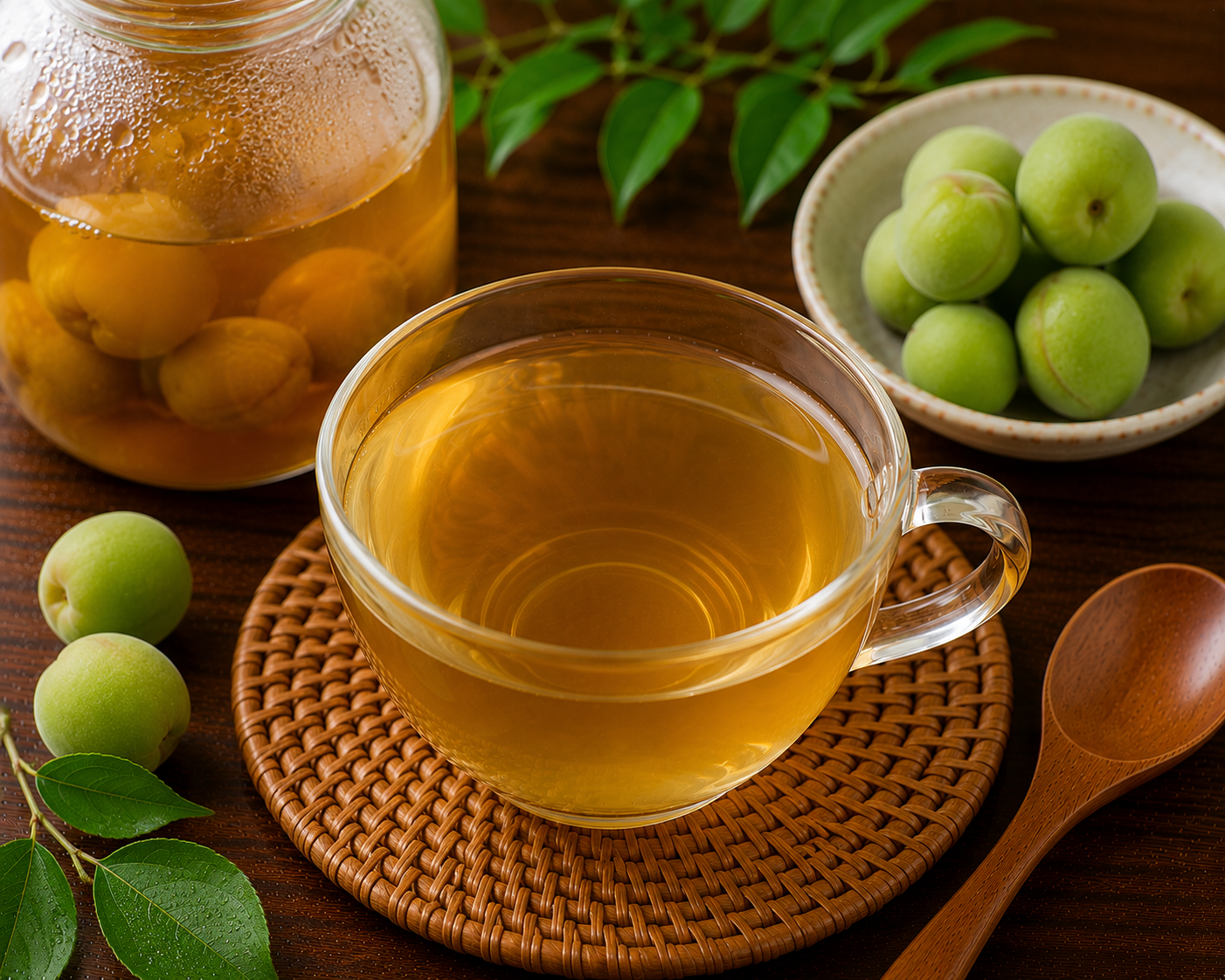
Plum Tea
매실차 · maesil-cha
A sweet and sour tea made by mixing plum extract with warm water, known to aid digestion.
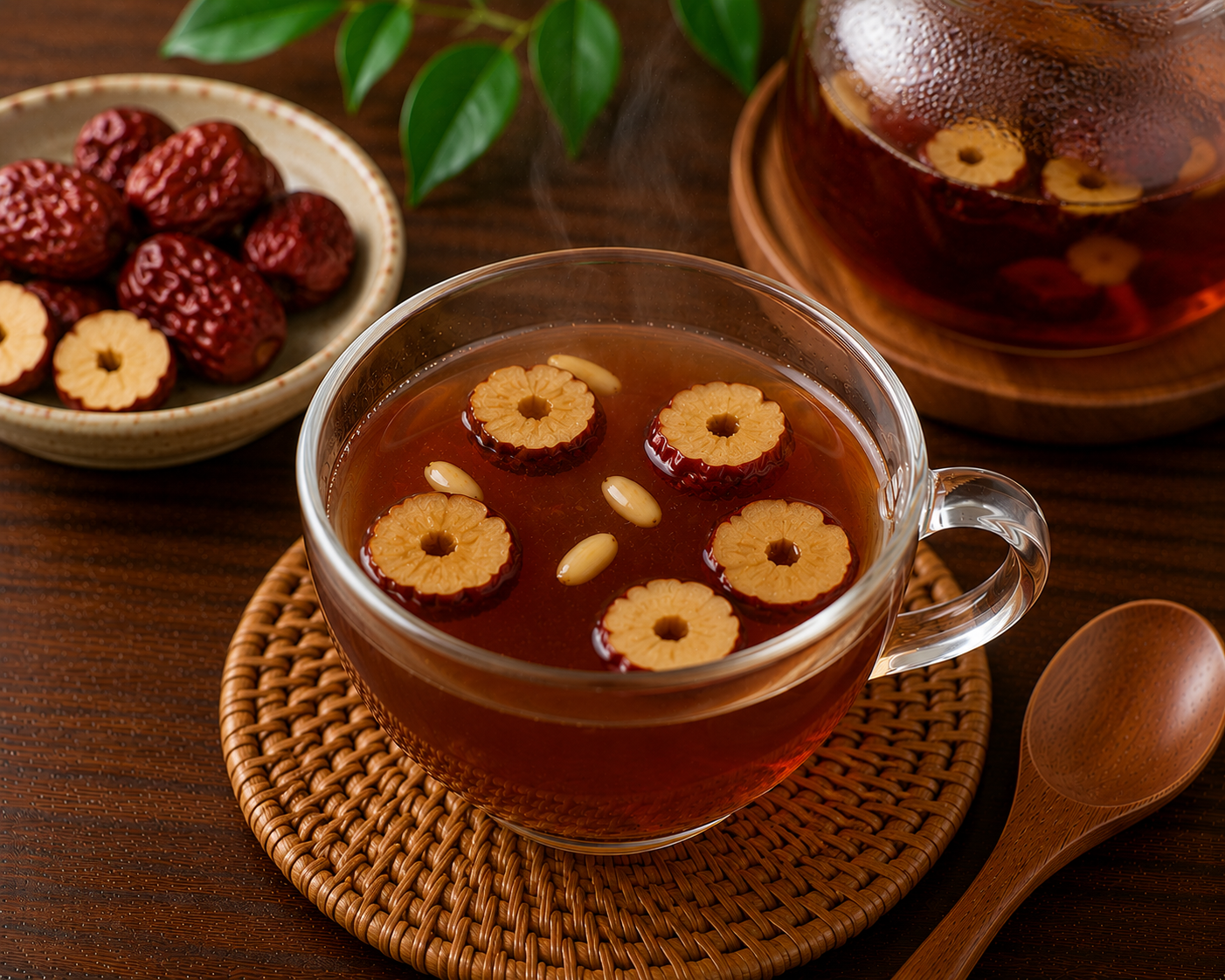
Jujube Tea
대추차 · dae-chu-cha
A warm traditional tea made by boiling jujubes, characterized by its sweet and fragrant taste. It is primarily consumed for health benefits and is said to be good for preventing colds.
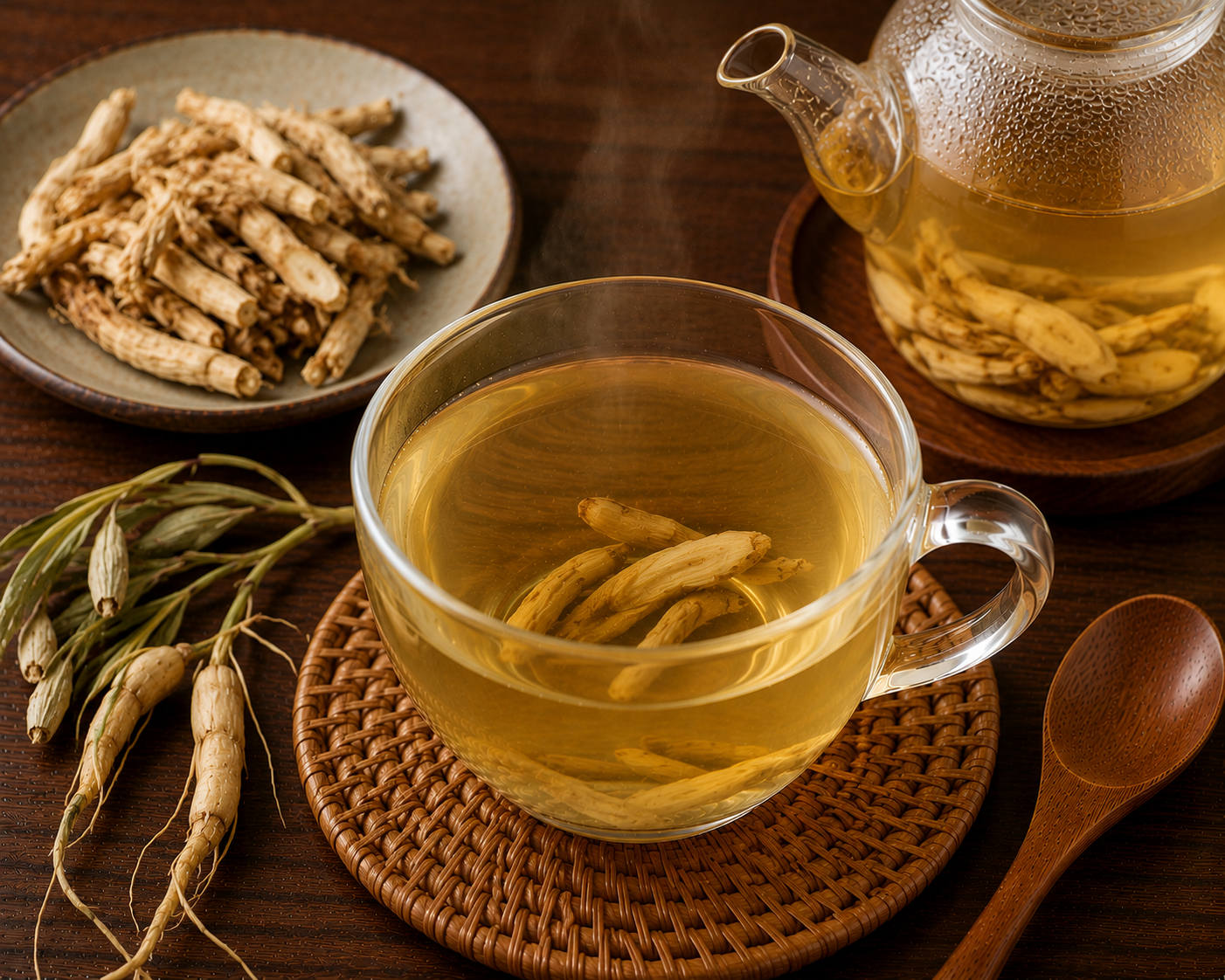
Solomon's Seal Tea
둥굴레차 · dung-gul-le-cha
A warm tea made by boiling dunggulle (Solomon's seal) root, characterized by a savory and smooth taste. It is a traditional tea consumed for health, and can be enjoyed without the burden of caffeine.
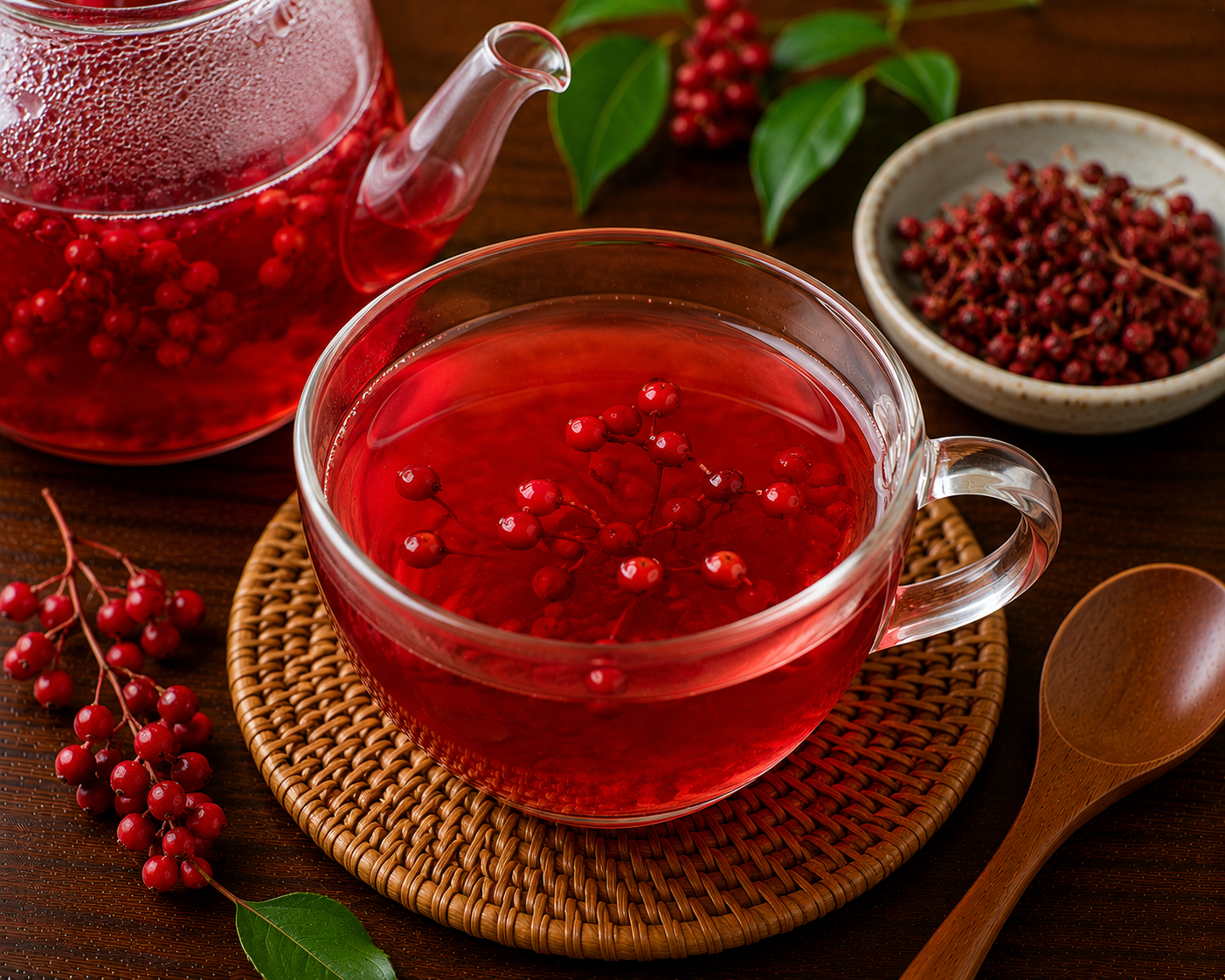
Omija Tea
오미자차 · omija-cha
A sweet and sour tea made from Omija berries, this traditional beverage can be enjoyed warm or cold.
Goes well with
Ingredients
How it's made
- 1Prepare the medicinal herbs such as astragalus, cinnamon, and ginger.
- 2Put the herbs in water and boil to extract the essence.
- 3Strain the brewed tea into a cup.
- 4If desired, top with pine nuts or jujubes.
Nutrition
* Estimated values per serving.
Allergens
A tea made from traditional medicinal ingredients, suitable for most diets.
How to order
쌍화차 주세요
Ssang-hwa-cha ju-se-yo
Please give me Sanghwacha