
Cultural background
Makgeolli is the representative of traditional takju, and it is common culture to drink it with pajeon on rainy days. It is enjoyed with snacks during gatherings or outings with friends, and there are drinking etiquette rules to pass cups with both hands.
Origin & history
Makgeolli is closely tied to Korea's tradition of home-brewed alcohol. Rice or other grains are steamed and fermented with nuruk starter, then left not fully filtered clear, giving the drink its cloudy appearance. In farming villages, it was also called nongju (농주), meaning a drink shared after the day's work.
When rice was not plentiful, brewers sometimes mixed in wheat flour or other grains. Later, rice Makgeolli became widely consumed again, and today it is easy to find versions made with local rice, fruit, nuts, and other ingredients.
Regional & modern variations
- Unpasteurized Makgeolli — Makgeolli that has not been heat-pasteurized, so its yeast remains alive. Its flavor can grow more sour over time, making refrigeration and quick consumption important.
- Pasteurized Makgeolli — Makgeolli that has been heat-treated to extend its shelf life. Its flavor changes less than unpasteurized Makgeolli, and it is often seen among products exported overseas.
- Flavored Makgeolli — Makgeolli with added aromas and sweetness from ingredients such as chestnut, banana, or peach. Compared with traditional Makgeolli, its alcoholic edge may feel softer.
How Koreans eat it
In a bottle of Makgeolli, rice sediment settles at the bottom. Before pouring, slowly turn the bottle upside down or give it a gentle shake to mix it. Carbonated products can overflow if shaken hard, so people sometimes loosen the cap first to release the gas.
Taste & how to choose
Good Makgeolli brings sweetness, acidity, and grain aroma together in a rounded way, without any one note sticking out. First-time drinkers may be surprised by its tangy, yogurt-like aroma and rice-flour-like texture. If it smells strongly of vinegar or the bottle is badly swollen, it is best to check its condition.
Similar dishes
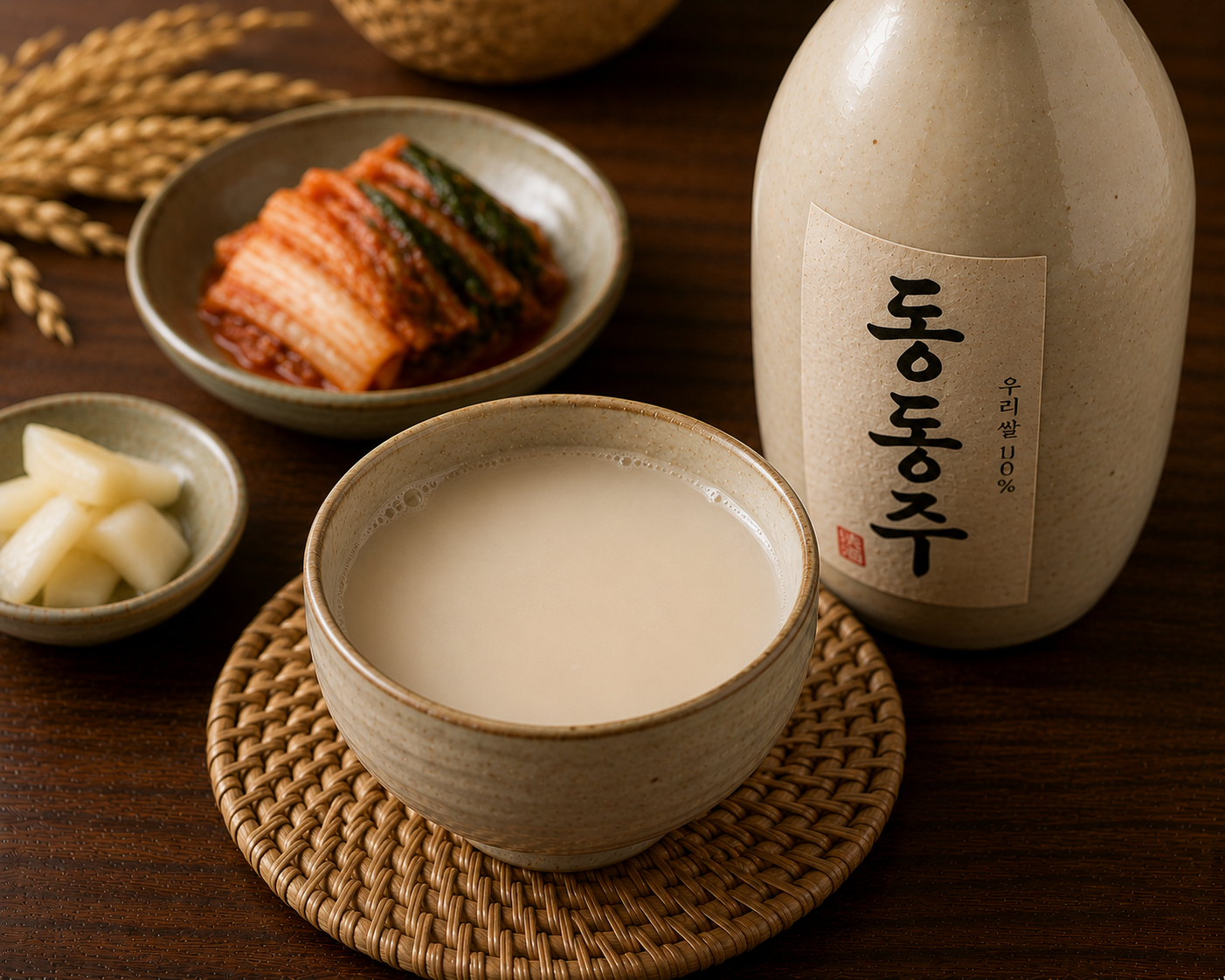
Dongdongju
동동주 · dong-dong-ju
A fermented liquor made by fermenting rice, it's a type of makgeolli with rice grains floating in it. It features a sweet and sour taste, and is best enjoyed in a bowl with snacks like tofu kimchi or pajeon.
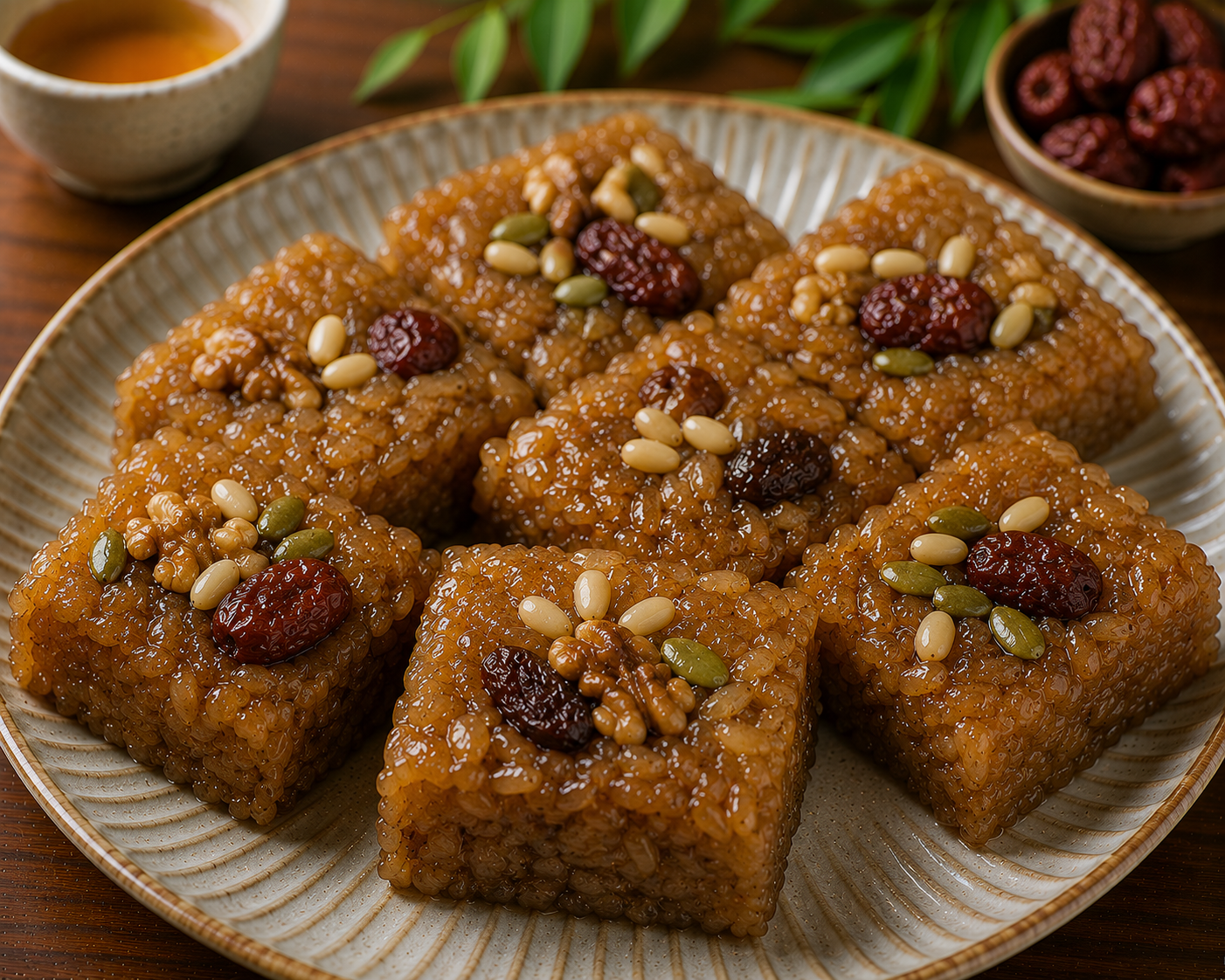
Yak-sik
약식 · yak-sik
A traditional Korean rice cake made by seasoning glutinous rice with honey and soy sauce, and steaming it with dates, chestnuts, and pine nuts.
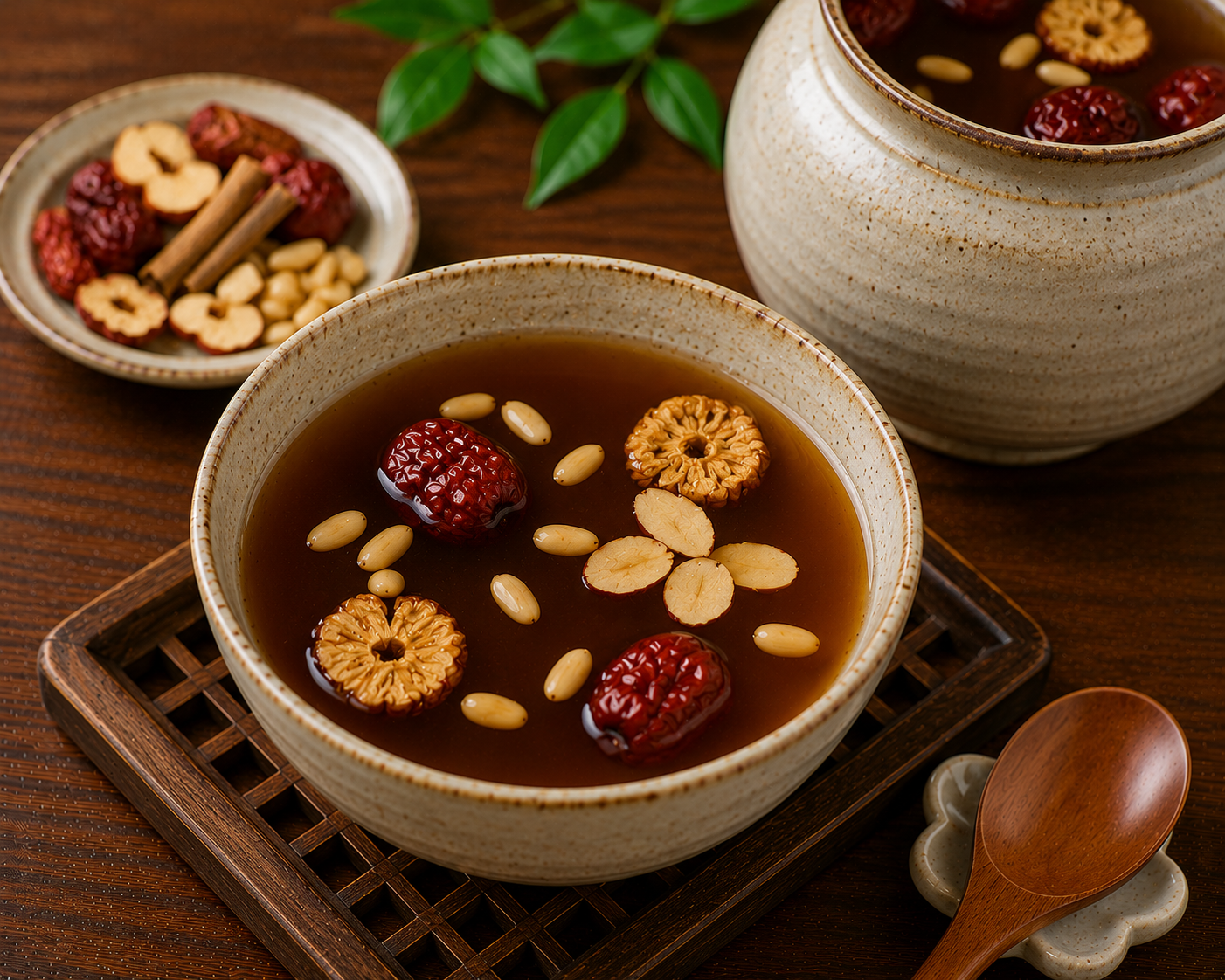
Sujeonggwa
수정과 · su-jeong-gwa
A spicy and sweet traditional drink made by infusing water with cinnamon and ginger, topped with dried persimmons. It is chilled and enjoyed as a dessert, where the flavors of cinnamon and ginger are pronounced.
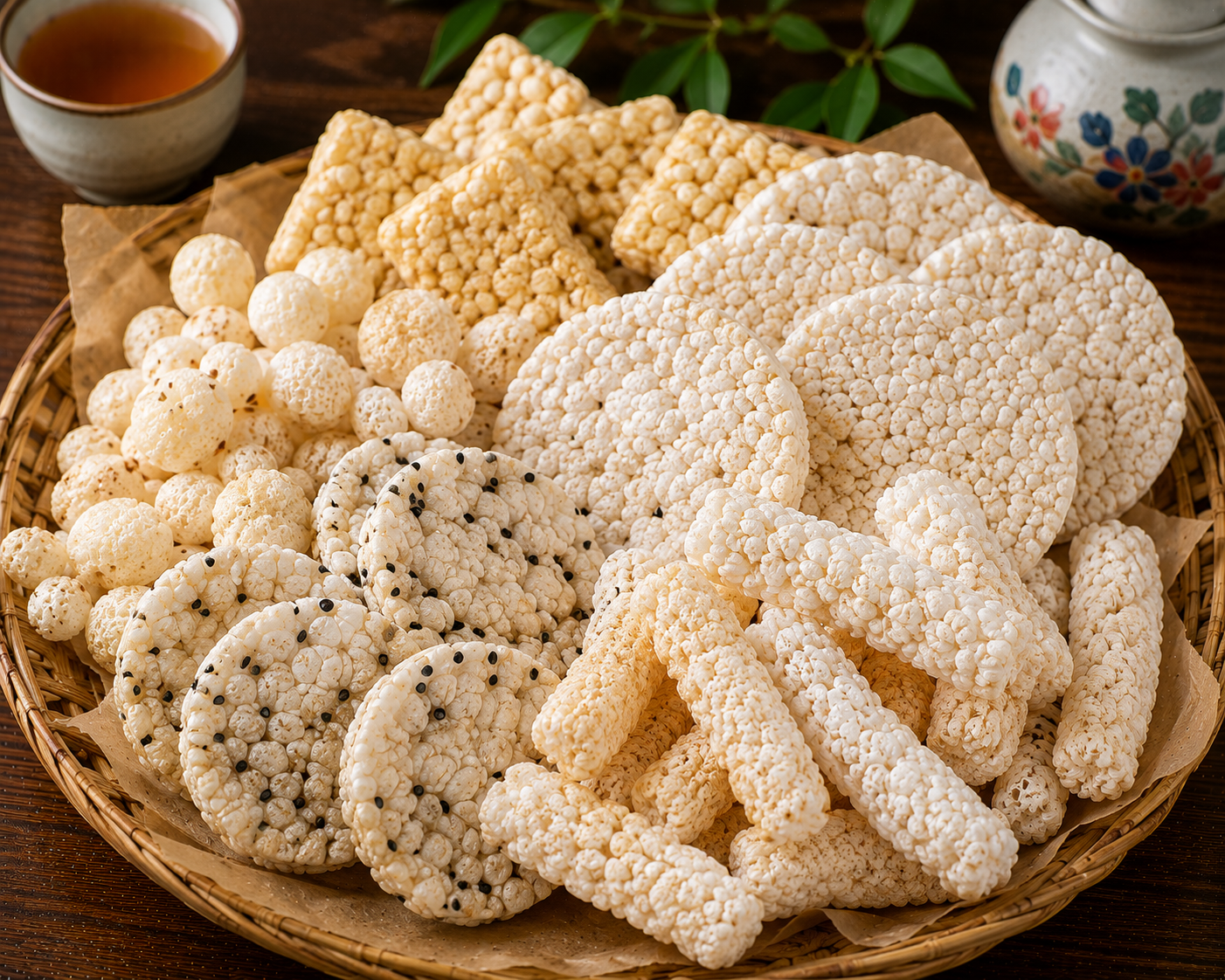
Puffed Rice
뻥튀기 · ppeong-twi-gi
A crispy and light snack made by puffing rice or corn at high temperature.
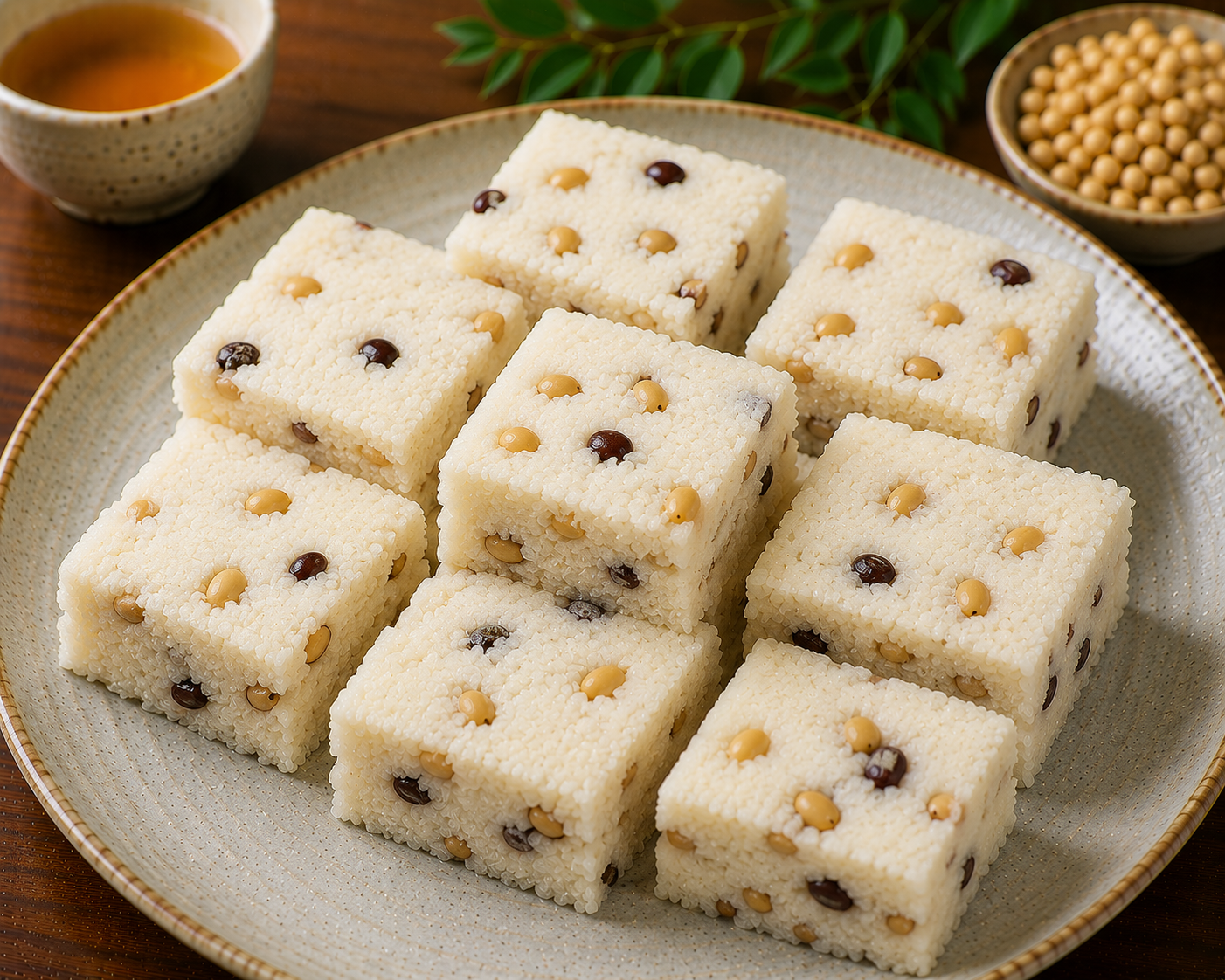
Kongseolgi
콩설기 · kong-seolgi
A steamed rice cake made by mixing rice flour with beans, characterized by its crumbly texture and mild taste. It is mainly enjoyed as a snack or dessert, and is sometimes eaten with tea.
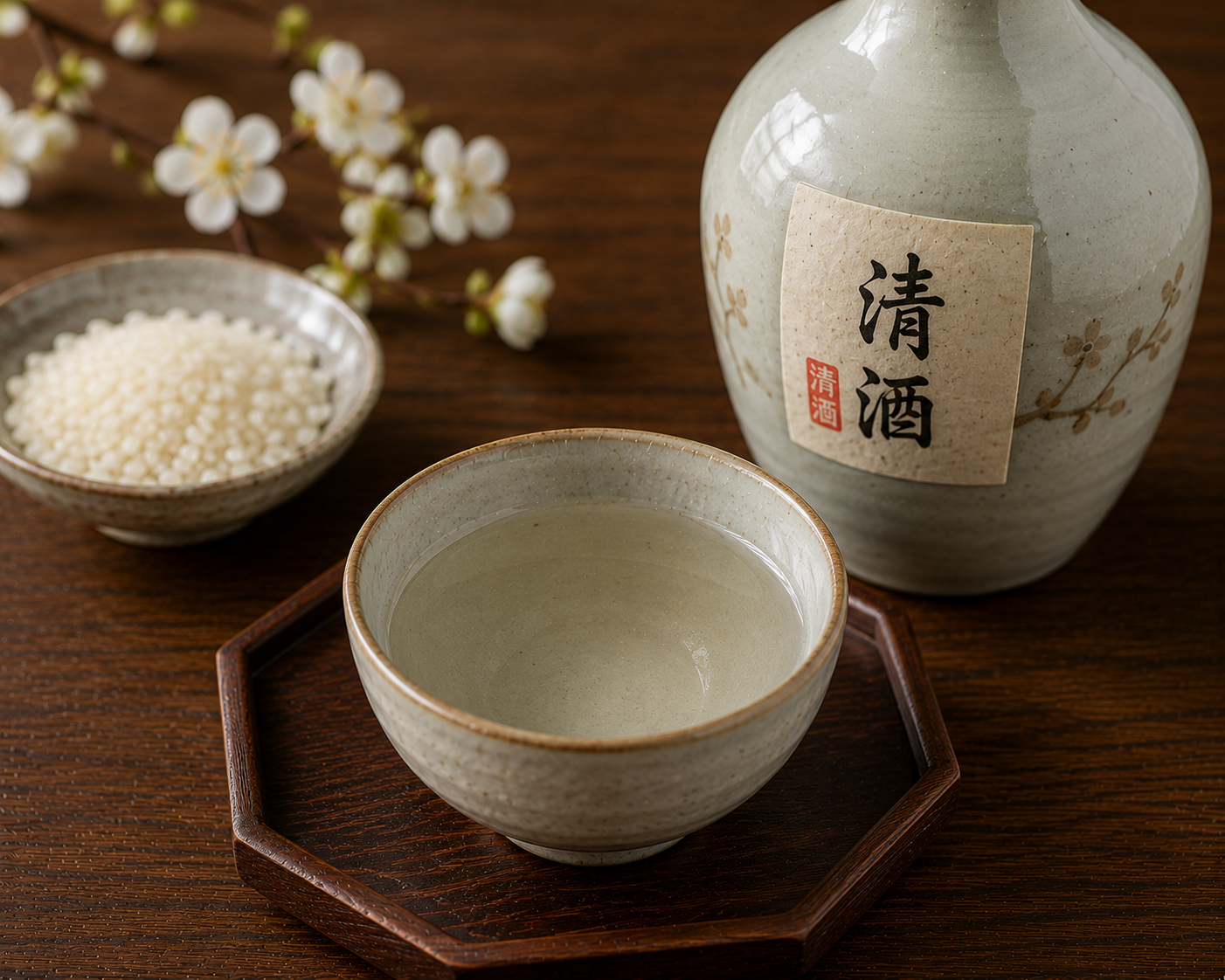
Cheongju
청주 · cheong-ju
Cheongju is a traditional Korean alcoholic beverage made by fermenting rice and filtering it clear, characterized by its clean and smooth taste. It has a low alcohol content, making it great to enjoy with meals.
Goes well with
Ingredients
How it's made
- 1Wash the rice thoroughly and soak it in water.
- 2Steam the soaked rice and let it cool.
- 3Mix nuruk (fermentation starter) and water into the cooled rice and let it ferment.
- 4When fermentation is complete, strain it through a sieve to remove the lees, then mix in water to adjust the alcohol content.
Nutrition
* Estimated values per serving.
Allergens
No allergen data.
Made from rice and nuruk, it can be consumed by vegetarians.
How to order
막걸리 주세요
Mak-geol-li ju-se-yo
Please give me Makgeolli
Traveler tips
How to eat it
Frequently asked questions
- Do you have to shake a bottle of Makgeolli?
- Most bottles taste more even when the sediment settled at the bottom is mixed in. However, because there may be a lot of carbonation, it is safer to mix it slowly rather than shake it hard.
- Are Makgeolli and Dongdongju the same drink?
- Both belong to the family of cloudy alcoholic drinks made with rice and nuruk starter, but they are usually referred to separately. Dongdongju is considered distinctive for the way grains of rice float on top of the drink.
- Why does unpasteurized Makgeolli have a short shelf life?
- Because it is not pasteurized, fermentation can continue little by little inside the bottle. The flavor may become increasingly sour and carbonation may build up, so it needs to be kept refrigerated.
Last reviewed: 2026-10-07