Cultural background
Soju is a common drink among the working class, often consumed during work gatherings or with friends. Drinking etiquette, such as pouring and receiving drinks with both hands, is important.
Origin & history
The name Soju is interpreted literally as “liquor made by burning.” The term comes from distillation, a method in which alcohol is boiled and the resulting vapor is collected back into liquid form.
A widely known account says distillation techniques reached the Korean Peninsula around the late Goryeo period. After that, regions such as Andong, Gaeseong, and Jeju carried on their own versions of Soju, made by distilling grain-based alcohol.
The Soju most commonly found today in restaurants and convenience stores is lighter than traditional distilled spirits. Diluted Soju, made by mixing neutral spirits with water to adjust the alcohol level, has become the popular form.
Regional & modern variations
- Diluted Soju — The clear Soju seen most often. With a mild aroma and an accessible price, it is widely drunk at barbecue restaurants, seafood restaurants, and convenience stores.
- Distilled Soju — Made by distilling alcohol brewed from rice or other grains. Compared with diluted Soju, it has a more distinct grain aroma and stronger alcohol presence, and people often sip it slowly from small glasses.
- Fruit-Flavored Soju — Soju with added aromas and sweetness, such as grapefruit, green grape, or peach. The alcohol may taste smoother, but because it still contains alcohol, it can be easy to drink quickly like a soft drink.
- Somaek — A way of drinking Soju mixed with beer. It often appears at Korean drinking gatherings when people want to liven up the mood, but because it can seem low in alcohol, it is easy to drink too much.
How Koreans eat it
Soju bottles are usually placed directly on the table and poured into small glasses to share. When a glass is empty, someone nearby will often refill it, so people sometimes leave a little in the glass to signal that they do not want more. At barbecue restaurants, Soju is often served with fatty Samgyeopsal; at company dinners, it is often set out with stews or grilled dishes.
Taste & how to choose
At first sip, Soju may feel like a clear spirit with almost no aroma. As it goes down, though, a hot sensation from the alcohol and a faint sweetness remain. Checking the alcohol percentage on the bottle label is a good idea. Even under the same name “Soju,” the difference can be quite large between products made to taste smooth and those with a stronger alcohol kick.
Similar dishes
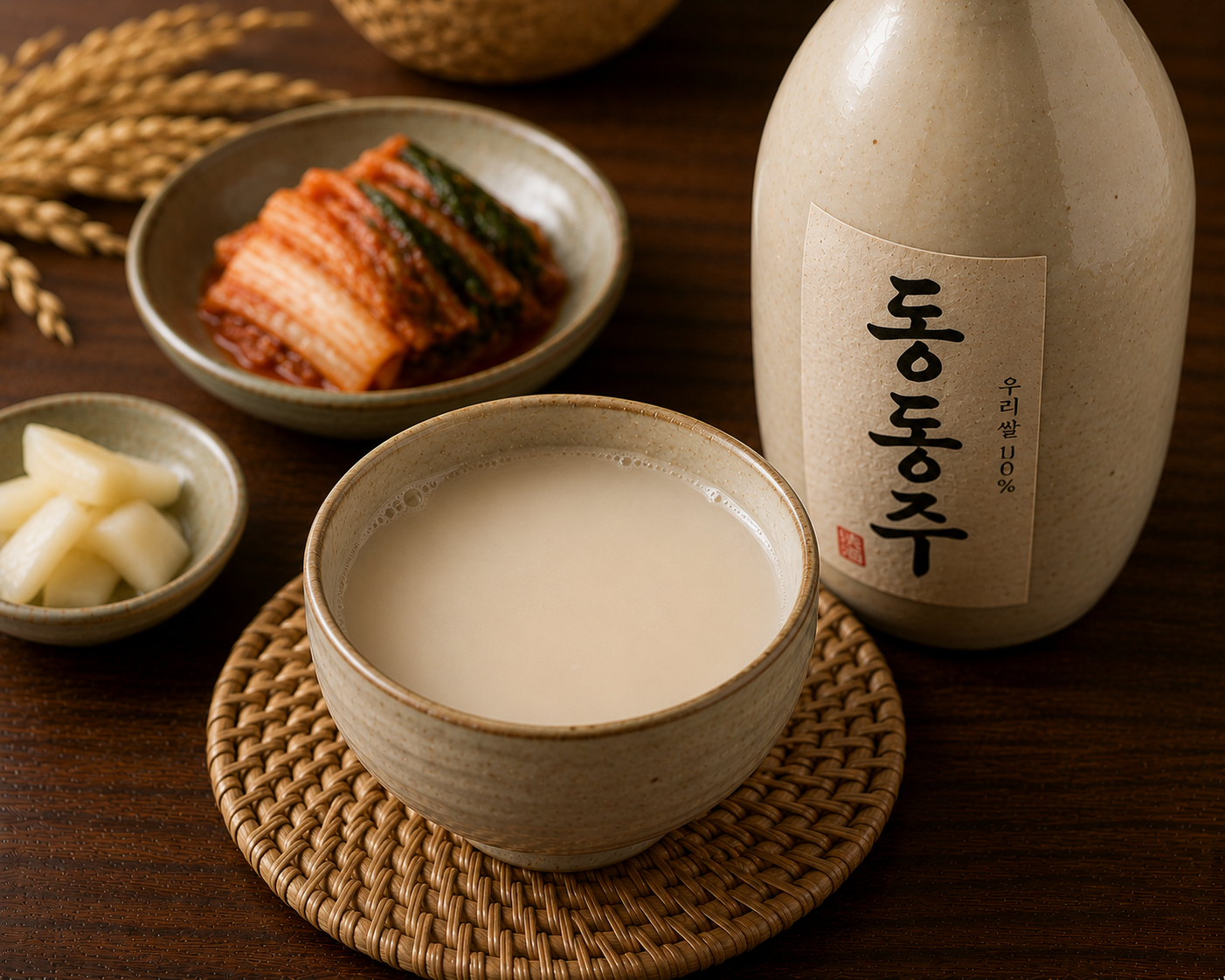
Dongdongju
동동주 · dong-dong-ju
A fermented liquor made by fermenting rice, it's a type of makgeolli with rice grains floating in it. It features a sweet and sour taste, and is best enjoyed in a bowl with snacks like tofu kimchi or pajeon.
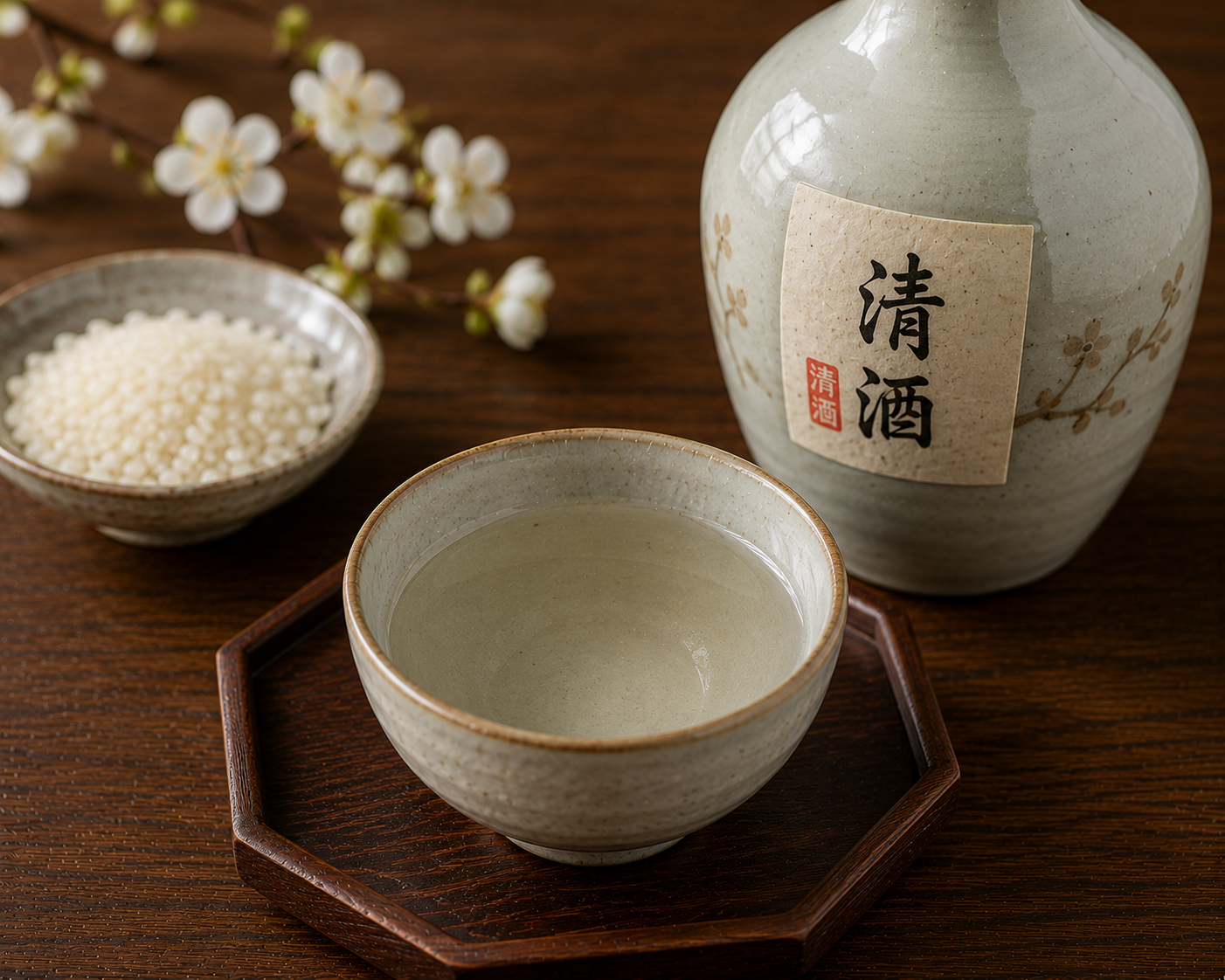
Cheongju
청주 · cheong-ju
Cheongju is a traditional Korean alcoholic beverage made by fermenting rice and filtering it clear, characterized by its clean and smooth taste. It has a low alcohol content, making it great to enjoy with meals.
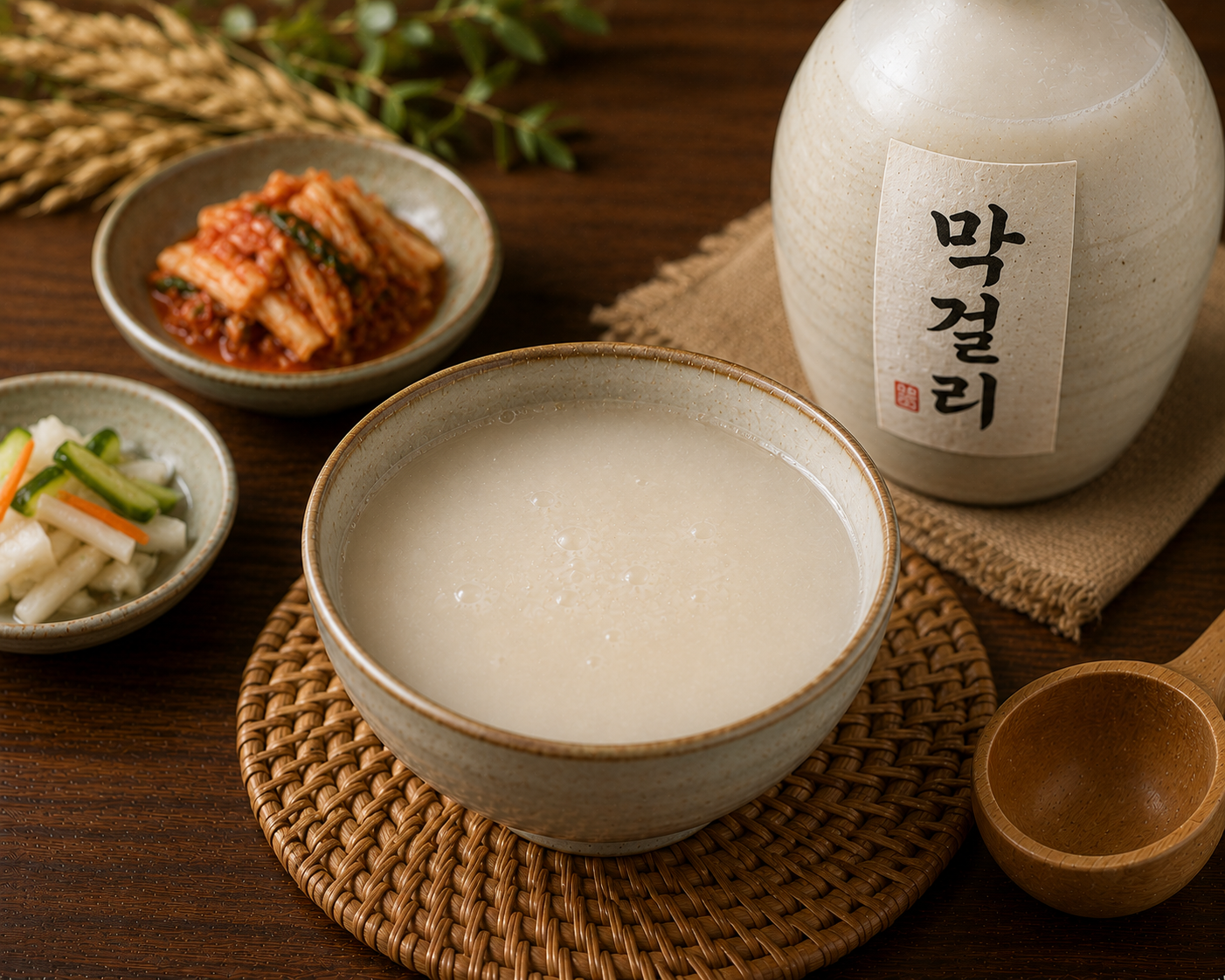
Makgeolli
막걸리 · makgeolli
A cloudy, milky-white traditional liquor made by fermenting rice and then straining it coarsely, characterized by its tangy-sweet and smooth taste.
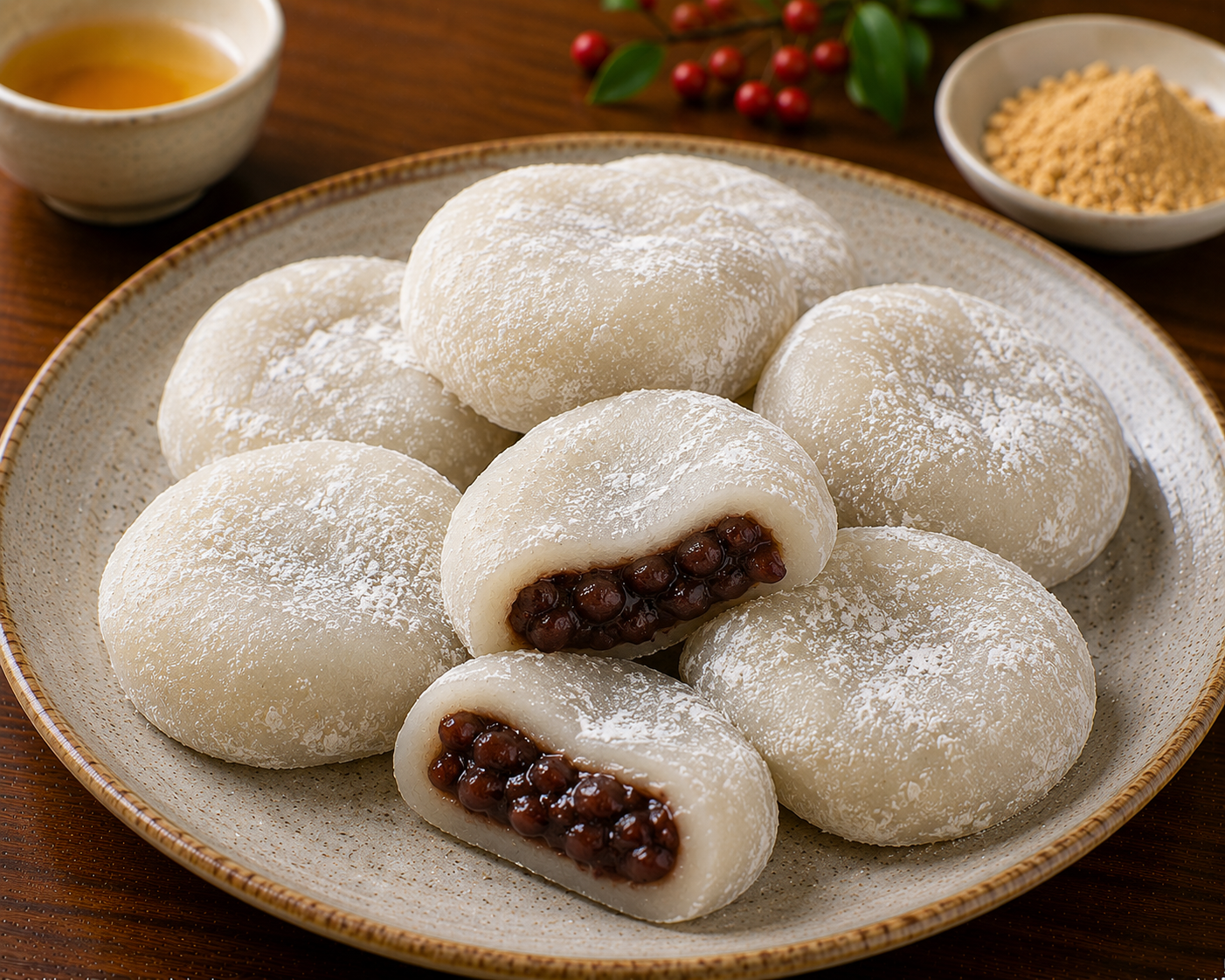
Chaltteok
찰떡 · chal-tteok
A chewy rice cake made by steaming glutinous rice and kneading it, then coating it with various powders. It is characterized by a sticky texture and subtle sweetness, making it great for snacks or desserts.
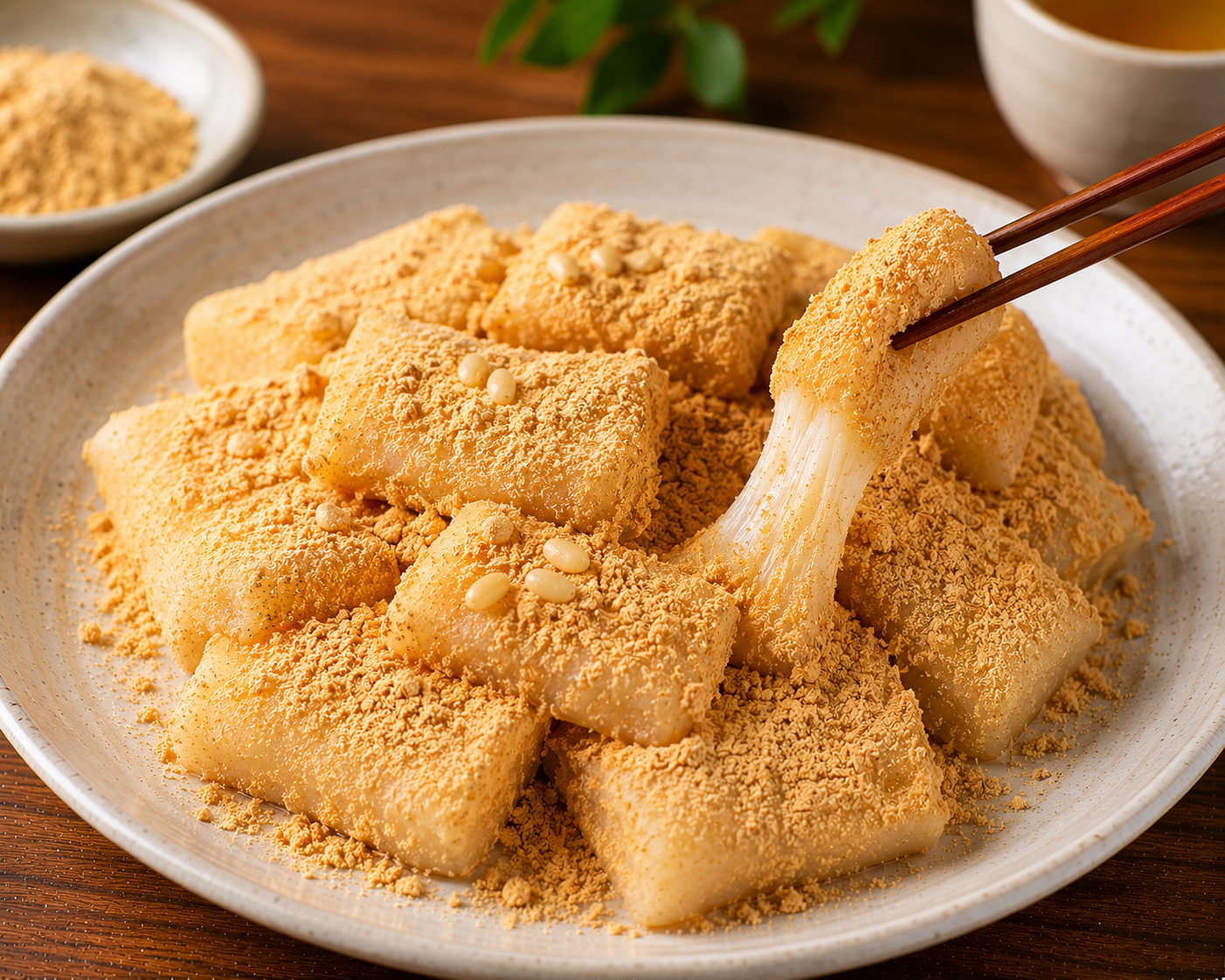
Injeolmi
인절미 · injeolmi
Sticky and nutty rice cake made from steamed glutinous rice coated with soybean powder.
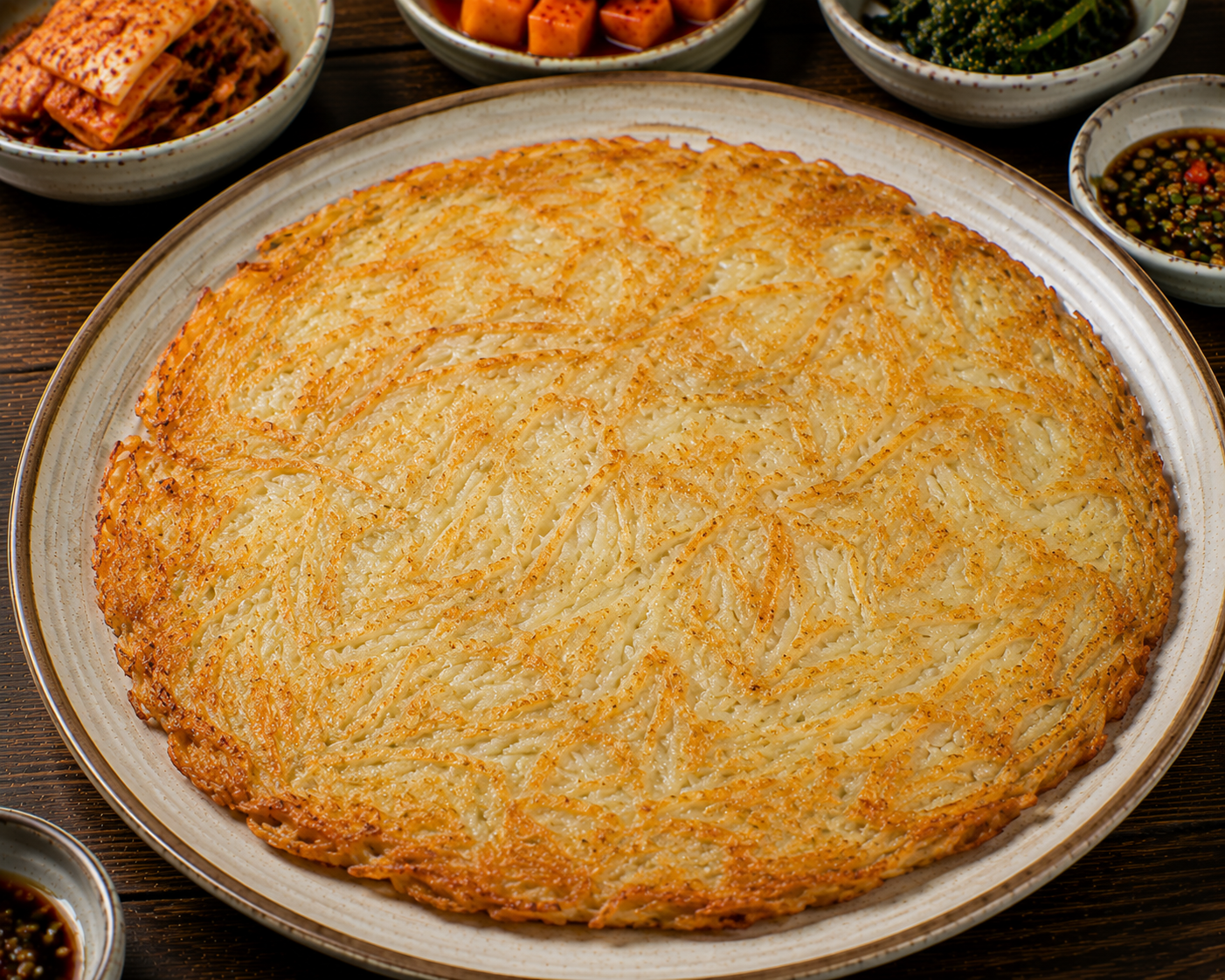
Potato Pancake
감자전 · gamja-jeon
A pancake made by grating potatoes and mixing them with flour, then pan-frying. The outside is crispy and golden brown while the inside is moist. Dipping it in vinegared soy sauce enhances the savory taste of the potatoes.
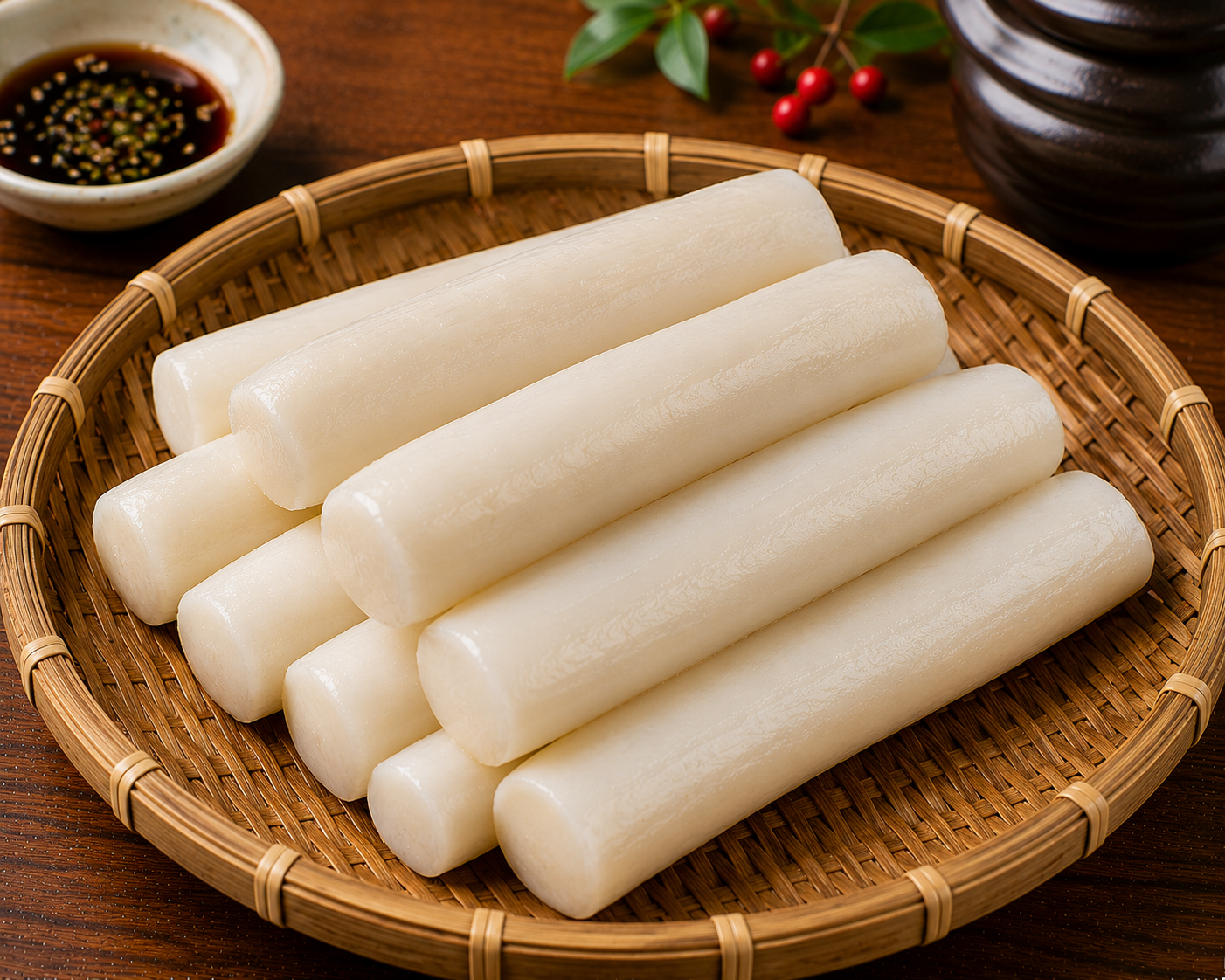
Goes well with
Ingredients
Nutrition
* Estimated values per serving.
Allergens
No allergen data.
An alcoholic beverage, caution is advised when consuming.
How to order
소주 주세요
So-ju ju-se-yo
Please give me Soju
Customize your order
Traveler tips
How to eat it
Frequently asked questions
- Why do people shake a Soju bottle or tap the neck?
- Modern diluted Soju does not taste better because of that. It is better understood as an old drinking-party habit that remains as a kind of playful ritual.
- Is Soju the same as Japanese sake?
- No. Sake is usually a brewed alcoholic drink made by fermenting rice, while Soju goes through distillation or dilution. The taste also tends to be cleaner in Soju, with the alcohol felt more directly.
- Is it rude to refuse a glass?
- You do not have to drink it. It is fine to say you cannot drink alcohol. Korean drinking gatherings still have a culture of offering drinks, however, so it is more comfortable to say clearly from the start, “‘술을 잘 못 마신다’ (sureul jal mot masinda, ‘I don’t drink well’).”
Last reviewed: 2026-10-07