Hotteok
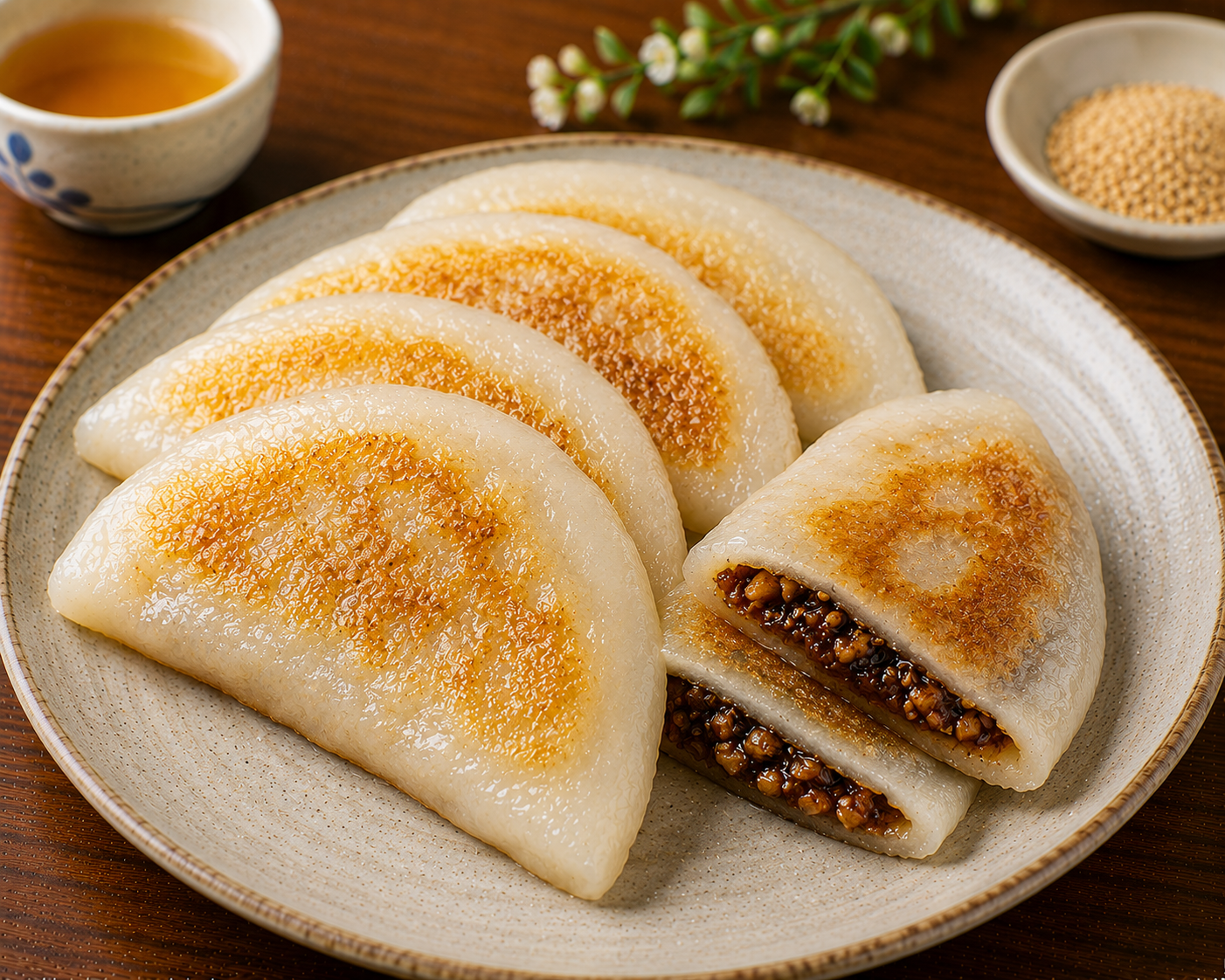
A warm street snack made by frying dough filled with brown sugar and nut syrup. It has a crispy exterior and a flowing brown sugar syrup interior, making it a representative winter treat that tastes even better when eaten warm right after it is freshly made.
Cultural background
A common snack found on the streets during winter, it allows you to enjoy the sweetness of the flowing syrup when eaten warm.
Origin & history
A widely told story traces Hotteok to flour pancakes brought over by Chinese merchants. As the snack took root in Korea, the sweet version filled with sugar became more familiar than the earlier style filled with meat or vegetables.
Once wheat flour became relatively common, Hotteok turned into an easy snack to make in markets and on the street. Pressing it flat on an oiled griddle with a hotteok press also reflects the nature of street food: quick to cook and easy to hand over right away.
Regional & modern variations
- Seed Hotteok — This style is well known as a Busan market snack. The cooked Hotteok is split open and generously filled with seeds and nuts, such as sunflower seeds and pumpkin seeds, giving it a pronounced chew and crunch.
- Glutinous Rice Hotteok — Hotteok made chewier by mixing glutinous rice flour into the dough. Even when the outside is crisp, the dough inside feels more springy.
- Vegetable Hotteok — A savory Hotteok filled with glass noodles and vegetables instead of sugar. Rather than a sweet dessert, it is closer to a light meal or market snack.
How Koreans eat it
Hotteok is usually bought one at a time and served in a paper cup or paper bag. Its flat shape makes it easy to eat while standing on the street, but the filling flows like liquid, so take careful bites. In winter markets, it often appears as a warm snack alongside Bungeo-ppang and eomuk fish cakes.
Taste & how to choose
Good Hotteok does not have an overly thick exterior, and its edges are well sealed so the sugar filling does not leak out too much. Cinnamon comes through first, and when you bite in, melted brown sugar spreads like caramel. Hotteok that has cooled for too long can become greasy and tough, so freshly made is better.
Similar dishes
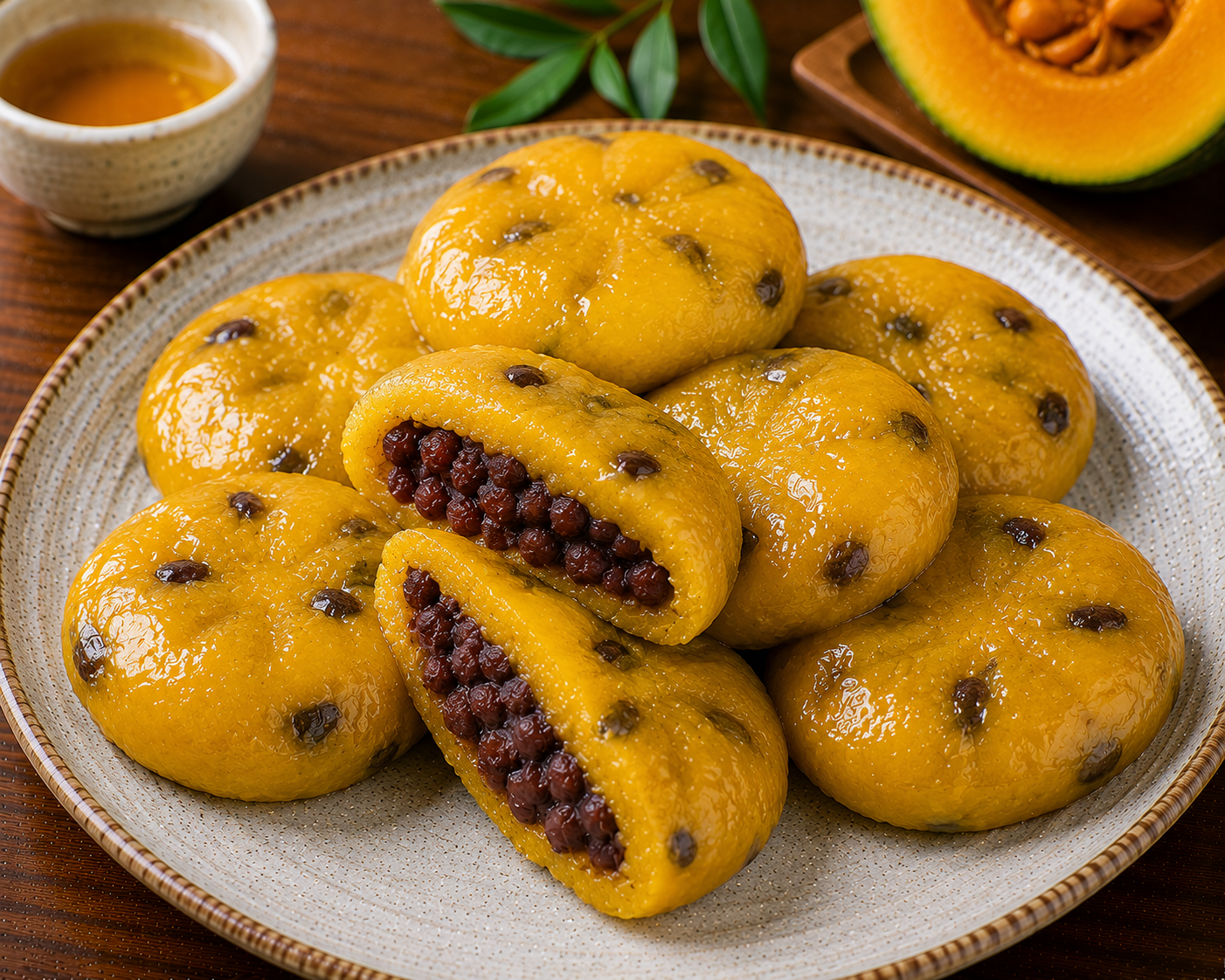
Pumpkin Rice Cake
호박떡 · ho-bak-tteok
A traditional Korean rice cake made by steaming a mixture of sweet rice flour and pumpkin, characterized by its chewy texture and subtle sweetness.
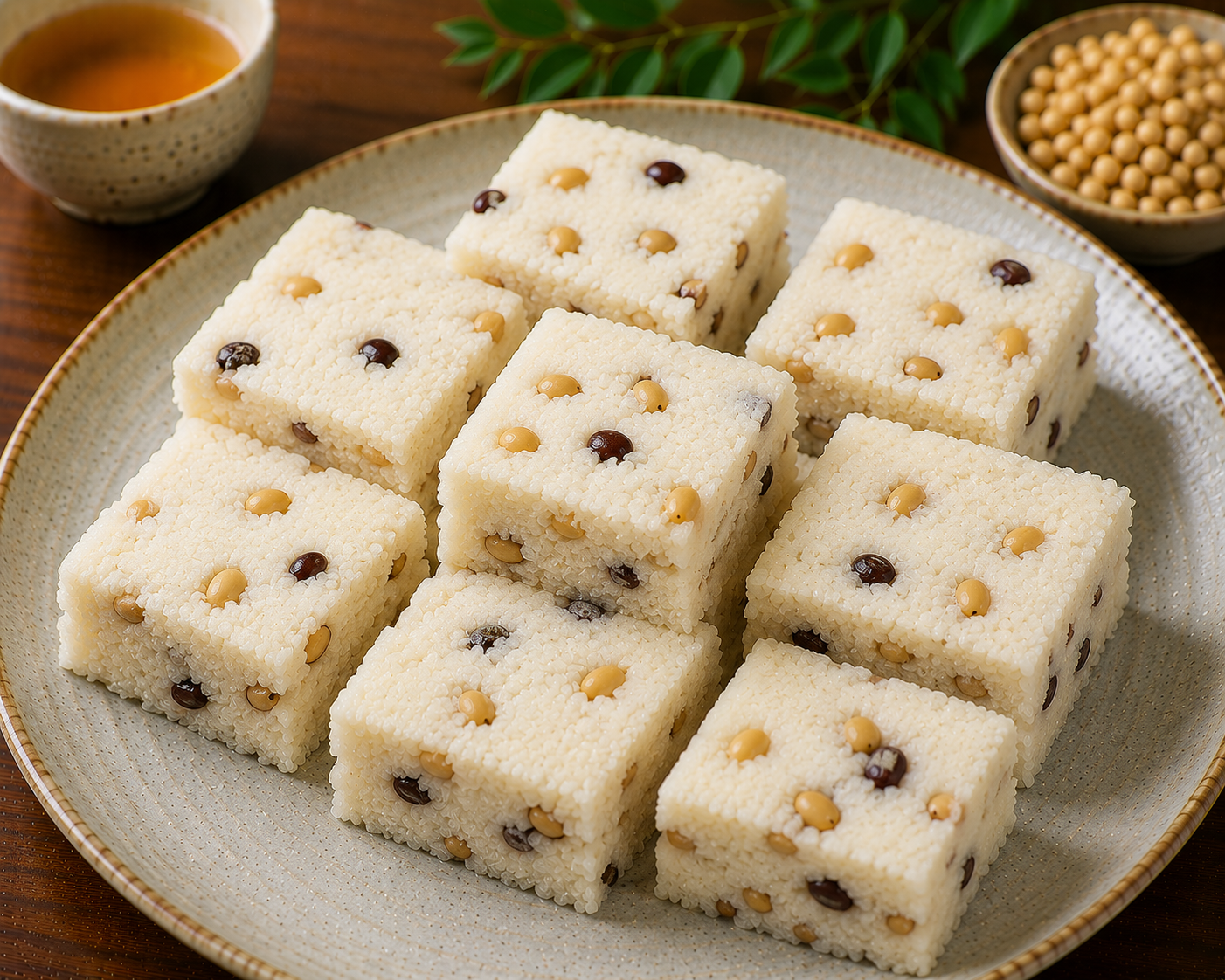
Kongseolgi
콩설기 · kong-seolgi
A steamed rice cake made by mixing rice flour with beans, characterized by its crumbly texture and mild taste. It is mainly enjoyed as a snack or dessert, and is sometimes eaten with tea.
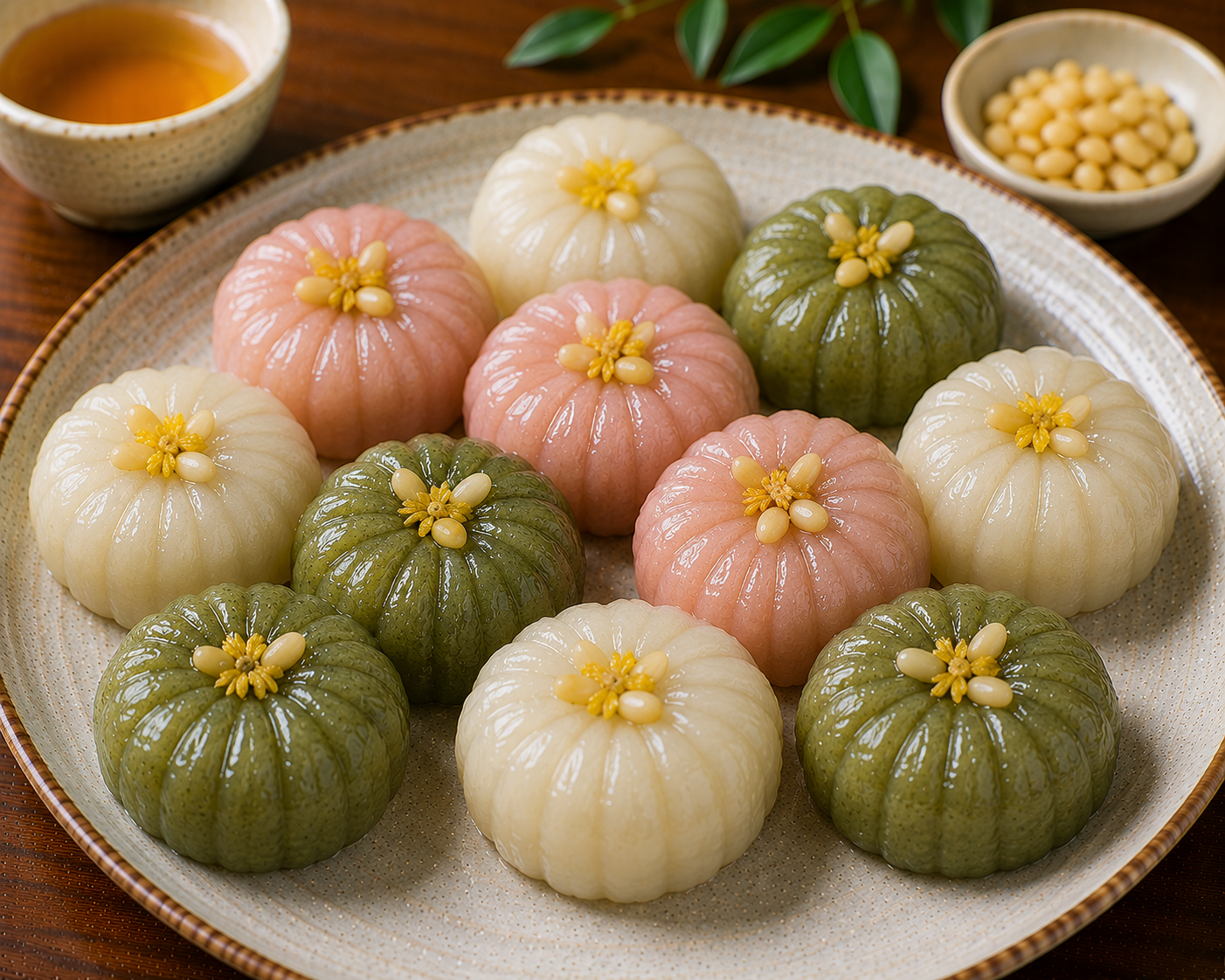
Danja
단자 · danja
A traditional rice cake made by kneading glutinous rice flour into round shapes and coating it with toppings, characterized by its chewy and sweet taste.
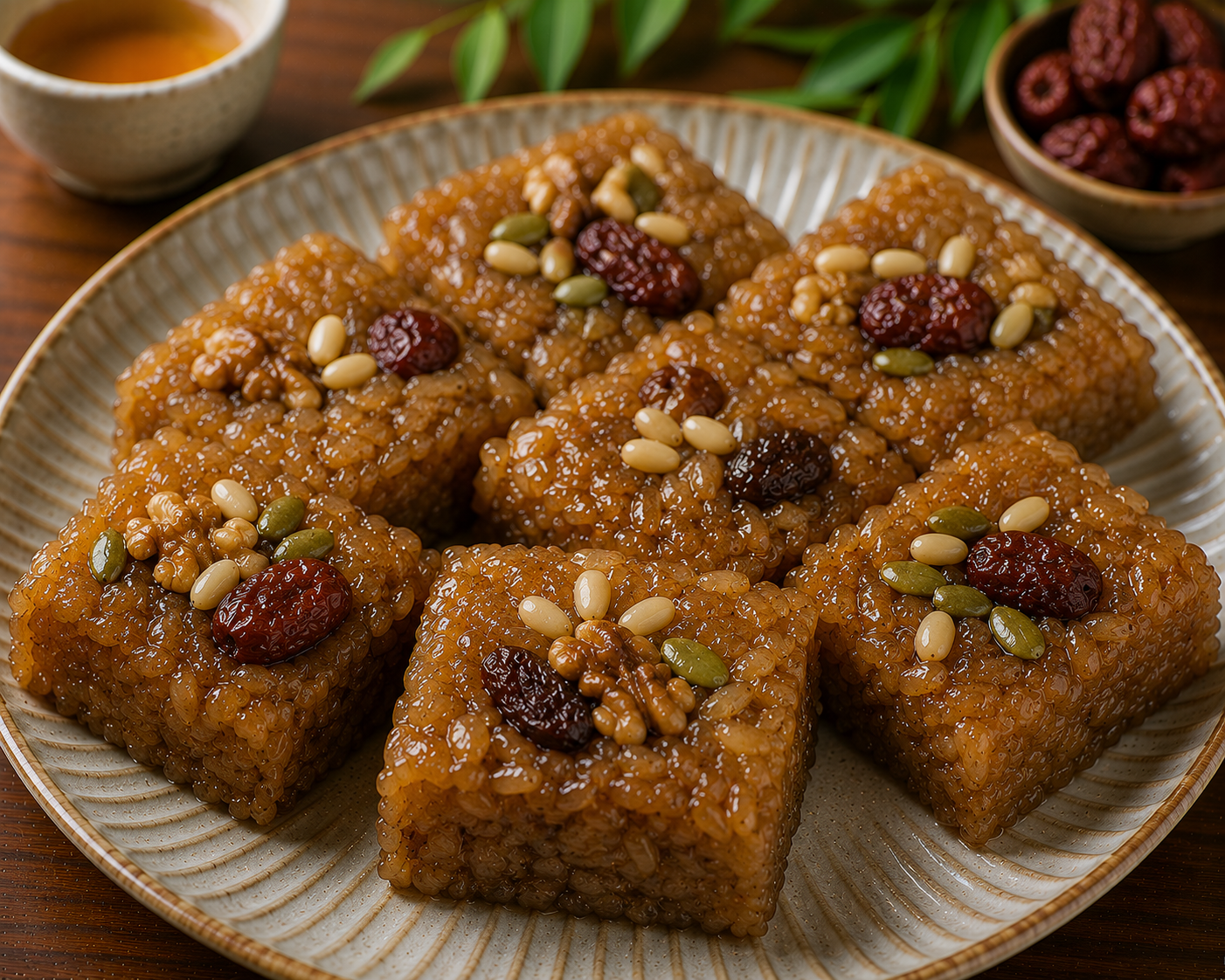
Yak-sik
약식 · yak-sik
A traditional Korean rice cake made by seasoning glutinous rice with honey and soy sauce, and steaming it with dates, chestnuts, and pine nuts.
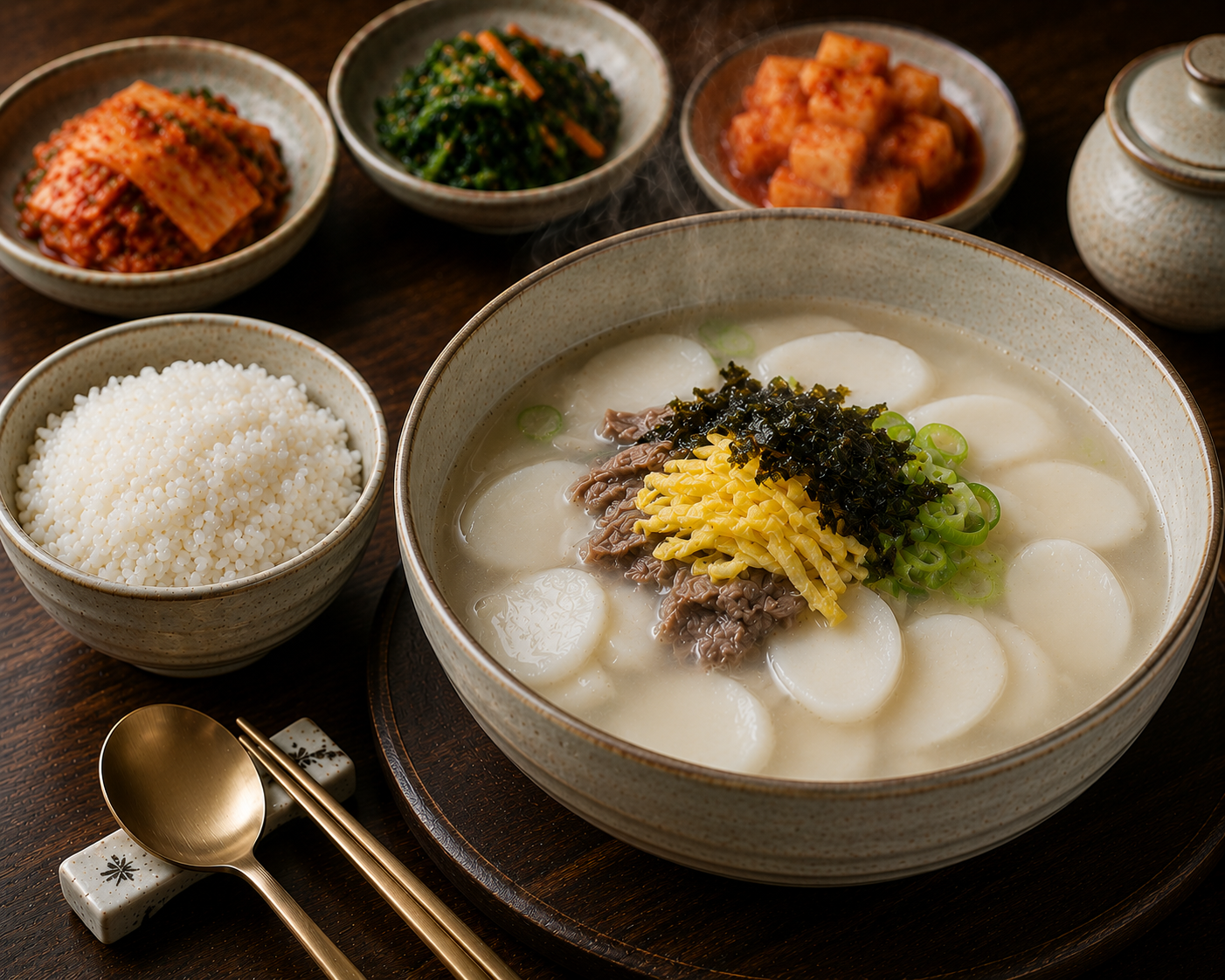
Ddeokguk
떡국 · tteok-guk
A traditional Korean soup made by boiling thinly sliced rice cake in clear broth, typically eaten on Lunar New Year.
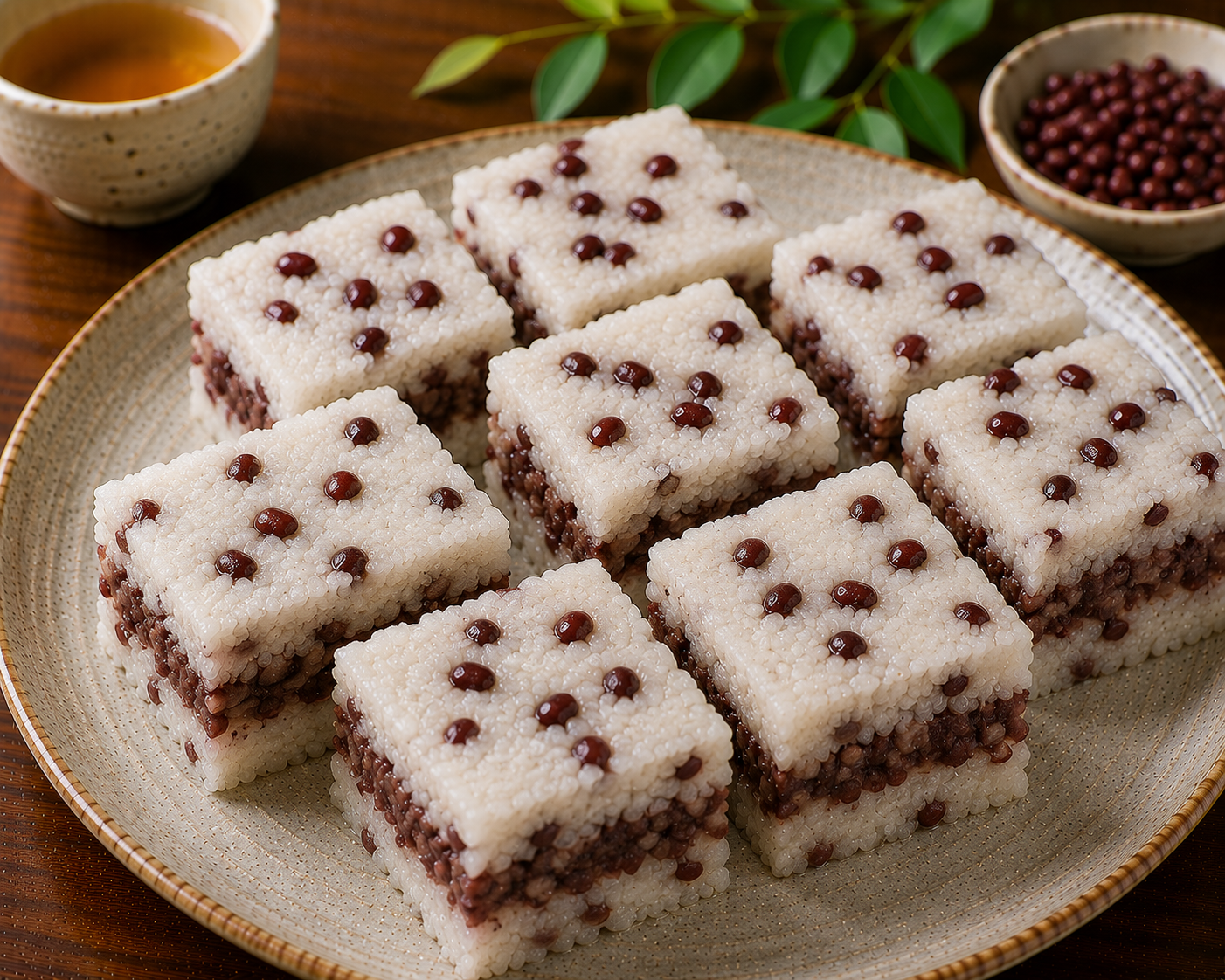
Red Bean Rice Cake
팥설기 · pat-seolgi
A steamed rice cake made by layering non-glutinous rice flour with sweetened red bean topping, characterized by its light, crumbly texture and subtle sweetness. It is typically enjoyed as a snack or dessert and often appears on holidays or special occasions.
Ingredients
How it's made
- 1Prepare the flour dough.
- 2Fill the dough with brown sugar and nut syrup and seal it.
- 3Place the dough on a heated pan and fry until cooked.
- 4Flip it while cooking until the exterior is crispy.
Nutrition
* Estimated values per serving.
Allergens
Not gluten-free as it contains flour.
How to order
호떡 주세요
Ho-tteok ju-se-yo
Please give me hotteok
Customize your order
Traveler tips
How to eat it
Frequently asked questions
- Why does the name include tteok?
- In Korean, tteok does not refer only to rice cakes; the word is also used broadly for snacks shaped flat and cooked. Hotteok is made from wheat flour dough rather than rice, but the name with tteok stuck because of its shape and the way it is eaten.
- Why is Hotteok pressed flat with a press?
- Pressing helps the inside cook quickly and the sugar melt evenly. Flattening it gives the outside a wider, crispier surface, and keeps the sweetness inside from clumping on just one side.
- How is Seed Hotteok different from regular Hotteok?
- Regular Hotteok is often cooked with sugar and nuts already inside. Seed Hotteok is split open after cooking and filled with extra seeds, making it much nuttier and more substantial to chew.
Last reviewed: 2026-10-07