Cultural background
It is eaten with family on New Year's morning, symbolizing wishes for health and fortune in the coming year.
Origin & history
Ddeokguk is a Seollal dish made by thinly slicing long Garaetteok and adding the slices to soup. The white rice cakes are understood as a symbol of starting the new year with a clean slate, while the long strands of Garaetteok are seen as a wish for long life.
One account says the round, slanted slices of rice cake were seen as resembling yeopjeon, old Korean coins. For that reason, Ddeokguk also came to carry wishes for good fortune and abundance in the new year.
In Korea, people widely say that you have to eat Ddeokguk to become one year older. Separate from actual age reckoning, the phrase is closer to a cultural expression of having passed Seollal and become a member of the new year.
Regional & modern variations
- Tteok-mandutguk — A version of Ddeokguk with dumplings added. Often explained in connection with the dumpling culture of Korea's northern regions, it is eaten on Seollal just as commonly as Ddeokguk.
- Joraengi Ddeokguk — Ddeokguk made with joraengi-tteok, rice cakes pinched in at the middle. Known as a dish from the Gaeseong area, it has a more pronounced chew than regular Ddeokguk.
- Oyster Ddeokguk — Ddeokguk made with oysters instead of beef, giving the soup a clean, refreshing flavor. You may see it in coastal areas where seafood is familiar, or in winter.
How Koreans eat it
On Seollal morning, many households cook a large pot, and each family member eats a bowl. Families that hold charye, an ancestral rite, may eat it as the meal after the ritual. People also eat it in winter or as a simple meal even outside the holiday, but the question "떡국 먹었느냐" (tteokguk meogeonneunya, "Have you had Ddeokguk?") sounds especially like a New Year's greeting.
Taste & how to choose
The broth is clear and not spicy, with the aroma of beef and the softness of egg. First-time eaters may find it unfamiliar that the rice cakes do not spread out like noodles but stay chewy. In good Ddeokguk, the edges of the rice cakes are cooked until tender while the shapes remain intact, and the broth is not overly cloudy.
Similar dishes
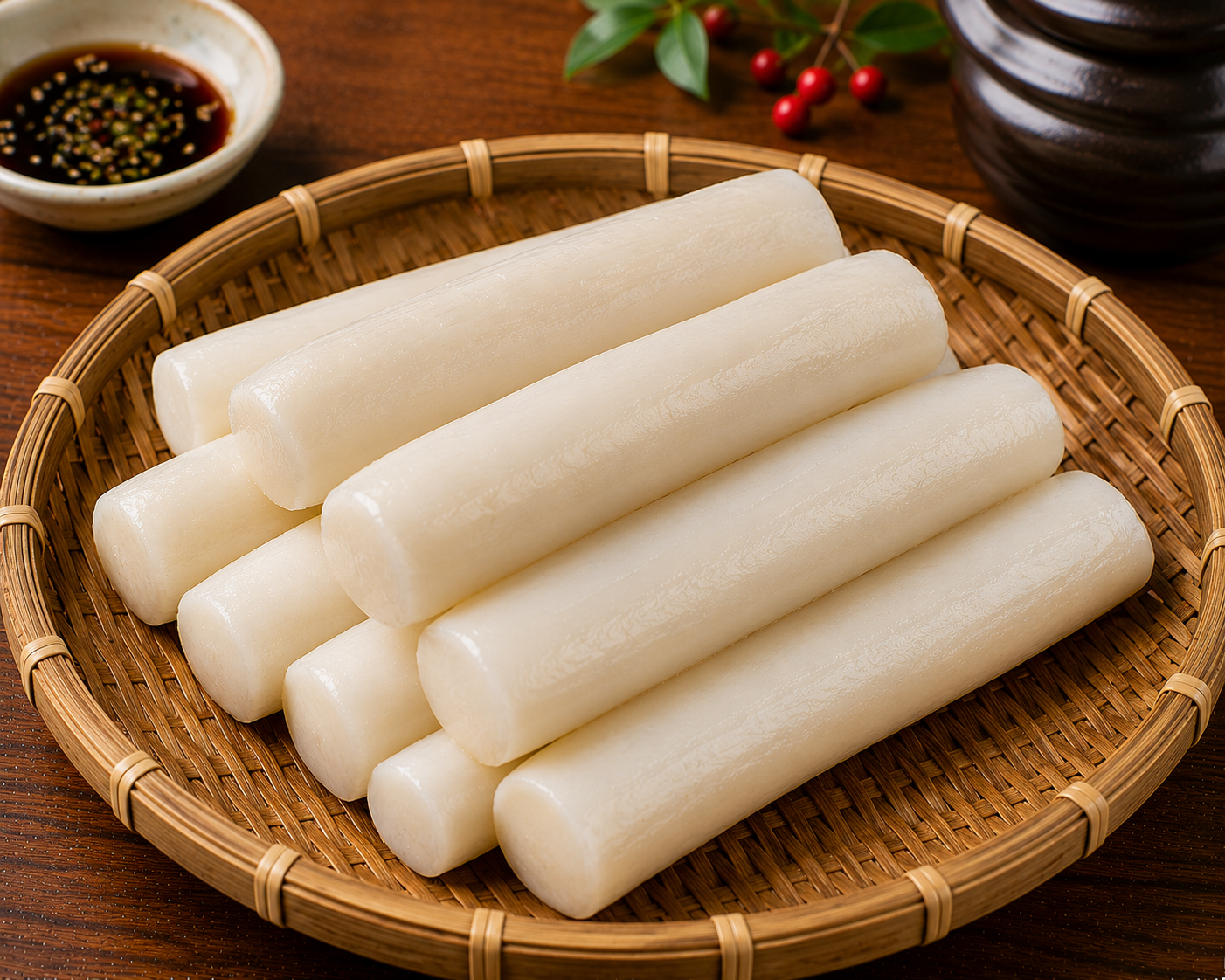
Garaetteok
가래떡 · garae-tteok
Garaetteok is a rice cake made by steaming non-glutinous rice and shaping it into a long cylindrical form, characterized by its chewy texture. It is mainly used as an ingredient for tteokguk during the Lunar New Year and can also be enjoyed as a snack.
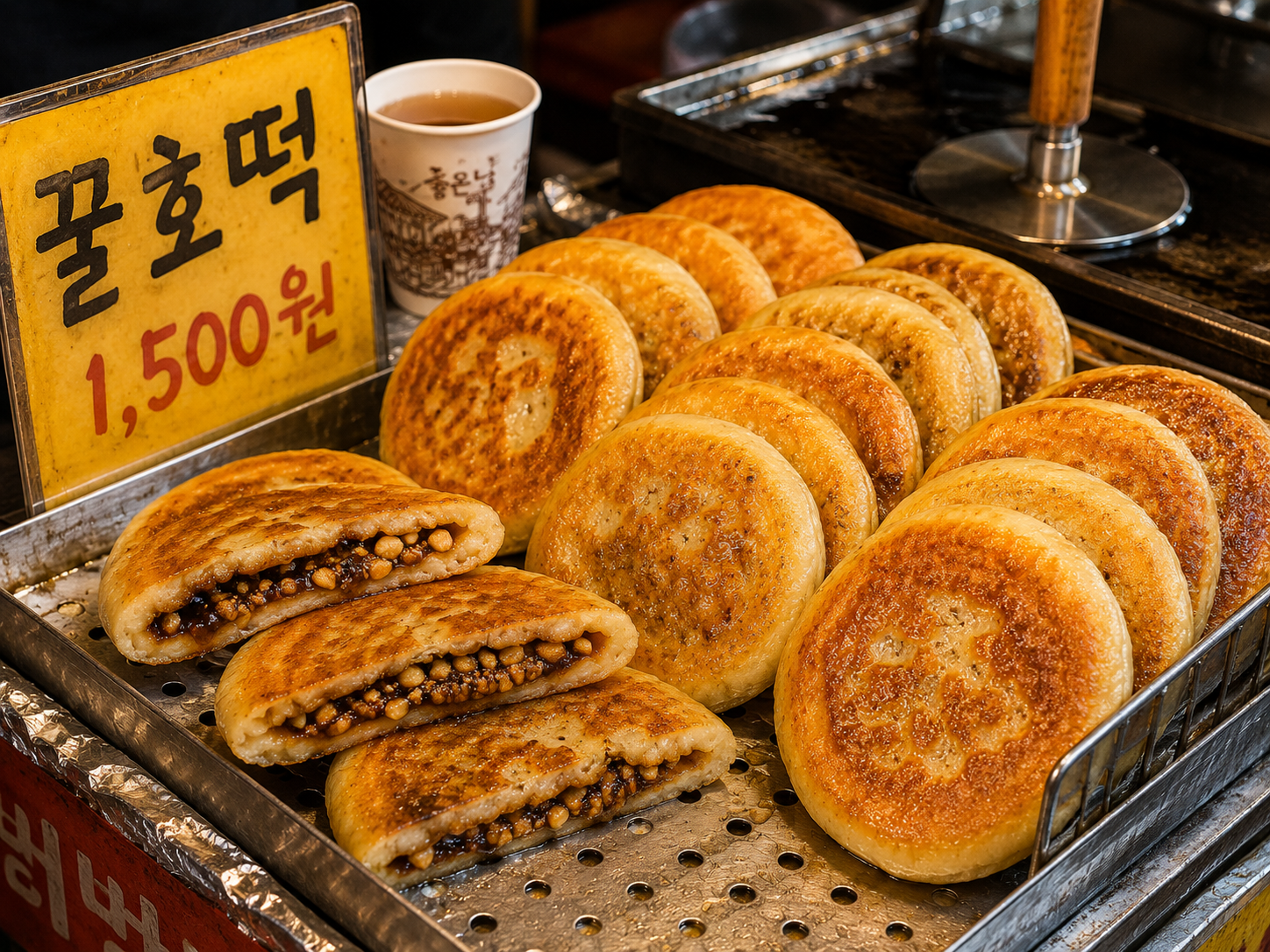
Hotteok
호떡 · ho-tteok
A warm street snack made by frying dough filled with brown sugar and nut syrup. It has a crispy exterior and a flowing brown sugar syrup interior, making it a representative winter treat that tastes even better when eaten warm right after it is freshly made.
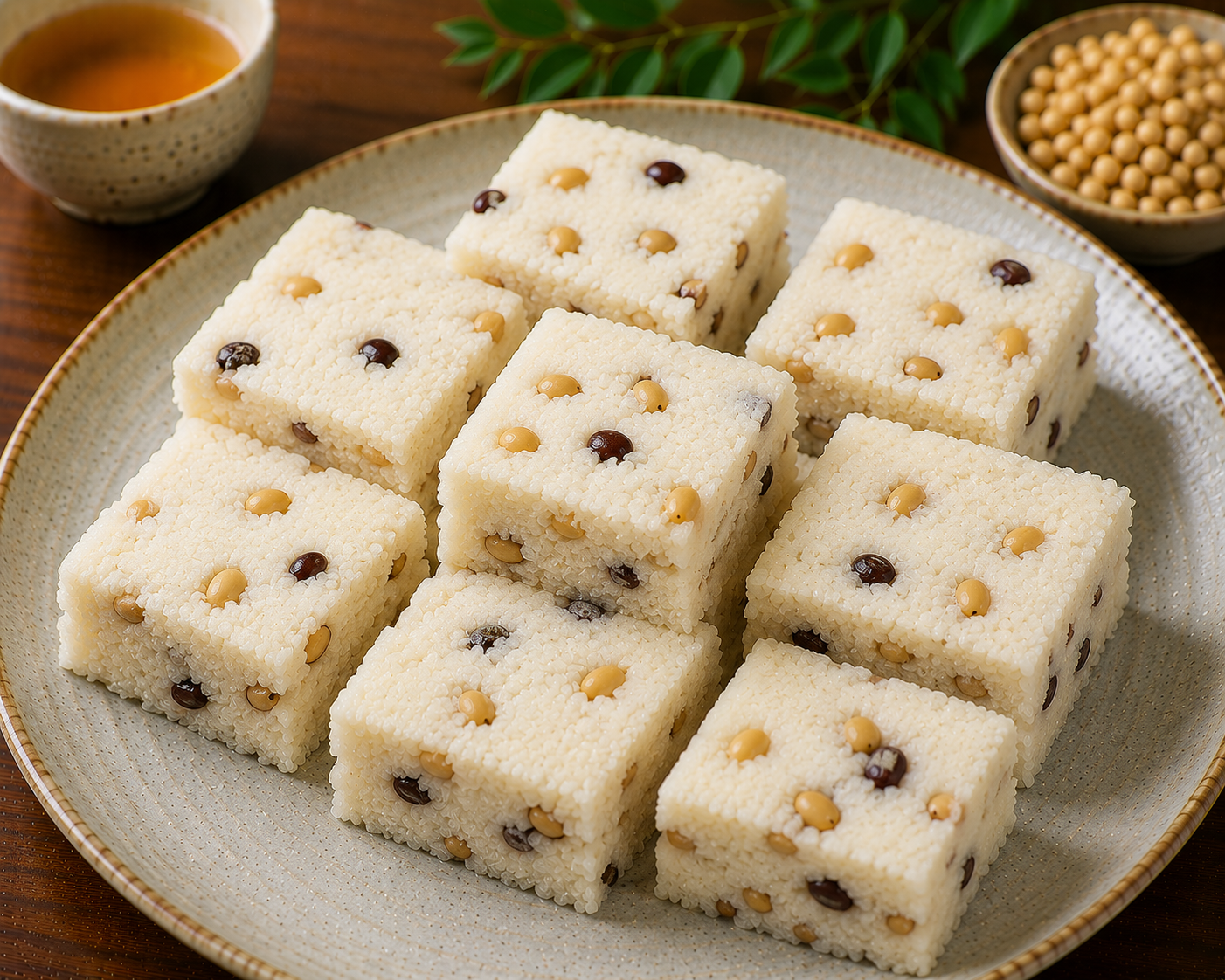
Kongseolgi
콩설기 · kong-seolgi
A steamed rice cake made by mixing rice flour with beans, characterized by its crumbly texture and mild taste. It is mainly enjoyed as a snack or dessert, and is sometimes eaten with tea.
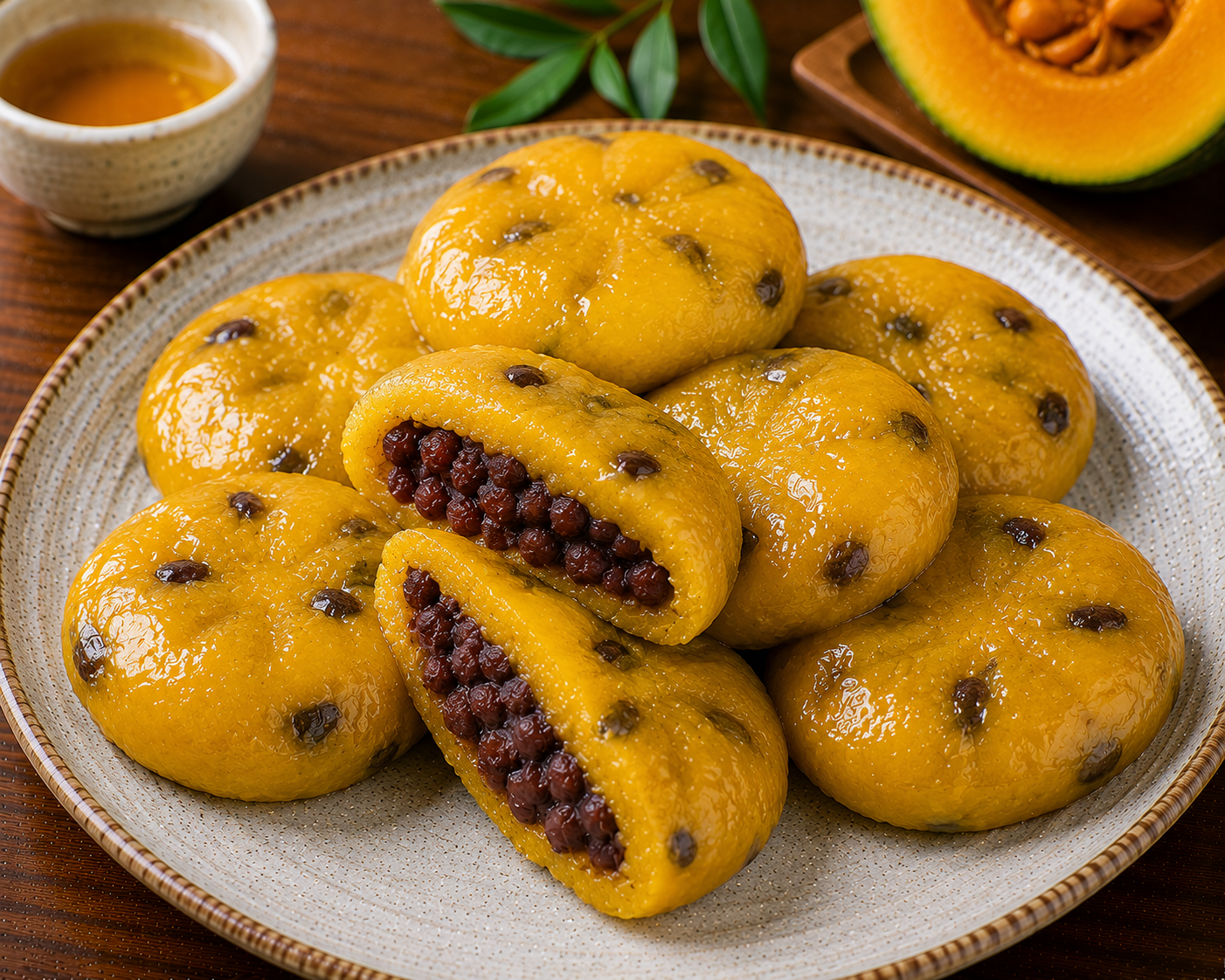
Pumpkin Rice Cake
호박떡 · ho-bak-tteok
A traditional Korean rice cake made by steaming a mixture of sweet rice flour and pumpkin, characterized by its chewy texture and subtle sweetness.
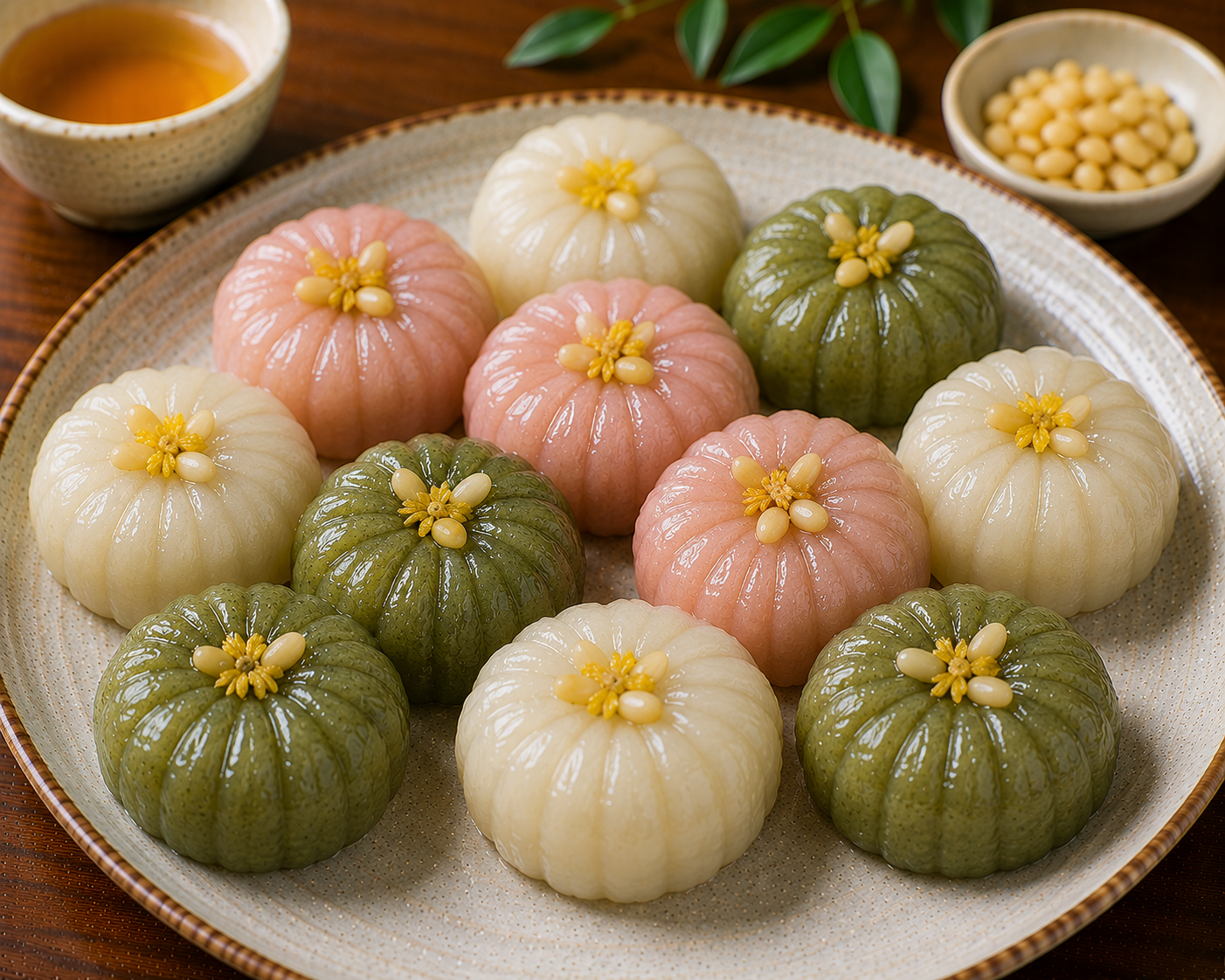
Danja
단자 · danja
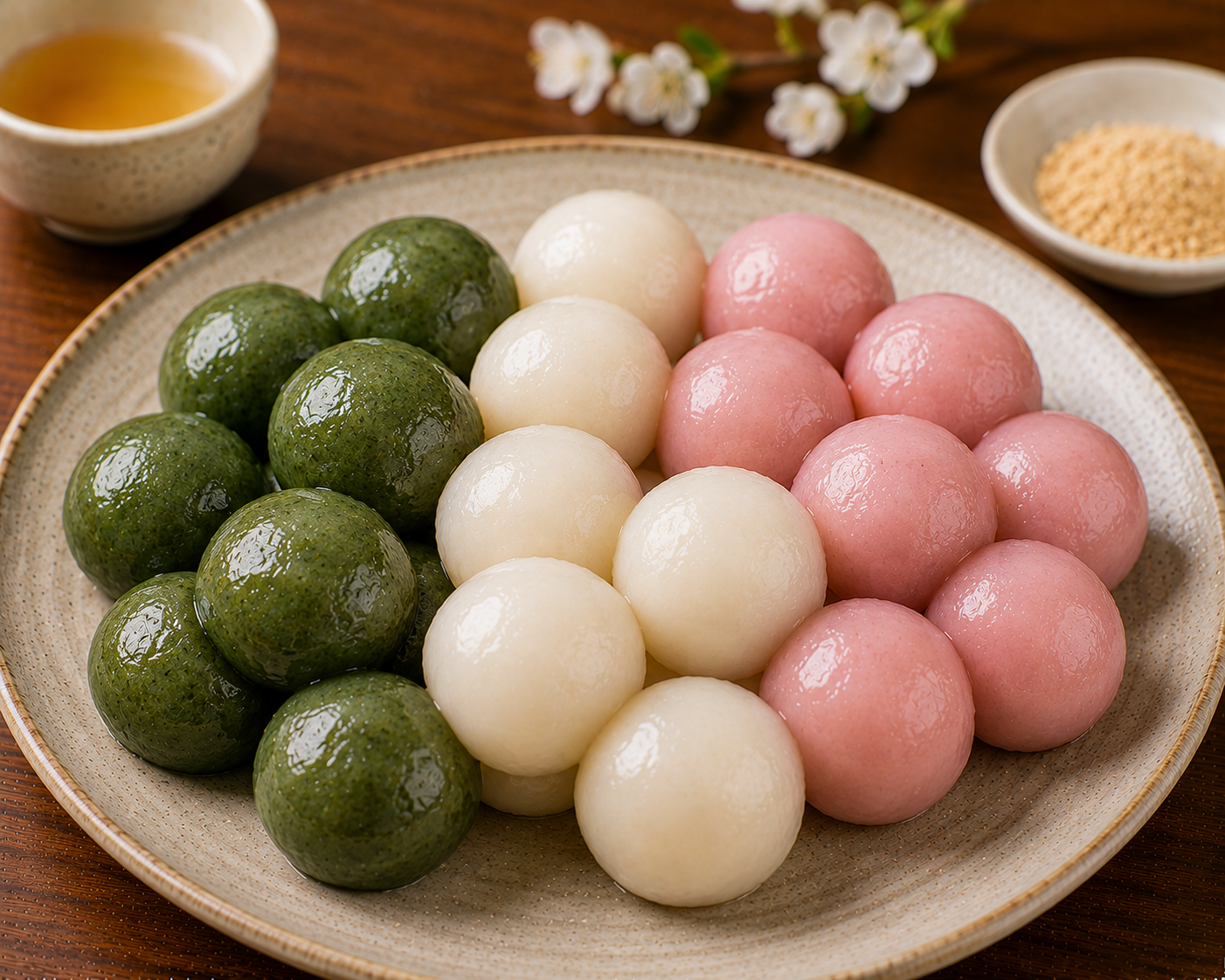
A traditional rice cake made by kneading glutinous rice flour into round shapes and coating it with toppings, characterized by its chewy and sweet taste.
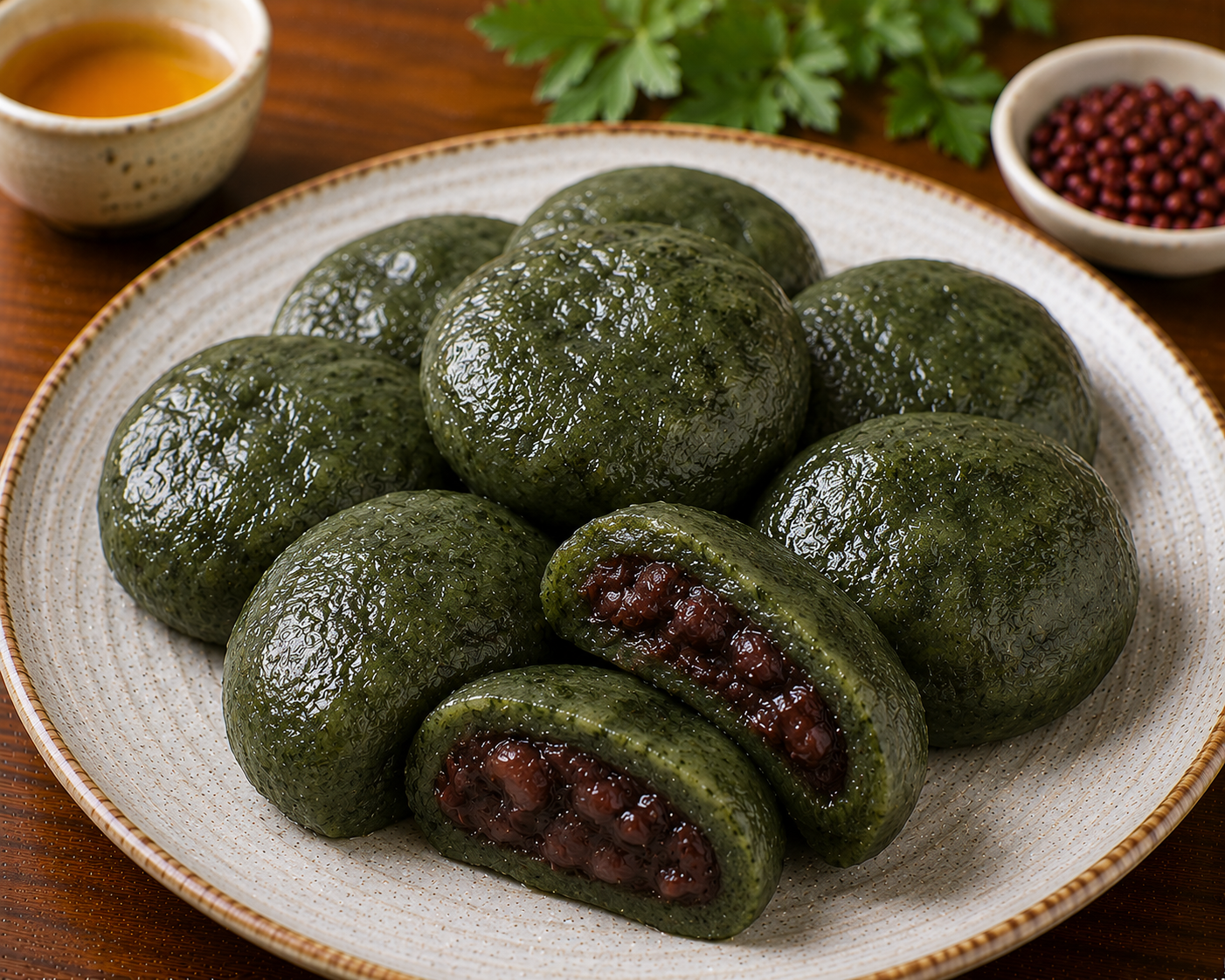
Ssuk-tteok
쑥떡 · ssuk-tteok
A chewy rice cake made with mugwort, characterized by its subtle mugwort aroma and nutty flavor. It is mainly enjoyed in spring and is eaten as a snack or dessert with tea.
Goes well with
Ingredients
How it's made
- 1Soak the rice cake in water to prepare.
- 2Slice the beef thinly and boil it for the broth.
- 3Add the rice cake to the boiling broth and cook.
- 4Pour in the beaten egg and garnish with green onion before serving.
Nutrition
* Estimated values per serving.
Allergens
Cannot be vegetarian due to the use of beef.
How to order
떡국 주세요
Tteok-guk ju-se-yo
Please give me tteokguk
Customize your order
Traveler tips
How to eat it
Frequently asked questions
- Why are the rice cakes in Ddeokguk flat ovals?
- Because long Garaetteok is sliced on the bias. One interpretation says the shape resembles old coins and expresses a wish for wealth in the new year.
- What does it mean when people say eating Ddeokguk really makes you one year older?
- The expression comes from a custom in Korea that linked Seollal with age. Today it is often used less as an exact way of counting age than as a symbolic New Year's joke.
- Is Tteok-mandutguk different from Ddeokguk?
- The basic New Year's soup is the same, but adding dumplings makes it a heartier meal. In restaurants and homes, Ddeokguk and Tteok-mandutguk are sometimes named separately, almost like menu choices.
Last reviewed: 2026-10-07