
Janchi Guksu
A simple noodle dish made with thin noodles in anchovy broth, originating from celebration foods. The chewy noodles and savory anchovy broth create a light flavor. Enjoy it slurping with warm soup, topped with seaweed flakes, egg strips, and zucchini.
Cultural background
Janchi Guksu is traditionally served to guests at celebrations or special events. The expression 'eating noodles' also signifies a wedding.
Origin & history
Back when wheat flour was not common, noodles were considered more special than everyday fare. Their long strands brought to mind long-lasting relationships and longevity, making them well suited to big occasions such as weddings and 60th-birthday celebrations.
Janchi Guksu was also easy to serve to many guests at once. Thin Somen cooks quickly, and once placed in a clear anchovy broth, a bowl needs only a few garnishes to feel complete. That is why the word "잔치" (janchi, feast or celebration) became part of the name.
Regional & modern variations
- Kimchi Janchi Guksu — A version of basic Janchi Guksu with finely chopped kimchi or kimchi seasoning added. The clear, mild broth gains a tangy note and a gentle spiciness.
- On Guksu — A broad term for noodles made by placing Somen in a hot broth. Depending on the region or household, the anchovy broth, Soy Sauce-based seasoning sauce, and garnishes vary slightly.
How Koreans eat it
Janchi Guksu is less a formal course dish than a generous one-bowl meal for feeding guests. You often find it in markets, bunsik snack shops, and event venues, and it also feels natural as a quick lunch or a light dinner. Because of its association with weddings, the Korean expression "언제 국수 먹여요?" (eonje guksu meogyeoyo?, "When are you going to treat us to noodles?") is also used jokingly to ask when someone is getting married.
Taste & how to choose
Good Janchi Guksu has a clear broth where the savory depth of anchovy comes through before the saltiness. Somen is thin and swells quickly if left in the broth for too long, so it is best eaten as soon as it arrives. If seasoned Soy Sauce is served on the side, add it little by little rather than all at once so the flavor of the broth is not lost.
Similar dishes
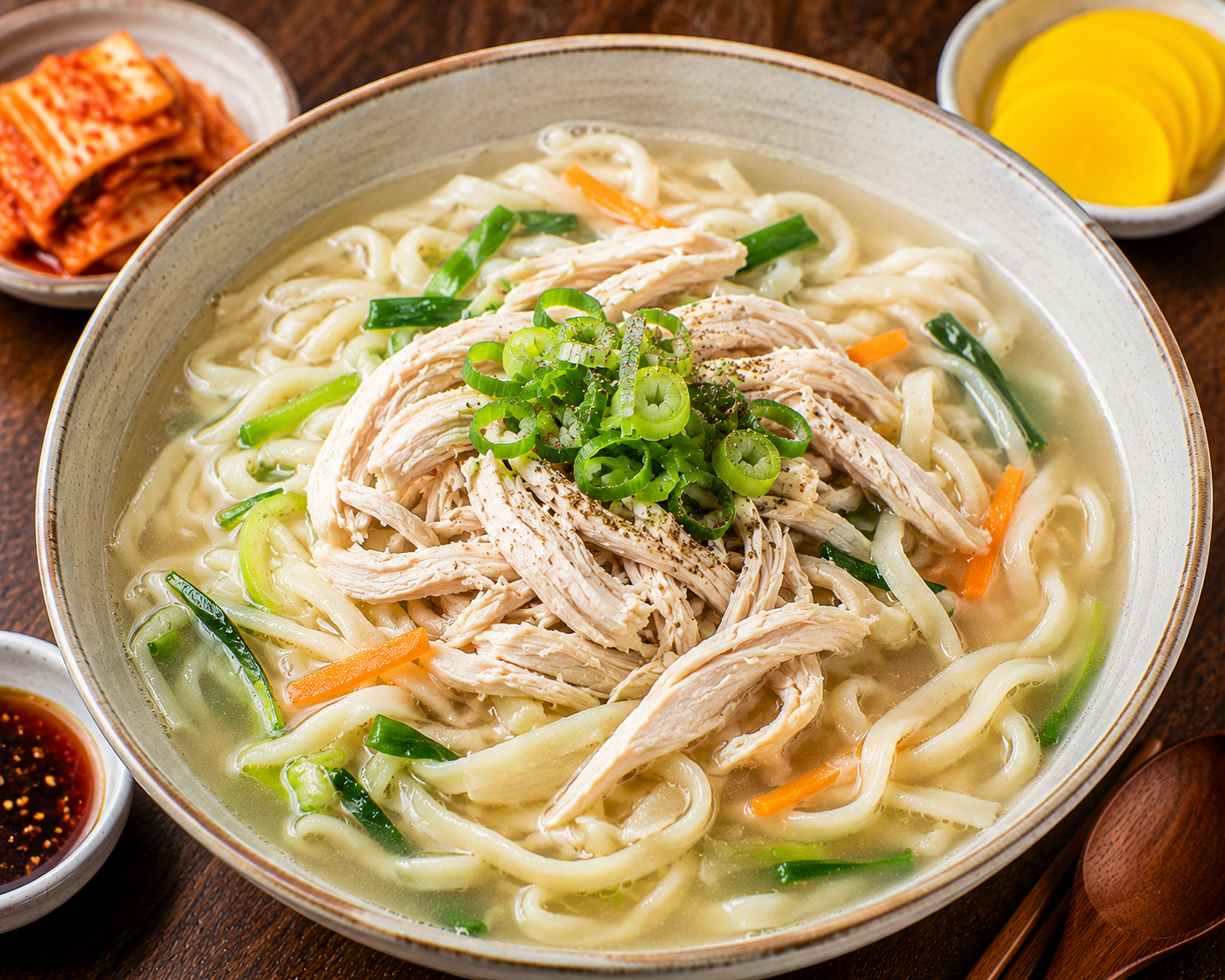
Chicken Kalguksu
닭칼국수 · dak-kal-guksu
A warm noodle dish made by boiling knife-cut wheat flour noodles in a rich chicken broth simmered slowly from whole chicken.
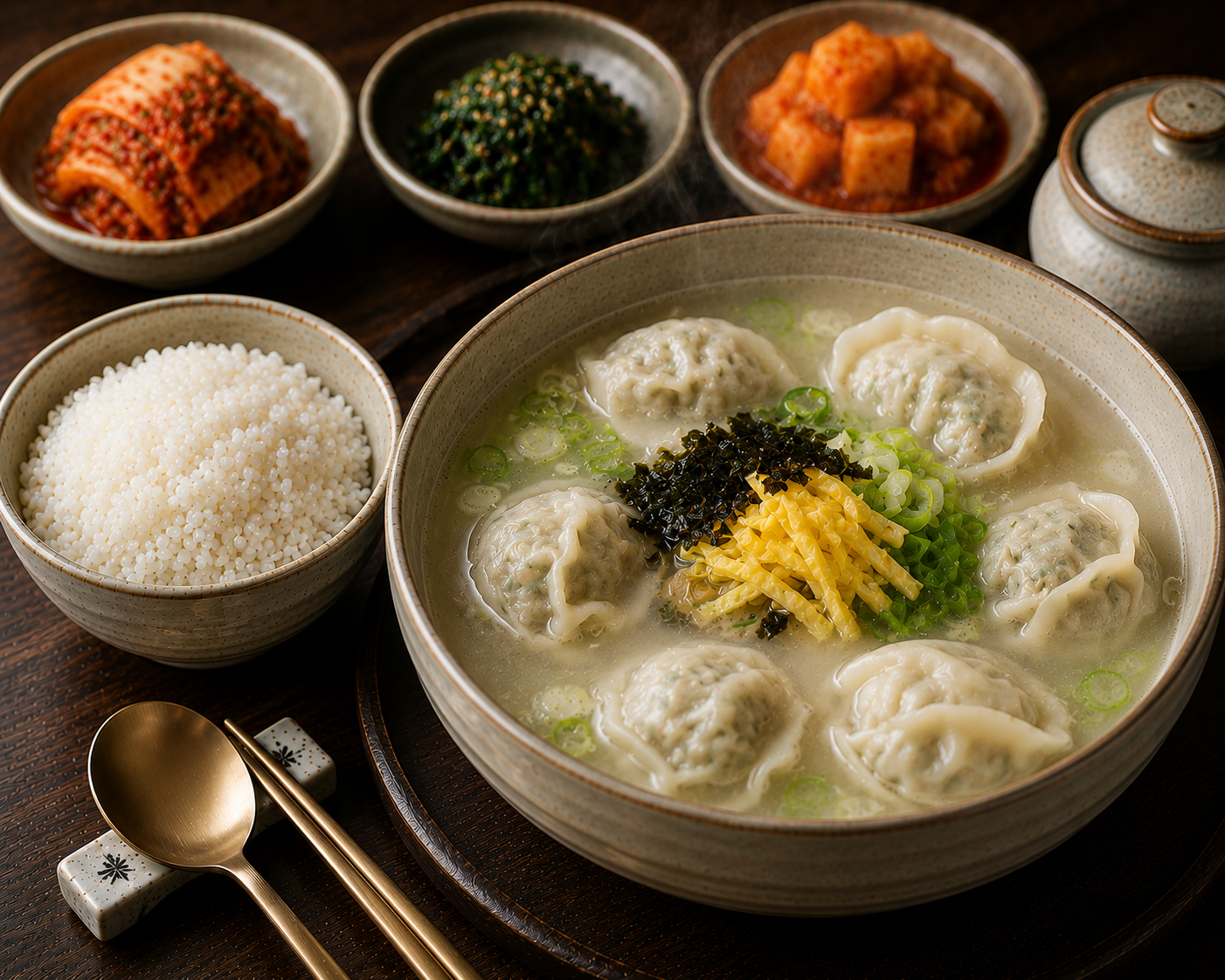
Dumpling Soup
만둣국 · man-du-guk
A traditional Korean soup dish made by boiling dumplings filled with meat and vegetables in a clear broth.
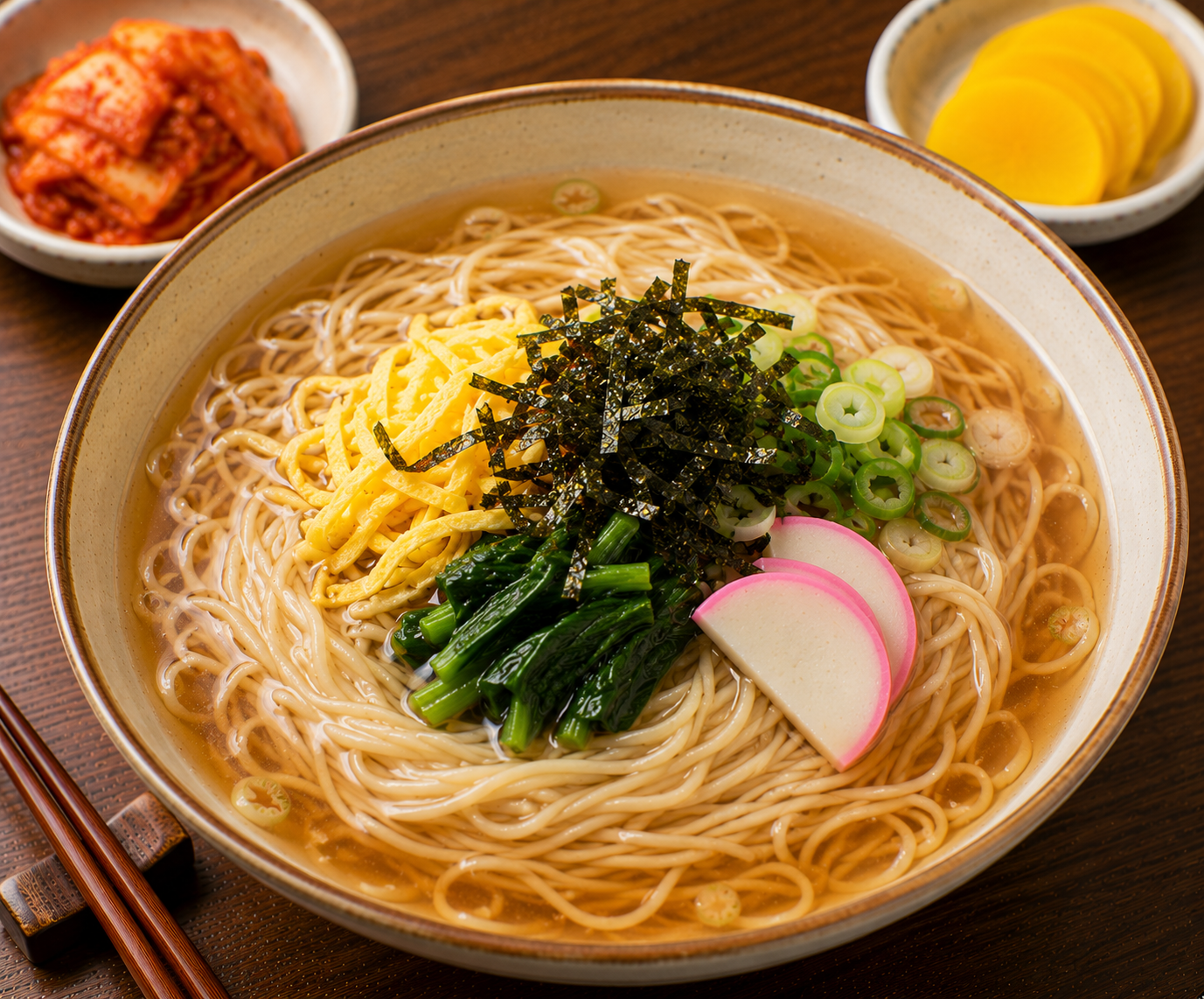
Warm Noodles
온면 · on-myeon
A traditional Korean noodle dish where boiled noodles are mixed in warm broth. You can enjoy a rich and light taste primarily using anchovy or beef bone stock.
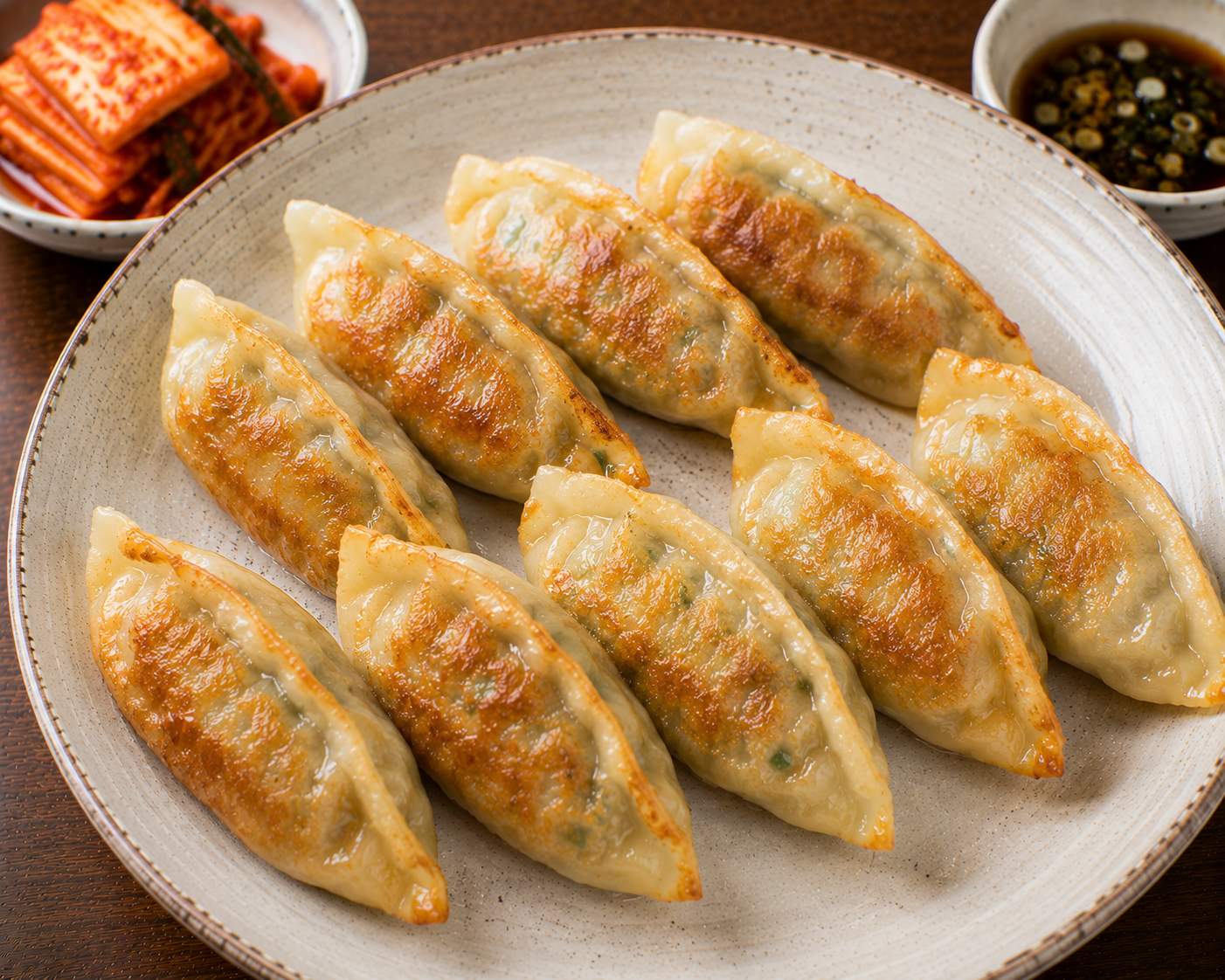
Goon Mandu
군만두 · gun-mandu
A crispy dumpling filled with meat and vegetables wrapped in a flour crust, enjoyed with soy sauce as a Korean-style dumpling.
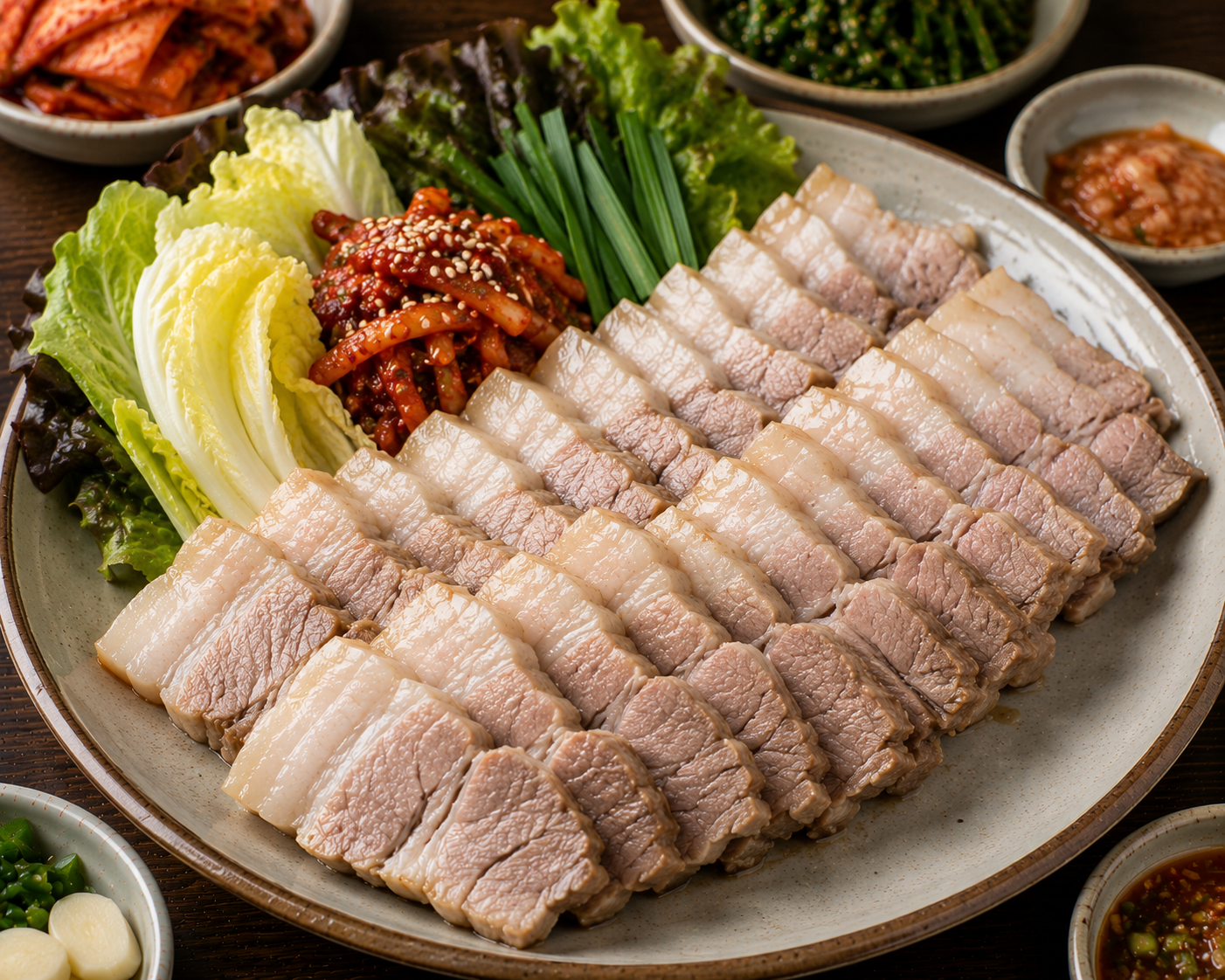
Suyuk
수육 · su-yuk
This dish is made by boiling pork without seasoning, characterized by its tender and mild flavor. It is usually eaten wrapped with kimchi or ssamjang.
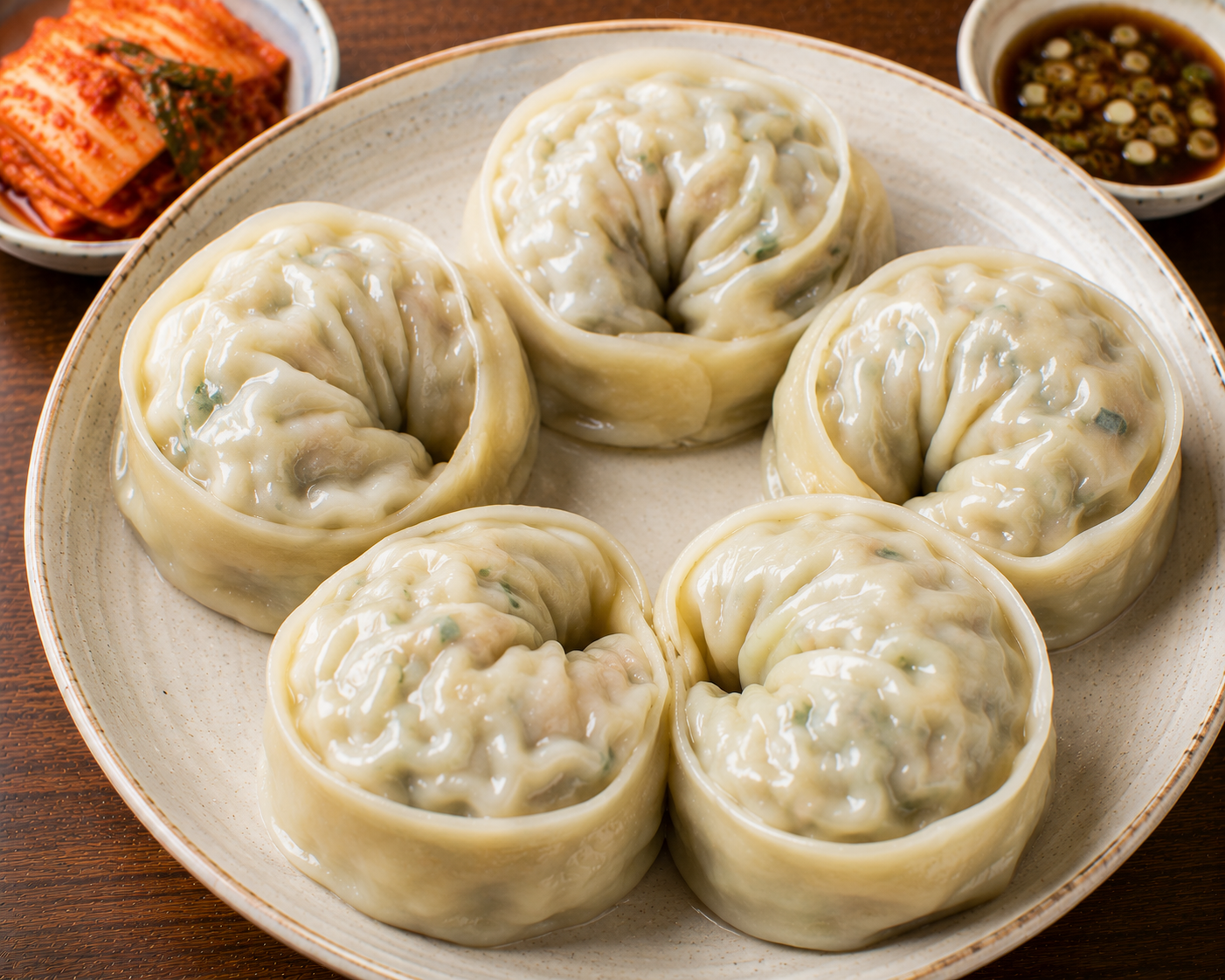
King Dumpling
왕만두 · wang-mandu
A large dumpling with a filling of meat and vegetables wrapped in a flour dough, characterized by its chewy skin and rich juiciness.
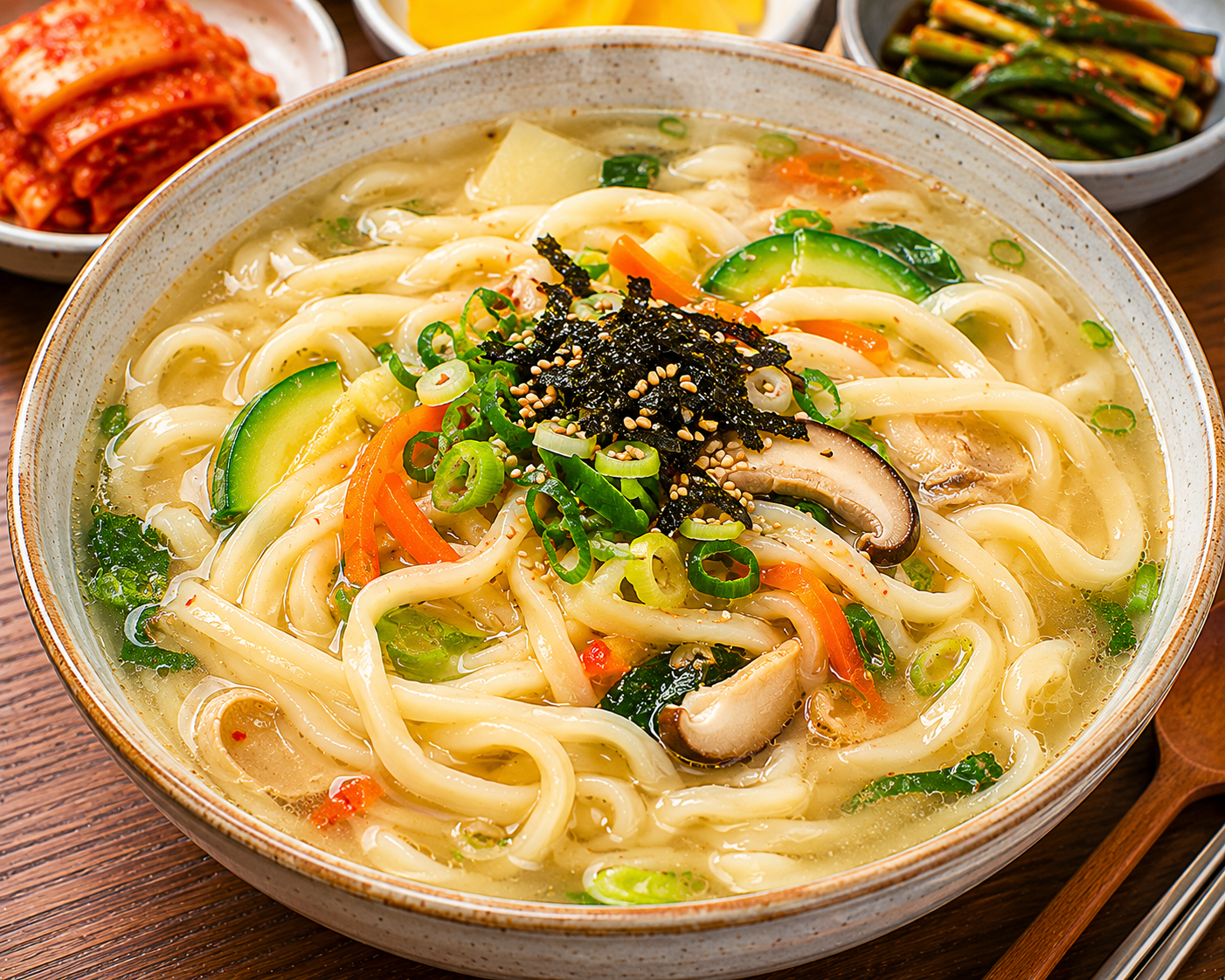
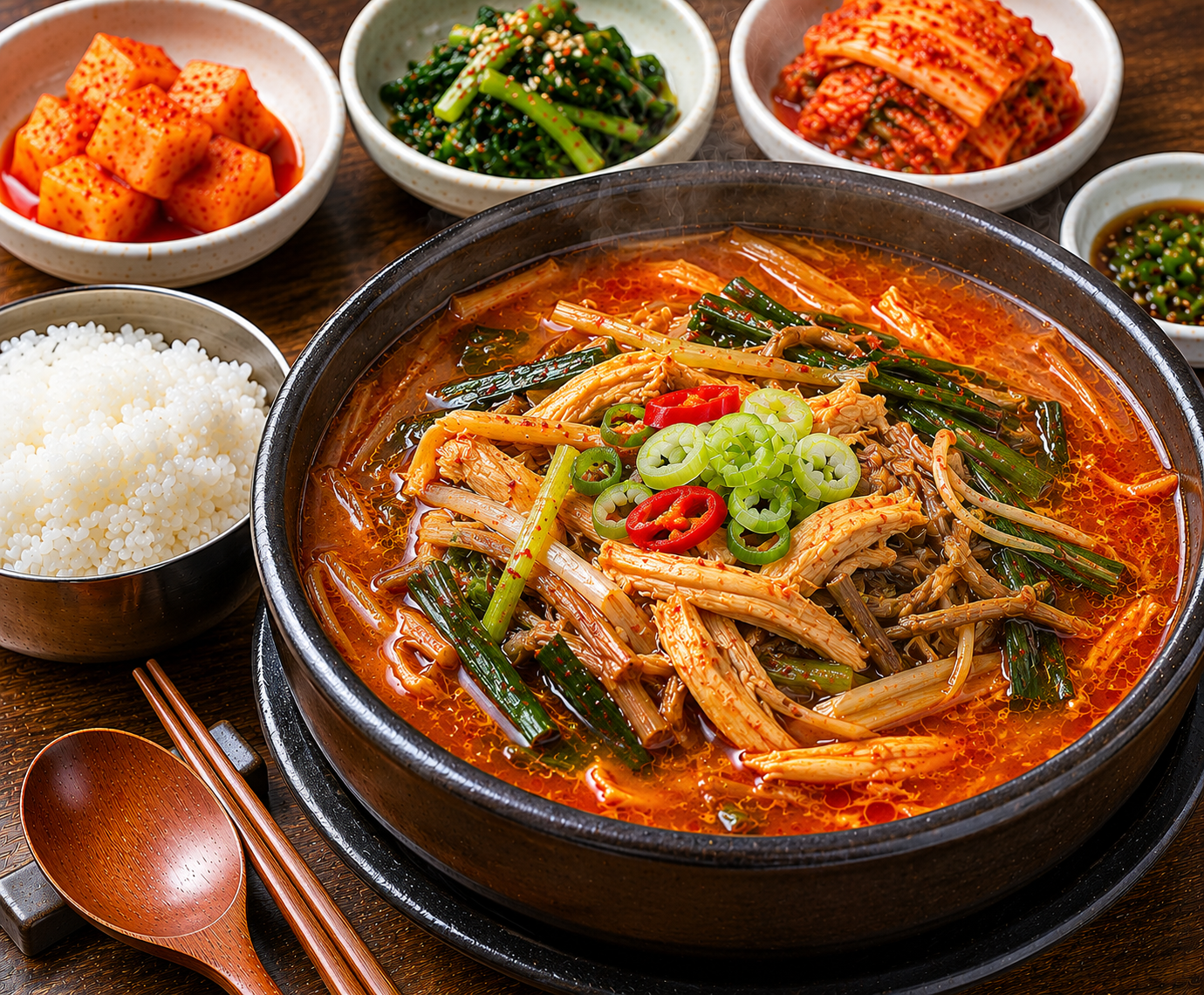
Goes well with
Ingredients
How it's made
- 1Boil the thin noodles in water, rinse in cold water, and prepare.
- 2Prepare clear broth by boiling anchovies and kelp, then strain.
- 3Place the thin noodles in a bowl and pour hot anchovy broth over them.
- 4Top with seaweed flakes, egg strips, zucchini, and complete the dish.
Nutrition
* Estimated values per serving.
Allergens
Uses anchovy broth, making it unsuitable for strict vegetarians.
How to order
잔치국수 주세요
Jan-chi-guk-su ju-se-yo
Please give me Janchi Guksu
Customize your order
Traveler tips
How to eat it
Frequently asked questions
- Why is Janchi Guksu often associated with weddings?
- Because the long noodle strands bring to mind a relationship that continues for a long time. It was also well suited to feasts because it could be served quickly to many wedding guests.
- Can I cut the noodles with scissors before eating?
- Unlike Naengmyeon, it is not a dish that commonly comes with scissors. People usually lift the noodles with chopsticks to eat them, or bite them off if they are too long. At celebrations, there is sometimes a tendency not to cut them on purpose because of the symbolism of the long strands.
- It looks like a vegetarian dish. Is it vegan?
- Most versions use anchovy broth, and the garnish often includes strips of egg. Even if no meat is visible, it is often not strictly vegan.
Last reviewed: 2026-10-07