
Cultural background
In Korea, it is enjoyed as a snack or side dish, and is especially popular as an accompaniment when dining out.
Origin & history
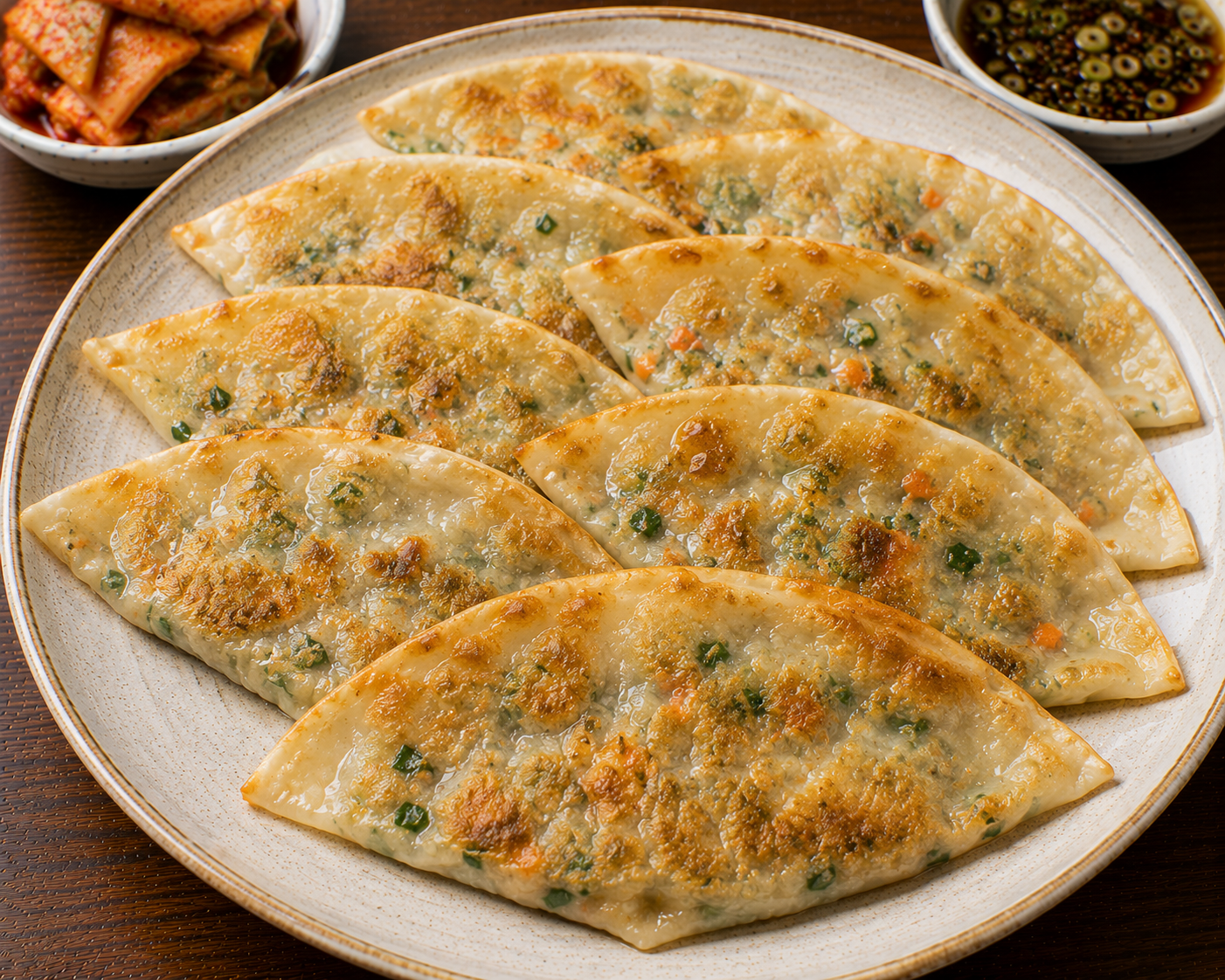
Mandu have long been eaten in Korea, either steamed or added to soups. Goon Mandu refers to the version cooked in an oiled pan or on a griddle until the outside turns crisp. The Korean word ‘군’ (gun, from ‘구운’/guun, meaning “grilled” or “pan-fried”) comes from ‘구운’ (guun, “grilled” or “pan-fried”).
Today, Goon Mandu feels especially familiar in Korean-style Chinese restaurants and bunsik shops, casual snack eateries. Alongside saucy or soupy dishes such as Jajangmyeon and Jjamppong, it has become a side that adds a crisp texture. A custom of including it as a free extra is known in some delivery culture, but not every restaurant provides it by default.
Regional & modern variations
- Chinese-Restaurant Goon Mandu — A common half-moon-shaped Goon Mandu served at Korean-style Chinese restaurants. Some places pan-fry it, while others cook it almost like deep-frying to make the outside even crisper.
- Flat Dumplings — Thin, flat dumplings known as a regional food from Daegu. They have little filling and emphasize the crispness of the wrapper, and are often eaten with a seasoned dipping sauce or Tteokbokki sauce.
- Bunsik-Shop Yakki Mandu — A thin, fried-style dumpling often seen at Tteokbokki shops. The crisp wrapper matters more than the filling, making it well suited to being coated in Tteokbokki sauce.
How Koreans eat it
Goon Mandu is usually served on a large plate for sharing. At Korean-style Chinese restaurants, people often order it as a side before the noodle dishes arrive or to eat alongside them. At bunsik shops, it is dipped in or soaked with Tteokbokki sauce, bringing crispness together with spicy seasoning.
Taste & how to choose
Good Goon Mandu should not be soggy on the outside; it should have a crispness that breaks delicately when bitten. The filling inside should stay moist rather than overly dry. First-timers may be surprised to find that despite the name ‘구운 만두’ (guun mandu, “grilled” or “pan-fried dumplings”), the style can be quite oily and as crisp as fried food.
Similar dishes
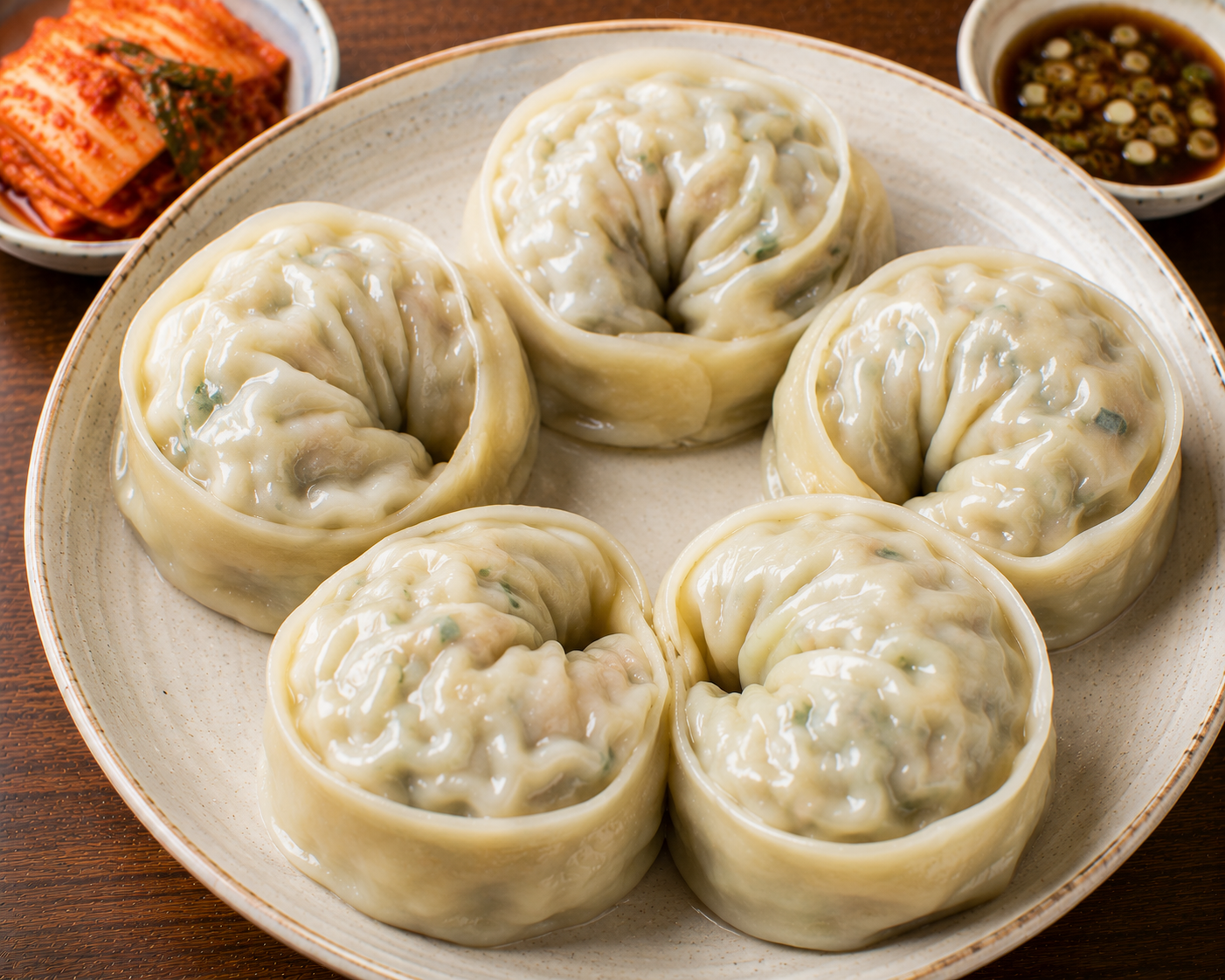
King Dumpling
왕만두 · wang-mandu
A large dumpling with a filling of meat and vegetables wrapped in a flour dough, characterized by its chewy skin and rich juiciness.
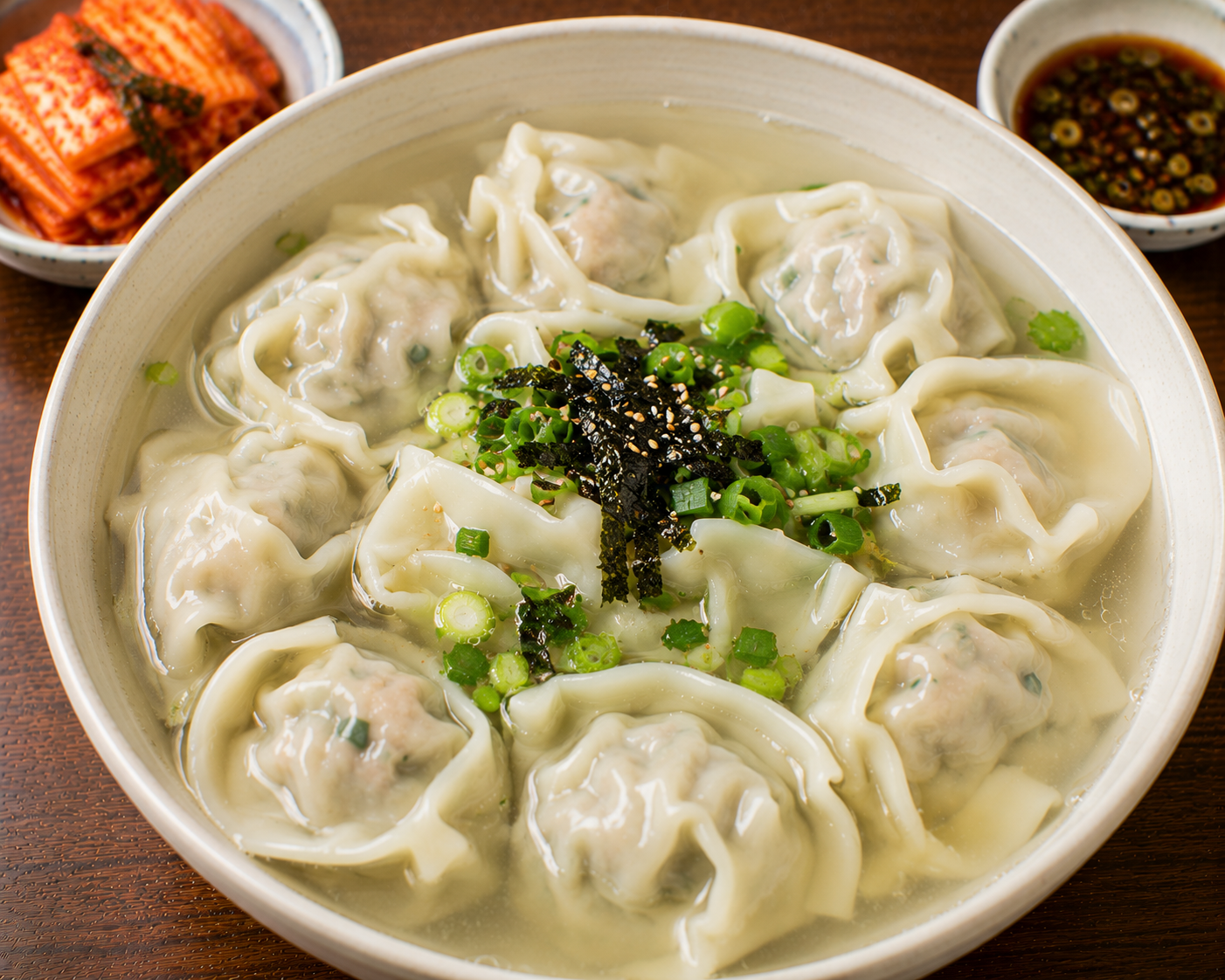
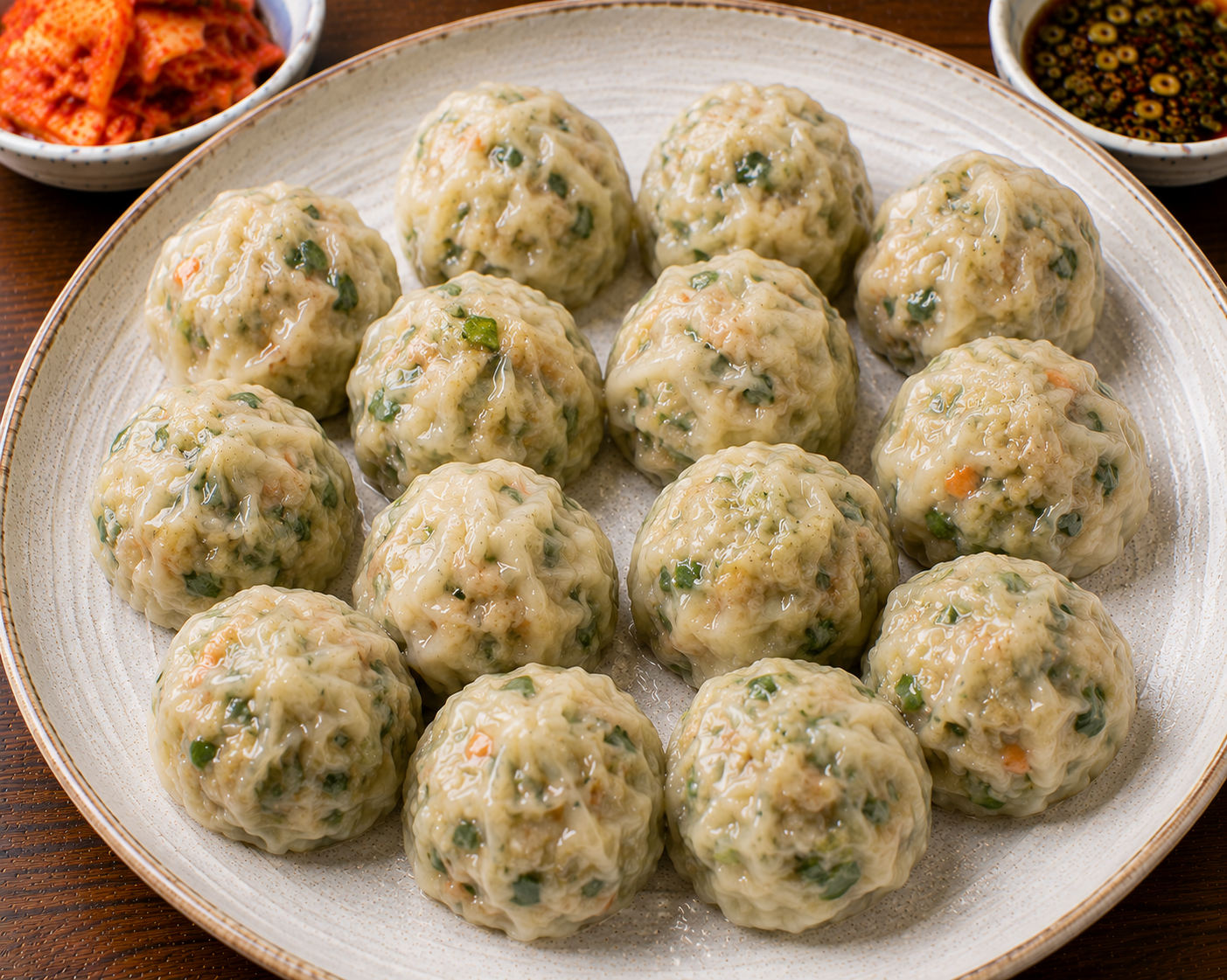
Boiled Dumplings
물만두 · mul-mandu
These dumplings are made by placing a filling of meat and vegetables inside thin wheat flour dough, boiled to achieve a soft and mild flavor. They are typically enjoyed with soy sauce and can also be eaten with broth.
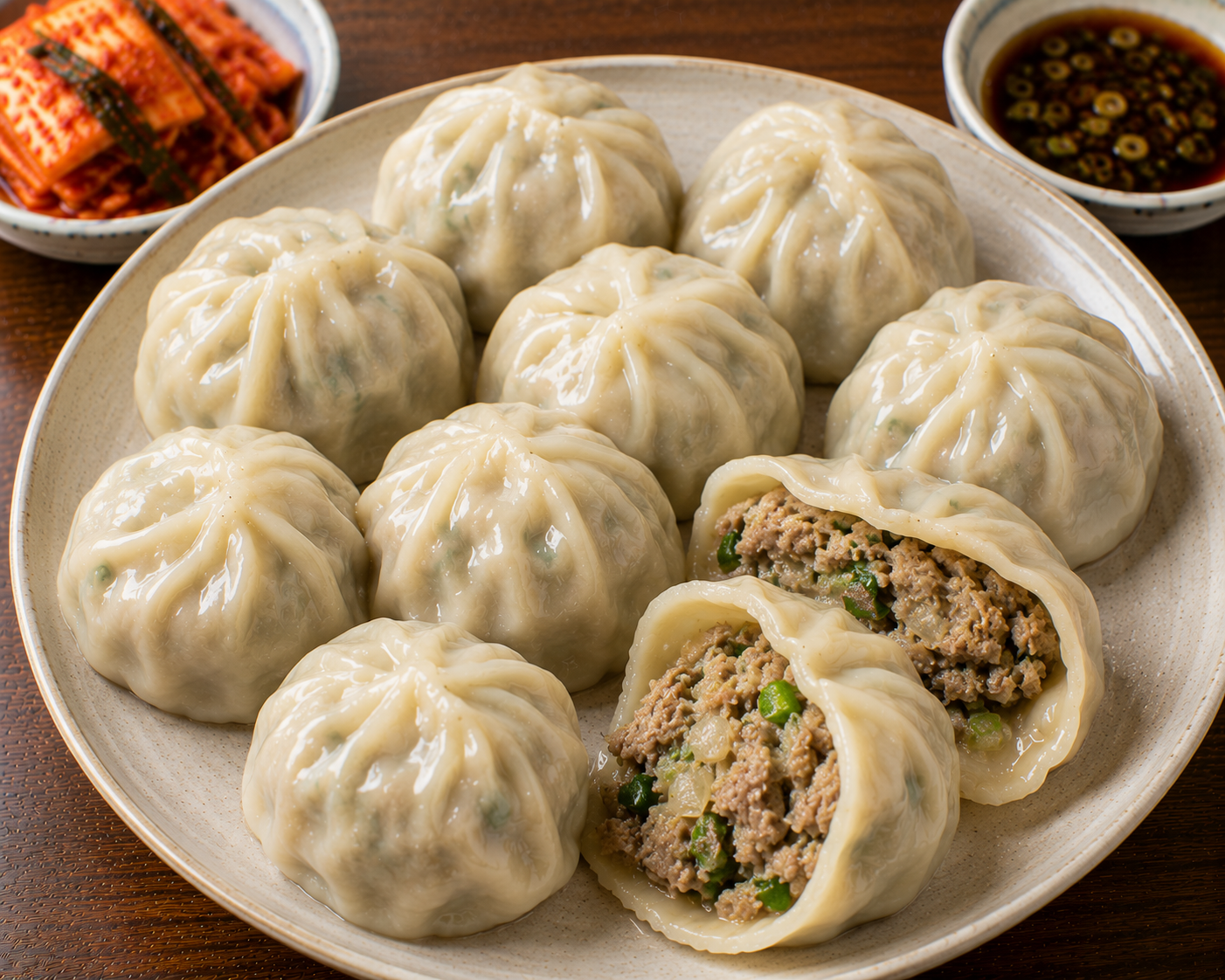
Meat Dumplings
고기만두 · gogi-mandu
Dumplings made by wrapping meat and vegetable filling in a flour dough, characterized by chewy dumpling skin and juicy filling.
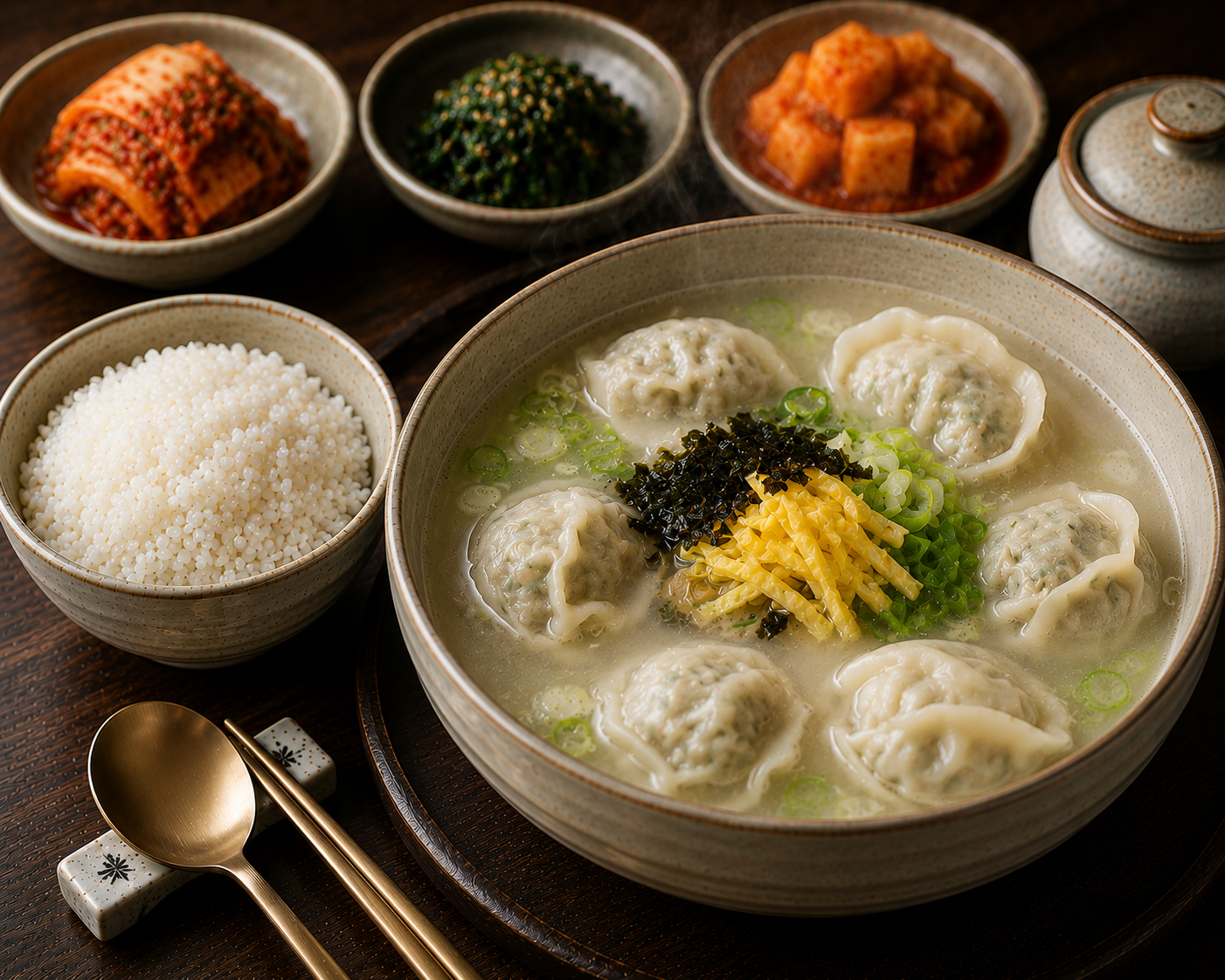
Dumpling Soup
만둣국 · man-du-guk
A traditional Korean soup dish made by boiling dumplings filled with meat and vegetables in a clear broth.
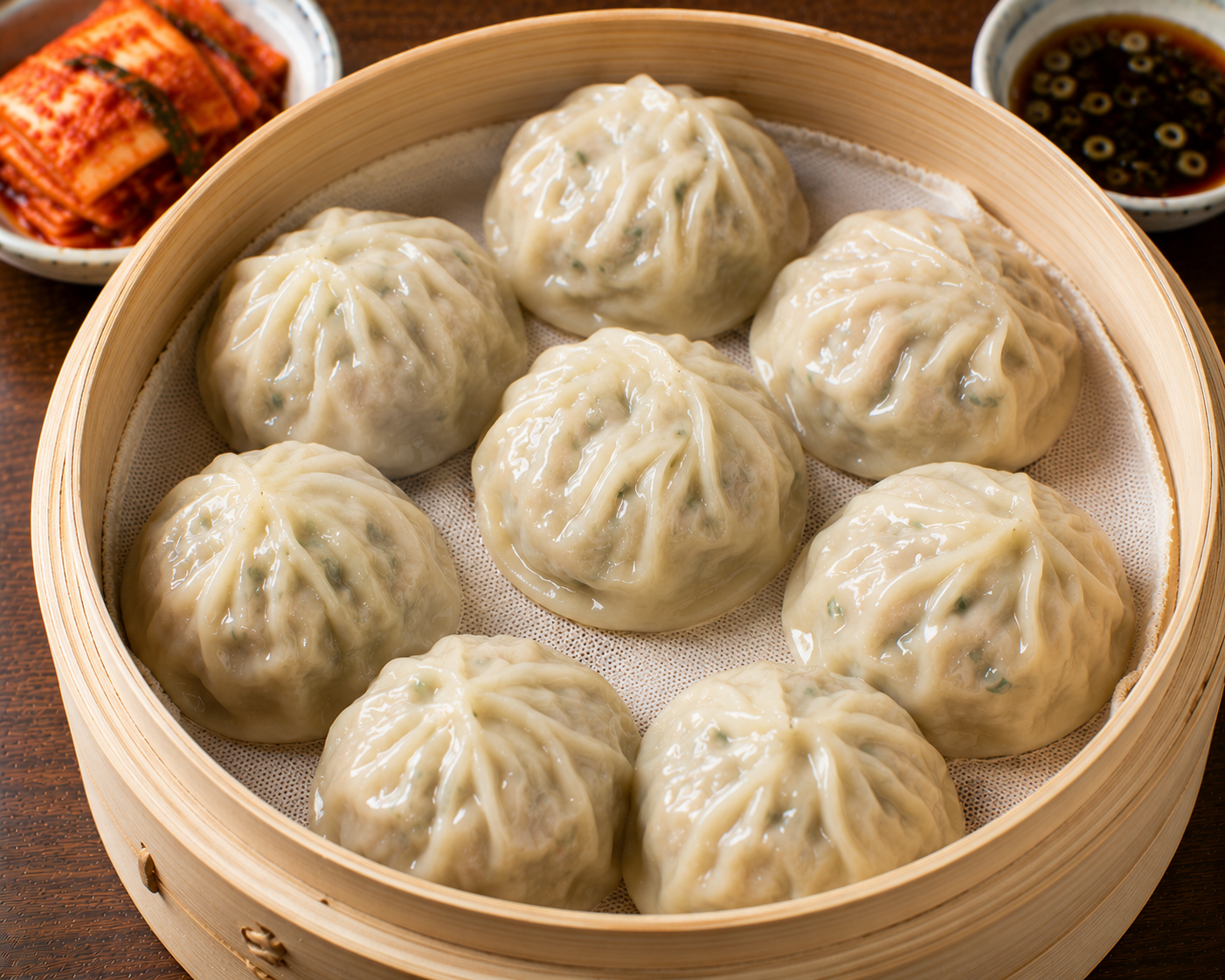
Steamed Dumplings
찐만두 · Jjin-mandu
A dish made by steaming dumplings filled with meat, kimchi, tofu, and other ingredients, characterized by its chewy skin and juicy filling. It tastes even better when dipped in soy sauce.
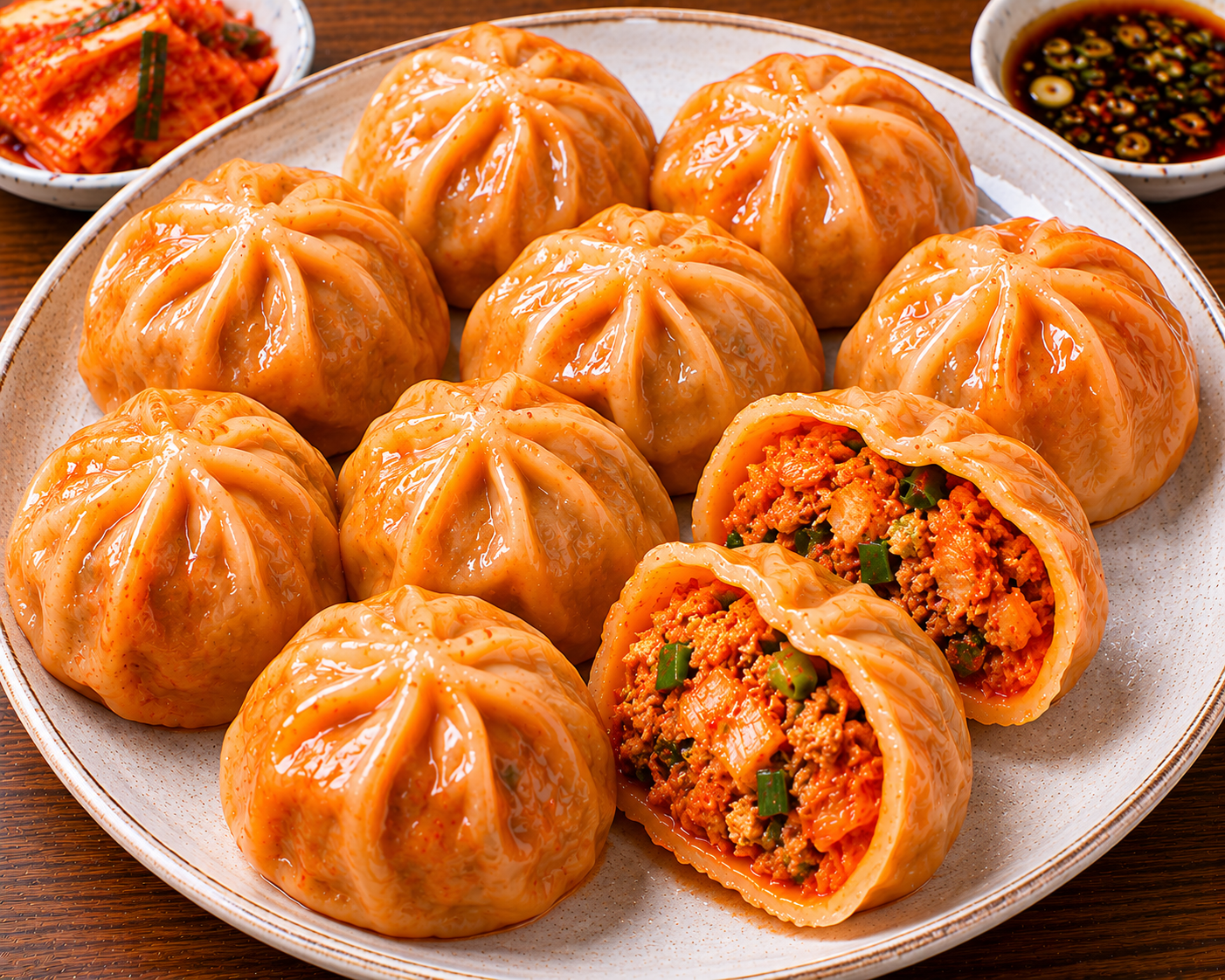
Kimchi Dumpling
김치만두 · kimchi-mandu
Dumplings filled with kimchi, meat, and tofu, wrapped in flour skin and steamed. It is characterized by the spicy flavor and crisp texture of kimchi.
Ingredients
How it's made
- 1Fill the dumpling skin with pork and vegetable filling and shape the dumplings.
- 2Add oil to a pan and place the dumplings over medium heat to fry.
- 3Once one side is golden brown, flip them over and fry the other side until crispy.
Nutrition
* Estimated values per serving.
Allergens
Not suitable for vegetarians, halal, or gluten-free due to the use of pork and flour.
How to order
군만두 주세요
Gun-man-du ju-se-yo
Please give me Goon Mandu
Customize your order
Traveler tips
How to eat it
Frequently asked questions
- Is Goon Mandu Chinese food or Korean food?
- Mandu itself exists in several East Asian countries. Korea's Goon Mandu became familiar through the culture of Korean-style Chinese restaurants and bunsik shops, so travelers can think of it as a Chinese-style dumpling eaten in Korea.
- What is the difference between Steamed Dumplings and Goon Mandu?
- Steamed Dumplings are cooked with steam, so the wrapper is soft and moist. Goon Mandu has a surface that has touched oil, making it crisp and savory, so the difference in texture is significant.
- Does Goon Mandu ever come free in Korea?
- A custom of offering it as a free extra is known at some Chinese-food delivery places or restaurants. However, it is not always provided for free; if it has a price on the menu, it is a dish you order separately.
Last reviewed: 2026-10-07