Seolleongtang
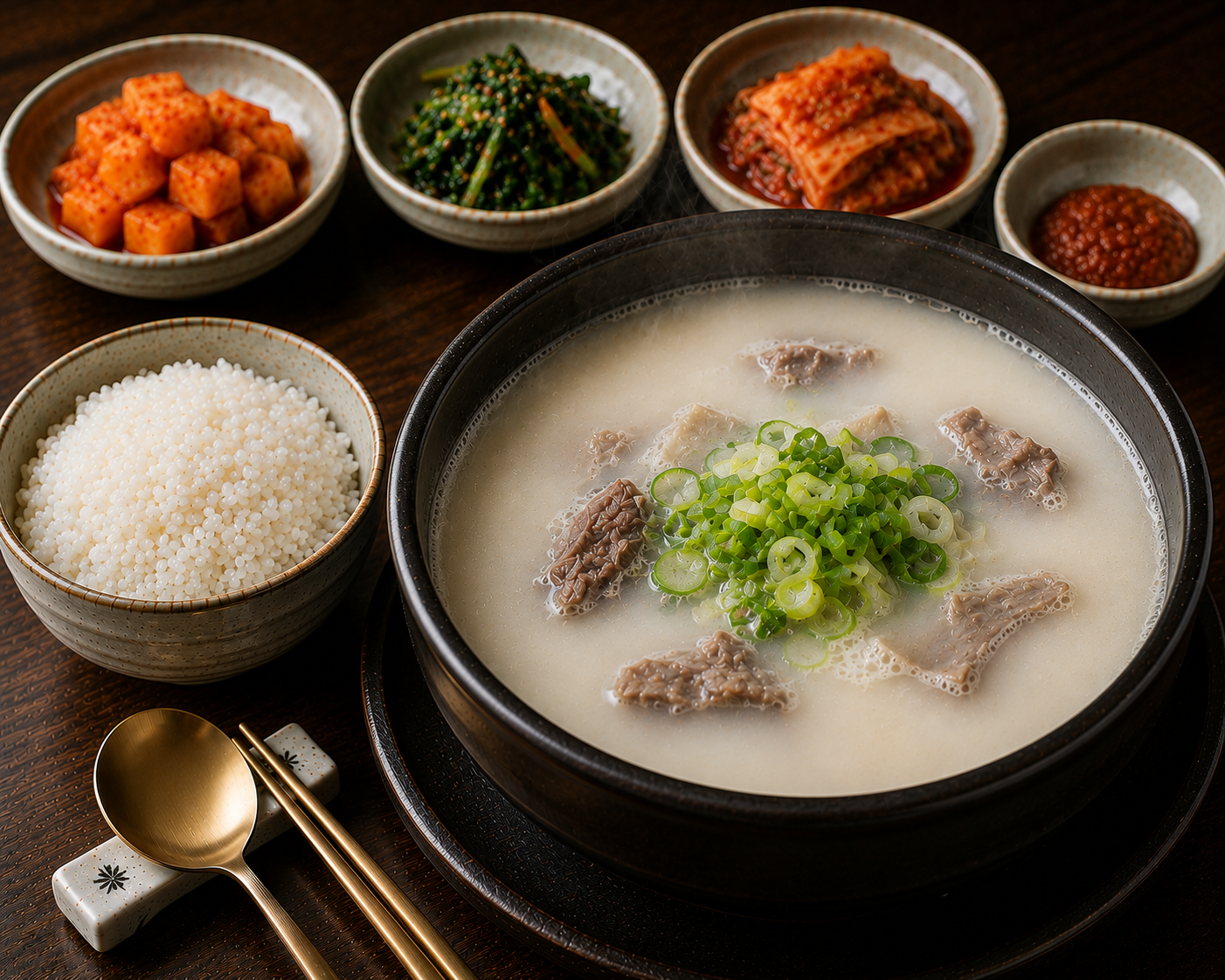
This is a soup rice dish made with bone broth from beef bones and brisket boiled for a long time until the broth turns white and mild, served with thinly sliced meat, noodles, and rice. The broth itself is lightly seasoned, so it's best to adjust the taste with salt and chopped green onions, and adding a bit of kkakdugi broth enhances its flavor. It is served piping hot in an earthenware pot, so be careful with the first sip.
Cultural background
Seolleongtang is a symbol of comfort and recovery for Koreans, commonly sought after in cold weather or for hangover recovery. It is especially a menu that can be enjoyed without burden alone, making it good for a quick meal.
Origin & history
One story behind the name Seolleongtang says that after rites were held at Seonnongdan outside Dongdaemun in Seoul, a cow was slaughtered and cooked into soup to share. The widely known theory is that ‘선농탕’ (Seonnongtang, “Seonnong soup”) gradually changed into ‘설렁탕’ (Seolleongtang, “Seolleong soup,” the dish name).
The origin of the name, however, is hard to pin down to a single explanation. Other theories trace it to the sound made as bones simmered for a long time, or to a style of boiling and eating the soup in a hurry. Today, Seolleongtang is best understood as a classic gukbap, or soup with rice, that took root alongside Seoul's popular restaurant culture.
Regional & modern variations
- Teuk-seolleongtang — Compared with basic Seolleongtang, this version comes with more pyeonyuk, or boiled beef slices, and meat garnish. The broth tastes similar, but it makes for a heartier meal.
- Dogani-seolleongtang — Seolleongtang made with dogani, the cartilage from a cow's knee joint. Its chewy, gelatin-like texture is pronounced, so first-time eaters may find it unusual.
How Koreans eat it
At Seolleongtang restaurants, the broth usually arrives with little to no seasoning. That is not a kitchen mistake; it is closer to a food culture in which diners create their own flavor with salt, scallions, and kimchi brine. The rice may come already mixed into the soup, or it may be served separately for you to add yourself.
Taste & how to choose
A good Seolleongtang broth is milky white without feeling muddy, with a savory richness that leaves a slight coating on the lips. Too much oil floating on the surface or a strong bone smell can make it feel heavy. At first it may taste bland, but once seasoned, the gentle sweetness of the beef broth comes through.
Similar dishes
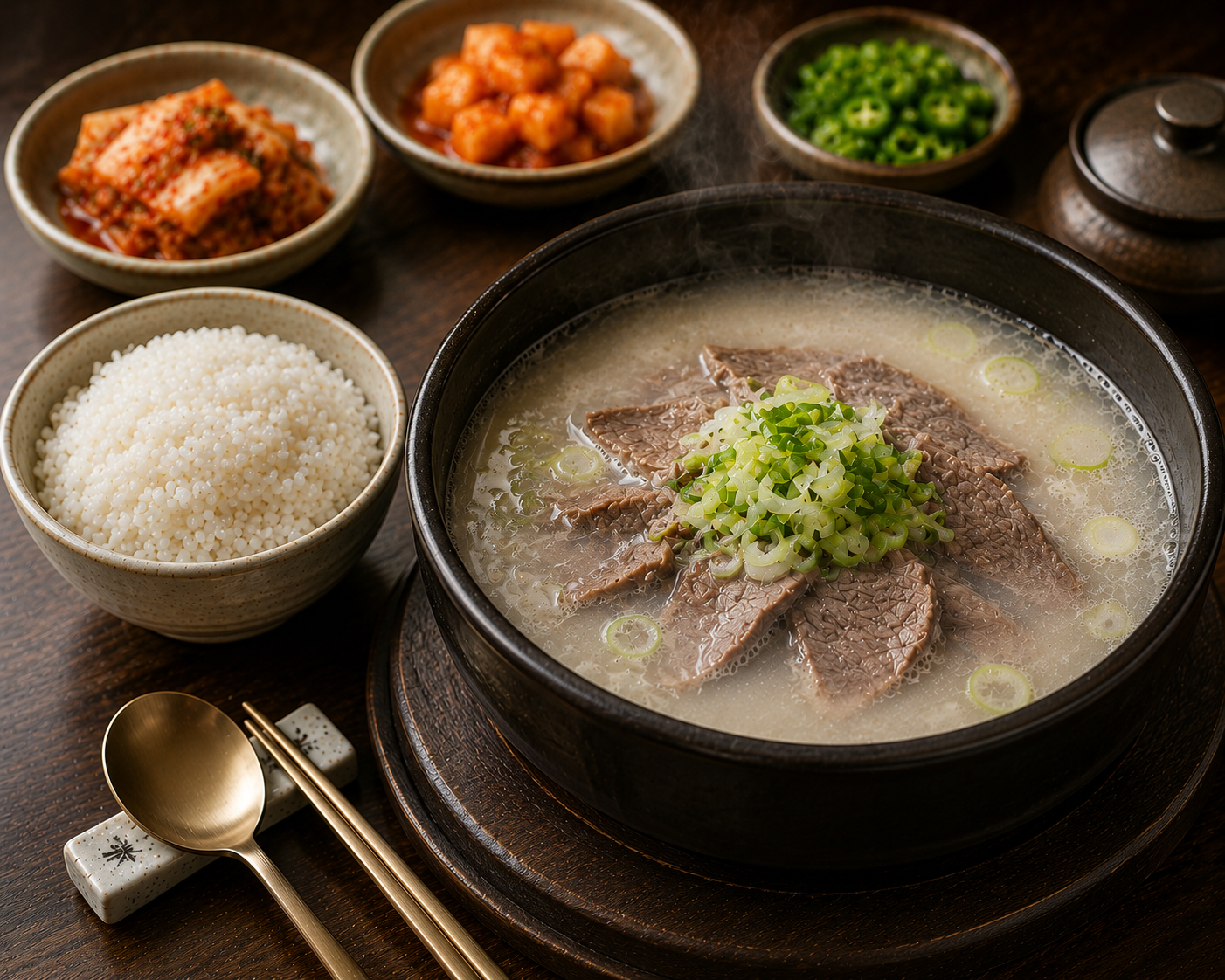
Gomtang
곰탕 · gom-tang
Gomtang is a type of soup that is made by simmering beef bones and brisket for a long time to create a milky and mild broth, served with thinly sliced boiled meat, noodles, and rice. The broth itself is lightly seasoned, so it's best to add salt and chopped green onions to taste, and adding a bit of cubed radish kimchi broth enhances the flavor. It is served piping hot in an earthenware pot, so it's advisable to be careful with the first sip.
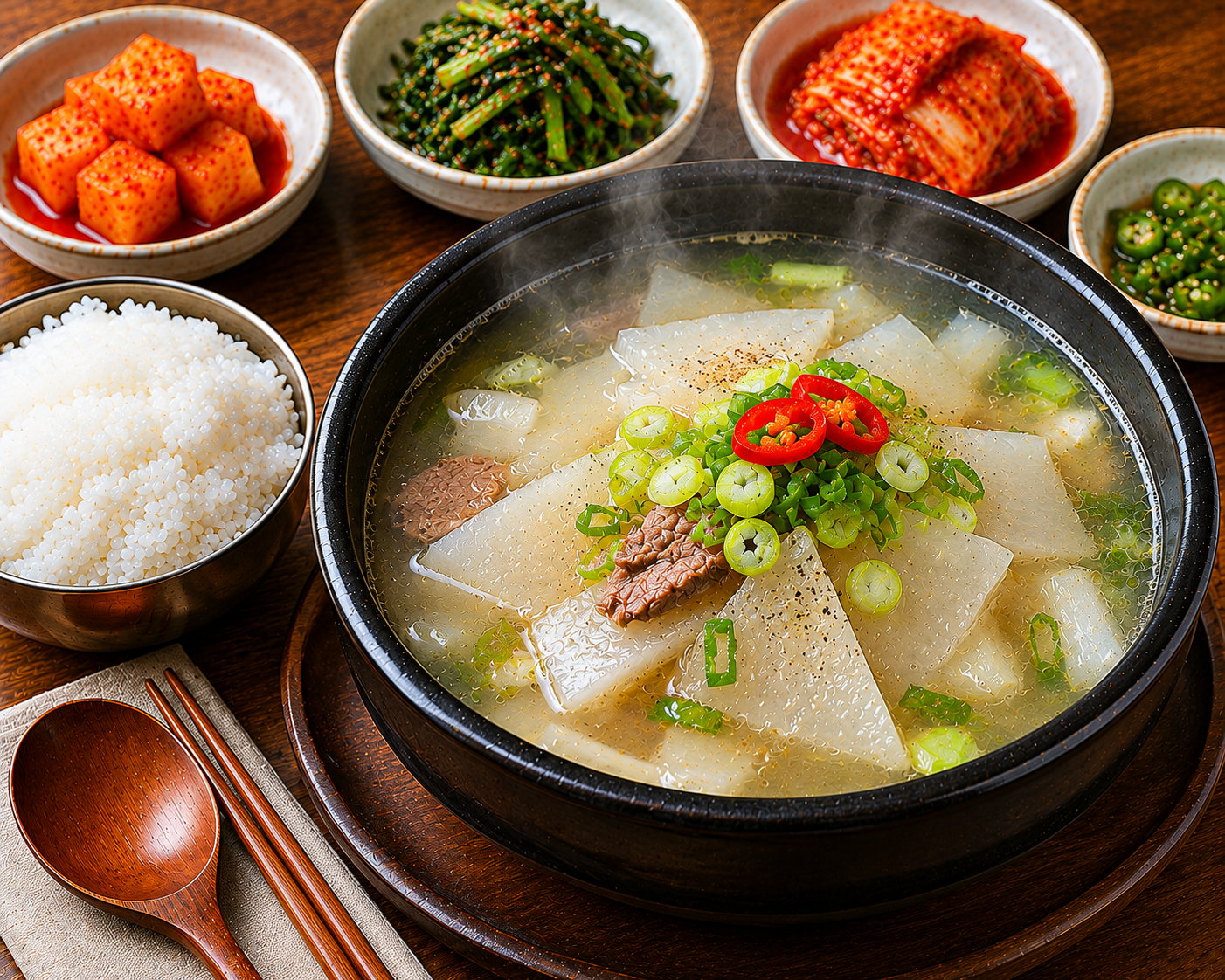
Radish Soup
무국 · mu-guk
A clear soup dish made with radish and beef, characterized by a light and refreshing taste. It is usually enjoyed with rice, and salt or soy sauce can be added at the table to adjust the seasoning.
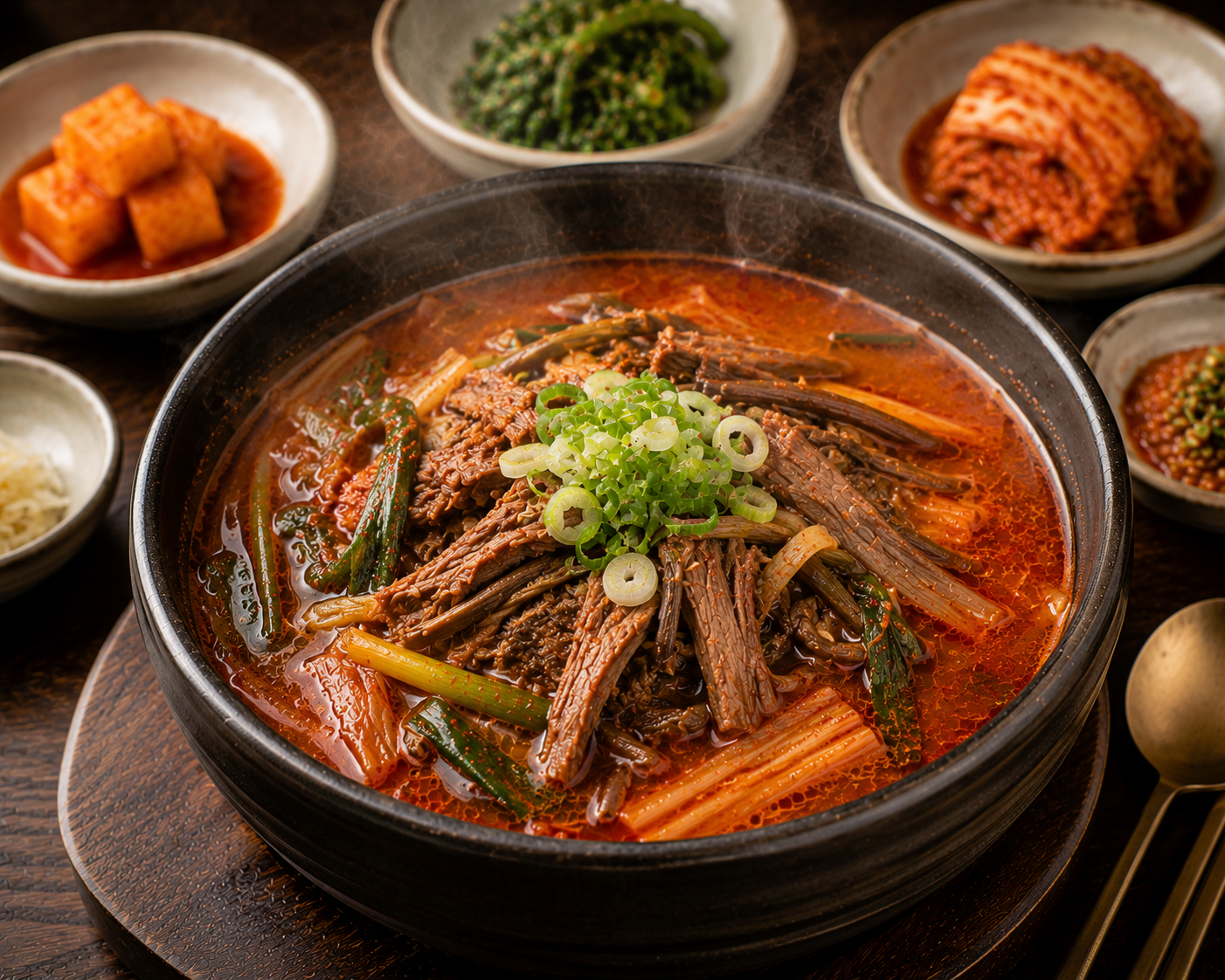
Yukgaejang
육개장 · yuk-gae-jang
A spicy soup dish made with beef, fernbrake, and bean sprouts cooked in hot pepper oil. The broth is rich and spicy, and it tastes even better when eaten with rice.
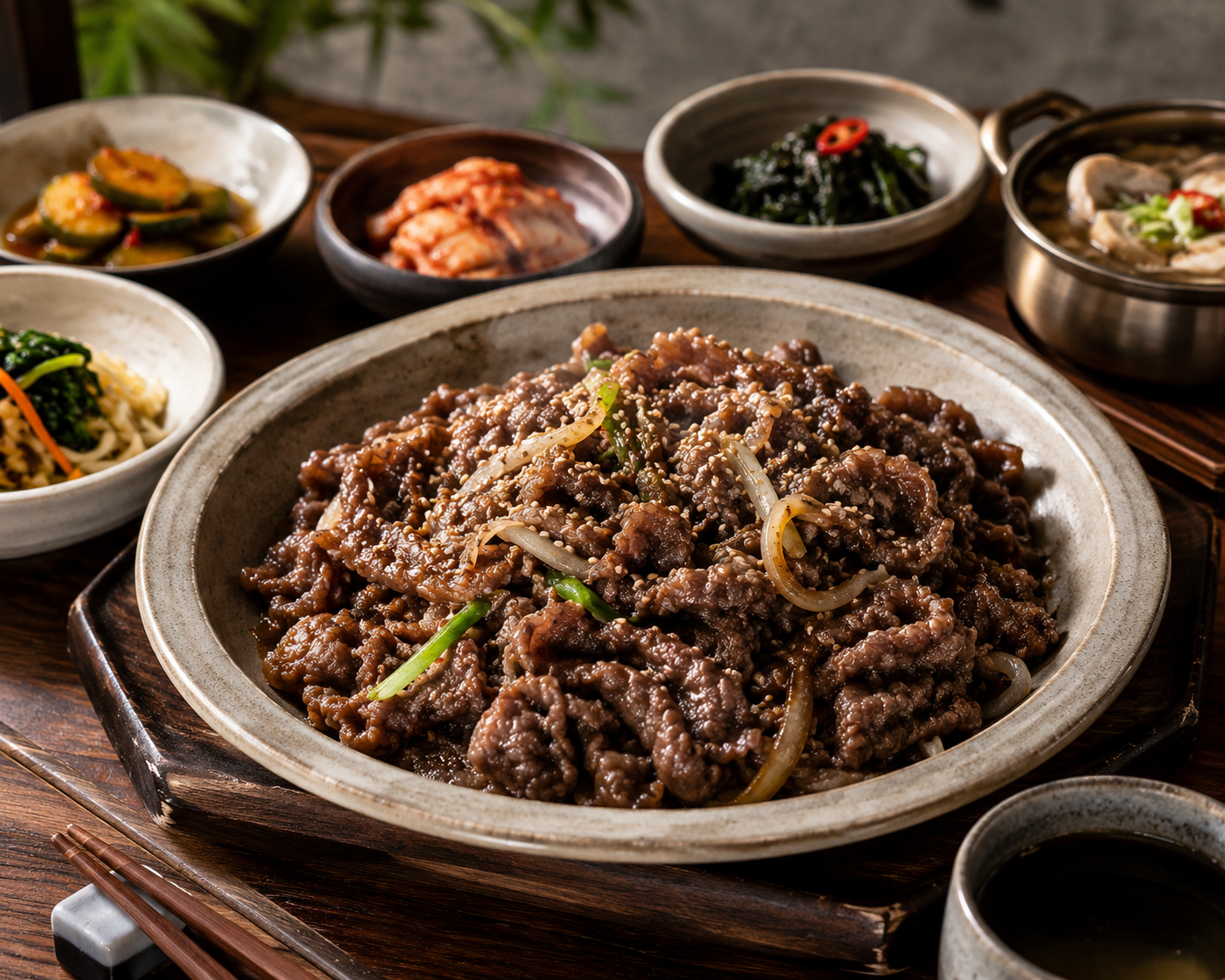
Bulgogi
불고기 · bulgogi
A traditional Korean dish made by seasoning thinly sliced beef with soy sauce, sugar, garlic, and more, then grilling it on a metal plate. It is characterized by a sweet and savory flavor and is usually eaten wrapped in leafy vegetables.
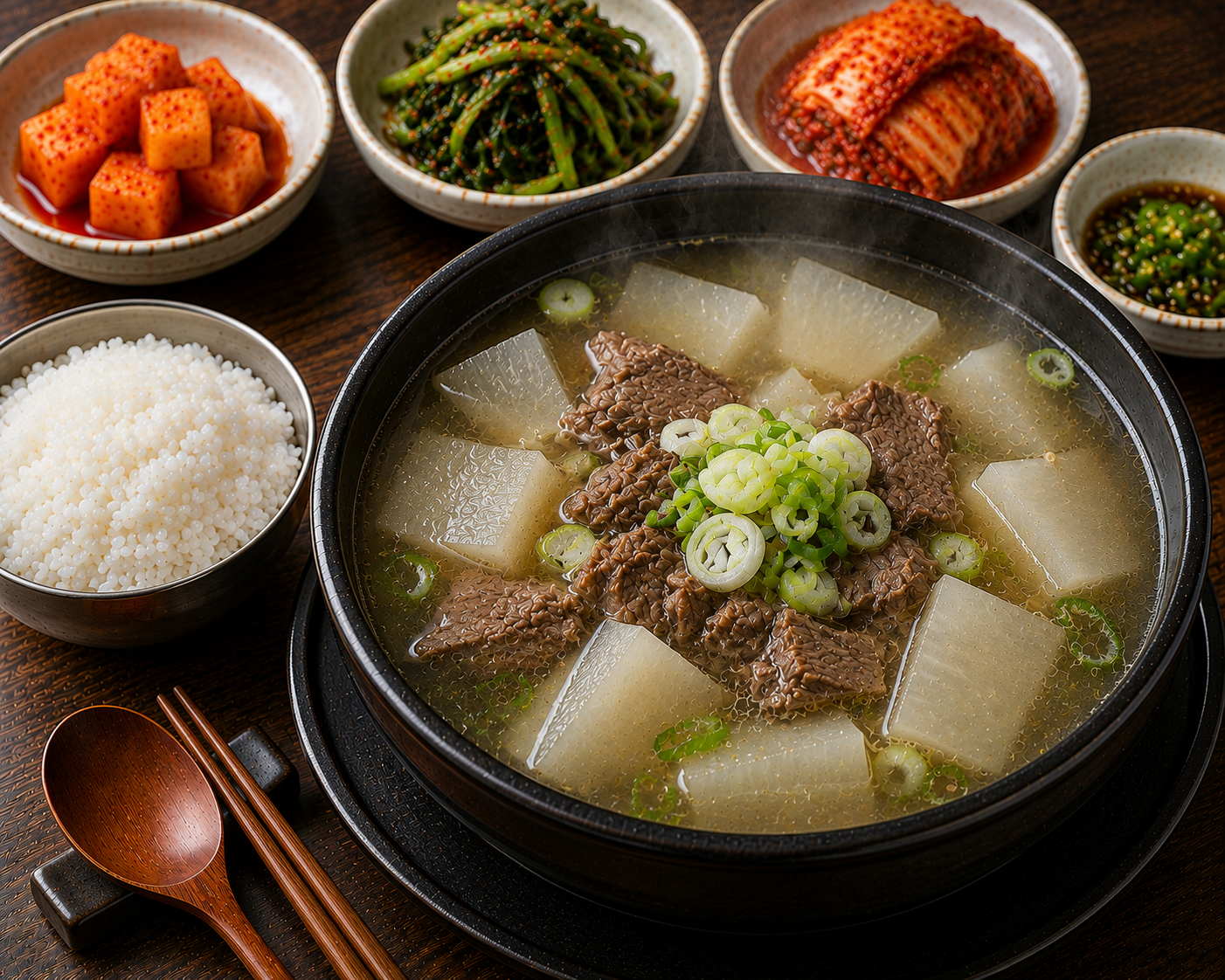
Beef Mu-guk
소고기뭇국 · so-go-gi-mut-guk
A traditional Korean soup dish made by boiling beef and radish in a clear broth. It features a light and refreshing taste, and is enjoyed with rice.
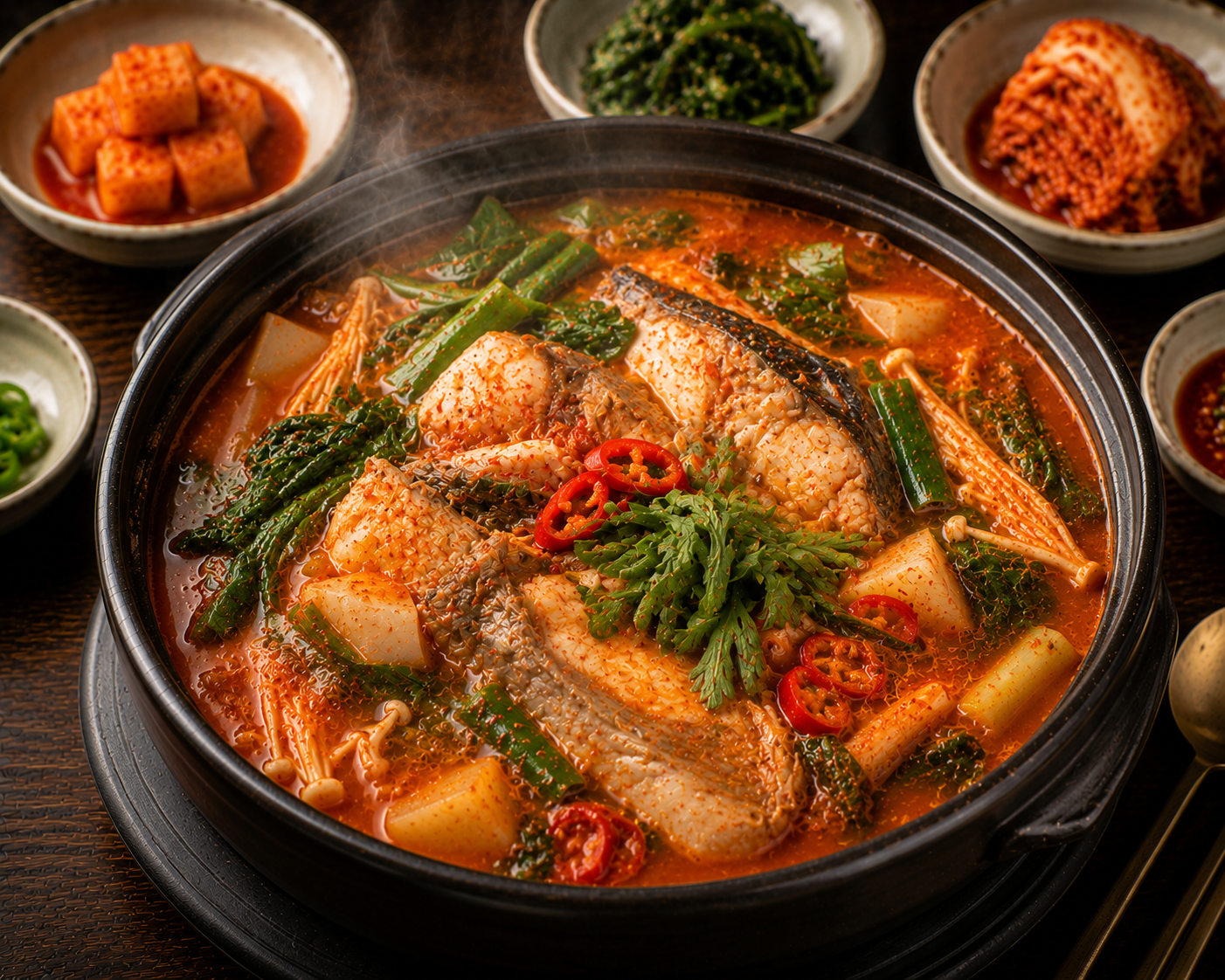
Spicy Fish Soup
매운탕 · mae-un-tang
A soup dish made by boiling fish and seafood with red pepper powder, typically shared among several people. The broth is plentiful and has a strong spicy flavor, making it great to eat with rice.
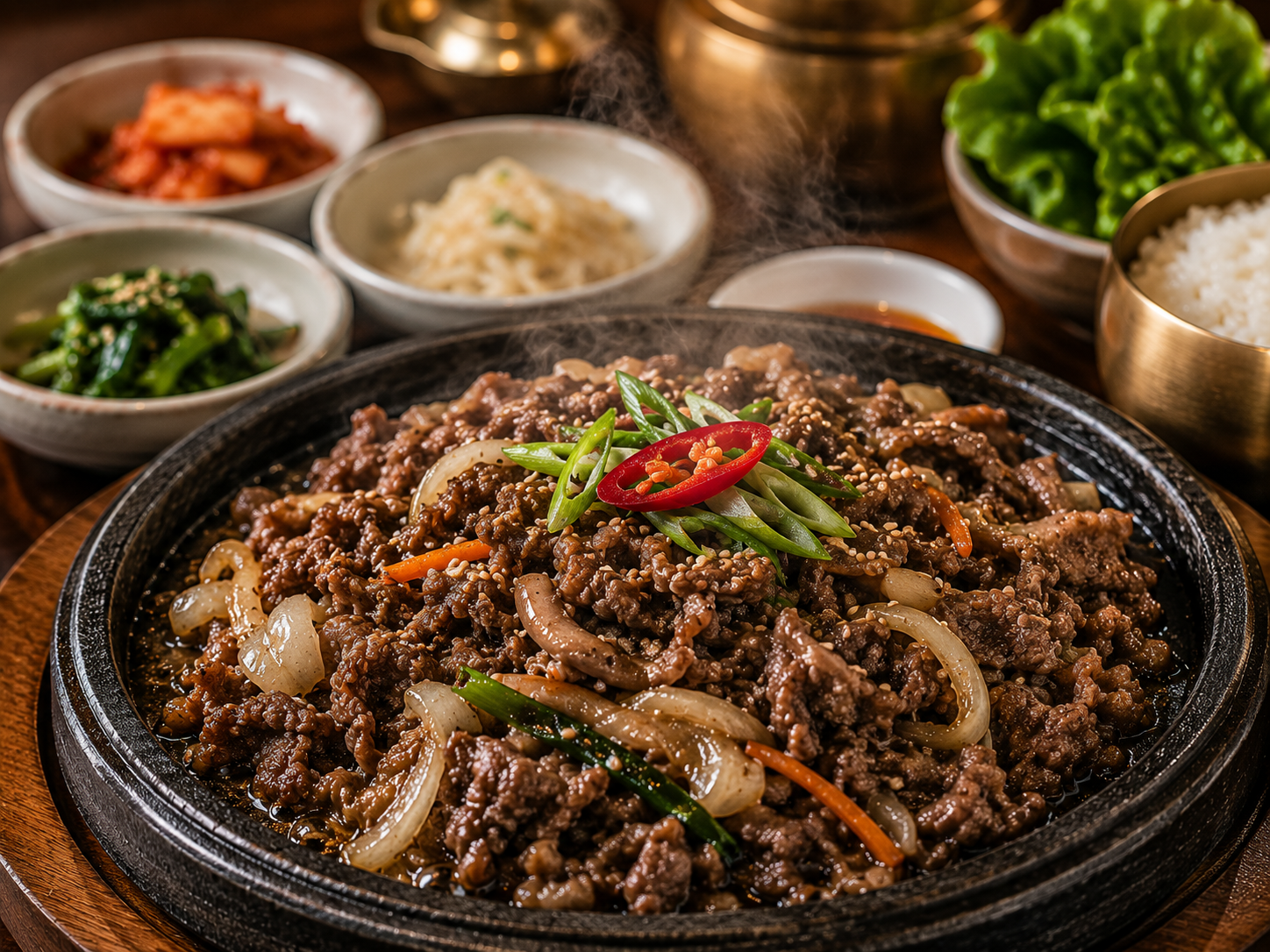
Goes well with
Ingredients
How it's made
- 1Wash the beef bones and brisket thoroughly and prepare them.
- 2Pour water into a large pot and add the beef bones and brisket to boil for a long time.
- 3Once the broth becomes white, prepare the noodles and rice.
- 4Serve the broth with sliced meat, noodles, and rice in the stone pot.
Nutrition
* Estimated values per serving.
Allergens
Contains beef, not suitable for vegetarian or halal diets.
How to order
설렁탕 주세요
Seol-leong-tang ju-se-yo
Please give me Seolleongtang
Customize your order
Traveler tips
How to eat it
Frequently asked questions
- How are Seolleongtang and Gomtang different?
- Both are beef soups, but Seolleongtang often gets its milky broth from bones simmered for a long time. Gomtang is often made more around the meat and tends to have a clear or relatively transparent broth, though the line between the two is not exactly the same at every restaurant.
- Does the white broth contain milk or flour?
- Usually not. When beef bones are simmered for a long time, components from the bones, fat, and proteins are extracted, making the broth look naturally milky.
- Are noodles part of the traditional style?
- Seolleongtang commonly includes a small amount of Somen. Rice is the staple, but Somen is used almost like a garnish that adds texture to the broth and makes the bowl more filling.
Last reviewed: 2026-10-07