Cultural background
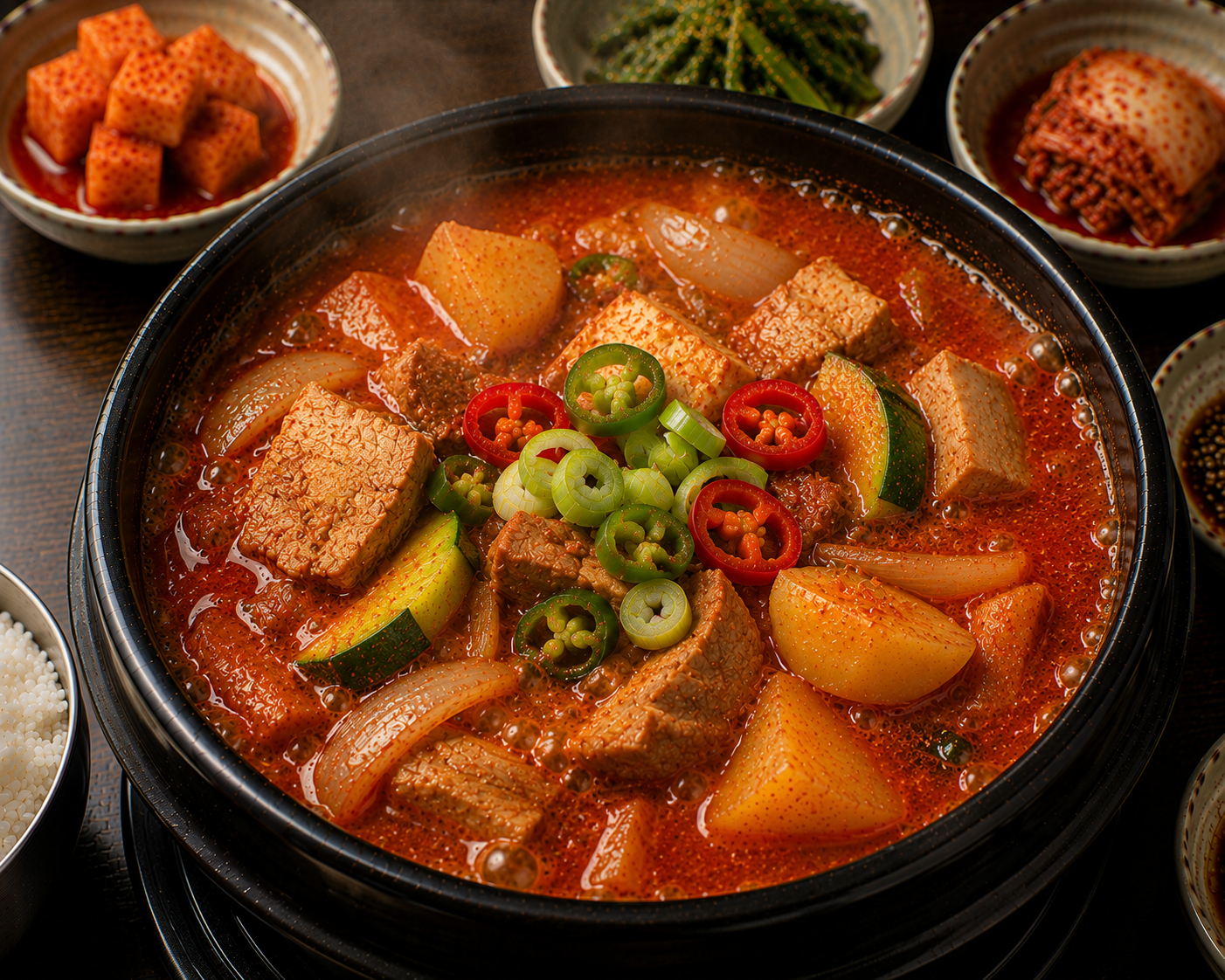
Yukgaejang is a dish that is often sought after when one wants to warm up, and it is also popular as a hangover remedy due to its spicy broth.
Origin & history
One widely repeated account says Yukgaejang branched off from gaejangguk. Gaejangguk was a spicy soup eaten as a restorative; the story goes that when beef was used in place of dog meat, people called it something like "beef gaejang," and the name eventually settled as Yukgaejang.
Daegu-style Yukgaejang is often cited as a regional version. Known for using plenty of green onion and simmering the soup with red chili oil for a sharp heat, it has had a strong influence on the way restaurant Yukgaejang is imagined today.
Regional & modern variations
- Daegu-style Yukgaejang — Known for generous amounts of green onion and a pronounced aroma of red chili oil. The broth is rich and spicy, but the sweetness of long-simmered green onion comes through as well.
- Dakgaejang — Made by simmering shredded chicken instead of beef. Though the name is different, the dish is close to Yukgaejang in its use of gosari, mung bean sprouts, green onion, and spicy seasoning.
- Yukgaejang Kalguksu — A version eaten with Kalguksu noodles in Yukgaejang broth. Compared with rice, the noodles soak up more of the soup, making it feel thicker and more filling.
How Koreans eat it
Yukgaejang often appears at funeral halls. The soup is easy to prepare in large cauldrons, and because it contains meat and namul vegetables, it works well as a one-bowl meal when feeding mourners over many hours. For Koreans, Yukgaejang carries the image of both a spicy gukbap and a meal eaten after paying respects.
Taste & how to choose
Good Yukgaejang tastes like more than just chili powder. You should get the savoriness of beef broth, the sweetness of green onion, and the chewy, fibrous texture of gosari. First-time diners may be surprised by gosari's slightly tough bite and the red layer of oil on the surface.
Similar dishes
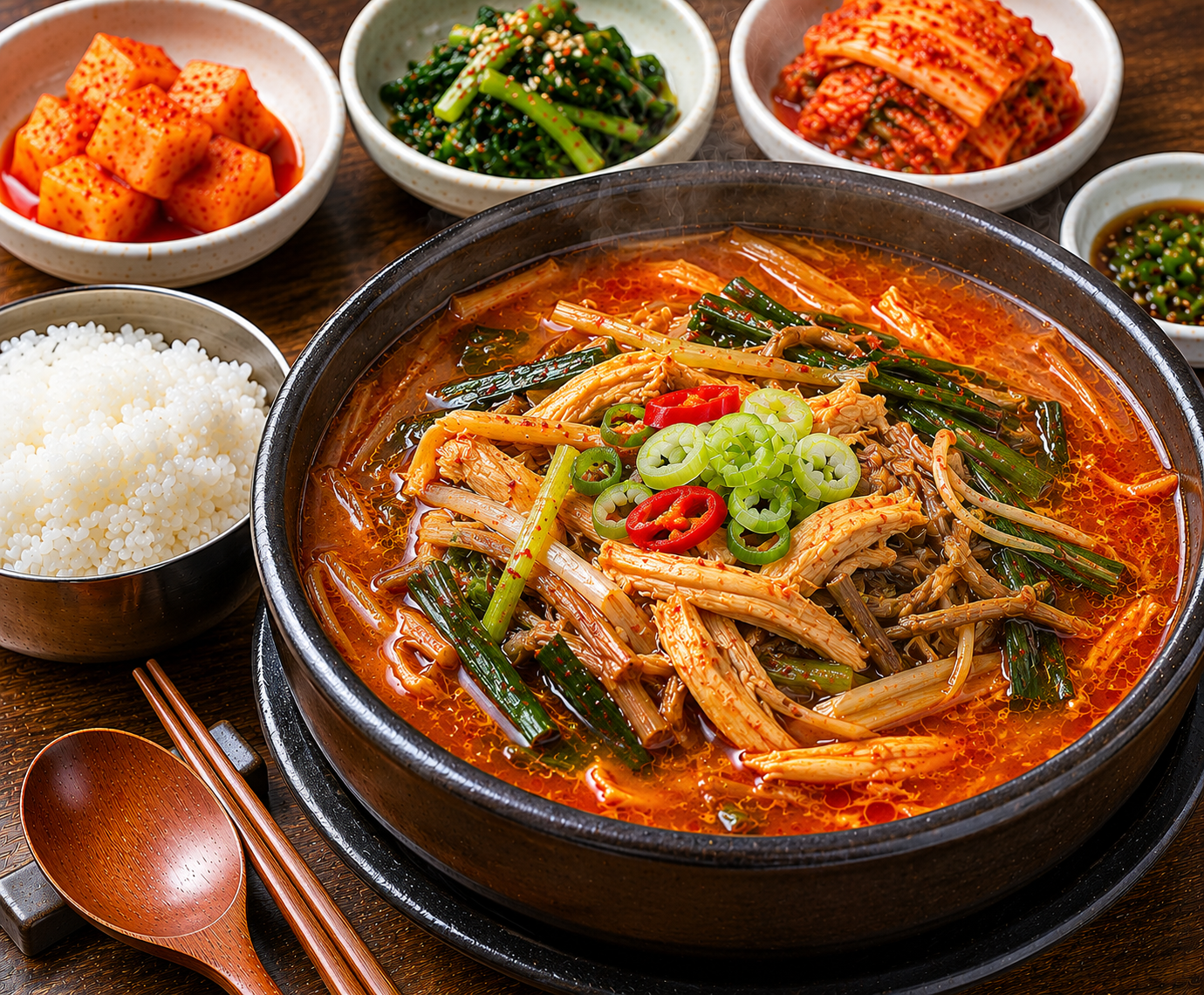
Dakgaejang
닭개장 · dak-gae-jang
A soup dish made by boiling chicken and a variety of vegetables with red chili powder for a hearty kick, characterized by its spicy and deep flavor.
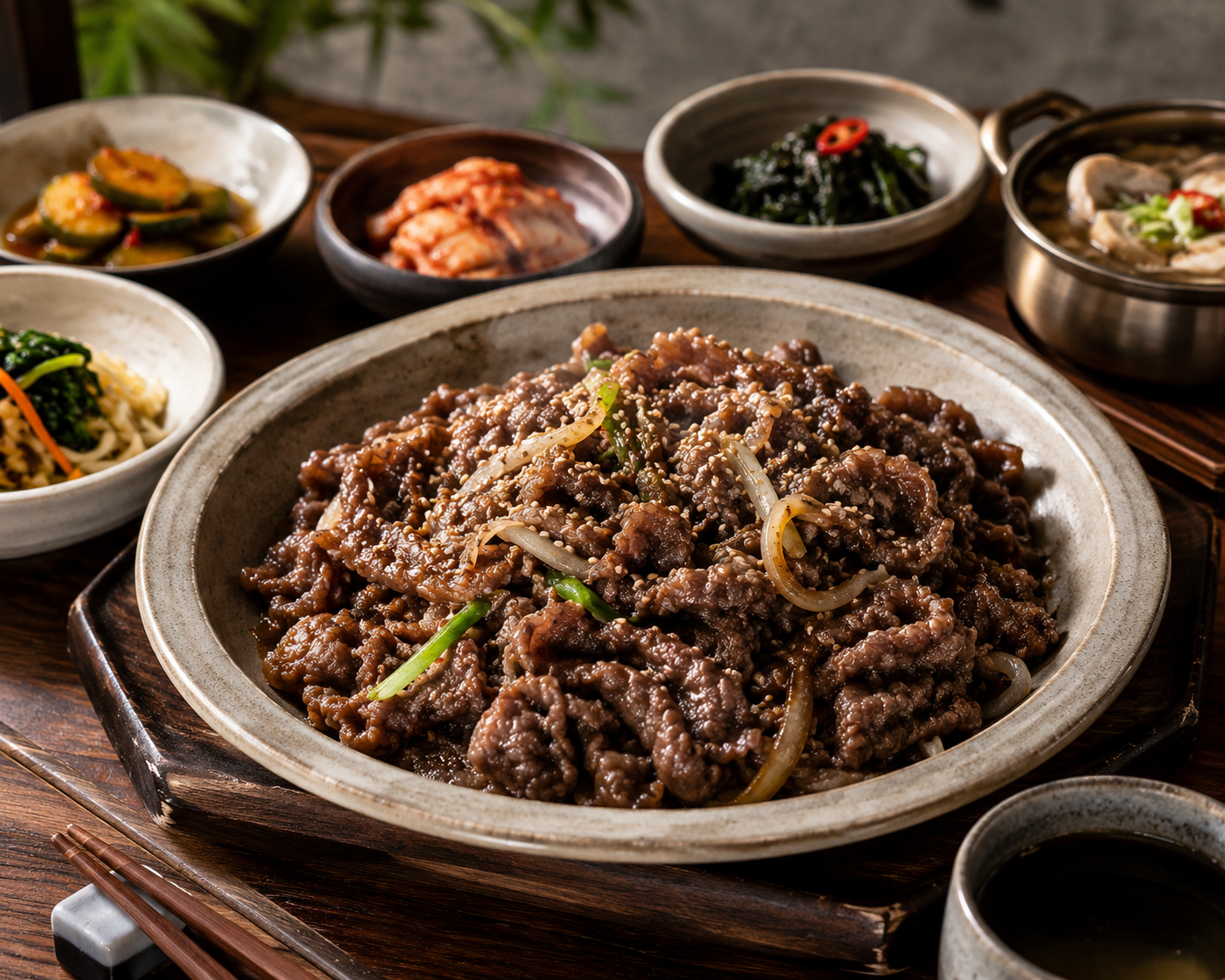
Bulgogi
불고기 · bulgogi
A traditional Korean dish made by seasoning thinly sliced beef with soy sauce, sugar, garlic, and more, then grilling it on a metal plate. It is characterized by a sweet and savory flavor and is usually eaten wrapped in leafy vegetables.
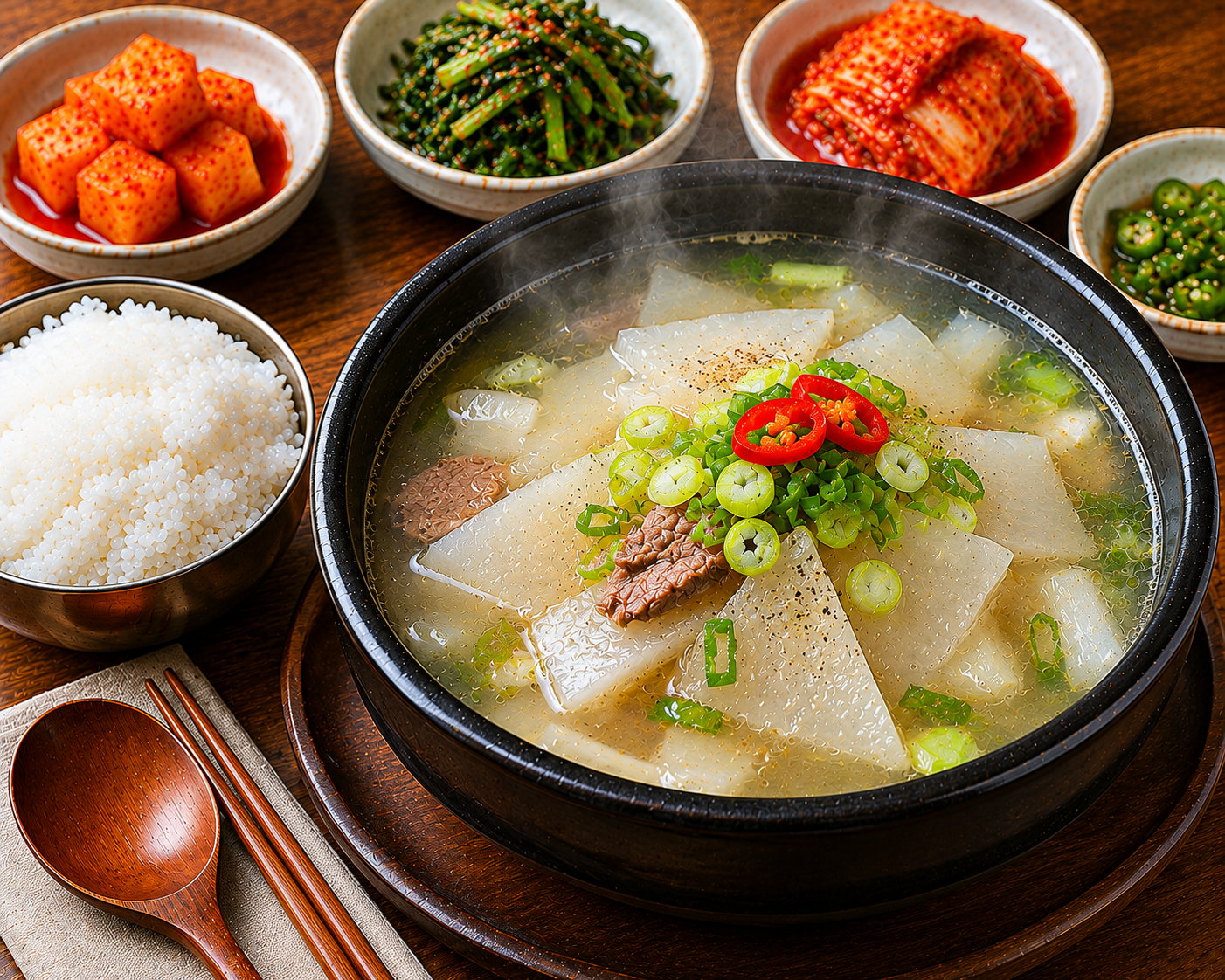
Radish Soup
무국 · mu-guk
A clear soup dish made with radish and beef, characterized by a light and refreshing taste. It is usually enjoyed with rice, and salt or soy sauce can be added at the table to adjust the seasoning.
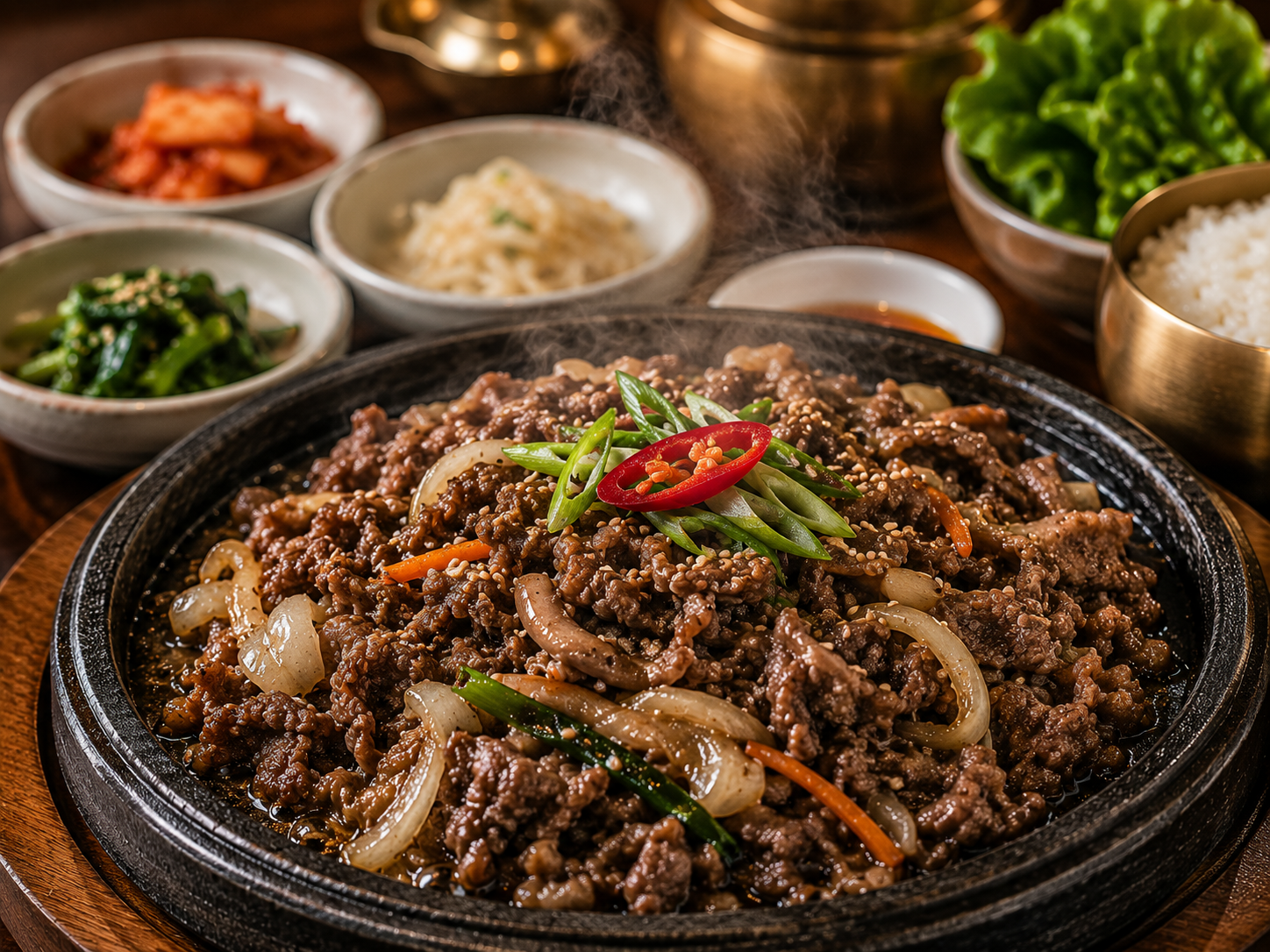
Beef Bulgogi
소불고기 · so-bul-go-gi
A traditional Korean grilled dish made by marinating thinly sliced beef in soy sauce, sugar, garlic, and other ingredients, then grilling it on a hot plate.
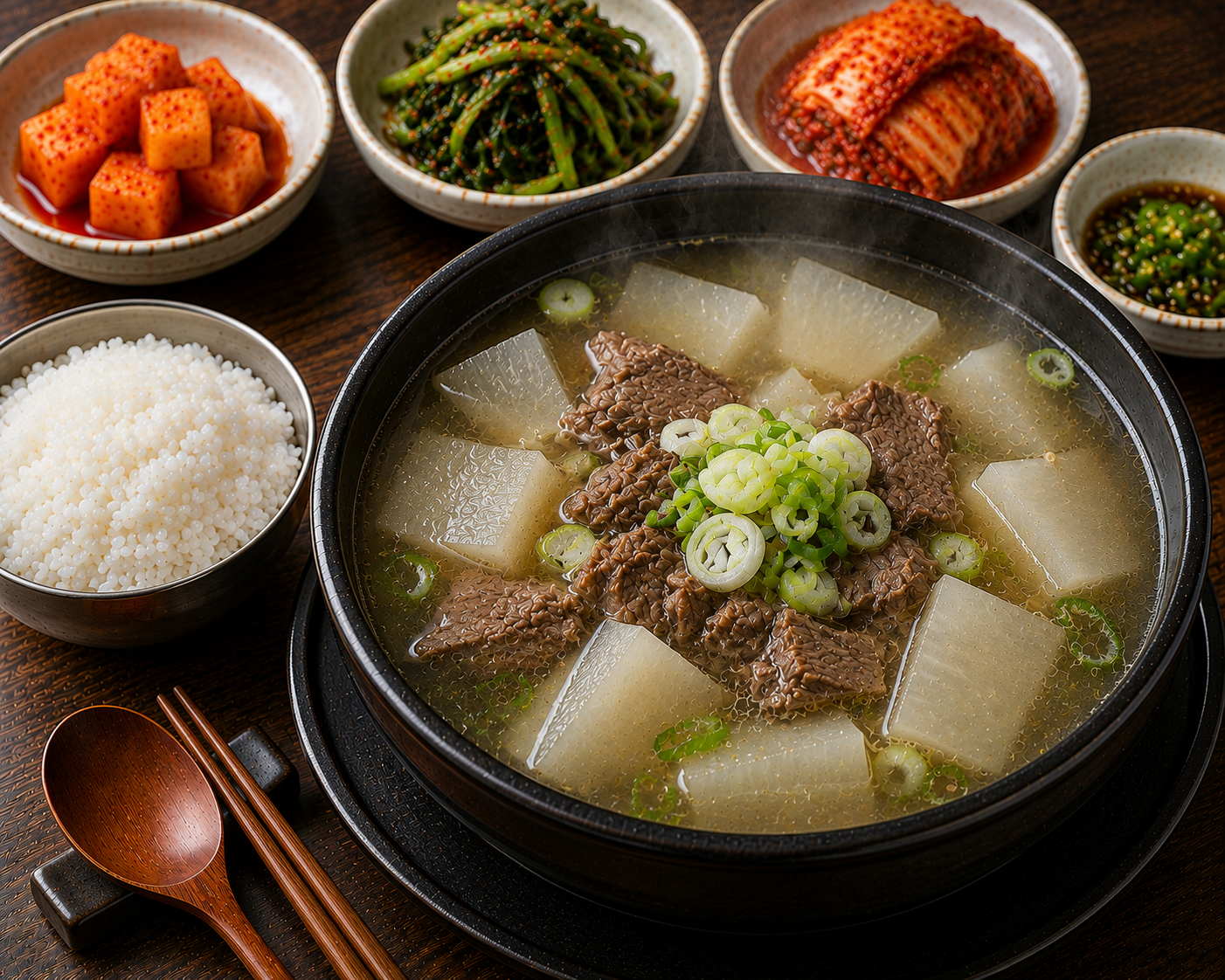
Beef Mu-guk
소고기뭇국 · so-go-gi-mut-guk
A traditional Korean soup dish made by boiling beef and radish in a clear broth. It features a light and refreshing taste, and is enjoyed with rice.
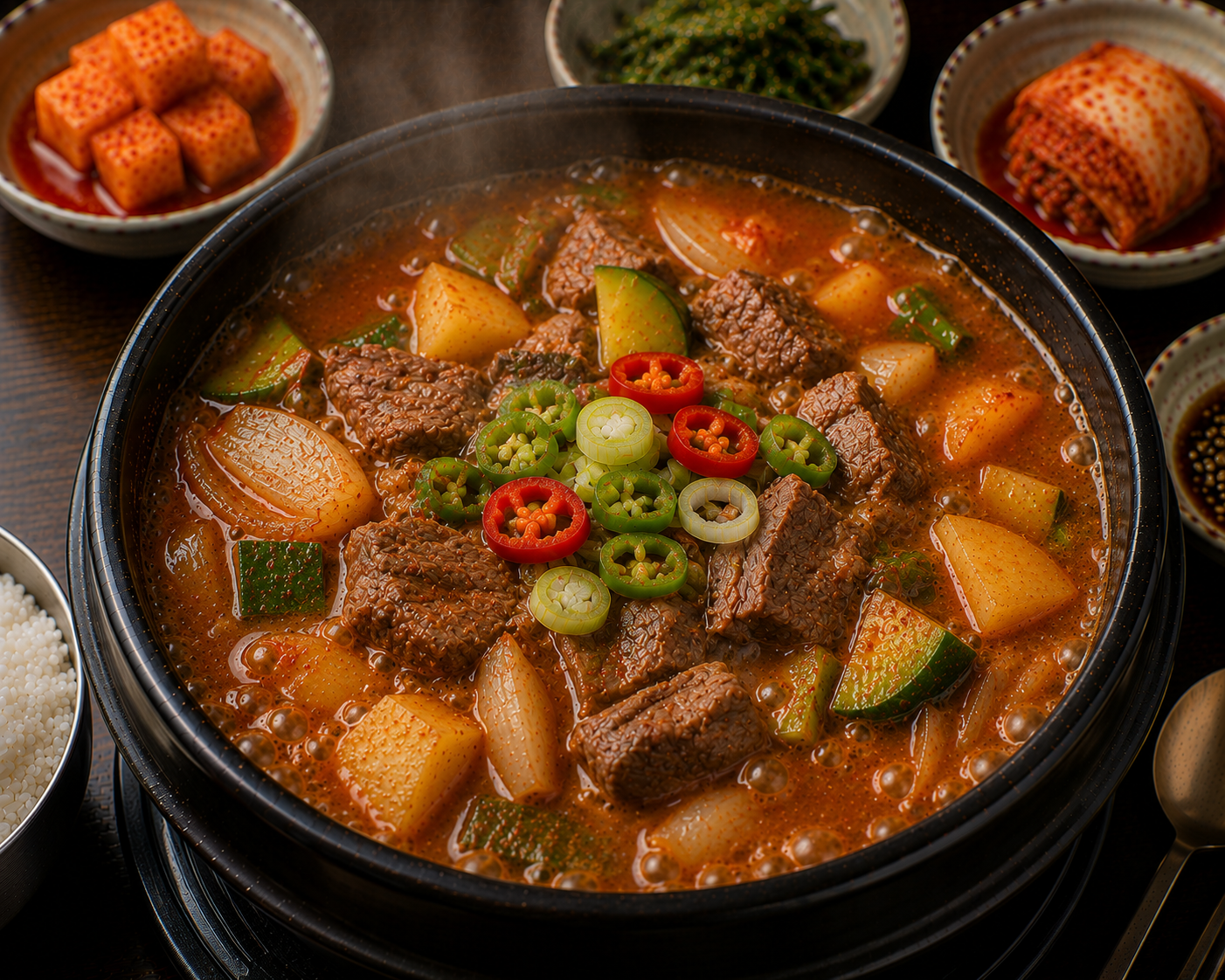
Beef Stew
소고기찌개 · so-go-gi-jji-gae
A savory and umami-rich Korean-style stew made by boiling beef and various vegetables in a rich broth.
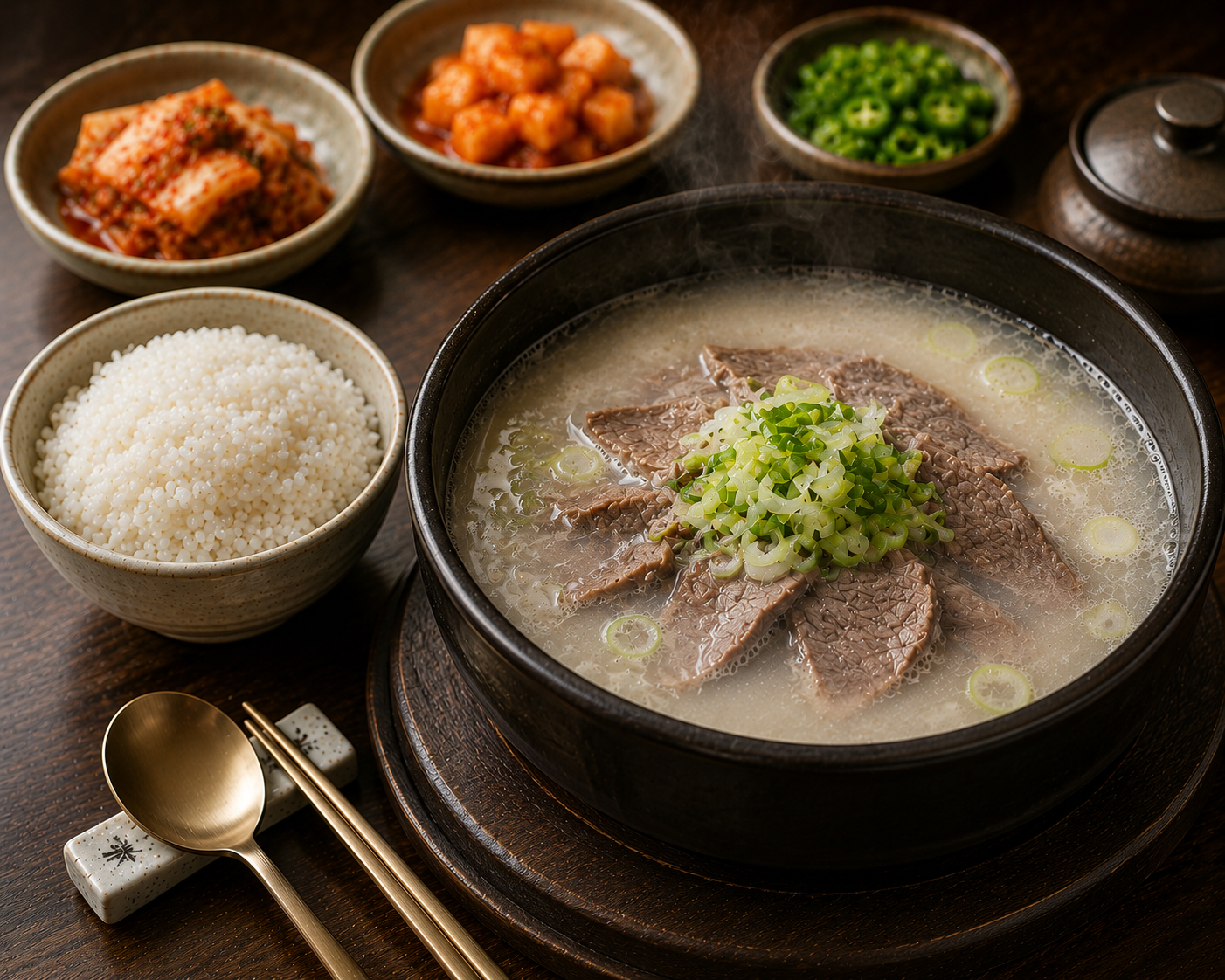
Gomtang
곰탕 · gom-tang
Gomtang is a type of soup that is made by simmering beef bones and brisket for a long time to create a milky and mild broth, served with thinly sliced boiled meat, noodles, and rice. The broth itself is lightly seasoned, so it's best to add salt and chopped green onions to taste, and adding a bit of cubed radish kimchi broth enhances the flavor. It is served piping hot in an earthenware pot, so it's advisable to be careful with the first sip.
Goes well with
Ingredients
How it's made
- 1Cut the beef into appropriate sizes and prepare it.
- 2Heat hot pepper oil in a pot and stir-fry the beef.
- 3Add fernbrake, bean sprouts, and green onion, and stir-fry together.
- 4Pour in water and add red pepper flakes to boil.
- 5Once all ingredients are cooked well, turn off the heat.
Nutrition
* Estimated values per serving.
Allergens
It is not suitable for vegetarian or halal diets as it contains beef.
How to order
육개장 주세요
Yuk-gae-jang ju-se-yo
Please give me Yukgaejang
Customize your order
Traveler tips
How to eat it
Frequently asked questions
- Why does the name include "gae"?
- Because of the theory that Yukgaejang developed from gaejangguk. Today's standard Yukgaejang uses beef, and the "gae" in the name does not refer to the current ingredient.
- Does eating Yukgaejang at funeral halls have a special meaning?
- Practical reasons matter more than any religious meaning. Yukgaejang is easy to serve quickly to many people, and it can be reheated easily even after cooling, which helped it become established as a funeral-hall meal.
- How is Yukgaejang different from an ordinary spicy beef soup?
- Yukgaejang usually contains not only beef but also namul vegetables such as gosari, mung bean sprouts, and green onion. The aroma and texture created by the green onion and gosari are especially important features of Yukgaejang.
Last reviewed: 2026-10-07