Tteokbokki
This is a spicy and sweet dish made by boiling rice cakes and fish cakes in a gochujang seasoned broth. The chewy rice cakes absorb the spicy and sweet sauce, and fried foods or kimbap are dipped in the broth and enjoyed together. It is a representative snack that is enjoyed cheaply at snack shops and on the streets.
Cultural background
Tteokbokki from snack shops near schools is a memory of Korean students and is a beloved national snack enjoyed at a low cost.
Origin & history
An older form of Tteokbokki is known as royal court Tteokbokki, made by stir-frying rice cakes, meat, and vegetables in a Soy Sauce seasoning. Its flavor and color are quite different from the red, brothy Tteokbokki made with Gochujang that is common today.
One account says today’s street-style Tteokbokki spread widely after the Korean War alongside urban bunsik snack culture. Cheap rice cakes and eomuk, or fish cakes, could be boiled together in one pot and sold easily, helping it take root as a food found near schools, in markets, and at pojangmacha street stalls.
Regional & modern variations
- Royal Court Tteokbokki — A brown Tteokbokki seasoned with Soy Sauce instead of Gochujang. Meat and vegetables usually go in, and the flavor is not spicy but savory and salty.
- Jeukseok Tteokbokki — A style eaten by boiling rice cakes, eomuk, Ramen, vegetables, and other ingredients yourself in a pot on the table. Many people finish by making Fried Rice with the remaining sauce.
- Rabokki — A form of Tteokbokki with Ramen noodles added. Because the noodles quickly absorb the sauce, it becomes thicker and more filling than regular Tteokbokki.
- Gireum Tteokbokki — The rice cakes are stir-fried in oil and seasoning without broth. Known as an old market food from Seoul, it has a texture that feels slightly dried on the outside.
How Koreans eat it
At bunsik shops, Tteokbokki is often eaten almost like part of a shared plate with fried snacks, Sundae, and Gimbap rather than ordered on its own. Since many foods are dipped into the Tteokbokki sauce, Tteokbokki serves as both a dish and a spicy sauce.
Taste & how to choose
First-timers may be surprised by the chewiness of the rice cakes. Rice tteok has a firm bounce and a rice aroma, while wheat tteok is softer and absorbs the sauce well. Tteokbokki that has simmered for a long time has a rich sauce and soft rice cakes, but if left too long, the rice cakes can become mushy.
Similar dishes
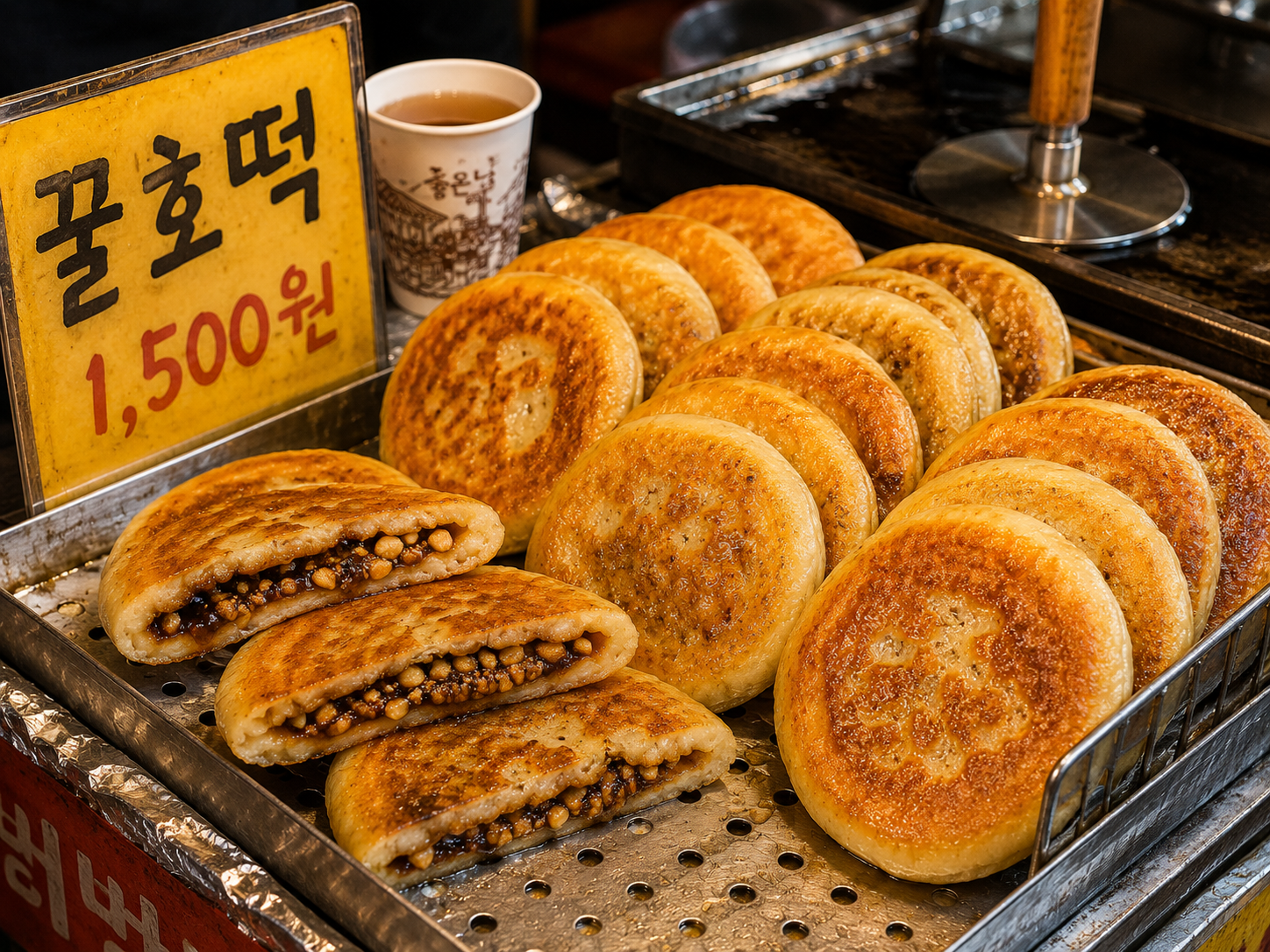
Hotteok
호떡 · ho-tteok
A warm street snack made by frying dough filled with brown sugar and nut syrup. It has a crispy exterior and a flowing brown sugar syrup interior, making it a representative winter treat that tastes even better when eaten warm right after it is freshly made.
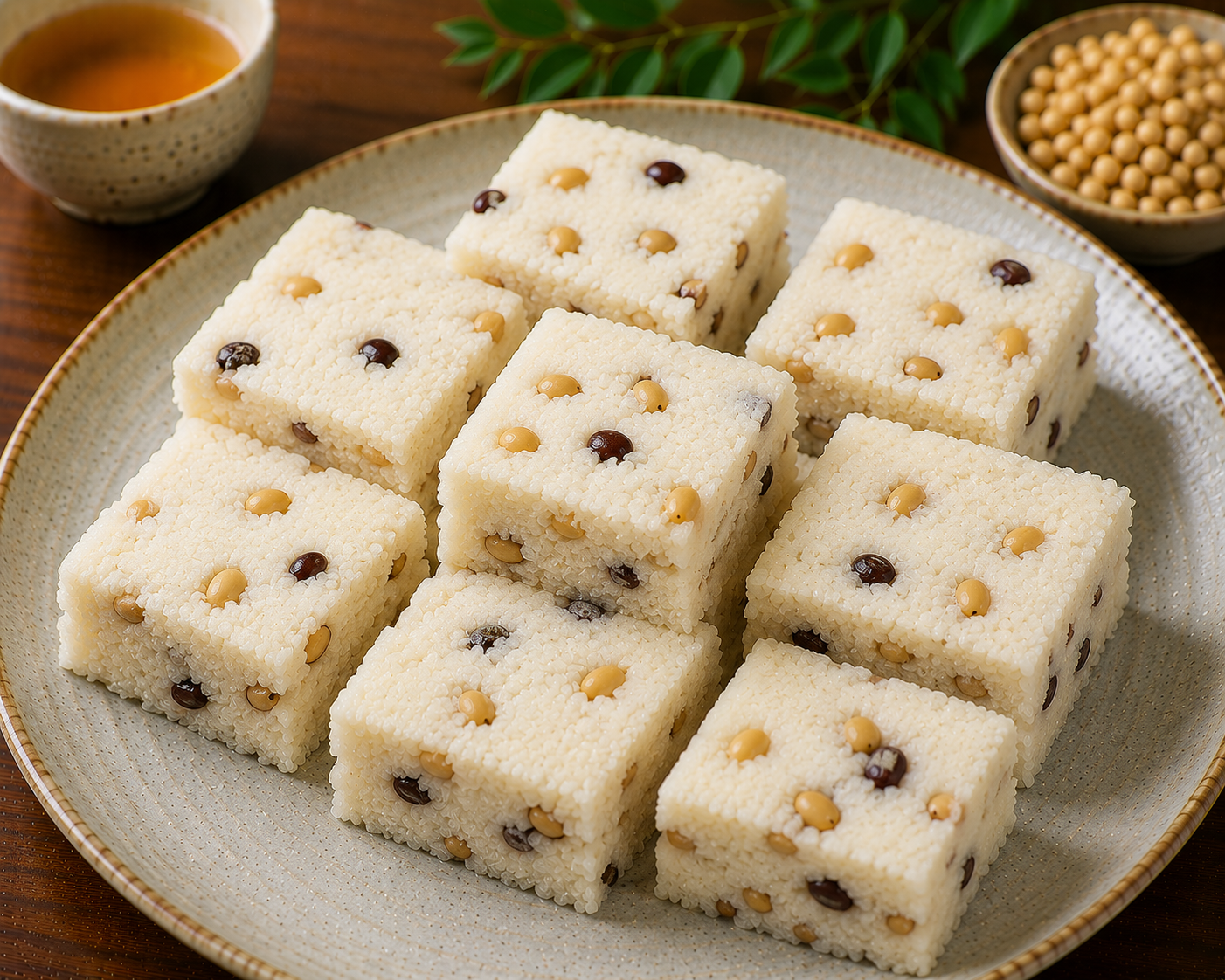
Kongseolgi
콩설기 · kong-seolgi
A steamed rice cake made by mixing rice flour with beans, characterized by its crumbly texture and mild taste. It is mainly enjoyed as a snack or dessert, and is sometimes eaten with tea.
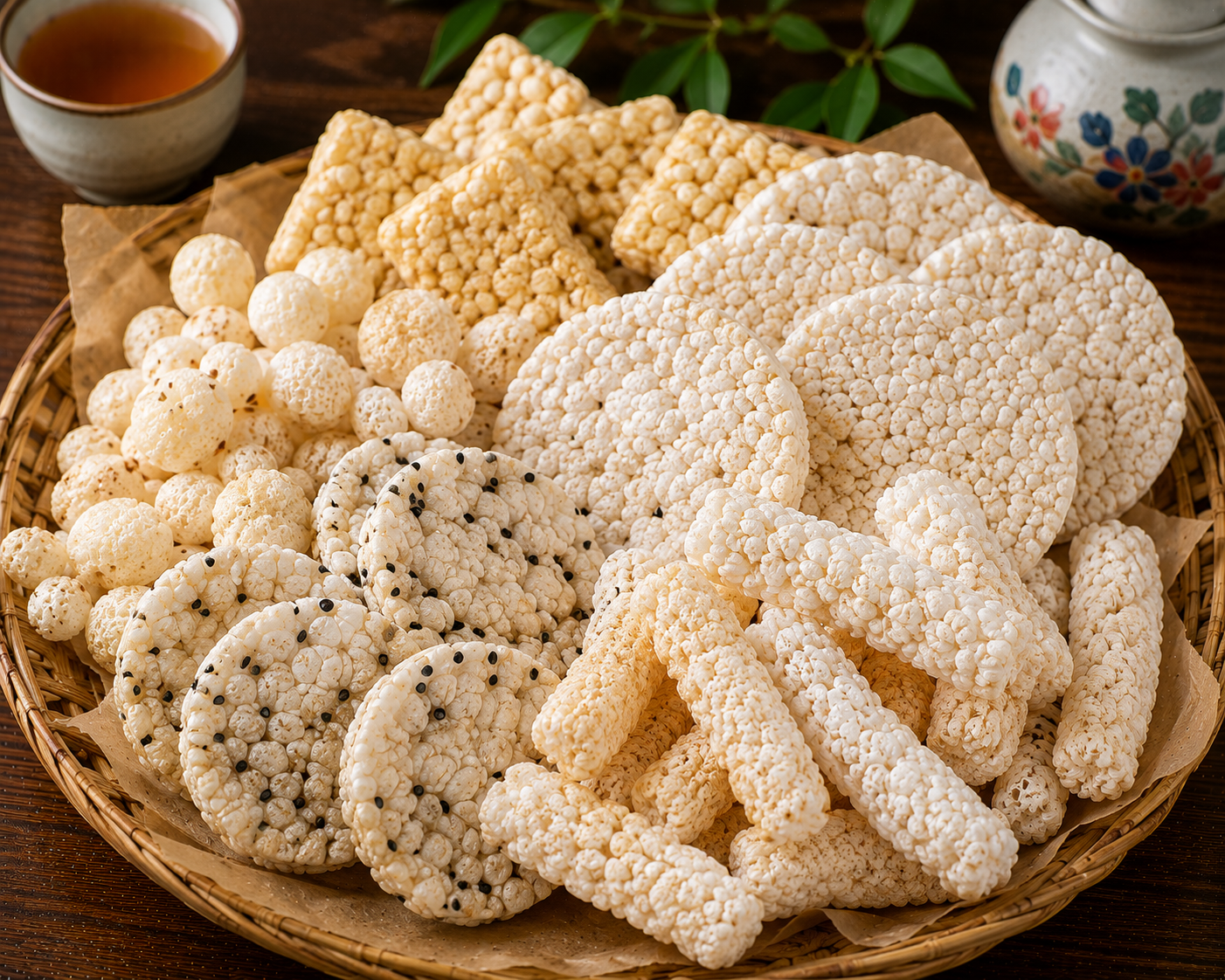
Puffed Rice
뻥튀기 · ppeong-twi-gi
A crispy and light snack made by puffing rice or corn at high temperature.
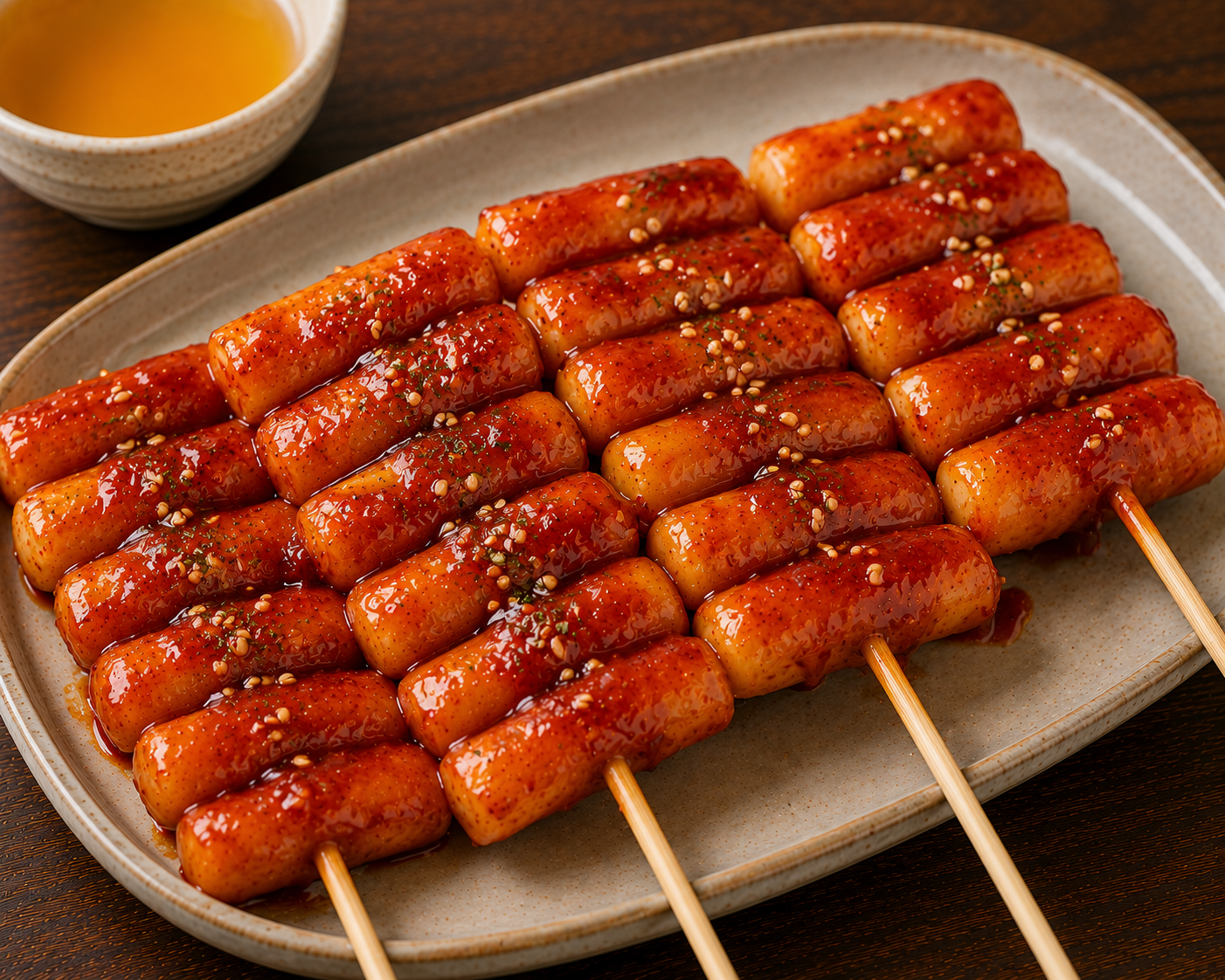
Tteok-kkochi
떡꼬치 · tteok-kko-chi
Chewy rice cakes skewered and grilled with a spicy-sweet sauce, a Korean street food.
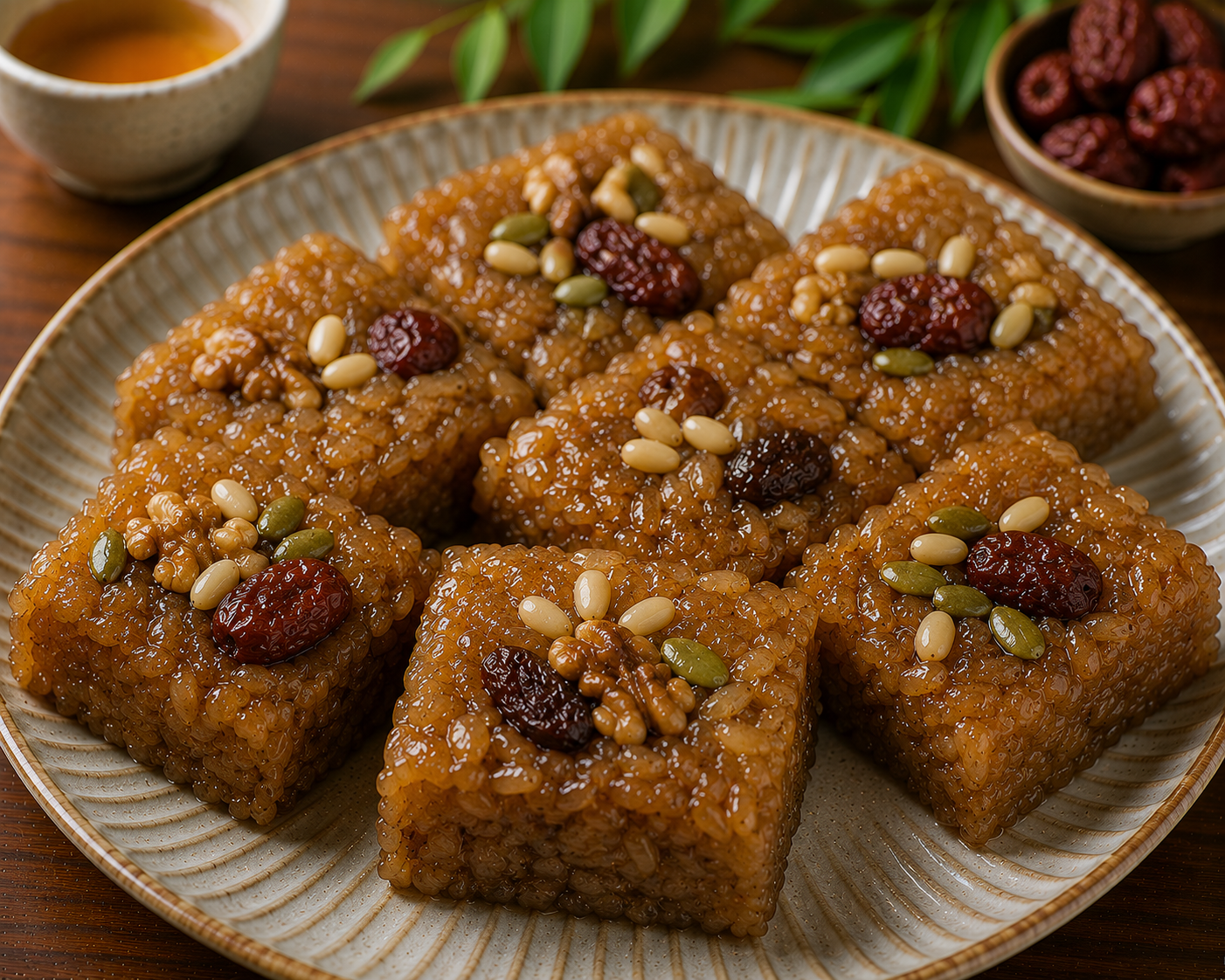
Yak-sik
약식 · yak-sik
A traditional Korean rice cake made by seasoning glutinous rice with honey and soy sauce, and steaming it with dates, chestnuts, and pine nuts.
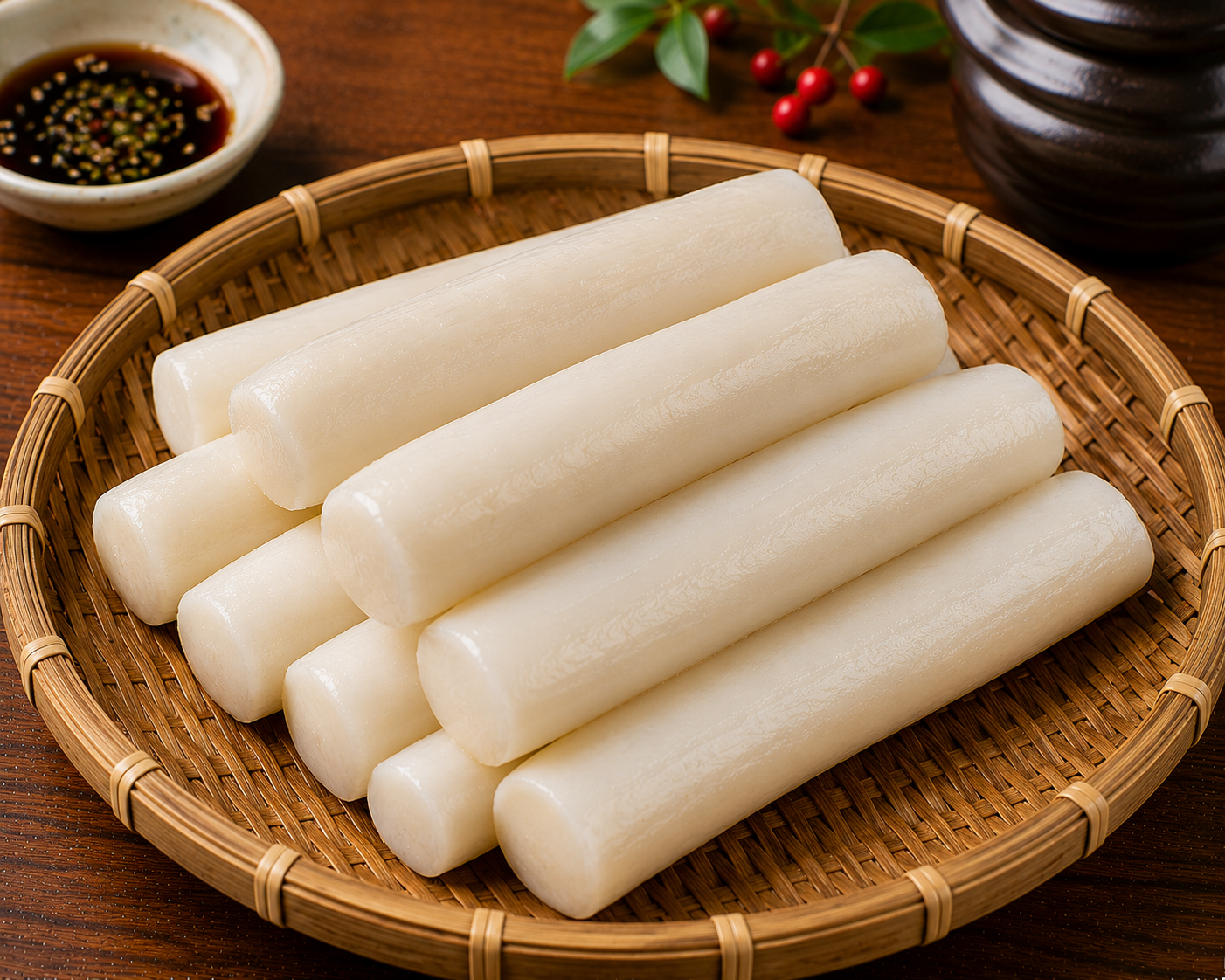
Garaetteok
가래떡 · garae-tteok
Garaetteok is a rice cake made by steaming non-glutinous rice and shaping it into a long cylindrical form, characterized by its chewy texture. It is mainly used as an ingredient for tteokguk during the Lunar New Year and can also be enjoyed as a snack.
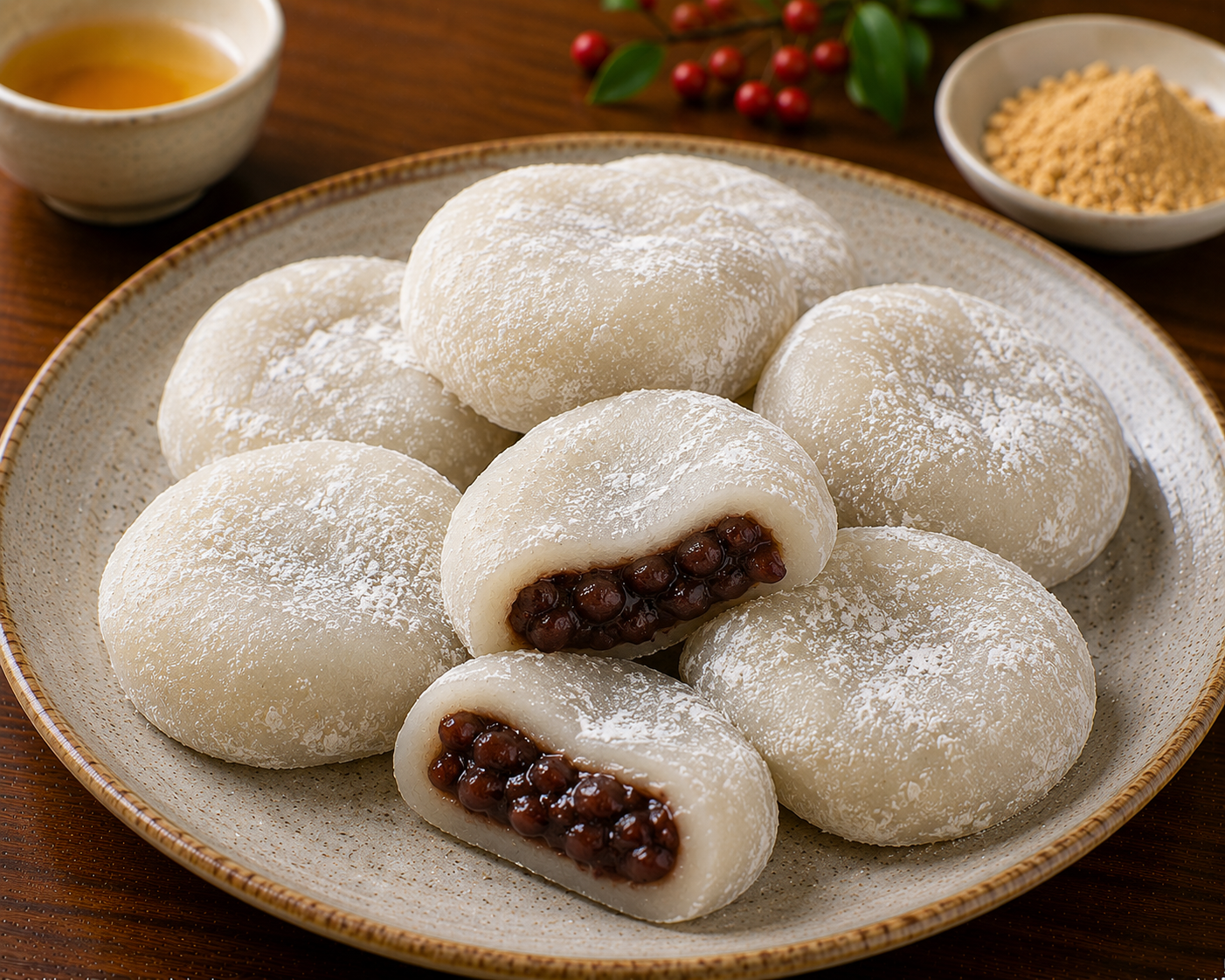
Chaltteok
찰떡 · chal-tteok
A chewy rice cake made by steaming glutinous rice and kneading it, then coating it with various powders. It is characterized by a sticky texture and subtle sweetness, making it great for snacks or desserts.
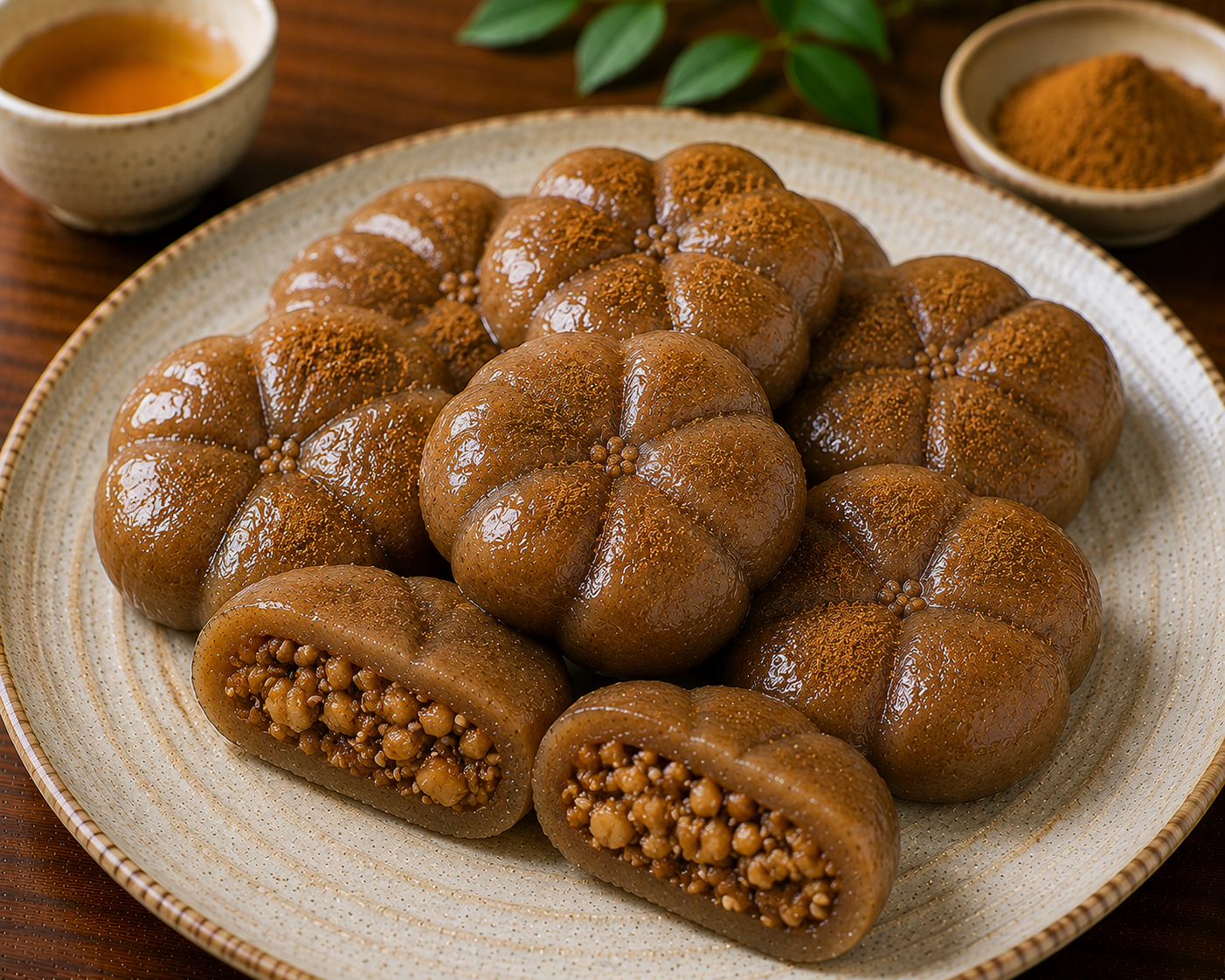
Gaepi-tteok
개피떡 · gae-pi-tteok
A rice cake made by steaming and pounding non-glutinous rice flour, rolling the dough out thin, filling it with red bean paste, and pressing it out into half-moon shapes. Because air is trapped inside and makes it puff up, it is also called baram-tteok (wind rice cake). It is known for its chewy texture and sweet taste.
Goes well with
Ingredients
How it's made
- 1Prepare the rice cakes and fish cakes.
- 2Put water, gochujang, and red pepper powder in a pot and bring to a boil.
- 3Once the sauce is boiling, add the rice cakes and fish cakes and simmer.
- 4Add chopped green onions and boil for a little longer.
Nutrition
* Estimated values per serving.
Allergens
Not suitable for vegetarians or halal due to the use of fish cakes and gochujang.
How to order
떡볶이 주세요
Tteok-bokki ju-se-yo
Please give me tteokbokki
Customize your order
Traveler tips
How to eat it
Frequently asked questions
- Why is it called Tteokbokki if it is boiled in broth?
- The name “볶이 (bokki, ‘stir-fried’)” can be understood as coming from an older stir-frying method. Street-style Tteokbokki is more commonly cooked by simmering it down in a seasoned broth.
- Are Garaetteok and Tteokbokki rice cakes different?
- Tteokbokki rice cakes are Garaetteok cut into easy-to-eat lengths. Some places use thick rice cakes, while others use long, thin ones.
- Does Tteokbokki only mean the red kind?
- No. Non-spicy versions also exist, such as Royal Court Tteokbokki seasoned with Soy Sauce. However, the version most commonly associated with Korean street food is the red Tteokbokki seasoned with Gochujang.
Last reviewed: 2026-10-07