
Cultural background
Gochujang is an essential condiment in Korean cuisine that has traditionally been made at home, but is now widely produced commercially.
Origin & history
Gochujang is a seasoning that took root in Korea's jang culture of fermented sauces and pastes after chili peppers arrived. Built on the same soybean fermentation techniques used for Doenjang and Soy Sauce, it stands out for the added chili powder and the sweetness of grains.
Back when households made their own jang in earthenware crocks, Gochujang matured slowly in the sun and wind. For that reason, Gochujang is regarded not simply as a spicy sauce, but as a jang that brings together the sweetness of grains, the savory depth of fermented soybeans, and the heat of chili peppers.
Regional & modern variations
- Chogochujang — A tangy seasoning made by adding vinegar and sweetness to Gochujang. It is often served with cold or mild-tasting ingredients such as sliced raw fish, blanched squid, seaweed, and boiled vegetables.
- Yakgochujang — A richer seasoning made by stir-frying Gochujang in oil. Minced beef or mushrooms are often added, and when mixed into Bibimbap, it brings less moisture and a strong savory punch.
- Sunchang-style Gochujang — Sunchang in Jeonbuk is a region well known for Gochujang. Gochujang bearing the region's name has a strong association with traditional jang products, and it is often seen as a gift item or at shops specializing in fermented sauces and pastes.
How Koreans eat it
Gochujang is usually not eaten in large amounts on its own; it is a seasoning that “sets the flavor with a spoonful.” In Bibimbap, it is mixed with sesame oil, while in stews or stir-fries it is loosened into broth or oil. When it comes in a small dish at a Korean restaurant, it is often meant for dipping small amounts onto ssam greens, meat, or blanched ingredients.
Taste & how to choose
On a first taste, the sticky texture and sweetness may register before the heat. Good Gochujang does not let spiciness dominate; saltiness, sweetness, and the nutty savoriness of fermentation follow through. A very red color does not necessarily mean it is spicier, and sweetness and saltiness vary widely from one product to another.
Similar dishes
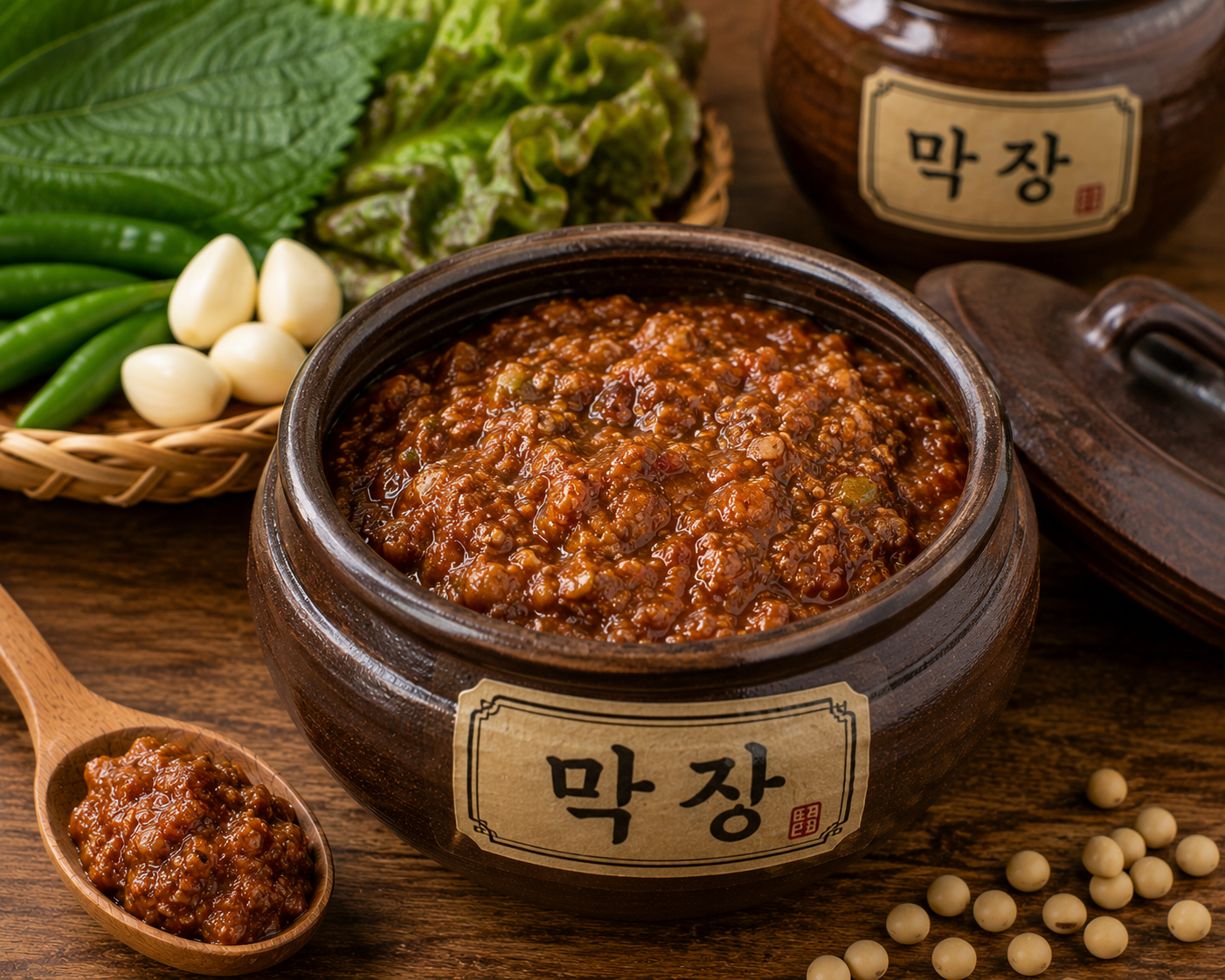
Makjang
막장 · makjang
A traditional quick-fermented soybean paste from the Gangwon-do and Gyeongsang-do provinces, made by mixing meju (fermented soybean) powder with grains such as barley rice or wheat flour and fermenting it for a short period. Sweeter and nuttier than regular doenjang, it is used as a ssamjang-style dipping paste and as a seasoning for stews and seasoned vegetable dishes.
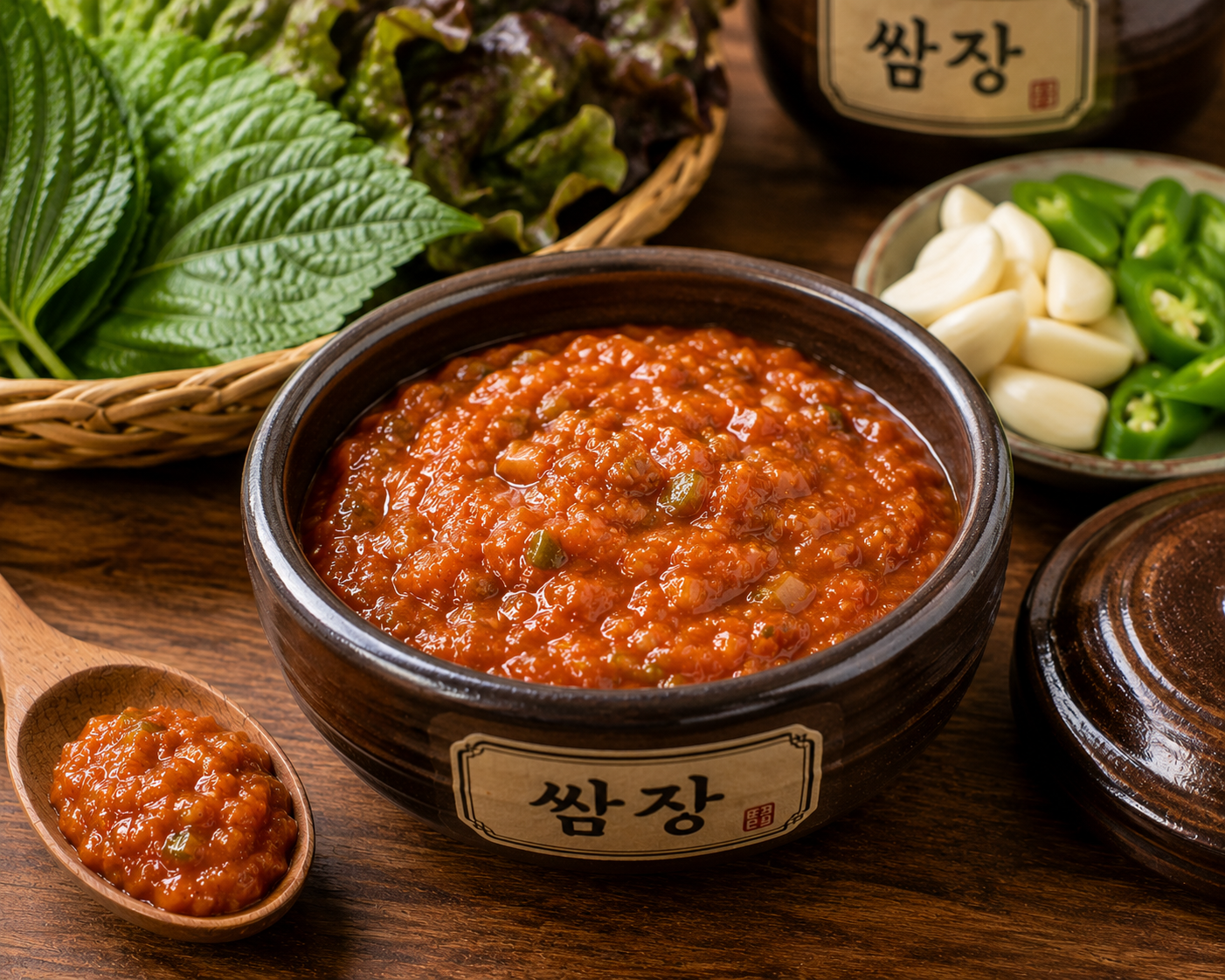
Ssamjang
쌈장 · ssam-jang
Ssamjang is a representative Korean condiment made by mixing doenjang and gochujang with garlic, sesame oil, and green onion.
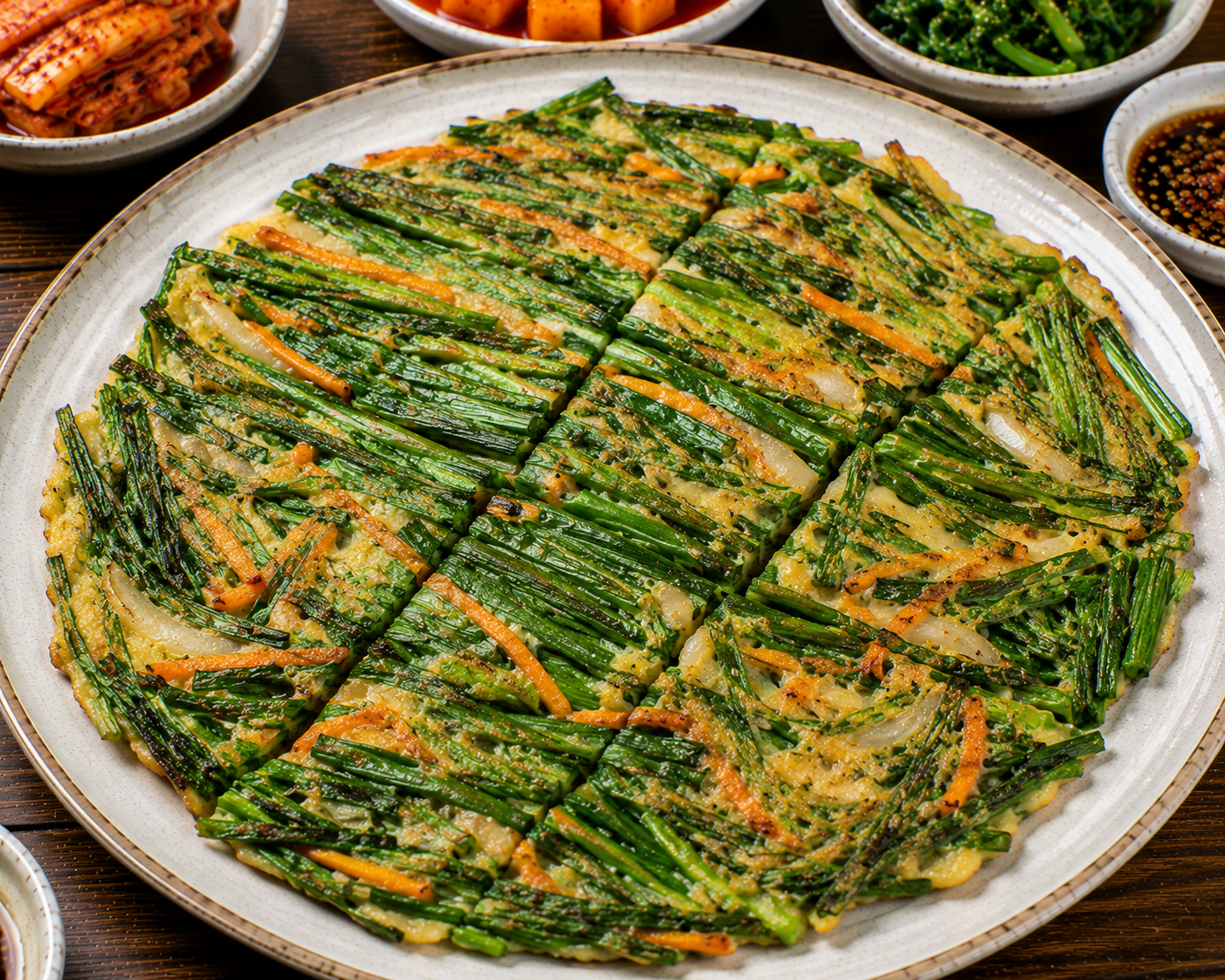
Chive Pancake
부추전 · bu-chu-jeon
A pancake made by mixing chives with a flour batter and frying it thinly and widely. It is crispy and golden on the outside while retaining the fragrant flavor of the chives inside. It is enjoyed dipped in vinegared soy sauce and pairs well with Makgeolli.
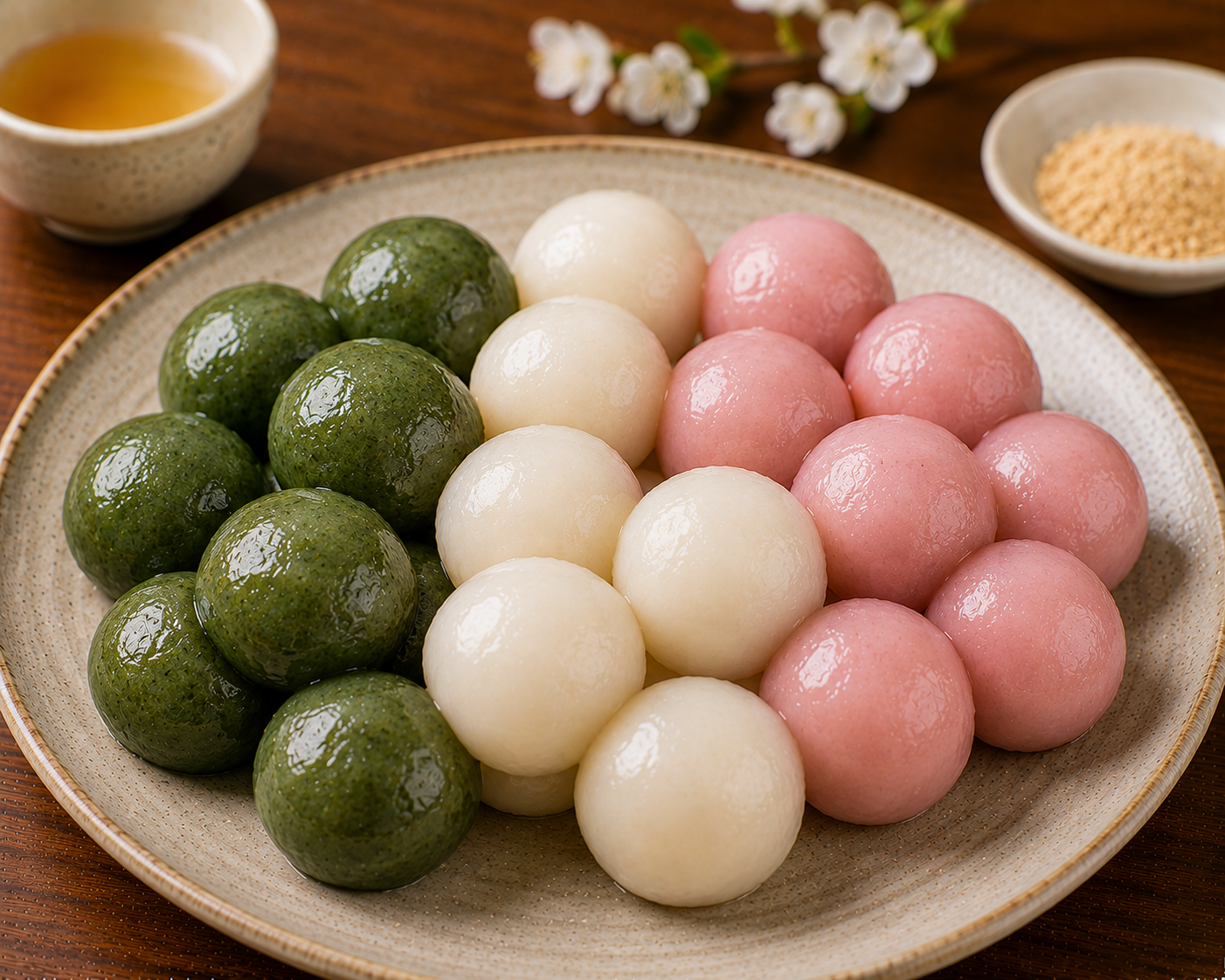
Gyeongdan
경단 · gyeongdan
A chewy and savory rice cake made by kneading glutinous rice flour into small balls, boiled, and then coated with soybean flour or red bean flour.
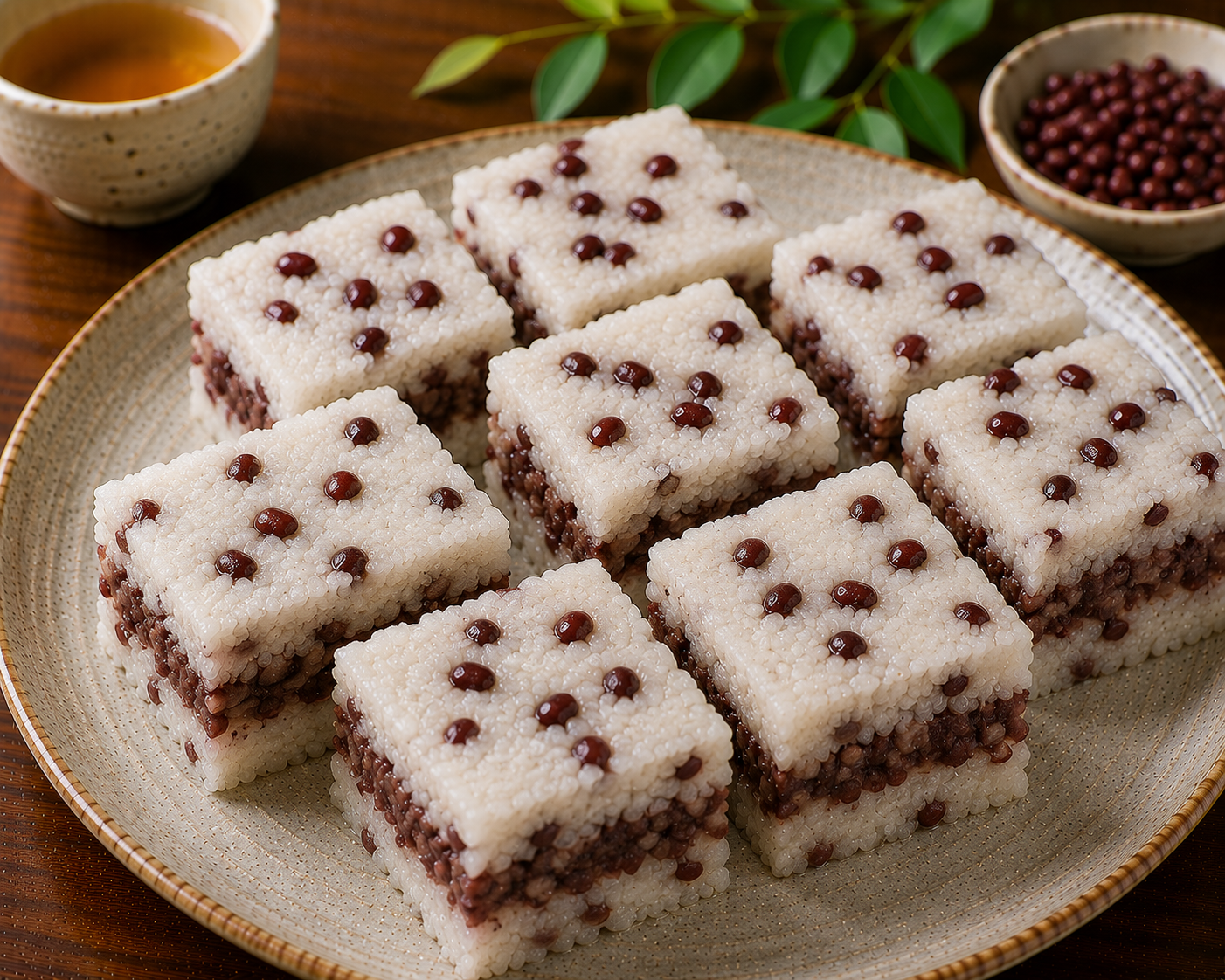
Red Bean Rice Cake
팥설기 · pat-seolgi
A steamed rice cake made by layering non-glutinous rice flour with sweetened red bean topping, characterized by its light, crumbly texture and subtle sweetness. It is typically enjoyed as a snack or dessert and often appears on holidays or special occasions.
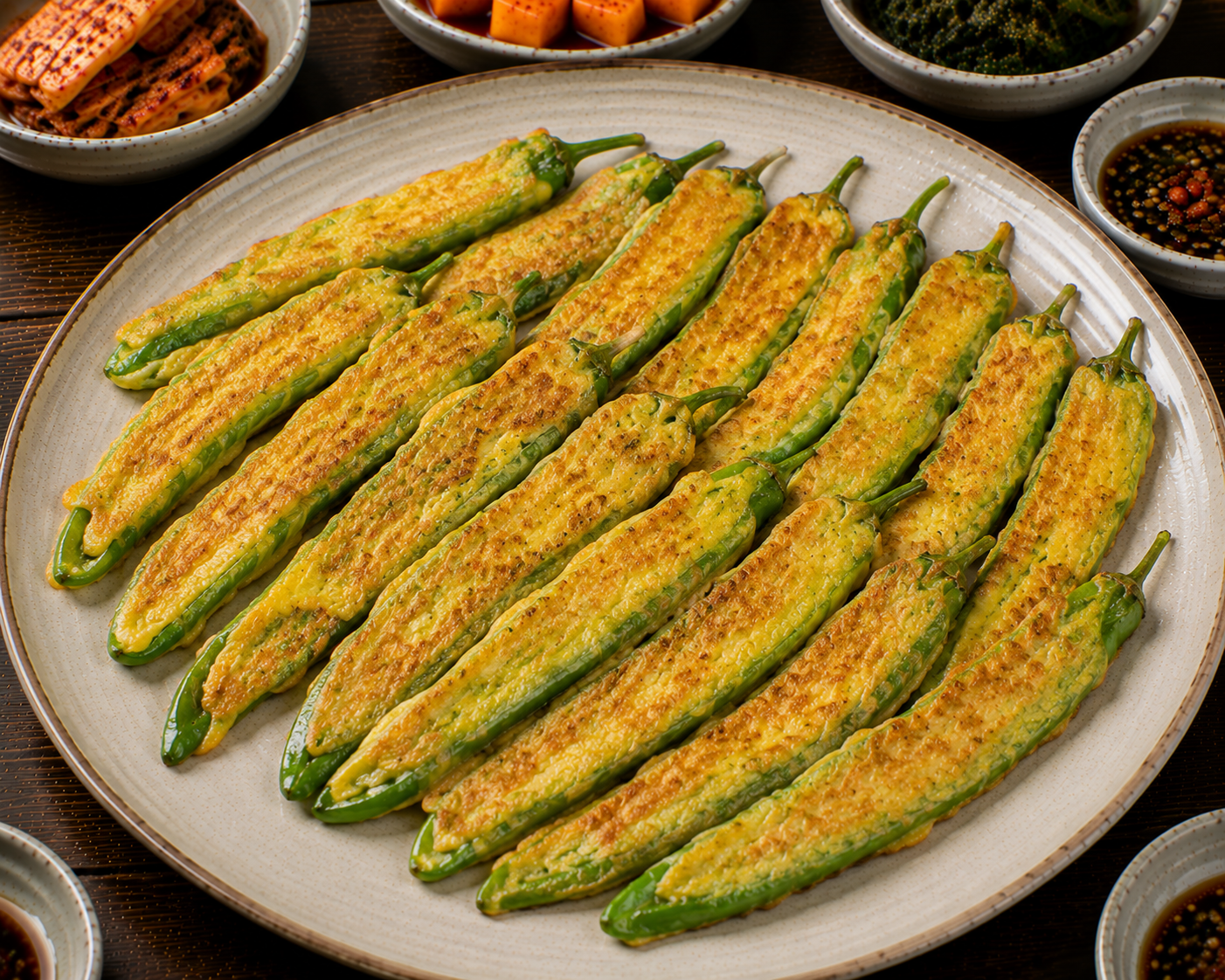
Chili Pepper Pancake
고추전 · gochu-jeon
A pancake dish made by coating peppers with flour and egg, then frying them until golden brown. The spiciness of the pepper blends with the savory taste of the egg.
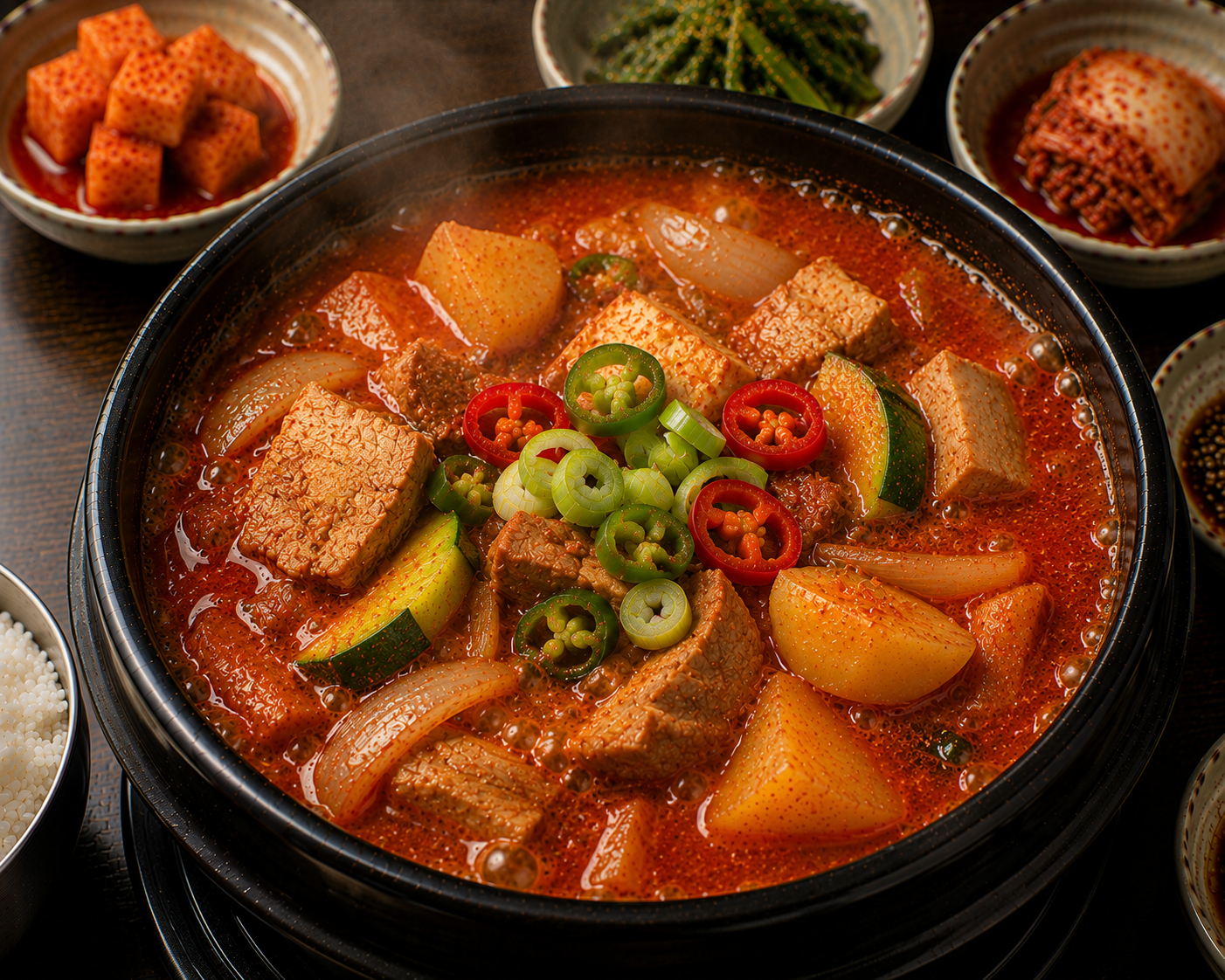
Gochujang-jjigae
고추장찌개 · gochu-jang-jjigae
A spicy Korean stew made with gochujang as the base seasoning, pork, tofu, and vegetables cooked together.
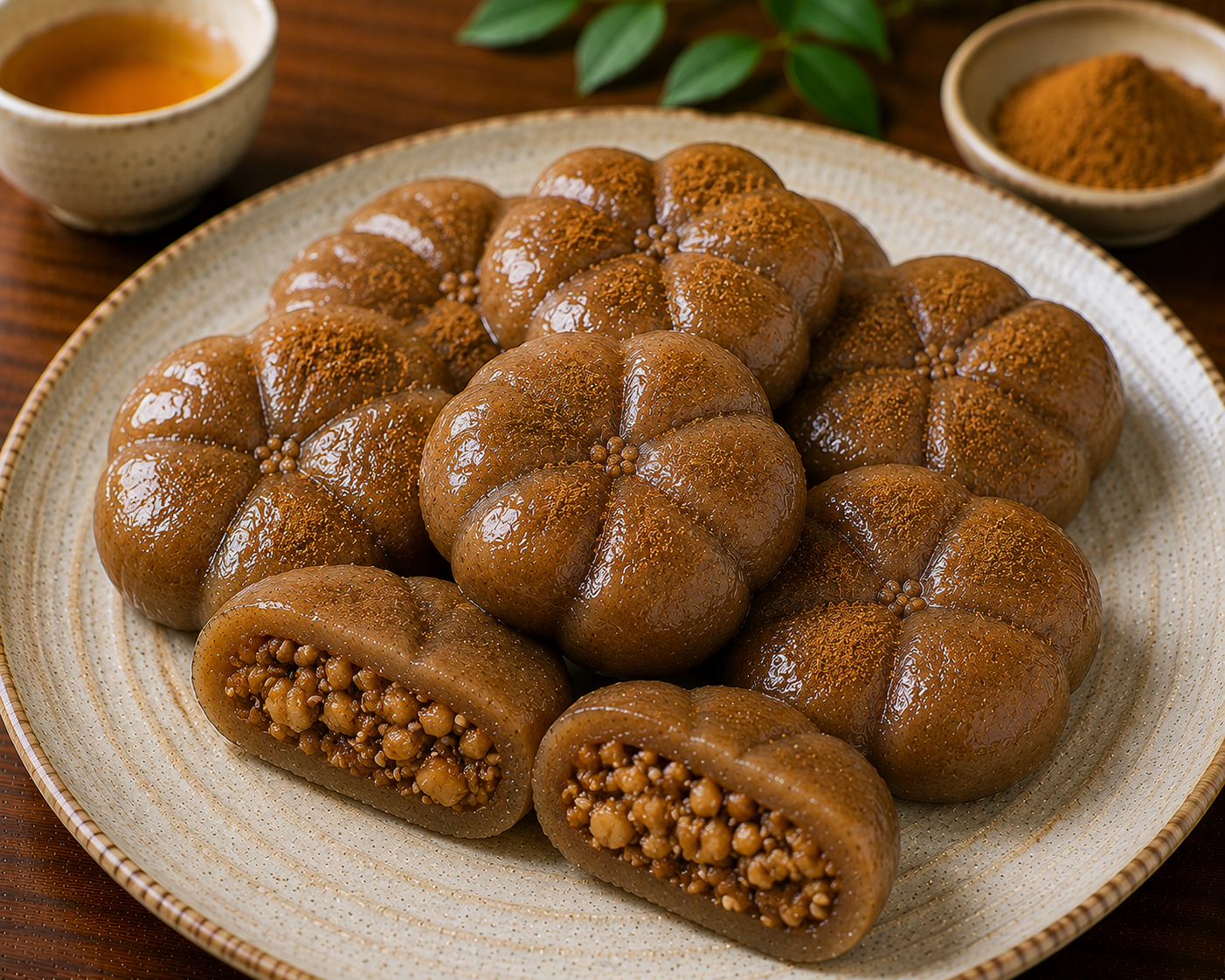
Gaepi-tteok
개피떡 · gae-pi-tteok
A rice cake made by steaming and pounding non-glutinous rice flour, rolling the dough out thin, filling it with red bean paste, and pressing it out into half-moon shapes. Because air is trapped inside and makes it puff up, it is also called baram-tteok (wind rice cake). It is known for its chewy texture and sweet taste.
Goes well with
Ingredients
How it's made
- 1Prepare red chili powder, glutinous rice flour, meju powder, and malt.
- 2Mix all the ingredients with water to make a paste.
- 3Put the paste into an earthenware jar and let it ferment.
- 4When fermentation is complete, take the gochujang out of the jar and use it.
Nutrition
* Estimated values per serving.
Allergens
Since fermented grains are used, the presence of gluten may vary by product.
How to order
고추장 주세요
Go-chu-jang ju-se-yo
Please give me gochujang
Traveler tips
How to eat it
Frequently asked questions
- Is Gochujang a sauce you drizzle on food like a Korean hot sauce?
- Not exactly. Gochujang is thick, salty, and sweet, so rather than being poured on generously, it is often mixed with water, vinegar, sesame oil, sugar, or other ingredients to make a seasoned sauce.
- Are all red seasonings Gochujang?
- No. Kimchi seasoning, chili powder-based sauces, and spicy broth seasonings may not be Gochujang. Gochujang is a fermented jang, so it has its own distinctive sweetness and savory fermented aroma.
- Why does Gochujang taste sweet?
- Because grains and yeotgireum, or malted barley, are used, a natural sweetness develops. Commercial products sometimes also add starch syrup or sugars to keep the flavor consistent.
Last reviewed: 2026-10-07