
Cultural background
Ssamjang is an essential condiment for eating ssam, traditionally served with meat and vegetables.
Similar dishes
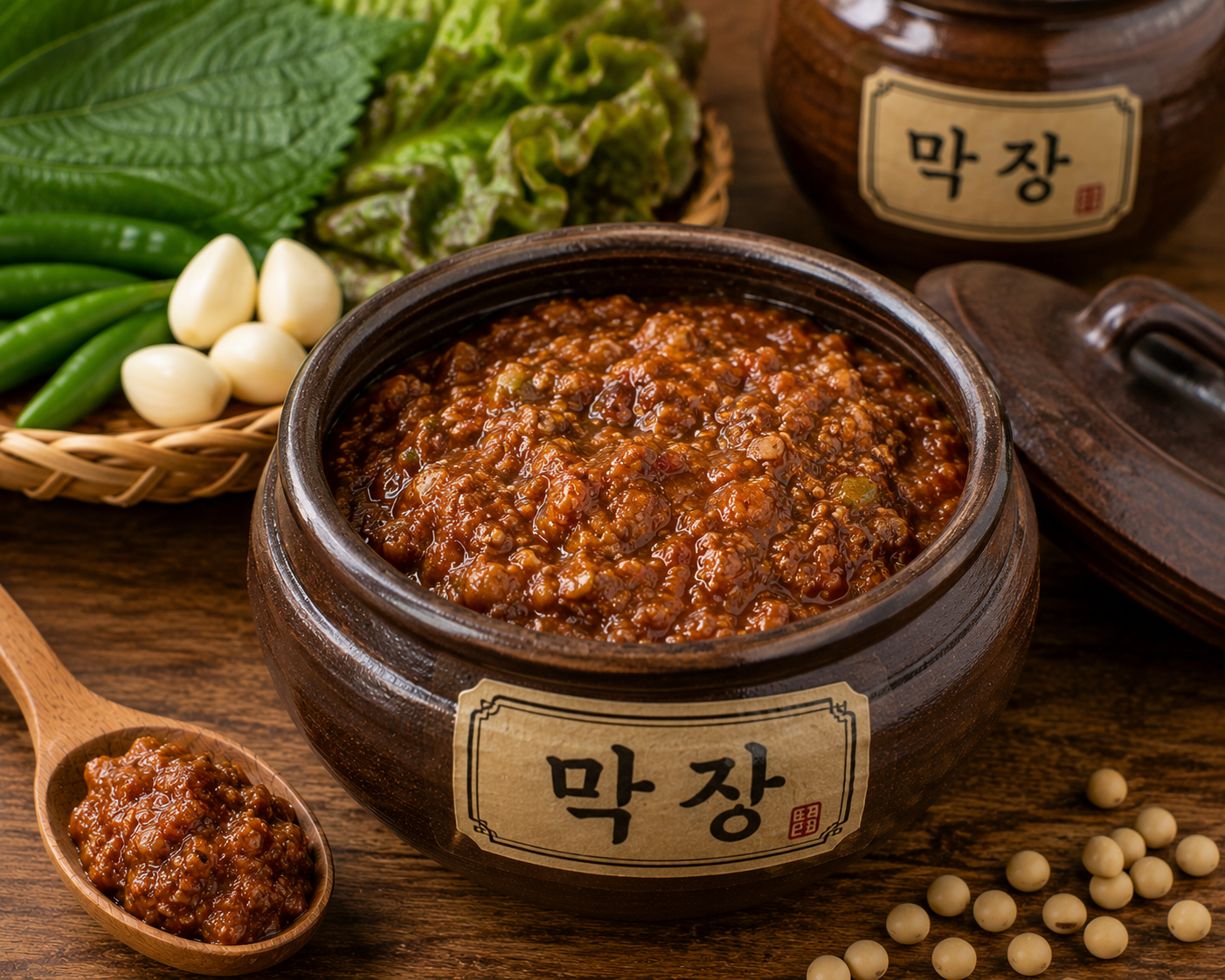
Makjang
막장 · makjang
A traditional quick-fermented soybean paste from the Gangwon-do and Gyeongsang-do provinces, made by mixing meju (fermented soybean) powder with grains such as barley rice or wheat flour and fermenting it for a short period. Sweeter and nuttier than regular doenjang, it is used as a ssamjang-style dipping paste and as a seasoning for stews and seasoned vegetable dishes.
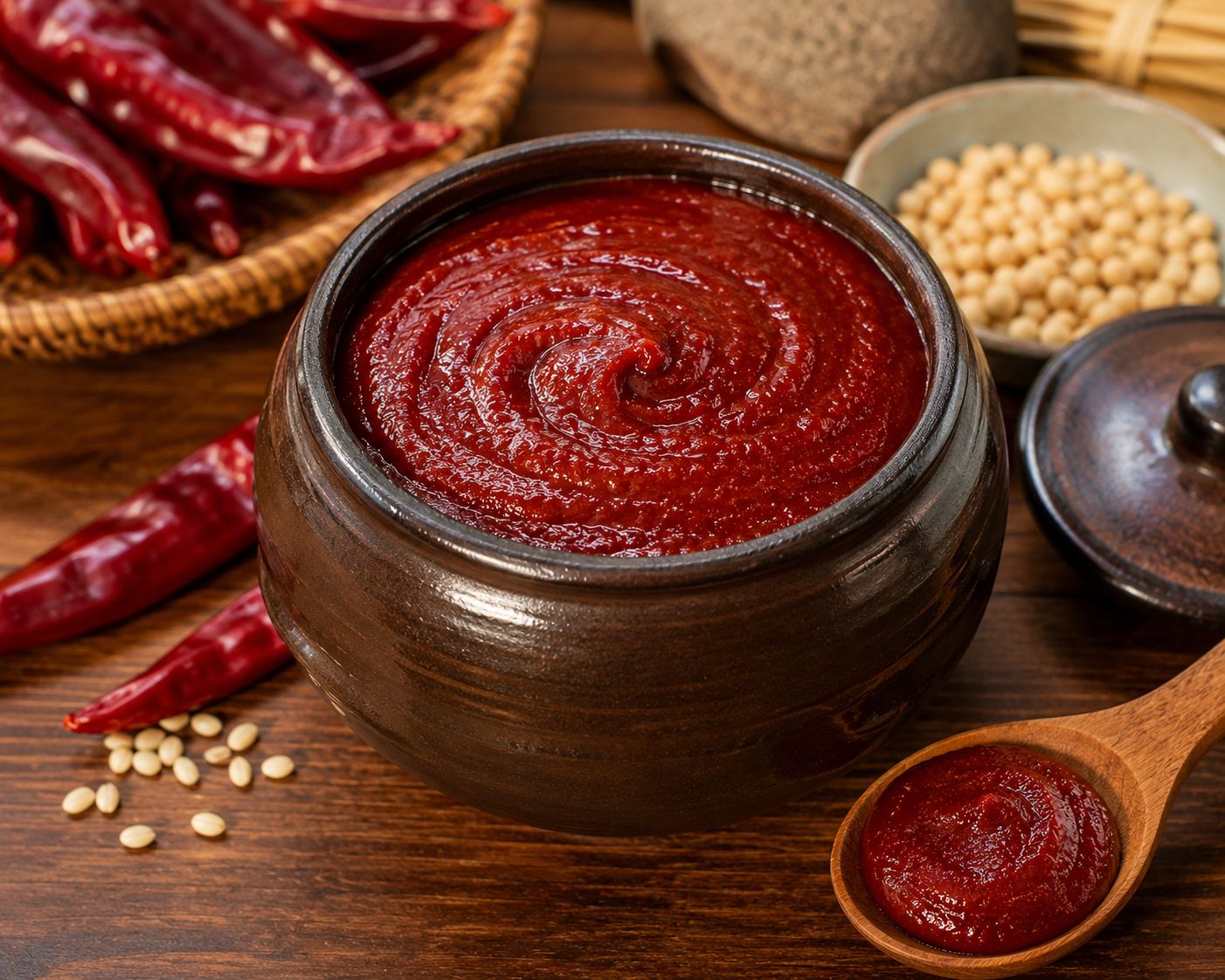
Gochujang
고추장 · gochujang
A traditional Korean fermented paste made from red chili powder, glutinous rice flour, meju (fermented soybean) powder, and malt. It is characterized by its spicy and sweet flavor and is used as a seasoning in a wide variety of dishes.
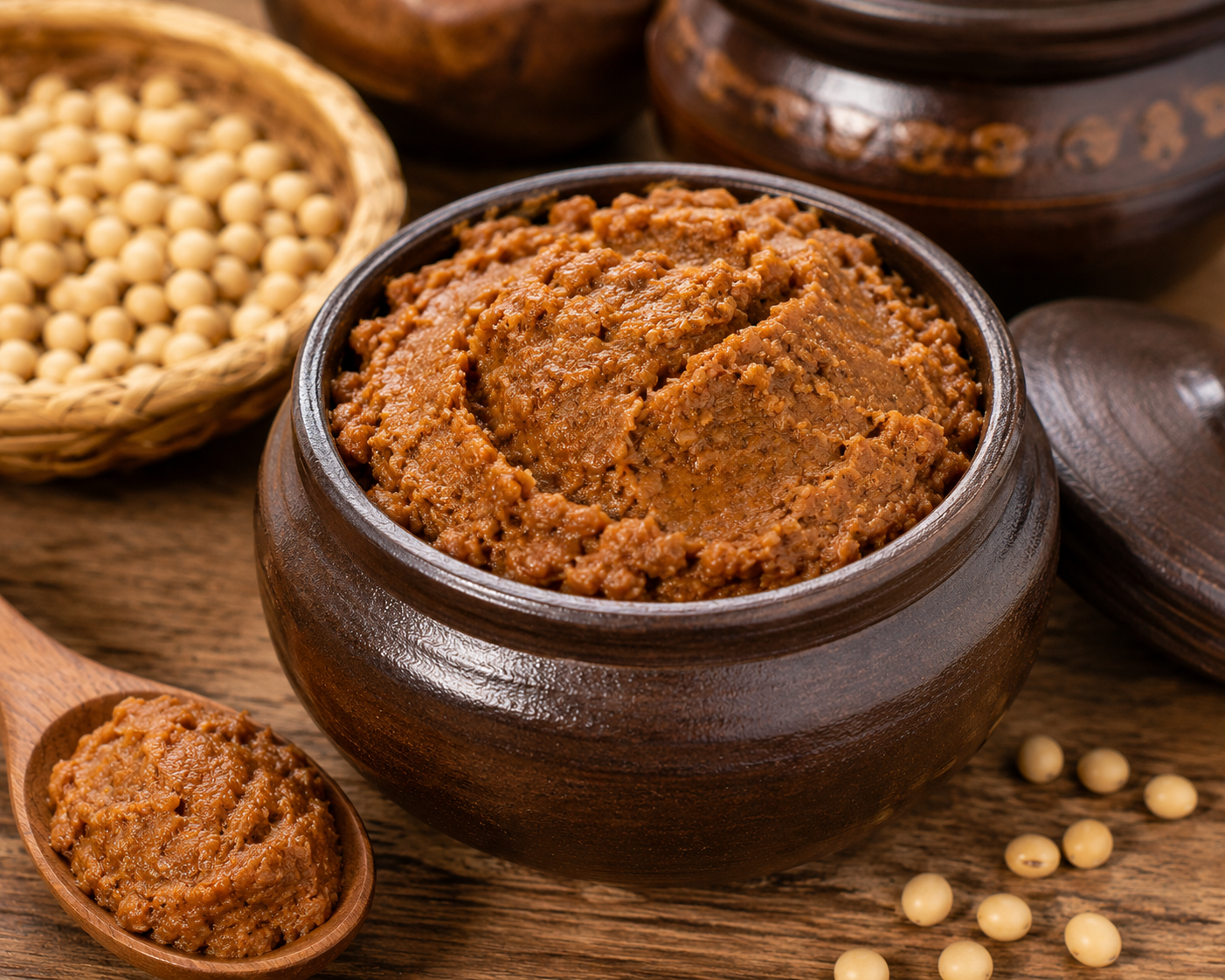
Doenjang
된장 · doenjang
Doenjang, a traditional Korean soybean paste made by fermenting soybeans, is a basic seasoning used in various dishes. It is characterized by its salty and deep flavor, primarily utilized in stews, soups, and seasoned vegetable dishes.
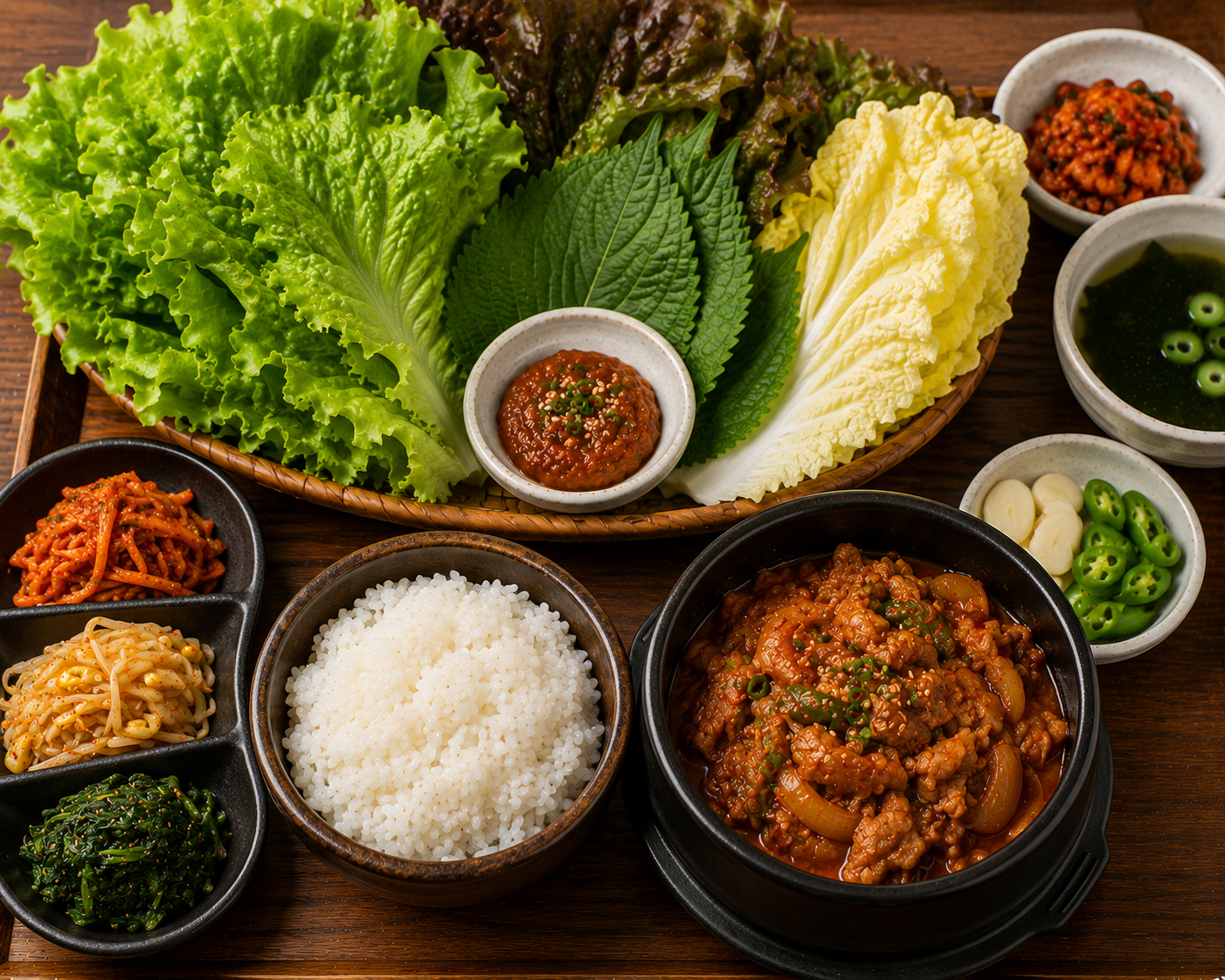
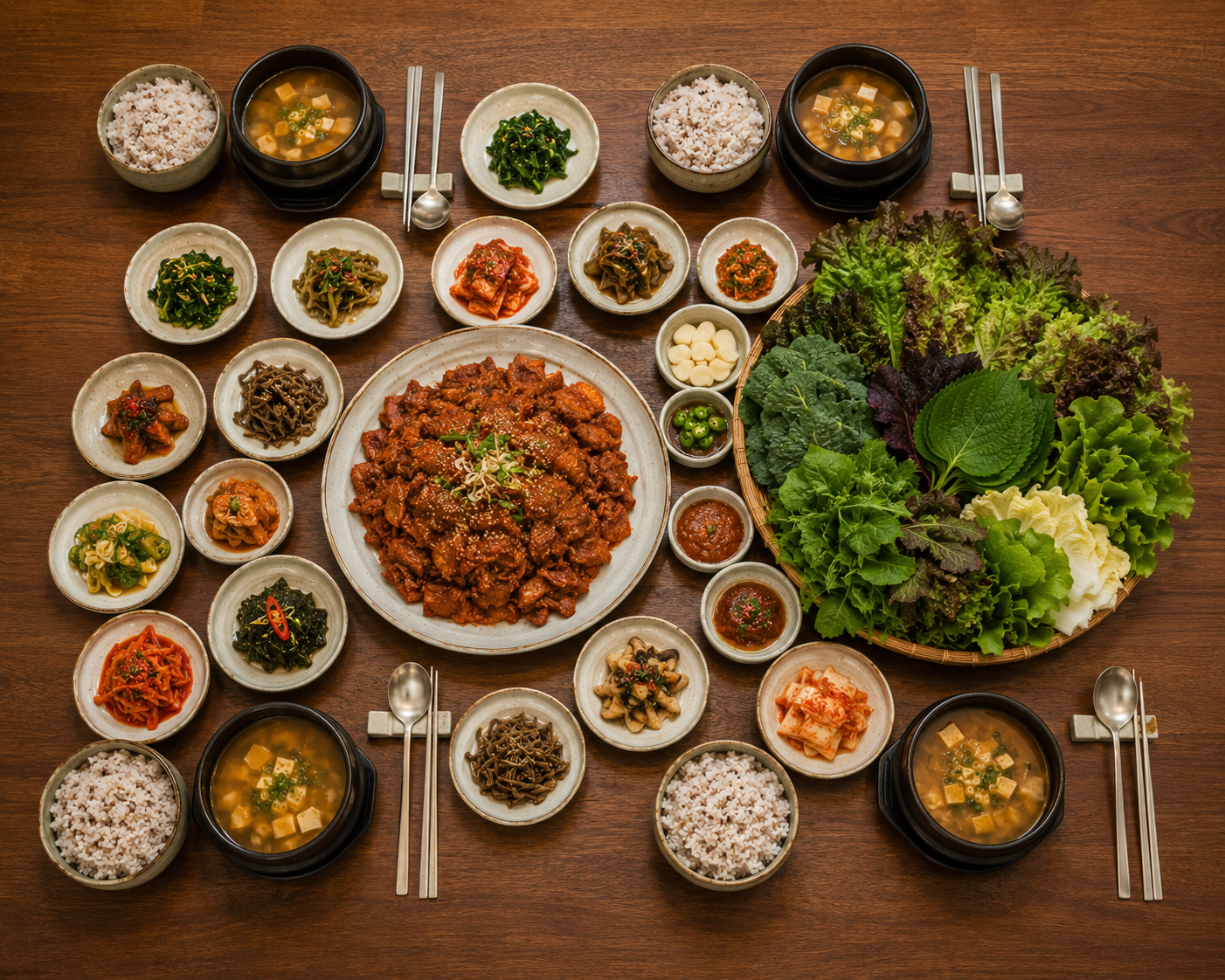
Ssam-bap
쌈밥 · ssam-bap
A traditional Korean meal that involves wrapping rice, meat, and seasoning in various leafy vegetables.
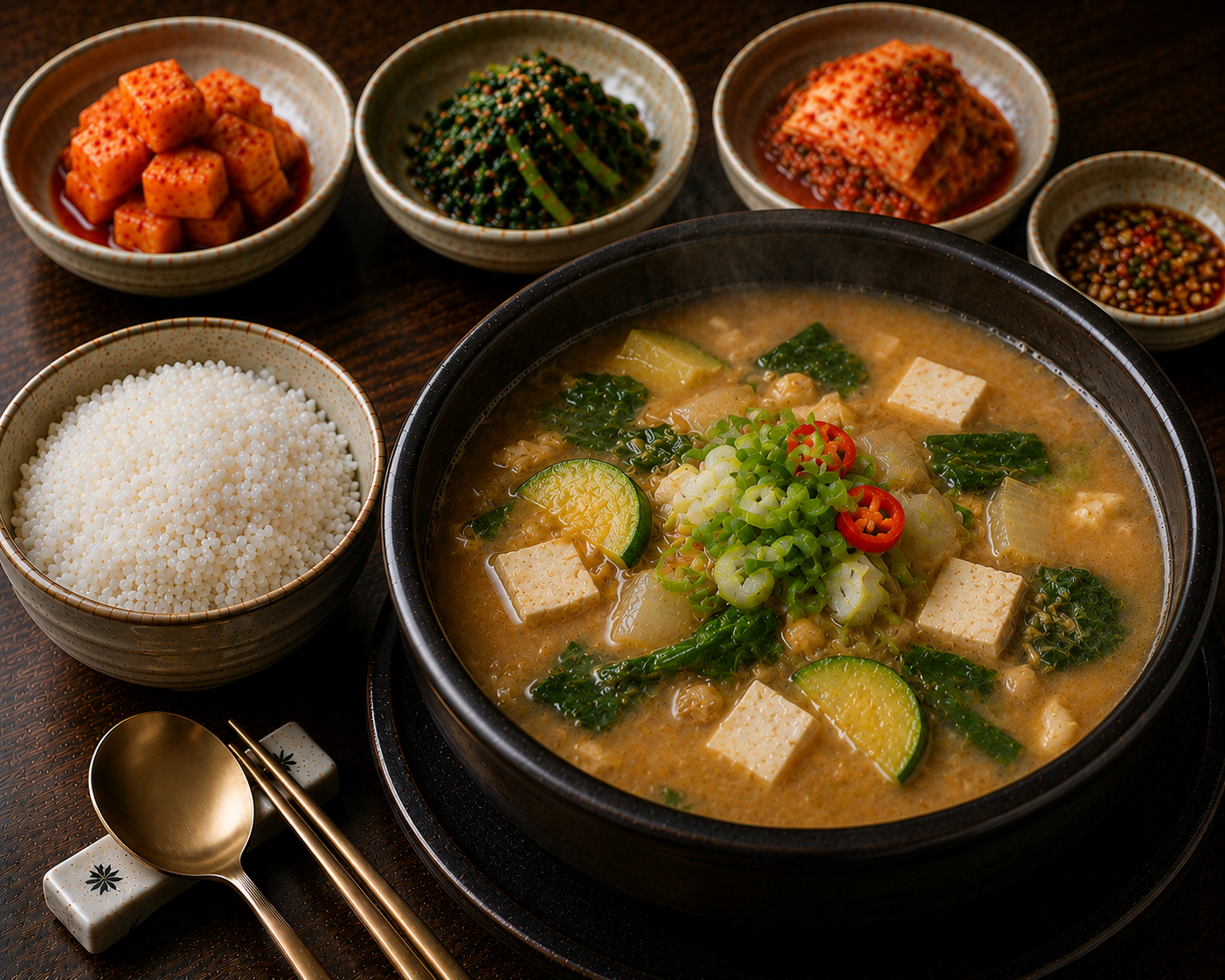
Soybean Paste Soup
된장국 · doenjang-guk
A soup boiled with soybean paste to be clear and light, typically made with vegetables and tofu. It is a common soup dish eaten with rice, and salt is sometimes added at the table to adjust the flavor.
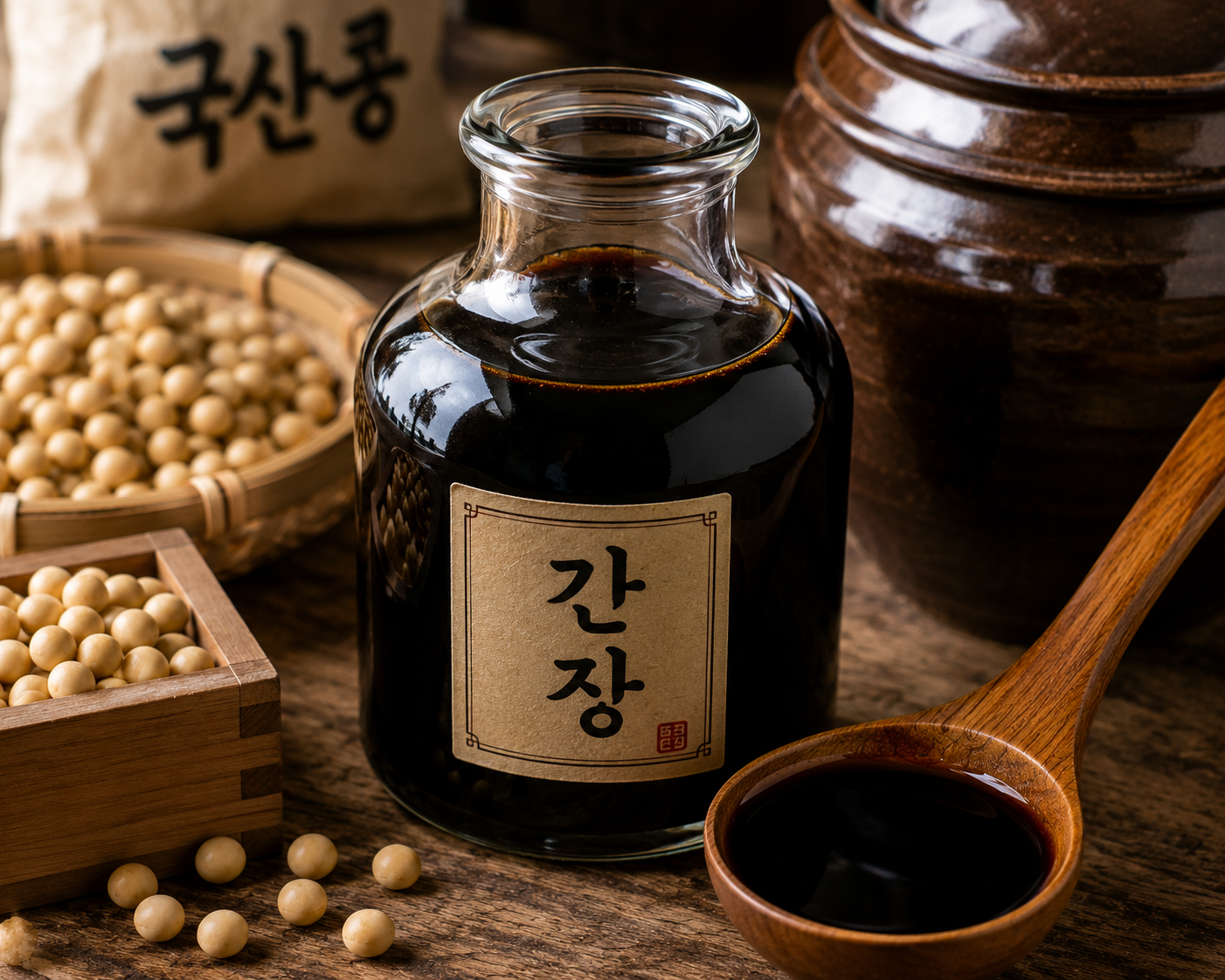
Soy Sauce
간장 · ganjang
Soy sauce is a traditional Korean condiment made by fermenting soybeans, used to enhance the umami flavor in various dishes.
Goes well with
Ingredients
How it's made
- 1Place doenjang and gochujang in a bowl.
- 2Add minced garlic and sesame oil.
- 3Add chopped green onion and mix well.
Nutrition
* Estimated values per serving.
Allergens
Suitable for vegetarians, but may vary for vegans depending on gochujang ingredients.
How to order
쌈장 주세요
Ssam-jang ju-se-yo
Please give me ssamjang