
Cultural background
Ssam-bap is recognized as a way to share a meal with family or friends in Korea, providing a healthy and balanced dining option.
Origin & history
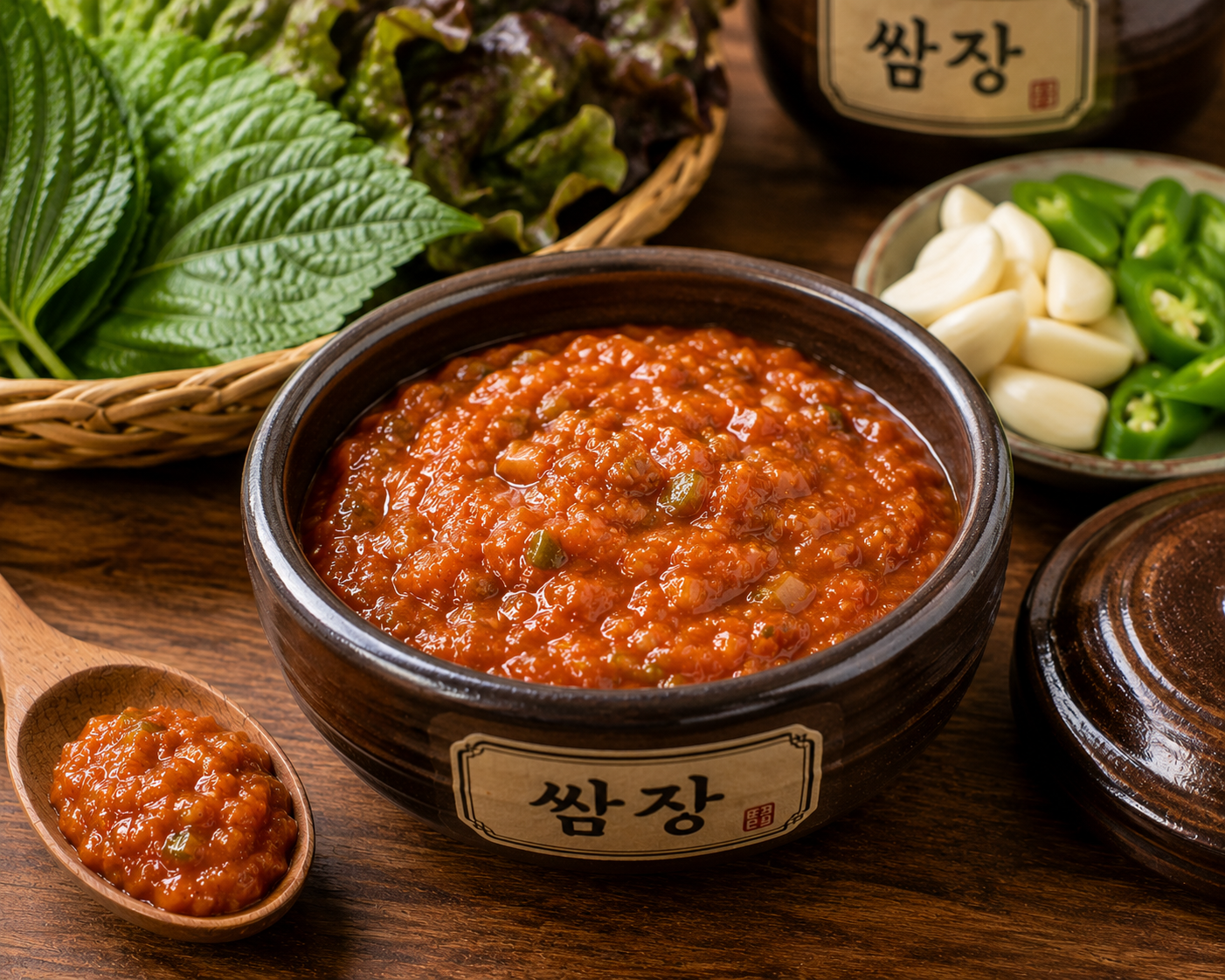
Ssam-bap grows out of the Korean culture of ‘쌈’ (ssam, wrapping rice in leafy vegetables before eating). In Korea, people have long eaten seasonal leaves such as lettuce, perilla leaves, napa cabbage leaves, and squash leaves with rice and jang, fermented sauces and pastes. On a Korean table where jang flavors can be assertive, leafy greens soften the saltiness and bundle everything into a single bite.
Restaurant-style Ssam-bap today turns that habit into a complete meal. A spread typically brings together assorted ssam greens, rice, meat, and Ssamjang or thick Doenjang sauce, with small portions of meat wrapped bite by bite at the center of the meal.
Regional & modern variations
- Stir-fried Spicy Pork Ssam-bap — Ssam-bap built around Stir-fried Spicy Pork, pork stir-fried in a Gochujang-based seasoning. Because the seasoning is already spicy and salty, using only a little Ssamjang usually works best.
- Ureong Ssam-bap — Ssam-bap eaten with ureongi, small snails that live in rice paddies or freshwater, mixed into Doenjang seasoning. Compared with meat versions, the savory jang flavor and chewy texture stand out more.
- Bossam Ssam-bap — A version where Bossam, boiled pork, is wrapped in leafy greens. Compared with grilled meat, it has less of a fatty aroma, and kimchi or Mu Saengchae is often added to the wrap.
How Koreans eat it
Ssam-bap is not a dish you assemble in batches ahead of time. The leaves can get wet or wilt easily, so each wrap is made right before eating. In Korea, oversized ssam can be hard to fit into your mouth, so the natural way is to fold the leaf into a bite-sized parcel.
Taste & how to choose
Much of Ssam-bap's flavor depends on the different aromas of the leafy greens. Lettuce is soft and juicy, perilla leaves are strongly aromatic, and pleasantly bitter leaves help cut through the fat of the meat. Raw garlic and green chilies are more pungent and spicy than they may look, so start with just a little.
Similar dishes
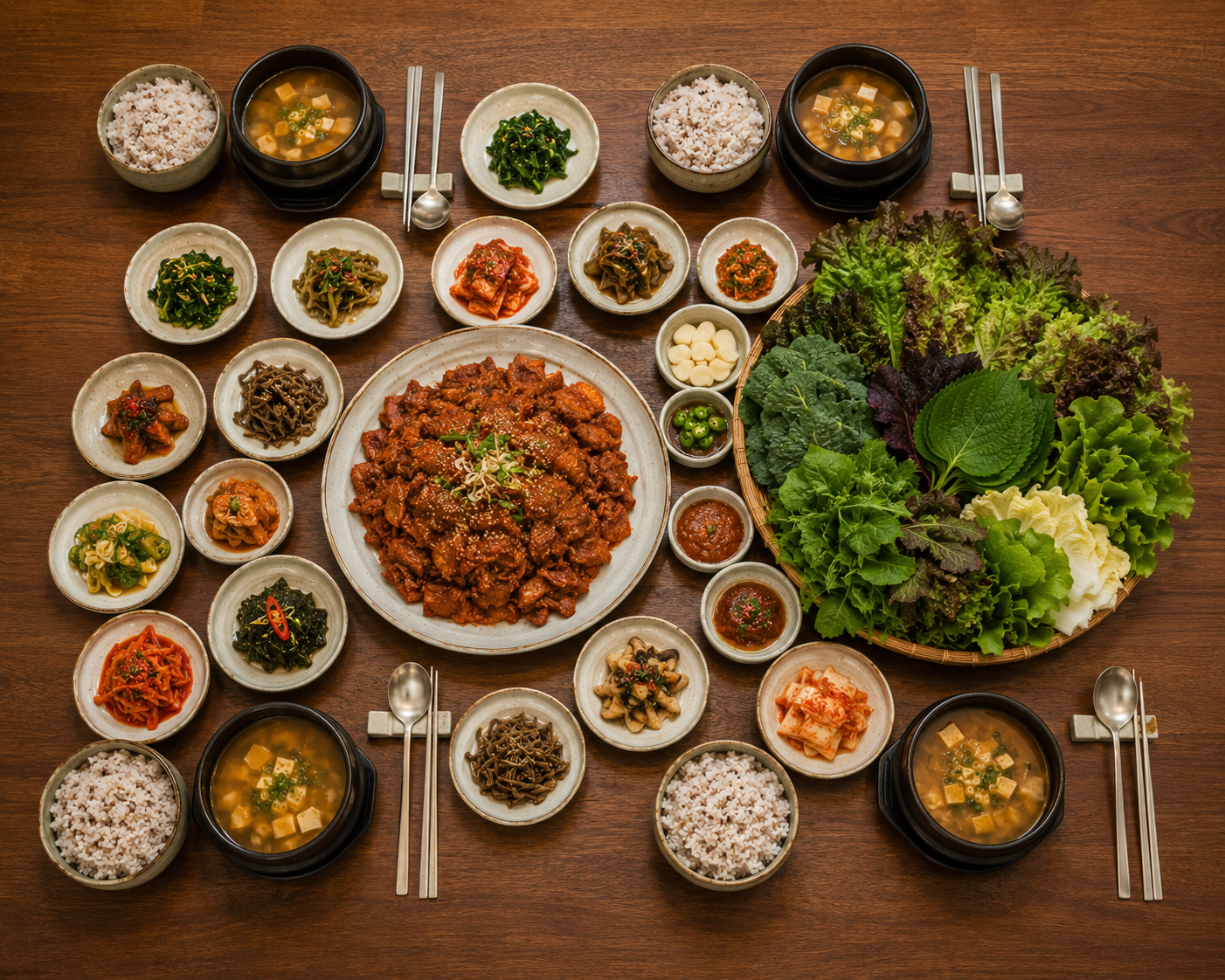
Ssam-bap Jeongsik (Rice and Wraps Set Meal)
쌈밥정식 · ssam-bap-jeong-sik
This is a Korean-style full-course meal that includes rice, various side dishes, and leafy vegetables for wrapping. It offers the fun of wrapping different ingredients together.
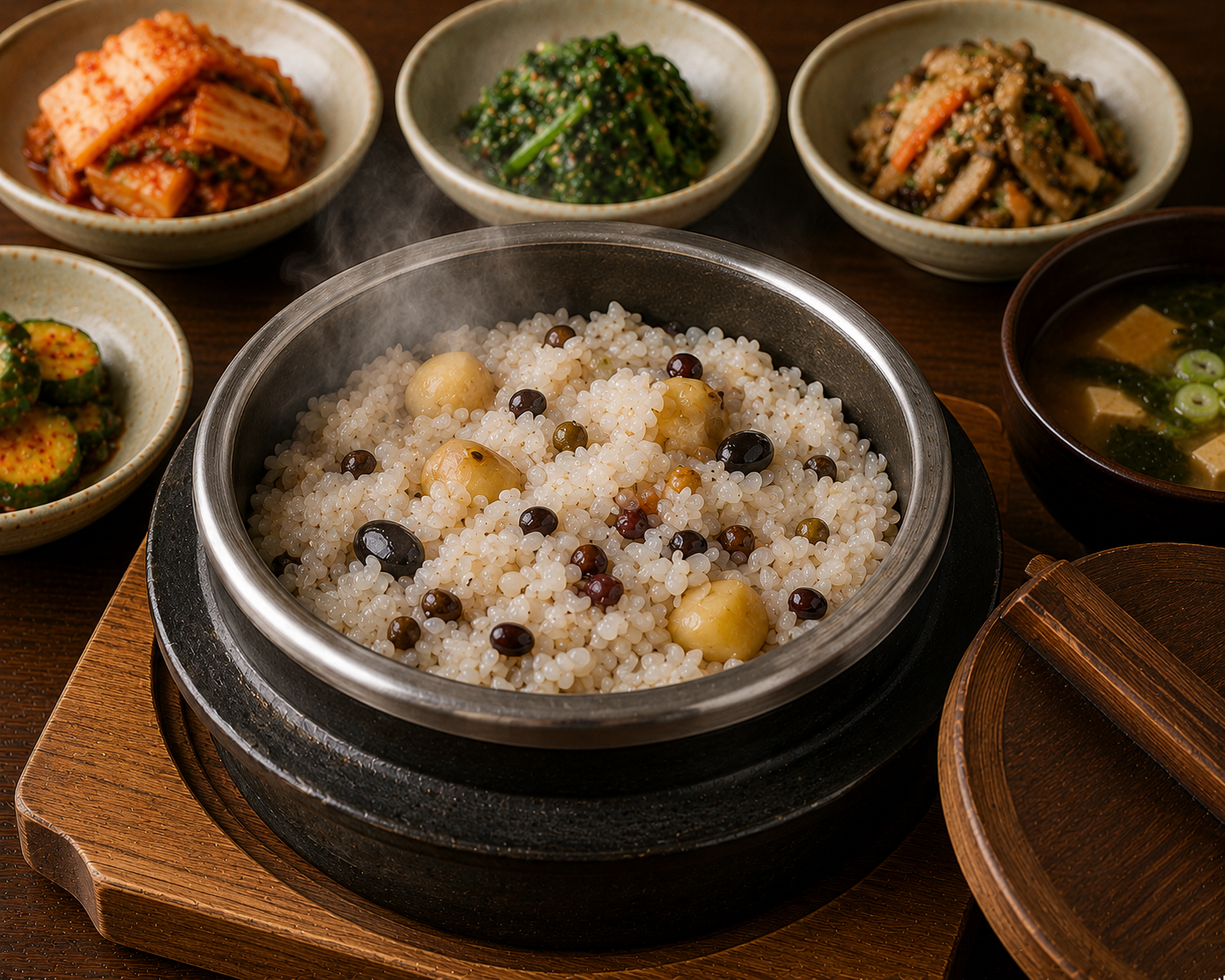
Sotbap
솥밥 · sotbap
A traditional Korean rice dish made by combining rice with various ingredients in a pot, with the crispy layer at the bottom known as nurungji being a delicacy.
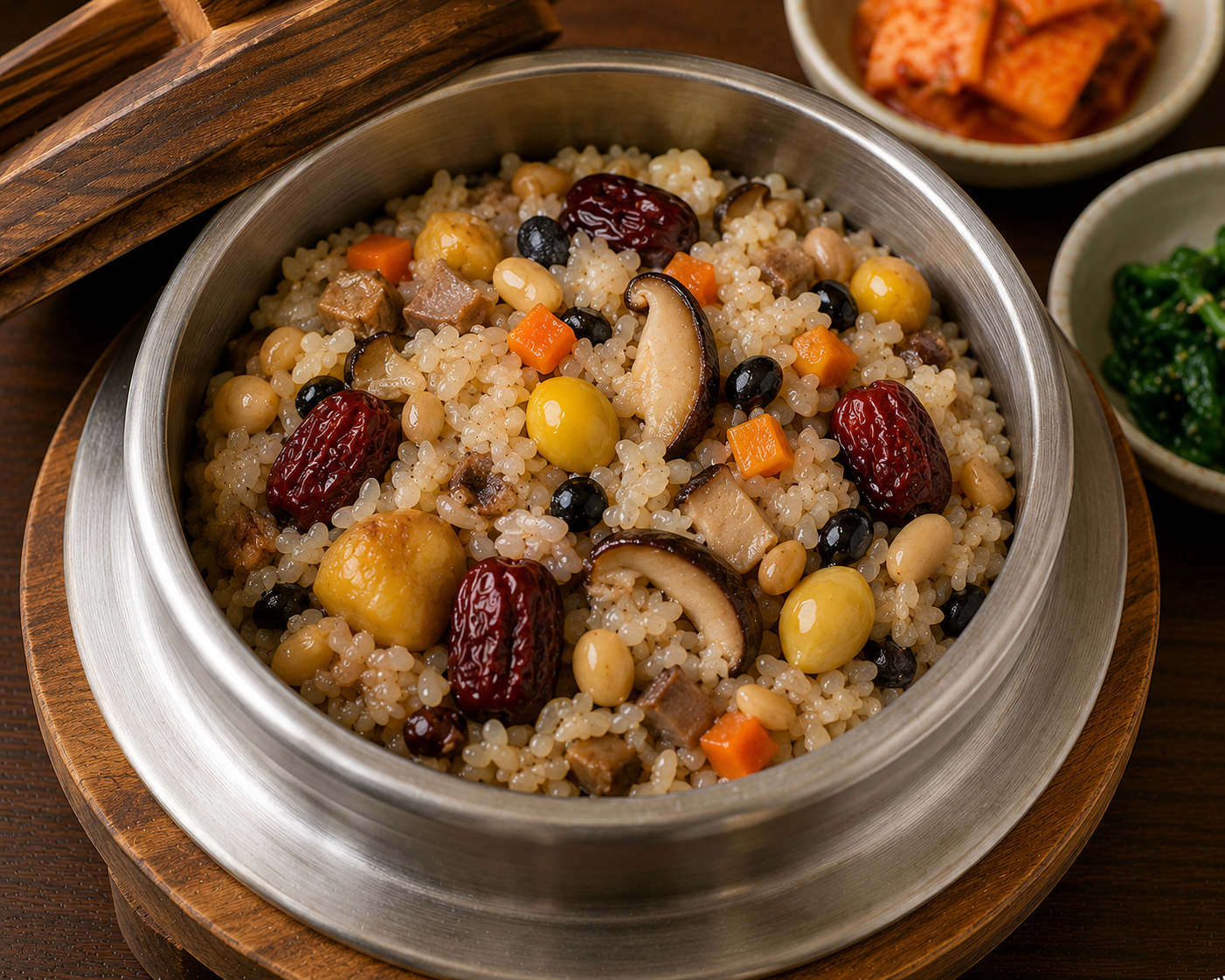
Nutritional Rice
영양밥 · yeong-yang-bap
A rice dish made by cooking rice with various nuts and grains to enhance its nutritional value. The fluffy rice grains blend with the flavors of the different ingredients.
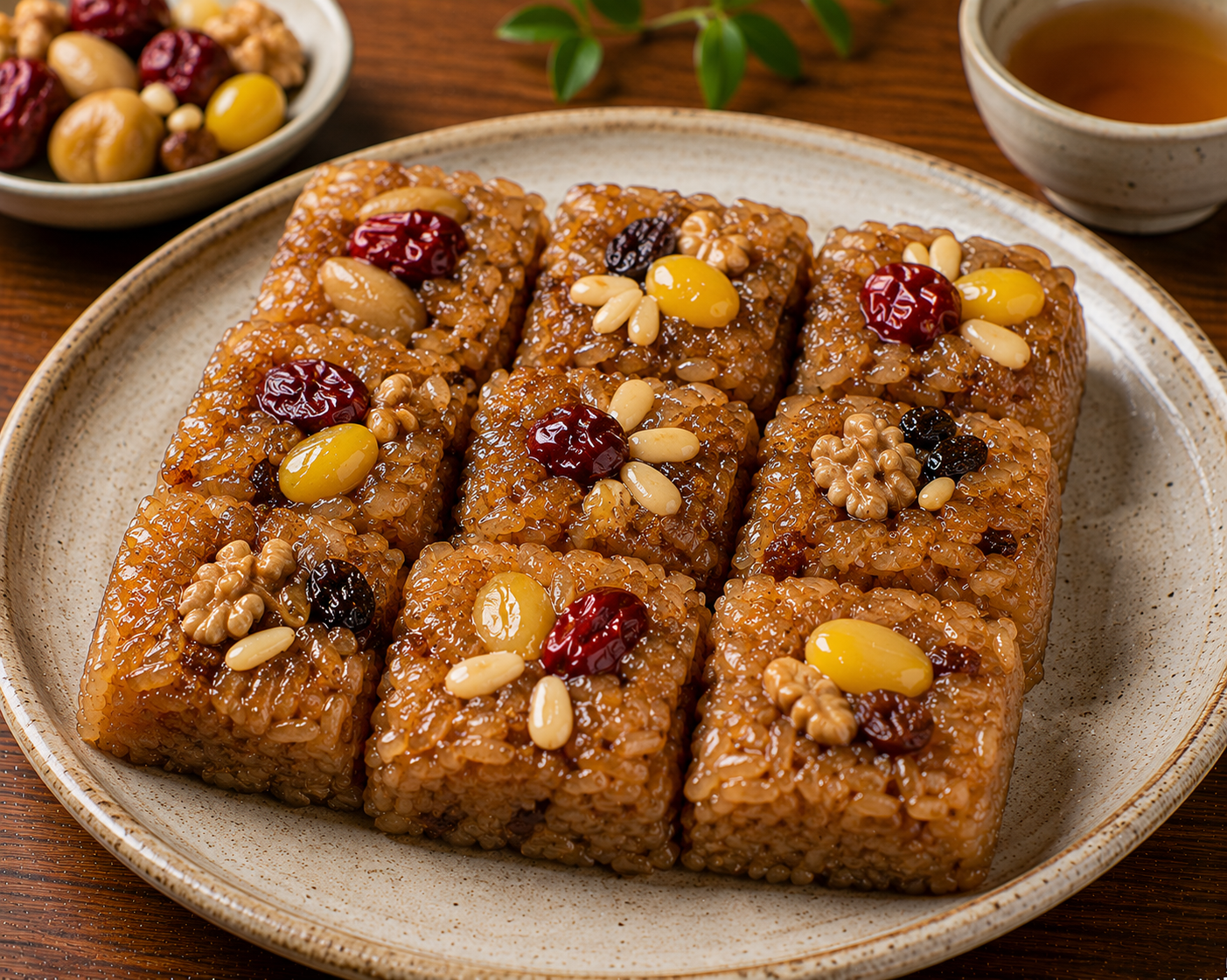
Yakbap
약밥 · yakbap
A traditional snack made by steaming glutinous rice mixed with dates, chestnuts, and pine nuts, seasoned with soy sauce and honey.
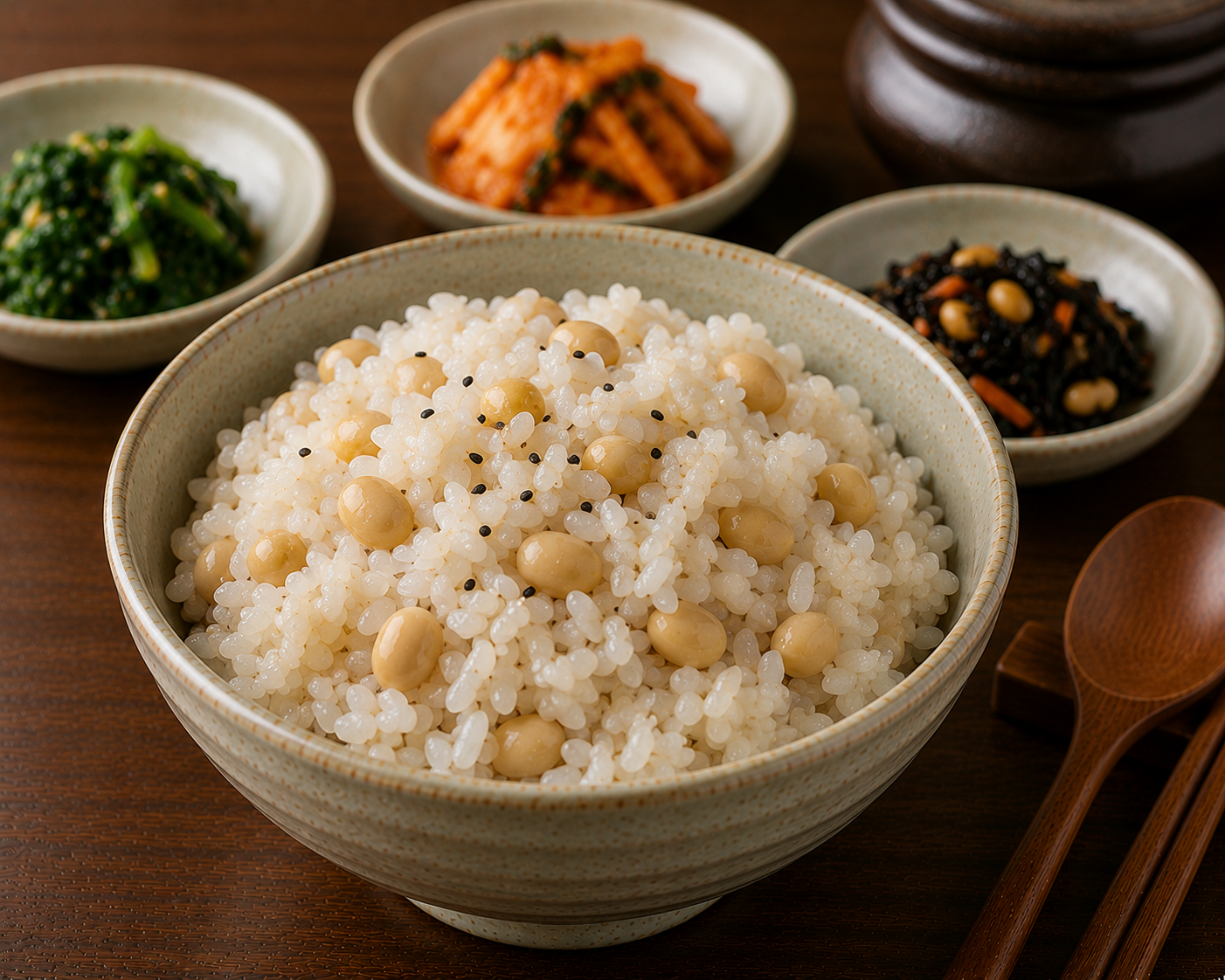
Kongbap
콩밥 · kong-bap
Rice mixed with beans, a traditional type of Korean rice enriched with the savory taste and nutrition of beans.
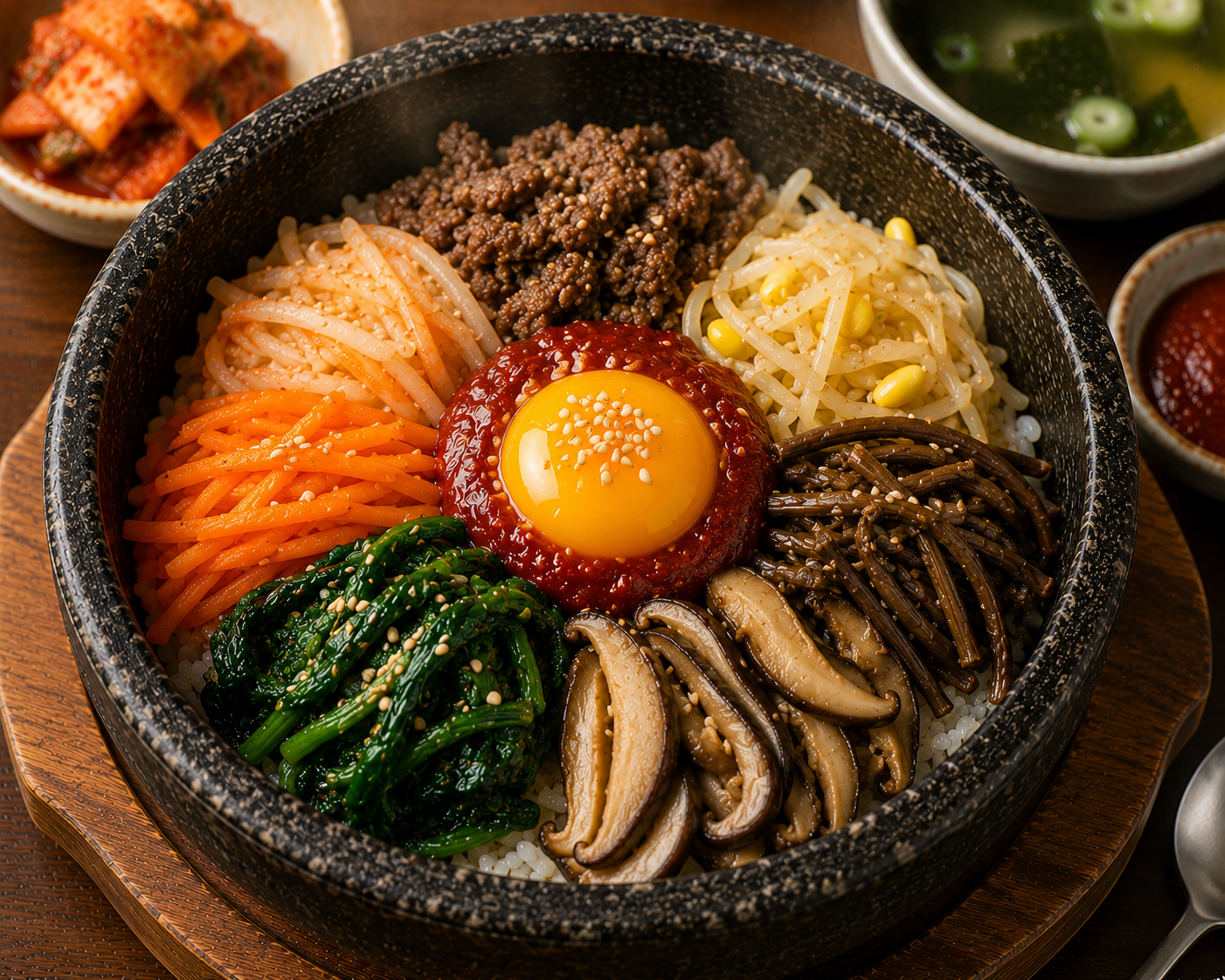
Dolsot Bibimbap
돌솥비빔밥 · dolsot-bibimbap
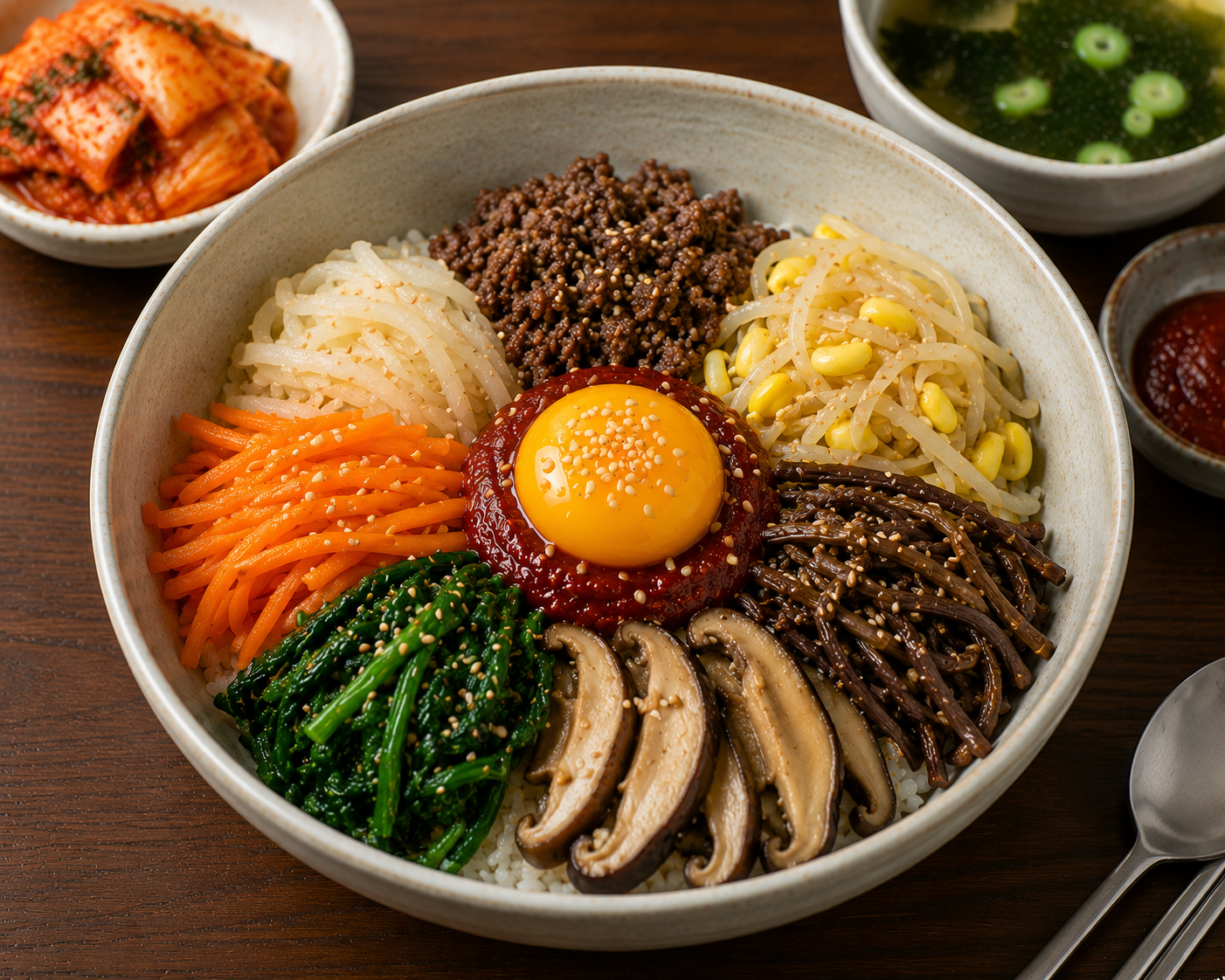
Dolsot Bibimbap is a representative Korean rice dish that involves mixing rice with various vegetables, meat, and gochujang in a hot stone pot. The rice is served in a hot stone pot, forming crispy rice at the bottom, and it is mixed with gochujang and sesame oil for flavor.
Ingredients
How it's made
- 1Wash the ssam vegetables thoroughly and prepare them.
- 2Cook the rice and keep it warm.
- 3Grill the meat and cut it into appropriate sizes.
- 4Prepare the ssamjang, garlic, and pepper.
Nutrition
* Estimated values per serving.
Allergens
Not vegetarian as it contains meat.
How to order
쌈밥 주세요
Ssam-bap ju-se-yo
Please give me ssam-bap
Customize your order
Traveler tips
How to eat it
Frequently asked questions
- Do all ssam greens taste the same?
- No. Lettuce is the mildest, while perilla leaves have a strong, herb-like aroma. Bitter greens pair well with rich meat or strong jang flavors.
- Can I add a lot of Ssamjang?
- Ssamjang is a salty condiment based on Doenjang and Gochujang. Meat or Stir-fried Spicy Pork is often already seasoned, so start with an amount about the size of a bean and adjust from there.
- Should I eat a ssam wrap in one bite?
- People usually wrap ssam in one-bite portions. If you bite it in half, the fillings can fall out and the sauce may drip.
Last reviewed: 2026-10-07