
Cultural background
Bibimbap is a dish that mixes various ingredients in a bowl, with unique ingredients and methods in each region. Traditionally enjoyed during holidays or special occasions, it is now popular as an everyday meal.
Origin & history
Bibimbap has no single confirmed origin. Widely told accounts say people gathered leftover namul, seasoned vegetable side dishes, and meat after ancestral rites and ate them with rice, or that busy farmers put several side dishes into one bowl during the farming season.
Another story traces it to royal court or government-office table settings, where rice topped attractively with assorted ingredients gradually developed into the dish. Today, travelers most often encounter Bibimbap in versions associated with regional names such as Jeonju and Jinju, as well as versions served in a hot stone bowl.
Regional & modern variations
- Jeonju Bibimbap — A Bibimbap known as a signature dish of Jeonju in Jeolla-do. The style is famous for neatly arranged toppings such as Bean Sprouts, assorted namul, and meat garnishes.
- Jinju Bibimbap — A Bibimbap from the Jinju area of Gyeongsangnam-do. Its vivid look, combining red seasoning with meat garnishes, has also earned it the nickname “kkotbap” (꽃밥, pronounced kkot-bap, meaning “flower rice”).
- Dolsot Bibimbap — Bibimbap served in a heated stone bowl. The parts of the rice that touch the bowl turn crisp like nurungji, scorched rice, giving it a different texture from regular Bibimbap.
- Yukhoe Bibimbap — Bibimbap topped with Yukhoe, raw seasoned beef. Because the meat is raw, travelers used to cooked meat may want to check before ordering.
How Koreans eat it
When Bibimbap first arrives, the ingredients are arranged separately so their colors stand out clearly. The presentation is not only decorative; it also lets diners control how much Gochujang they add and how thoroughly they mix the bowl. Any soup or side dishes served with it are usually eaten separately, not poured into the bowl.
Taste & how to choose
Good Bibimbap should not taste strongly of just one seasoning. Each namul should bring slightly different levels of saltiness, nuttiness, and chew. On a first try, adding all the Gochujang at once can cover up the aromas of the vegetables. Dolsot Bibimbap is known for the crisp grains of rice left at the bottom at the end, thanks to the hot bowl.
Similar dishes
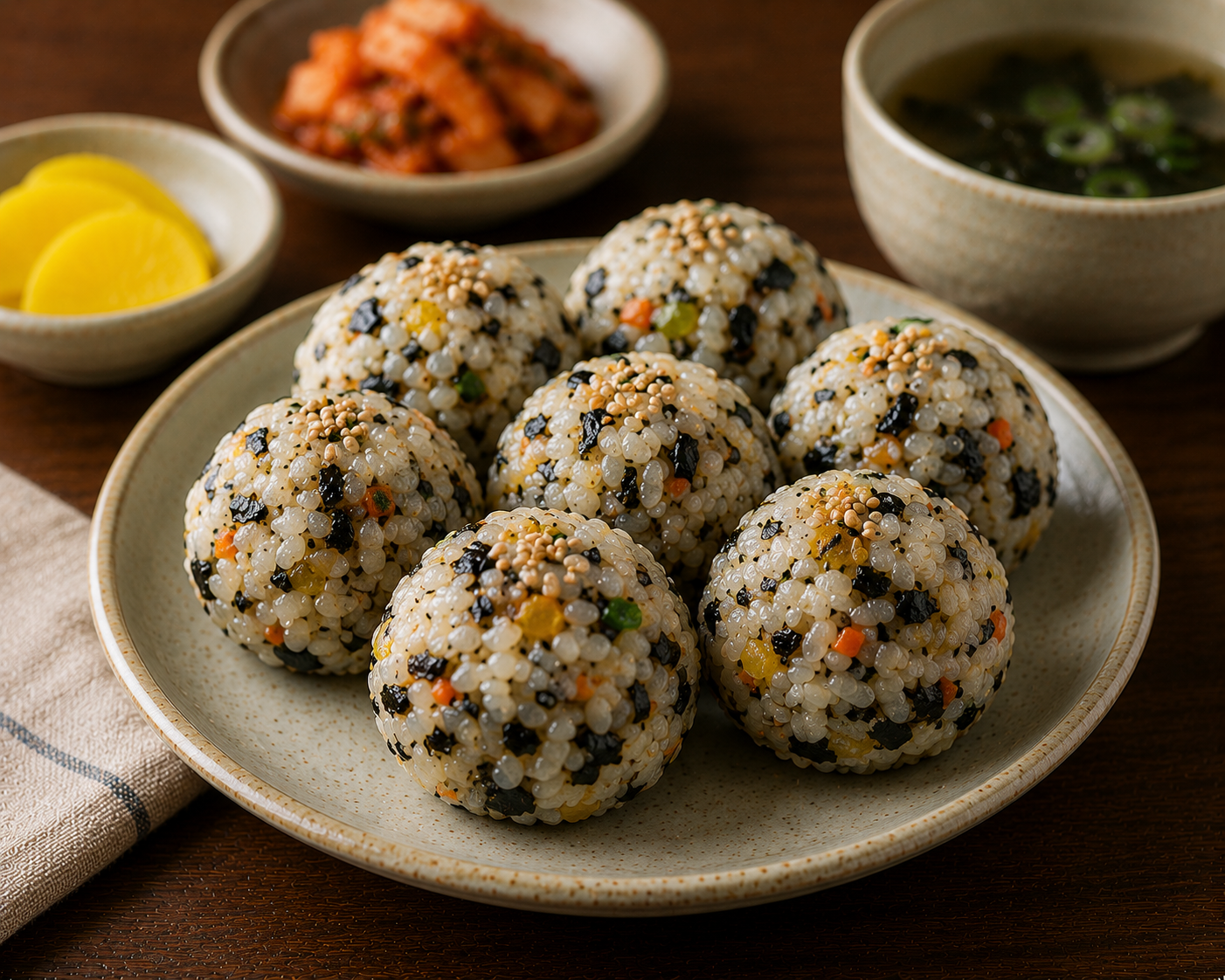
Jumeokbap
주먹밥 · jumeok-bap
A convenient meal made by mixing various ingredients with rice and shaping it by hand.
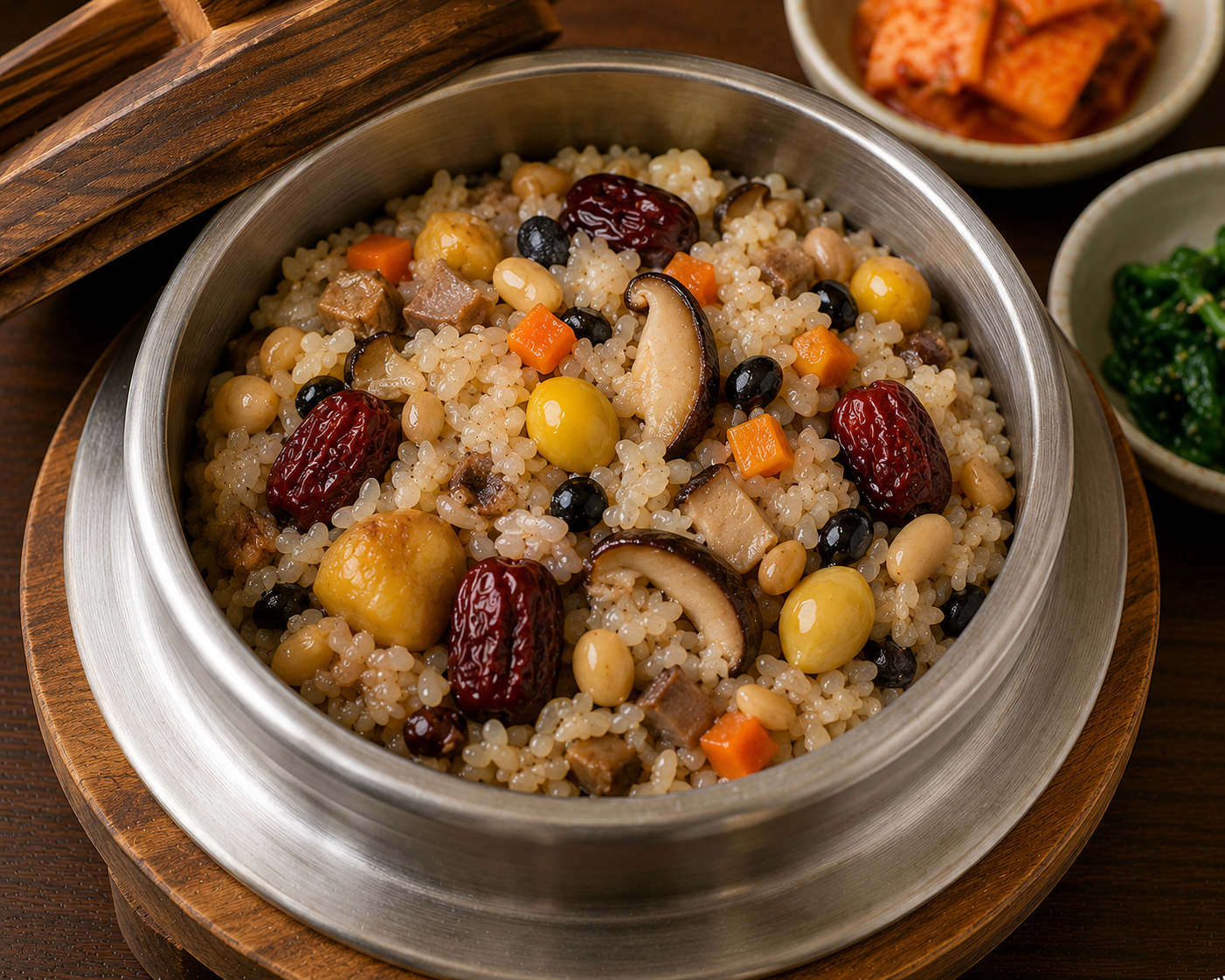
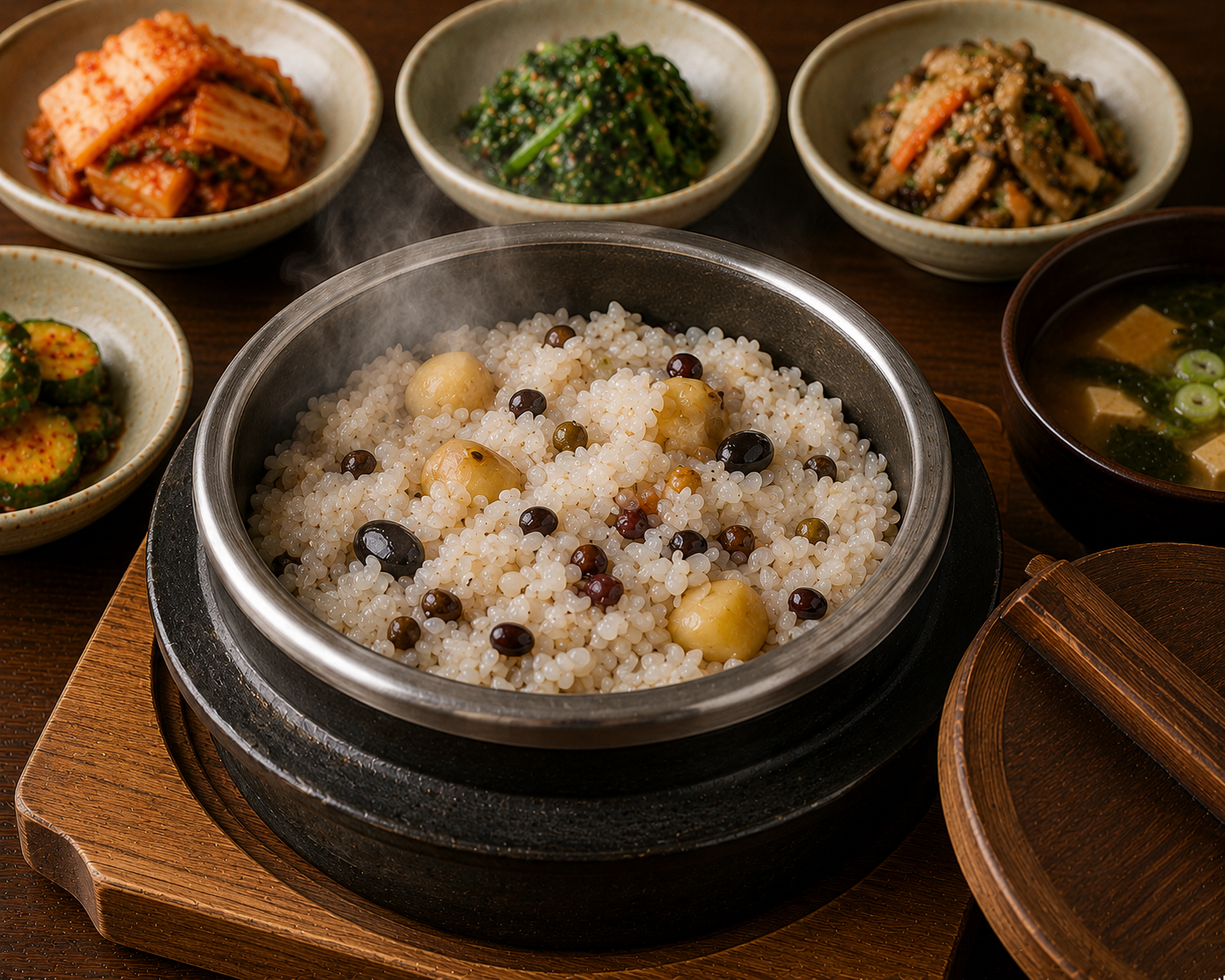
Nutritional Rice
영양밥 · yeong-yang-bap
A rice dish made by cooking rice with various nuts and grains to enhance its nutritional value. The fluffy rice grains blend with the flavors of the different ingredients.
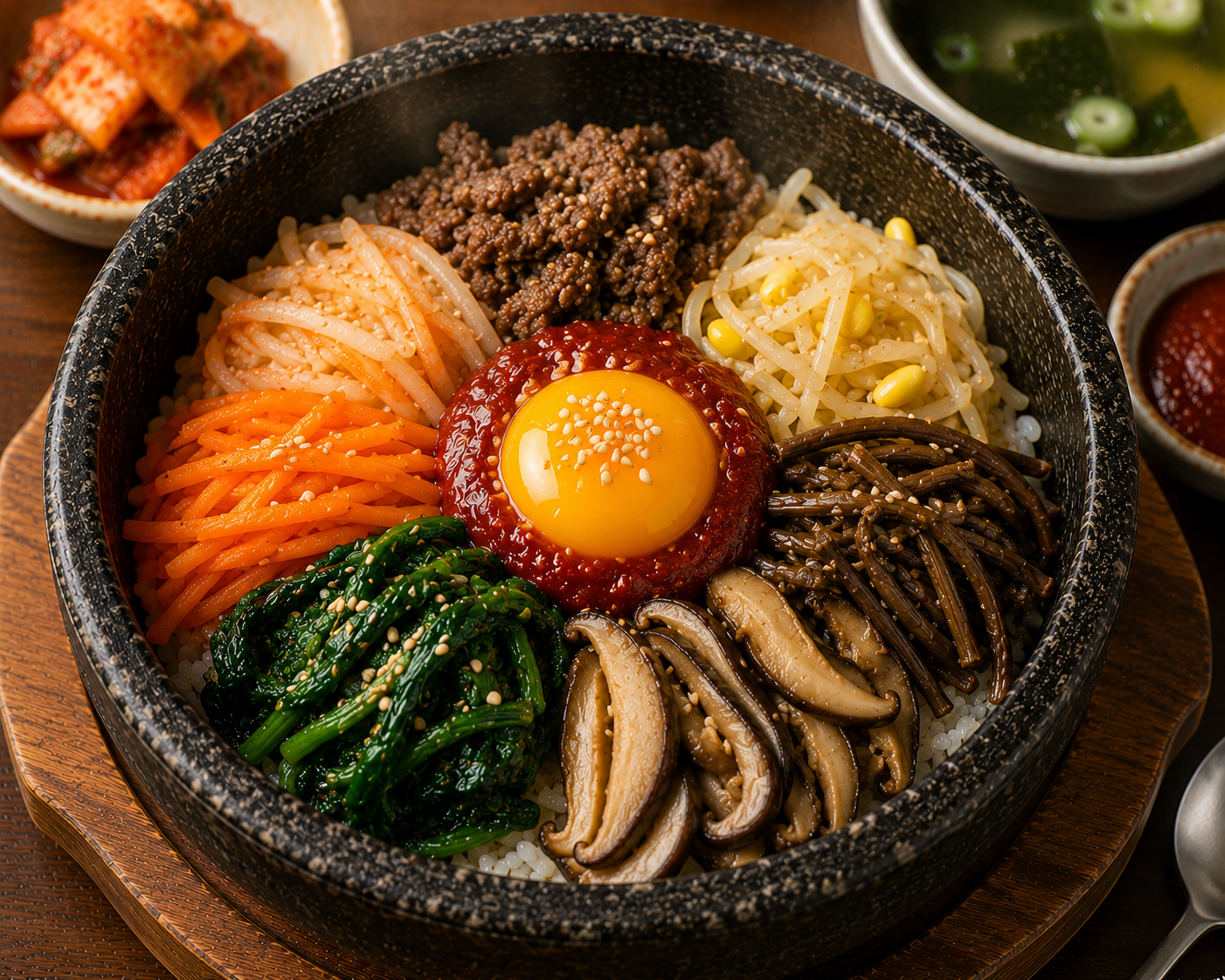
Dolsot Bibimbap
돌솥비빔밥 · dolsot-bibimbap
Dolsot Bibimbap is a representative Korean rice dish that involves mixing rice with various vegetables, meat, and gochujang in a hot stone pot. The rice is served in a hot stone pot, forming crispy rice at the bottom, and it is mixed with gochujang and sesame oil for flavor.
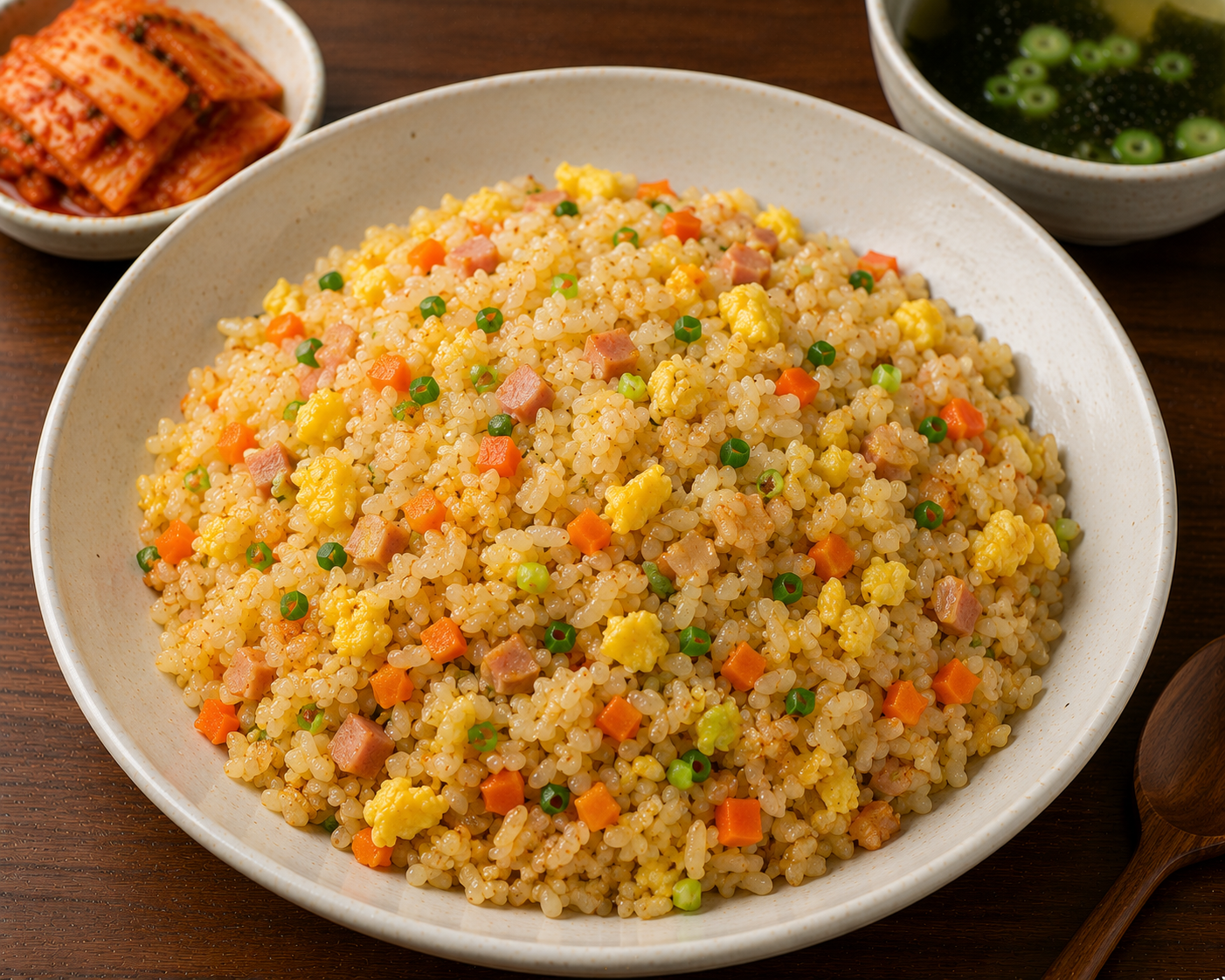
Fried Rice
볶음밥 · bokkeum-bap
A Korean-style fried rice made by stir-frying rice with various ingredients in oil. It is a simple dish that can mainly be made with leftover rice, enhanced with various vegetables, meat, and seafood for flavor.
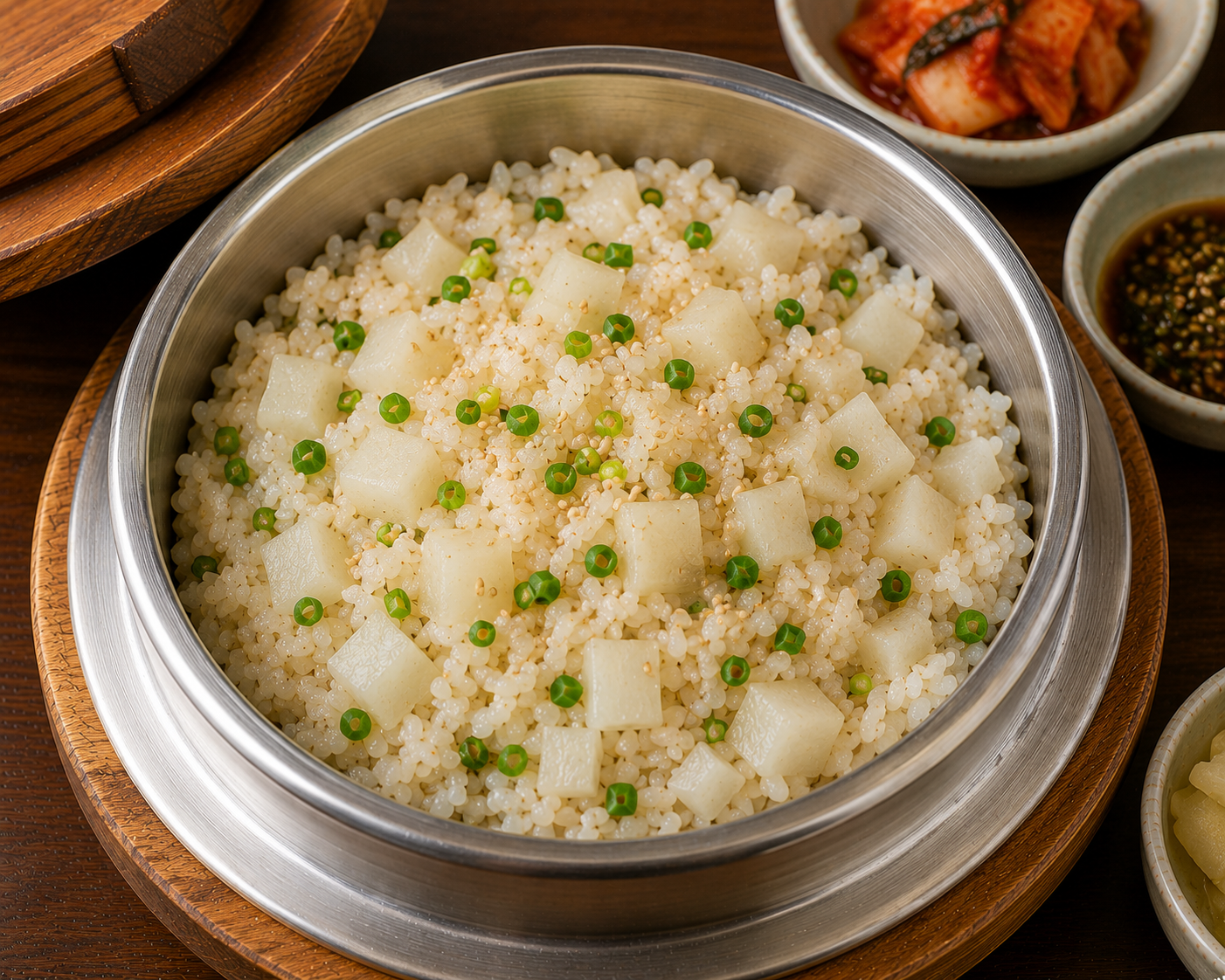
Radish Rice
무밥 · mu-bap
A single dish made by putting rice and radish together, allowing the sweet and refreshing flavor of the radish to infuse the rice.
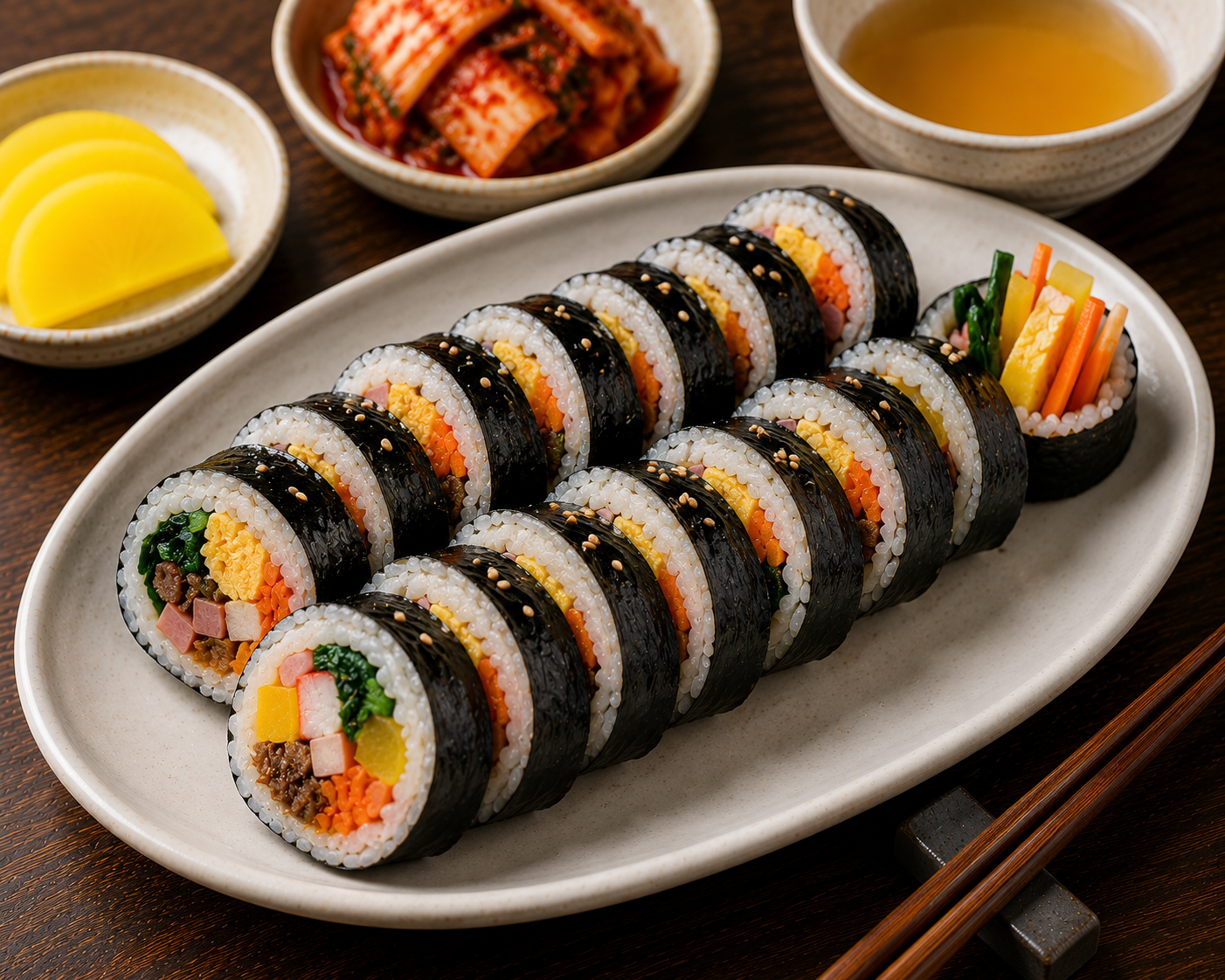
Gimbap
김밥 · gimbap
A convenient meal made by rolling rice, vegetables, pickled radish, eggs, and ham in seaweed, seasoned with sesame oil and salt. It is enjoyed for picnics or quick meals, and unlike sushi, it is seasoned with sesame oil instead of vinegar.
Ingredients
How it's made
- 1Prepare rice.
- 2Cook the vegetables and meat separately.
- 3Place rice in a bowl and top with vegetables, meat, and eggs.
- 4Serve with gochujang and sesame oil.
Nutrition
* Estimated values per serving.
Allergens
Not suitable for vegetarians due to the use of meat and eggs.
How to order
비빔밥 주세요
Bi-bim-bap ju-se-yo
Please give me bibimbap
Customize your order
Traveler tips
How to eat it
Frequently asked questions
- Why is it arranged so beautifully if you end up mixing it all together?
- Bibimbap is arranged that way to show off the ingredients and balance the flavors. Mixing it before eating brings the rice, namul, seasoning, and aroma of the oil together in each bite.
- Should I mix Dolsot Bibimbap right away like regular Bibimbap?
- You can, but the bowl will be very hot. If you press the rice down a little, crisp nurungji forms on the bottom, so if you like that texture, wait briefly before mixing.
- Does Bibimbap always come with raw egg or raw meat?
- Not always. Many restaurants use cooked egg or cooked meat, but Yukhoe Bibimbap and some regional styles may be topped with raw meat.
Last reviewed: 2026-10-07