
Cultural background
Yuja tea is often consumed in winter to prevent colds and is suitable for warming the body with hot tea. It is also frequently used for entertaining guests at home.
Origin & history
Yuja has a powerful fragrance, but its sharp acidity and many seeds make it less suited to eating fresh like ordinary fruit. Instead, people commonly sliced it thinly, peel and all, and preserved it in sugar or honey. The resulting yuja-cheong, a sweet yuja preserve, keeps well and holds its aroma, so mixing it with water and drinking it like tea naturally became common.
Yuja is sensitive to cold, so it became especially well known along the southern coast and on the southern islands. Yuja Tea therefore also reflects a Korean style of preserved food: storing a fragrant fruit that was precious in winter, then bringing it out to drink.
Regional & modern variations
- Iced Yuja Tea — Yuja-cheong, a sweet yuja preserve, is mixed with cold water or ice water. The acidity stands out more, and the drink feels refreshing.
- Yuja Ade — A drink made by mixing yuja-cheong, a sweet yuja preserve, with sparkling water. More a cafe-style variation than a traditional tea, it is quite sweet and refreshing.
How Koreans eat it
On Korean cafe menus, Yuja Tea is often listed as “tea,” but it is often not brewed from tea leaves. The yuja-cheong tends to settle at the bottom of the cup, so stir once before drinking. If a spoon is served with it, you can scoop up and eat the remaining peel.
Taste & how to choose
Good Yuja Tea does not taste only sweet; the aroma of yuja peel comes through first. Thin pieces of peel add texture as you chew, and the white pith can leave a very faint bitterness. Seeds can make the bitterness stronger if they get mixed in, so people generally prefer cheong made with the seeds removed.
Similar dishes
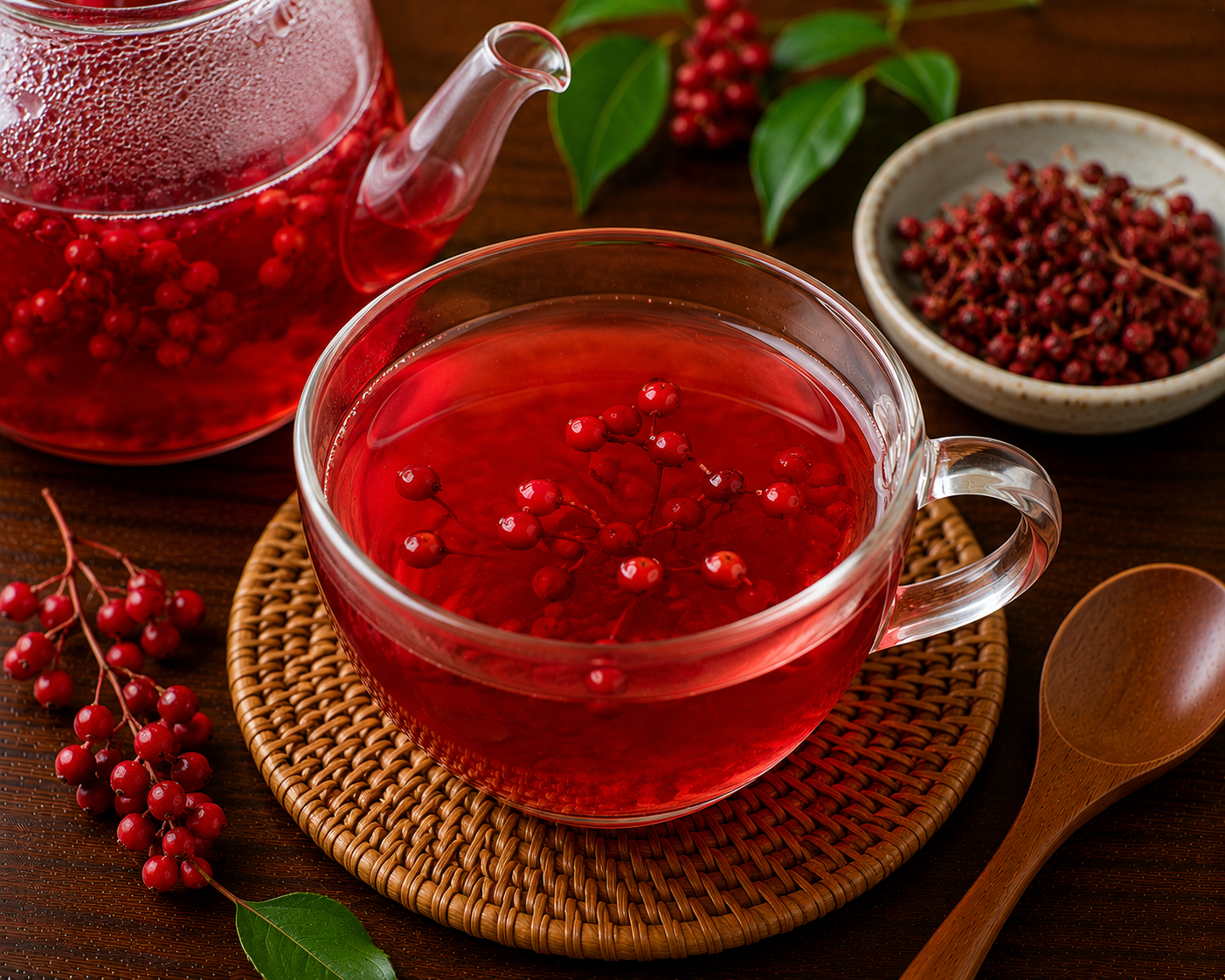
Omija Tea
오미자차 · omija-cha
A sweet and sour tea made from Omija berries, this traditional beverage can be enjoyed warm or cold.
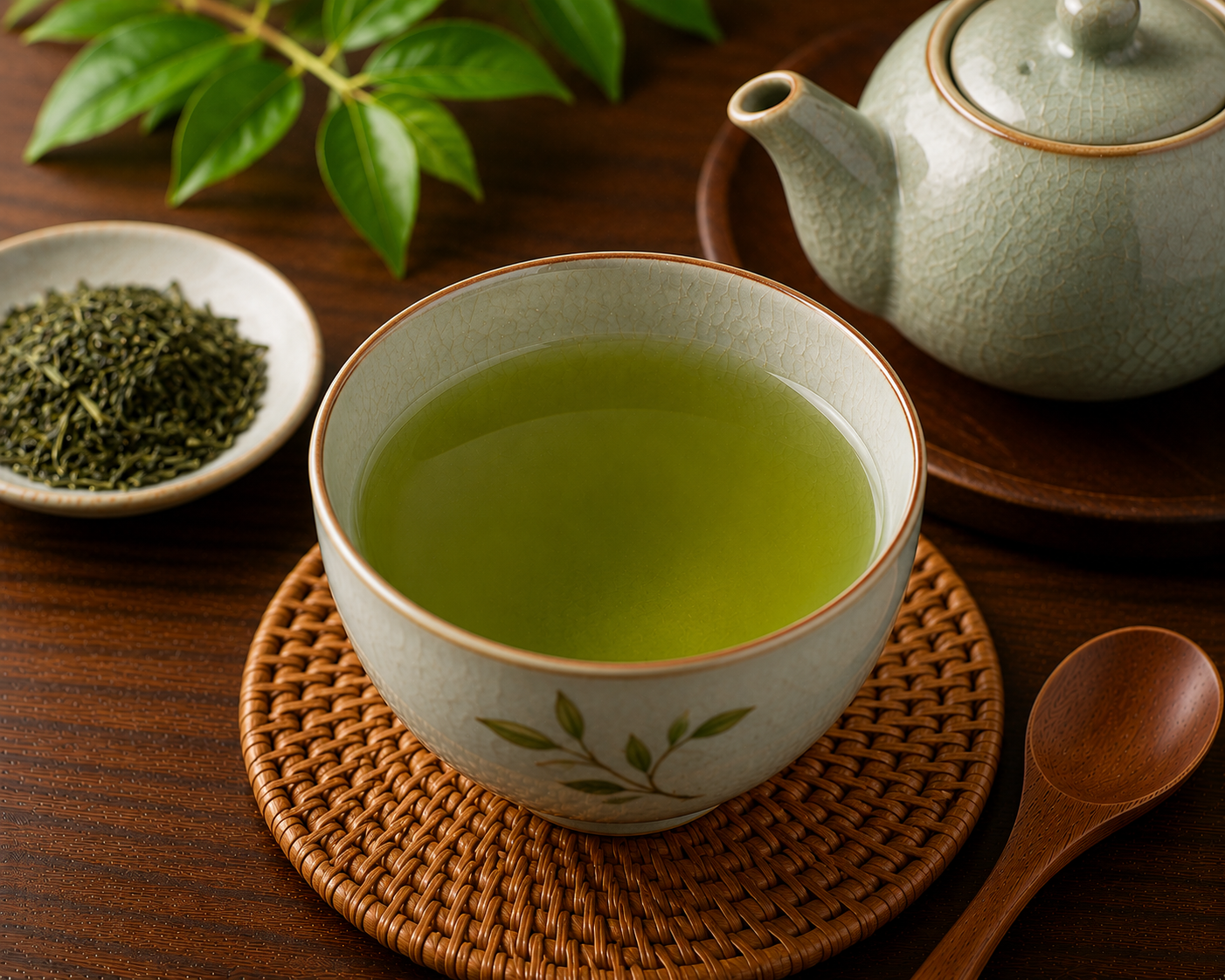
Green Tea
녹차 · nok-cha
A tea brewed from green tea leaves in hot water, characterized by its clean and refreshing taste. It is mainly consumed warm after meals or during breaks, and contains caffeine which is good for a mood lift.
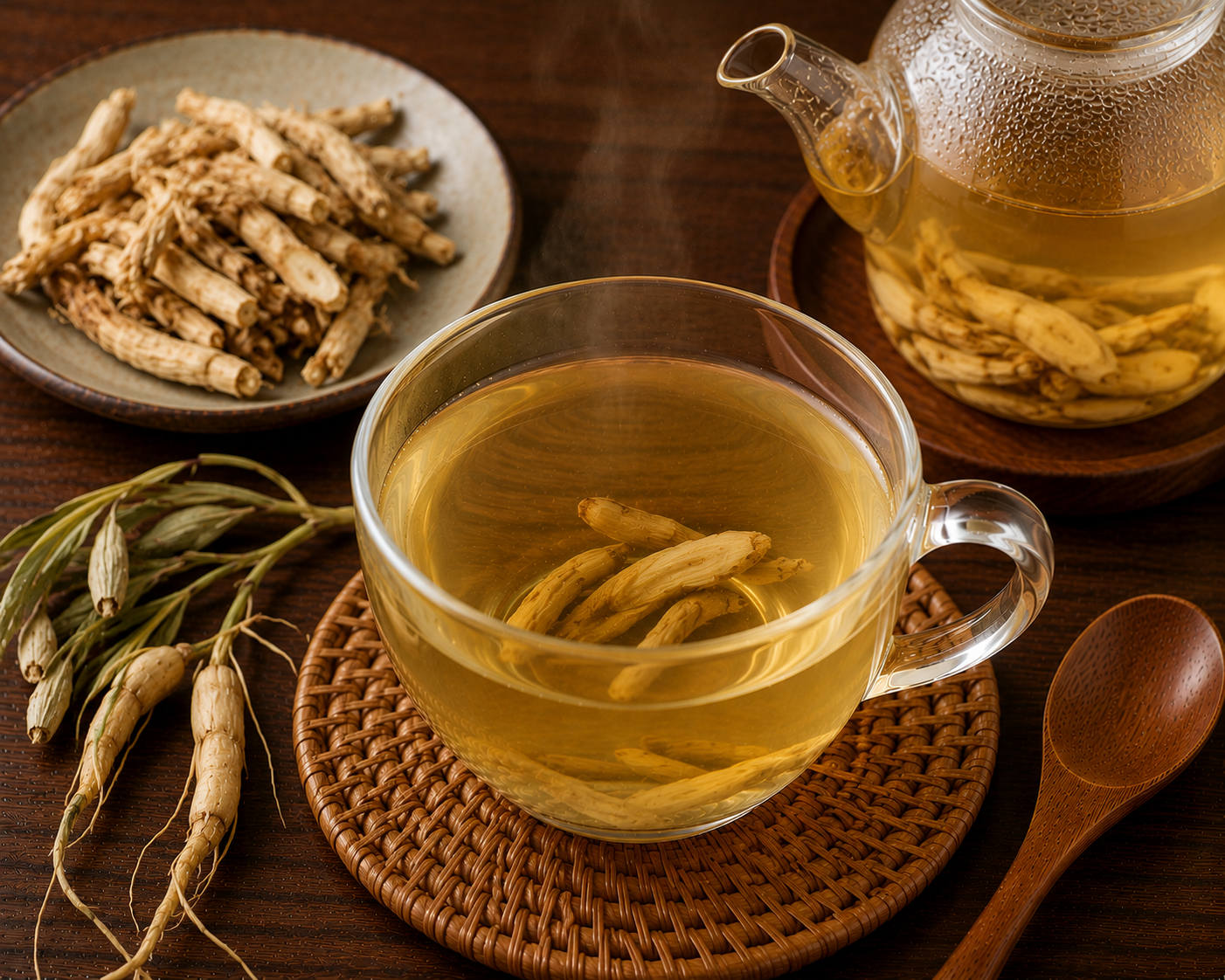
Solomon's Seal Tea
둥굴레차 · dung-gul-le-cha
A warm tea made by boiling dunggulle (Solomon's seal) root, characterized by a savory and smooth taste. It is a traditional tea consumed for health, and can be enjoyed without the burden of caffeine.
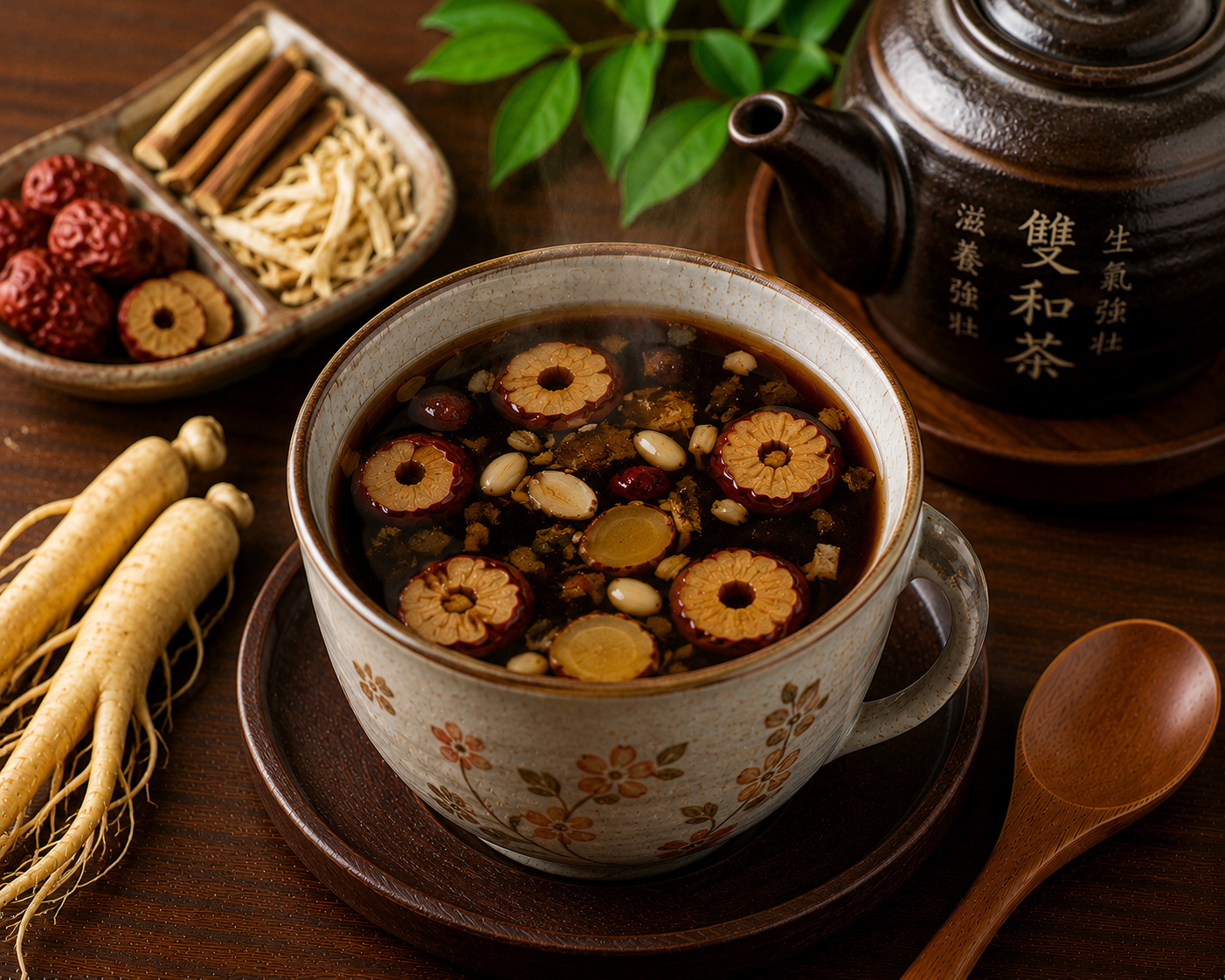
Sanghwacha
쌍화차 · ssang-hwa-cha
A warm traditional tea made by boiling various medicinal herbs, characterized by its sweet and fragrant taste. It is mainly consumed for fatigue recovery or health, often topped with ingredients like pine nuts or jujubes.
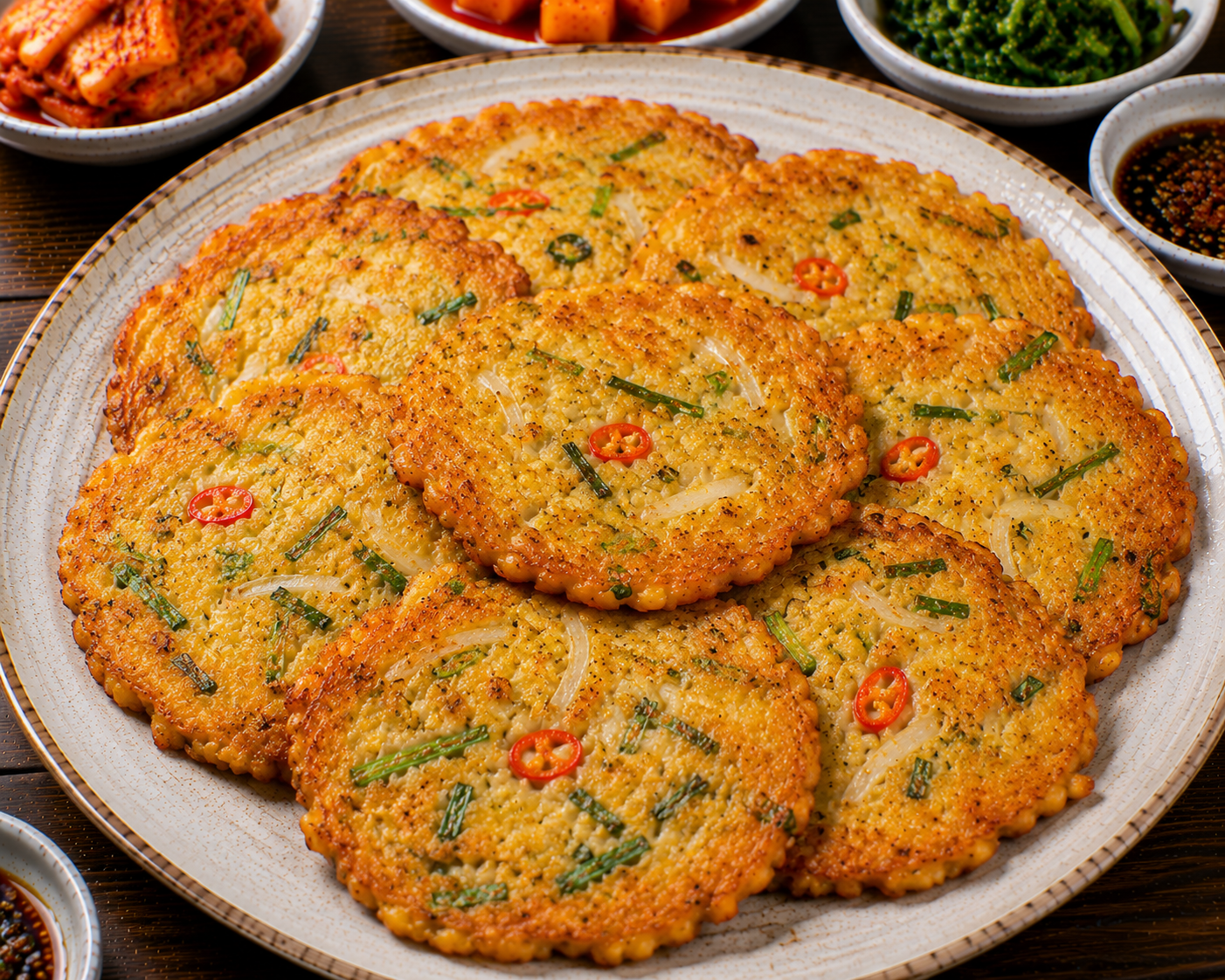
Mung Bean Pancake
녹두전 · nokdu-jeon
A savory pancake made by grinding soaked mung beans and frying them thickly. It has a deep flavor with pork and bean sprouts inside. Enjoy it dipped in vinegared soy sauce, and it pairs well with Makgeolli.
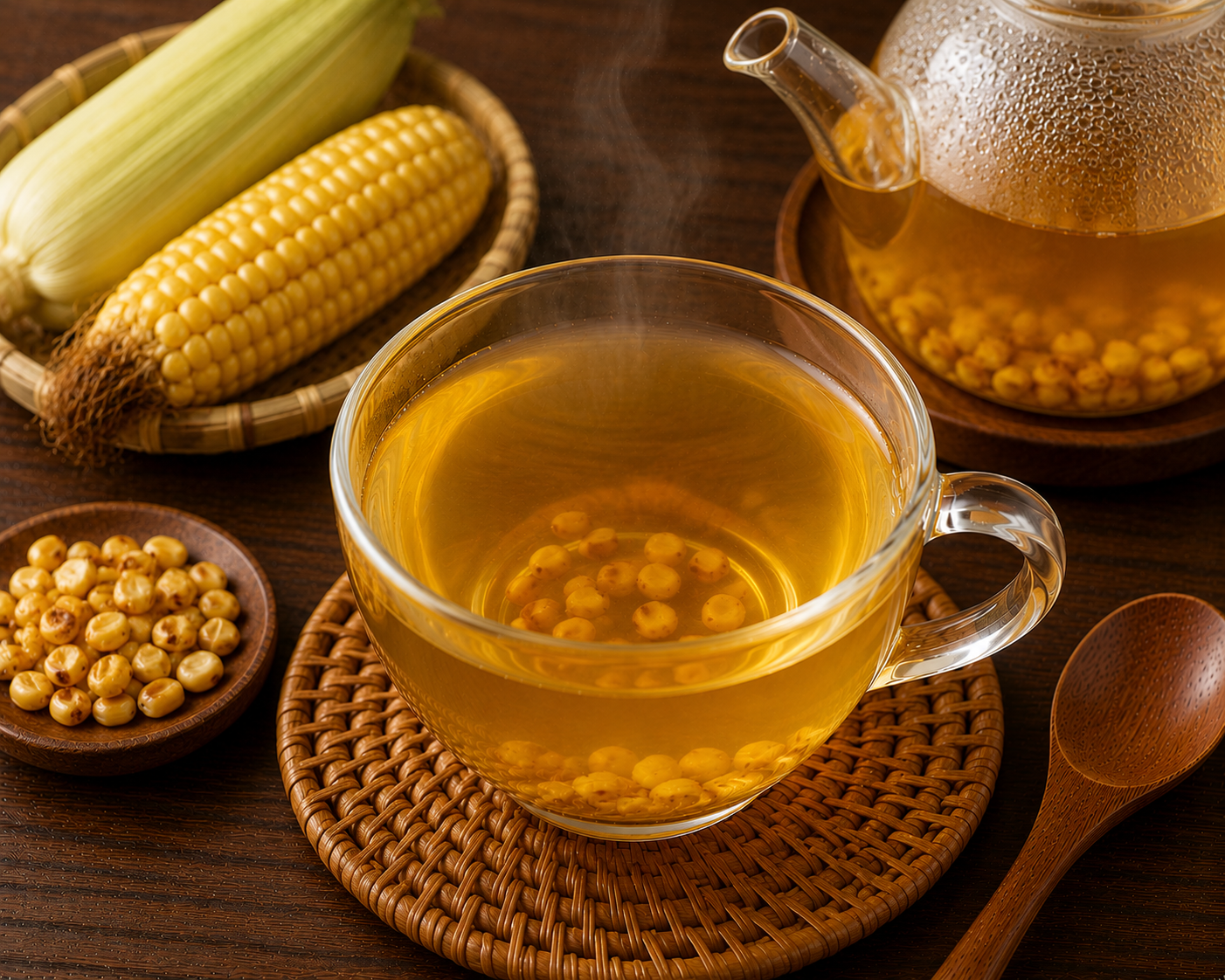
Corn Tea
옥수수차 · oksusu-cha
A warm tea with a savory taste made by roasting corn and steeping it in water. It is caffeine-free and can aid digestion, making it enjoyable as a post-meal drink.
Goes well with
Ingredients
How it's made
- 1Prepare yuja syrup.
- 2Add yuja syrup to a cup and pour in warm water, mixing well.
- 3Let it steep for a moment to allow the yuja flavor to infuse before drinking.
Nutrition
* Estimated values per serving.
Allergens
No allergen data.
Made only from yuja syrup and water, it is suitable for vegetarian and vegan diets and is gluten-free.
How to order
유자차 주세요
Yu-ja-cha ju-se-yo
Please give me yuja tea
Traveler tips
How to eat it
Frequently asked questions
- Does Yuja Tea contain tea leaves?
- Usually, no. In Korean, ‘차’ (cha, tea) is used broadly not only for drinks brewed from tea leaves, but also for warm drinks made by mixing fruit preserves or medicinal ingredients with water.
- Can I eat the yuja peel left in the cup?
- Yes, you can eat it. The peel has been preserved in sugar or honey, so it is sweet and strongly aromatic. If you dislike a bitter edge, however, you can simply drink the tea and leave the peel.
- Why not just squeeze fresh yuja and drink it?
- Yuja is very sour and full of seeds, which makes it inconvenient to eat or drink as-is. Turning it into cheong preserves the aroma of the peel and makes it easier to store, which suits Yuja Tea well.
Last reviewed: 2026-10-07