
Cultural background
Bibim Naengmyeon is mainly enjoyed in summer and is often served as a finishing dish at meat restaurants.
Origin & history
Unlike Cold Buckwheat Noodles, which are eaten in broth, Bibim Naengmyeon centers on tossing chilled noodles directly with a spicy sauce. Naengmyeon culture is closely tied to cold noodle dishes from the northern part of the Korean Peninsula, and many accounts say it spread widely through cities in the south after the Korean War.
The dish is especially often explained in connection with Hamheung-style Naengmyeon. The Hamheung style emphasizes spicy seasoning and chewy noodles more than broth, and it is also known for Hoe Naengmyeon, topped with raw fish. Today, restaurant versions of Bibim Naengmyeon have taken root in many forms, blending that tradition with South Korean-style Gochujang seasoning.
Regional & modern variations
- Hamheung-style Bibim Naengmyeon — Often made with thin, chewy noodles containing a high proportion of starch. The sauce is spicy and sweet, with the focus on chewiness and the pleasure of mixing rather than on broth.
- Hoe Naengmyeon — A type of Bibim Naengmyeon topped with seasoned raw skate or a muchim of raw pollock-family fish, a spicy seasoned salad. The tangy, firm topping gives it a stronger flavor than regular Bibim Naengmyeon.
- Kodari Naengmyeon — This version is topped with kodari, half-dried pollock, seasoned in a spicy-sweet sauce. It looks similar to Hoe Naengmyeon, but the chew is firmer and the seasoning flavor is more intense.
How Koreans eat it
Korean restaurants often sell Bibim Naengmyeon and Cold Buckwheat Noodles side by side. Diners choose Bibim Naengmyeon when they want the flavor of the sauce rather than broth. Some restaurants serve a small bowl of warm or cold broth alongside it; people sip it during the meal or add a little to loosen the noodles if they feel too dry.
Taste & how to choose
First-timers may be surprised that the noodles do not break as easily as expected. Good Bibim Naengmyeon has cold, springy noodles, with the sauce clinging evenly to them. The seasoning brings together the heat of Gochujang, sweetness from fruit or sugar, and the acidity of vinegar.
Similar dishes
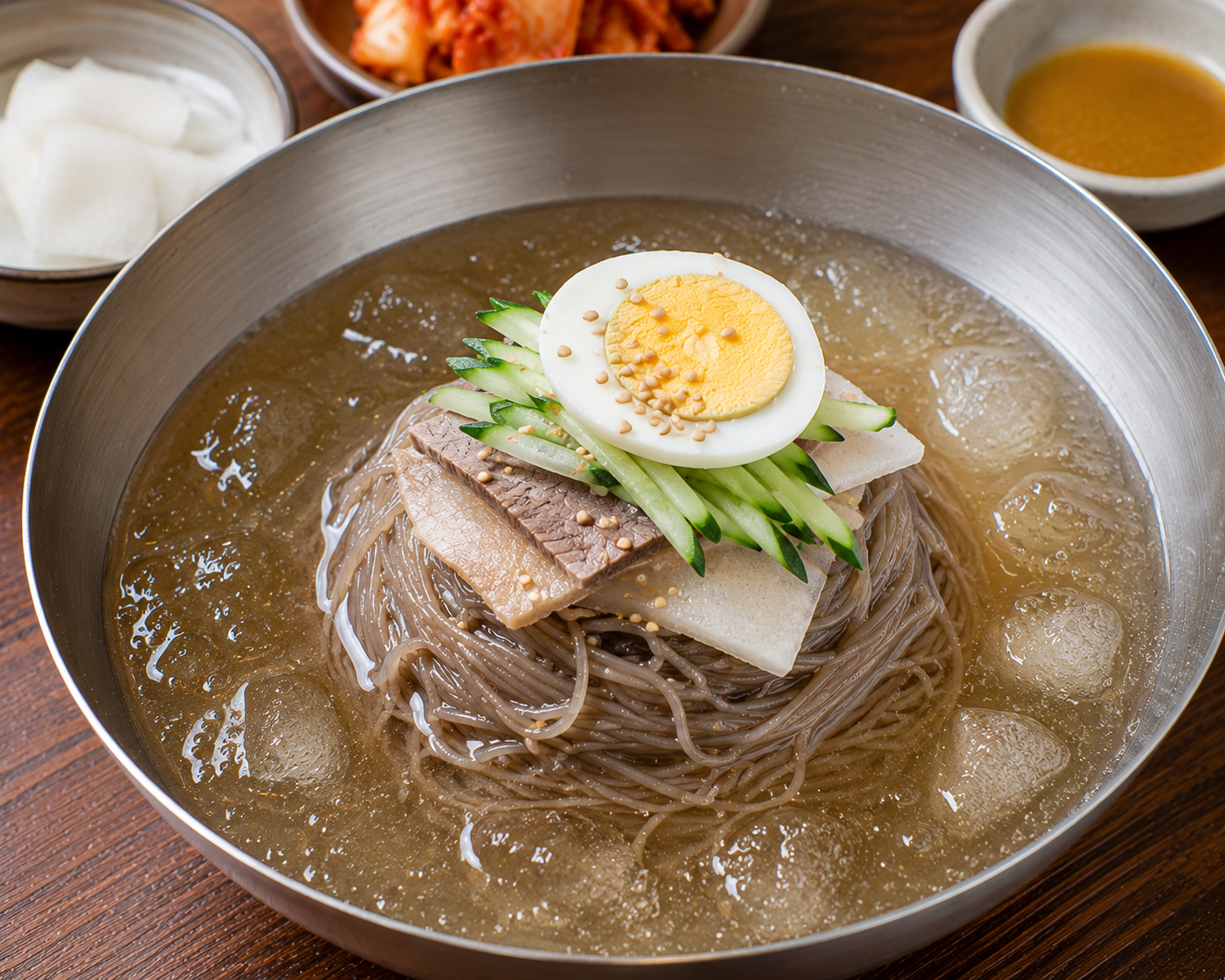
Cold Buckwheat Noodles
물냉면 · mul-naengmyeon
This dish features chewy noodles made from buckwheat that are served in a chilled broth, enjoyed with the cool, clear Dongchimi (radish water kimchi) or meat broth mixed with ice flakes. It's seasoned with mustard and vinegar to taste and is enjoyed not only in hot summer days but also as a refreshing finish to a meat meal.
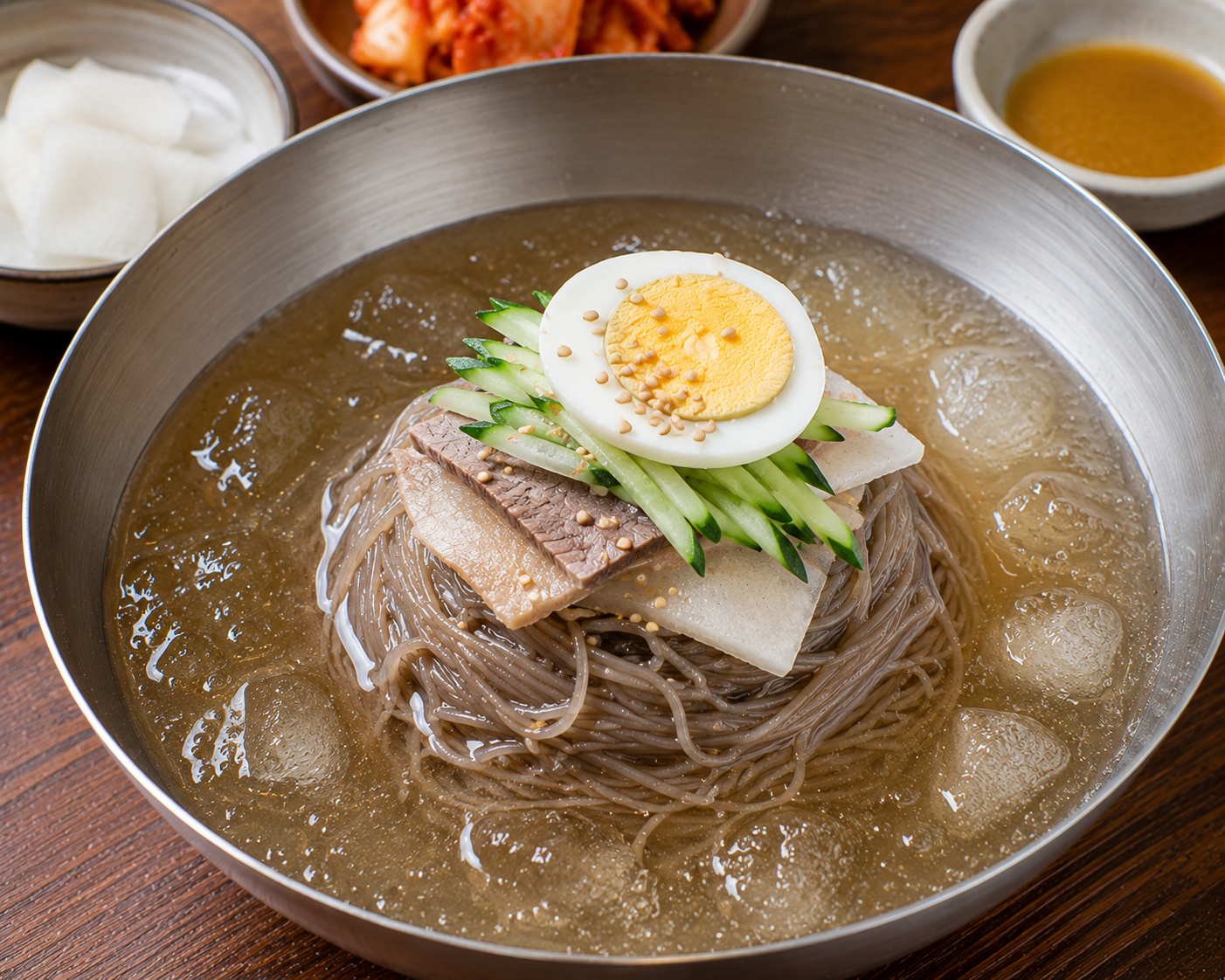
Naengmyeon
냉면 · naengmyeon
A dish made with chewy noodles made from buckwheat, served in chilled broth with floating ice, enjoyed by mixing the noodles with Dongchimi (radish water kimchi) and meat broth (mul-naengmyeon). Adjust the flavor with mustard and vinegar to your liking, perfect for hot summer days and often enjoyed as a meal finish at a barbecue restaurant.
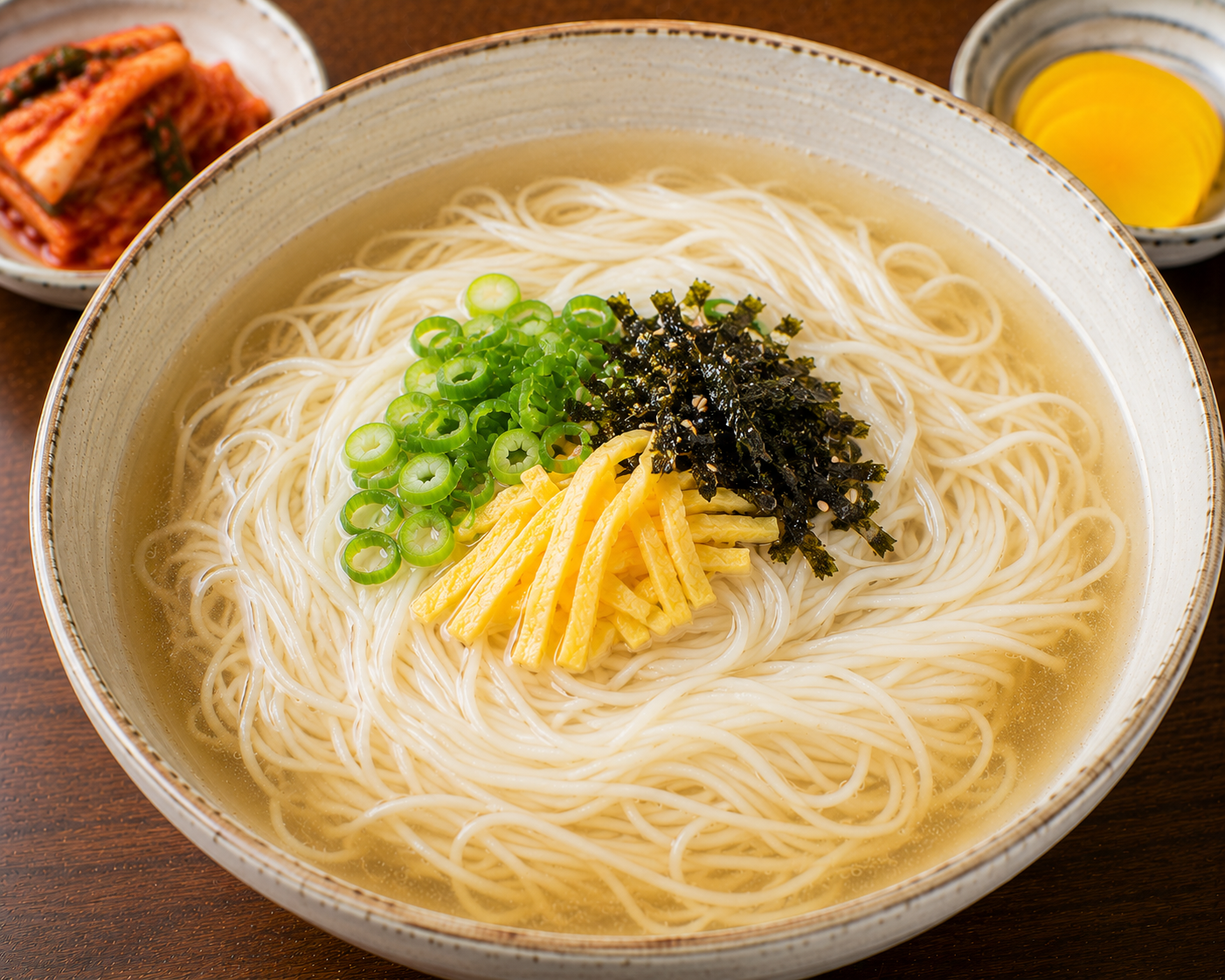
Somyeon (Thin Wheat Noodles)
소면 · somyeon
A traditional Korean noodle dish made by boiling thin wheat flour noodles and served with various broths or seasonings.
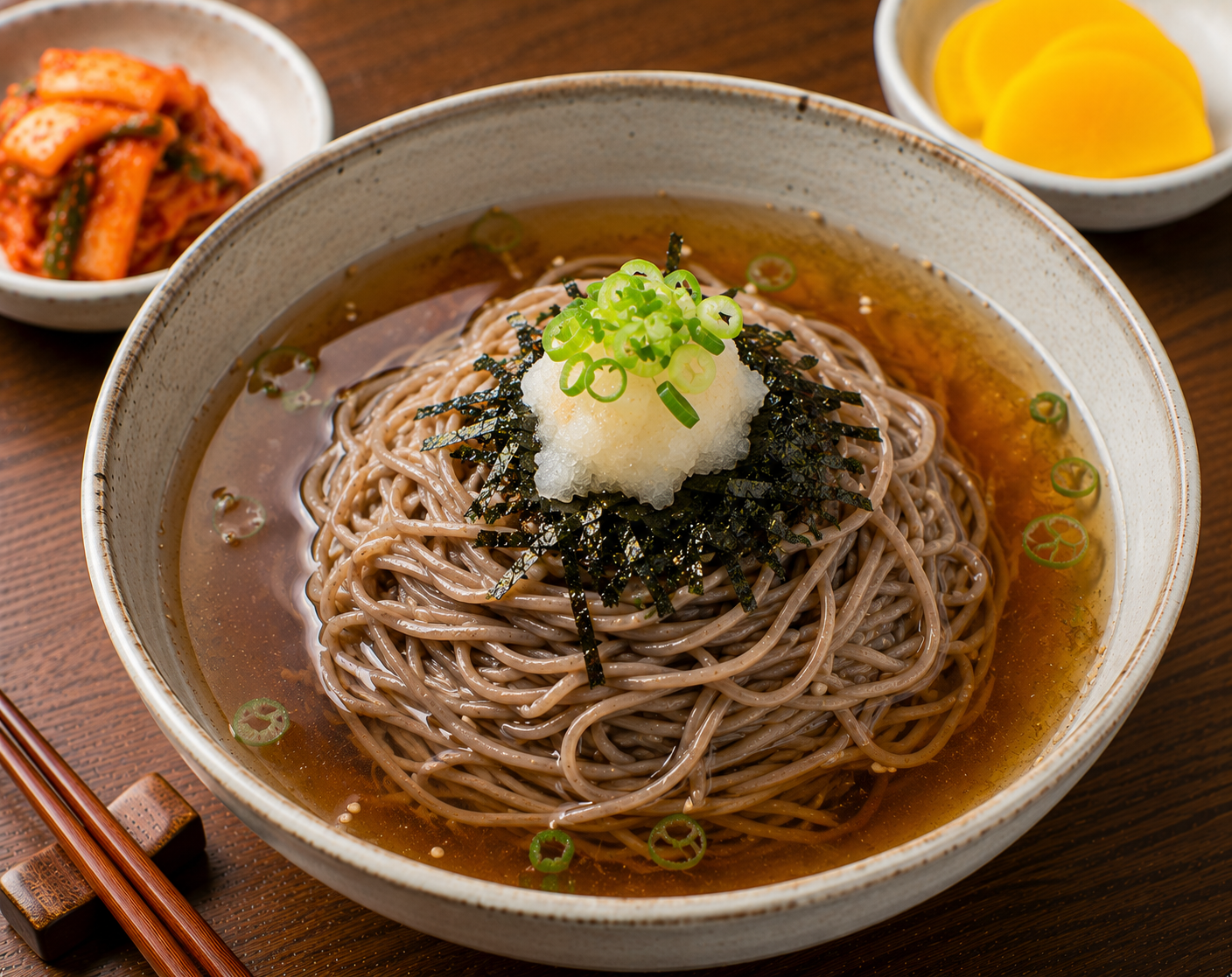
Buckwheat Noodles
메밀국수 · memil-guksu
A traditional Korean summer delicacy made by mixing noodles made from buckwheat with cold broth. The noodles are soaked in refreshing Dongchimi broth or soy sauce-based broth, and can be seasoned with mustard and vinegar.
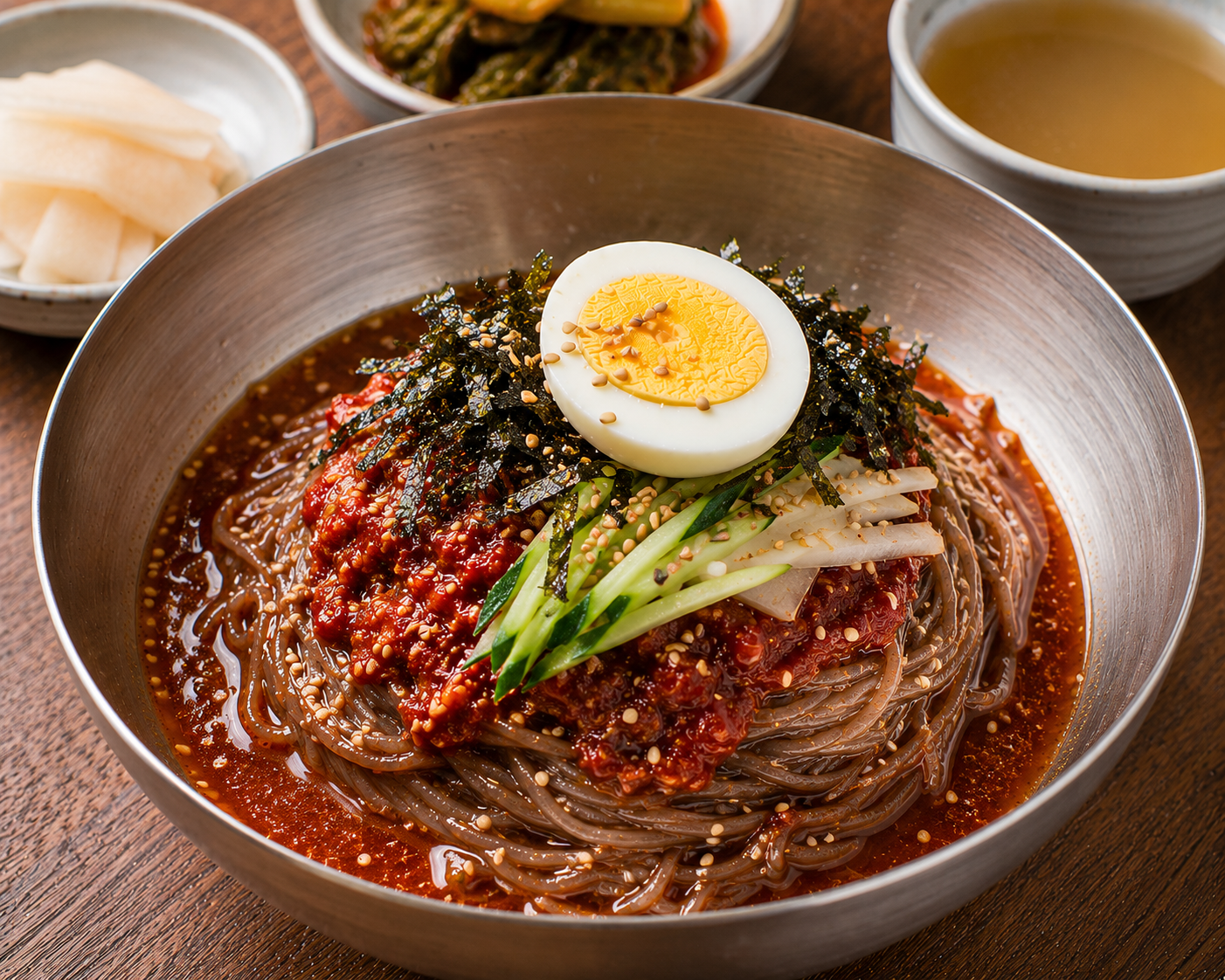
Buckwheat Noodles
막국수 · mak-guksu
A traditional noodle dish from Gangwon Province made by mixing buckwheat noodles with cold broth. It is characterized by its cool and nutty taste and is very popular as a summer delicacy.
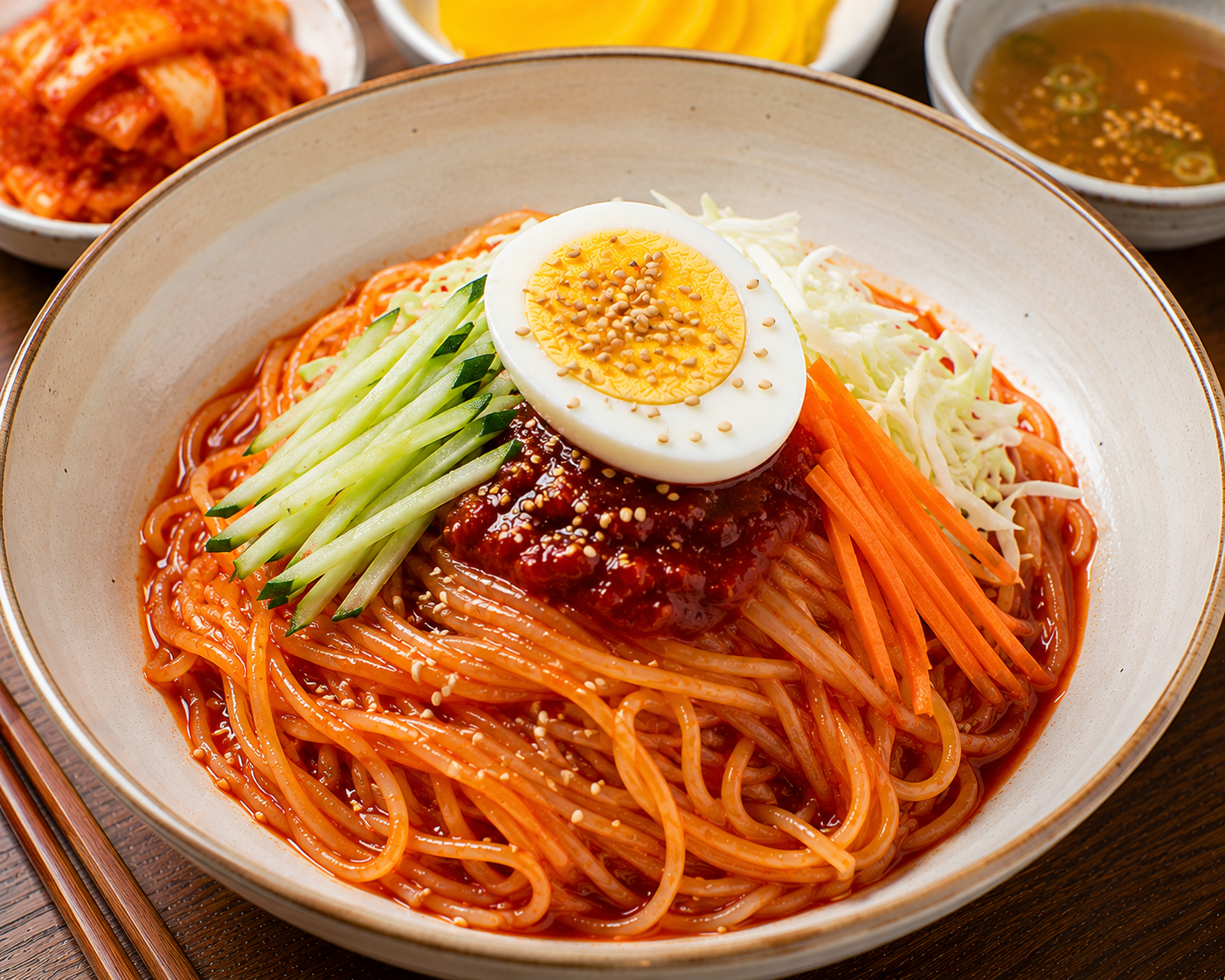
Jjolmyeon
쫄면 · jol-myeon
A Korean noodle dish with chewy noodles mixed with a spicy and tangy sauce.
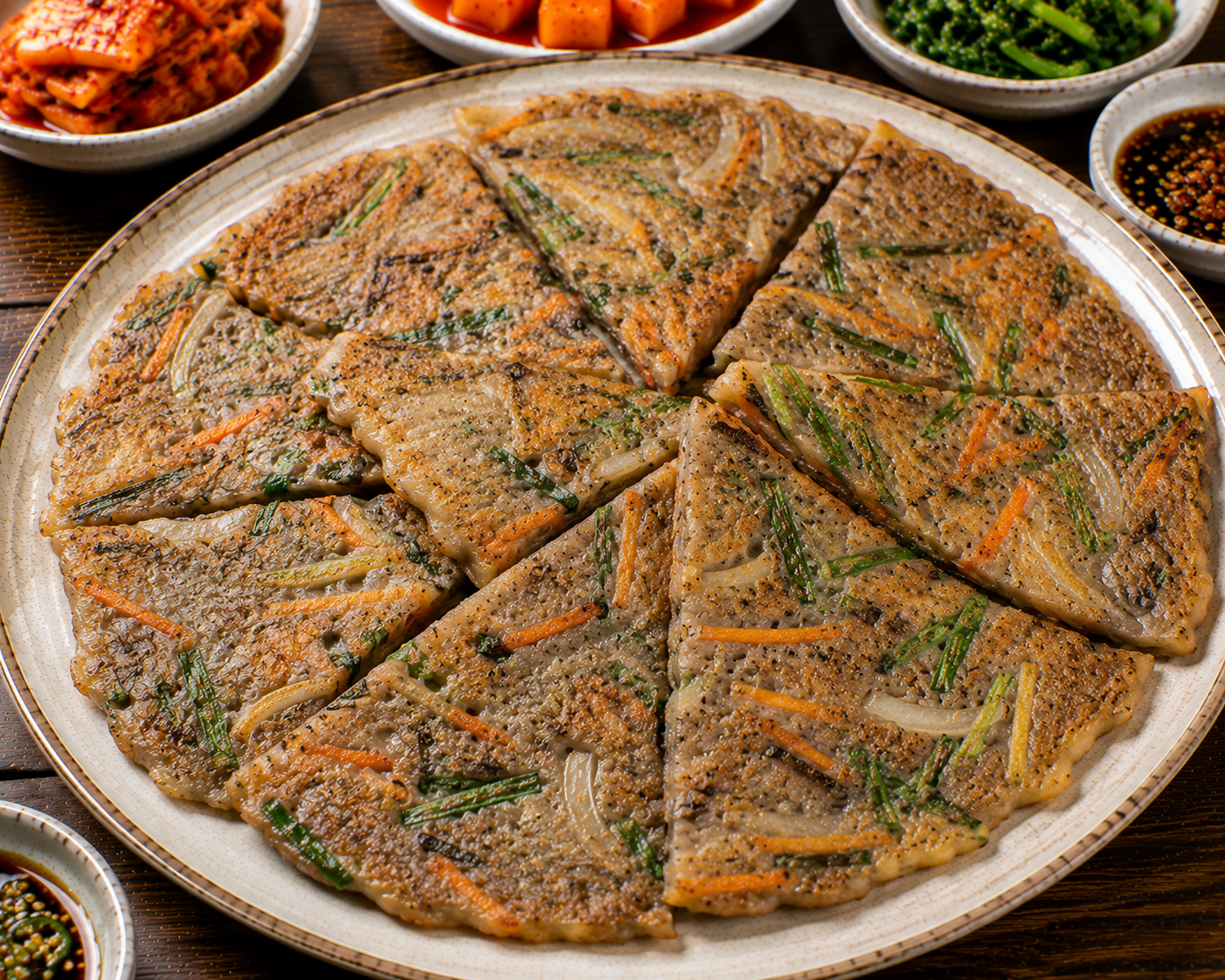
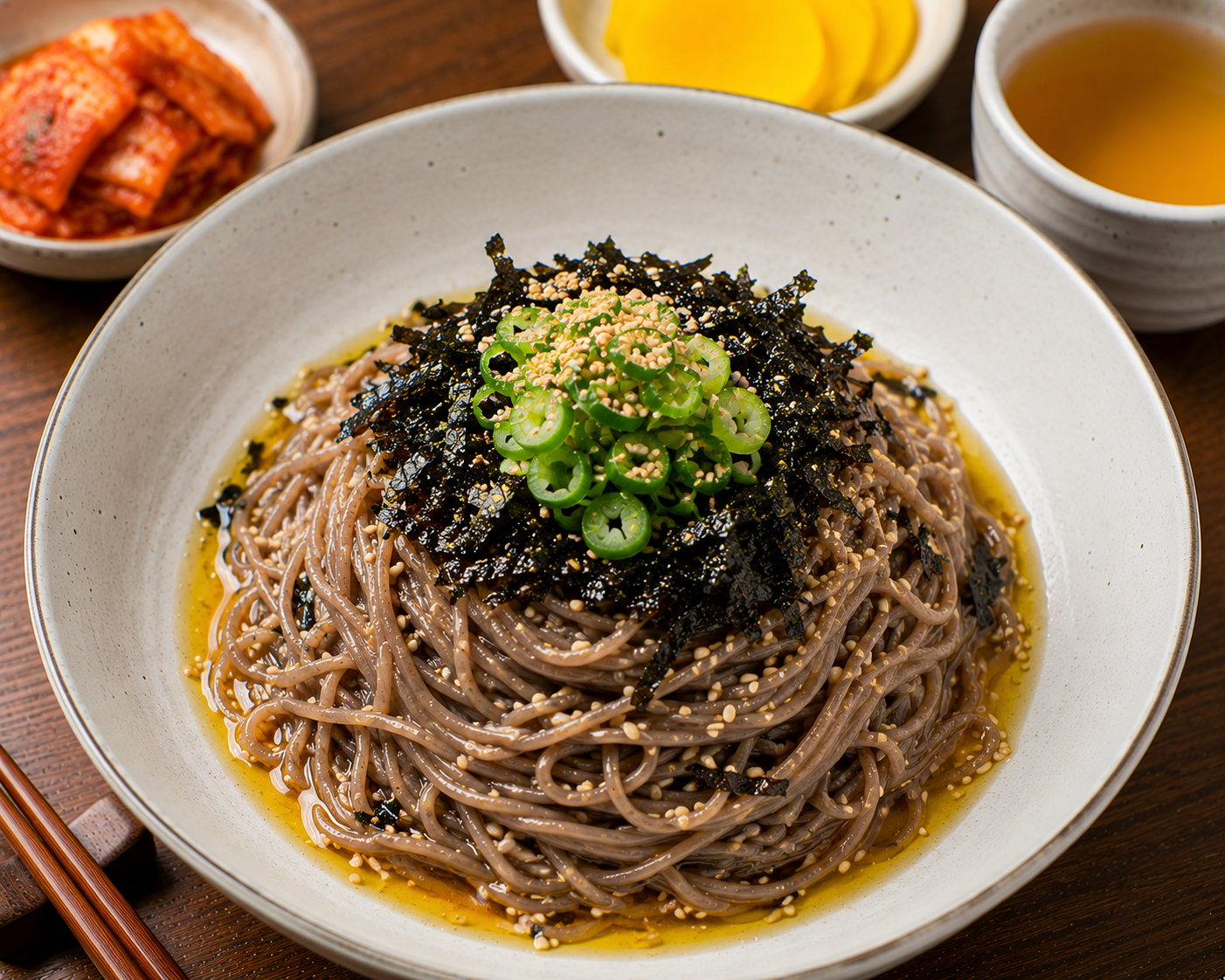
Goes well with
Ingredients
How it's made
- 1Boil the buckwheat noodles and rinse them in cold water to prepare.
- 2Prepare the spicy red pepper paste sauce.
- 3Thinly slice the boiled egg and cucumber for garnish.
- 4Mix the noodles with the sauce thoroughly.
- 5Top with the egg and cucumber to finish.
Nutrition
* Estimated values per serving.
Allergens
Meat broth may be used, so not suitable for vegetarians.
How to order
비빔냉면 주세요
Bi-bim-naeng-myeon ju-se-yo
Please give me Bibim Naengmyeon
Customize your order
Traveler tips
How to eat it
Frequently asked questions
- Are Bibim Naengmyeon and Hamheung Naengmyeon the same dish?
- They are not exactly the same thing. Hamheung Naengmyeon refers to a regional style of Naengmyeon, while Bibim Naengmyeon refers to the method of mixing noodles with sauce without broth. In many restaurants, however, the two ideas overlap, as in Hamheung-style Bibim Naengmyeon.
- Can I cut the noodles with scissors before eating?
- Yes, that is fine. Naengmyeon noodles are often long and chewy, so restaurants may provide scissors with the dish. If you cut them too short, though, you lose some of the noodles' springy texture and the slurping sensation.
- When should I eat the boiled egg?
- There is no set rule. Some people eat the egg first to start gently before the spicy sauce, while others save it for the middle of the meal as a break from the heat.
Last reviewed: 2026-10-07