
Cultural background
It is a popular snack and meal substitute in Korea due to its convenience and fast preparation, with various brands and flavors available.
Origin & history
Korean Ramen took shape as instant noodles influenced by Japanese-style instant ramen combined with Korea's culture of spicy broths. Although the names sound similar, in Korea the word often refers to packaged instant noodles that are easier to store and cook than Japanese fresh-noodle ramen.
After the Korean War and through the years of economic growth, wheat-based foods became widespread, and Ramen gained popularity as a relatively inexpensive meal that could be made quickly. Over time, products diversified to suit Korean tastes, with flavors such as spicy red pepper powder, seafood, and jjajang.
Regional & modern variations
- Cup Ramen — Noodles and seasoning come inside a container, so all you need to do is add hot water. Convenience stores, train stations, and highway rest areas are especially common places to find it.
- Jjajang Ramen — A brothless Ramen tossed with jjajang sauce. Because you leave a little water in the pot or drain it off before mixing in the sauce, the cooking process feels different from regular Ramen.
- Bibim Ramen — The cooked noodles are rinsed in cold water, then mixed with a spicy-sweet sauce. Since this Ramen is eaten cold, it is especially popular in summer.
- Budae Jjigae Ramen — Ramen is added to Budae Jjigae and boiled together. The flavors of ham, sausage, kimchi broth, and the seasoning in Budae Jjigae combine, making it richer and saltier. In Budae Jjigae, people usually add only the Ramen noodles and leave out the seasoning packet.
How Koreans eat it
In Korea, Ramen is eaten as a simple late-night meal, as a hot broth after drinking, or as food after camping or hiking. Many convenience stores provide hot water for Cup Ramen, and some branches have instant-cooking machines for making packaged Ramen as well. At home, people often put the pot straight on the table and share from it.
Taste & how to choose
Many people in Korea like Ramen noodles with a ‘꼬들꼬들한’ (kkodeulkkodeulhan, “firm and springy”) texture before they soften too much. The broth can be saltier and spicier than it looks, and adding an egg can soften the heat and saltiness a little. First-time eaters should note that boiling the noodles longer than the stated cooking time makes them swell quickly and changes the texture.
Similar dishes
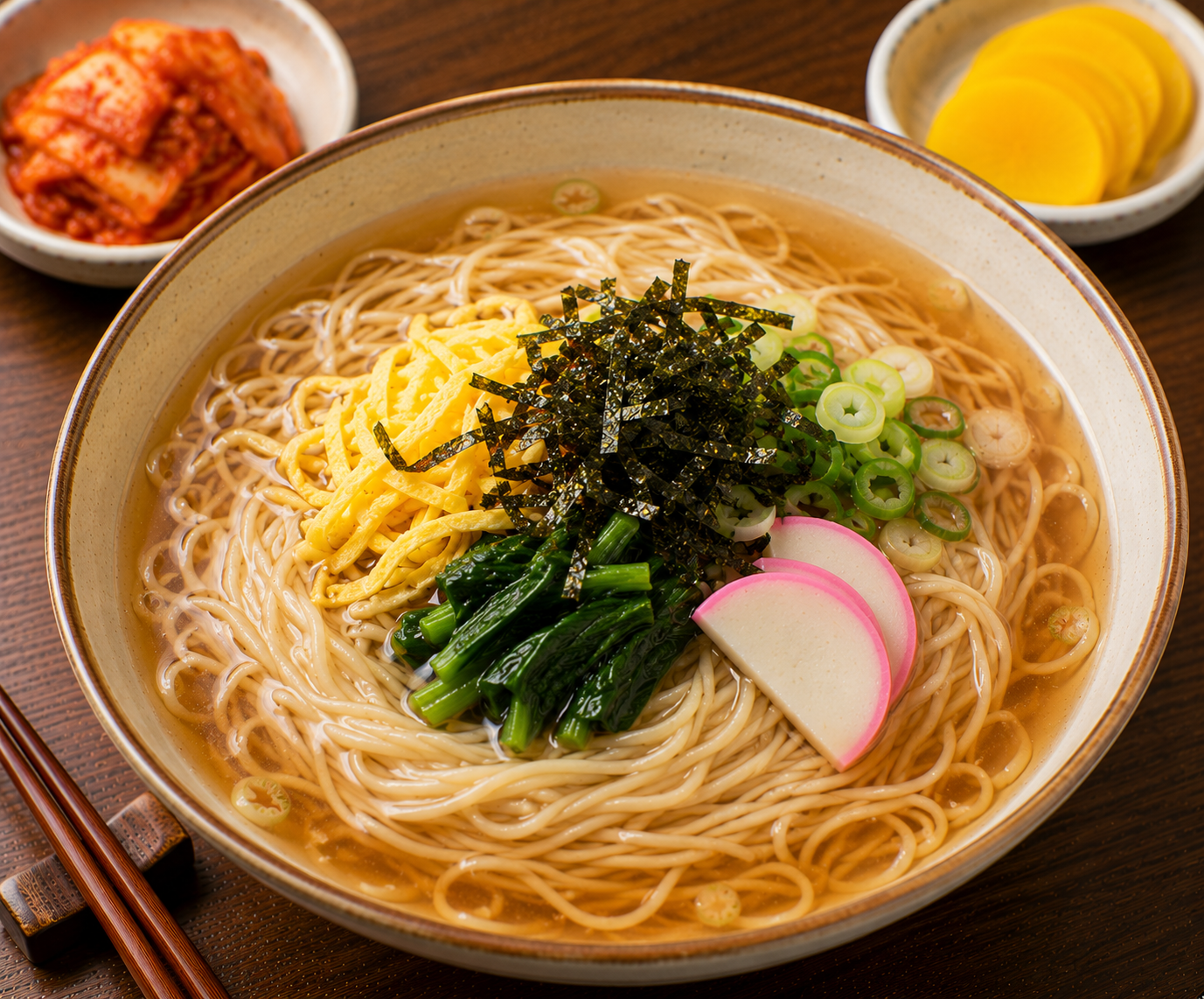
Warm Noodles
온면 · on-myeon
A traditional Korean noodle dish where boiled noodles are mixed in warm broth. You can enjoy a rich and light taste primarily using anchovy or beef bone stock.
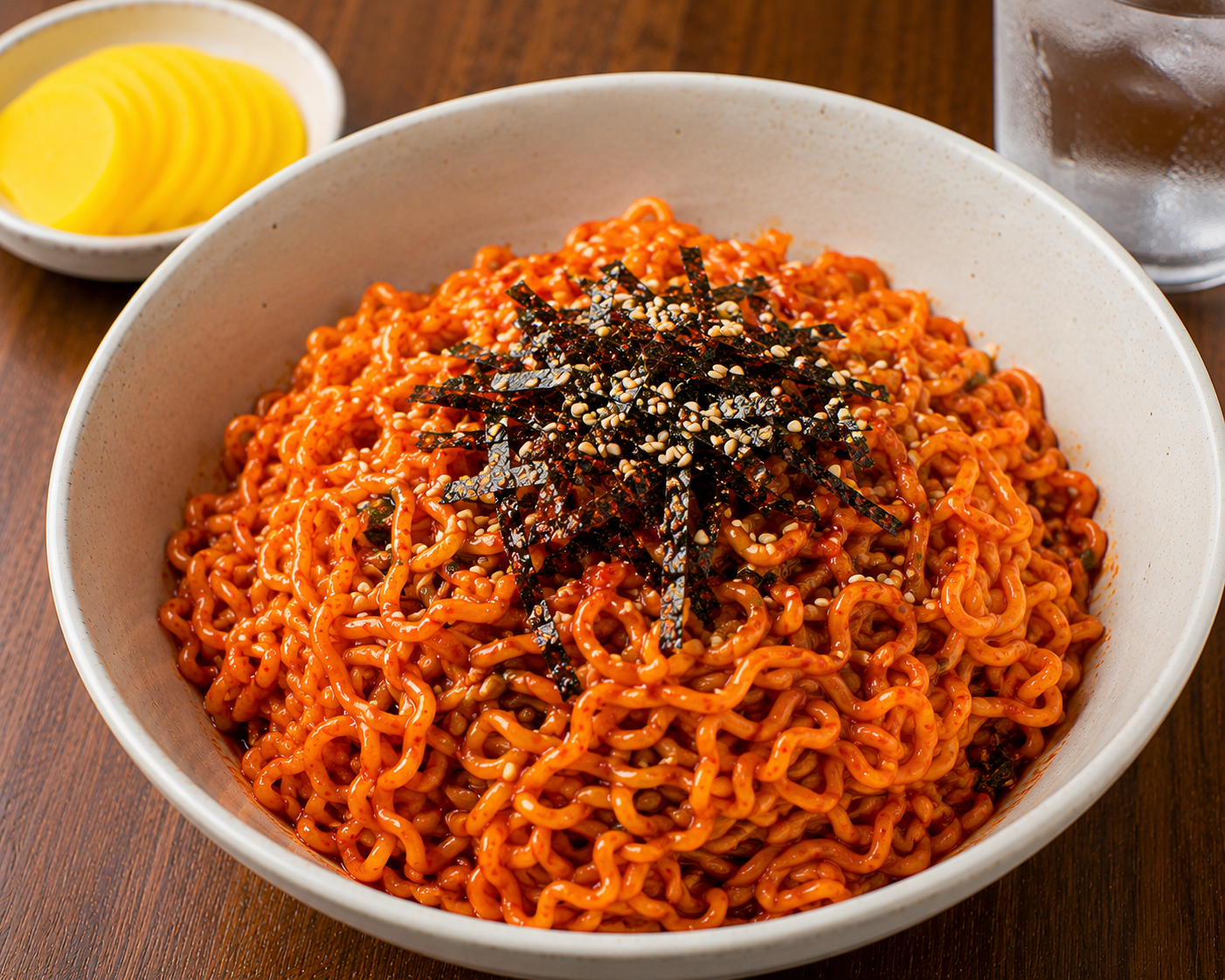
Fire Chicken Noodles
불닭볶음면 · bul-dak-bokkeum-myeon
A type of instant ramen stir-fried with spicy sauce, reflecting the spicy flavor of Fire Chicken, a popular instant food in Korea.
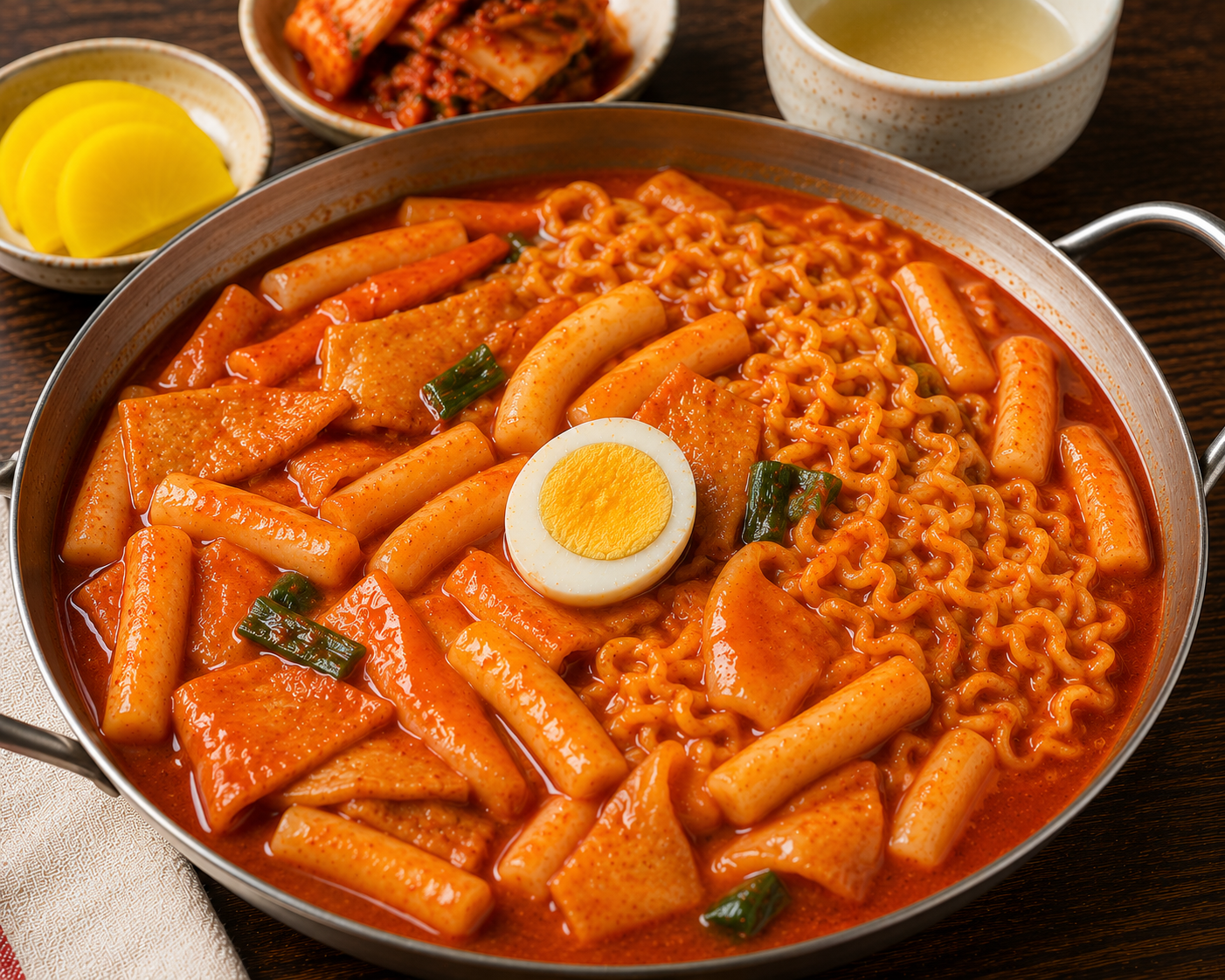
Rabokki
라볶이 · rabokki
A representative Korean snack dish made by adding ramen noodles to tteokbokki, cooked sweet and spicy. It is characterized by the harmony of chewy rice cakes and ramen, and is very popular as a street food.
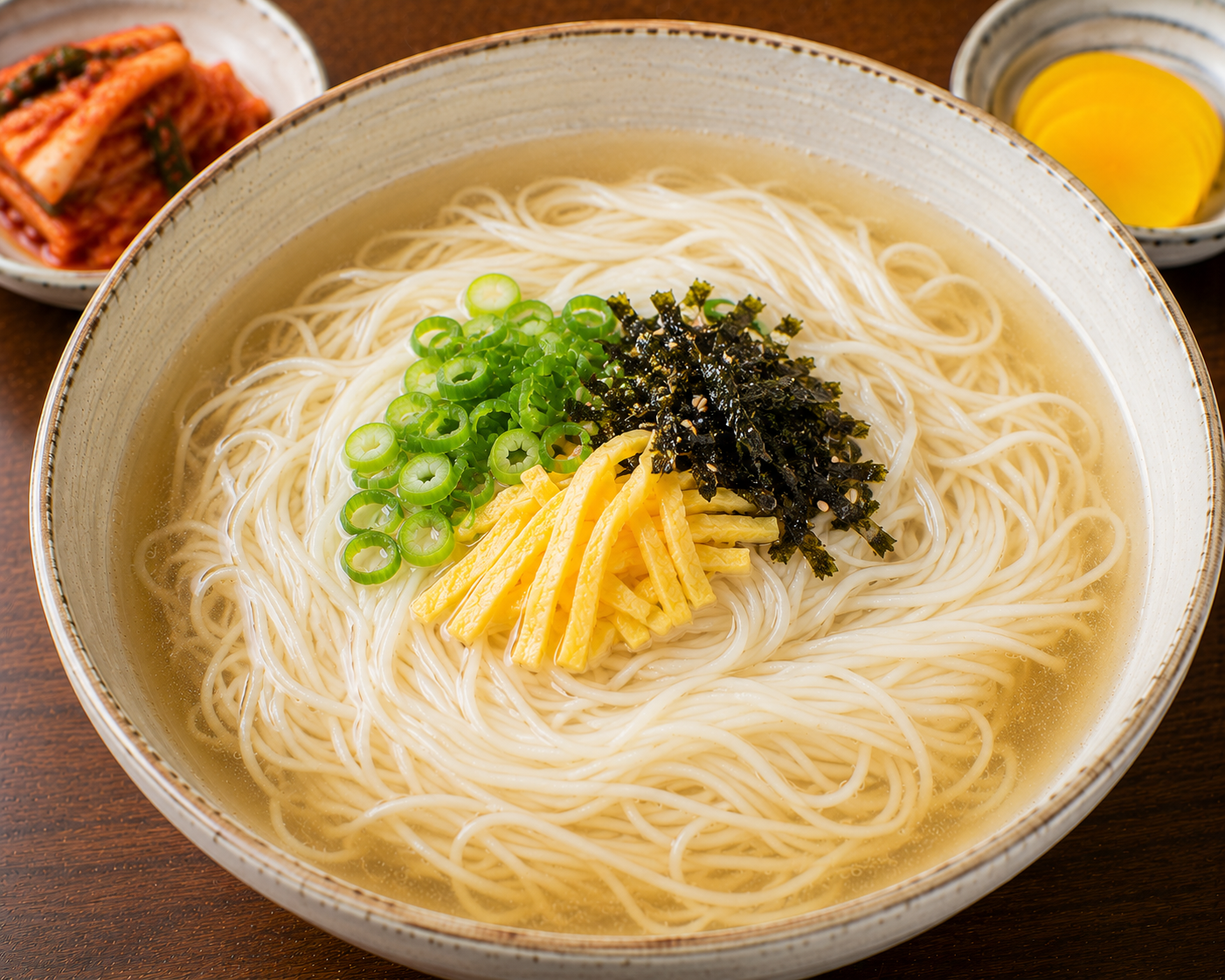
Somyeon (Thin Wheat Noodles)
소면 · somyeon
A traditional Korean noodle dish made by boiling thin wheat flour noodles and served with various broths or seasonings.
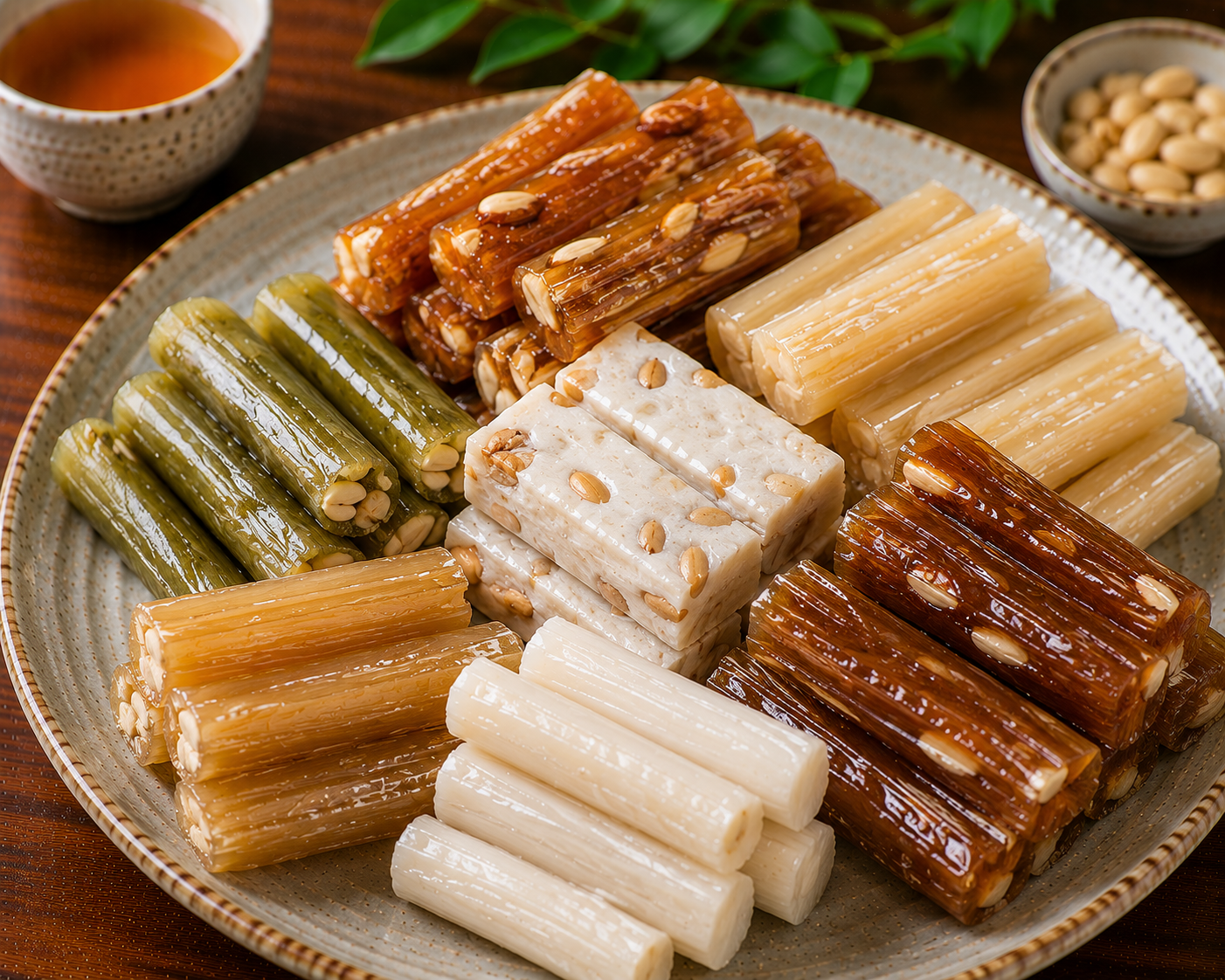
Yeot
엿 · yeot
A traditional Korean sweet snack made by fermenting rice, glutinous rice or corn with malt. It is characterized by its sticky and chewy texture and is commonly enjoyed during holidays or celebrations.
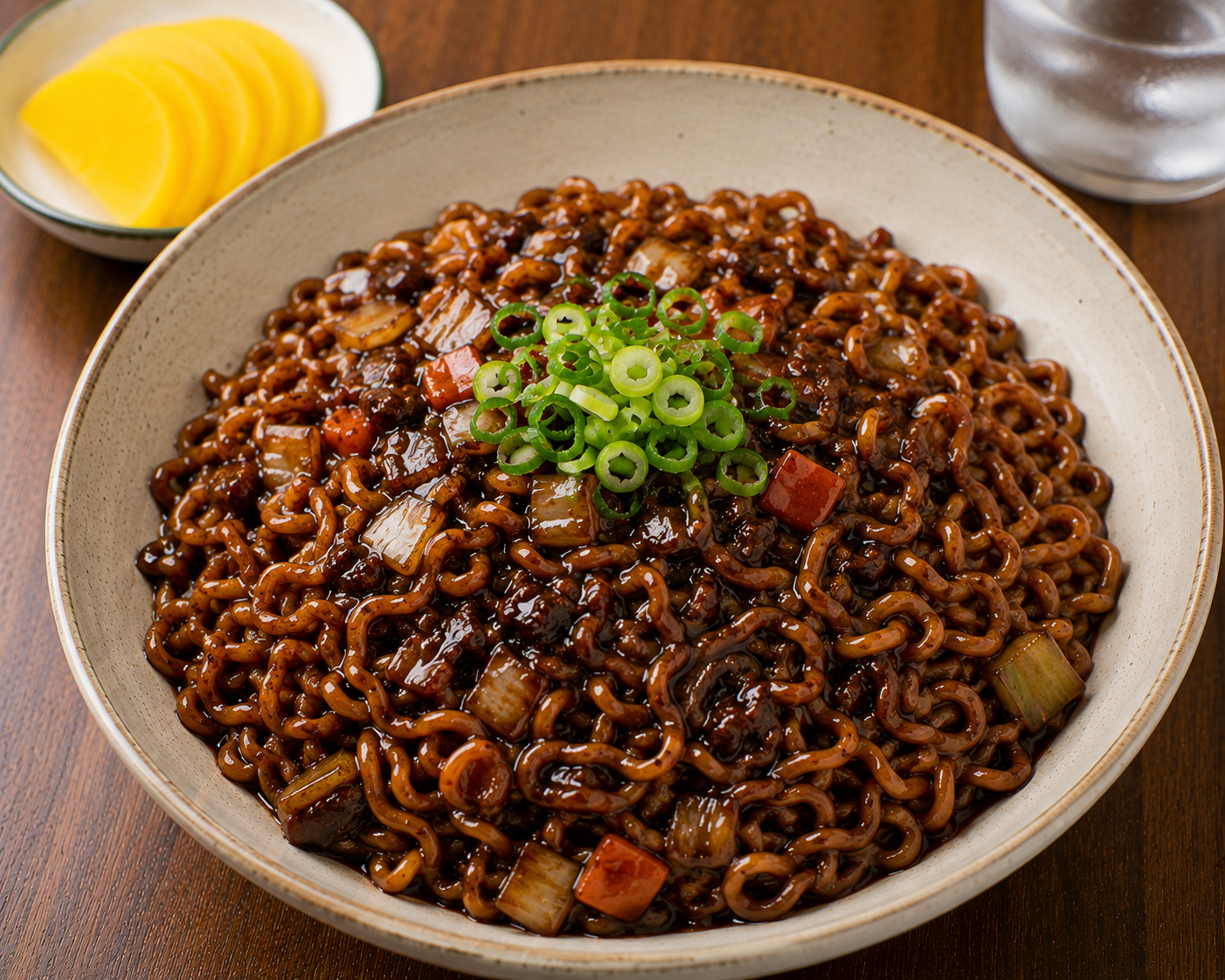
Jjapagetti
짜파게티 · jja-pa-ge-ti
A Korean instant stir-fried noodle product eaten tossed in jjajang (black bean) sauce; its name was coined by combining jjajangmyeon and spaghetti.
Goes well with
Ingredients
How it's made
- 1Boil water in a pot.
- 2Once the water is boiling, add the noodles and soup.
- 3Boil until the noodles are cooked.
- 4You can add eggs or green onions according to your preference.
Nutrition
* Estimated values per serving.
Allergens
Generally uses broth that contains meat ingredients, so it is not suitable for vegetarian and halal diets.
How to order
라면 주세요
Ra-myeon ju-se-yo
Please give me ramen
Customize your order
Traveler tips
How to eat it
Frequently asked questions
- Are Korean Ramen and Japanese ramen the same food?
- The names sound similar, but in Korea, Ramen usually means instant noodles sold in packets or cups. It is better understood as different from Japanese ramen served at restaurants with fresh noodles and broth simmered for a long time.
- Why do people add rice to the leftover broth after eating Ramen?
- Spicy broth goes well with rice. After eating the noodles, adding rice to the remaining broth makes the meal more filling, though many people do not drink all the broth because it is salty.
- Do you add the seasoning first, or the noodles first?
- No fixed rule applies; it comes down to personal preference. Some people feel the broth develops its flavor faster if the seasoning goes in first, while others add the noodles first to control how cooked they become.
Last reviewed: 2026-10-07