Cultural background
A type of instant noodles in Korea that allows you to enjoy the taste of Jajangmyeon conveniently.
Origin & history
Jjapagetti is a Korean instant noodle made so you can cook Jajangmyeon much like Ramen. The name combines “짜장” (jajang, black-bean sauce) and “스파게티” (seupageti, spaghetti), so rather than Italian pasta, it is closer to thick Ramen coated in jajang sauce.
In Korea, Jajangmyeon has become one of the classic delivery-food dishes. Jjapagetti offers a way to make that flavor at home in a single pot, so people tend to see it as a food somewhere between restaurant Jajangmyeon and instant Ramen.
Regional & modern variations
- Jjagyechi — A style of Jjapagetti with egg and cheese added. The cheese makes the jajang sauce smoother and saltier, and mixing in the yolk gives the sauce a richer texture.
- Jjapaguri-style — A style made by cooking Jjapagetti together with spicy seafood-flavored Ramen and mixing them. Compared with basic Jjapagetti, the sauce becomes spicier and saltier, and the texture of the thick noodles stands out more.
How Koreans eat it
Rather than a formal restaurant dish, Jjapagetti is a quick food cooked at home, in convenience stores, or at your lodging. You will spot it easily in supermarkets and convenience stores while traveling in Korea, and it is an easy thing to try when you are curious about Jajangmyeon but delivery or a restaurant visit feels like too much trouble.
Taste & how to choose
The black sauce can make it look intensely flavored, but the taste is usually not spicy and centers on sweetness and saltiness. Because it is not a soupy Ramen, leaving too much water makes it bland, while draining it too thoroughly makes the sauce thick and pasty. The ideal texture is when the sauce clings glossily to the noodles.
Similar dishes
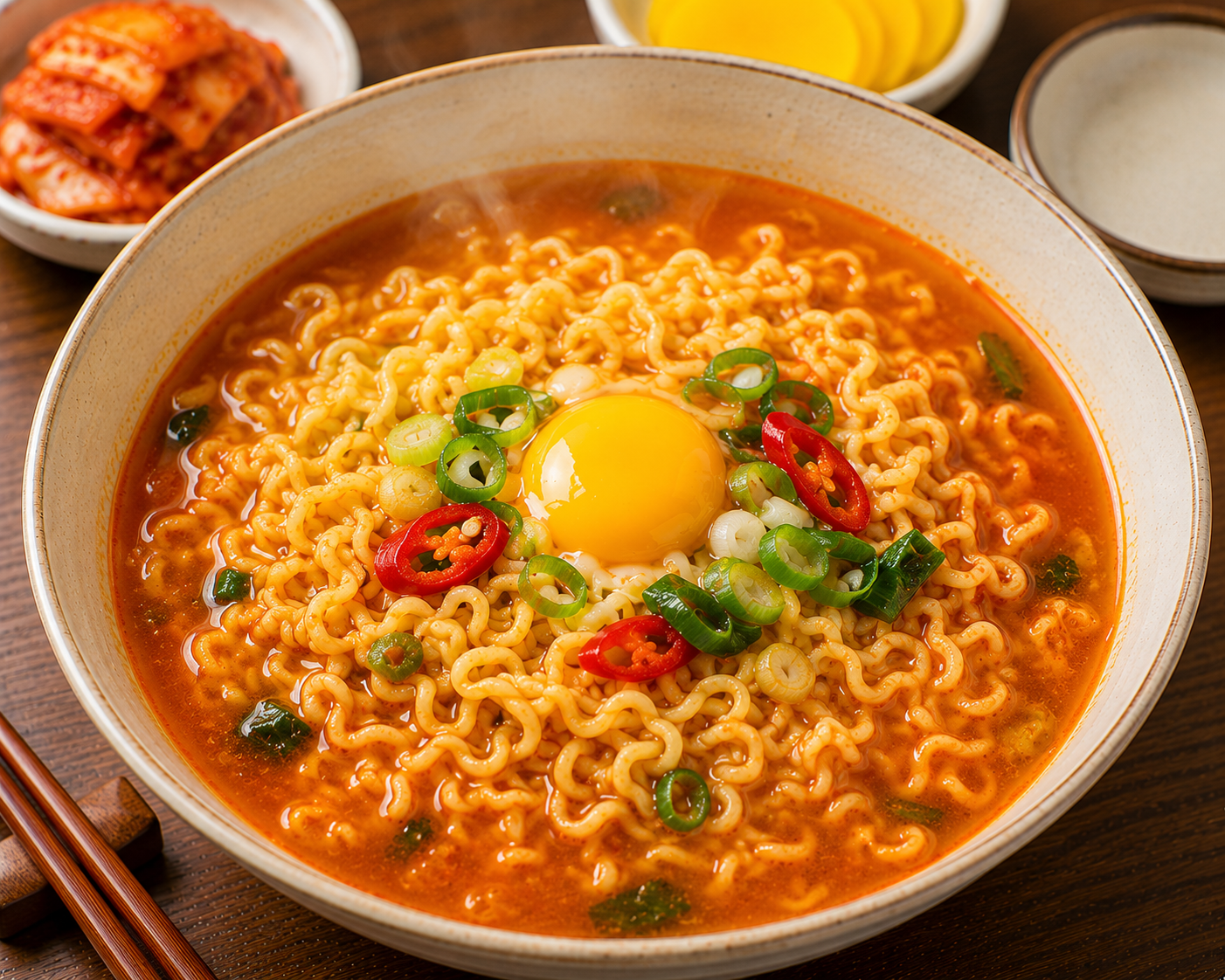
Ramyeon
라면 · ramyeon
A quick noodle dish made by boiling flour noodles in hot broth, characterized by a variety of flavorful soups.
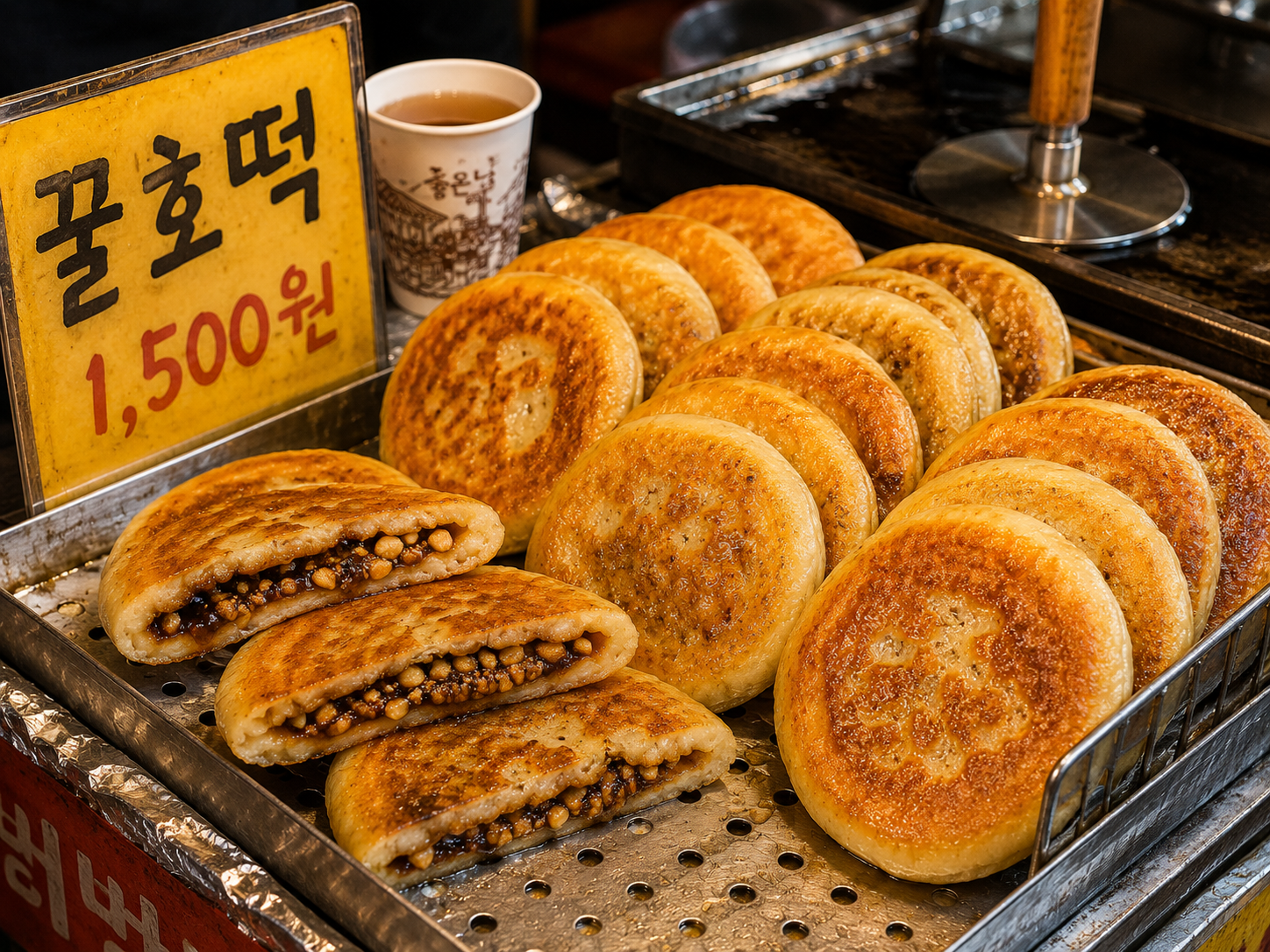
Hotteok
호떡 · ho-tteok
A warm street snack made by frying dough filled with brown sugar and nut syrup. It has a crispy exterior and a flowing brown sugar syrup interior, making it a representative winter treat that tastes even better when eaten warm right after it is freshly made.
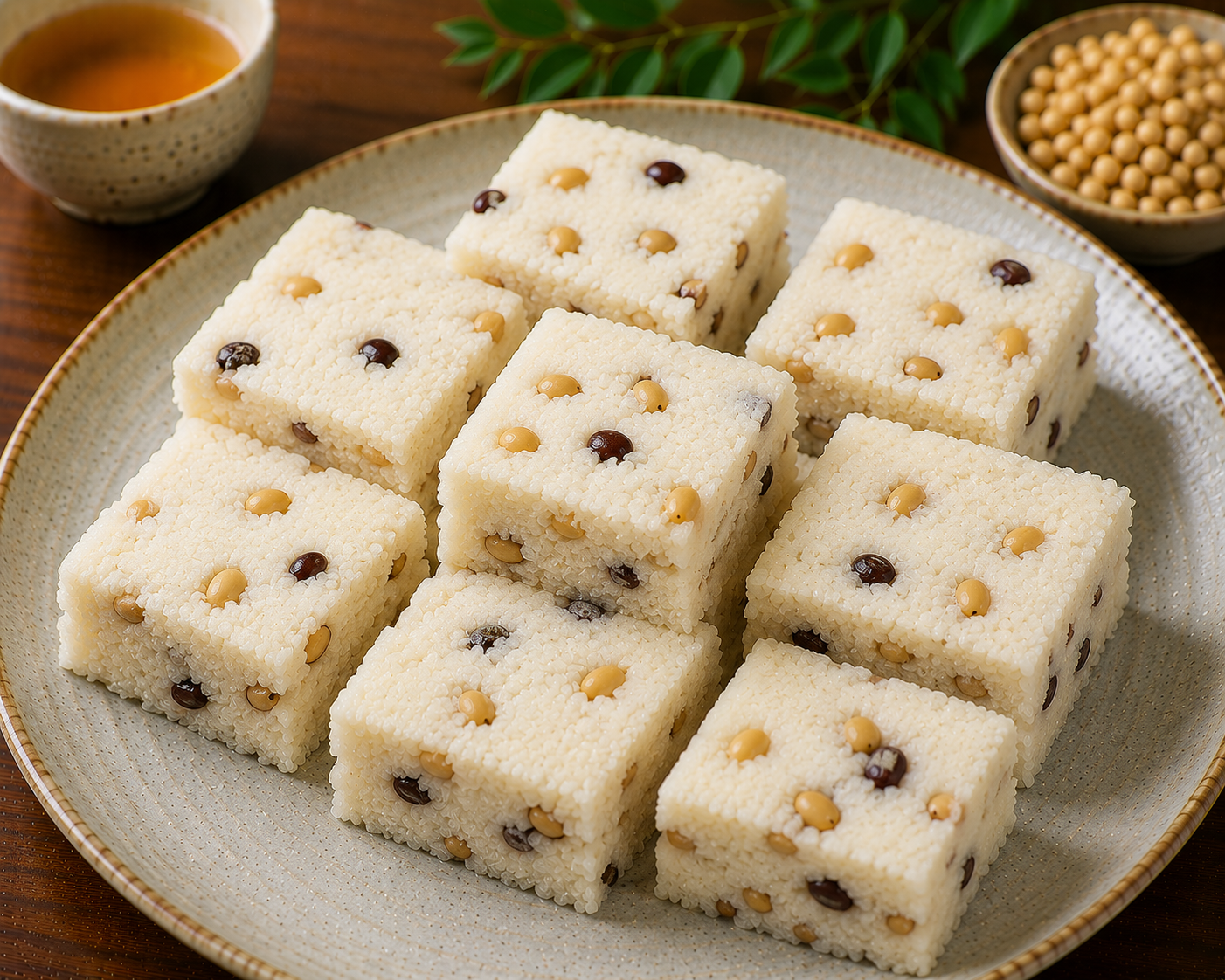
Kongseolgi
콩설기 · kong-seolgi
A steamed rice cake made by mixing rice flour with beans, characterized by its crumbly texture and mild taste. It is mainly enjoyed as a snack or dessert, and is sometimes eaten with tea.
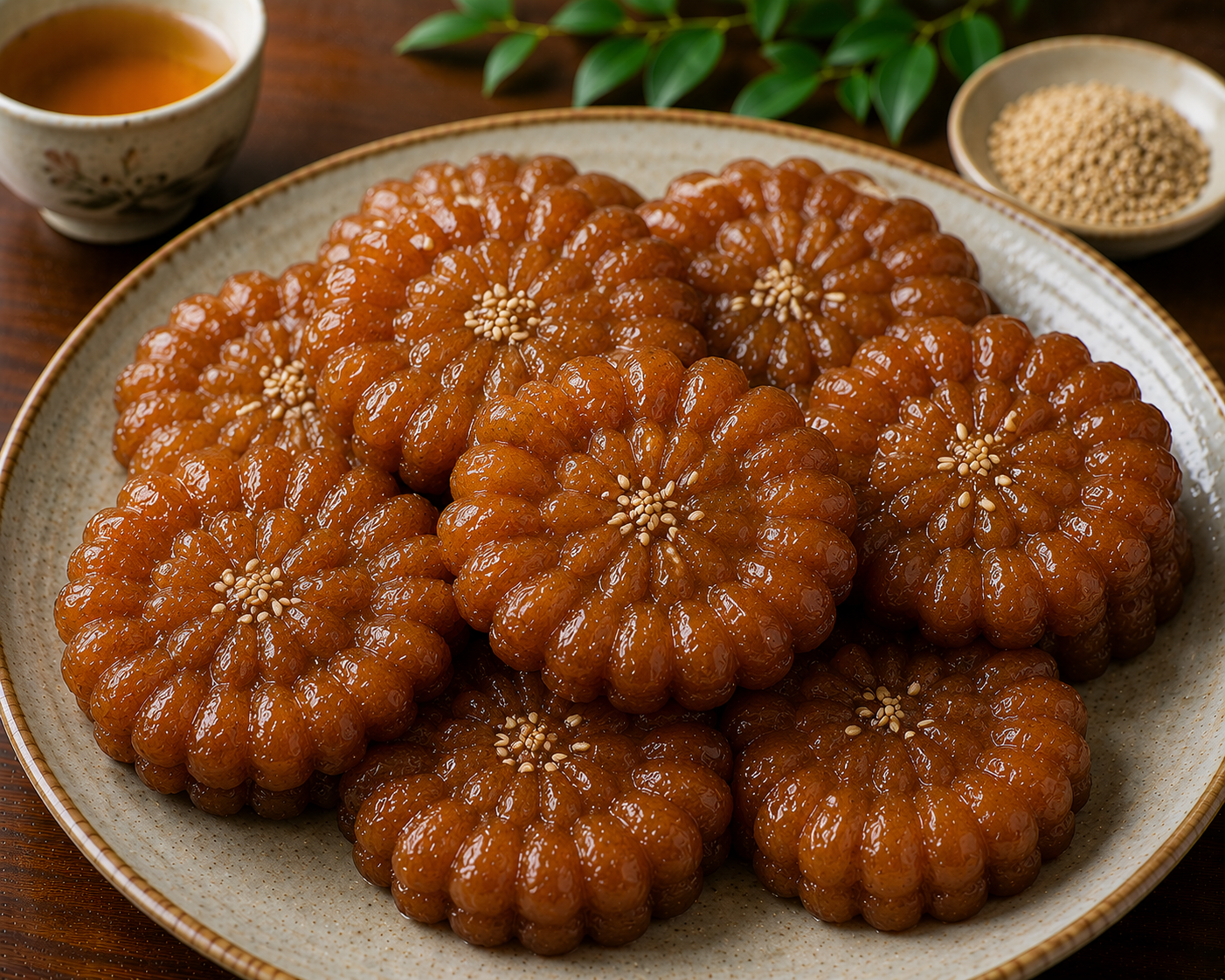
Yakgwa
약과 · yakgwa
A traditional snack made by kneading flour with honey and oil, then frying it to create a chewy and sweet treat. It is characterized by its sticky texture and sweet taste, often enjoyed during rituals or holidays as a snack.
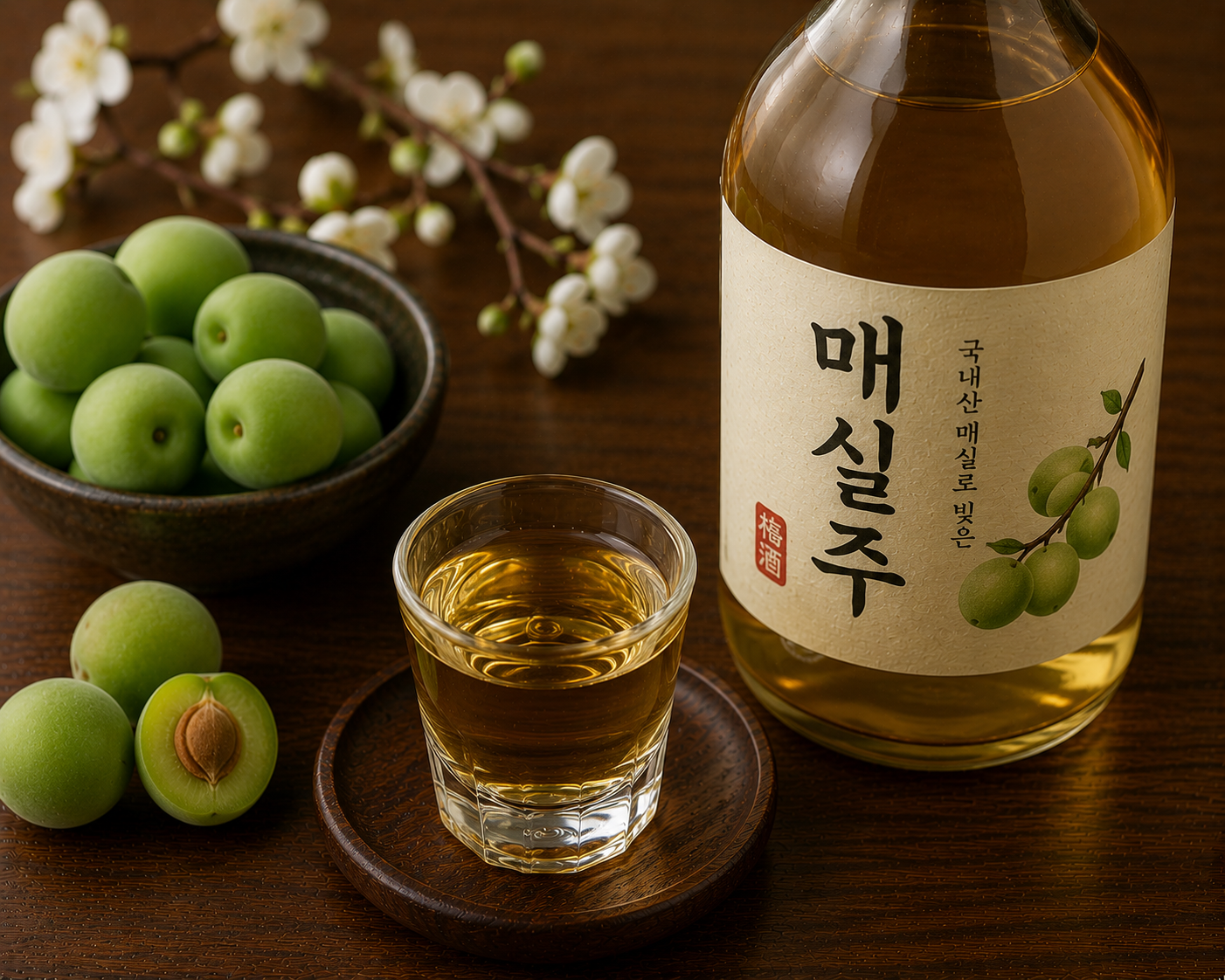
Plum Wine
매실주 · maesil-ju
A sweet and sour infused liquor made by steeping green plums with sugar in soju, characterized by its clear and refreshing taste. It is usually served chilled and pairs well with seafood or light snacks.
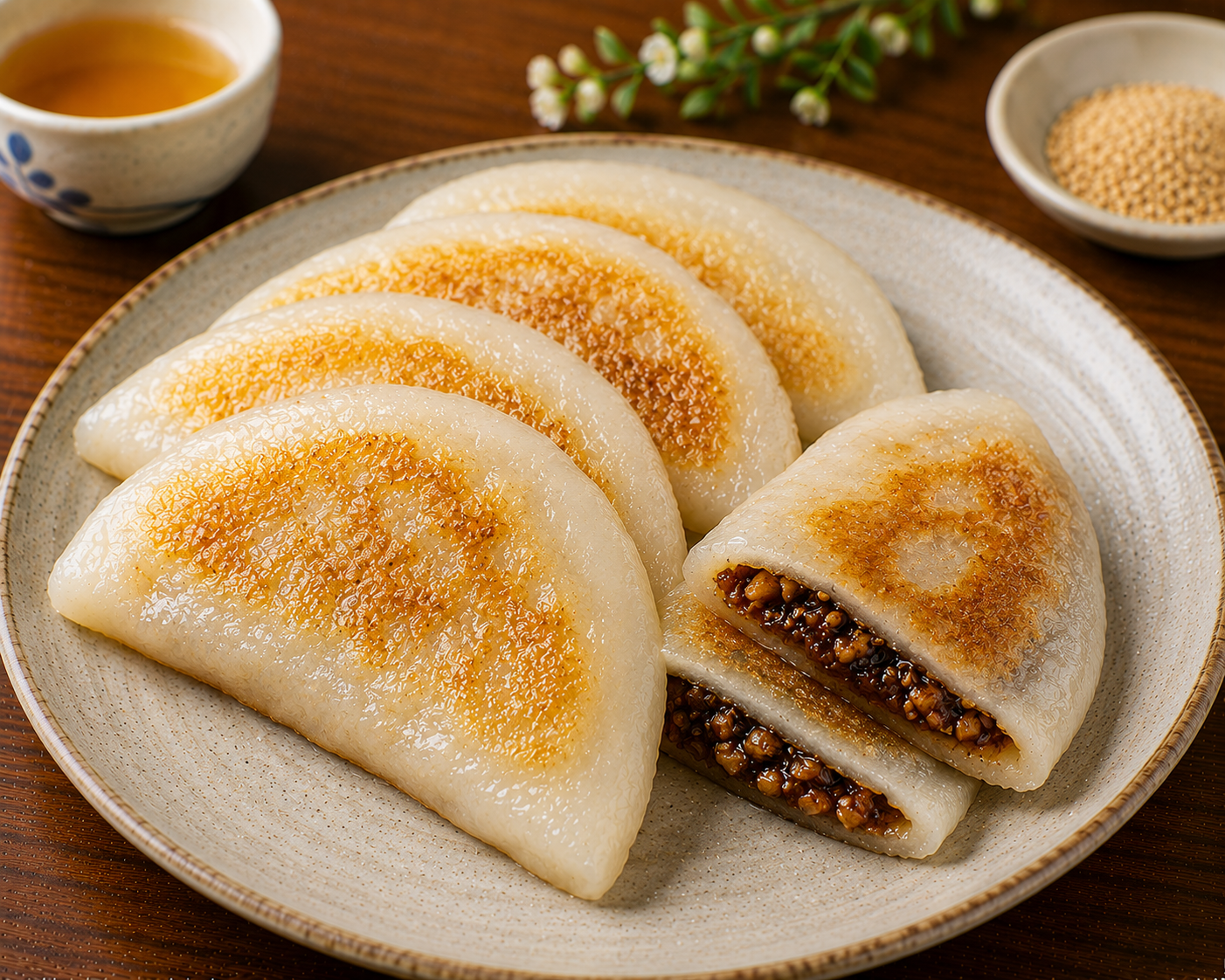
Bukkumi
부꾸미 · bukkumi
A traditional rice cake made by filling glutinous rice dough with red bean paste, shaped like a half-moon, and fried in oil.
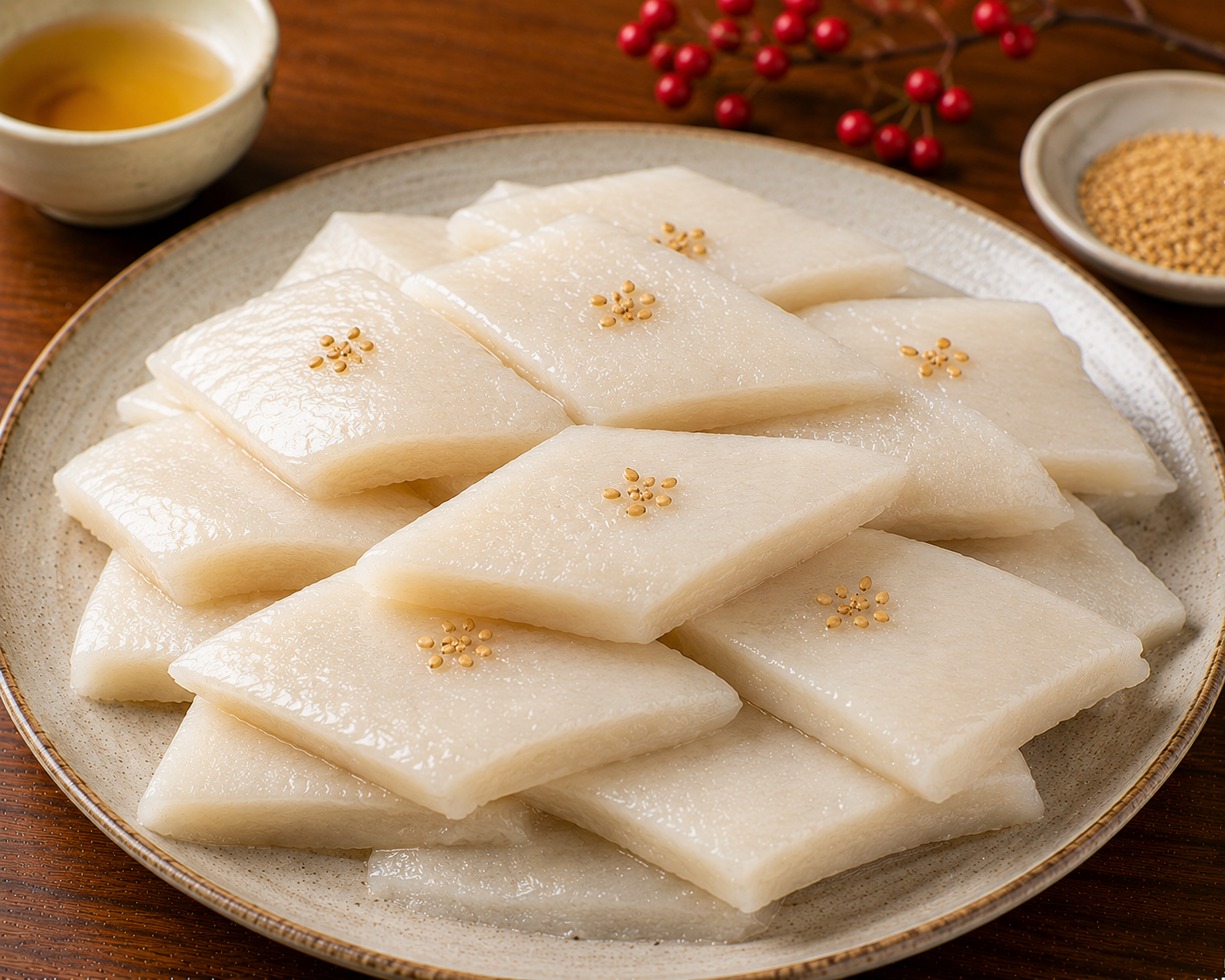
Jeolpyeon
절편 · jeolpyeon
A chewy rice cake made by steaming non-glutinous rice flour, pounding it until springy, rolling it out thin, and stamping it with patterns using a tteoksal (rice cake stamp). It is mainly used for holidays and celebrations.
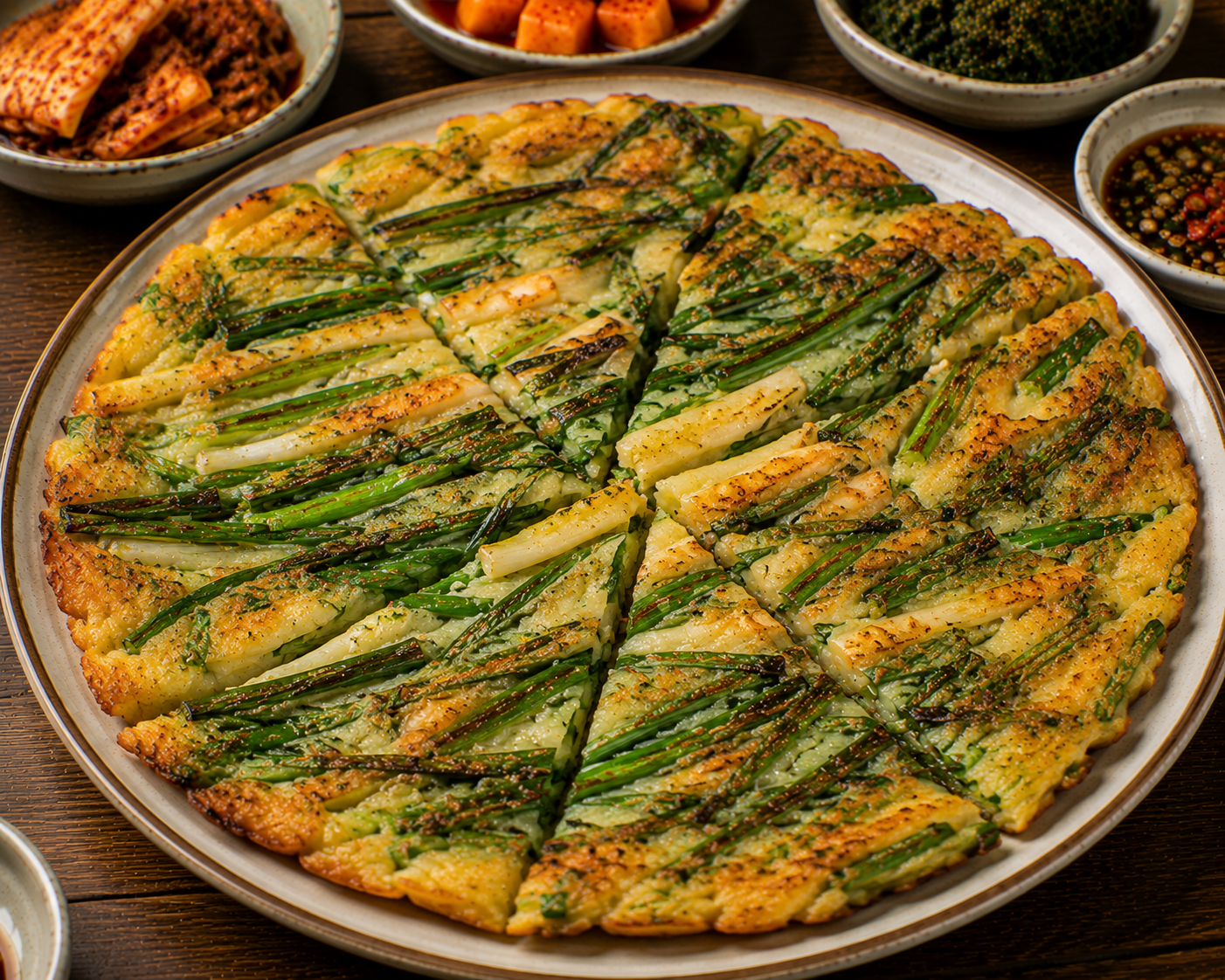
Pajeon
파전 · pa-jeon
A pancake made with plenty of chives, spread wide in a frying pan with a flour batter. The outside is golden and crispy while the inside is moist with a blend of chives. It is especially enjoyed as a side dish with Makgeolli on rainy days, cut and shared while dipped in vinegared soy sauce.
Goes well with
Ingredients
How it's made
- 1Add the noodles and the dried vegetable flakes to boiling water and cook them.
- 2Pour off the water, leaving only about 8 spoonfuls.
- 3Add the jjajang powder packet and olive oil and mix well.
- 4Once everything is evenly mixed, transfer it to a plate to finish.
Nutrition
* Estimated values per serving.
Allergens
Contains flour and animal-derived ingredients, not suitable for vegetarian and gluten-free diets.
How to order
짜파게티 주세요
Jja-pa-ge-ti ju-se-yo
Please give me Jjapagetti
Customize your order
Traveler tips
How to eat it
Frequently asked questions
- Does Jjapagetti taste the same as restaurant Jajangmyeon?
- The flavor points in a similar direction, but they are not the same. Restaurant Jajangmyeon often uses a sauce made by stir-frying chunjang, onions, meat, and other ingredients, while Jjapagetti has an instant-style flavor recreated simply with powdered or concentrated sauce.
- Why do you leave a little water instead of draining it all?
- The leftover water dissolves the powdered or liquid sauce and helps it coat the noodles evenly. With no water at all, the sauce clumps easily; with too much, it turns thin, more like jajang noodles in broth.
- Since the name includes spaghetti, is it pasta?
- Jjapagetti is better classified as Korean instant Ramen than as pasta. The “spaghetti” in the name mainly borrows the image of a Western noodle dish, while the flavor is centered on jajang sauce.
Last reviewed: 2026-10-07