Baekseolgi (Snow White Rice Cake)
A white rice cake made by steaming non-glutinous rice flour, characterized by its crumbly, soft, and mild taste. It is mainly used for special occasions such as birthdays or first-birthday celebrations, and is also enjoyed as a snack or dessert.
Cultural background
Baekseolgi is frequently used during special events such as dol ceremonies or birthdays and is also popular as a rice cake shared with neighbors during moving or opening a business.
Origin & history
Baekseolgi (Snow White Rice Cake) is easiest to understand as “하얀 설기떡 (hayan seolgitteok, ‘white seolgi rice cake’).” Seolgitteok is a rice cake made by placing rice flour in a single mass and steaming it. That gives it a different character from stretchy rice cakes such as Injeolmi or Chaltteok.
In Korea, white has long been regarded as the color of purity and a good beginning. For that reason, Baekseolgi (Snow White Rice Cake) often appeared on a baby’s baegilsang, the 100th-day celebration table, or dolsang, the first-birthday table. A widely told story says families shared it with neighbors as an expression of hope that the child would grow up safe and healthy.
Regional & modern variations
- Kongseolgi — A seolgitteok steamed with beans mixed into the Baekseolgi (Snow White Rice Cake) dough. The clean, mild rice flavor gains the nuttiness and bite of the beans.
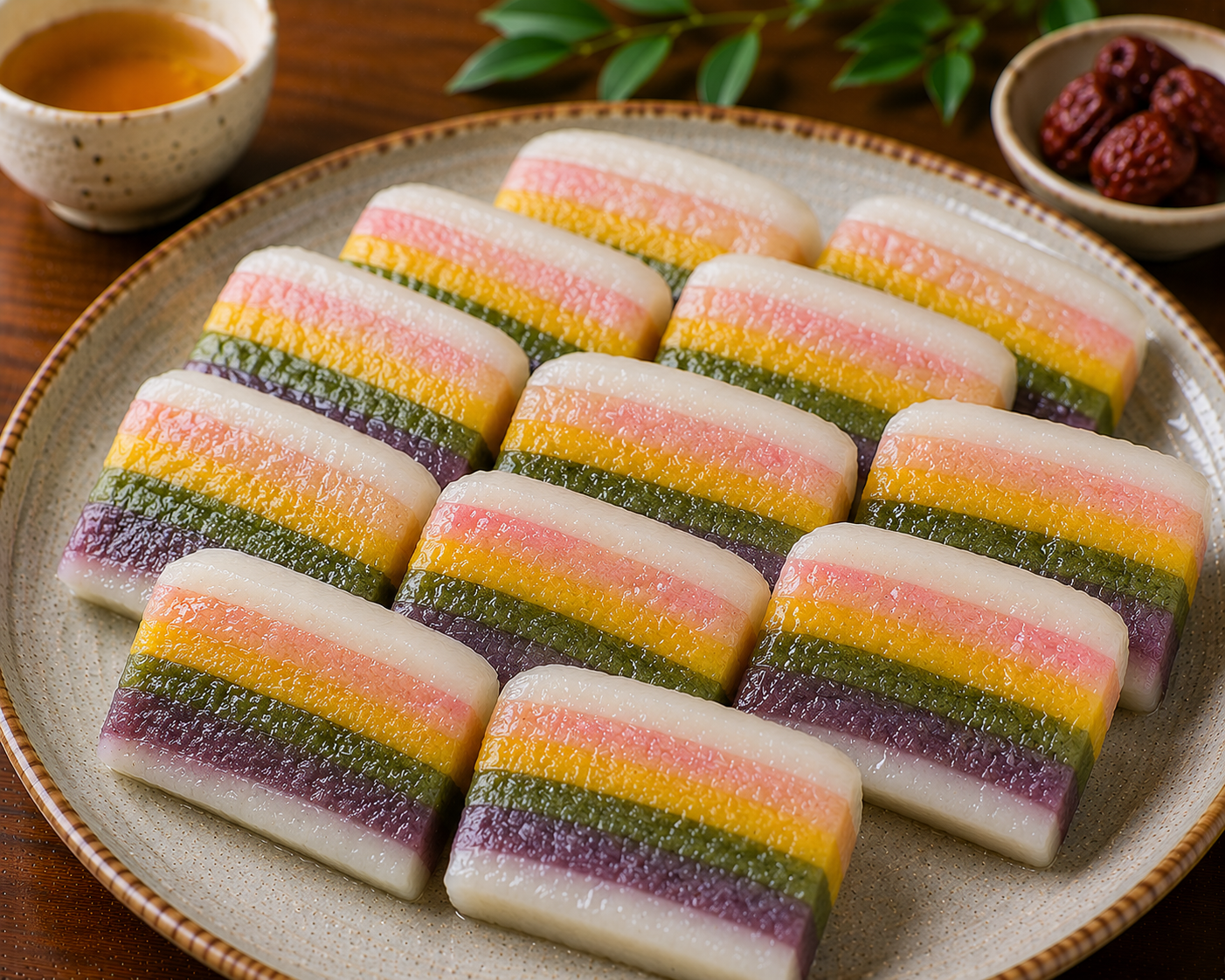
- Rainbow Rice Cake — A seolgitteok made by coloring rice flour and steaming it in multiple layers. It is well known as a rice cake placed on banquet tables for its attractive appearance.
- Kkulseolgi — A rice cake steamed with honey or a sweet filling inside the seolgitteok. Its sweetness is more pronounced than basic Baekseolgi (Snow White Rice Cake), making it easy to enjoy as a snack.
How Koreans eat it
With Baekseolgi (Snow White Rice Cake), the meaning lies less in ornate decoration than in the “하얗고 반듯한 덩어리 (hayako bandeutan deongeori, ‘white, neat block’)” itself. On a baegilsang or dolsang, it may sit at the center like a cake. Rice cakes received as gifts can be eaten right away; if there are too many, divide them into small portions, freeze them, and steam them again before eating.
Taste & how to choose
Good Baekseolgi (Snow White Rice Cake) should not be dry on the outside and should crumble softly when pressed by hand. Rather than stretching out like Chaltteok, it has the texture of moist rice flour gathered into a light, fluffy mass. First-time tasters may find it less sweet and plainer than expected.
Similar dishes
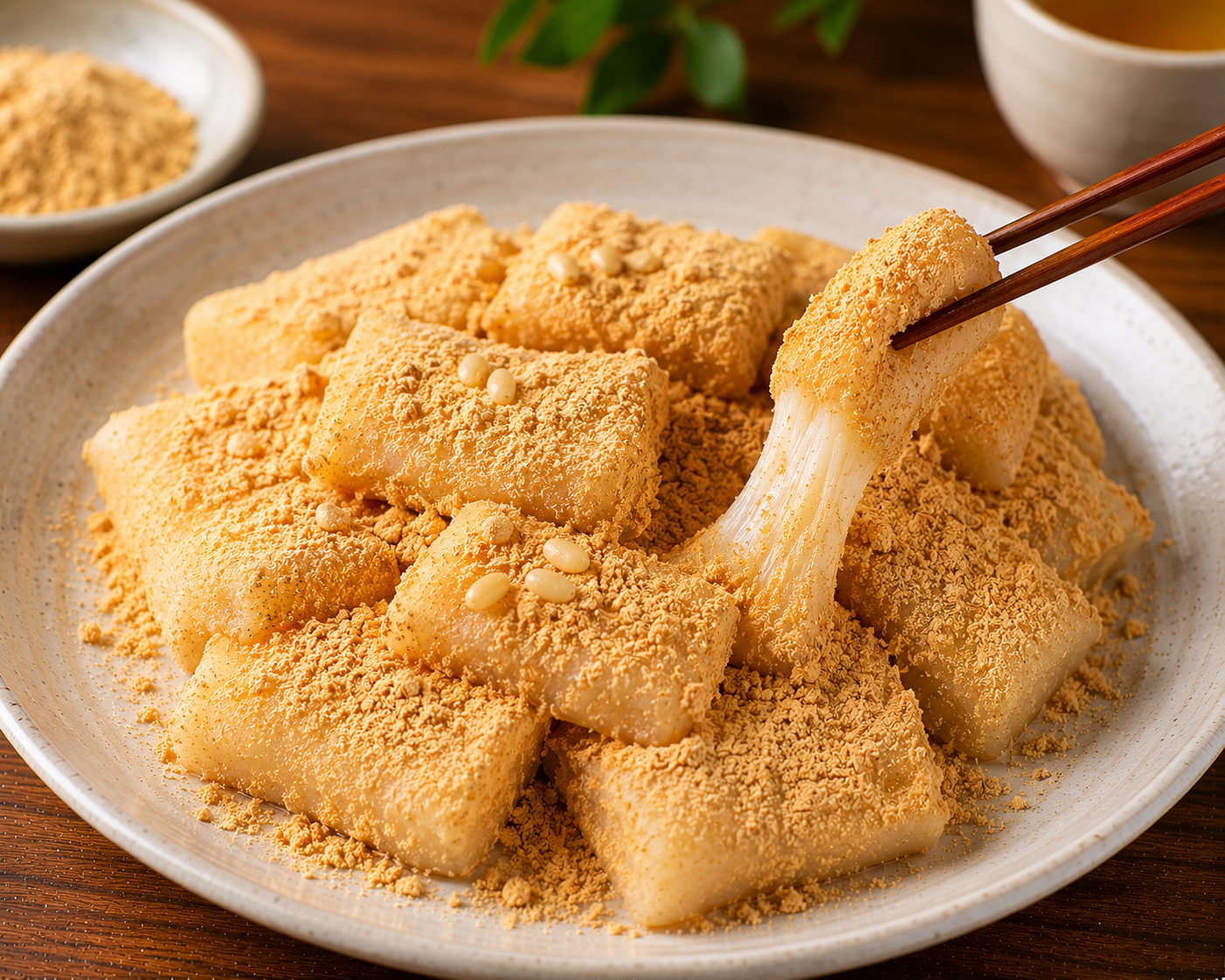
Injeolmi
인절미 · injeolmi
Sticky and nutty rice cake made from steamed glutinous rice coated with soybean powder.
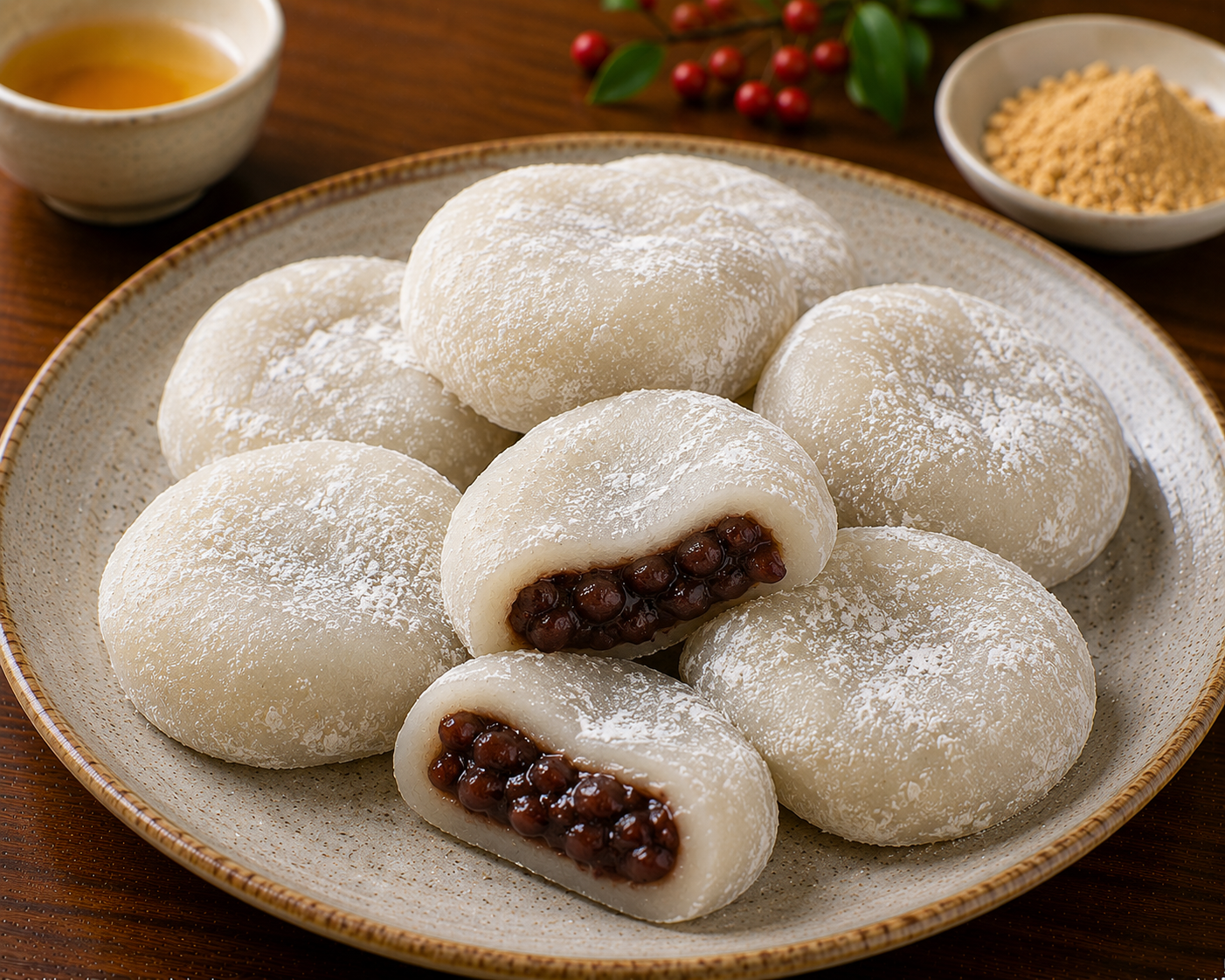
Chaltteok
찰떡 · chal-tteok
A chewy rice cake made by steaming glutinous rice and kneading it, then coating it with various powders. It is characterized by a sticky texture and subtle sweetness, making it great for snacks or desserts.
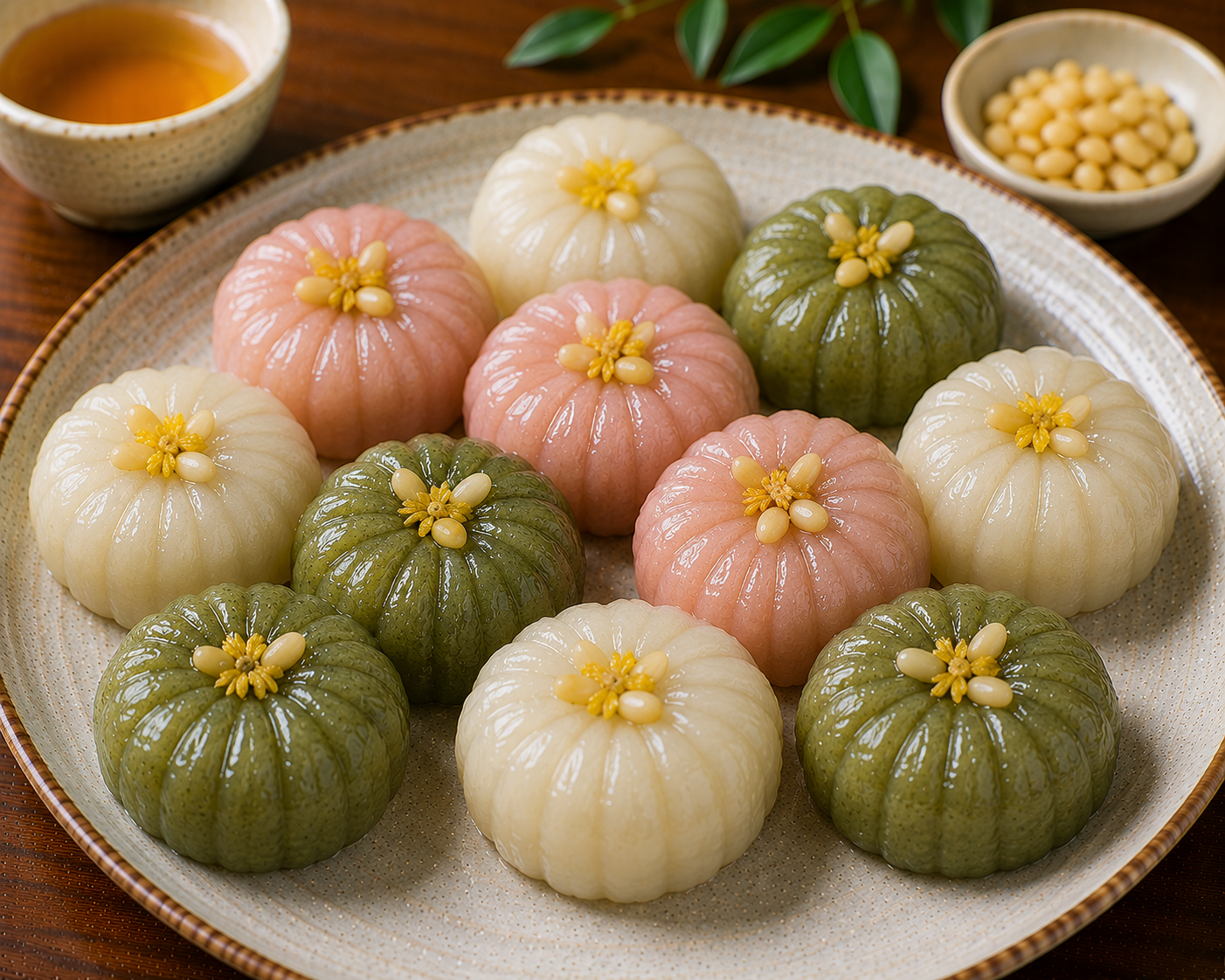
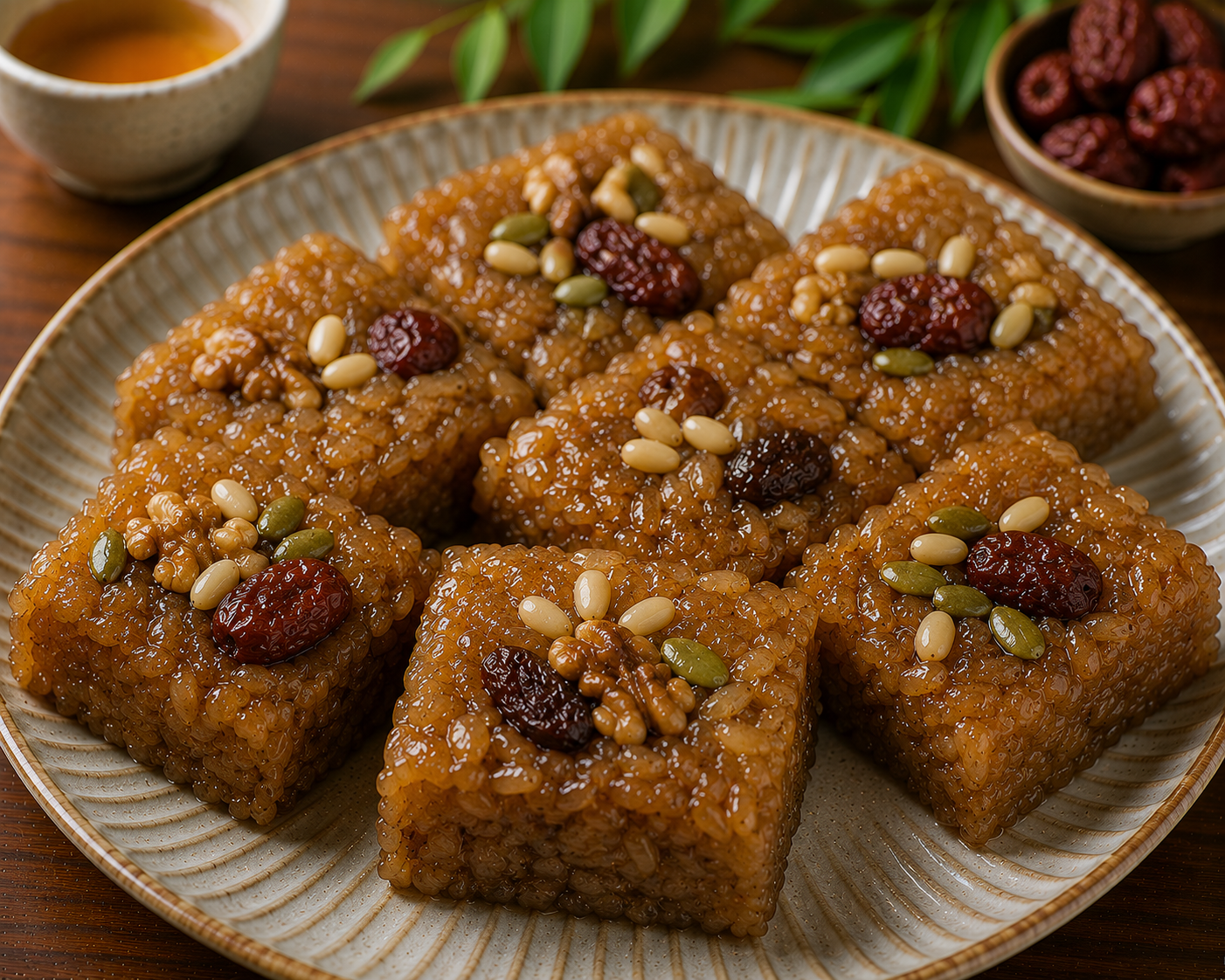
Danja
단자 · danja
A traditional rice cake made by kneading glutinous rice flour into round shapes and coating it with toppings, characterized by its chewy and sweet taste.
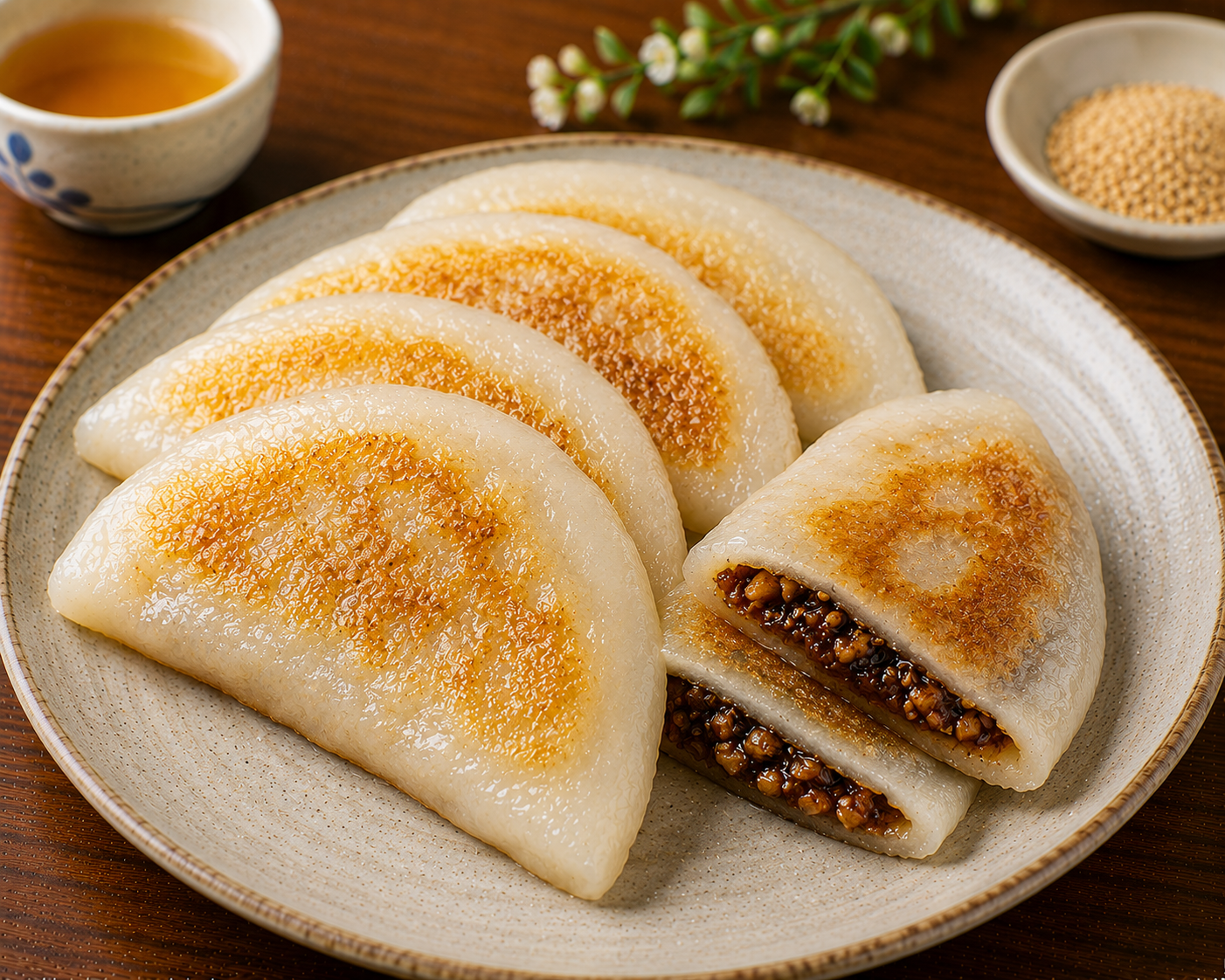
Bukkumi
부꾸미 · bukkumi
A traditional rice cake made by filling glutinous rice dough with red bean paste, shaped like a half-moon, and fried in oil.
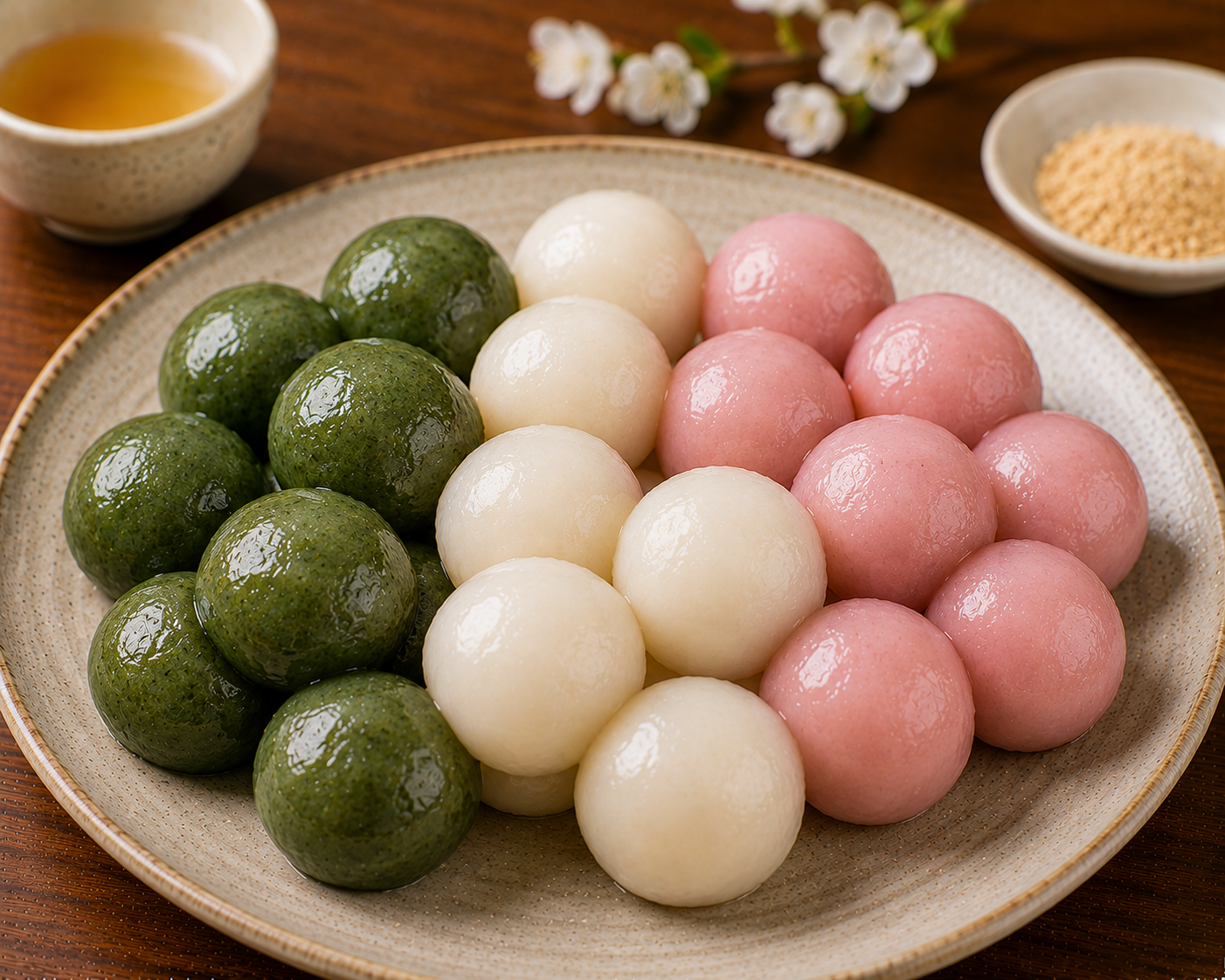
Gyeongdan
경단 · gyeongdan
A chewy and savory rice cake made by kneading glutinous rice flour into small balls, boiled, and then coated with soybean flour or red bean flour.
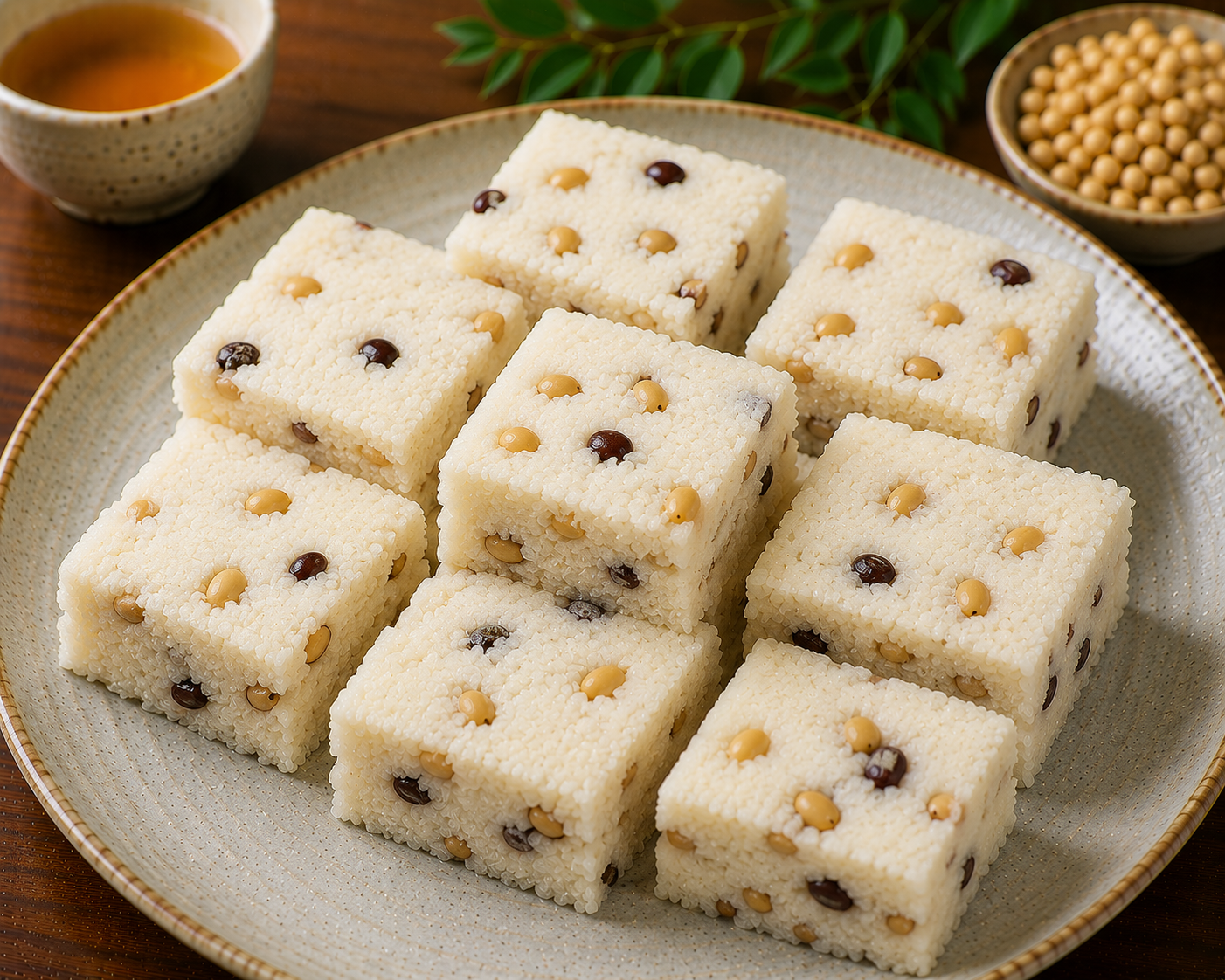
Kongseolgi
콩설기 · kong-seolgi
A steamed rice cake made by mixing rice flour with beans, characterized by its crumbly texture and mild taste. It is mainly enjoyed as a snack or dessert, and is sometimes eaten with tea.
Ingredients
How it's made
- 1Moisten the non-glutinous rice flour with water and sift it through a fine sieve.
- 2Spread the sifted non-glutinous rice flour evenly and place it in a steamer.
- 3Steam for about 30 minutes.
- 4Cool the finished baeksukgi and cut it.
Nutrition
* Estimated values per serving.
Allergens
No allergen data.
Made from gluten-free rice, it is suitable for most diets.
How to order
백설기 주세요
Baek-seol-gi ju-se-yo
Please give me baekseolgi
Traveler tips
How to eat it
Frequently asked questions
- Why does Baekseolgi (Snow White Rice Cake) have to be white?
- White was regarded as a symbol of purity and new beginnings. That is why white Baekseolgi (Snow White Rice Cake) is often placed at occasions such as a baby’s 100th day or first birthday, where people wish for the child’s well-being.
- Is there nothing inside Baekseolgi (Snow White Rice Cake)?
- Basic Baekseolgi (Snow White Rice Cake) is a simple rice cake steamed with non-glutinous rice flour only. At tteok shops, however, sugar may be added for sweetness, and seolgi varieties with beans, chestnuts, or honey are often sold alongside it.
- Why does Baekseolgi (Snow White Rice Cake) harden so quickly?
- Because Baekseolgi (Snow White Rice Cake) is made by steaming non-glutinous rice flour, moisture leaves it over time and the starch firms up. Leftovers keep better frozen than refrigerated, and steaming them again before eating restores much of the texture.
Last reviewed: 2026-10-07