Chadolbagi
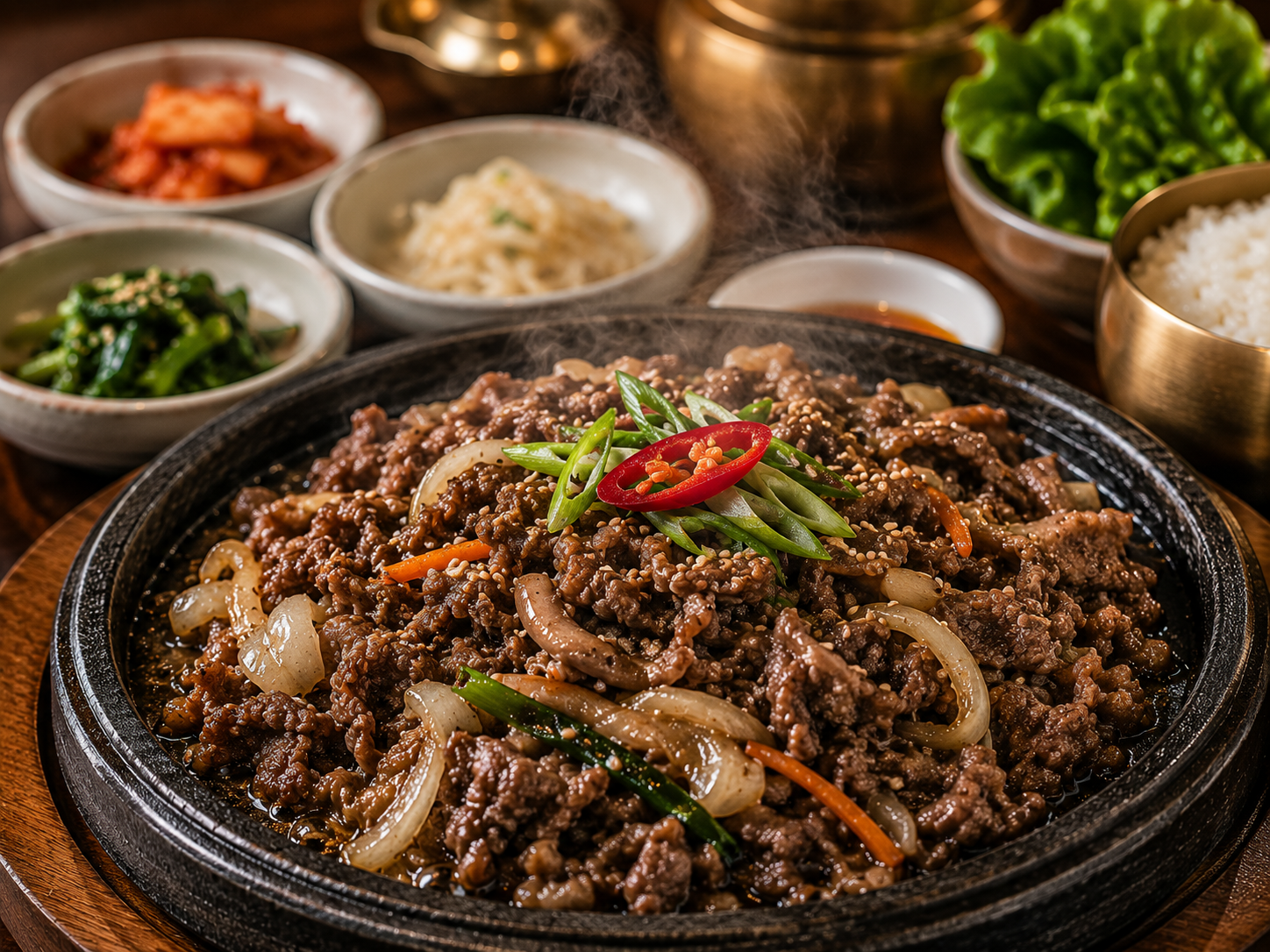
A dish made by grilling thinly sliced brisket, which provides a rich and chewy texture due to the fatty marbling. It is typically grilled directly at the table and enjoyed at the moment it reaches the perfect doneness, usually wrapped in lettuce or perilla leaves with ssamjang.
Cultural background
Chadolbagi is a dish often enjoyed in the evening with family or friends, providing an opportunity to bond over the grilling process.
Origin & history
The name Chadolbagi is widely said to come from the white, firm-looking fat embedded in the meat, which resembles a stone called chadol. In this cut, the grain of the fat is indeed distinct, and the white streaks stand out clearly when the meat is sliced thin.
In the past, this brisket-family cut could seem tough, but as the practice of slicing it extremely thin and grilling it quickly took hold, it became popular as a Korean-style grilled beef dish. Compared with a thick-cut steak, Chadolbagi is much more about cooking it briefly and eating it right away.
Regional & modern variations
- Chadolbagi Doenjang Jjigae — Doenjang Jjigae simmered with Chadolbagi. The fat from the Chadolbagi spreads through the broth, making it richer and more savory than regular Doenjang Jjigae.
- Chadolbagi Bean Sprout Stir-fry — A dish made by quickly stir-frying thin Chadolbagi and Bean Sprouts Salad over high heat. The contrast between the fatty meat and the crisp bean sprouts defines the dish.
- Chadol Samhap — A way of grilling Chadolbagi together with ingredients such as scallops and mushrooms, then eating them in one bite. The accompaniments vary somewhat by region and restaurant.
How Koreans eat it
Chadolbagi cooks so quickly that the pace at the table moves fast. Rather than leaving it on the grill for long, adding a little at a time and picking it up as soon as it is ready works best. Because it releases a lot of fat, many restaurants finish the meal with Doenjang Jjigae or Fried Rice after diners have eaten a fair amount of the meat.
Taste & how to choose
First-timers may be surprised that the meat cooks in just a few seconds. The best moment to eat it is when only the edges have turned lightly brown and the fat has become translucent. Grill it too long, and the thin lean meat dries out while the flavor of the fat becomes dominant. Good Chadolbagi has white fat and red lean meat evenly interlaced, without either one gathering too heavily on one side.
Similar dishes
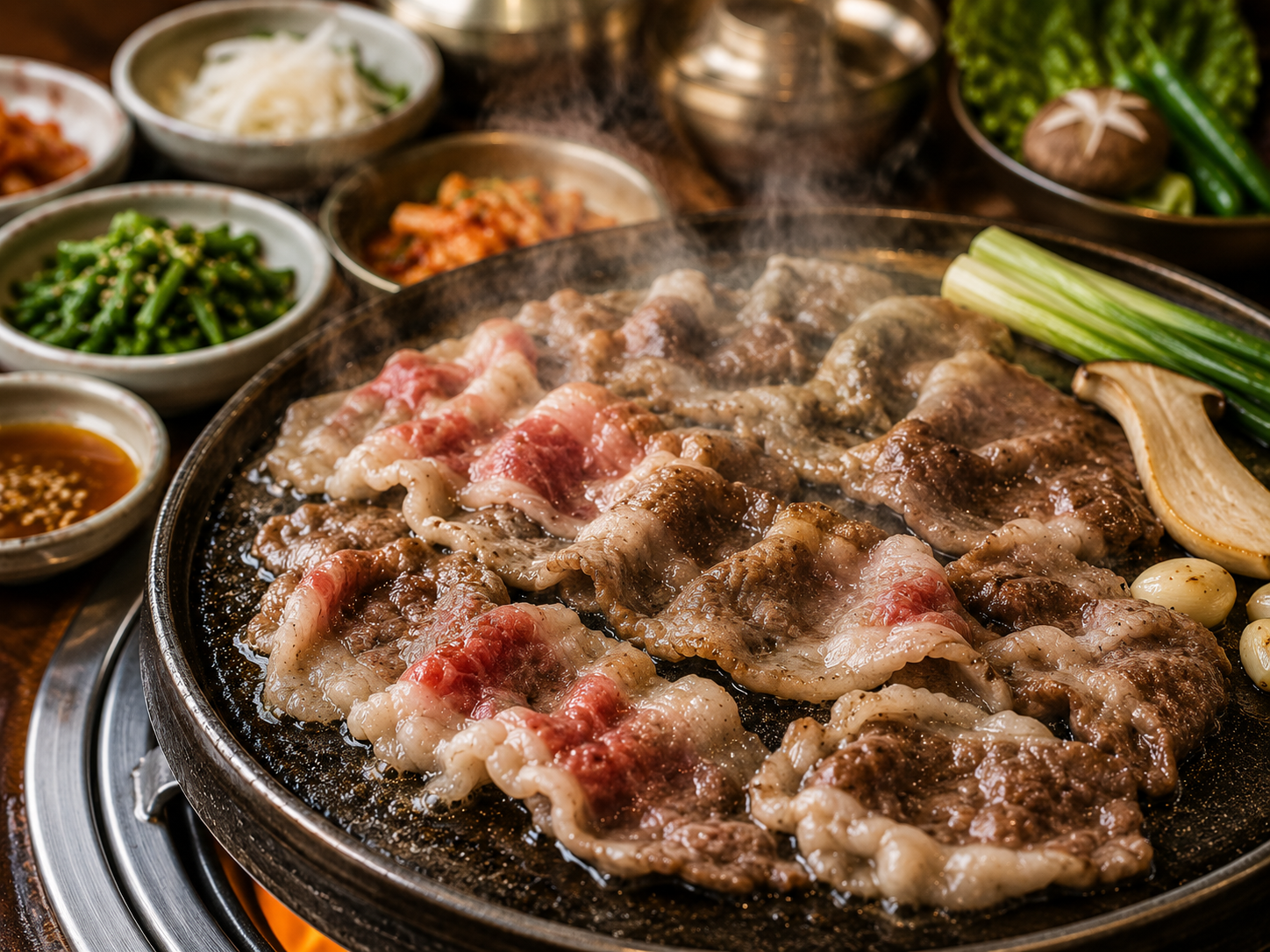
Chadolbaki Grilled Beef
차돌박이구이 · chadol-bagi-gui
A dish made by thinly slicing the brisket of beef and grilling it, characterized by its rich fat content and chewy texture. Typically grilled directly at the table and wrapped in greens.
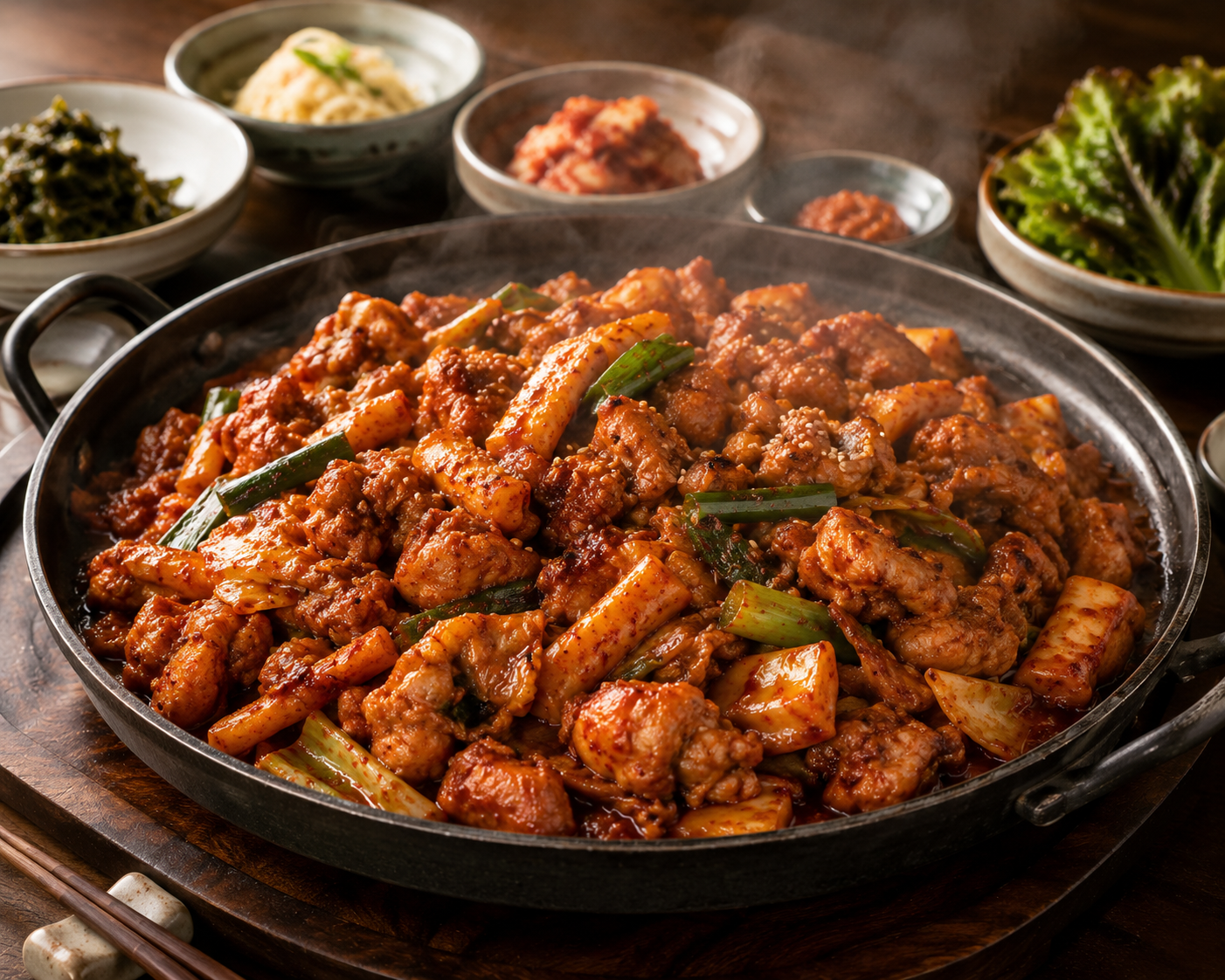
Dak-galbi
닭갈비 · dak-galbi
A spicy grilled dish made by marinating chicken in gochujang and stir-frying it on a hot plate. It is usually stir-fried with cabbage, sweet potato, and rice cakes for a rich flavor.
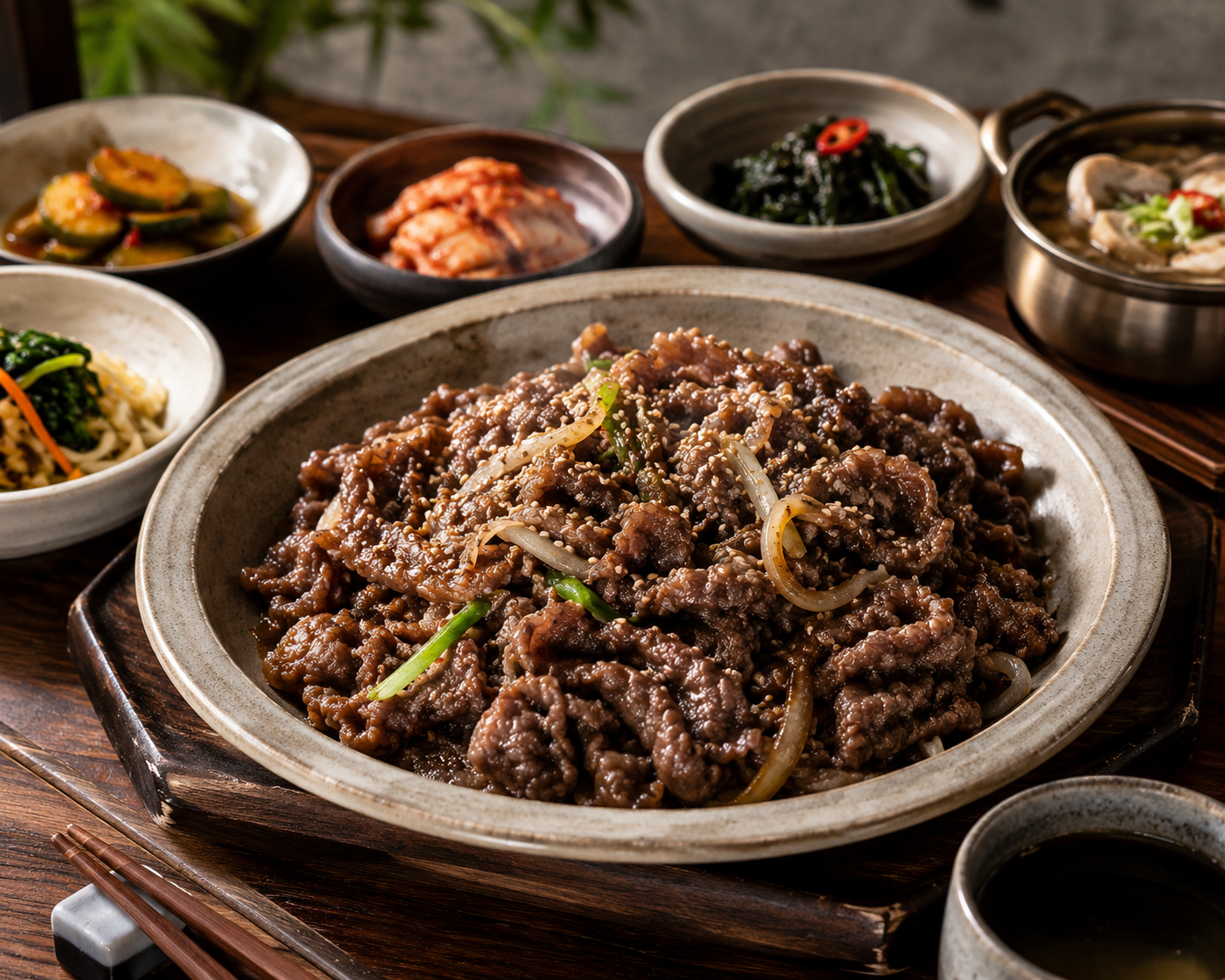
Bulgogi
불고기 · bulgogi
A traditional Korean dish made by seasoning thinly sliced beef with soy sauce, sugar, garlic, and more, then grilling it on a metal plate. It is characterized by a sweet and savory flavor and is usually eaten wrapped in leafy vegetables.
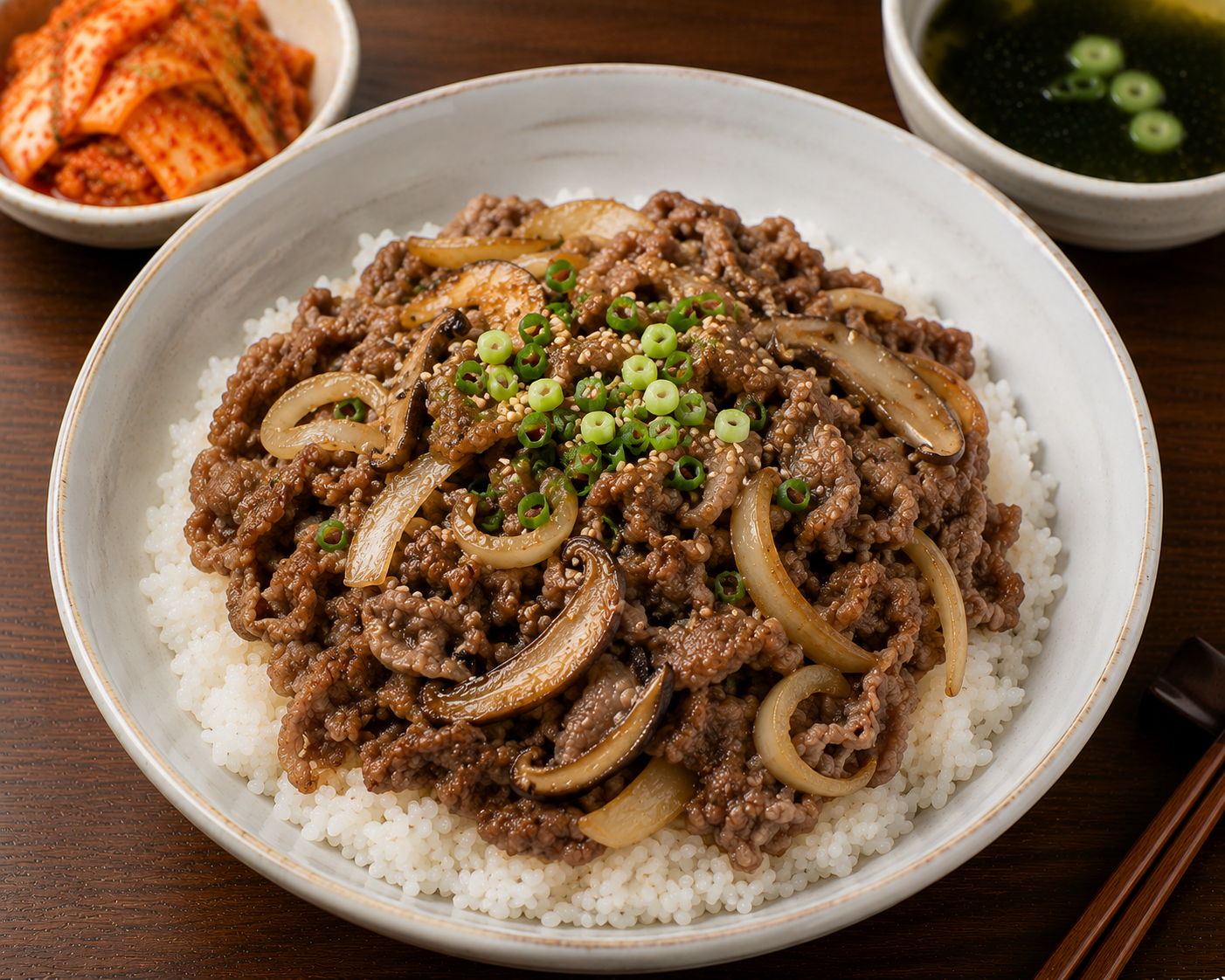
Bulgogi Rice Bowl
불고기덮밥 · bulgogi-deopbap
A Korean-style rice bowl dish topped with stir-fried marinated thinly sliced beef in soy sauce.
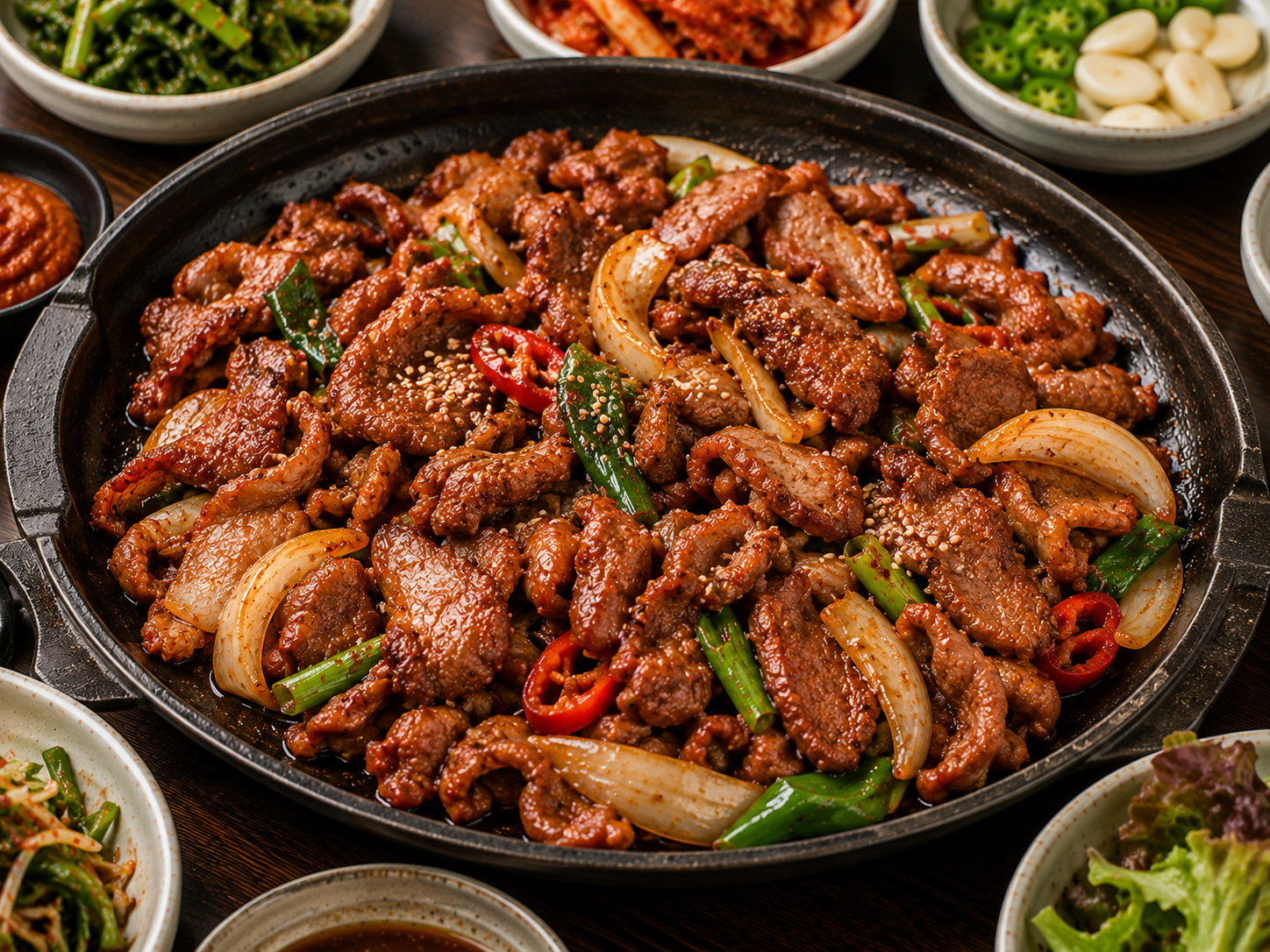
Duck Bulgogi
오리불고기 · ori-bulgogi
A dish where duck meat is marinated in soy sauce and various seasonings, then grilled on a hot plate, resulting in tender, juicy meat.
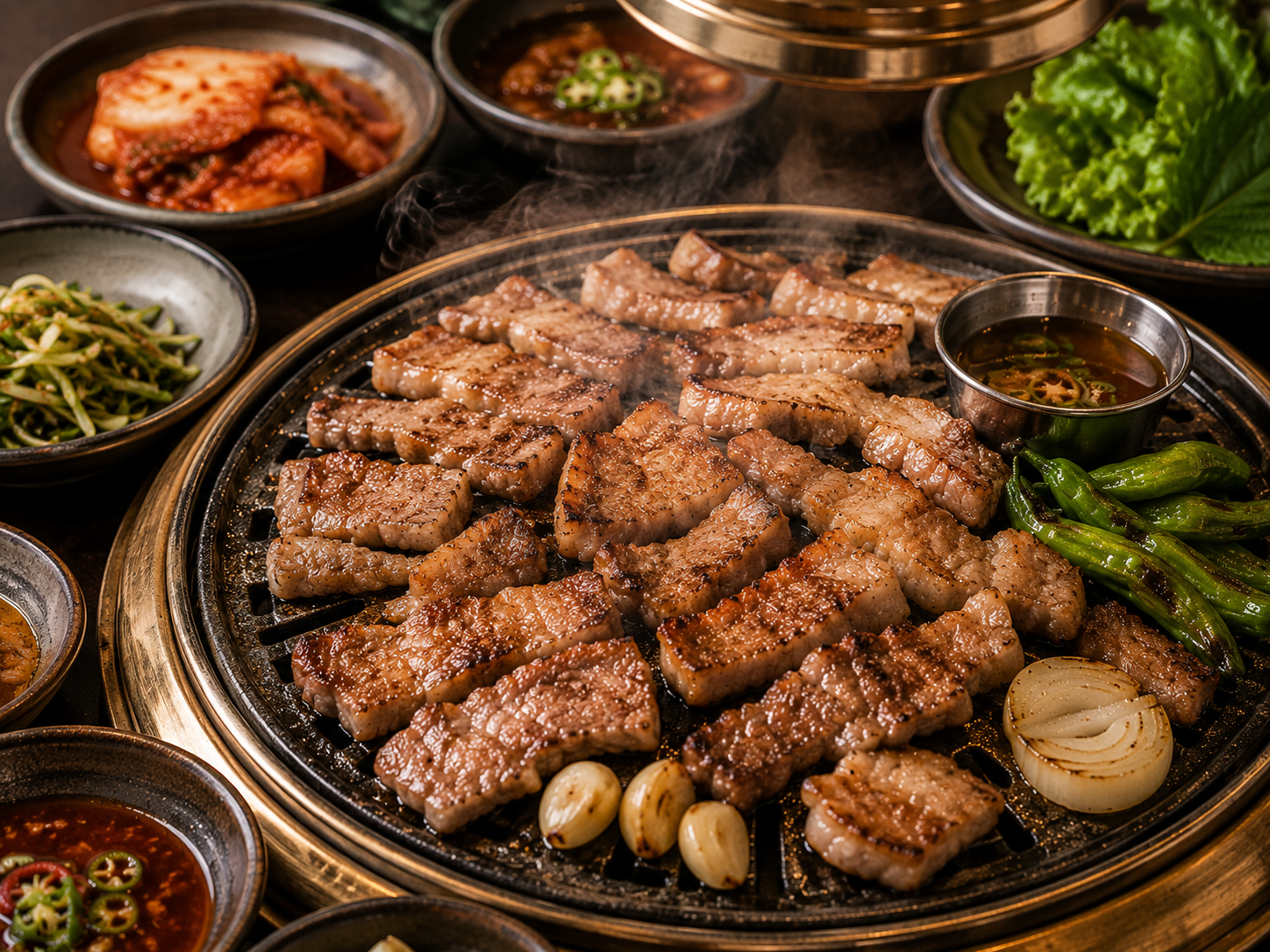
Pork Neck Grilling
목살구이 · moksal-gui
A dish where pork neck is marinated in salt or soy sauce and grilled on a hot plate, characterized by a light and chewy texture. It is usually grilled directly at the table and eaten wrapped in lettuce or perilla leaves with ssamjang.
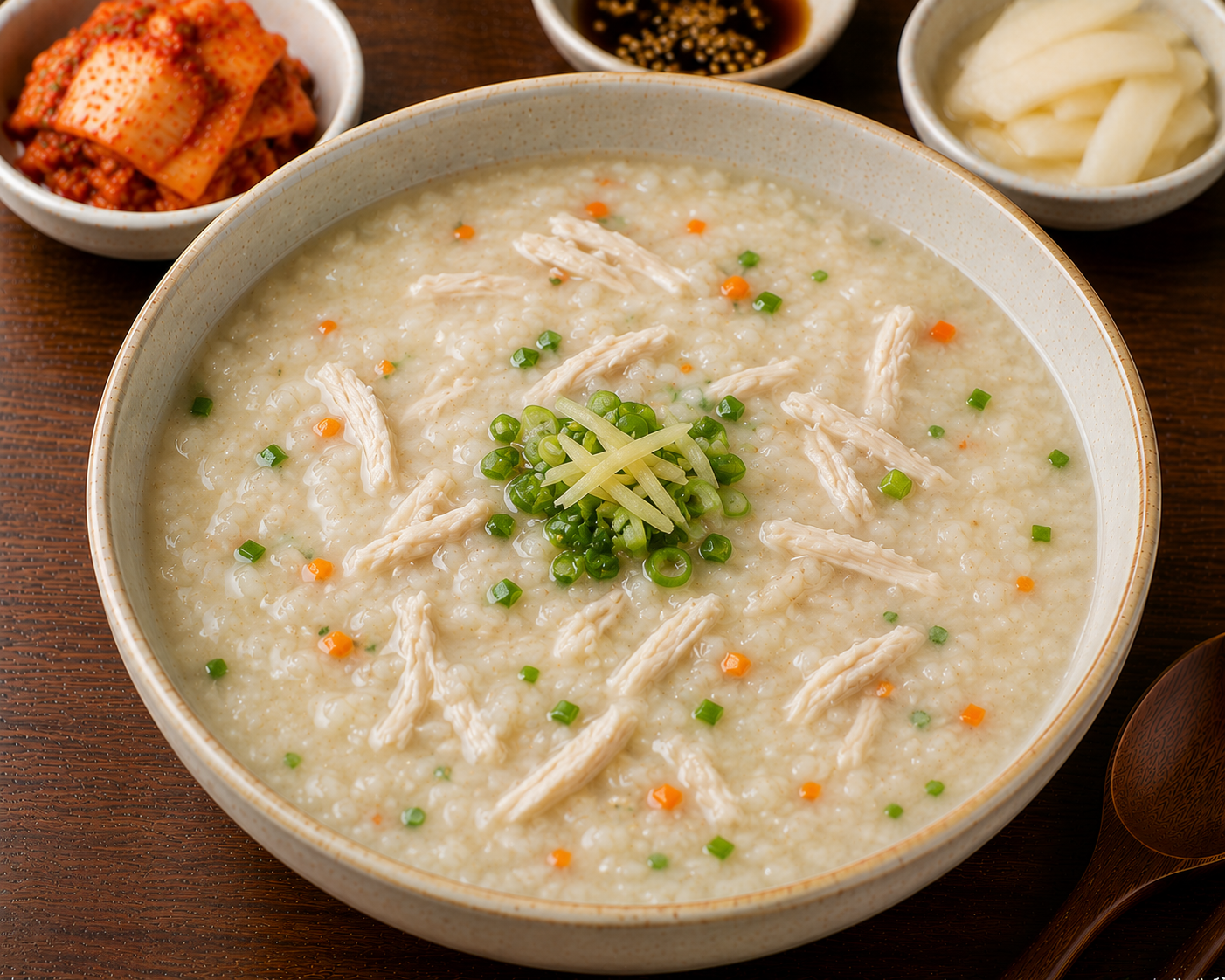
Goes well with
Ingredients
How it's made
- 1Prepare the chadolbagi by slicing it thinly.
- 2Heat the grill and place the chadolbagi on it to grill.
- 3Once the meat is cooked, dip it lightly in salt before eating.
- 4Wrap it in the ssam vegetables and enjoy with ssamjang.
Nutrition
* Estimated values per serving.
Allergens
Not suitable for vegetarians as it contains beef.
How to order
차돌박이 주세요
Cha-dol-bak-i ju-se-yo
Please give me chadolbagi
Customize your order
Traveler tips
How to eat it
Frequently asked questions
- Why does Chadolbagi have a stone-related name?
- The name is known to come from the way the white fat inside the meat looks like hard chadol stone. When sliced thin, the white grain of the fat becomes especially pronounced.
- How long should I grill it?
- Because the slices are very thin, they should not be grilled for long. Usually, once the color changes from red to brown and the fat melts slightly, the meat is ready to eat.
- If it comes out rolled like frozen meat, does that mean the quality is low?
- Not necessarily. Chadolbagi has the best texture when sliced thin, so it is often sliced or rolled while chilled firm.
Last reviewed: 2026-10-07