
Cultural background
Gajeongshik Baekban is often enjoyed as a daily meal, typically shared among family members. The types of side dishes and cooking methods can vary from household to household.
Origin & history
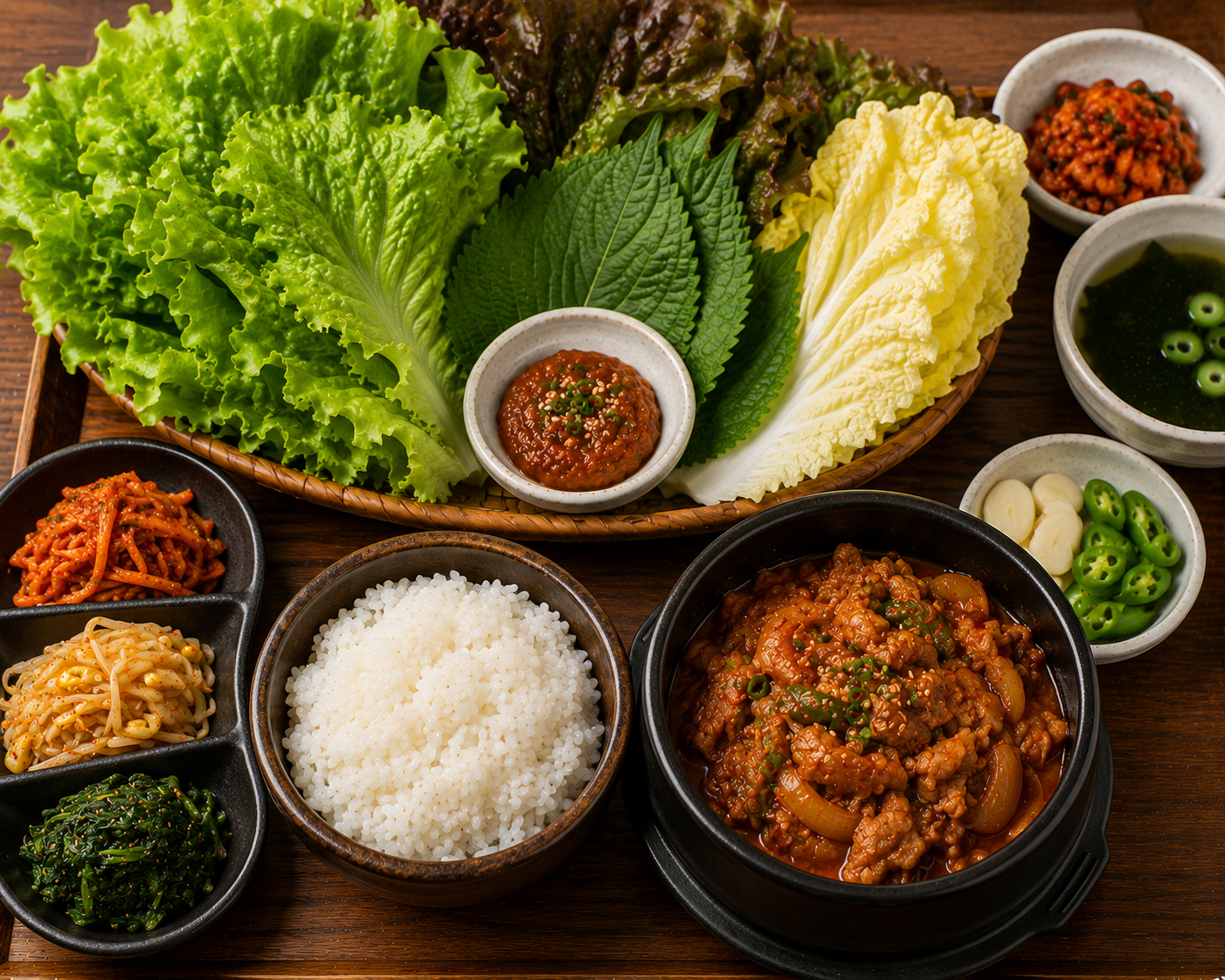
Baekban (백반) originally means white rice, but in restaurants it refers to a meal setting with rice, soup, and side dishes. When the word “가정식” (gajeongsik, “home-style”) is added, the emphasis shifts away from formal food like royal cuisine or banquet dishes and toward the everyday side dishes people eat at home.
You commonly find this style in business districts, markets, and neighborhood restaurants in cities. Instead of one fixed signature dish, the meal centers on the day’s namul, braises, kimchi, and stew. Even at the same restaurant, the spread can change depending on the day you visit.
Regional & modern variations
- Gisa-sikdang Baekban — A practical, good-value style of baekban that developed at restaurants serving taxi drivers and other motorists. The meal often includes side dishes, soup, and stir-fried dishes that are quick to eat and relatively boldly seasoned.
- Saengseon-gui Baekban — A version of the basic baekban spread with grilled fish such as mackerel or hairtail as the main side dish. The fish is usually portioned by the serving, so it often is not refilled continuously like the other side dishes.
- Jjigae Baekban — A meal built around a hot stew such as Kimchi Jjigae, Doenjang Jjigae, or Sundubu-jjigae, served with rice and side dishes. Even when the sign says “백반” (baekban, a rice-and-side-dish meal set), the ordering system may actually involve choosing a stew.
How Koreans eat it
Gajeongshik Baekban (Traditional Korean Home Meal) is less a course meal to linger over than a hearty lunch or dinner served as a full table setting. Menus often do not list every side dish by name, because the kitchen serves whatever has been prepared that day. Even when several people dine together, the usual practice is to order according to the number of people.
Taste & how to choose
First-timers may be surprised that the side dishes look numerous but come in small portions. The rice tastes plain, while the side dishes are seasoned to go with it: salty, tangy, or nutty. A good baekban depends less on the number of side dishes than on a “방금 차린 느낌” (banggeum charin neukkim, “just-set-table feeling”), with warm soup, freshly seasoned namul, and braises that have not dried out.
Similar dishes
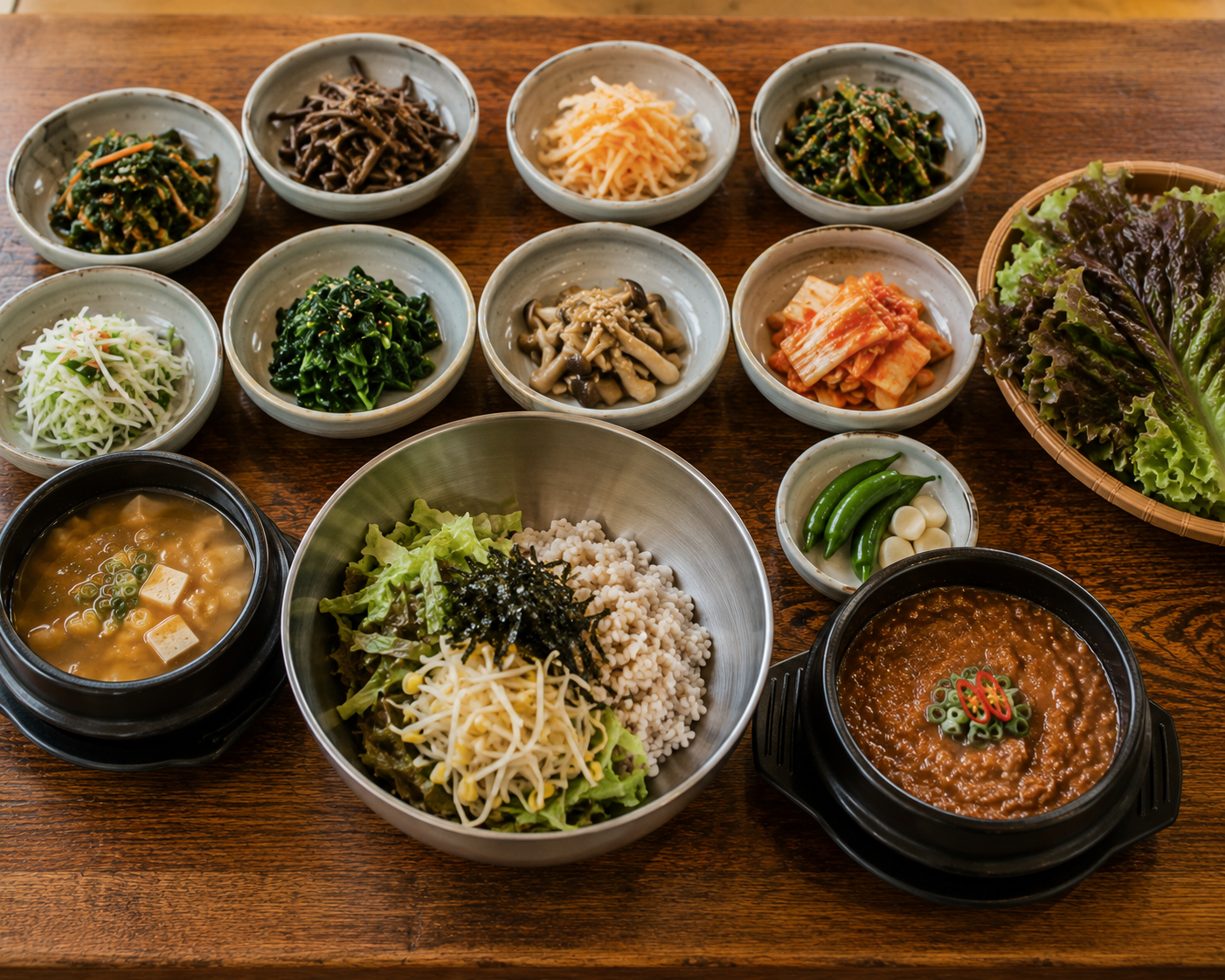
Boribap Jeongsik (Barley Rice Set Meal)
보리밥정식 · bori-bap-jeong-sik
This is a traditional Korean meal that features barley rice served with a variety of side dishes and soup. Barley rice is known for its chewy texture and nutty flavor, making it a delightful accompaniment to the assorted side dishes.
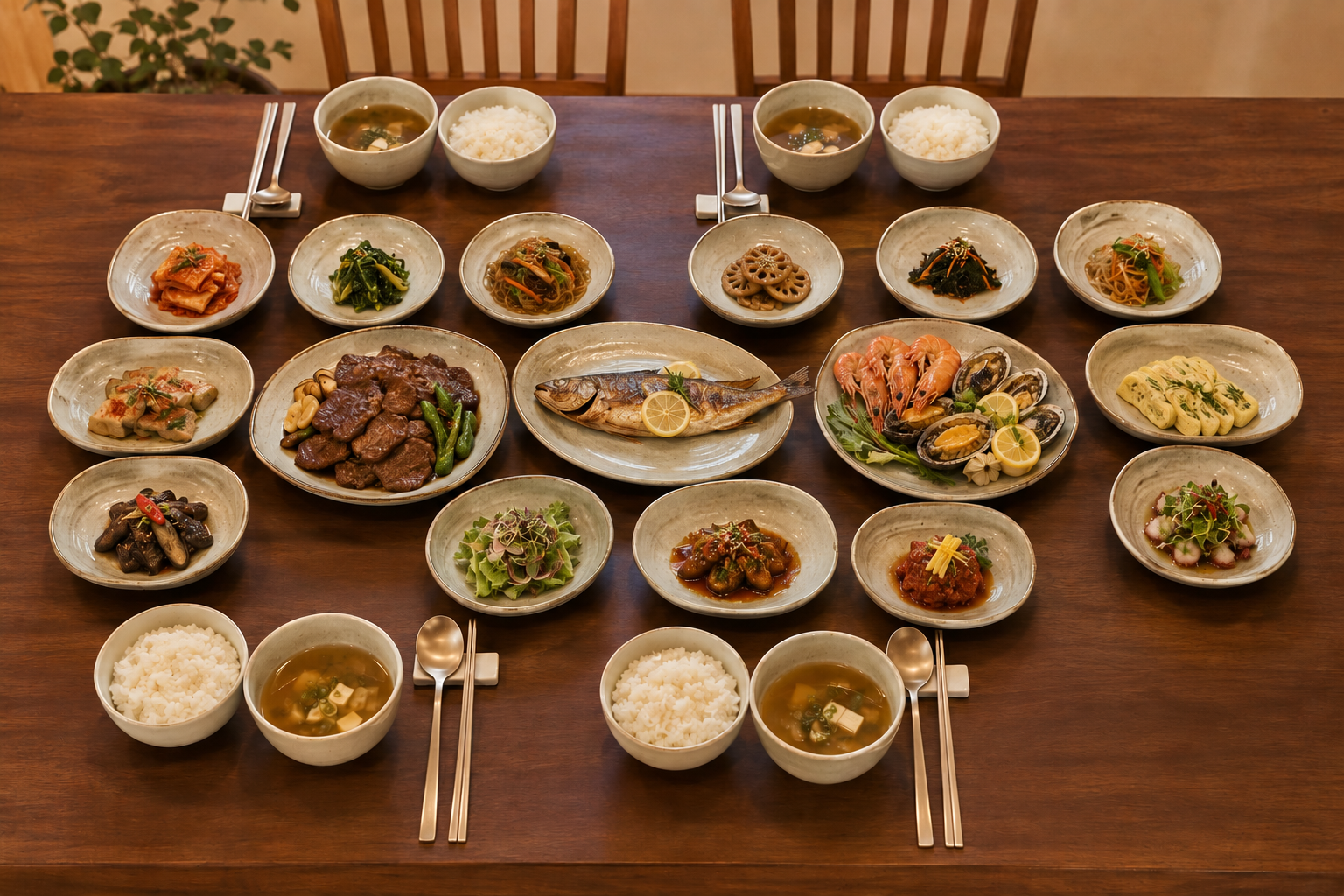
Hanjeongsik (Korean Traditional Full-course Meal)
한정식 · hanjeongsik
This is a Korean-style full-course meal served neatly, centered around rice and soup, with various dishes including seasoned vegetables, pancakes, stews, grilled items, and kimchi. The combination of various side dishes is key, and the number of side dishes indicates the quality of the meal.
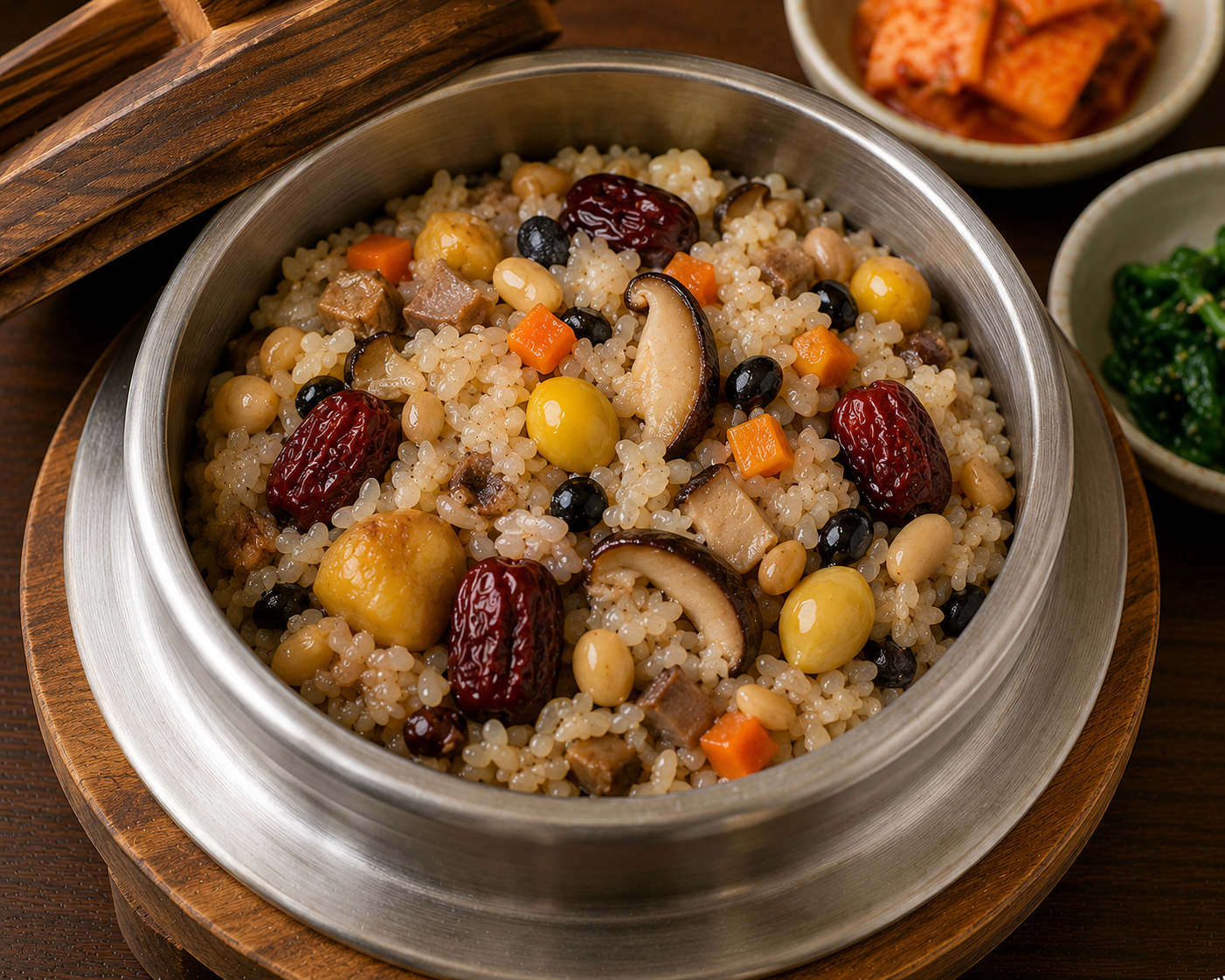
Nutritional Rice
영양밥 · yeong-yang-bap
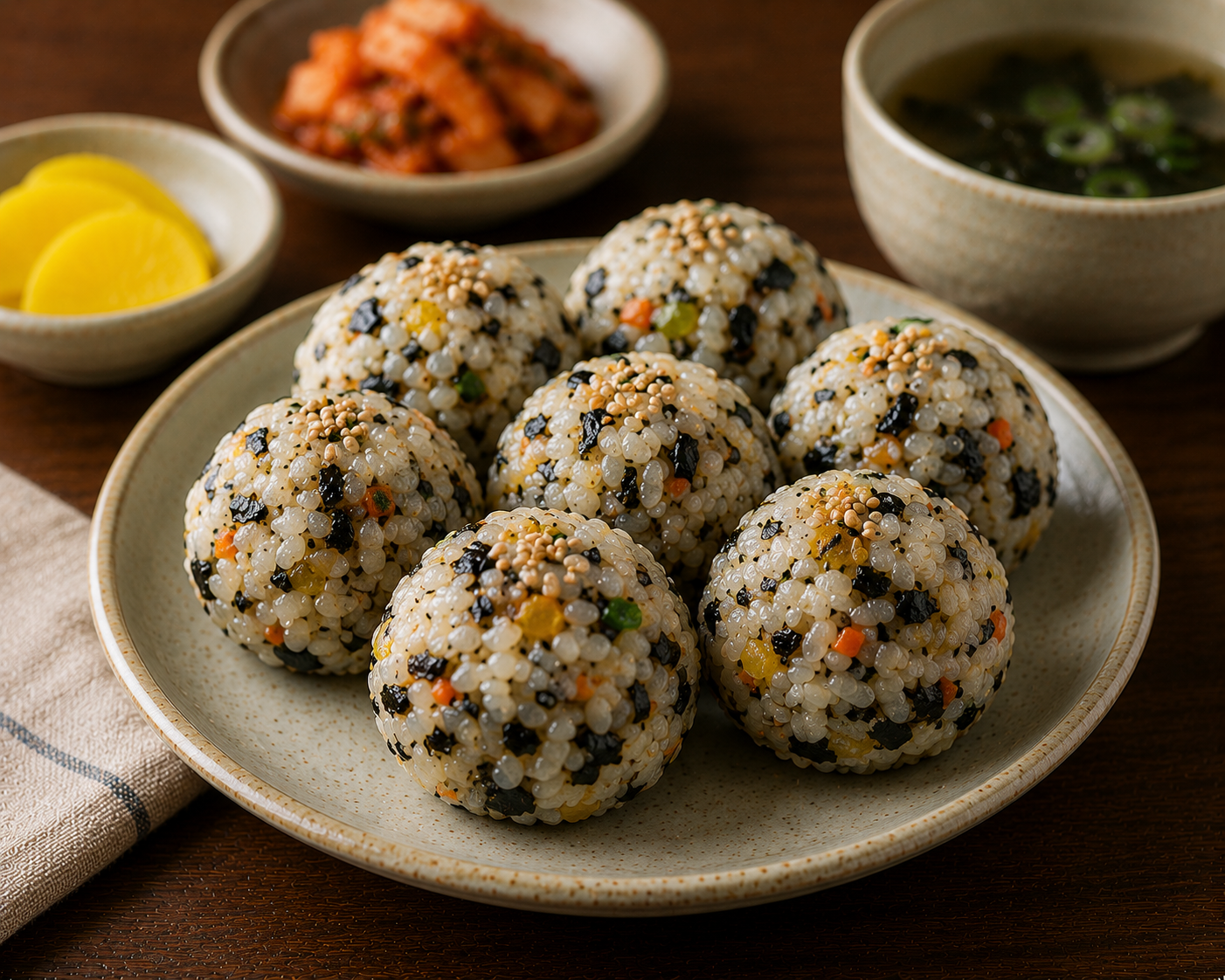
A rice dish made by cooking rice with various nuts and grains to enhance its nutritional value. The fluffy rice grains blend with the flavors of the different ingredients.
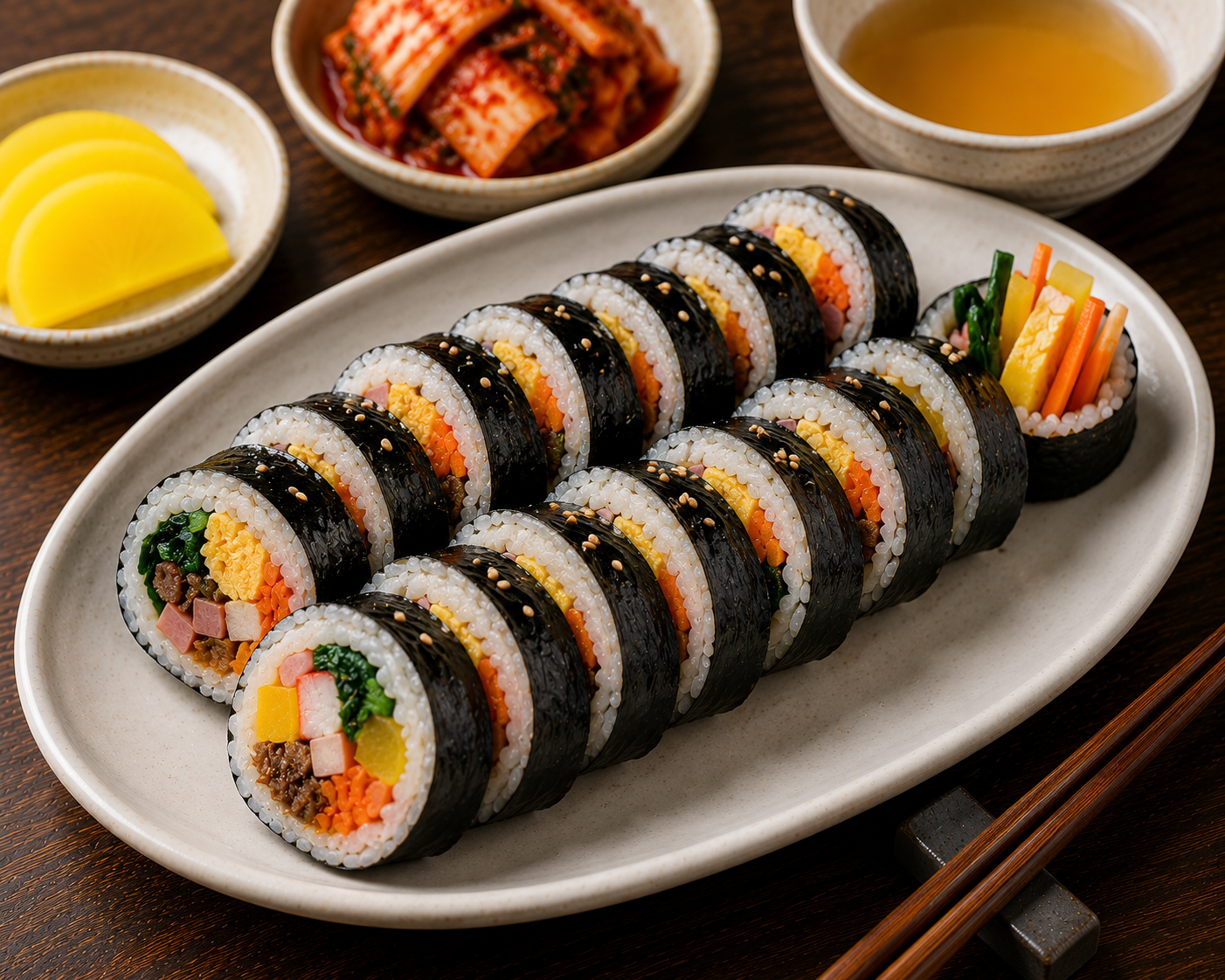
Gimbap
김밥 · gimbap
A convenient meal made by rolling rice, vegetables, pickled radish, eggs, and ham in seaweed, seasoned with sesame oil and salt. It is enjoyed for picnics or quick meals, and unlike sushi, it is seasoned with sesame oil instead of vinegar.
Doenjang Jjigae Baekban (Soybean Paste Stew Set Meal)
된장찌개백반 · doenjang-jjigae-baekban
This is a traditional Korean meal served with a soybean paste stew, rice, and a variety of side dishes. The rich and savory doenjang jjigae pairs perfectly with the rice, and an assortment of banchan is provided.
Bulgogi Jeongsik (Grilled Marinated Beef Set Meal)
불고기정식 · bulgogi-jeongsik
A representative Korean meal featuring grilled marinated beef served with rice and various side dishes.
Ingredients
How it's made
- 1Cook the rice and boil the soup.
- 2Prepare various side dishes.
- 3Arrange all the food neatly on a table.
Nutrition
* Estimated values per serving.
Allergens
No allergen data.
The side dishes often include meat, fish or salted seafood, so it may not suit vegetarian, vegan or halal diets. The spread varies by restaurant, so it is best to check.
How to order
가정식백반 주세요
Gajeongsikbaekban ju-se-yo
Please give me Gajeongshik Baekban.
Traveler tips
How to eat it
Frequently asked questions
- How are Gajeongshik Baekban (Traditional Korean Home Meal) and Hanjeongsik (Korean traditional full-course meal) different?
- Gajeongshik Baekban (Traditional Korean Home Meal) is a spread closer to everyday home cooking. Hanjeongsik (Korean traditional full-course meal) is closer to a formal meal or a meal for guests, so dishes such as jeon, steamed dishes, and grilled items tend to come out in a more orderly sequence.
- Can I get refills of all the side dishes?
- Many restaurants will refill basic side dishes such as kimchi or namul. Main side dishes such as fish, meat, or egg dishes, however, may cost extra or may not be refillable.
- Why are the side dishes different every time at the same baekban restaurant?
- Gajeongshik Baekban (Traditional Korean Home Meal) is often set according to the ingredients and side dishes prepared that day, rather than a fixed course. Seasonal vegetables, the use of leftover ingredients, and the owner’s own style all show up in the side-dish lineup.
Last reviewed: 2026-10-07