Hanjeongsik (Korean Traditional Full-course Meal)
This is a Korean-style full-course meal served neatly, centered around rice and soup, with various dishes including seasoned vegetables, pancakes, stews, grilled items, and kimchi. The combination of various side dishes is key, and the number of side dishes indicates the quality of the meal.
Cultural background
Hanjeongsik is enjoyed by many in formal occasions such as family gatherings, hosting guests, and meetings. It is often served on anniversaries or special days, and the arrangement varies by region according to seasonal ingredients.
Origin & history
Hanjeongsik (Korean traditional full-course meal) is not so much the name of a single dish as a term for a style of table setting. At its base is Korea's bansang culture: a meal built around rice, soup, kimchi, and jang, or fermented sauces and pastes, with an array of side dishes served alongside.
Many people understand today's Hanjeongsik (Korean traditional full-course meal) as a form shaped by a mix of formal Joseon-era table settings, regional meals prepared for guests, and restaurant culture that developed in the modern period. Rather than assuming it descends directly and exclusively from royal court cuisine, it is easier to think of it as a generous table, prepared with care for a guest, organized into a restaurant menu.
Regional & modern variations
- Jeonju Hanjeongsik (Korean traditional full-course meal) — A table setting tied to the food culture of Jeonju in Jeolla-do. Small dishes such as namul, seasoned vegetable dishes, jang, fermented sauces and pastes, jeotgal, salted fermented seafood, and jeon, pan-fried battered items, arrive in abundance, offering a wide range of flavors.
- Namdo Hanjeongsik (Korean traditional full-course meal) — A style of Hanjeongsik (Korean traditional full-course meal) with a strong Jeollanam-do regional character. Seafood, jeotgal, salted fermented seafood, aged kimchi, and boldly seasoned side dishes often appear, making the flavors relatively vivid.
- Royal Court-Style Hanjeongsik (Korean traditional full-course meal) — A restaurant-style table setting that draws on the cooking methods and presentation of royal court cuisine. More than intense flavors, it emphasizes careful ingredient preparation, color harmony, and a neat, refined appearance.
- Temple Food Hanjeongsik (Korean traditional full-course meal) — A Hanjeongsik (Korean traditional full-course meal) based on the principles of Buddhist temple food. Meat and fish are often not used, and some restaurants also avoid pungent vegetables such as green onions and garlic.
How Koreans eat it
At a Hanjeongsik (Korean traditional full-course meal) restaurant, all the side dishes may be set out at once, or they may arrive in sequence, such as porridge, appetizers, grilled dishes, and the main meal. The format is not like a Western course meal in which each person receives one individual plate at a time. Diners share the dishes placed in the center and eat around their own bowls of rice and soup.
Taste & how to choose
The essence of Hanjeongsik (Korean traditional full-course meal) lies not in one strong flavor, but in the combination. Salty jeotgal, salted fermented seafood, mild namul, seasoned vegetable dishes, warm steamed dishes, cooled jeon, pan-fried battered items, and tangy kimchi take turns shifting the palate. First-time diners may be surprised by how many side dishes are served cold or at room temperature. In a good Hanjeongsik (Korean traditional full-course meal), the quality of the rice, soup, kimchi, and seasonal namul stands out before the sheer number of plates.
Similar dishes
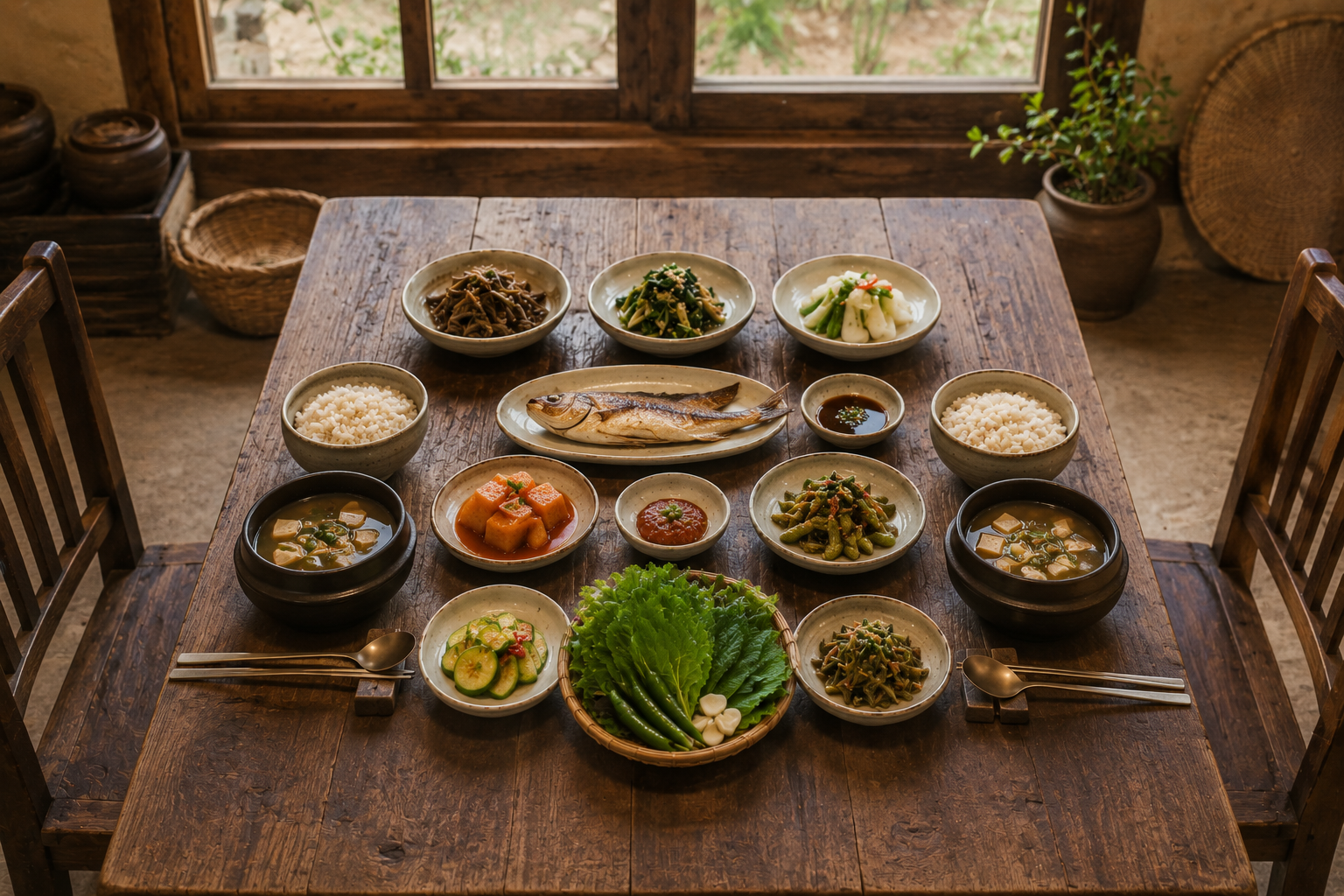
Sigol Bapsang (Country-style meal)
시골밥상 · sigol-bapsang
This is a traditional Korean full-course meal centered around rice and soup, served with a variety of neatly arranged side dishes. It primarily uses seasonal ingredients, boasting fresh and healthy flavors.
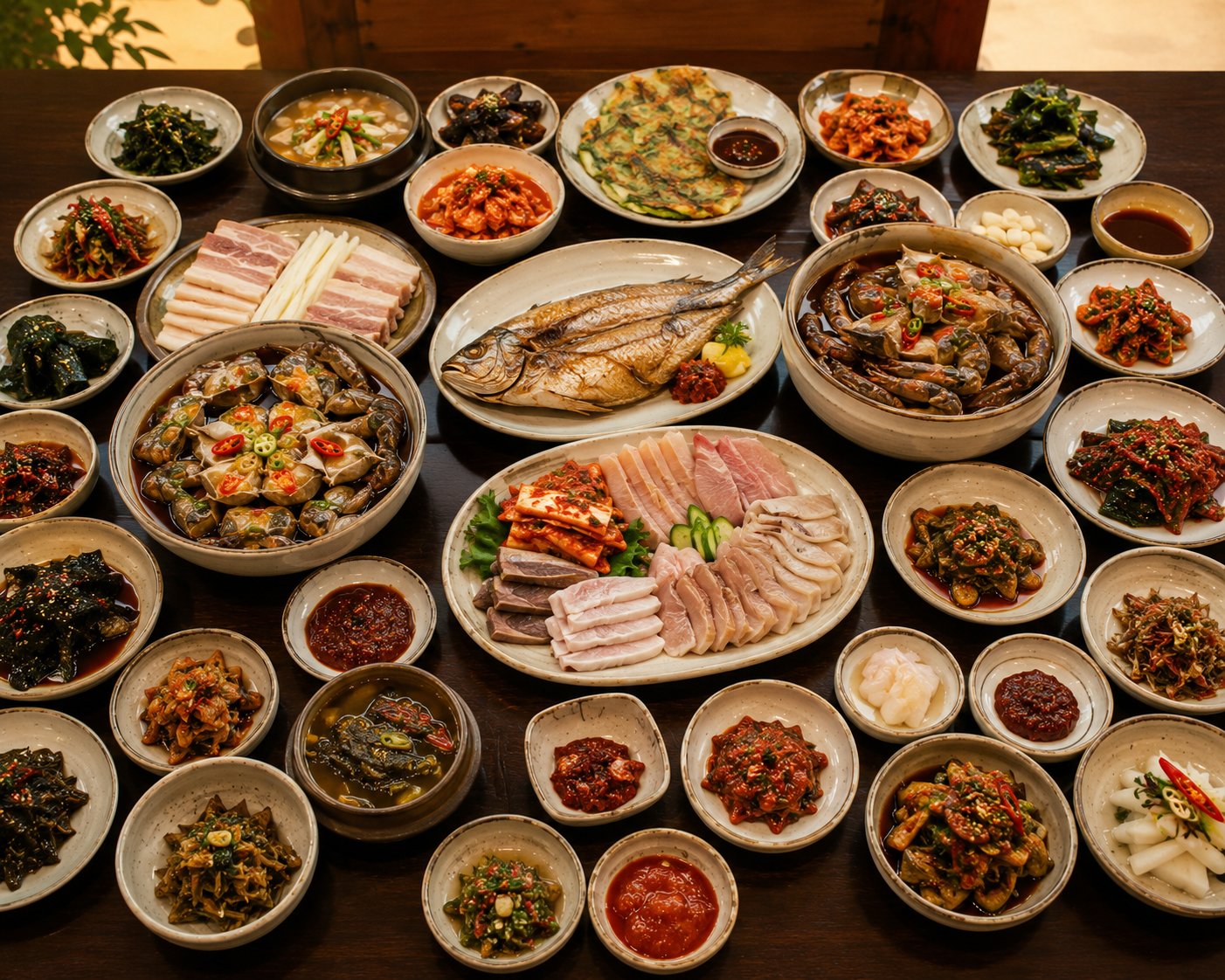
Namdo Hanjeongsik (Namdo full-course meal)
남도한정식 · Namdo-hanjeongsik
Namdo Hanjeongsik is a Korean full-course meal made with a variety of seasonal ingredients from the Namdo region, served with rice, soup, and an array of side dishes. Each side dish is prepared with fresh ingredients, allowing for a diverse range of flavors and textures.
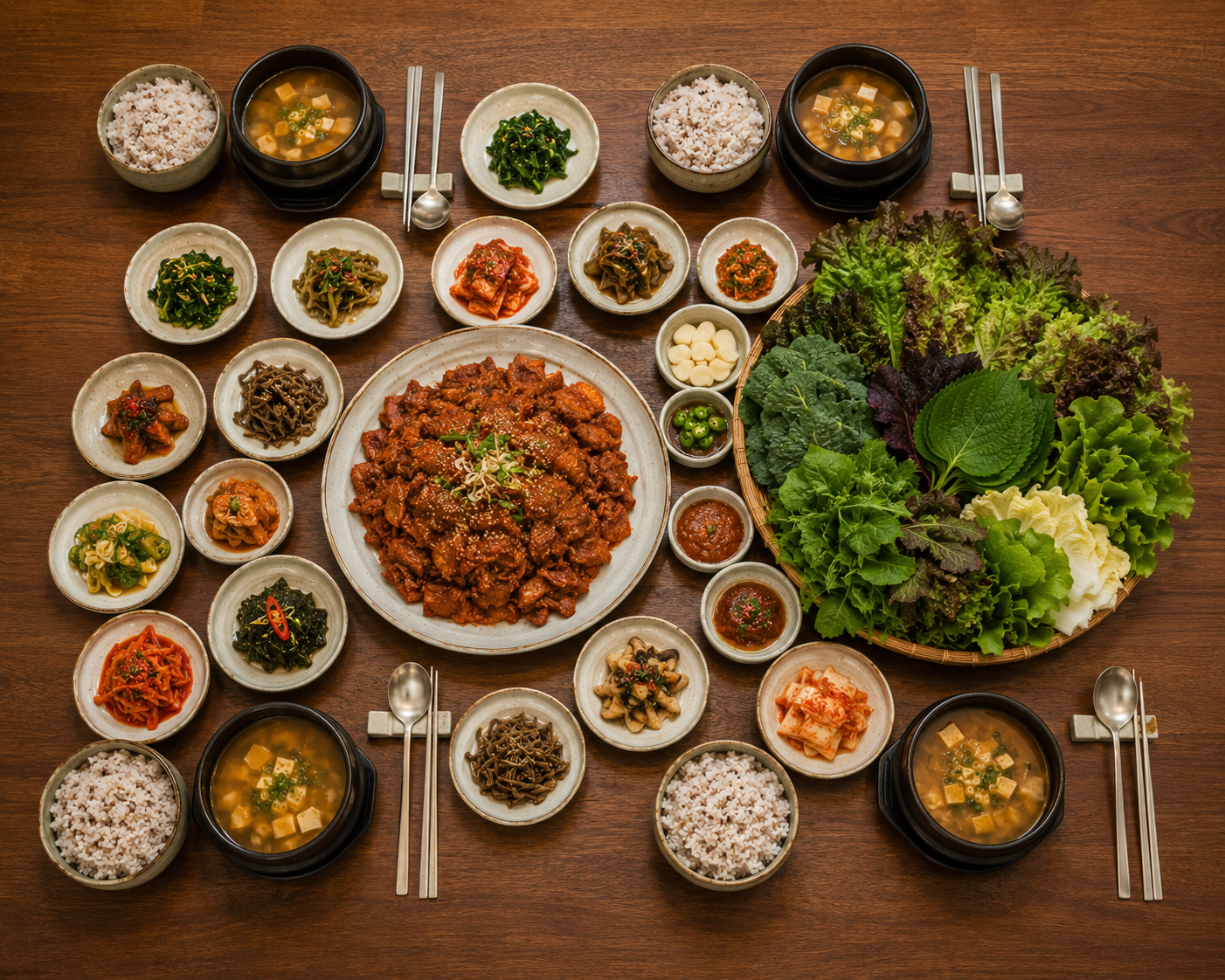
Ssam-bap Jeongsik (Rice and Wraps Set Meal)
쌈밥정식 · ssam-bap-jeong-sik
This is a Korean-style full-course meal that includes rice, various side dishes, and leafy vegetables for wrapping. It offers the fun of wrapping different ingredients together.
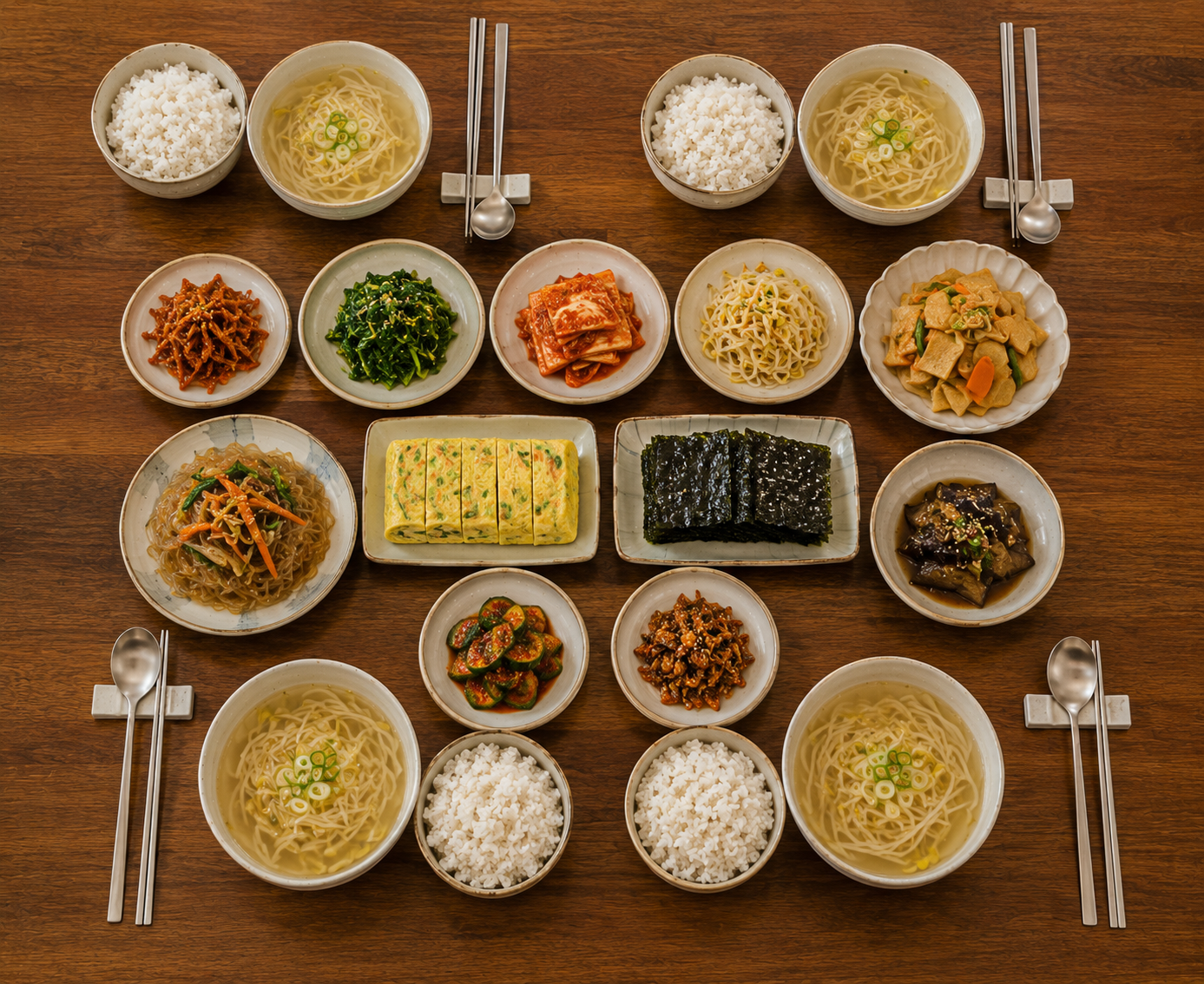
Gajeongshik Baekban (Traditional Korean Home Meal)
가정식백반 · gajeongsikbaekban
Gajeongshik Baekban is a traditional Korean home meal consisting of rice, soup, and various side dishes. It's a complete meal that allows you to enjoy a variety of flavors and textures.
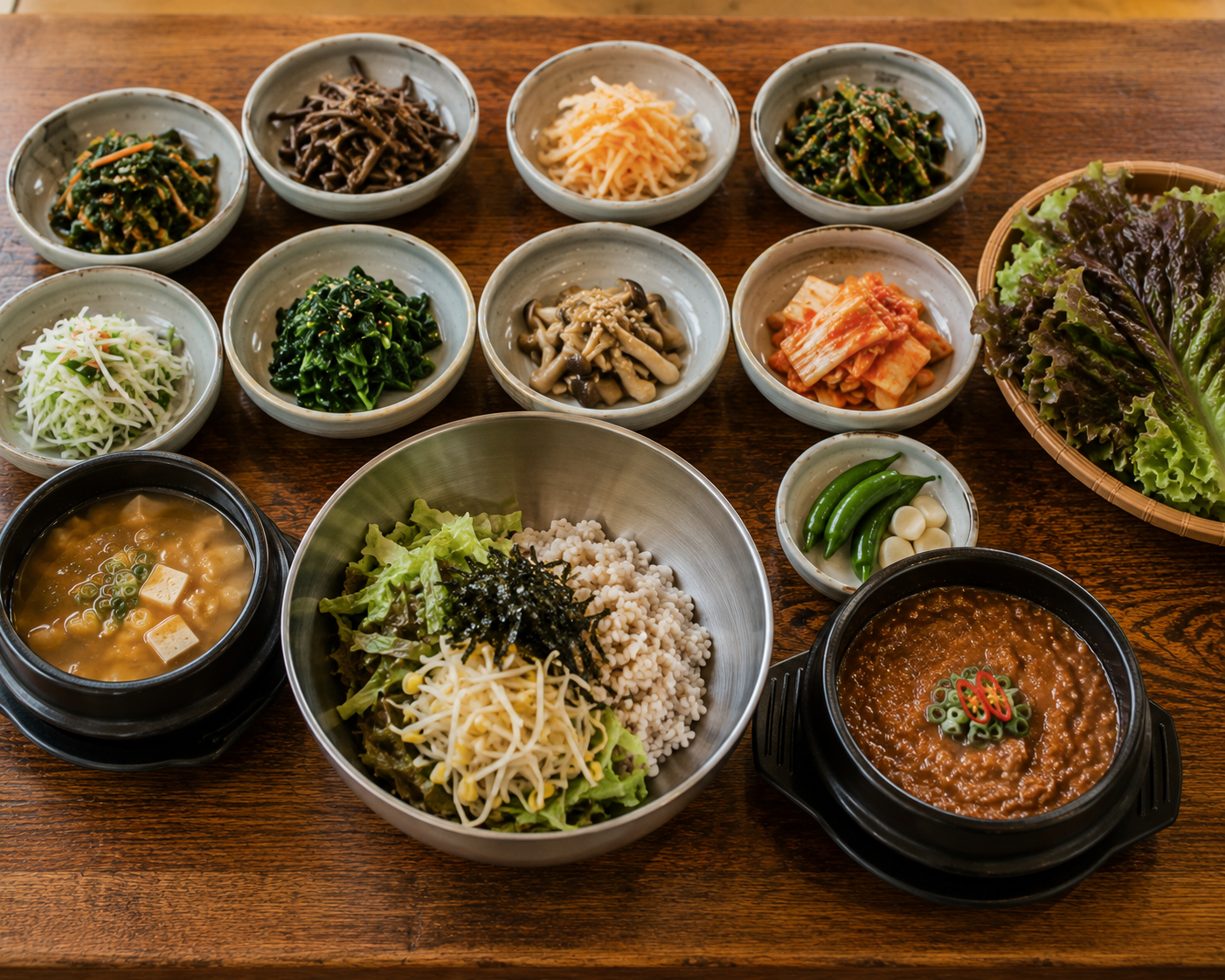
Boribap Jeongsik (Barley Rice Set Meal)
보리밥정식 · bori-bap-jeong-sik
This is a traditional Korean meal that features barley rice served with a variety of side dishes and soup. Barley rice is known for its chewy texture and nutty flavor, making it a delightful accompaniment to the assorted side dishes.
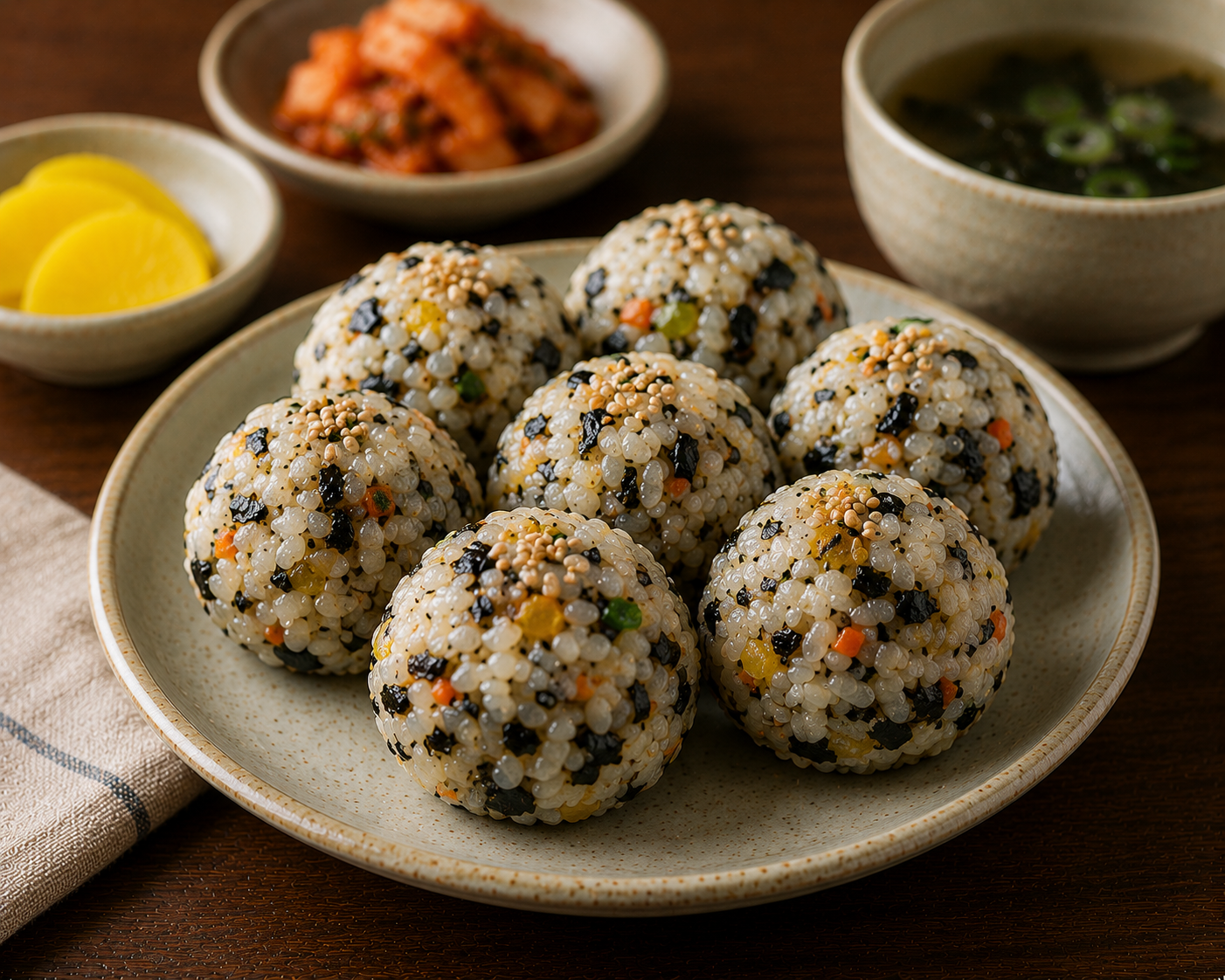
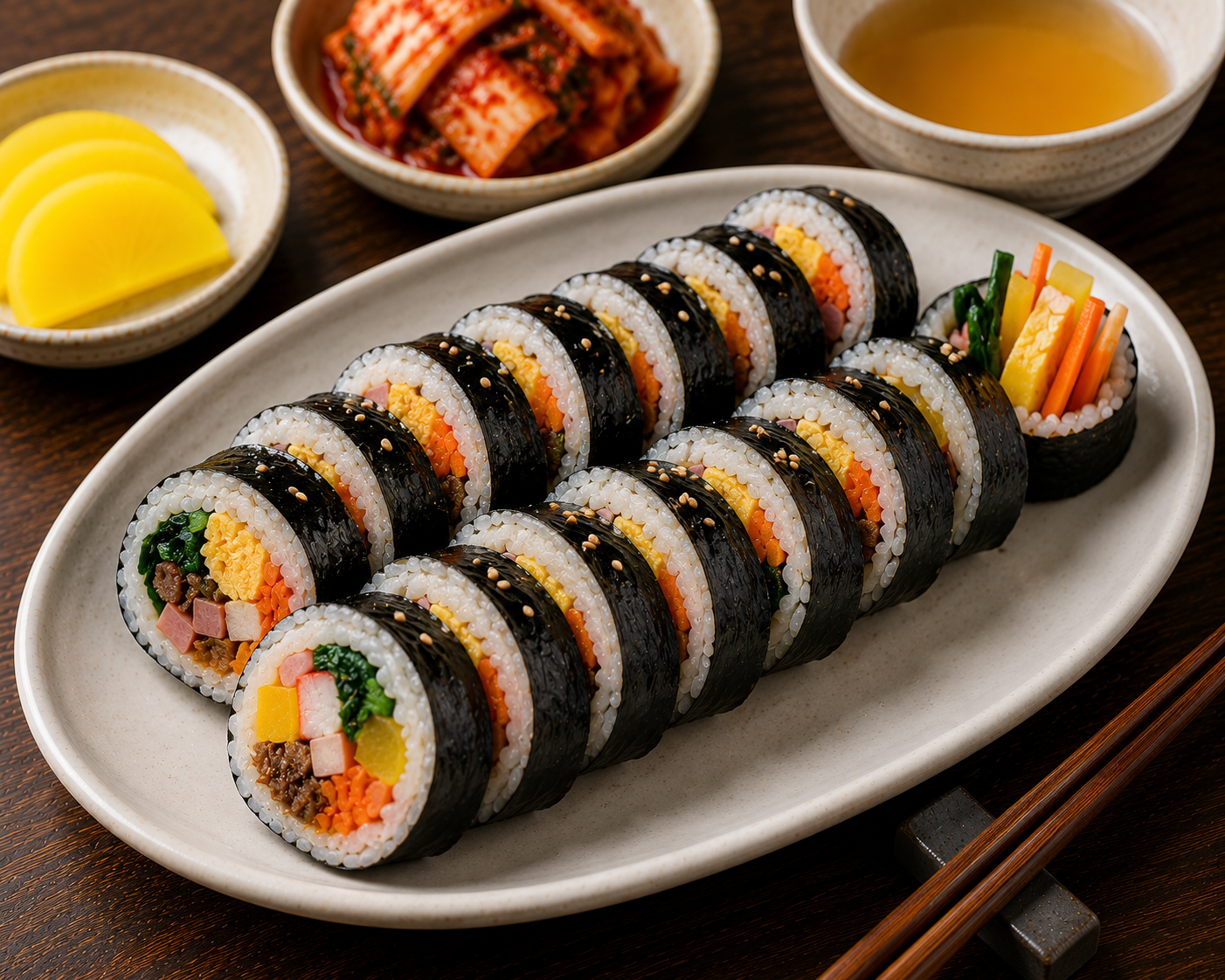
Jumeokbap
주먹밥 · jumeok-bap
A convenient meal made by mixing various ingredients with rice and shaping it by hand.
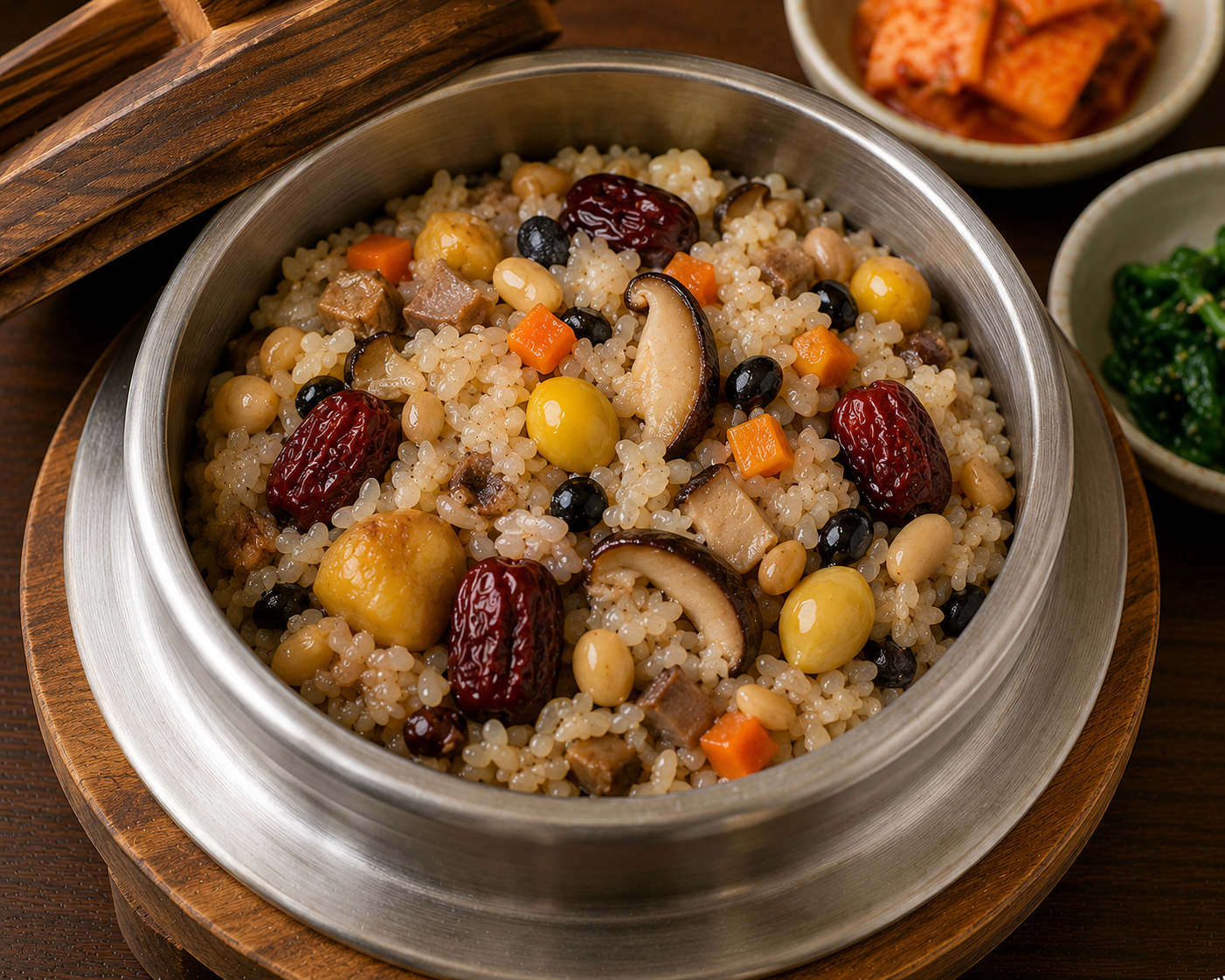
Ingredients
How it's made
- 1Prepare various ingredients.
- 2First, prepare rice and soup.
- 3Neatly serve a variety of side dishes.
- 4Present all dishes on one table.
Nutrition
* Estimated values per serving.
Allergens
No allergen data.
A Korean set meal made with various meats, fish, and vegetables; please inquire with the restaurant about allergies.
How to order
한정식 주세요
Han-jeong-sik ju-se-yo
Please give me a set meal.
Traveler tips
How to eat it
Frequently asked questions
- What is the difference between Hanjeongsik (Korean traditional full-course meal) and baekban?
- Both are table settings built around rice and side dishes, but baekban is closer to an everyday meal, while Hanjeongsik (Korean traditional full-course meal) is a larger, more formal spread. Hanjeongsik (Korean traditional full-course meal) often includes more labor-intensive dishes such as jeon, pan-fried battered items, steamed dishes, grilled dishes, and seasonal side dishes.
- Is it polite to eat all the side dishes?
- No need to finish everything. Tasting a little of many side dishes is the natural way to eat. For shared plates, however, using tongs or your own small side plate is better than putting your personal spoon deep into the communal dish.
- Why is the number of side dishes considered important?
- In Korean table settings, the number and variety of side dishes were considered a way to show how thoughtfully a guest was being received. For that reason, Hanjeongsik (Korean traditional full-course meal) values not only flavor, but also the arrangement of plates, colors, and diversity of ingredients as part of the table's refinement.
Last reviewed: 2026-10-07