
Cultural background
A type of jeotgal, it is often served as a side dish with rice in Korea. It has high preservability and can be stored for a long time.
Similar dishes
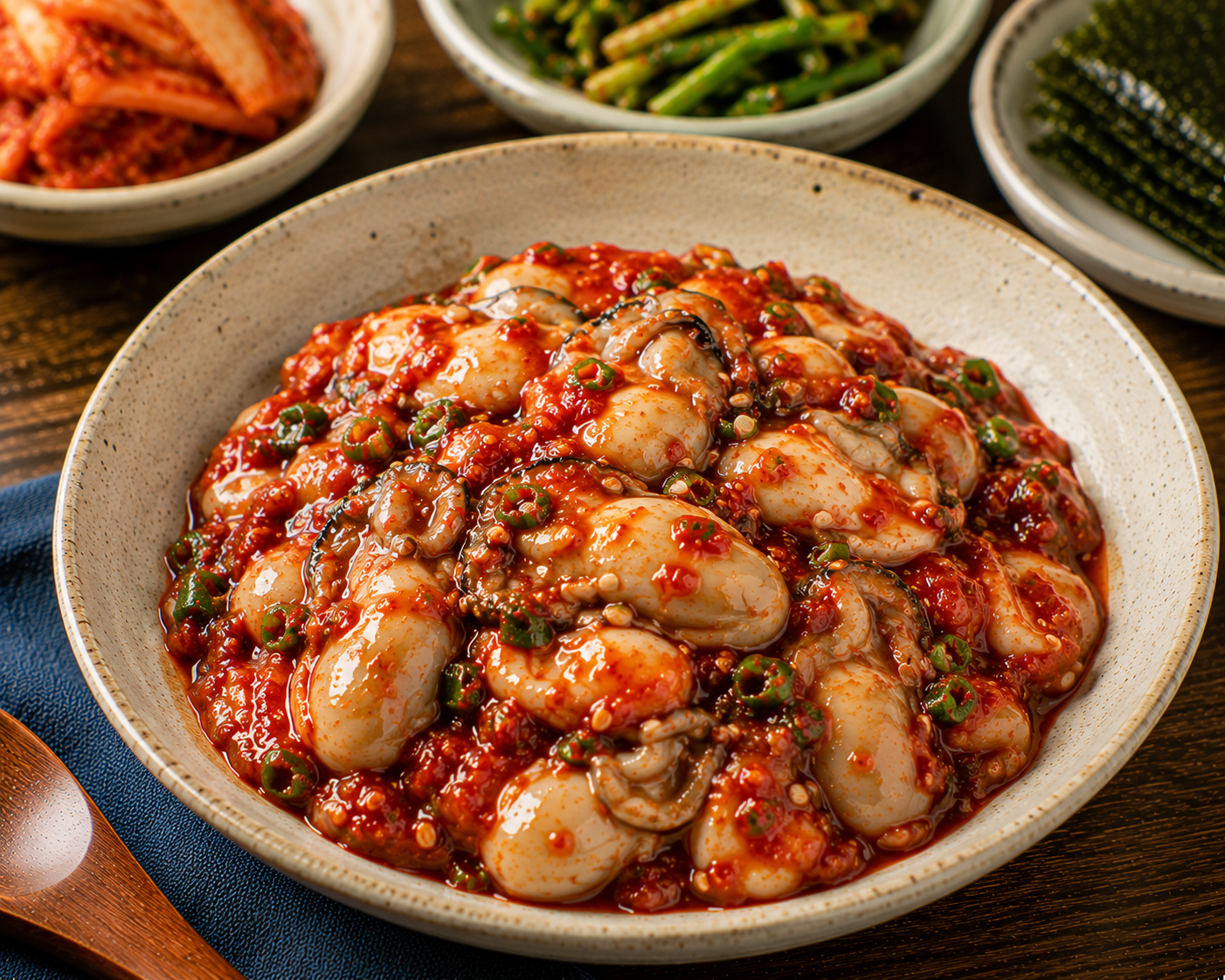
Oliguljeot
어리굴젓 · eoriguljeot
A jeotgal made by curing oysters with salt and red pepper powder, giving a spicy yet deeply savory side dish. Unlike plain oyster jeotgal, which uses no chili, it takes on a reddish hue, and is eaten in small amounts with rice.
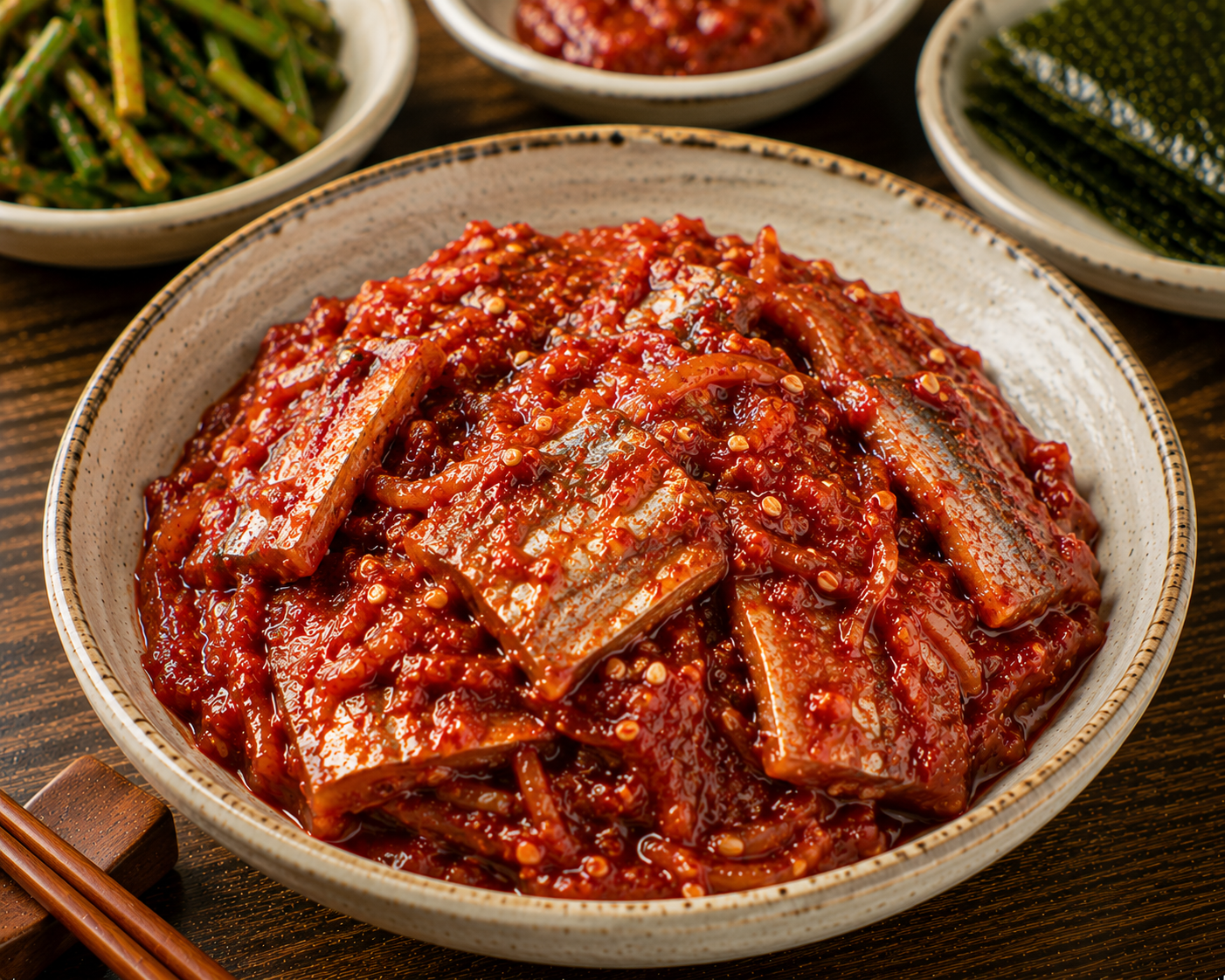
Galchi-jeot
갈치젓 · galchi-jeot
Galchi-jeot is a salty side dish made from fermented hairtail fish, traditionally eaten with rice.
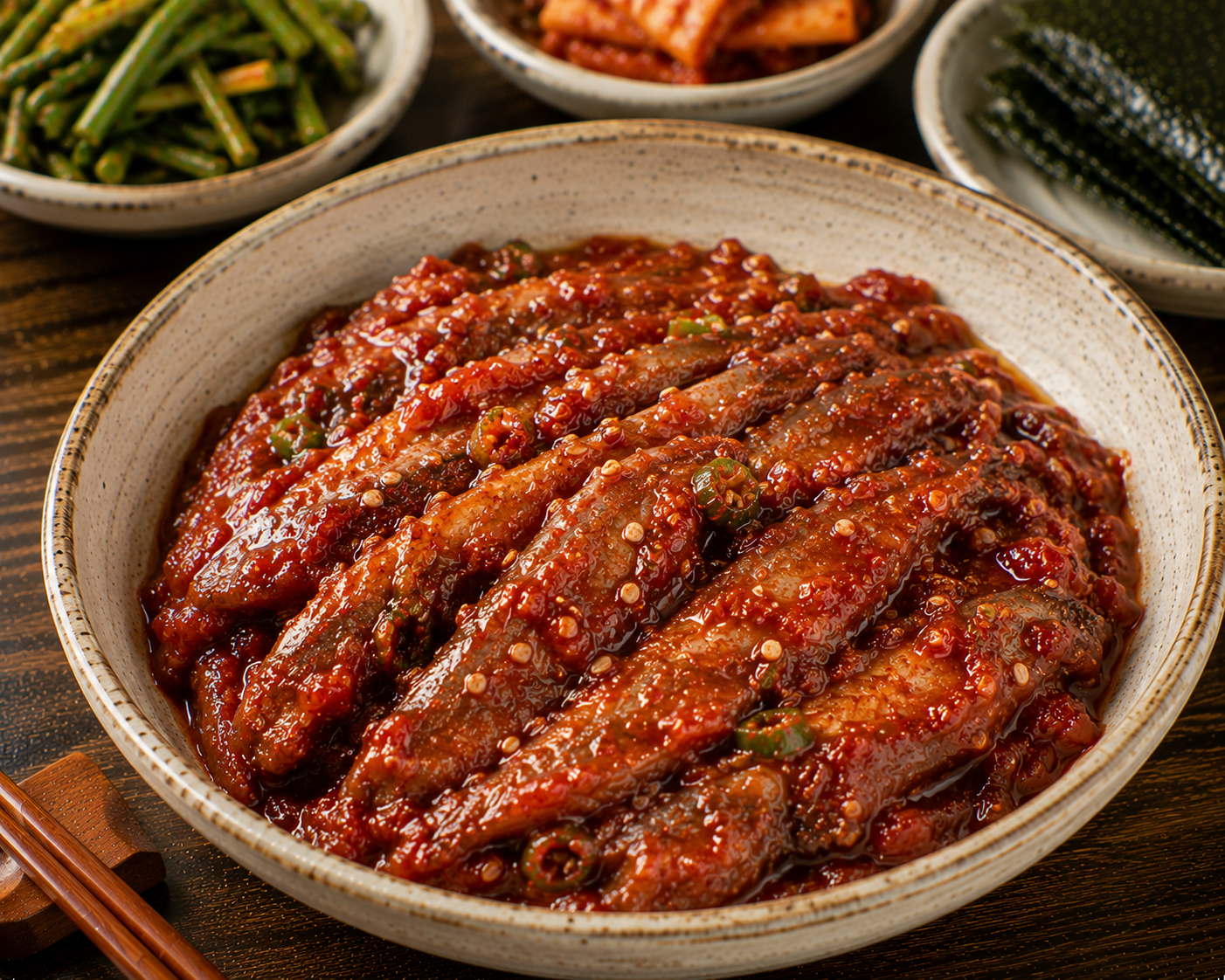
Jogi-jeot
조기젓 · jo-gi-jeot
Jogi-jeot is a salty fermented fish sauce made by salting and fermenting jogi fish, served as a stored side dish alongside rice. It is salty and umami-rich, best enjoyed with rice in small portions.
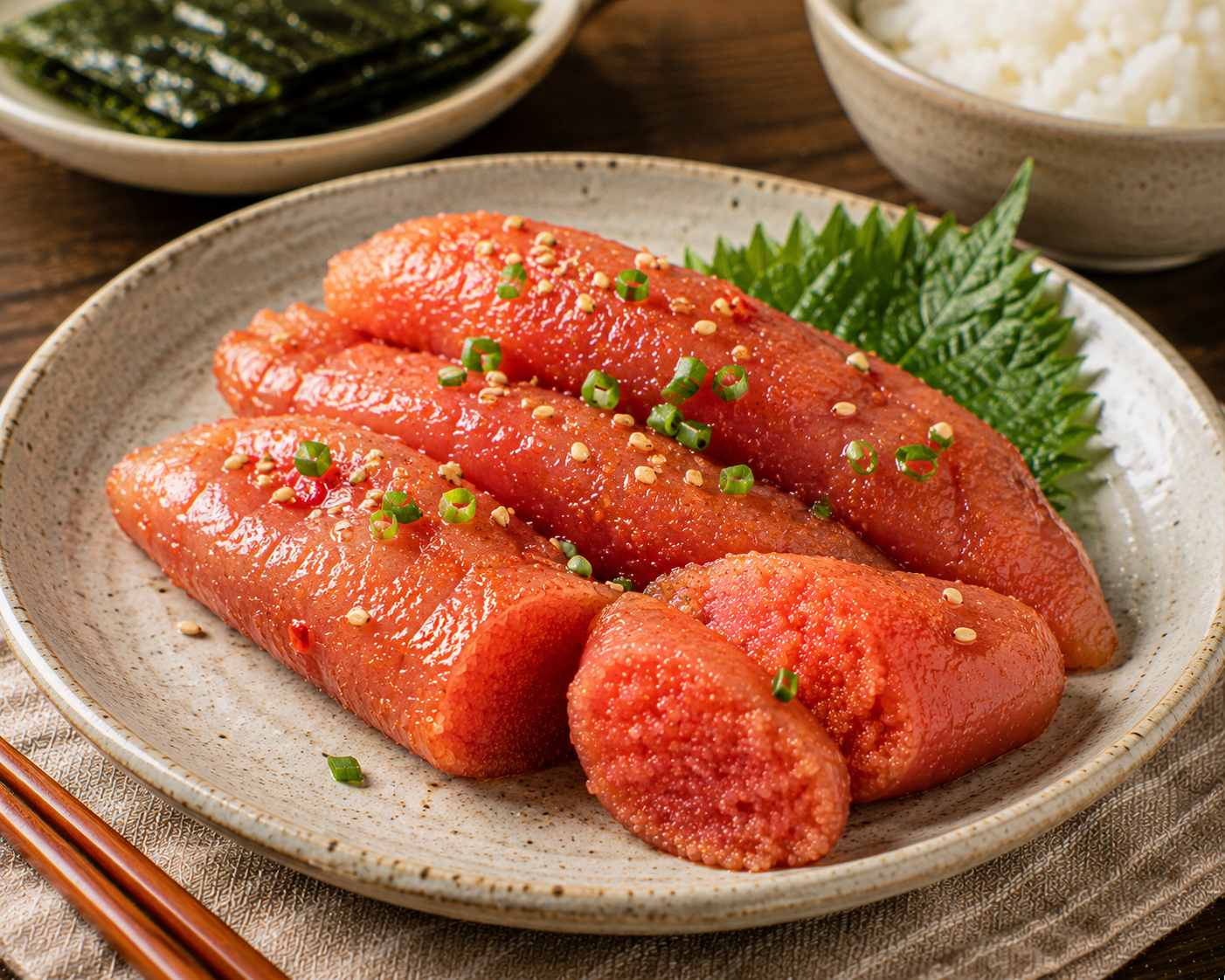
Myeongnan-jeot
명란젓 · myeongran-jeot
Salty side dish made by salting and fermenting the roe of pollack. It has a strong umami flavor and is eaten in small amounts with rice.
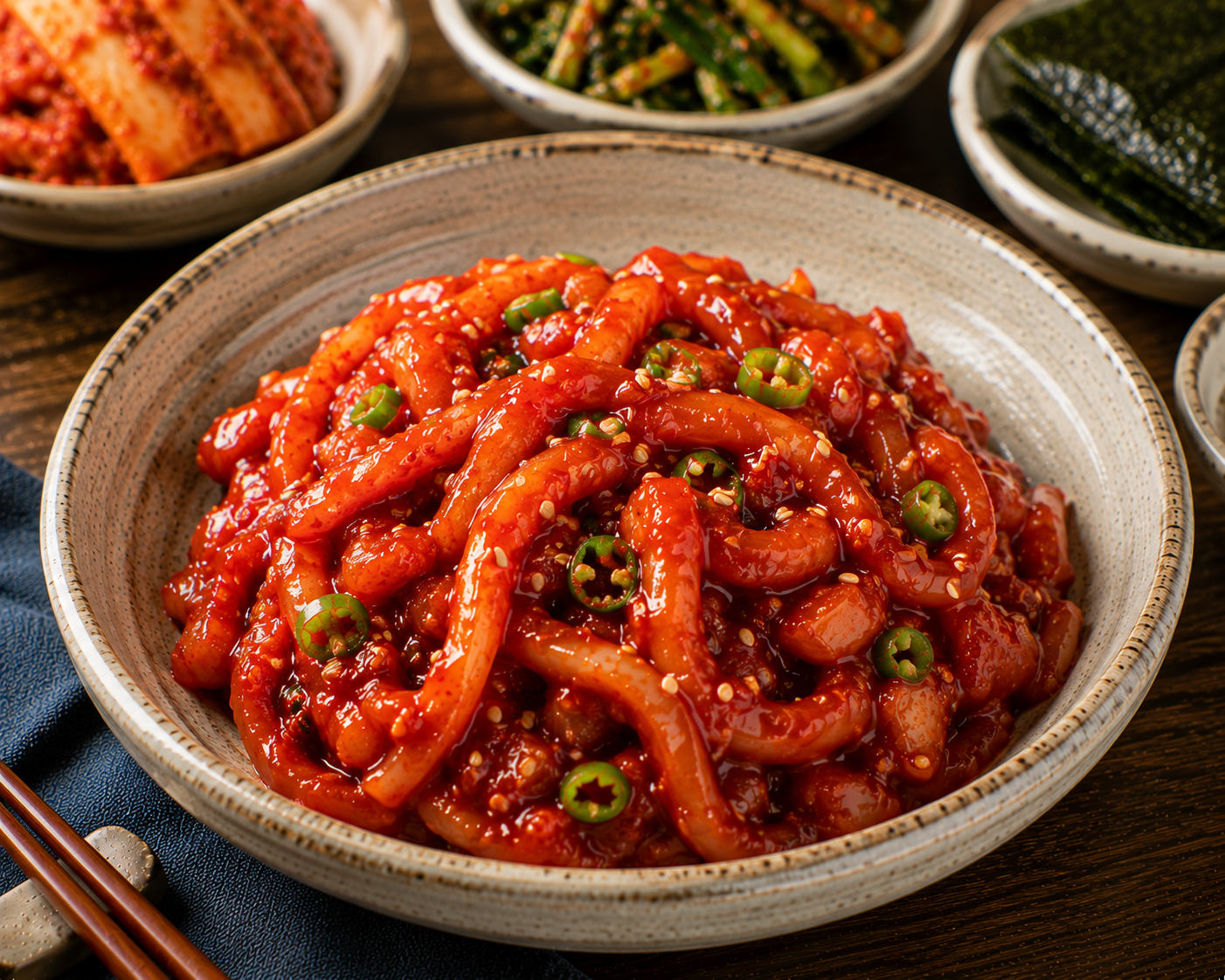
Squid Jeot
오징어젓 · o-jing-eo-jeot
Salted and fermented squid, a savory and umami-rich side dish.
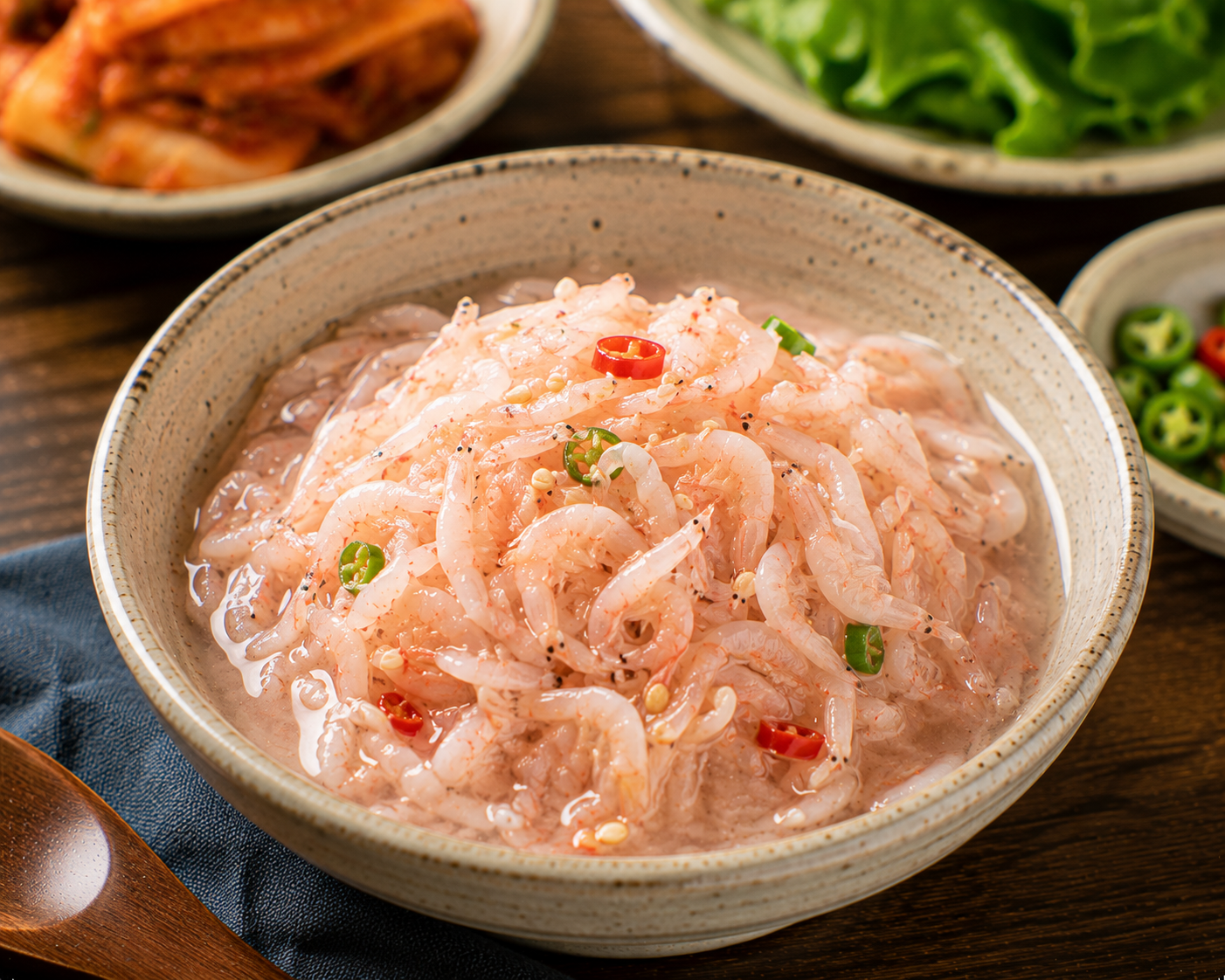
Salted Fermented Shrimp
새우젓 · sae-u-jeot
A salty condiment made by fermenting small shrimp with salt, used to enhance umami flavor in Korean cuisine.
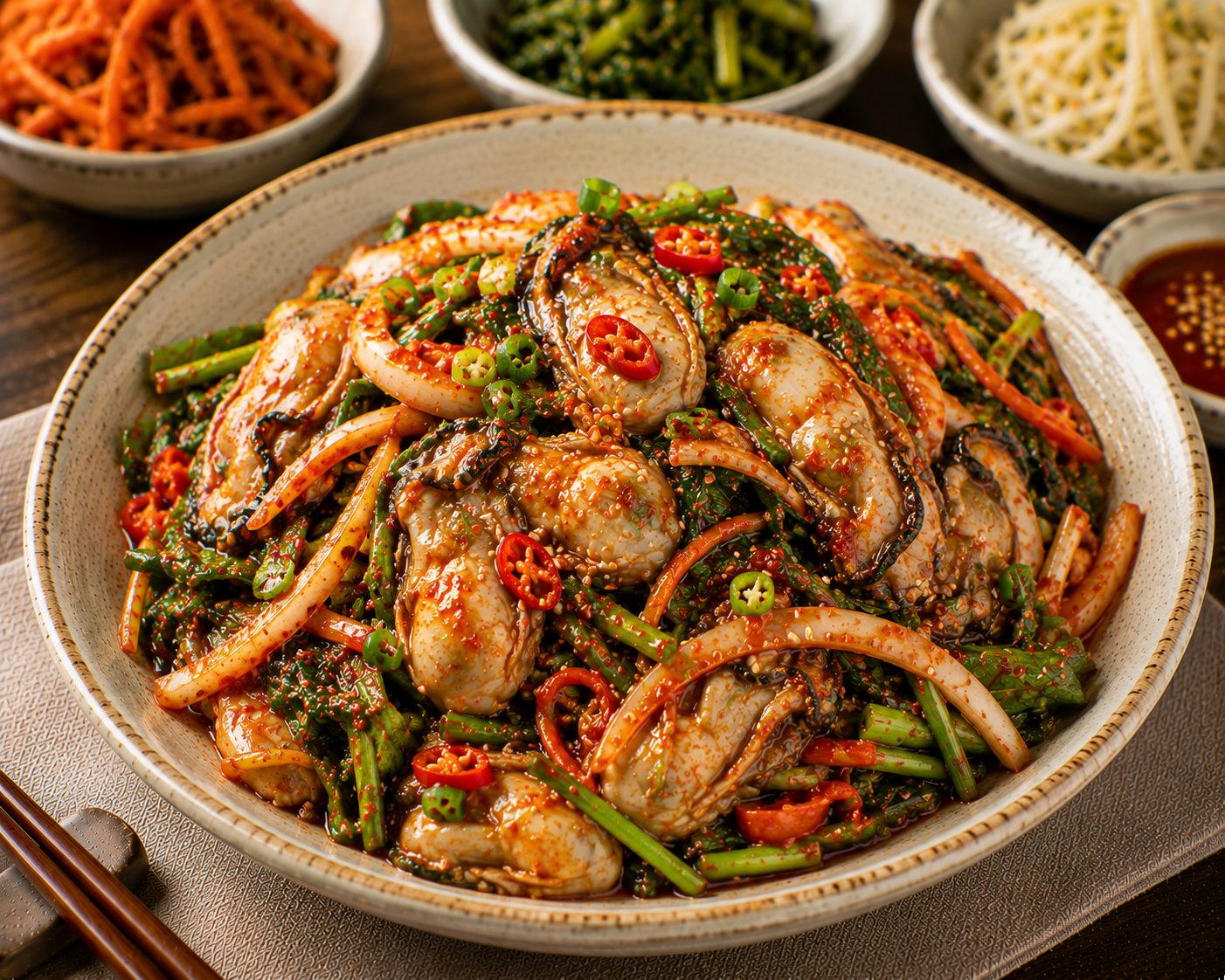
Spicy Seasoned Oysters
굴무침 · gul-muchim
A side dish made by mixing fresh oysters with gochujang and vinegar for a tangy and spicy flavor, enjoyed with crunchy vegetables.
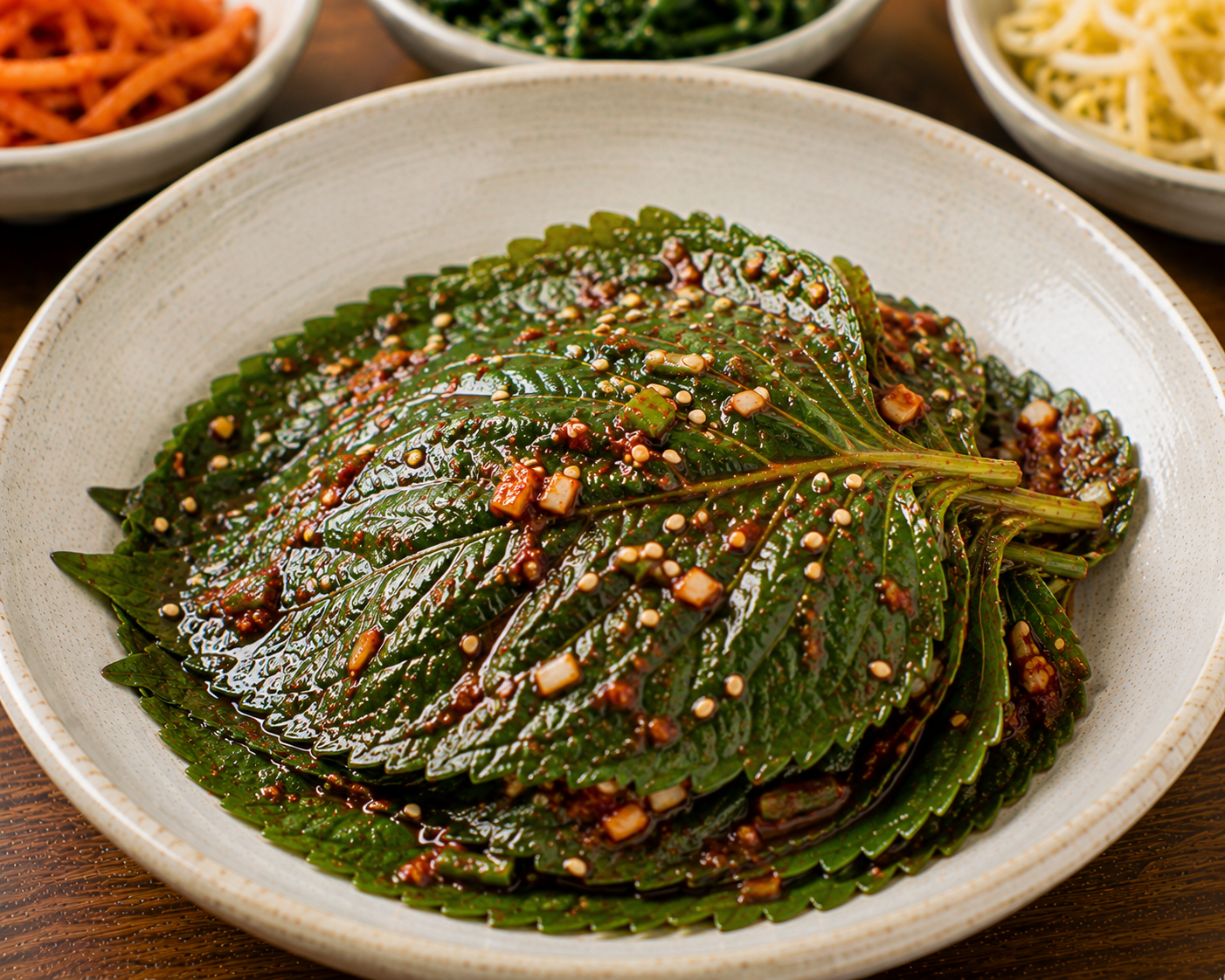
Kkaennip Muchim
깻잎무침 · kkaet-nip-mu-chim
Perilla leaves (kkaennip) are seasoned with soy sauce, red pepper powder, sesame oil, and mixed to create a side dish characterized by its crisp and fragrant taste. It is enjoyed with rice, and the unique aroma of the perilla leaves enhances the appetite.
Goes well with
Ingredients
How it's made
- 1Wash fresh oysters thoroughly to prepare.
- 2Sprinkle salt over the oysters and mix well.
- 3Place in a sealed container and ferment in a cool place.
Nutrition
* Estimated values per serving.
Allergens
Not suitable for vegetarians due to the use of oysters.
How to order
굴젓 주세요
Gul-jeot ju-se-yo
Please give me guljeot