
Songpyeon
It is a rice cake made by kneading non-glutinous rice flour, filling it with ingredients like sesame seeds, beans, and chestnuts, shaping it into a half-moon, and steaming it on a bed of pine needles. Inside the chewy rice cake skin, there's rich or sweet filling, and the subtle aroma of pine needles permeates. It is a representative holiday food that families make together during Chuseok.
Cultural background
There is a tradition of families gathering to make these during Chuseok, symbolizing sharing and community, representing the holiday.
Origin & history
The "송" (song, "pine tree") in Songpyeon means pine tree. The name is widely understood to come from the practice of laying pine needles between the rice cakes when steaming them. The pine needles add fragrance and also help keep the pieces from sticking to one another.
Around Chuseok, foods made with that year's newly harvested rice and grains are prepared as an expression of gratitude to ancestors and family. Songpyeon is especially significant as a rice cake shaped from the new grain.
Several stories are told about its half-moon shape. One widely known account says the waxing half-moon, rather than the full moon, was seen as an auspicious form.
Regional & modern variations
- Five-Color Songpyeon — Songpyeon made in several colors, such as white, pink, yellow, green, and purple. The colors often come from ingredients such as mugwort, gardenia, omija, or purple sweet potato.
- Mosi Songpyeon — Songpyeon made with ramie leaves, bringing out a green hue and grassy aroma. It is especially known in Jeolla-do and parts of Chungcheong-do, and its fragrance is more pronounced than that of regular Songpyeon.
- Potato Songpyeon — A regional style of Songpyeon made with potato starch or potato ingredients instead of rice flour. The surface tends to look more translucent, with a chewier texture.
How Koreans eat it
Around Chuseok, markets and rice cake shops sell plenty of Songpyeon. Even families that do not make it at home often buy it as a holiday gift or as food for the charye table. Rice cake shops sell it outside the holiday season as well, but during Chuseok, Songpyeon tends to appear in a wider range of colors and fillings.
Taste & how to choose
Good Songpyeon has a smooth exterior with few cracks. A sesame filling is nutty and sweet, a bean filling is mild and relatively plain, and a chestnut filling is soft and crumbly. First-time eaters may find the rice cake's subtle pine-needle aroma and the chewiness that remains even after it cools unfamiliar.
Similar dishes
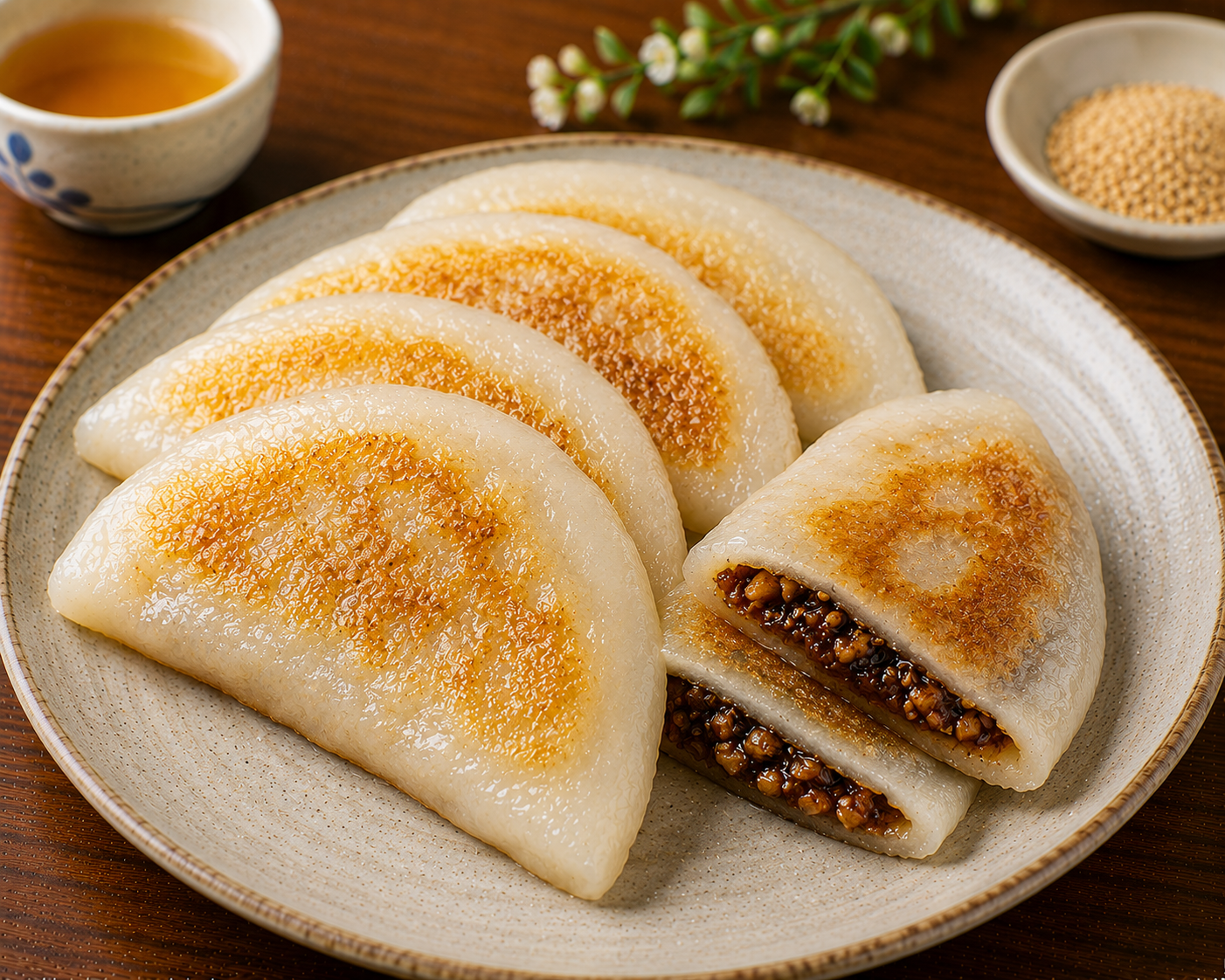
Bukkumi
부꾸미 · bukkumi
A traditional rice cake made by filling glutinous rice dough with red bean paste, shaped like a half-moon, and fried in oil.
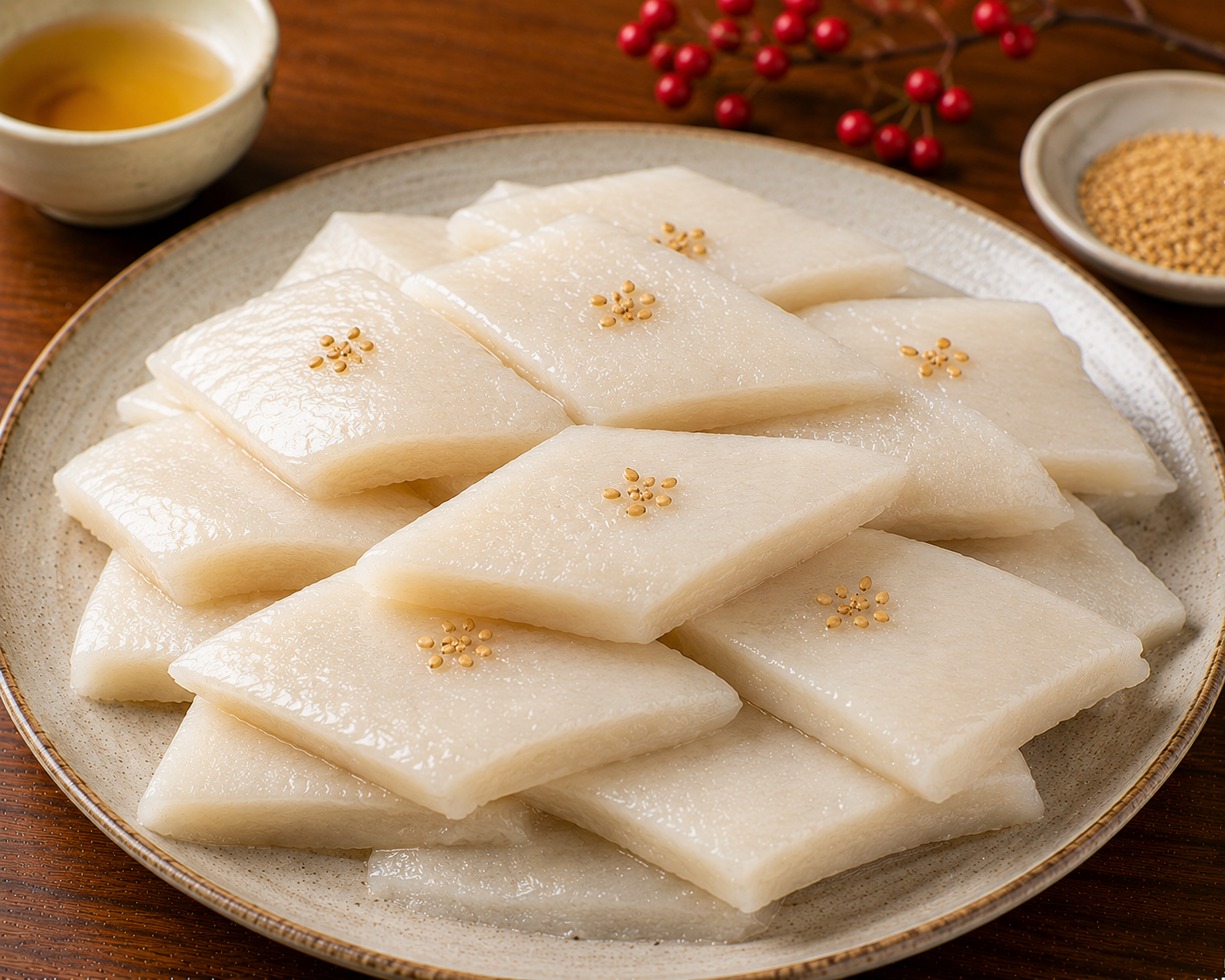
Jeolpyeon
절편 · jeolpyeon
A chewy rice cake made by steaming non-glutinous rice flour, pounding it until springy, rolling it out thin, and stamping it with patterns using a tteoksal (rice cake stamp). It is mainly used for holidays and celebrations.
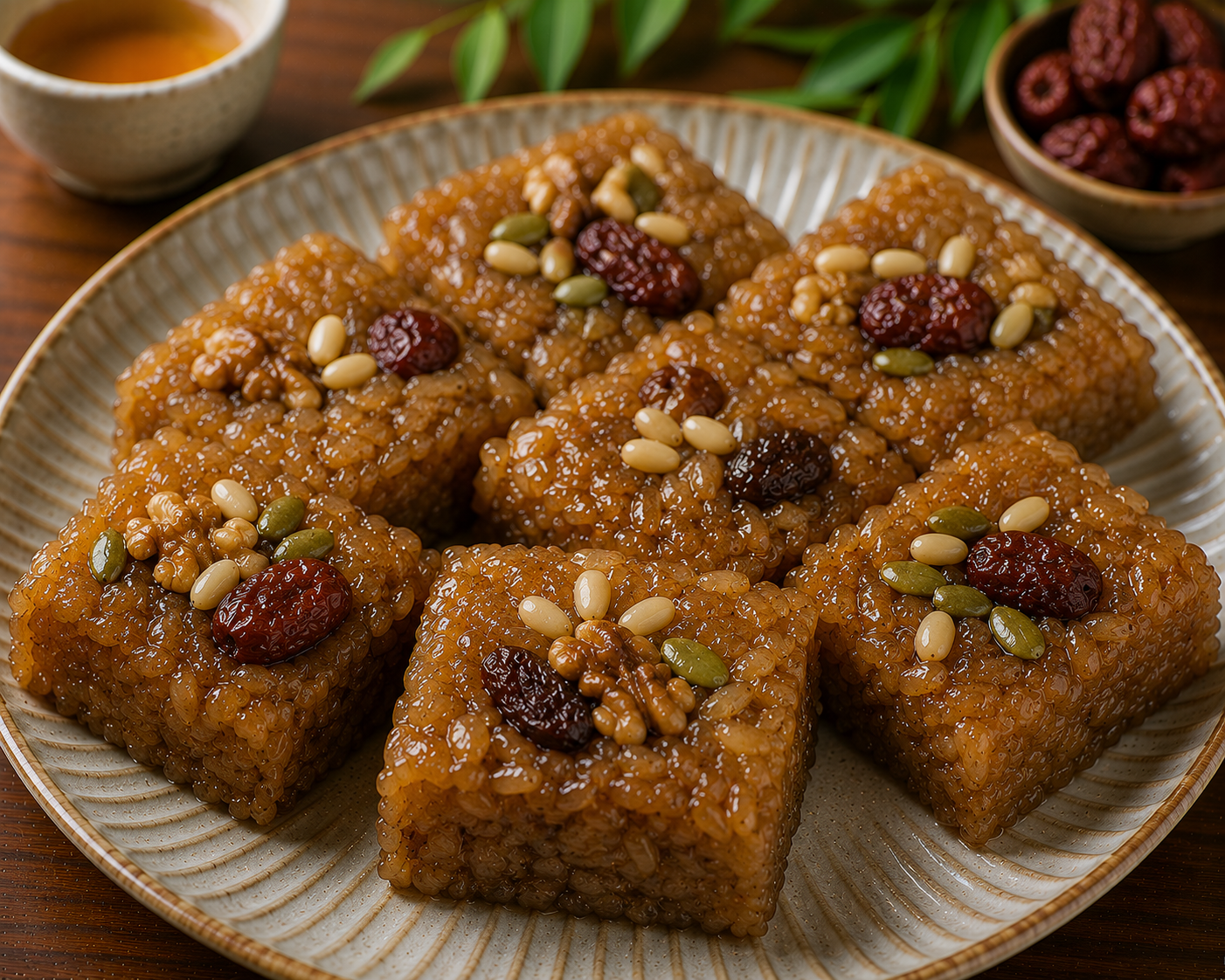
Yak-sik
약식 · yak-sik
A traditional Korean rice cake made by seasoning glutinous rice with honey and soy sauce, and steaming it with dates, chestnuts, and pine nuts.
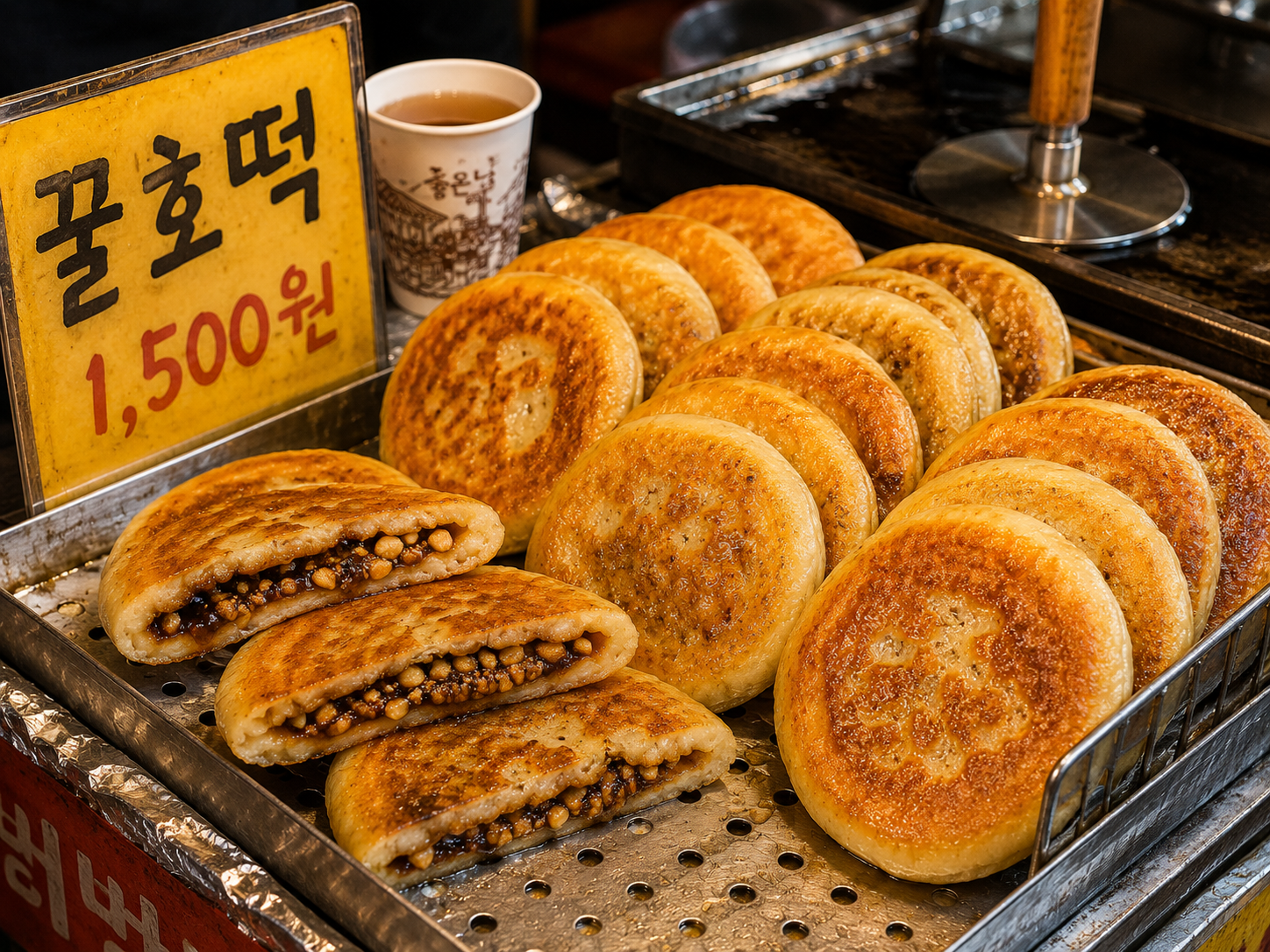
Hotteok
호떡 · ho-tteok
A warm street snack made by frying dough filled with brown sugar and nut syrup. It has a crispy exterior and a flowing brown sugar syrup interior, making it a representative winter treat that tastes even better when eaten warm right after it is freshly made.
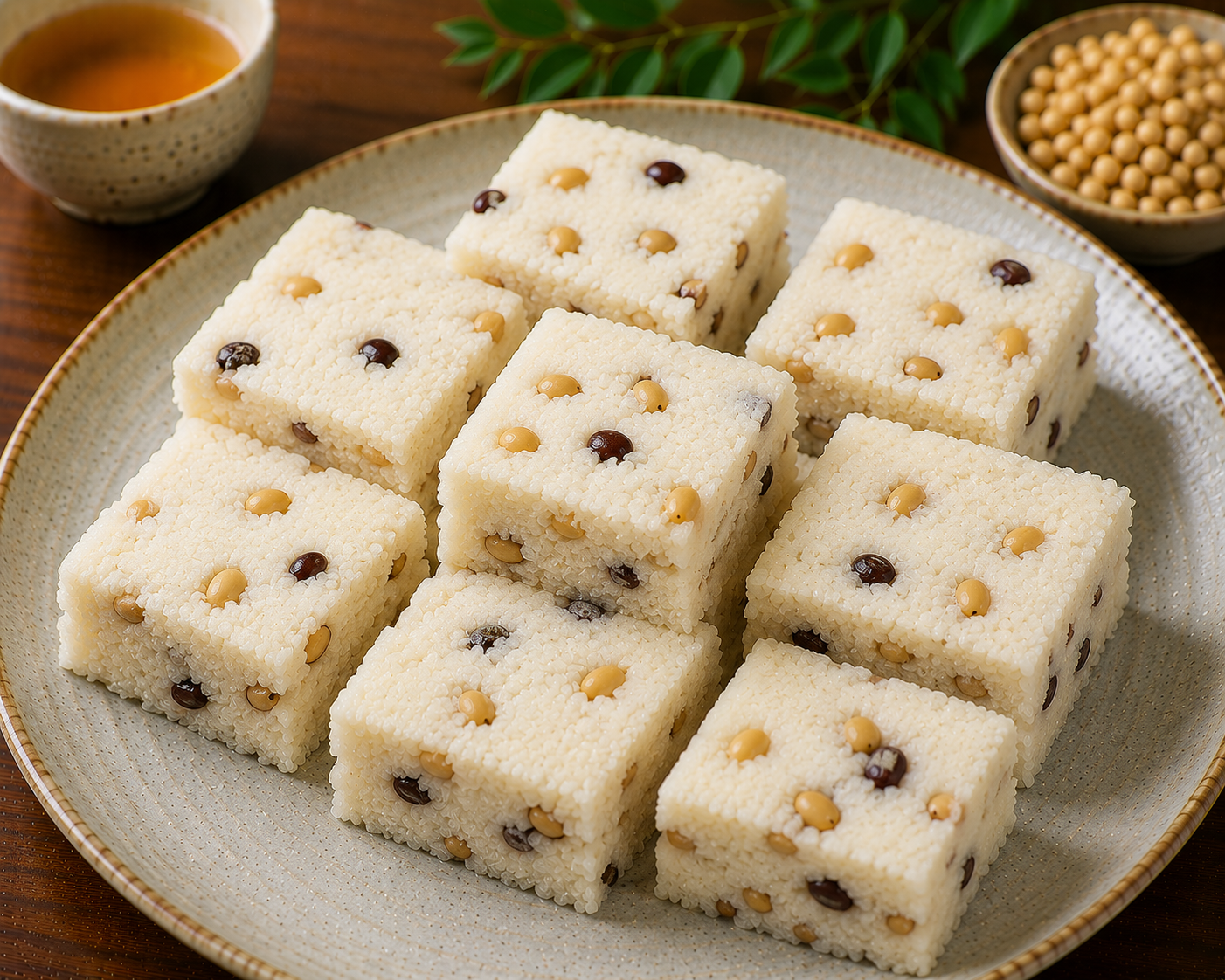
Kongseolgi
콩설기 · kong-seolgi
A steamed rice cake made by mixing rice flour with beans, characterized by its crumbly texture and mild taste. It is mainly enjoyed as a snack or dessert, and is sometimes eaten with tea.
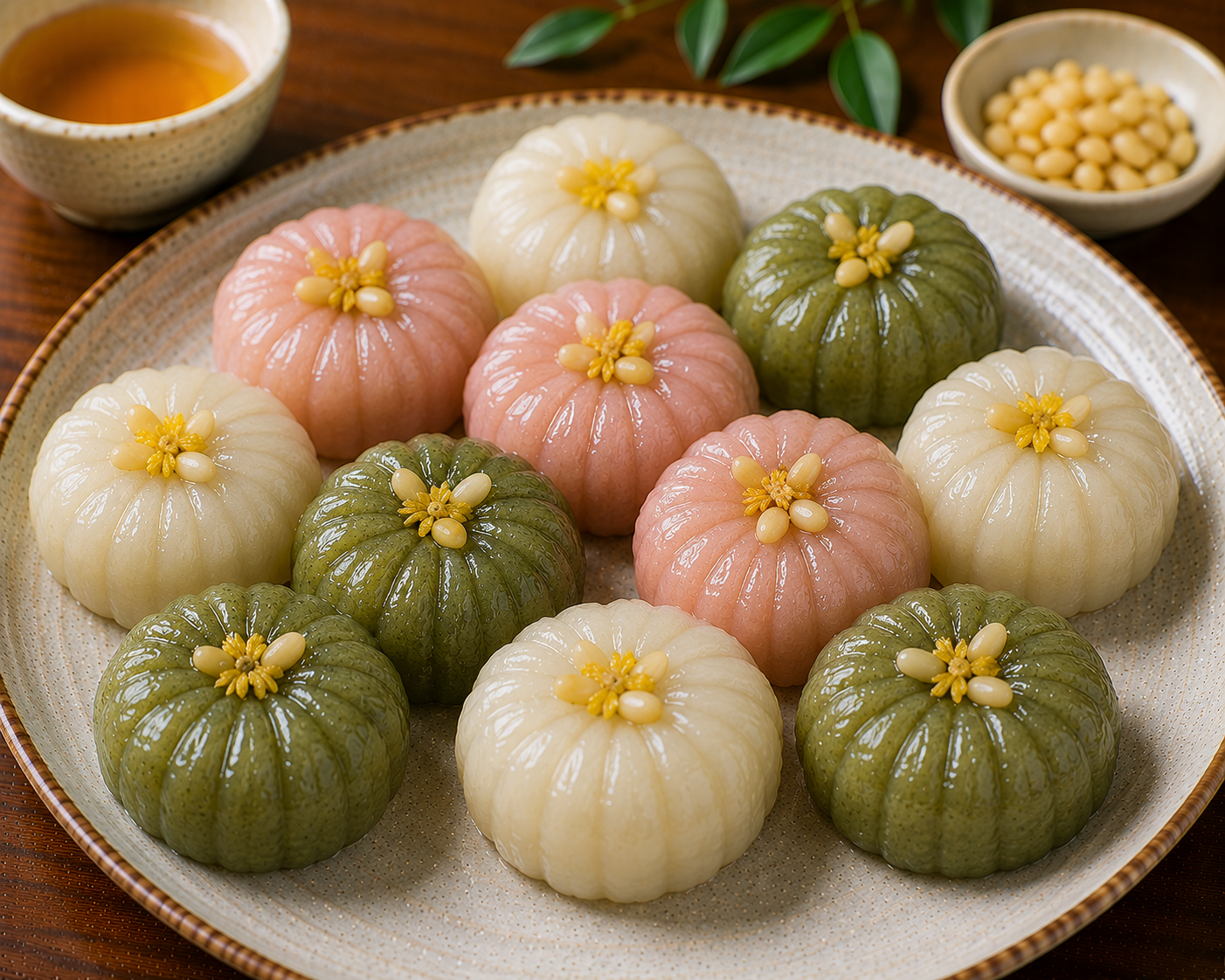
Danja
단자 · danja
A traditional rice cake made by kneading glutinous rice flour into round shapes and coating it with toppings, characterized by its chewy and sweet taste.
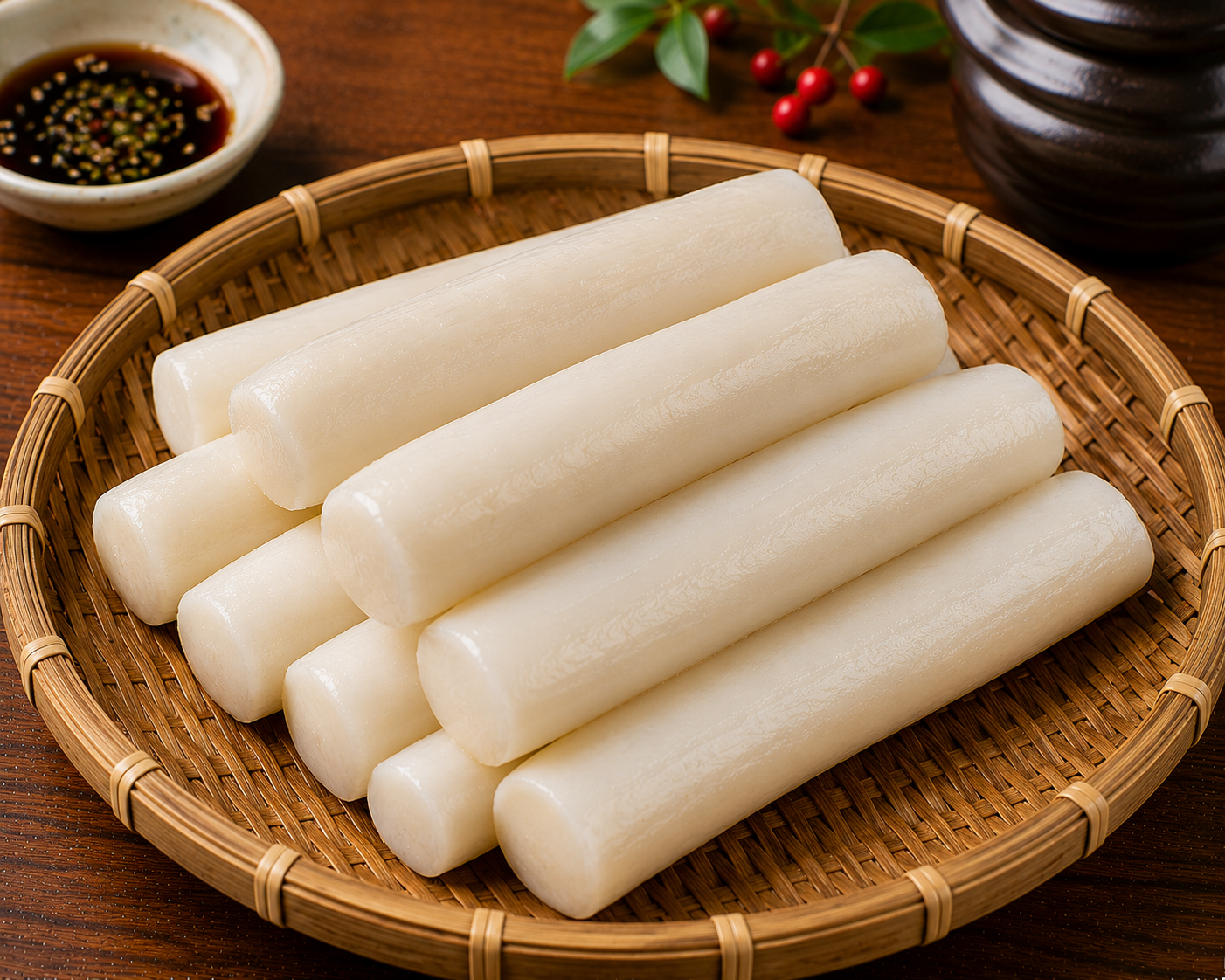
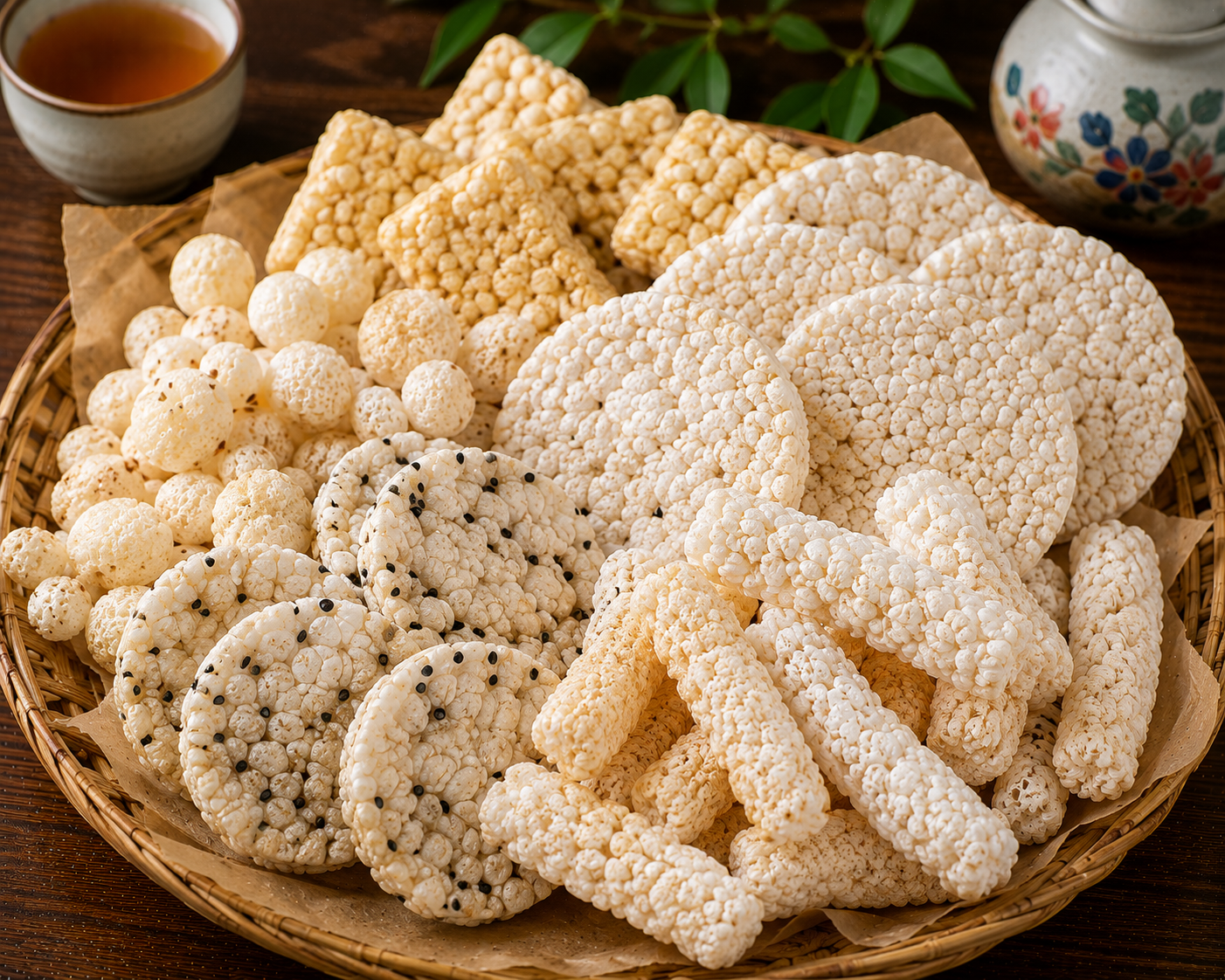
Ingredients
How it's made
- 1Prepare by kneading non-glutinous rice flour.
- 2Prepare fillings like sesame seeds, beans, and chestnuts.
- 3Shape the dough into a half-moon and insert the filling.
- 4Place on pine needles and steam in a steamer.
Nutrition
* Estimated values per serving.
Allergens
Made from non-glutinous rice flour, it is gluten-free and, depending on the filling, also suitable for vegetarian and halal diets.
How to order
송편 주세요
Song-pyeon ju-se-yo
Please give me Songpyeon
Traveler tips
How to eat it
Frequently asked questions
- Do you eat the pine needles in Songpyeon too?
- Usually, no. Pine needles are steamed with the rice cakes to add fragrance and help keep them from sticking, so they can be removed before eating.
- Why is it shaped like a half-moon?
- There is no single definitive reason. A widely told story says the waxing half-moon was seen as a symbol of abundance and a bright future.
- Are Songpyeon fillings always sweet?
- Sesame fillings are generally sweet, but bean fillings are relatively mild and plain. Some Songpyeon is filled with chestnuts or red beans, so the flavor varies a little by region and household.
Last reviewed: 2026-10-07