Cultural background
This soup is mainly consumed to relieve hangovers or soothe the stomach, and it is particularly popular in cold weather.
Similar dishes
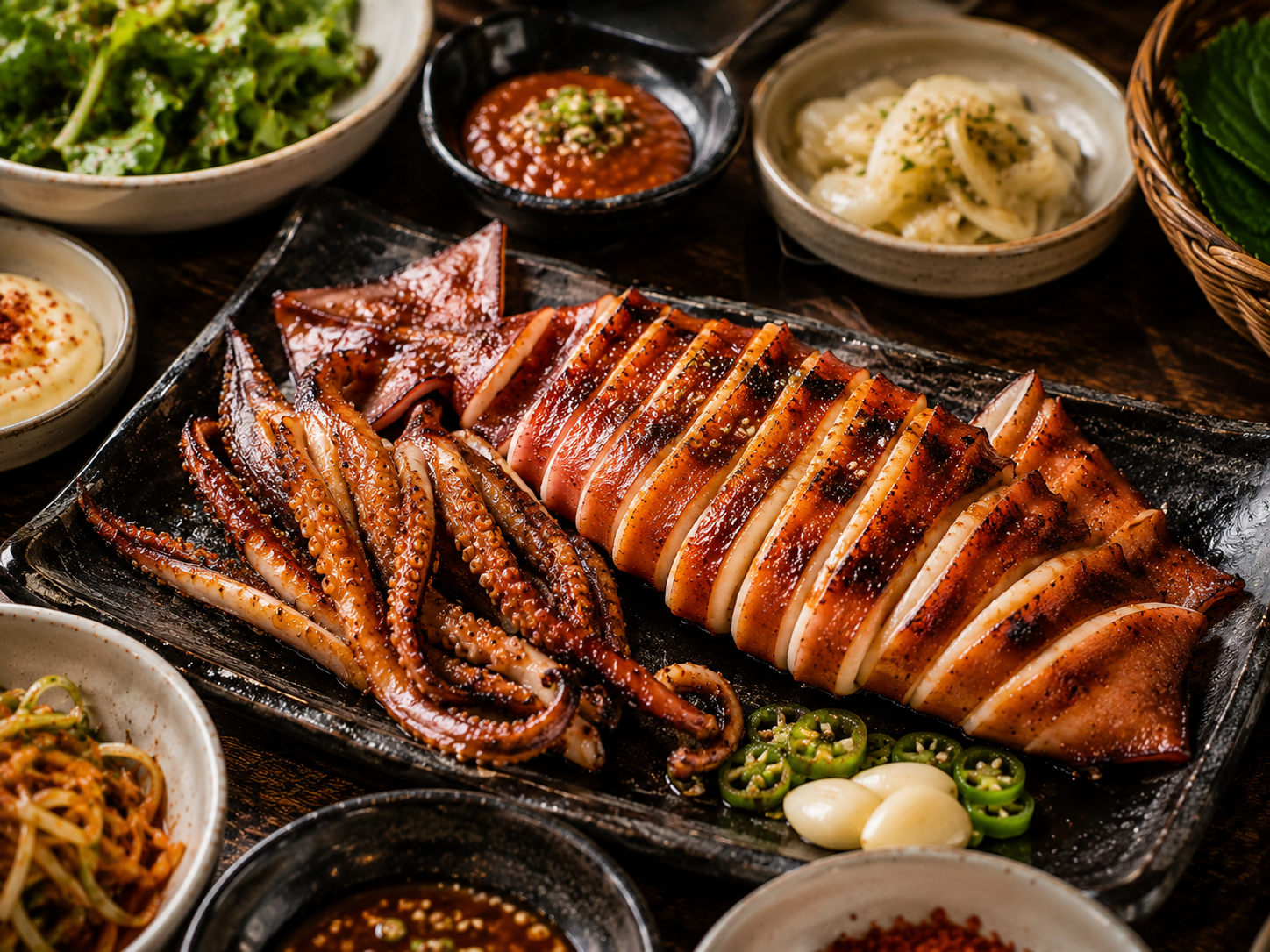
Grilled Squid
오징어구이 · o-jing-eo-gui
A dish made by grilling squid over direct heat or on a griddle, characterized by its savory and chewy texture. It is usually grilled with seasoning like soy sauce or salt and can be wrapped in ssamjang or garlic for eating.
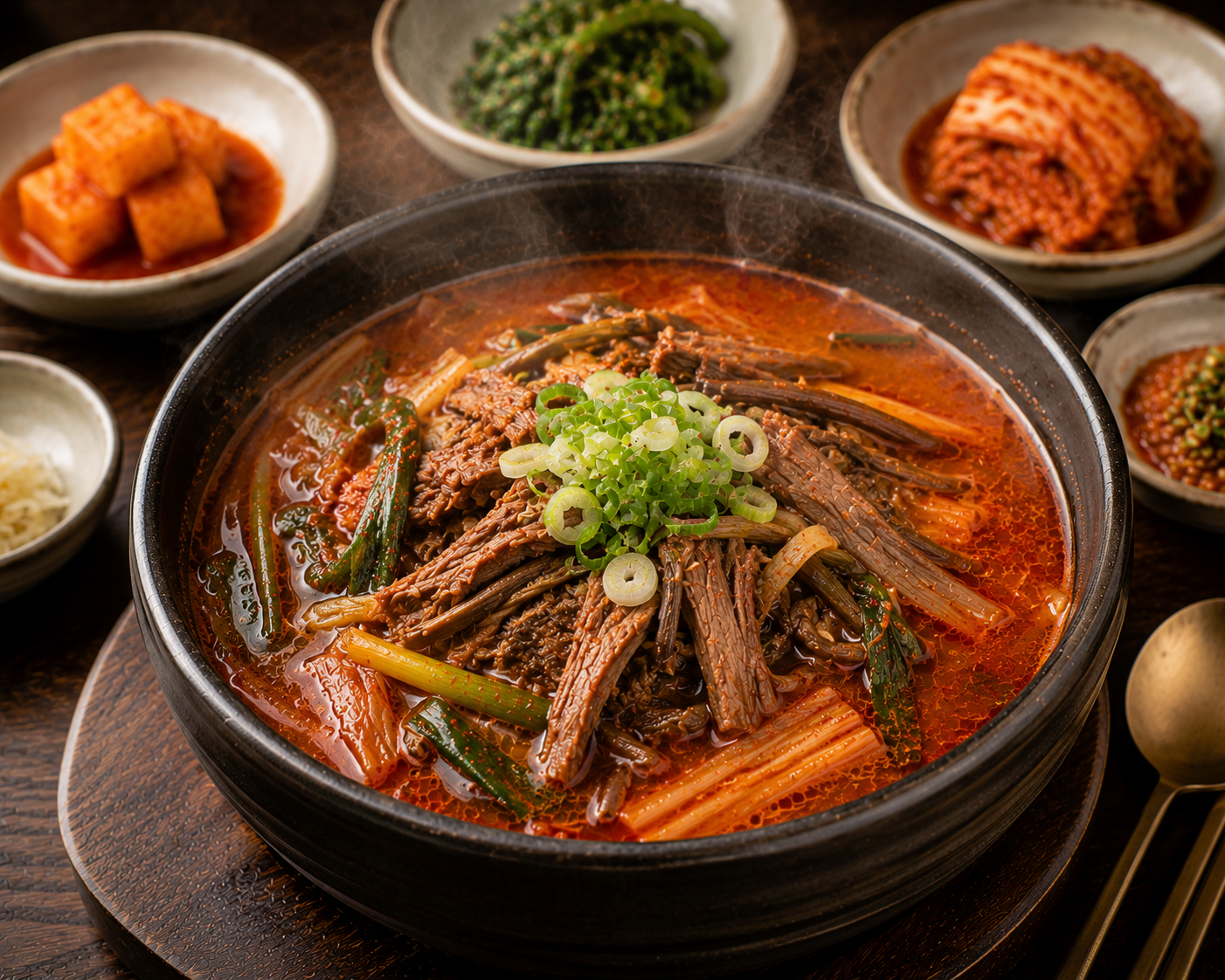
Yukgaejang
육개장 · yuk-gae-jang
A spicy soup dish made with beef, fernbrake, and bean sprouts cooked in hot pepper oil. The broth is rich and spicy, and it tastes even better when eaten with rice.
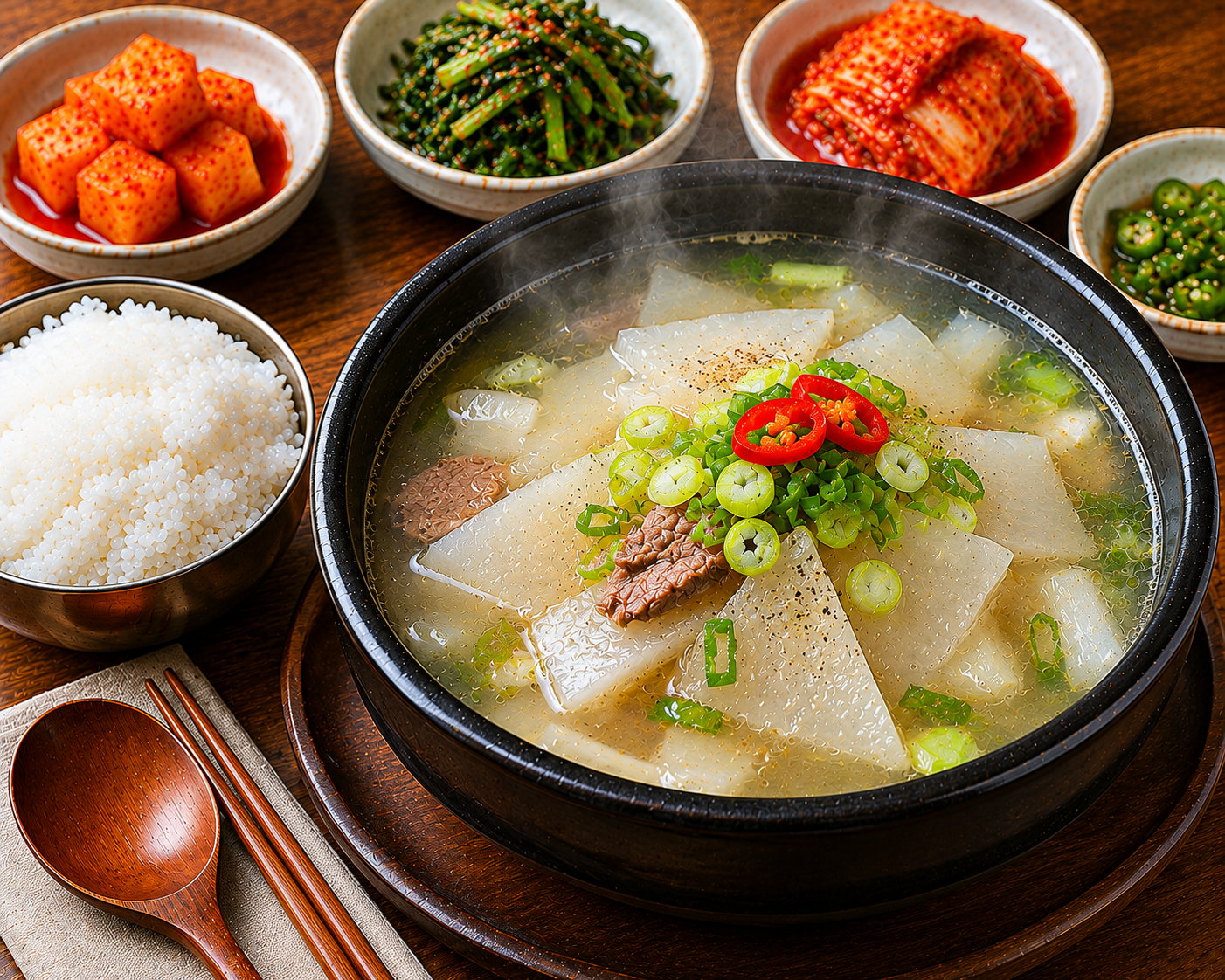
Radish Soup
무국 · mu-guk
A clear soup dish made with radish and beef, characterized by a light and refreshing taste. It is usually enjoyed with rice, and salt or soy sauce can be added at the table to adjust the seasoning.
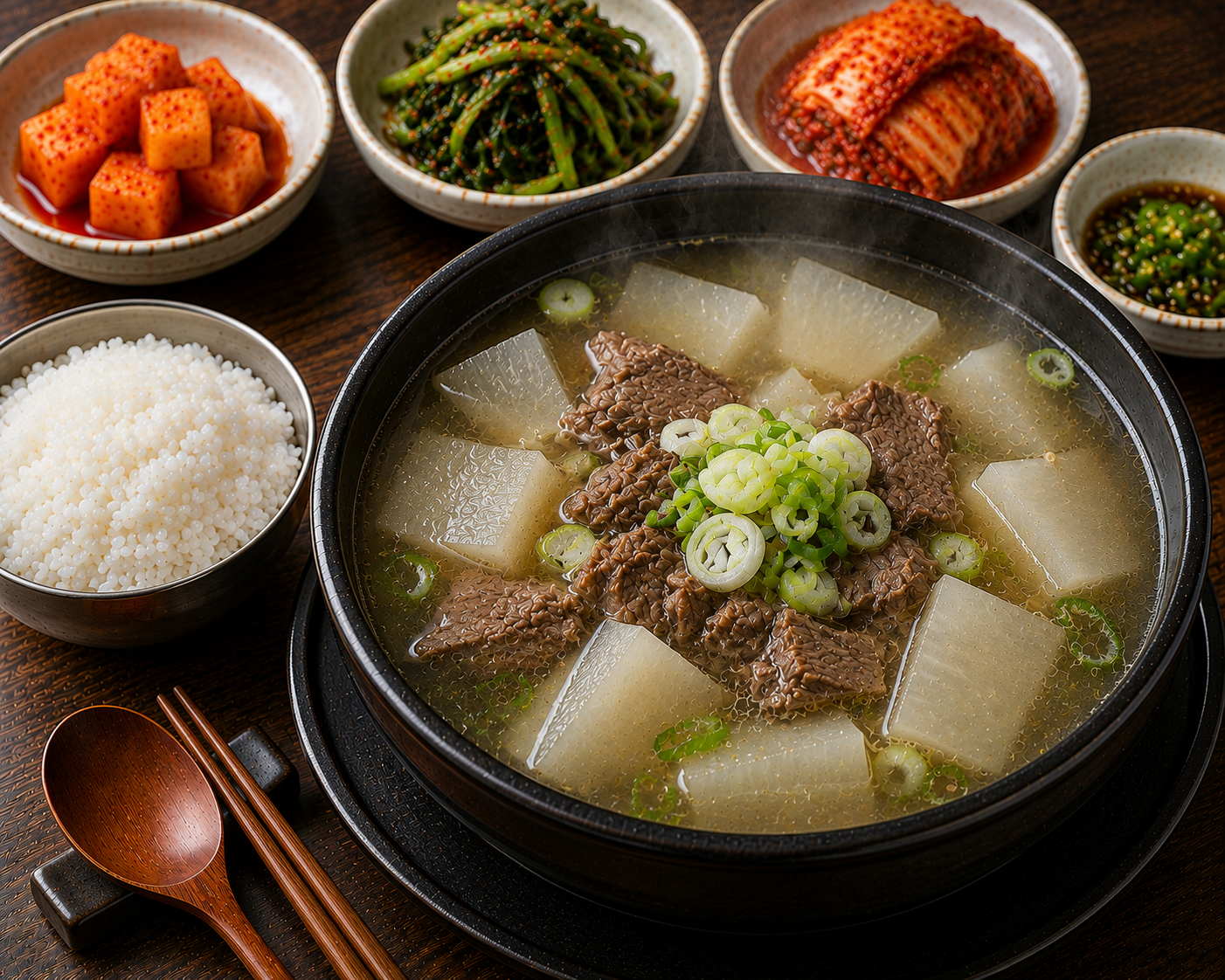
Beef Mu-guk
소고기뭇국 · so-go-gi-mut-guk
A traditional Korean soup dish made by boiling beef and radish in a clear broth. It features a light and refreshing taste, and is enjoyed with rice.
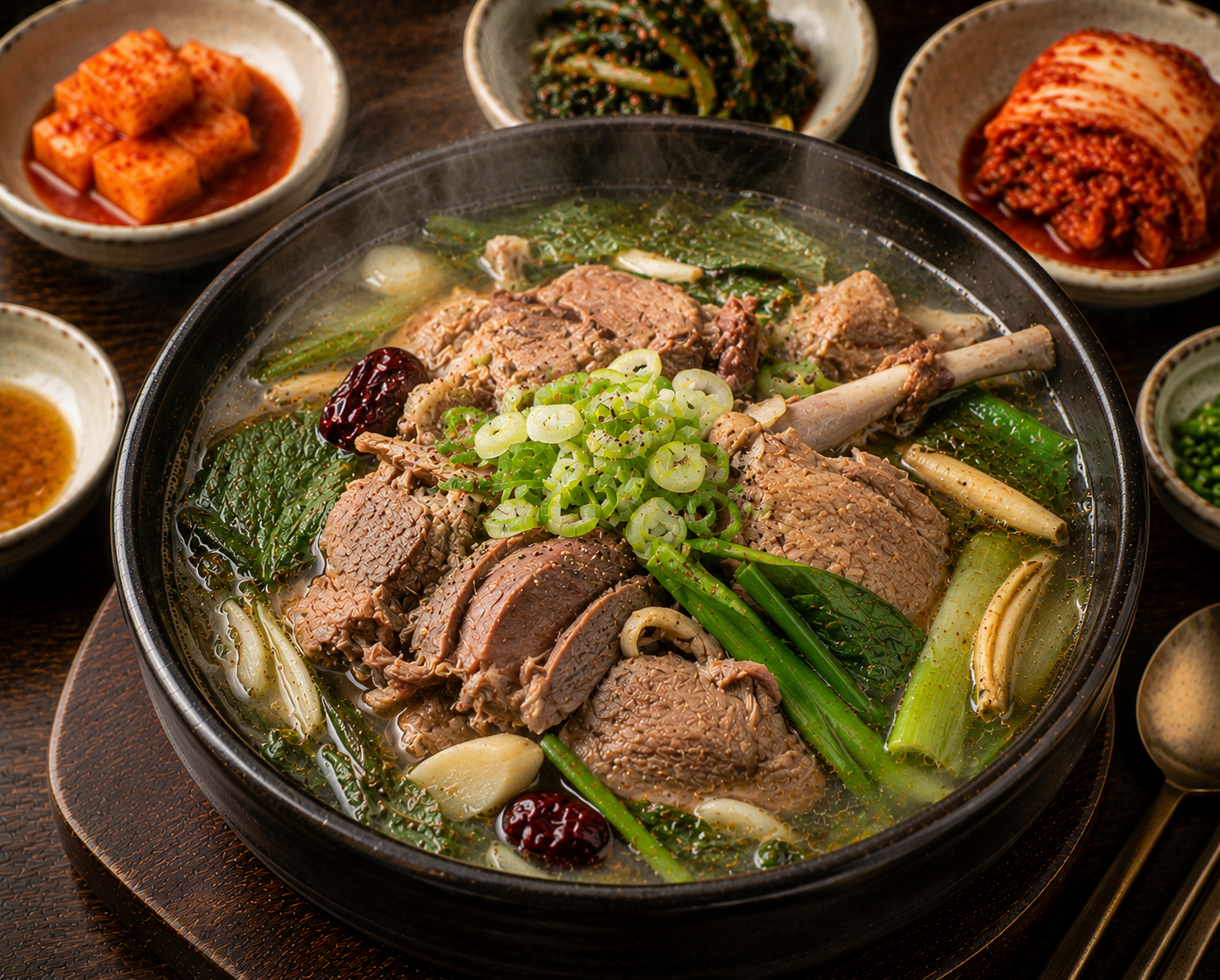
Duck Soup
오리탕 · ori-tang
A nourishing soup made from simmered duck meat with a rich broth. It is characterized by tender duck meat and deep umami flavor, often enjoyed with rice.
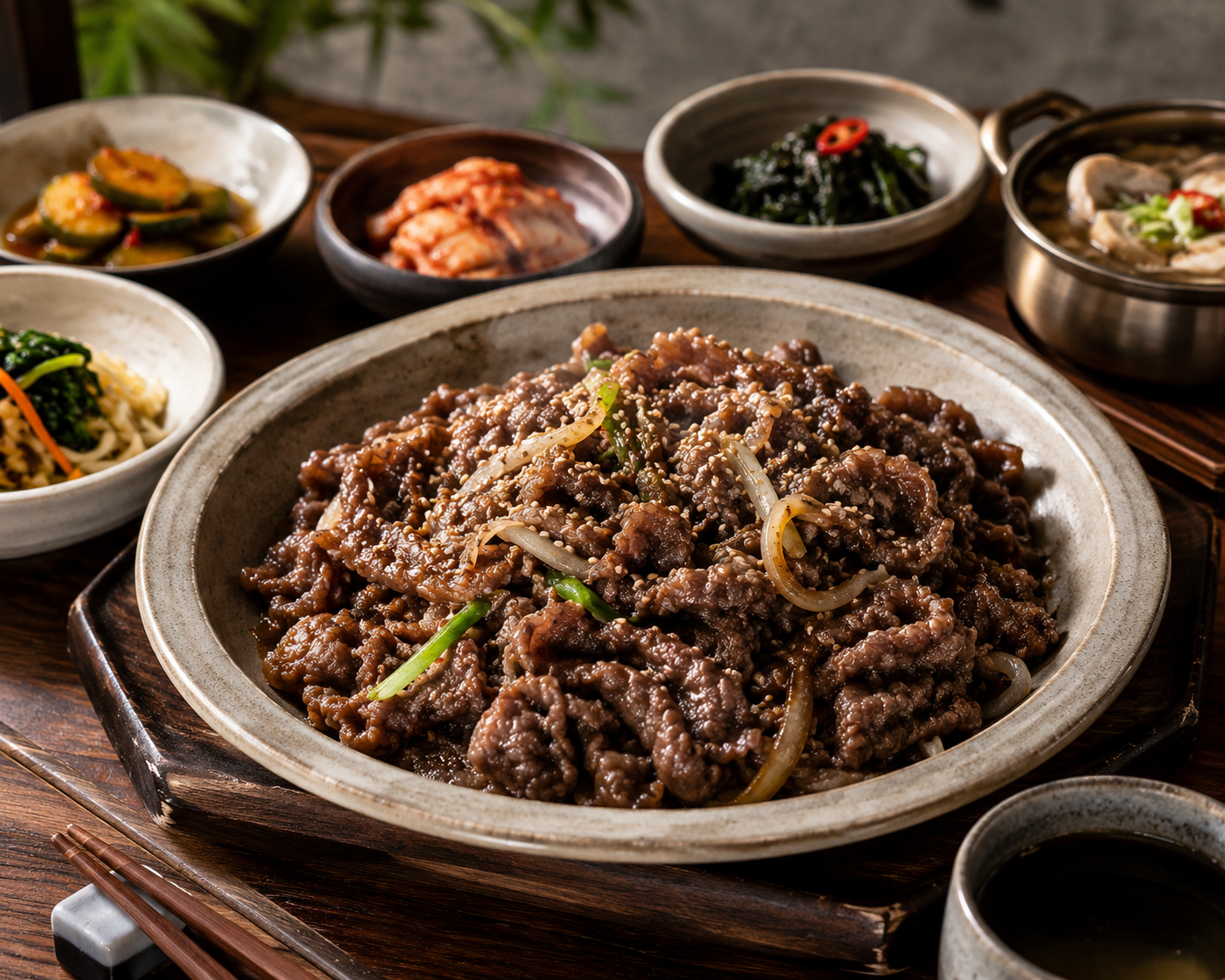
Bulgogi
불고기 · bulgogi
A traditional Korean dish made by seasoning thinly sliced beef with soy sauce, sugar, garlic, and more, then grilling it on a metal plate. It is characterized by a sweet and savory flavor and is usually eaten wrapped in leafy vegetables.
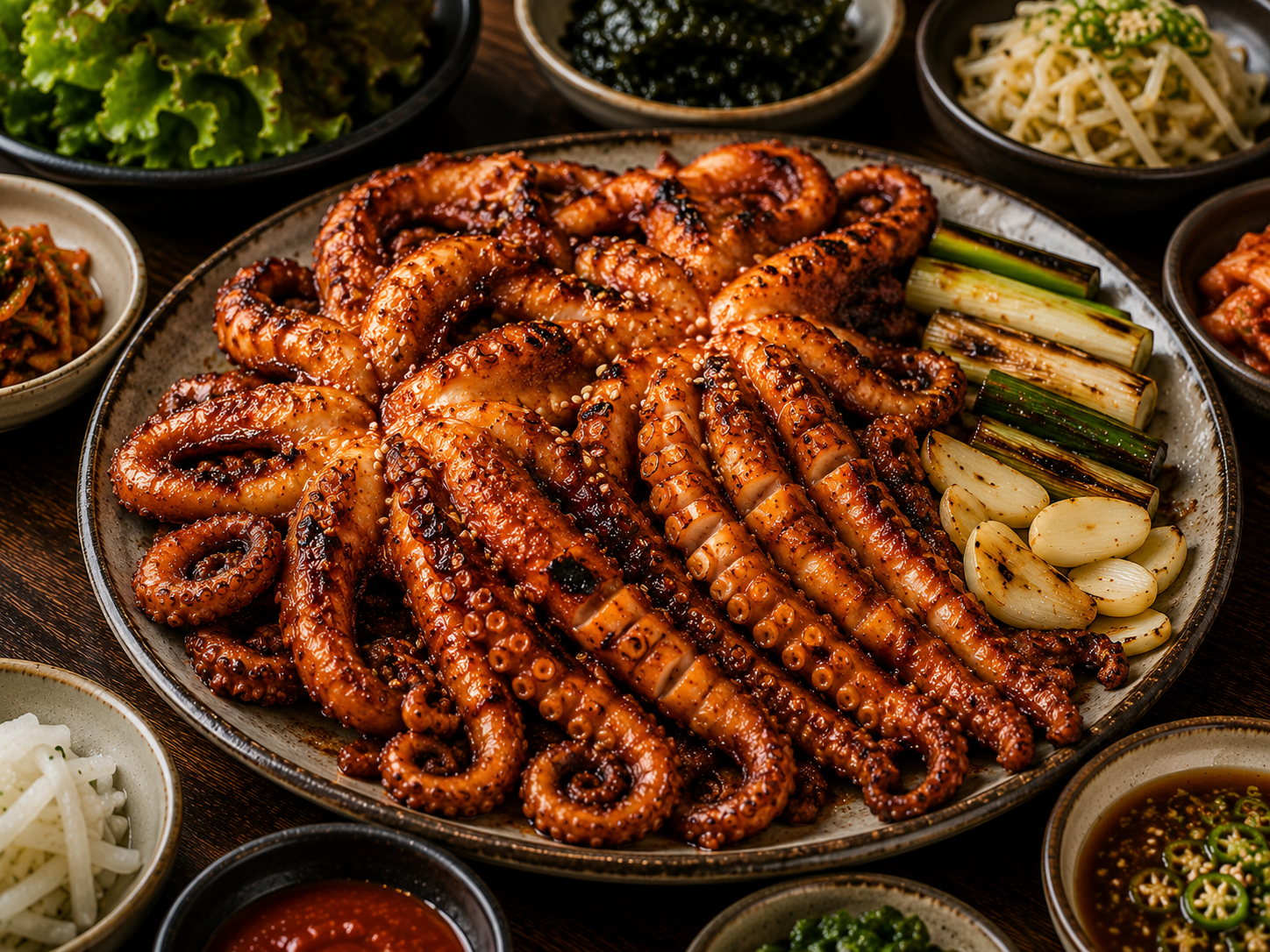
Grilled Octopus
낙지구이 · nakji-gui
This dish features octopus marinated in sauce and grilled on a hot plate, characterized by its chewy texture and spicy seasoning. It is typically grilled directly at the dining table and enjoyed at the perfect moment of cooking, wrapped in lettuce and enjoyed with ssamjang.
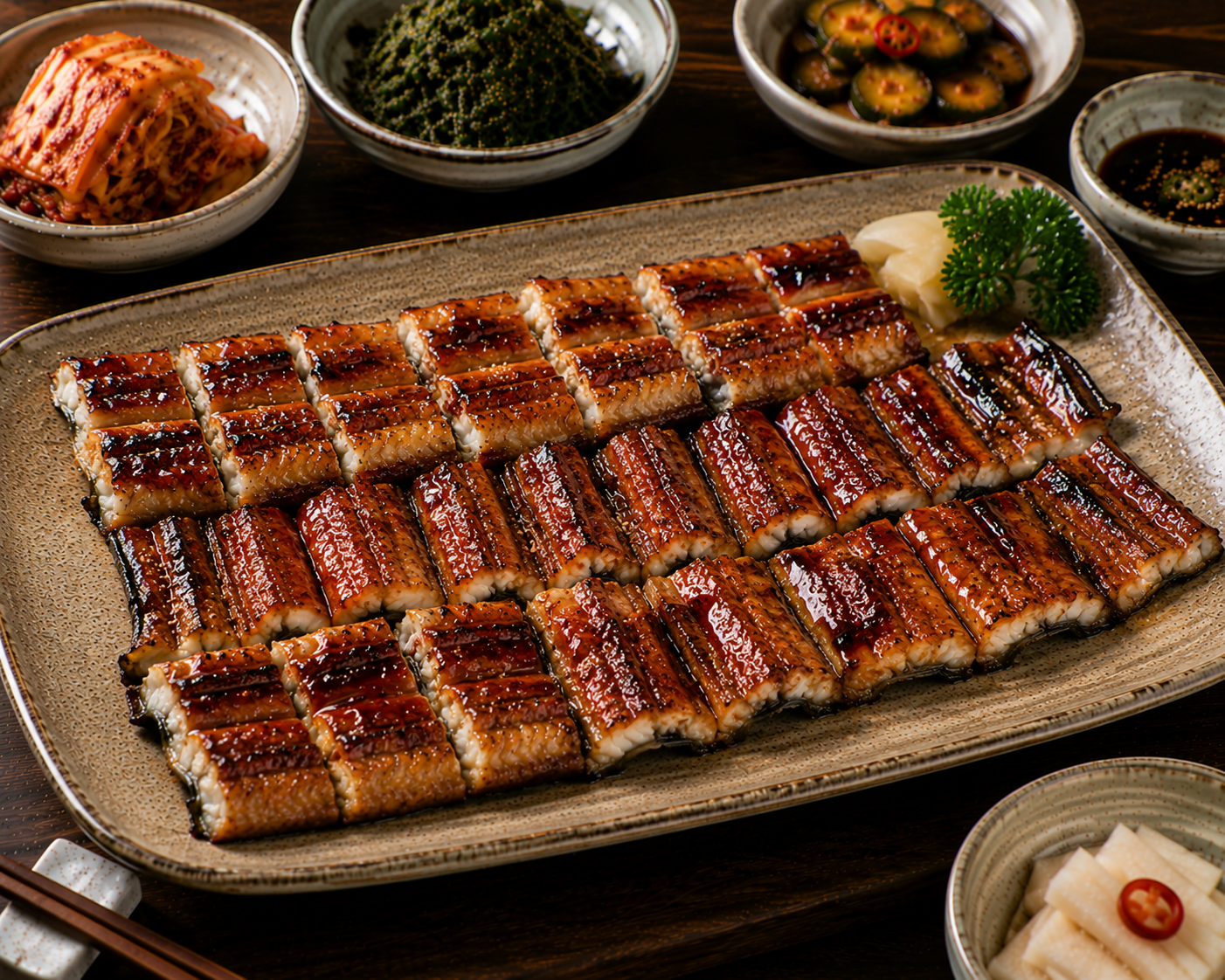
Grilled Eel
장어구이 · jang-eo-gui
This dish involves marinating eel in soy sauce and grilling it on a hot plate, characterized by its rich oiliness and tender flesh. The marinade caramelizes during grilling, creating a sweet and savory flavor. It is usually grilled at the table and enjoyed at the moment it is perfectly cooked, often wrapped in lettuce or perilla leaves and paired with ssamjang.
Goes well with
Ingredients
How it's made
- 1Clean and prepare the ugeoji (outer napa cabbage leaves).
- 2Cut the beef into appropriate sizes and sauté it in a pot.
- 3Add doenjang and water, and bring to a boil.
- 4Add the ugeoji and boil until tender.
- 5Add green onion and garlic, and boil for a bit longer.
Nutrition
* Estimated values per serving.
Allergens
Contains beef, so it is not suitable for vegetarian or halal diets.
How to order
우거지국 주세요
U-geo-ji-guk ju-se-yo
Please give me ugeoji-guk