Cultural background
Yukhoe is mainly enjoyed on special occasions or at celebrations, where the quality of the fresh meat greatly influences the taste. It is often paired with Soju.
Origin & history
In the name Yukhoe, hoe refers to the practice of eating ingredients raw, sliced thinly rather than cooked. Unlike raw fish hoe, Yukhoe uses beef, and sesame oil and Soy Sauce-based seasoning bring out the flavor of the meat.
Back when beef was precious, people could not easily eat it whenever they wanted. A widely repeated explanation says Yukhoe came to be regarded as a dish for entertaining guests and for festive tables, because it showed off both the freshness of the meat and the skill with which it was prepared.
Regional & modern variations
- Yukhoe Bibimbap — Yukhoe, namul vegetables, and seasoning are placed over rice, then mixed together before eating. Some places, such as Jeonju and Jinju, are known for Yukhoe Bibimbap.
- Yuksashimi — Beef is served thinly sliced without being tossed in seasoning. Diners dip it in sesame-oil sauce or Soy Sauce, so the flavor of the meat itself comes through more directly than in Yukhoe.
- Yukhoe Tangtangi — Yukhoe is served together with finely chopped sannakji, live octopus. You get both the soft chew of the beef and the springy texture of the octopus at the same time.
How Koreans eat it
Yukhoe usually comes as a drinking snack or side dish to share, rather than as a plate for one person. At barbecue restaurants, people sometimes order it before the grilled meat, and it is also eaten on its own at butcher-restaurants or market restaurants specializing in Yukhoe. Because the meat is raw, it is best eaten soon after it is served rather than left out and picked at slowly.
Taste & how to choose
Good Yukhoe is cold, but not hard like ice, and the surface of the meat should not look dried out or sit in a pool of liquid. If the seasoning tastes too strong, it can cover up the aroma of the beef. First-time diners are sometimes surprised by how tender the meat is, and by how the crispness of pear and the aroma of sesame oil help reduce any fishy or gamey impression.
Similar dishes
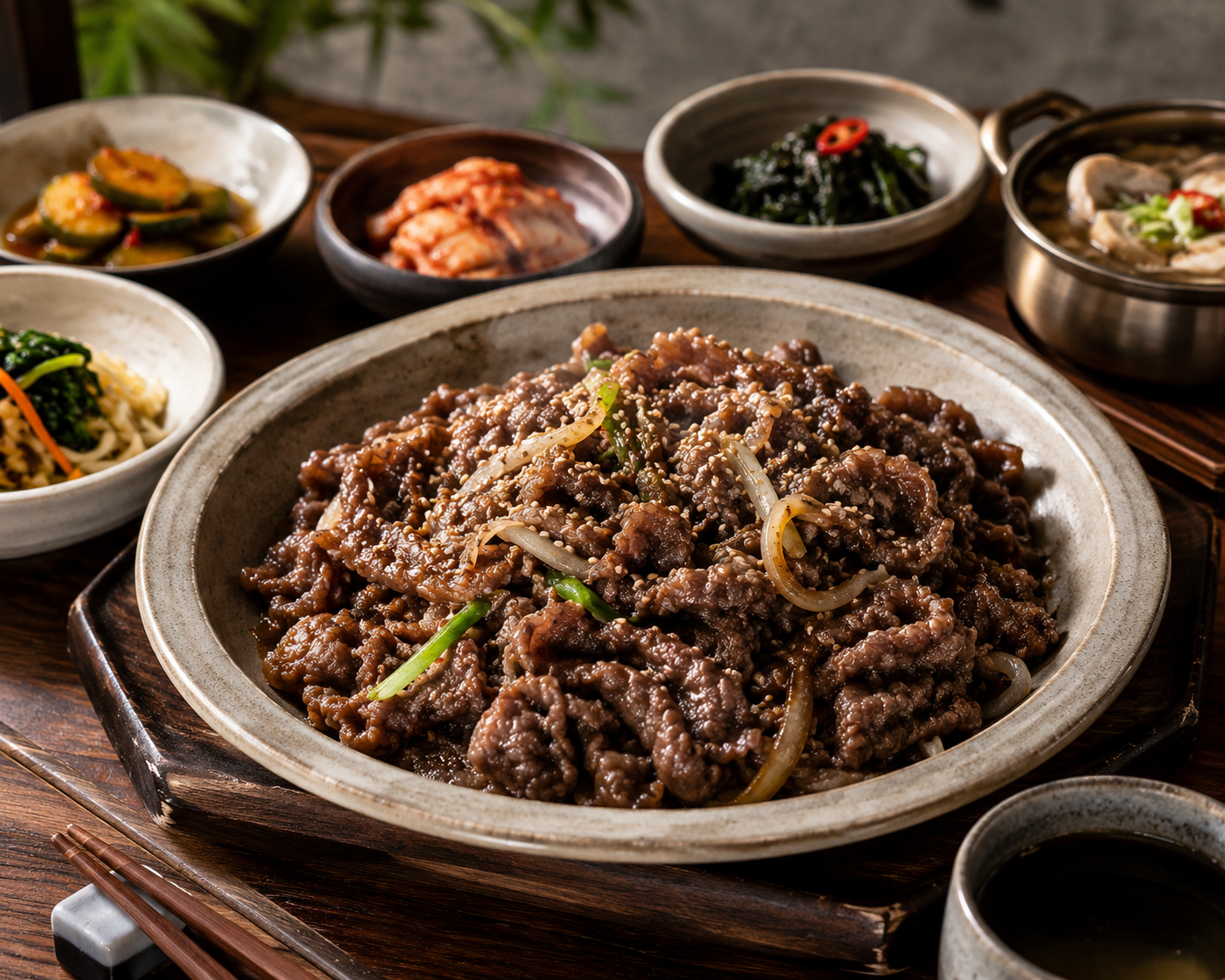
Bulgogi
불고기 · bulgogi
A traditional Korean dish made by seasoning thinly sliced beef with soy sauce, sugar, garlic, and more, then grilling it on a metal plate. It is characterized by a sweet and savory flavor and is usually eaten wrapped in leafy vegetables.
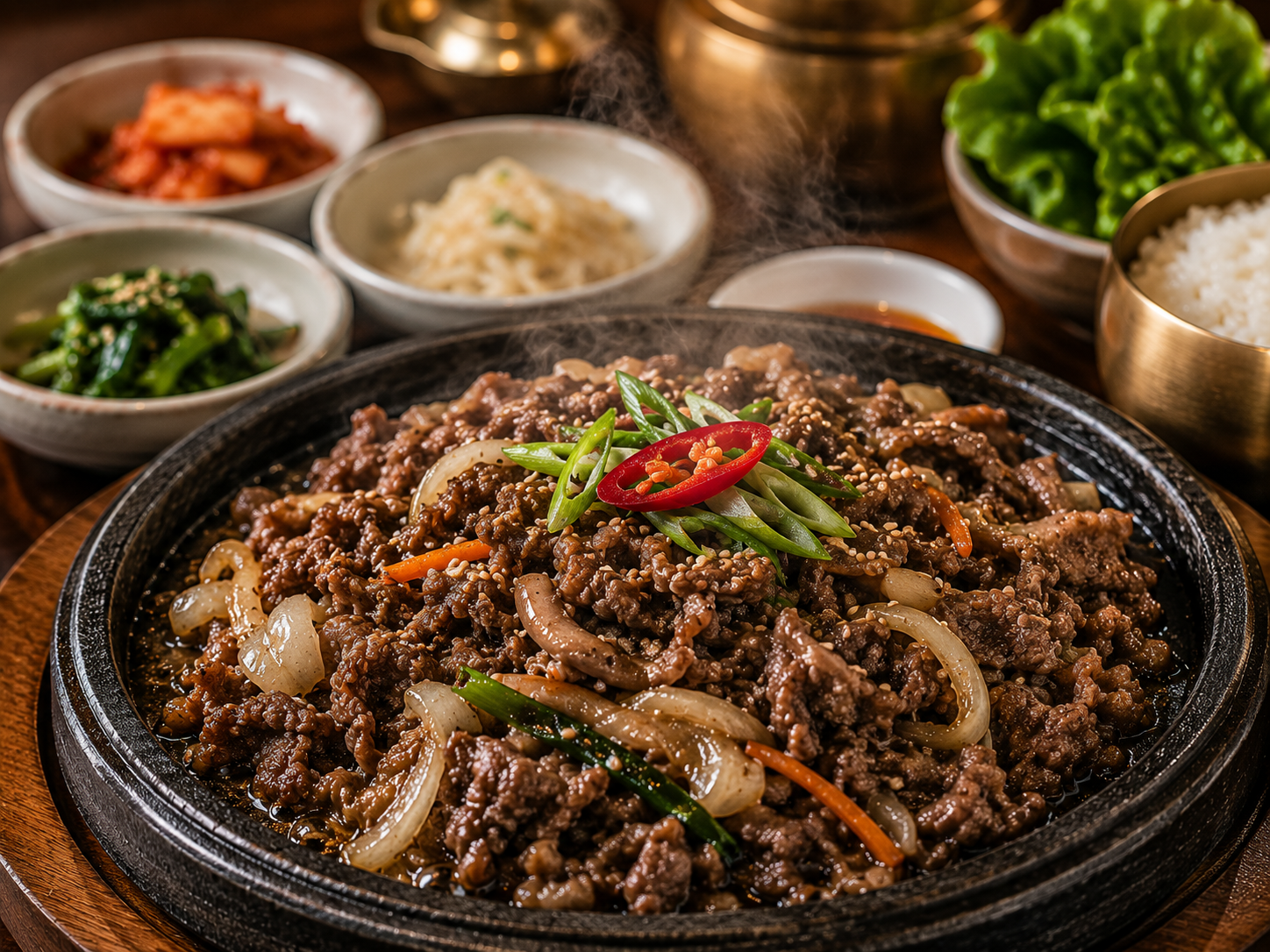
Beef Bulgogi
소불고기 · so-bul-go-gi
A traditional Korean grilled dish made by marinating thinly sliced beef in soy sauce, sugar, garlic, and other ingredients, then grilling it on a hot plate.
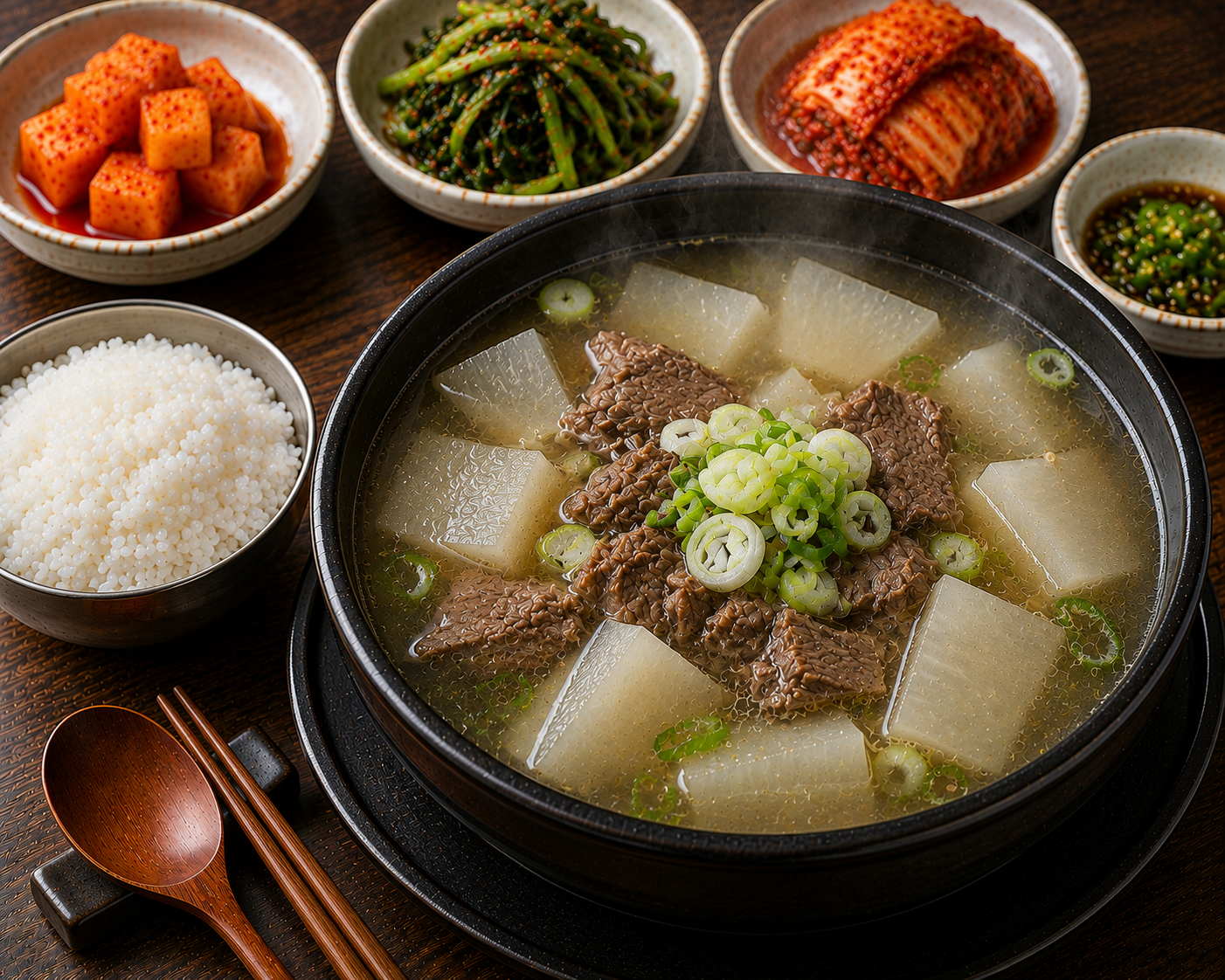
Beef Mu-guk
소고기뭇국 · so-go-gi-mut-guk
A traditional Korean soup dish made by boiling beef and radish in a clear broth. It features a light and refreshing taste, and is enjoyed with rice.
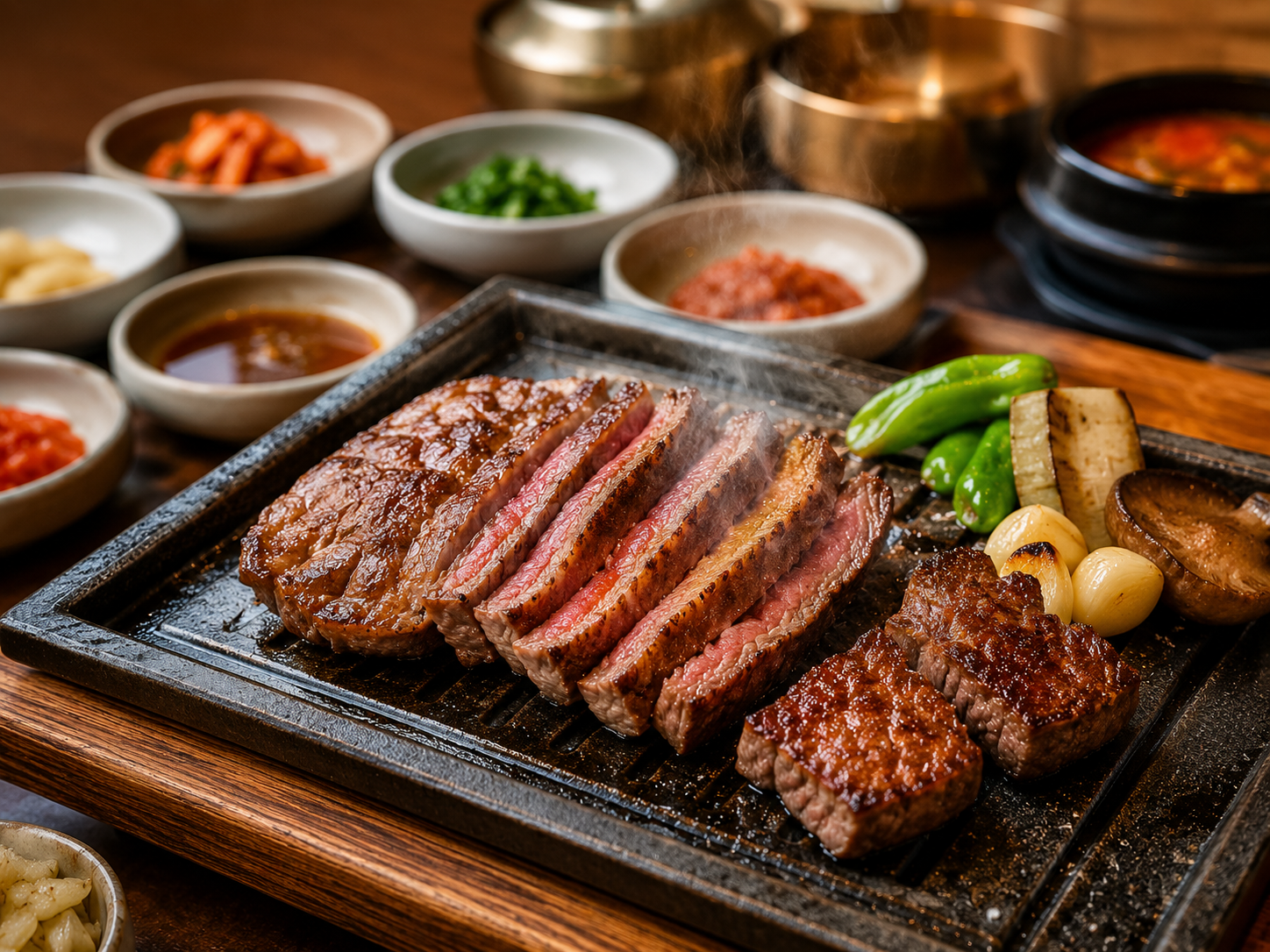
Beef Sirloin Grill
등심구이 · deung-sim-gui
This dish involves grilling the sirloin section of the cow seasoned with salt or soy sauce, characterized by its soft and mild flavor. It is typically grilled directly at the table and enjoyed at the moment it is perfectly cooked, often wrapped in lettuce or perilla leaves and served with ssamjang.
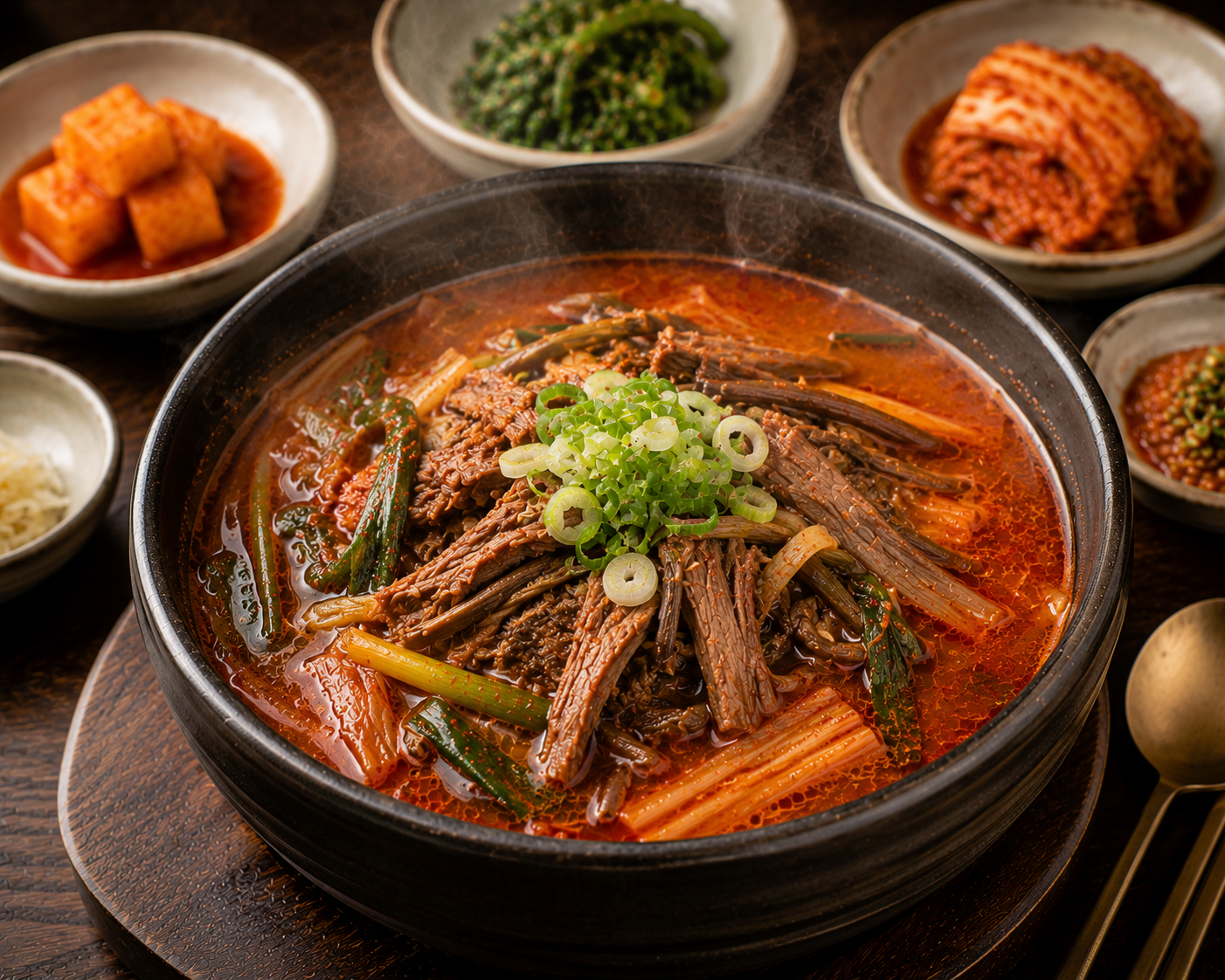
Yukgaejang
육개장 · yuk-gae-jang
A spicy soup dish made with beef, fernbrake, and bean sprouts cooked in hot pepper oil. The broth is rich and spicy, and it tastes even better when eaten with rice.
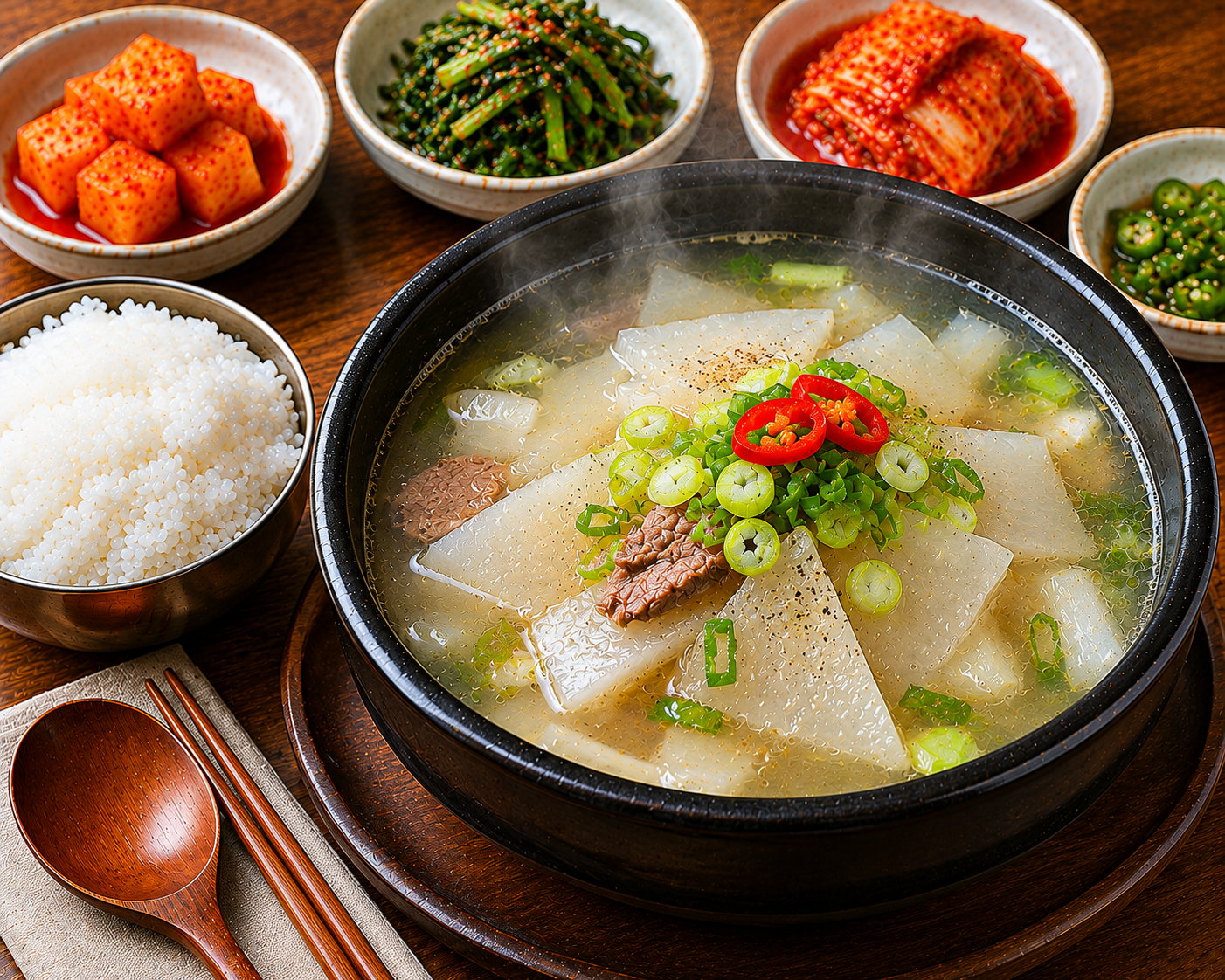
Radish Soup
무국 · mu-guk
A clear soup dish made with radish and beef, characterized by a light and refreshing taste. It is usually enjoyed with rice, and salt or soy sauce can be added at the table to adjust the seasoning.
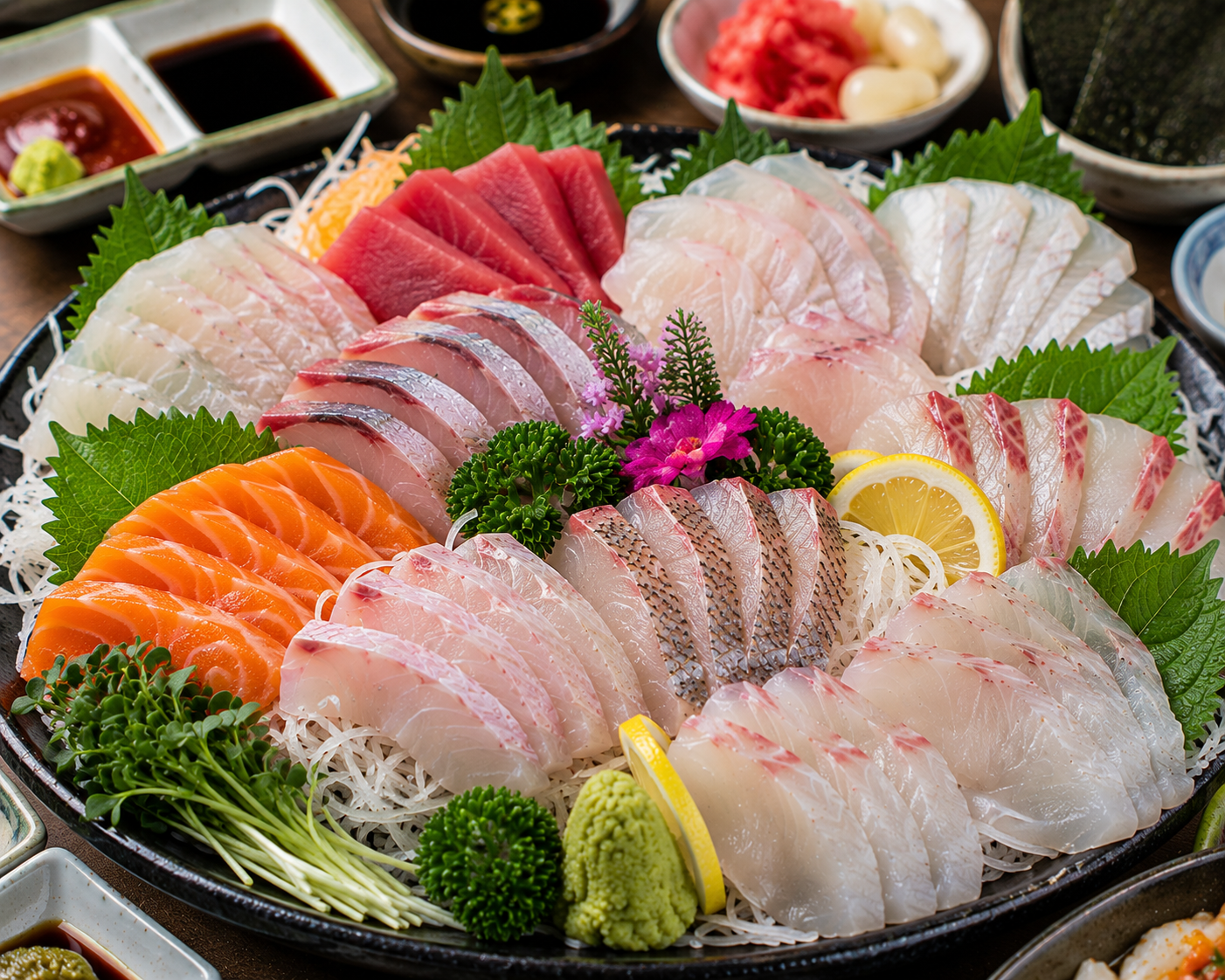
Ingredients
How it's made
- 1Thinly slice fresh beef to prepare.
- 2Mix soy sauce, sesame oil, and garlic to create a seasoning sauce.
- 3Add the seasoning sauce to the sliced beef and mix well.
- 4Thinly julienne the pear and place it on top of the meat.
Nutrition
* Estimated values per serving.
Allergens
Not suitable for vegetarian or halal diets as it uses raw meat.
How to order
육회 주세요
Yuk-hoe ju-se-yo
Please give me Yukhoe
Customize your order
Traveler tips
How to eat it
Frequently asked questions
- Why is pear served with it?
- Pear has plenty of sweetness and moisture, which lightens the nutty richness of the sesame-oil seasoning. Its crisp texture also contrasts with the soft raw beef.
- Do I have to mix in the raw egg yolk?
- Some restaurants place a raw egg yolk on top of Yukhoe. It is meant to make the dish taste richer and smoother, and if you do not want it, you can ask them to leave it out.
- How are Yukhoe and Yuksashimi different?
- Yukhoe is made by cutting beef into thin strips and tossing it with seasoning. Yuksashimi is sliced raw beef served unseasoned, with diners dipping it into sauce themselves.
Last reviewed: 2026-10-07