
Cultural background
Gamjatang is often sought for hangover relief and is popular for sharing in group meals.
Origin & history
Gamjatang does not have a single, clearly established origin story. Pork backbones cost less than lean cuts, but simmering them for a long time produces a rich broth, and the widely accepted explanation is that the dish took root as a meal and drinking food in busy markets and entertainment districts with many laborers.
There are also different theories about the word “감자” (gamja, “potato”) in the name. Some say it refers to the actual potatoes added to the stew, while another account says pork backbone cuts were once called “감자뼈” (gamja-ppyeo, “gamja bones”). Today, some restaurants use little or no potato, but the backbone, ugeoji (outer cabbage leaves), and perilla remain at the heart of the flavor.
Regional & modern variations
- Ppyeo Haejang-guk — A single serving of Gamjatang served in an individual earthenware bowl. Diners often choose it for lunch or as a hangover soup when sharing a large pot feels like too much.
- Mukeunji Gamjatang — Gamjatang simmered with well-fermented kimchi. The broth becomes tangier and deeper, and the kimchi’s acidity cuts through the richness of the pork backbone.
- Ugeoji Gamjatang — This version comes with plenty of ugeoji, outer cabbage leaves that have been boiled and dried or blanched. The ugeoji soaks up the broth and is treated as a key ingredient, almost as important as the meat.
How Koreans eat it
At Gamjatang restaurants, the pot may arrive fully cooked, or diners may continue simmering it at the table. After eating some of the meat and ugeoji, many people add Ramen noodles or Fried Rice to the remaining broth. Fried Rice is the usual finale: the broth is reduced slightly, then rice, shredded dried seaweed, and sesame oil are added and pressed against the bottom of the pan to crisp up.
Taste & how to choose
The broth’s first impression is less about the heat of chili powder and more about the savory, weighty flavors of pork-bone broth, ugeoji, and perilla seed powder. First-time diners may find the large bones difficult to handle, but in a well-simmered backbone, the meat comes away easily with chopsticks. A proper Gamjatang tastes slightly thick and earthy rather than overly clear.
Similar dishes
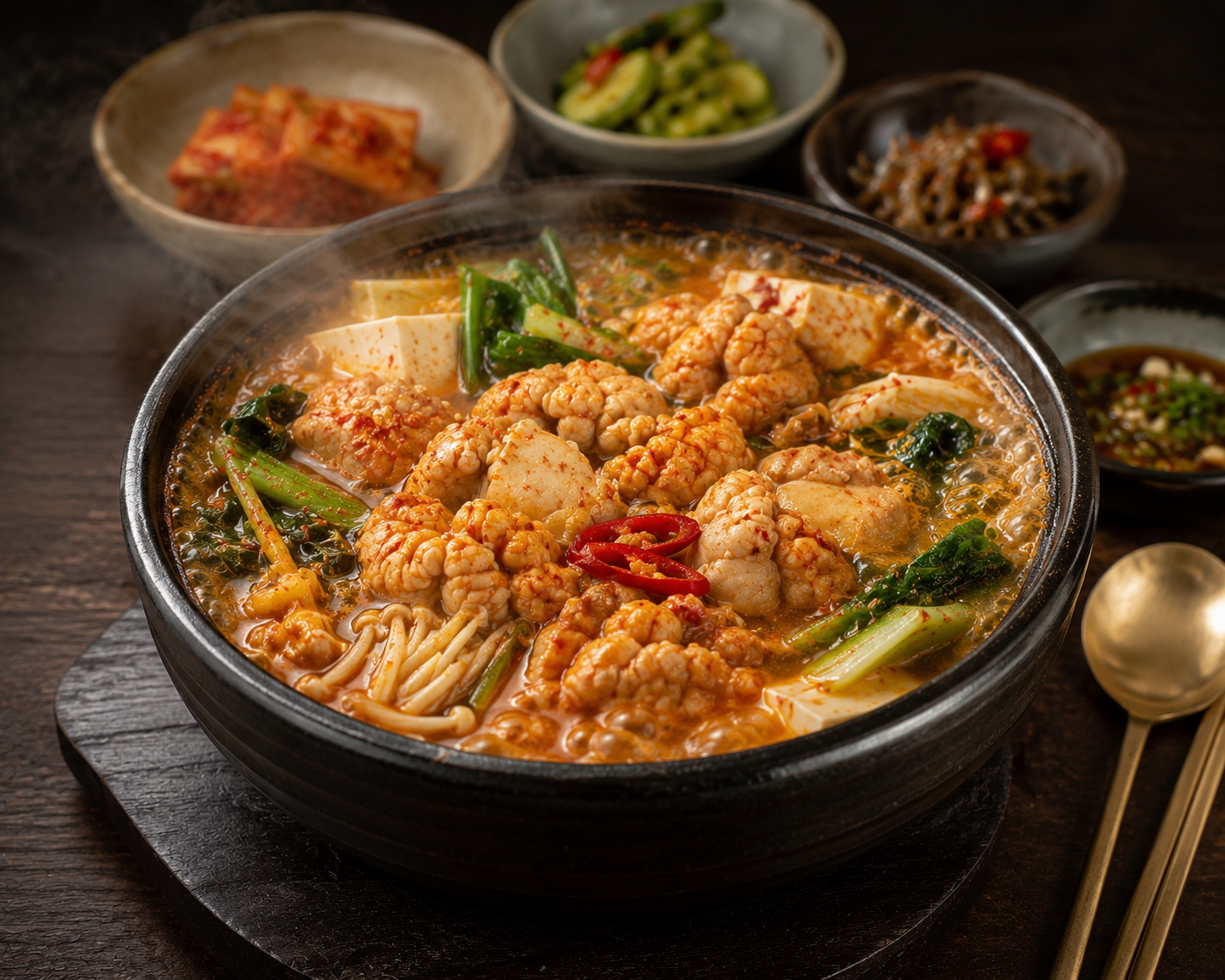
Spicy Fish Roe Stew
알탕 · al-tang
A spicy soup dish made with pollack roe and various seafood, simmered with red pepper powder. The broth is rich and spicy, making it great to enjoy with rice.
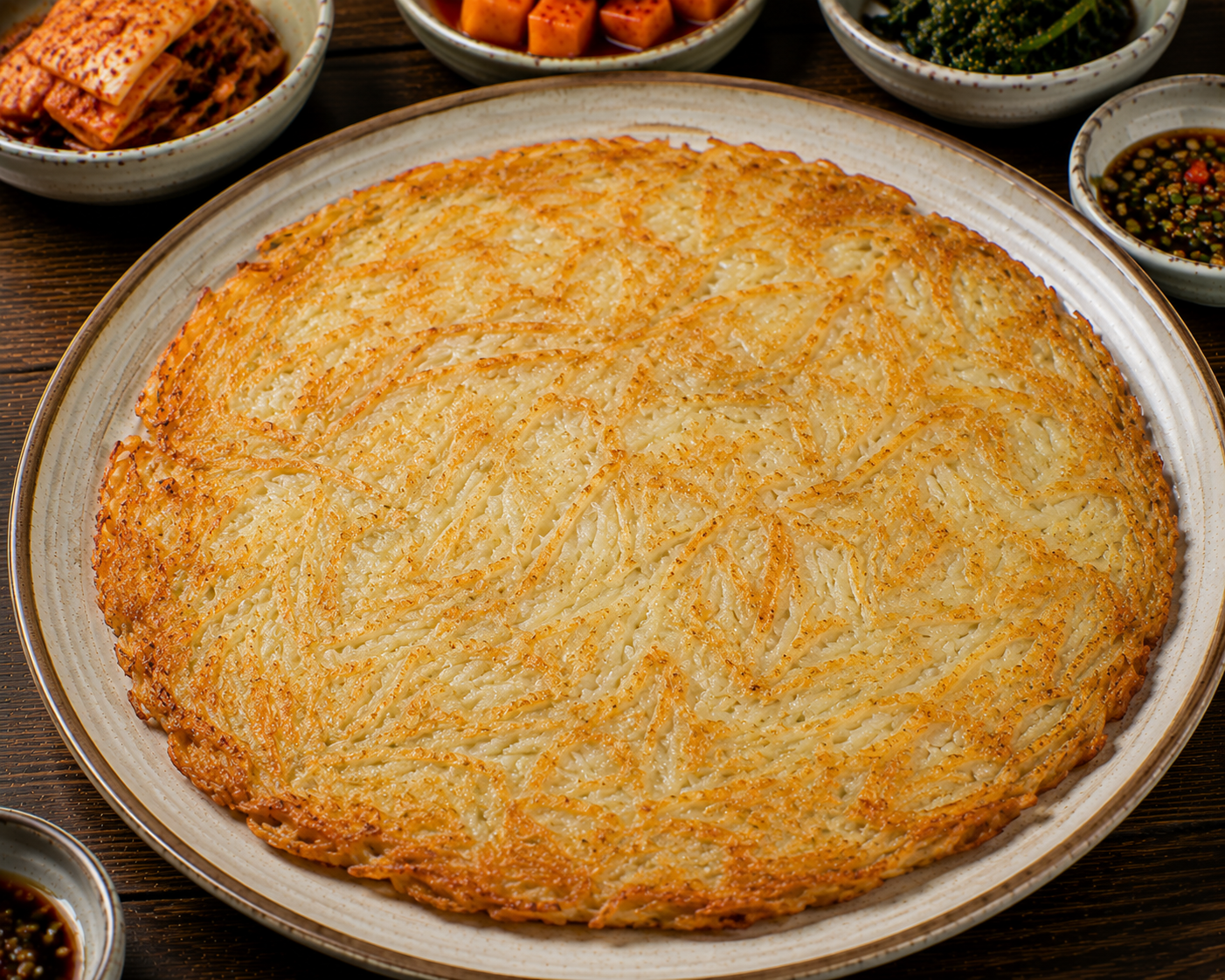
Potato Pancake
감자전 · gamja-jeon
A pancake made by grating potatoes and mixing them with flour, then pan-frying. The outside is crispy and golden brown while the inside is moist. Dipping it in vinegared soy sauce enhances the savory taste of the potatoes.
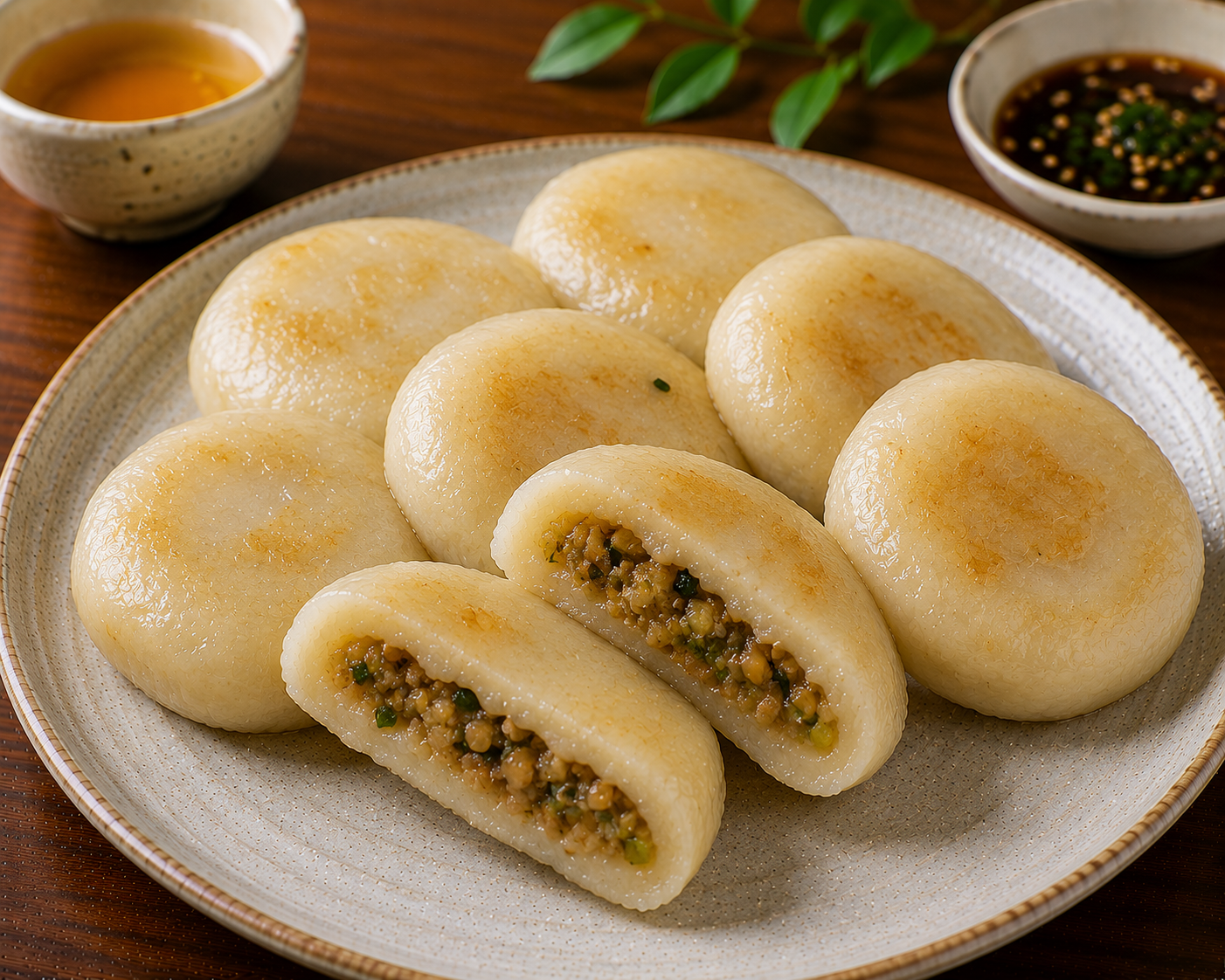
Potato Tteok
감자떡 · gamja-tteok
A chewy cake made from mashed potatoes, characterized by its rich flavor. Potato Tteok is often enjoyed as a snack or dessert and is sometimes eaten with tea.
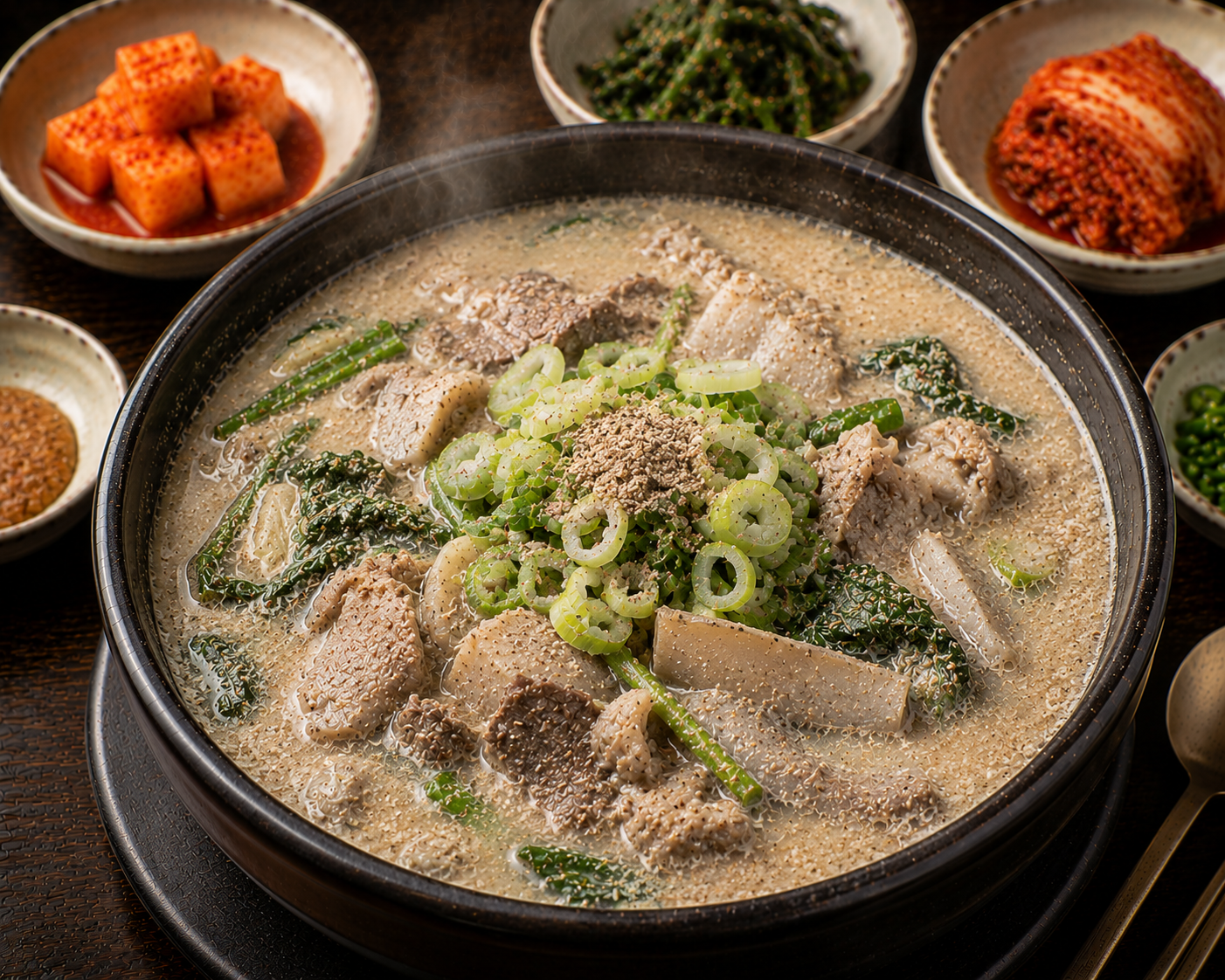
Perilla Seed Soup
들깨탕 · deulkkae-tang
A rich and smooth soup made by boiling perilla seed powder with various vegetables.
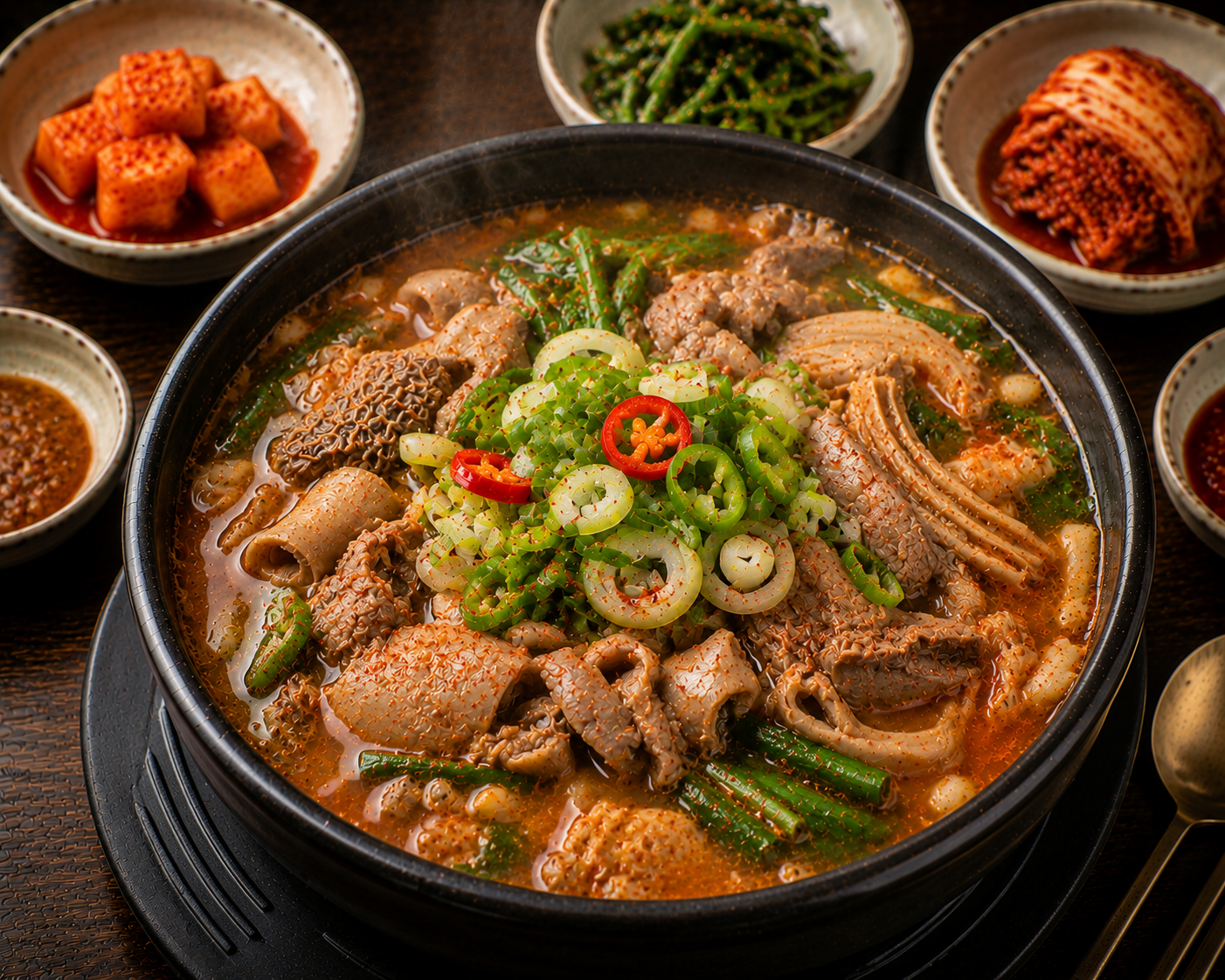
Naejangtang
내장탕 · nae-jang-tang
A rich and spicy soup made by simmering beef entrails with various vegetables for a long time, usually enjoyed as a hangover remedy.
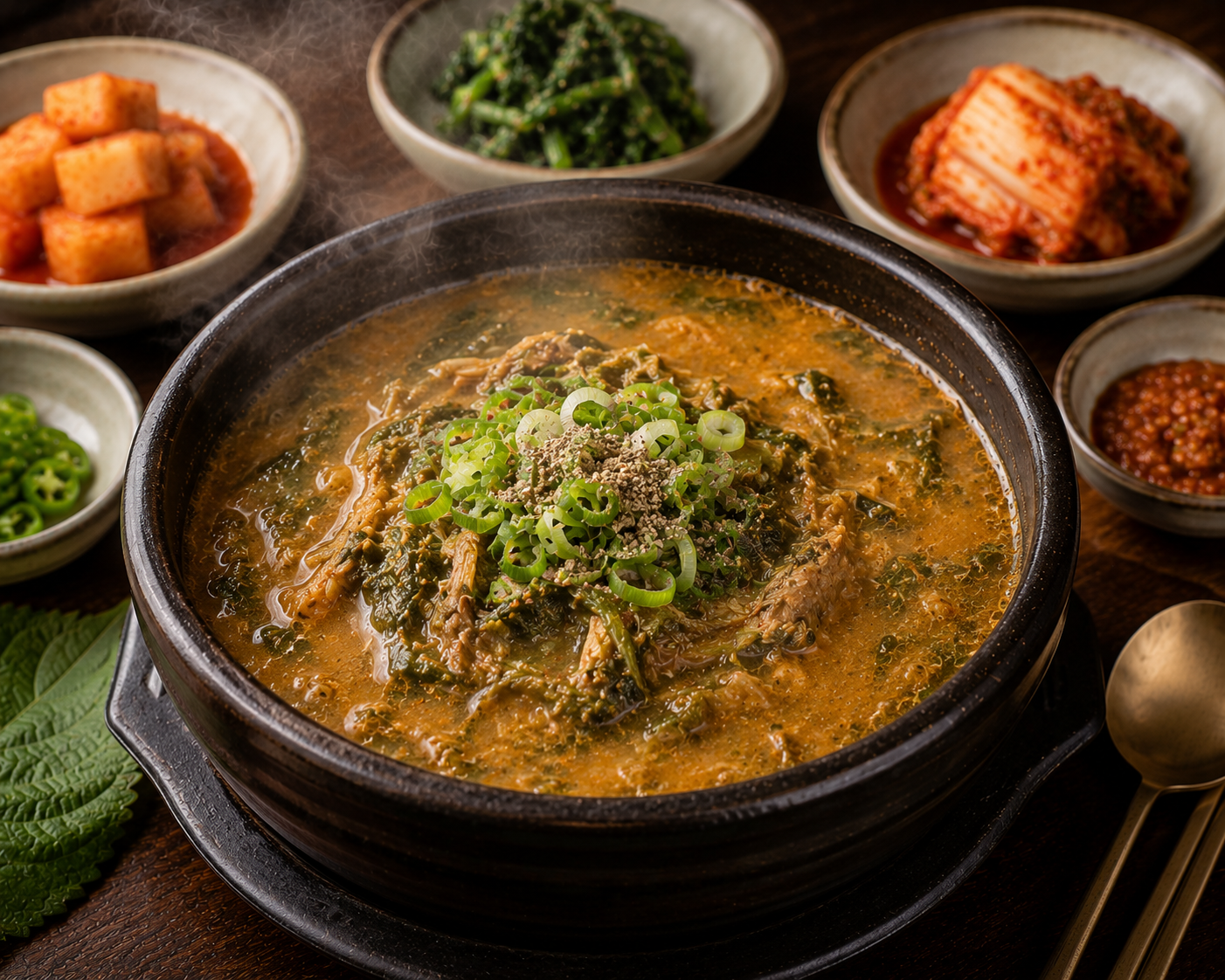
Chueotang
추어탕 · chueo-tang
A traditional Korean soup made by finely grinding loach and simmering it in a rich broth with dried radish greens and red pepper powder for a spicy taste.
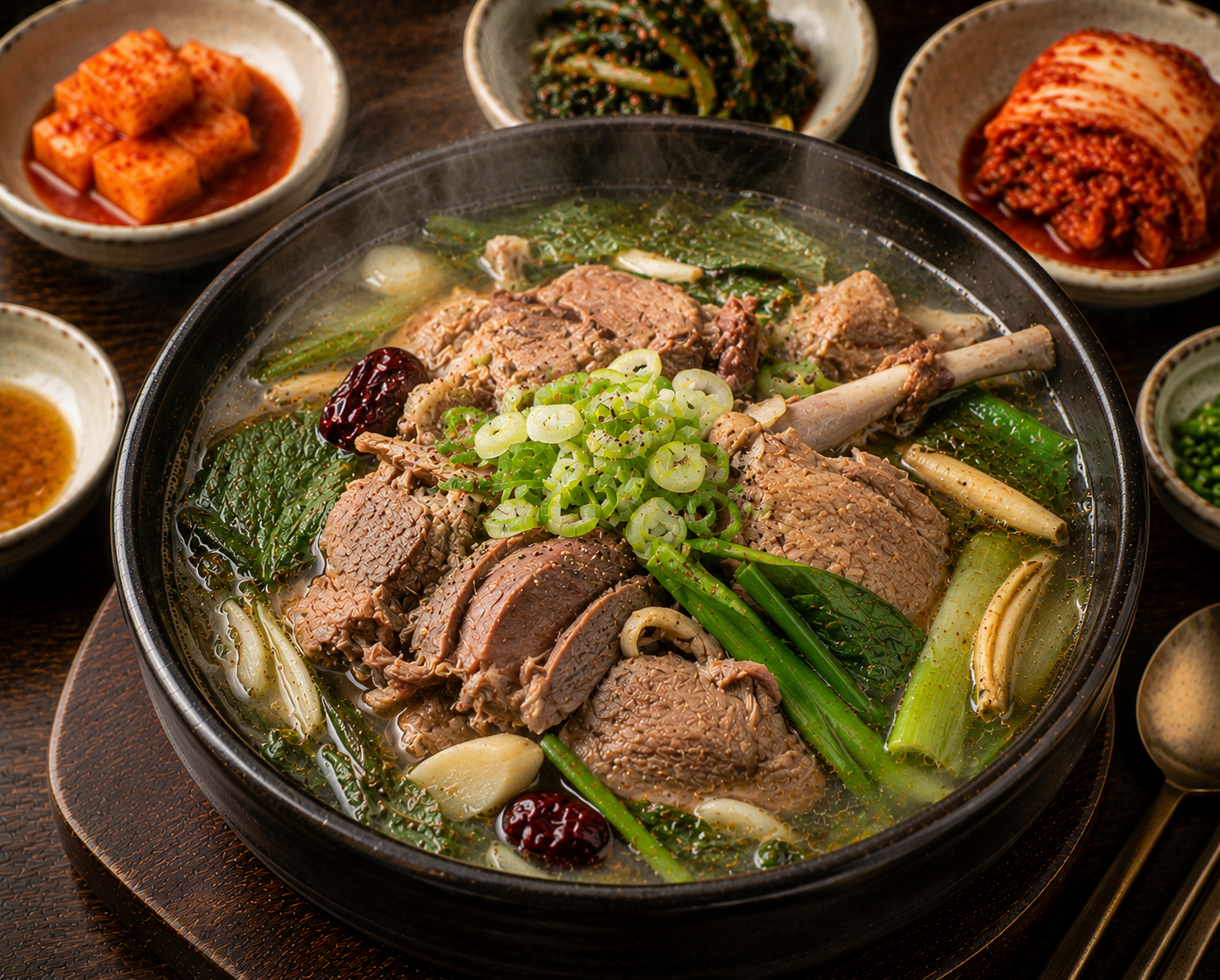
Duck Soup
오리탕 · ori-tang
A nourishing soup made from simmered duck meat with a rich broth. It is characterized by tender duck meat and deep umami flavor, often enjoyed with rice.
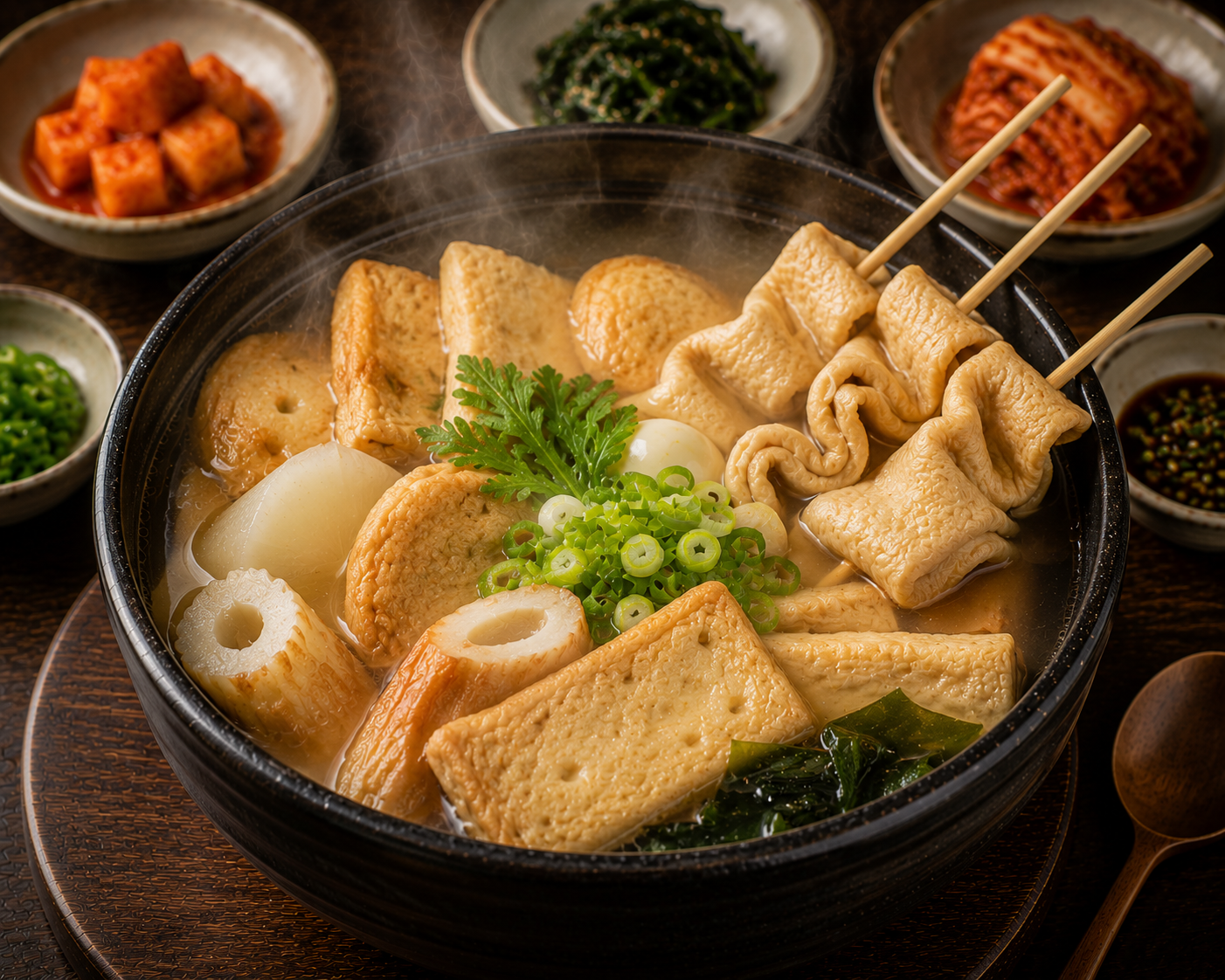
Eomuk-tang
어묵탕 · eomuk-tang
Eomuk-tang is a soup dish made by boiling fish cakes in anchovy broth, characterized by its light and warm flavor. It is usually seasoned with soy sauce, green onions, and garlic, and additional seasoning can be added at the table with soy sauce or salt, as it may be lightly seasoned.
Goes well with
Ingredients
How it's made
- 1Clean the pork backbones and soak them in water to remove blood.
- 2Put the backbones and water into a large pot and boil to make the broth.
- 3Add potatoes and greens, and season with red pepper powder and perilla seed powder.
- 4Add green onions and garlic, and boil for a little longer.
Nutrition
* Estimated values per serving.
Allergens
Contains pork, not suitable for halal or vegetarian diets.
How to order
감자탕 주세요
Gam-ja-tang ju-se-yo
Please give me Gamjatang
Customize your order
Traveler tips
How to eat it
Frequently asked questions
- Why don’t I always see many potatoes in Gamjatang?
- The origin of the name Gamjatang is not settled as one definitive explanation. Some say it comes from the potatoes added to the stew, while another theory traces it to a word for pork backbone. As a result, the amount of potato can vary quite a bit from one restaurant to another.
- How do I eat the meat attached to the bones?
- Move a bone to a small plate and use chopsticks to pick off the meat. If the meat does not come away easily, using tongs or scissors is perfectly normal.
- Can I ask them to leave out the perilla seed powder?
- Some places may be able to leave it out, but perilla seed powder is an important ingredient that gives Gamjatang its nutty flavor and slightly thick texture. If the aroma of perilla is unfamiliar, it is better not to add extra at first and to taste the standard version before deciding.
Last reviewed: 2026-10-07