Cultural background
A dish that commonly appears during holidays or celebrations, boasting a colorful blend of various ingredients.
Origin & history
The ‘잡’ (jap, “to mix”) in Japchae means to mix, while ‘채’ (chae, “finely sliced vegetables”) refers to finely sliced vegetables. Taken literally, the name points to a dish of assorted mixed vegetables.
One account says it began as a dish of seasoned mixed vegetables served at royal banquets during the Joseon dynasty. The version familiar today, built around transparent dangmyeon, glass noodles made from sweet potato starch, is thought to have taken shape as those noodles came into wide use.
Regional & modern variations
- Japchaebap — Japchae is served over rice and eaten as a one-bowl meal. Common at Chinese-Korean restaurants and bunsik snack shops, it tends to be seasoned a little more strongly.
- Haemul Japchae — A version of Japchae made with seafood such as squid and shrimp instead of beef. The basic Soy Sauce seasoning is similar, but the seafood adds its own aroma.
- Beoseot Japchae — Japchae made with a generous amount of mushrooms, such as shiitake and oyster mushrooms. Even with less meat, or none at all, the mushrooms make it easy to build savory depth.
How Koreans eat it
Japchae is usually not a main dish served one plate per person. More often, it sits in the middle of a banquet or holiday table for everyone to share. Because it can be made in large batches ahead of time, it often appears when guests are being served. Over time, though, the glass noodles absorb the seasoning and may stick together or dry out, so good Japchae is lightly tossed again or warmed just before serving.
Taste & how to choose
The glass noodles are clear and chewy, with the aromas of Soy Sauce and sesame oil coming through first. For first-timers, Japchae may look like a noodle dish, but the lack of broth and its sweet-salty seasoning can feel unfamiliar. Well-made Japchae has noodles that do not clump into one mass, brightly colored vegetables, and textures that have not turned too soft.
Similar dishes
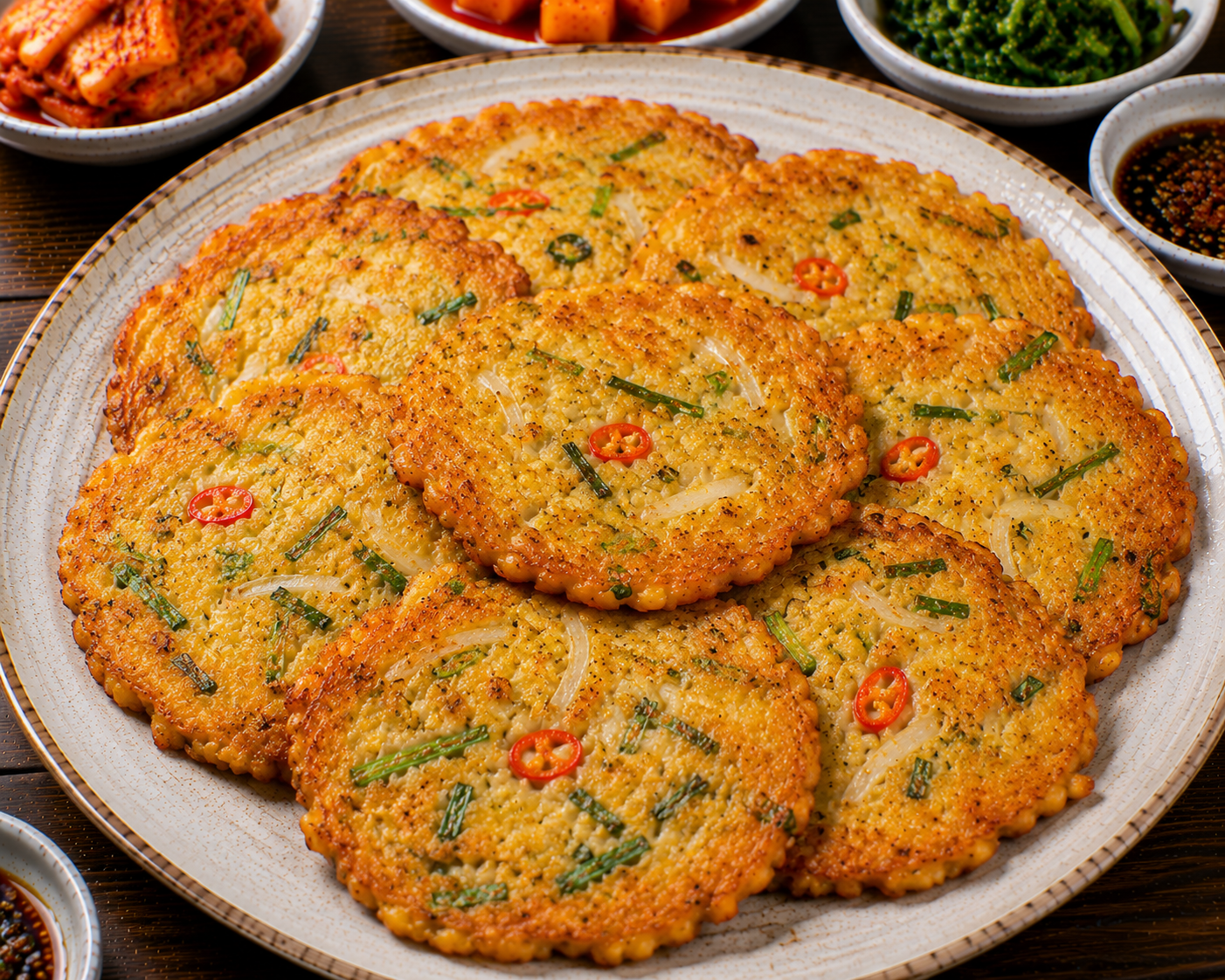
Mung Bean Pancake
녹두전 · nokdu-jeon
A savory pancake made by grinding soaked mung beans and frying them thickly. It has a deep flavor with pork and bean sprouts inside. Enjoy it dipped in vinegared soy sauce, and it pairs well with Makgeolli.
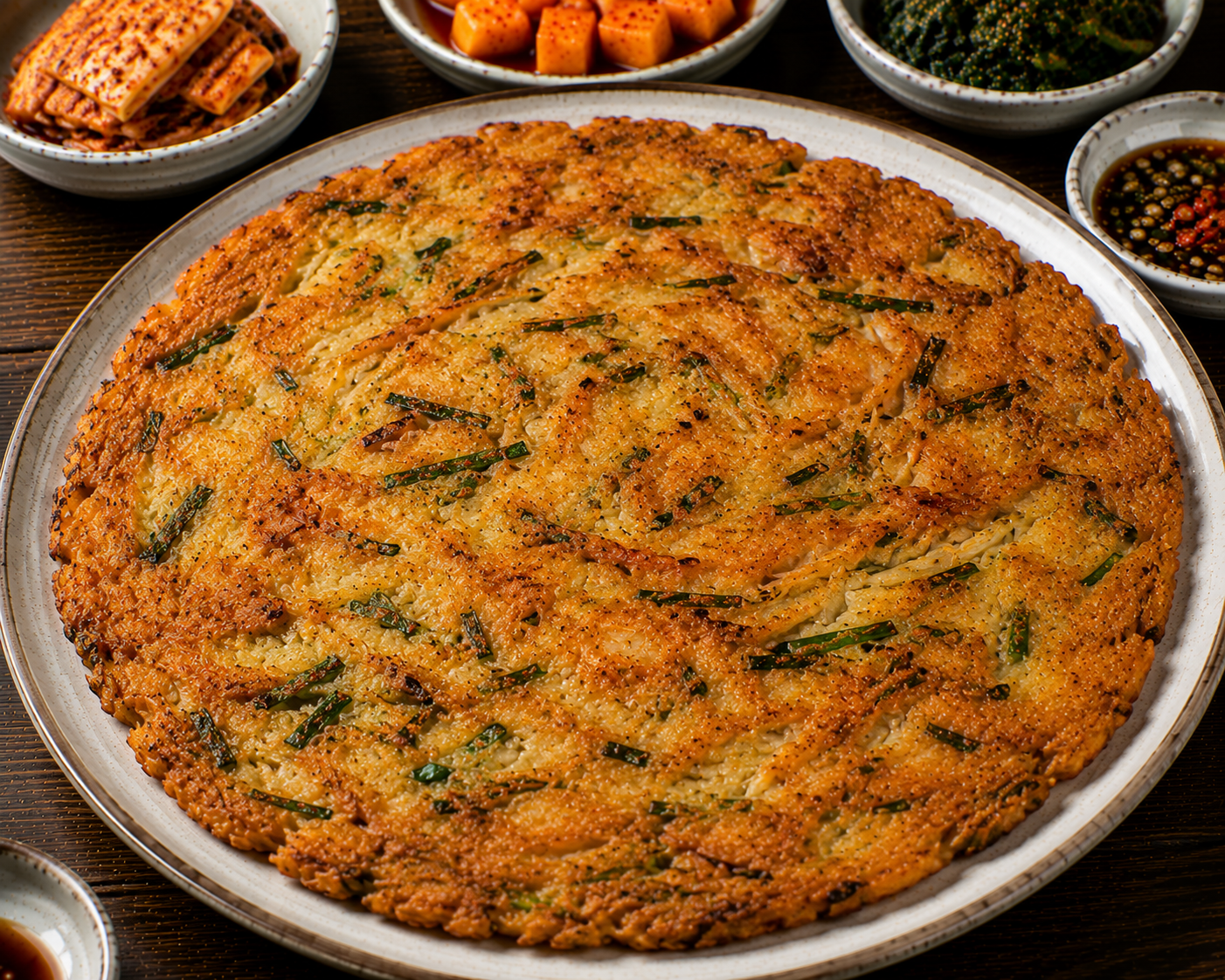
Bindaetteok
빈대떡 · bindaetteok
A savory pancake made by grinding soaked mung beans and frying it thickly, adding pork, bean sprouts, and kimchi for more flavor. The outside is golden and crispy while the inside is moist and rich. It is enjoyed dipped in vinegared soy sauce, and pairs well with Makgeolli as a snack.
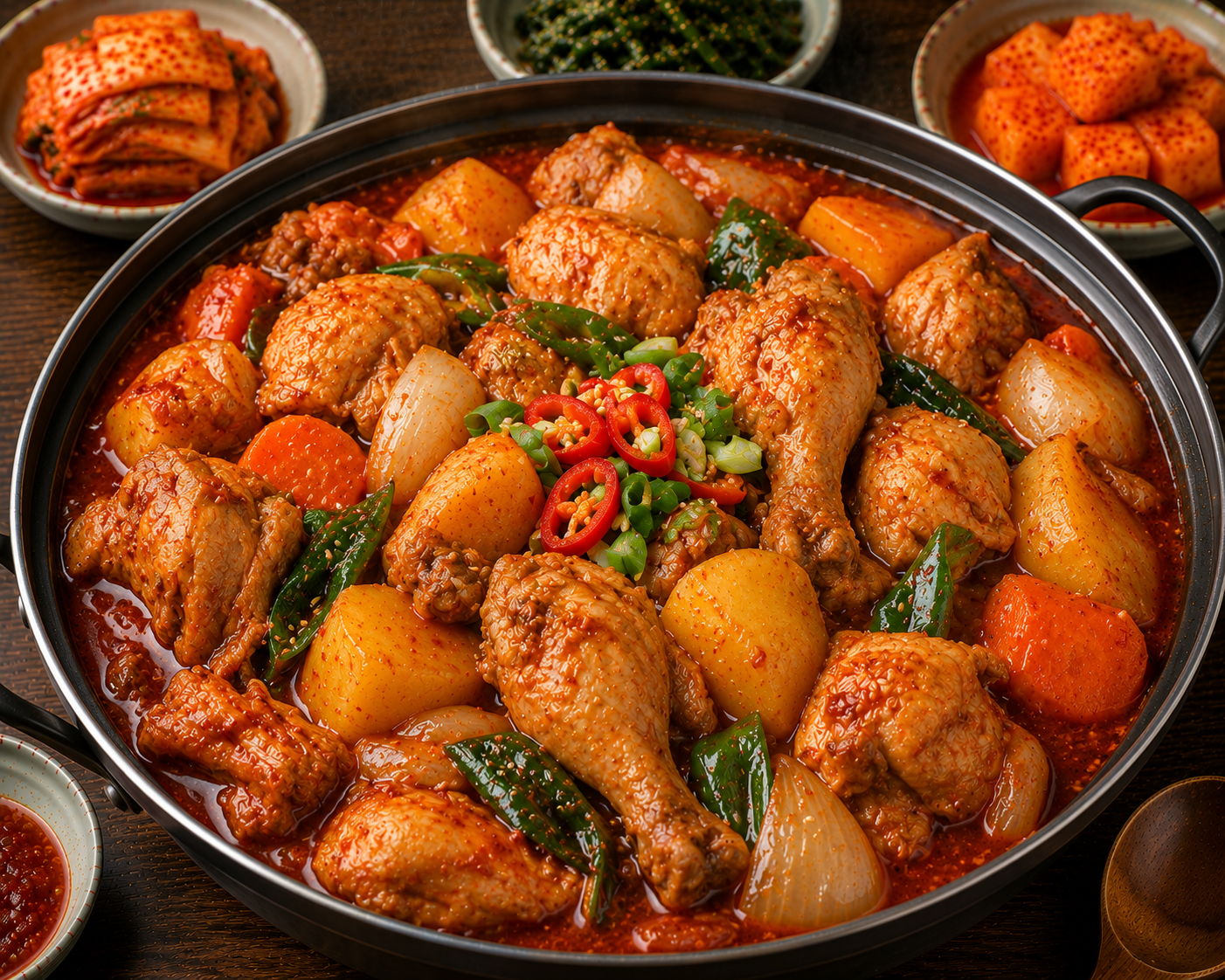
Spicy Braised Chicken
닭볶음탕 · dak-bokkeum-tang
A spicy braised dish made with chicken, potatoes, and carrots simmered in gochujang and gochugaru seasoning.
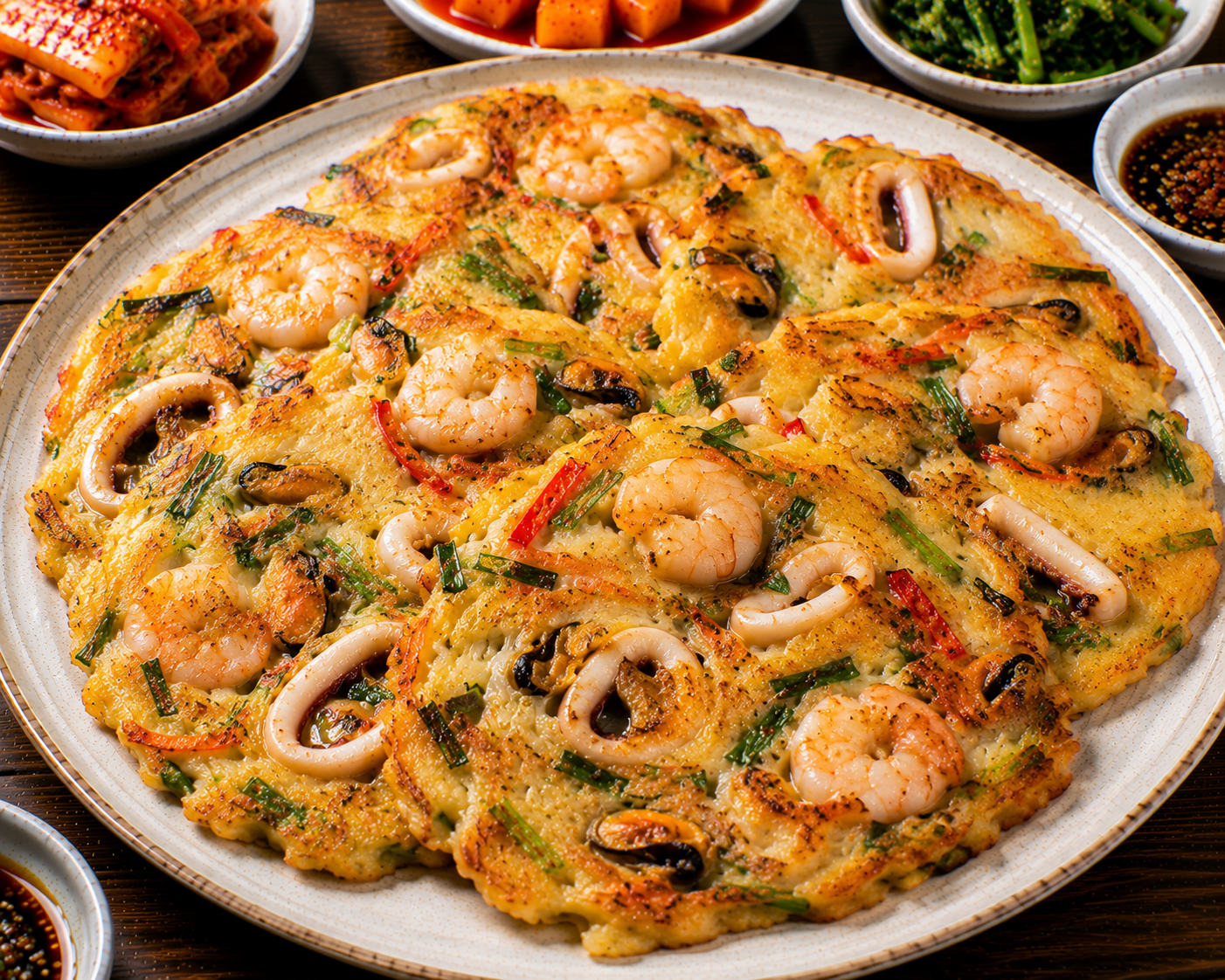
Seafood Pancake
해물전 · hae-mul-jeon
A pancake made with squid, shrimp, and other seafood, coated in flour and egg, and pan-fried until golden. Crispy on the outside and moist on the inside, it tastes even better when dipped in vinegared soy sauce.
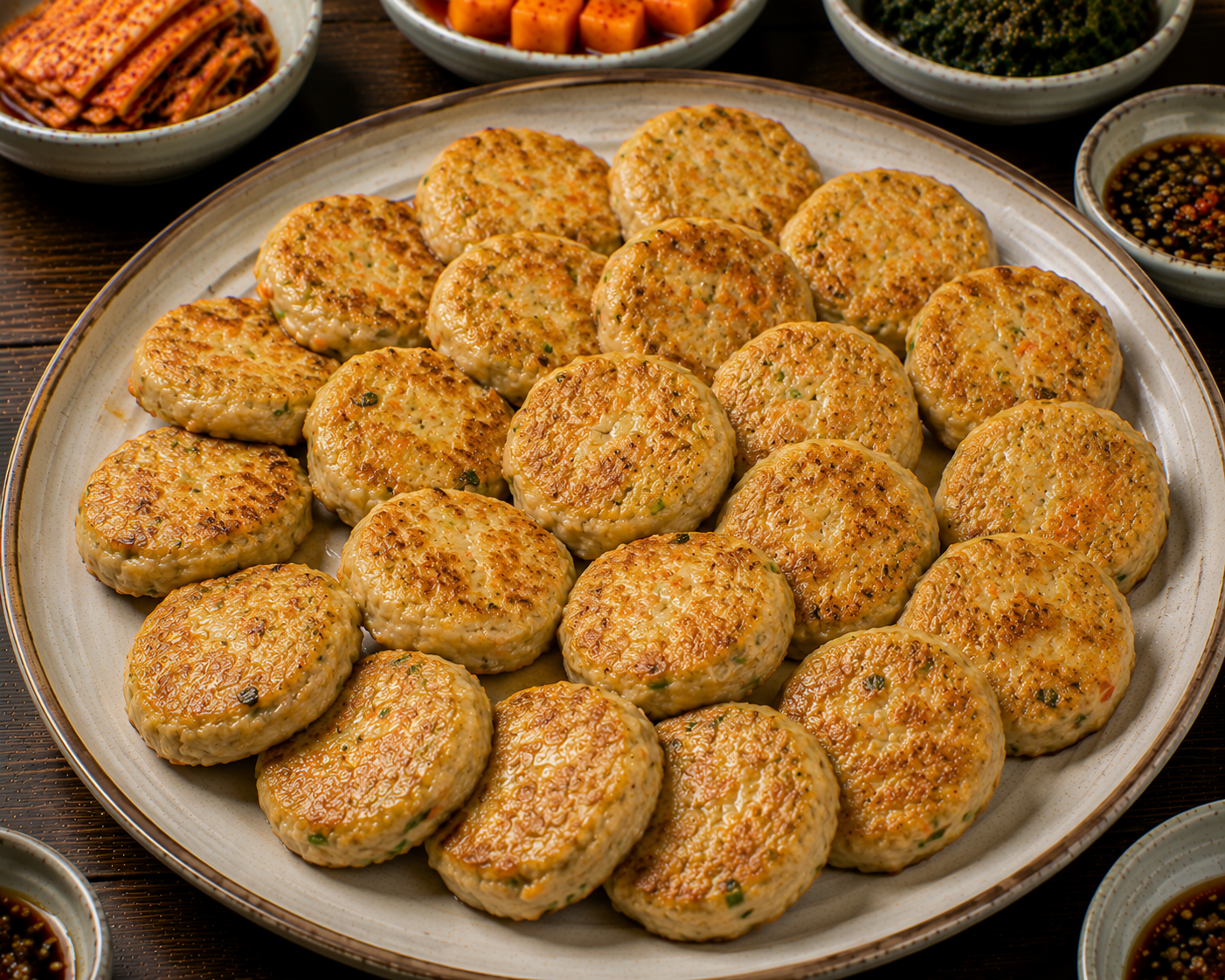
Pan-fried Meat and Tofu Patties
동그랑땡 · dong-geu-rang-ddaeng
Minced meat and tofu are shaped into flat circles and coated with egg before being pan-fried. The outside is crispy and golden brown, while the inside is moist and savory. It is typically enjoyed with vinegared soy sauce and is a traditional dish served during holiday ceremonies.
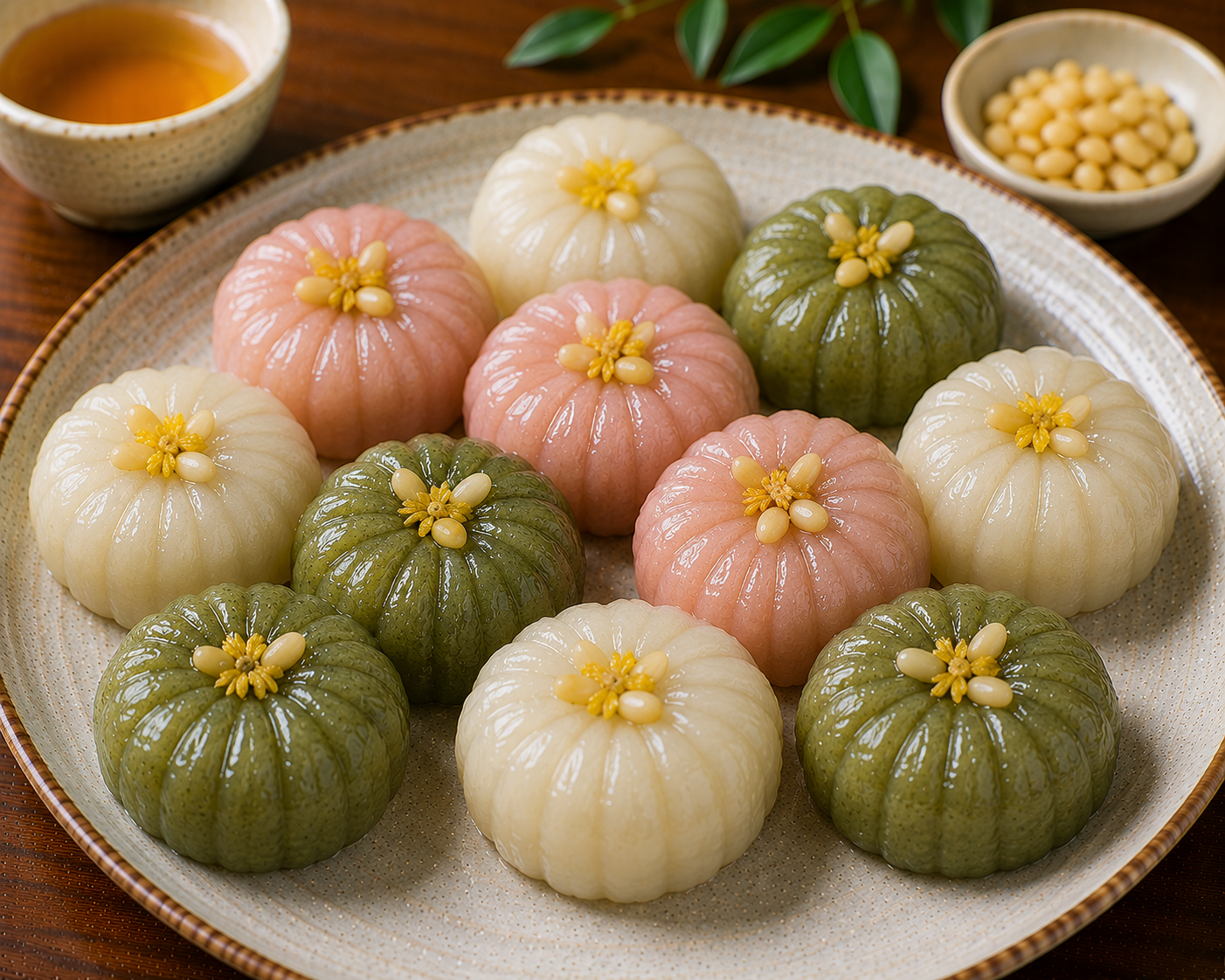
Danja
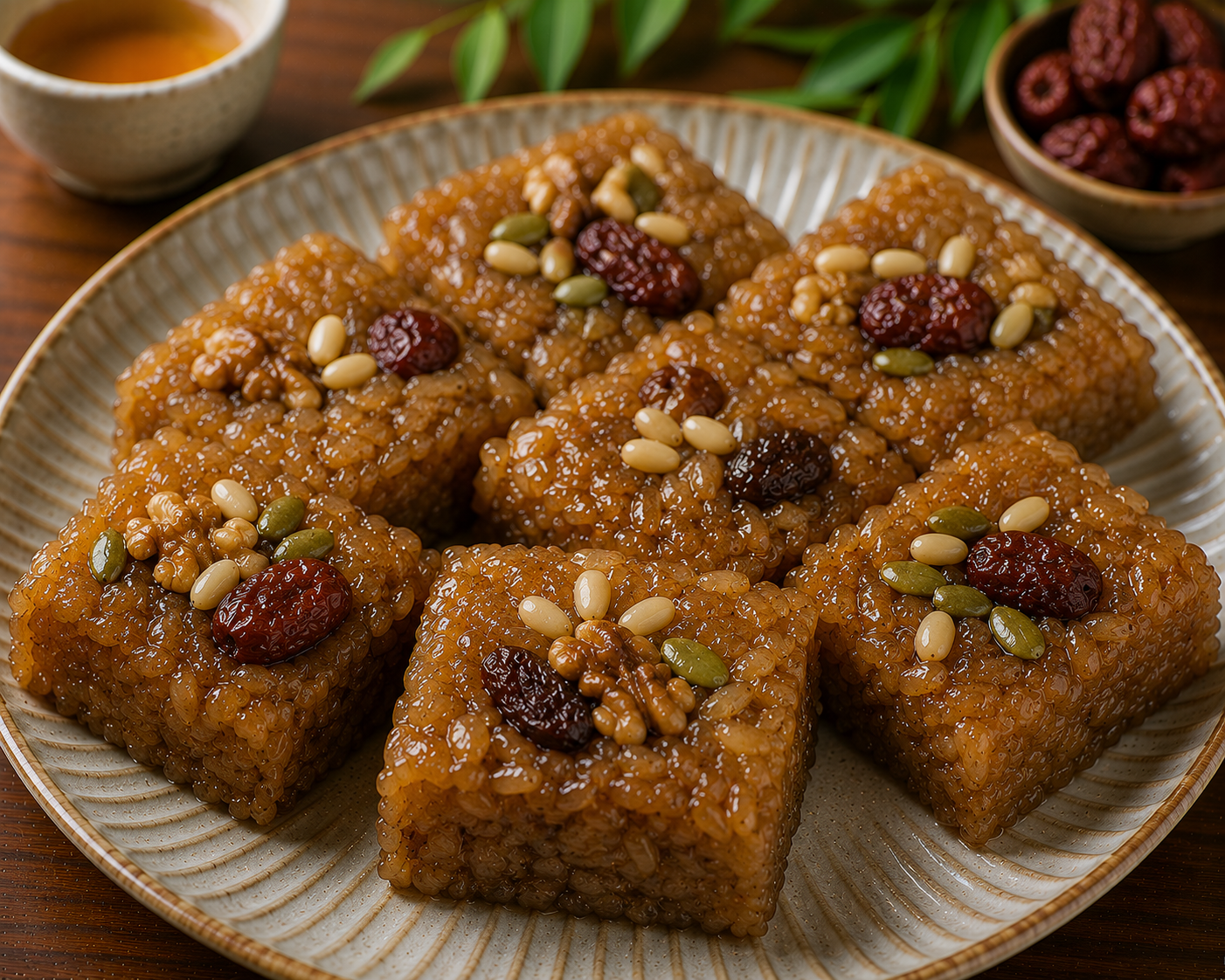
단자 · danja
A traditional rice cake made by kneading glutinous rice flour into round shapes and coating it with toppings, characterized by its chewy and sweet taste.
Goes well with
Ingredients
How it's made
- 1Soak the glass noodles in water to prepare them.
- 2Thinly slice the beef and vegetables and stir-fry with soy sauce seasoning.
- 3Add the soaked glass noodles and season with soy sauce and sesame oil.
- 4Mix all the ingredients well to complete the dish.
Nutrition
* Estimated values per serving.
Allergens
Not suitable for vegetarians as it contains beef.
How to order
잡채 주세요
Jap-chae ju-se-yo
Japchae, please
Customize your order
Traveler tips
How to eat it
Frequently asked questions
- Why does the name sound like ‘채소’ (chaeso, “vegetables”) when the glass noodles are the most visible part?
- The name Japchae originally points to mixing various vegetables. Today, the glass-noodle-centered version is widespread, so the name and the dish's actual appearance can feel slightly mismatched.
- Does Japchae always contain meat?
- Basic Japchae at homes and restaurants often includes beef or pork. Even if only vegetables and glass noodles are visible, meat may be mixed in or meat-based seasoning may have been used, so vegetarians should check first.
- Is Japchae eaten cold?
- Japchae is not eaten cold like Naengmyeon. Warm or room temperature is most common, and when it gets too cold, the glass noodles can feel firm and stiff.
Last reviewed: 2026-10-07