Cultural background
This Korean-style Chinese dish is popular among Koreans for its spicy broth and a variety of seafood.
Origin & history
The name Jjamppong is widely said to have come from the Japanese word ‘찬폰’ (chanpon, “mixing several ingredients together”). The word was used to mean mixing several ingredients together, and explanations often connect it to Nagasaki's seafood noodle soup.
In Korea, Jjamppong took root in Korean-Chinese restaurants and evolved into a much spicier dish with a red broth. Korean-style Jjamppong is defined by chili powder fried in oil for aroma, seafood and vegetables stir-fried over high heat, and then broth poured in.
Regional & modern variations
- Samseon Jjamppong — ‘삼선’ (samseon) is used to mean a generous amount of good ingredients, such as seafood. Compared with regular Jjamppong, it usually has more seafood in both quantity and variety, and the price is higher as well.
- Baek Jjamppong — A version of Jjamppong that does not use much chili powder, so the broth is not red. Rather than heat, it emphasizes seafood broth and the aroma of stir-fried vegetables.
- Chadol Jjamppong — A variation made with thinly sliced beef brisket. Compared with seafood-centered Jjamppong, the broth tends to feel oilier and heavier.
How Koreans eat it
At Korean-Chinese restaurants, Jjamppong is the dish constantly compared with Jajangmyeon. One person might choose the sweet, rich Jajangmyeon, while another goes for the spicy Jjamppong. The ‘짬짜면’ (Jjamjjamyeon, a half-Jjamppong, half-Jajangmyeon dish), which serves half of each dish in one bowl, is also closely tied to Korea's delivery-food culture and was created for people who struggle with that choice.
Taste & how to choose
Good Jjamppong is not just about heat. The aroma of chili oil comes through first, followed by the briny taste of seafood and the sweetness of vegetables. The noodles need a springy texture that does not go soft too easily in the broth.
Similar dishes
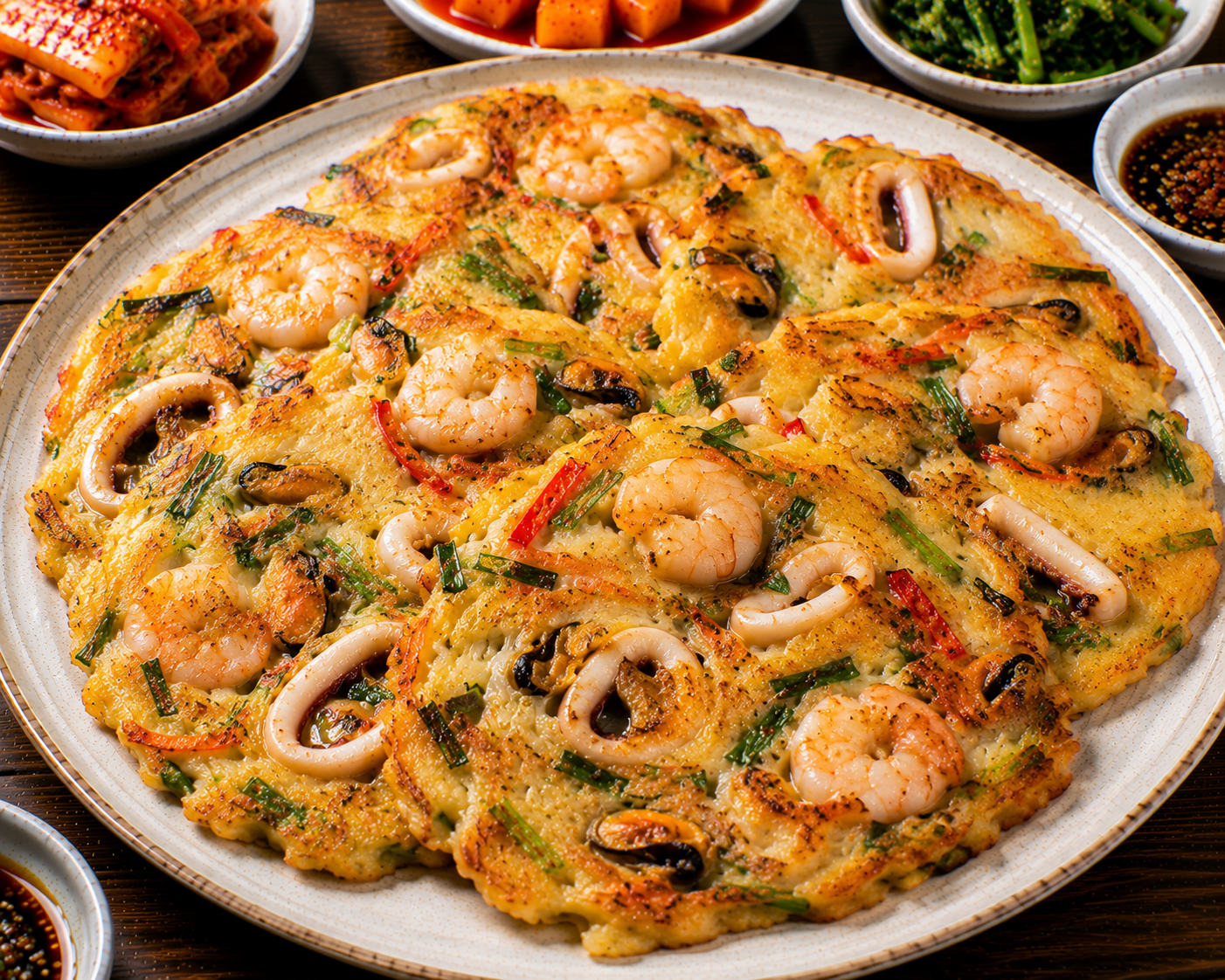
Seafood Pancake
해물전 · hae-mul-jeon
A pancake made with squid, shrimp, and other seafood, coated in flour and egg, and pan-fried until golden. Crispy on the outside and moist on the inside, it tastes even better when dipped in vinegared soy sauce.
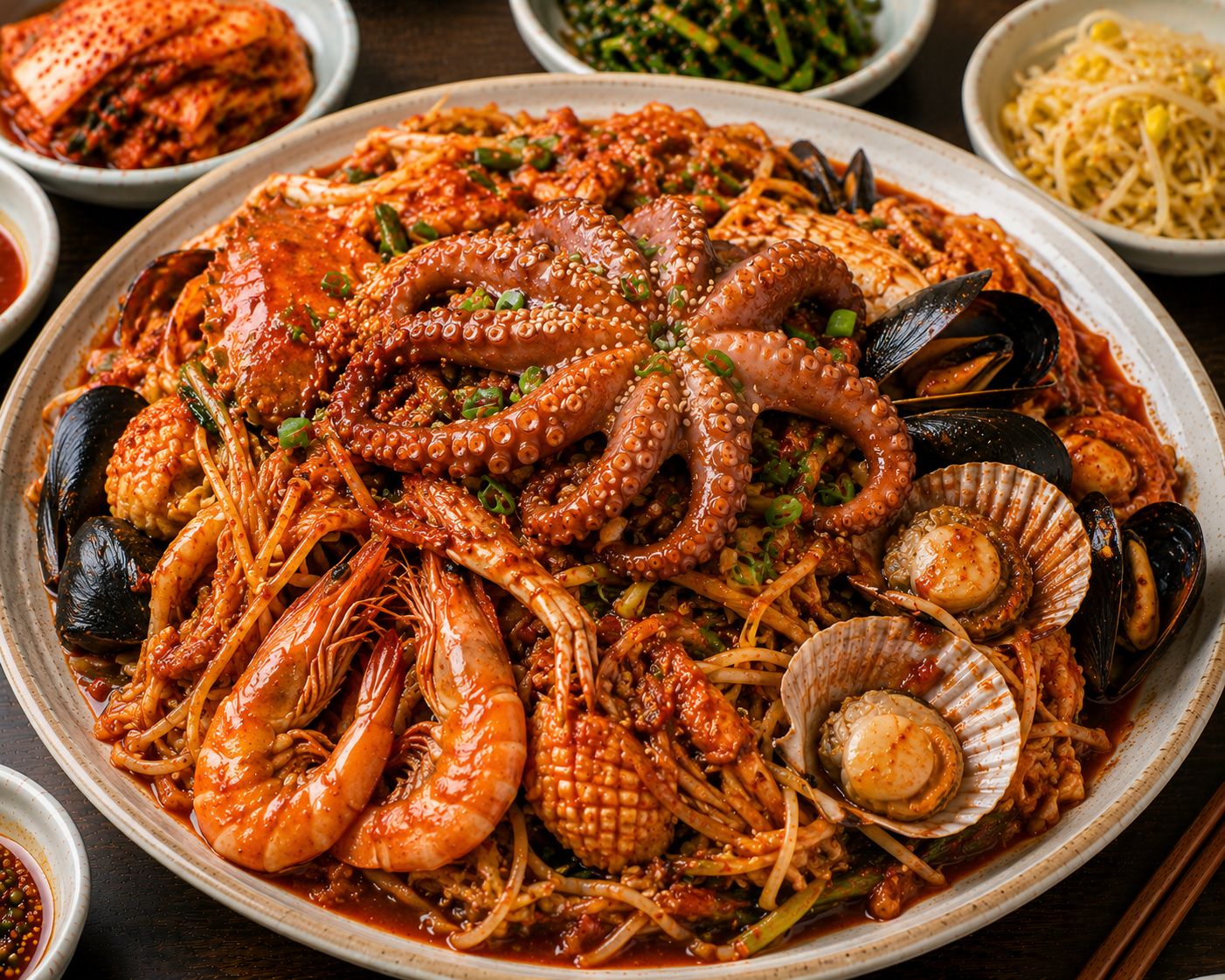
Spicy Braised Seafood
해물찜 · hae-mul-jjim
A spicy and tender dish made by steaming various seafood in gochujang sauce, typically served in a shared plate to be enjoyed by many.
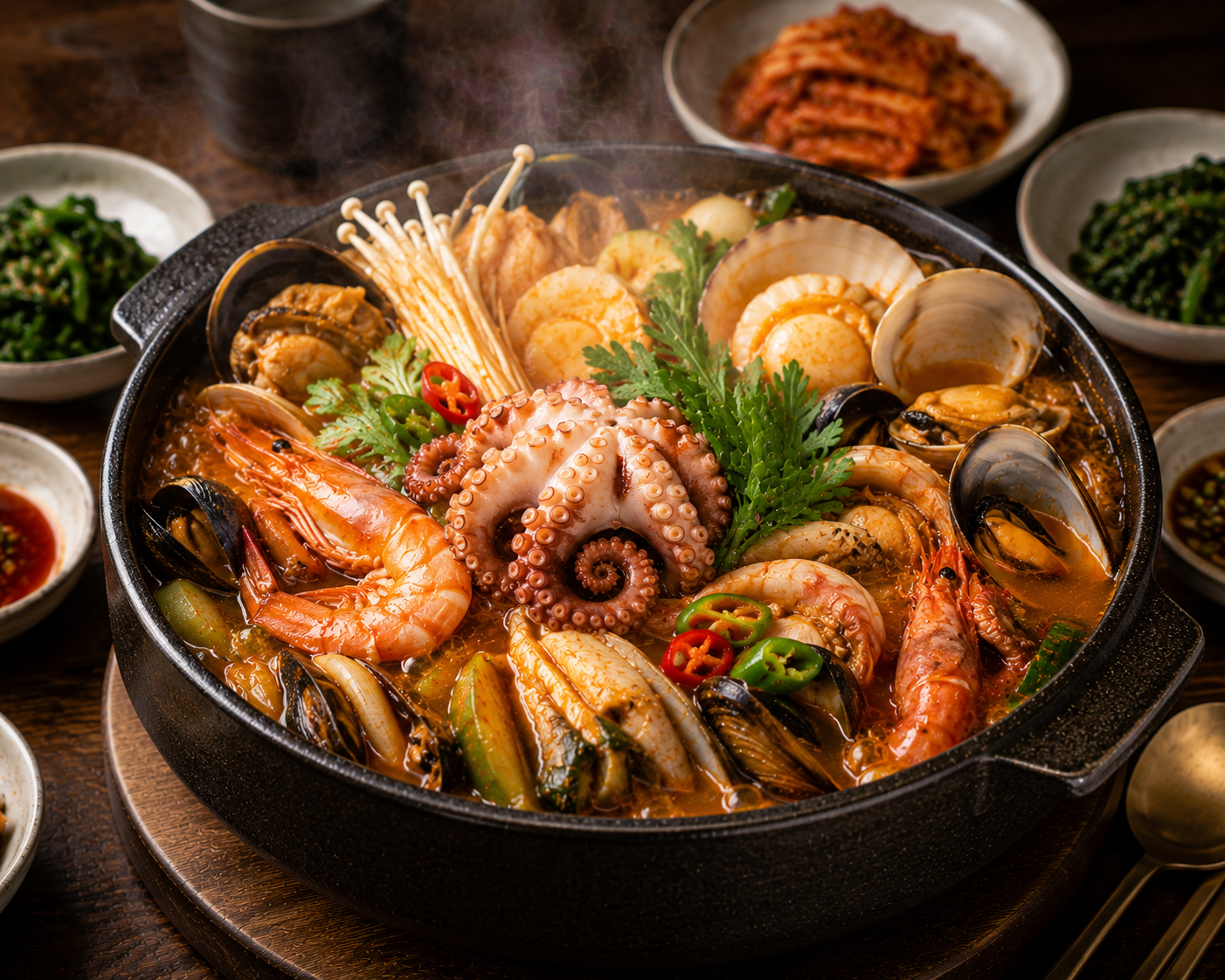
Seafood Stew
해물탕 · hae-mul-tang
A spicy soup dish made by boiling various seafood with chili powder seasoning, typically served in a communal pot for sharing among several people.
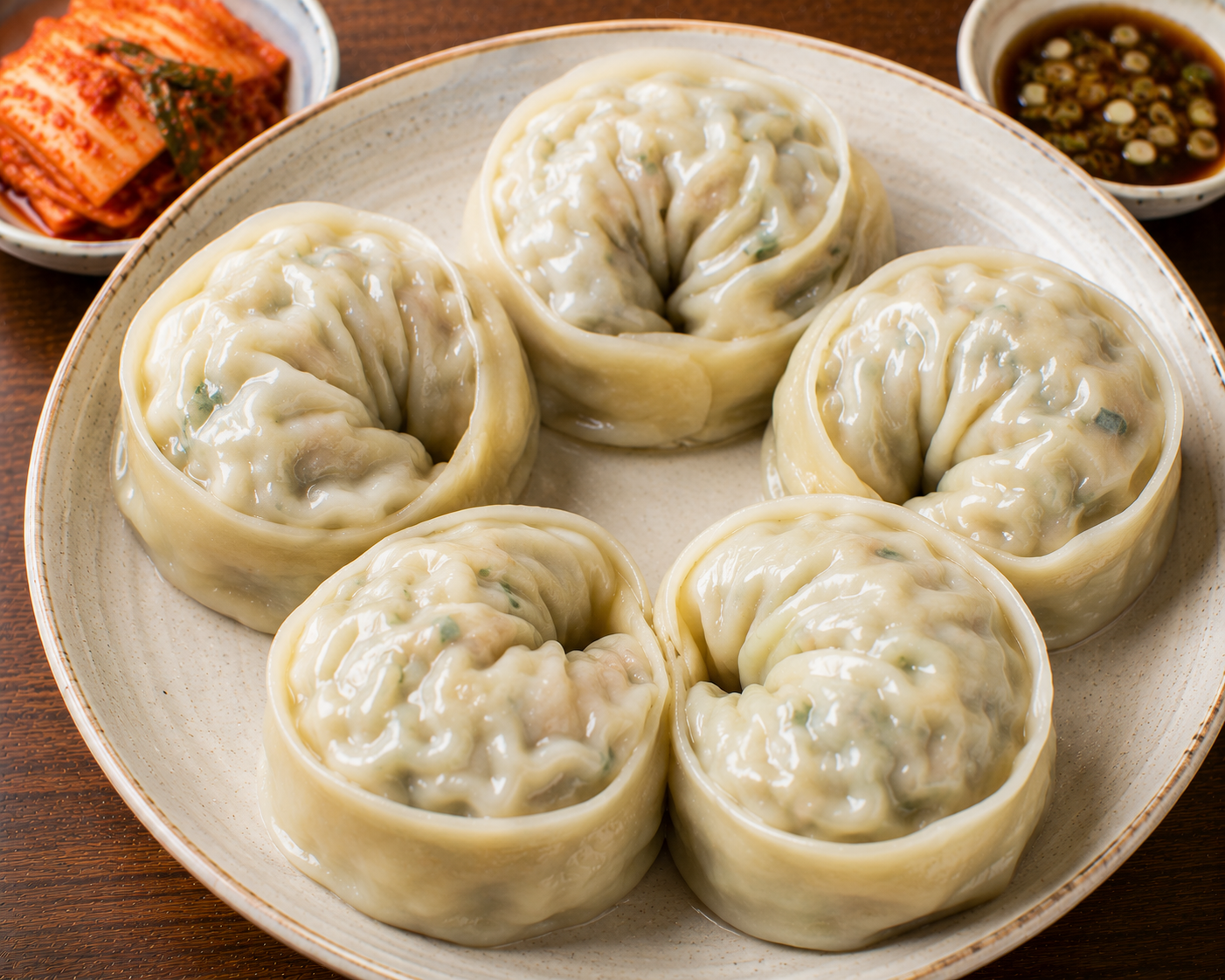
King Dumpling
왕만두 · wang-mandu
A large dumpling with a filling of meat and vegetables wrapped in a flour dough, characterized by its chewy skin and rich juiciness.
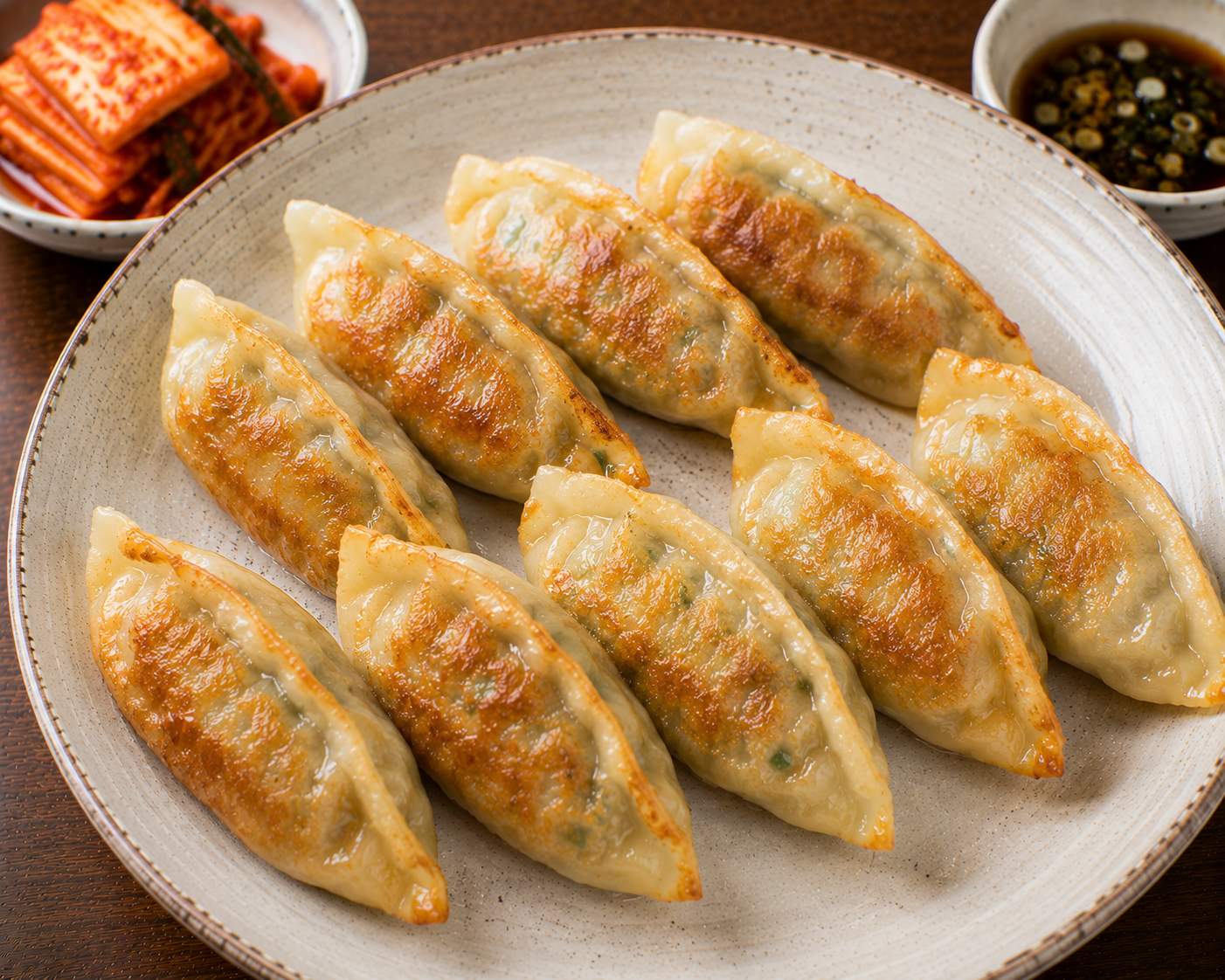
Goon Mandu
군만두 · gun-mandu
A crispy dumpling filled with meat and vegetables wrapped in a flour crust, enjoyed with soy sauce as a Korean-style dumpling.
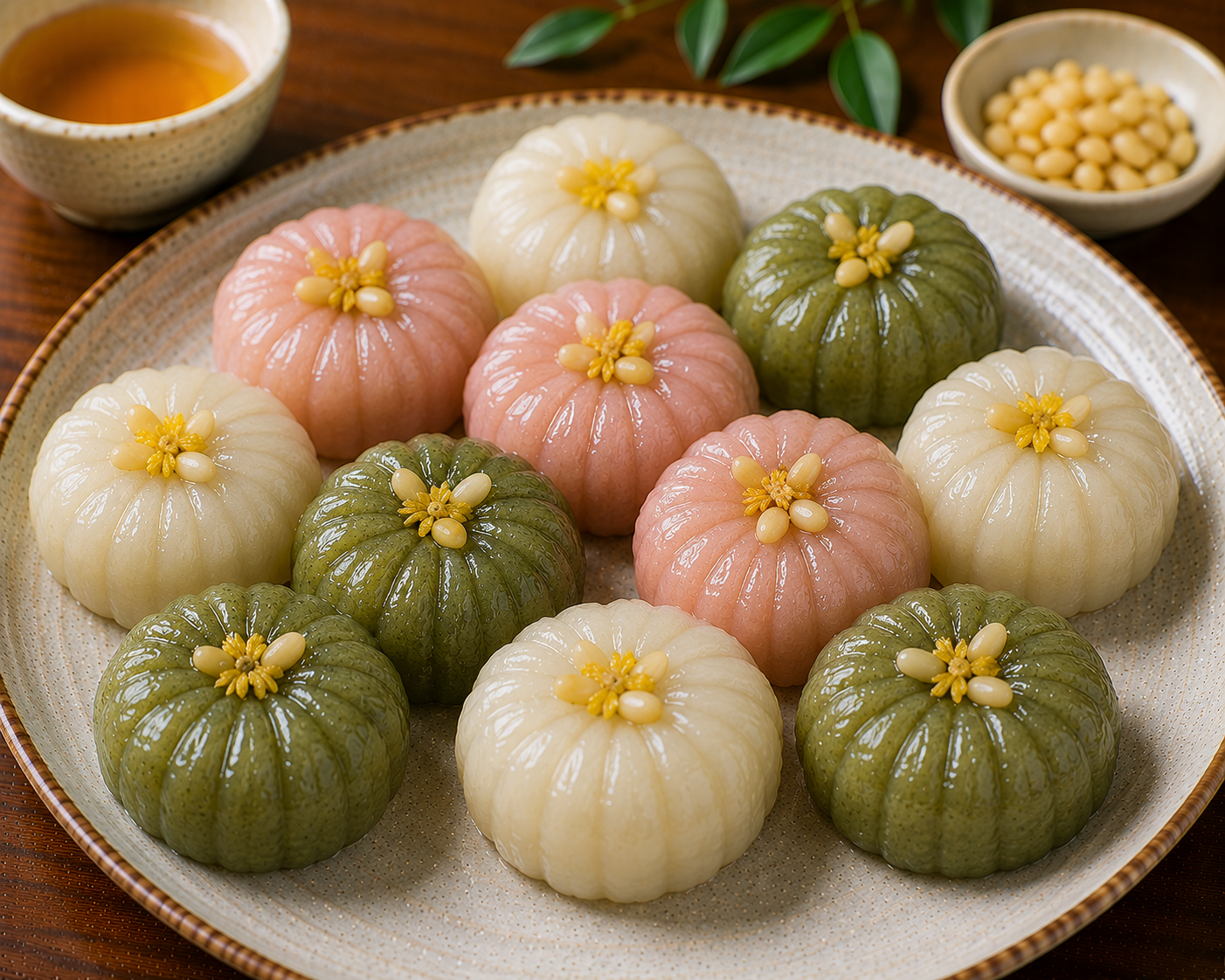
Danja
단자 · danja
A traditional rice cake made by kneading glutinous rice flour into round shapes and coating it with toppings, characterized by its chewy and sweet taste.
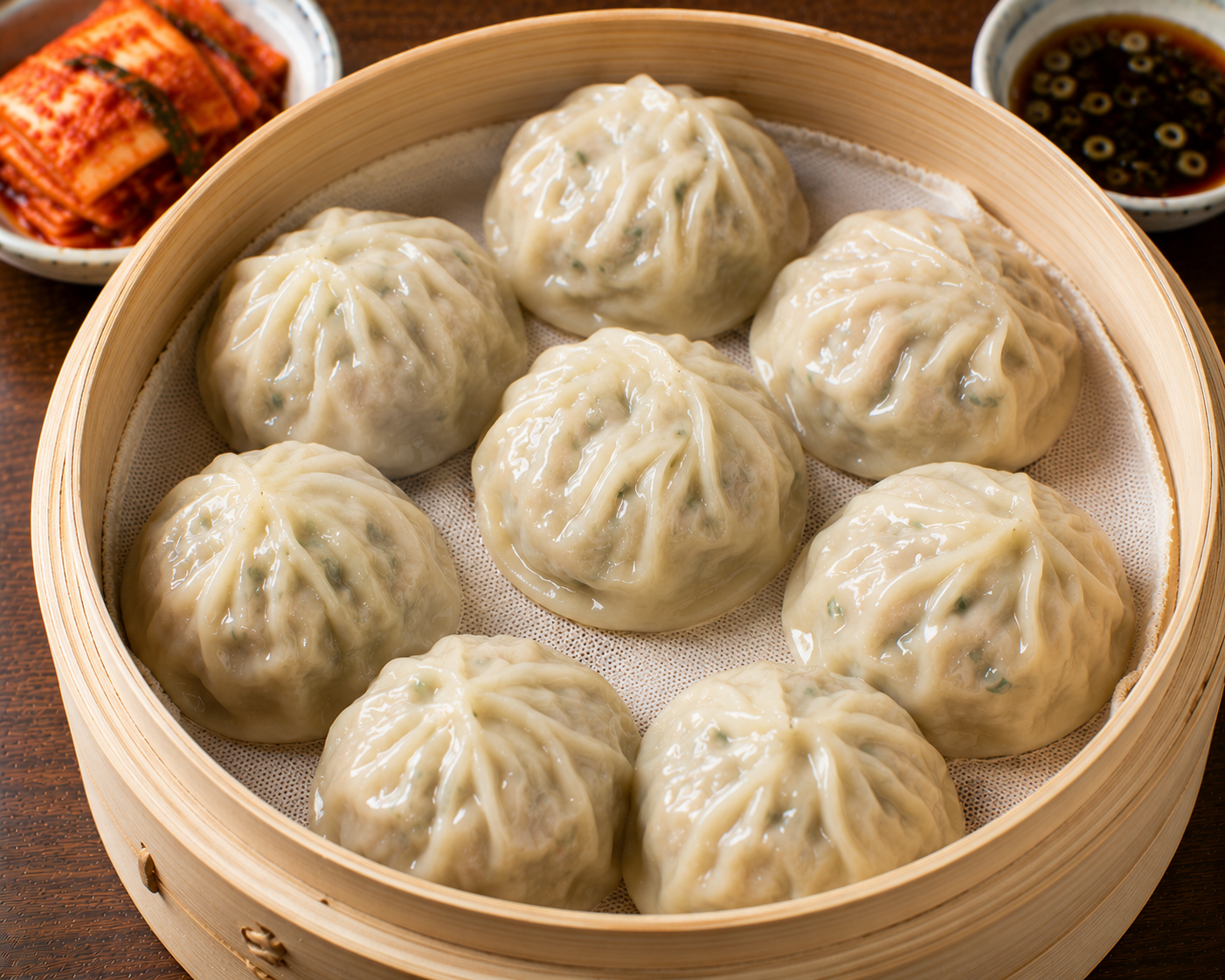
Goes well with
Ingredients
How it's made
- 1Prepare seafood and vegetables.
- 2Heat oil in a pan and stir-fry onion and cabbage.
- 3Add seafood and stir-fry together.
- 4Add red pepper powder and water and bring to a boil.
- 5Cook noodles and add to the broth, simmering briefly.
Nutrition
* Estimated values per serving.
Allergens
Not suitable for vegetarian and halal diets as it contains seafood and red pepper powder.
How to order
짬뽕 주세요
Jjam-ppong ju-se-yo
Please give me Jjamppong
Customize your order
Traveler tips
How to eat it
Frequently asked questions
- Is Jjamppong Chinese food?
- In Korea, Jjamppong is classified as ‘중화요리’ (junghwa yori, Korean-Chinese food), but it differs from traditional noodle dishes from mainland China. The dish took shape in Korean-Chinese restaurants as a spicy, red-broth noodle soup suited to Korean tastes.
- Is it the same dish as Nagasaki chanpon in Japan?
- Explanations link the name and the idea of a seafood noodle dish, but the flavors are quite different. Nagasaki-style chanpon usually has a milky-looking broth, while Korean-style Jjamppong uses chili powder, making it red and spicy.
- Why does Jjamppong broth have a smoky wok flavor?
- Seafood and vegetables are quickly stir-fried over high heat before the broth is poured in. At that point, the heat of the pan, the oil, and the aroma of chili powder come together to create Jjamppong's distinctive wok-fried flavor.
Last reviewed: 2026-10-07