
Cultural background
Soybean pulp (biji) stew is especially popular during the cold winter months and harmonizes the nutty flavor of soybeans with the savory taste of pork.
Similar dishes
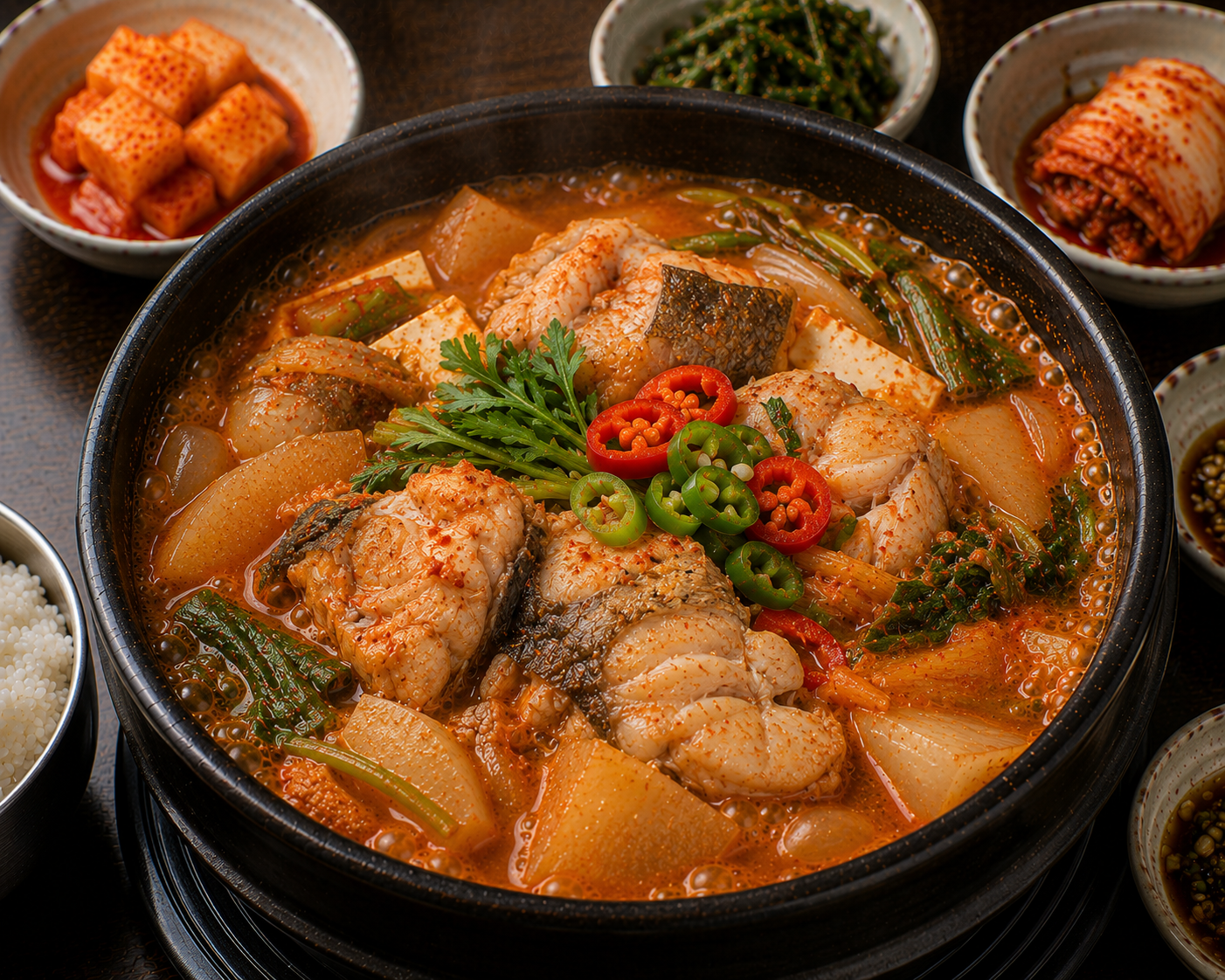
Dongtae Jjigae
동태찌개 · dong-tae-jji-gae
A spicy Korean-style stew made by simmering frozen pollack, tofu, radish, and green onions in a rich broth. The broth is thick and savory, making it perfect to eat with rice.
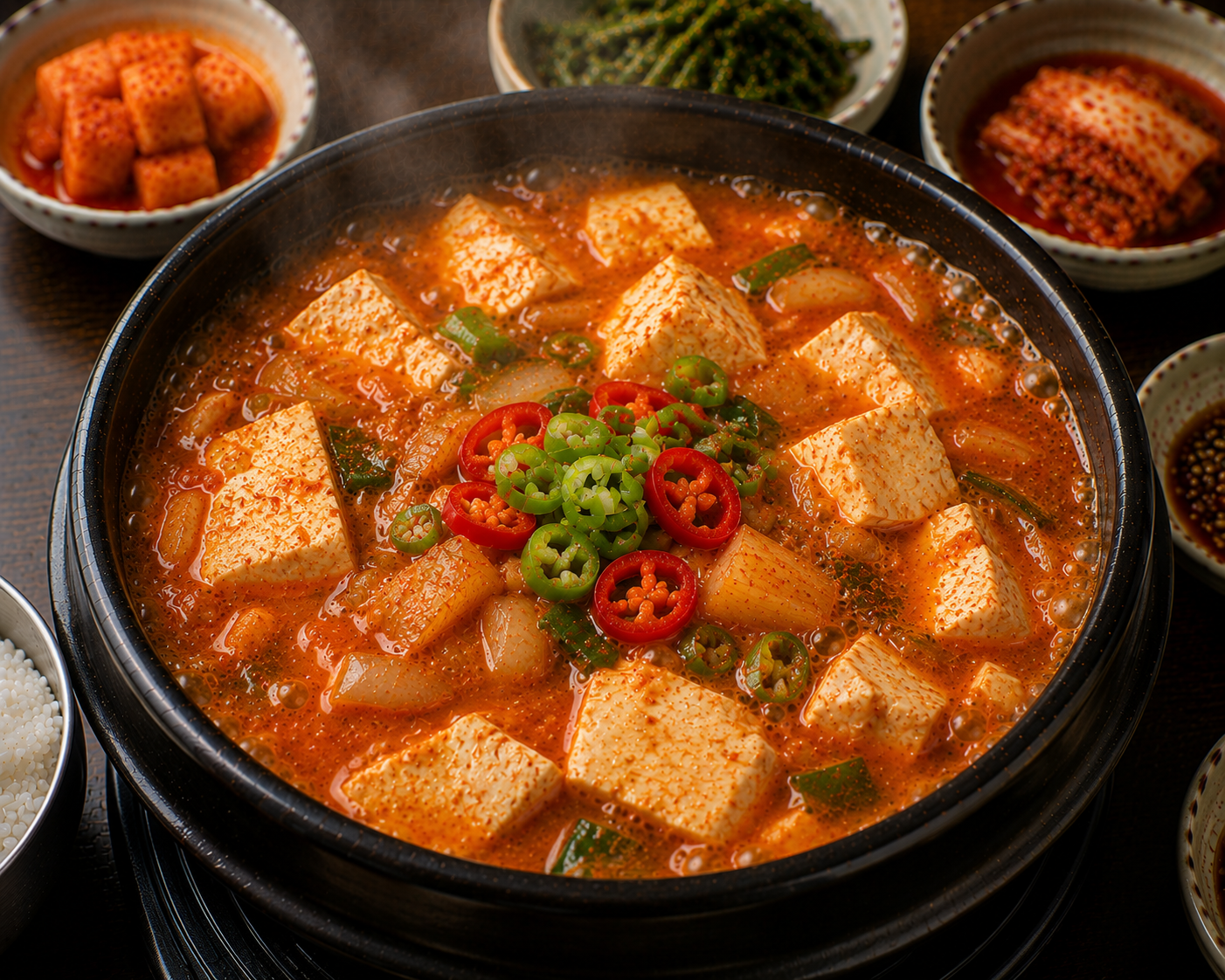
Tofu Stew
두부찌개 · dubu-jjigae
A traditional Korean stew made by boiling tofu and various vegetables in a light broth.
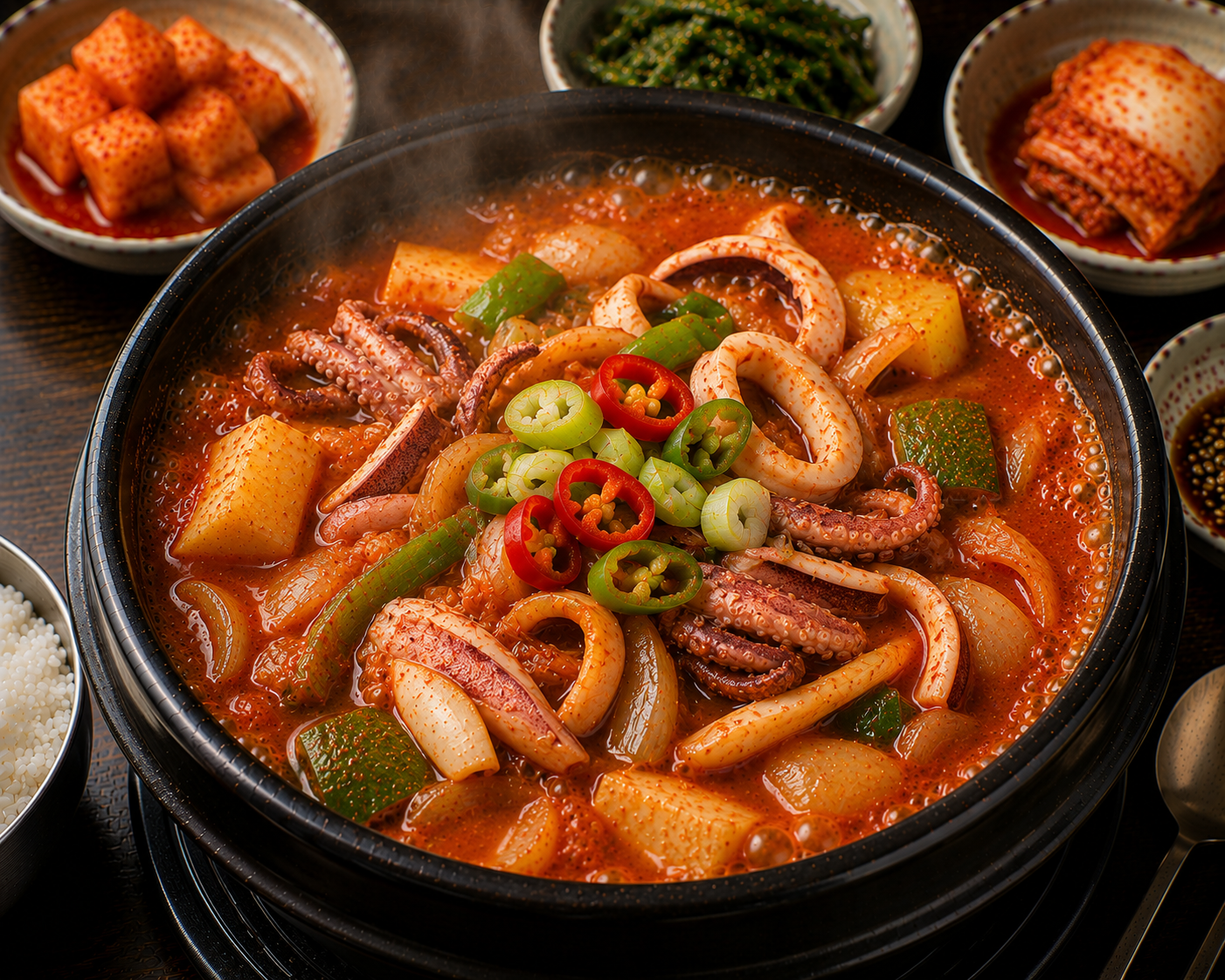
Squid Stew
오징어찌개 · o-jing-eo-jji-gae
A spicy and savory Korean-style stew made by boiling squid and various vegetables in a thick broth.
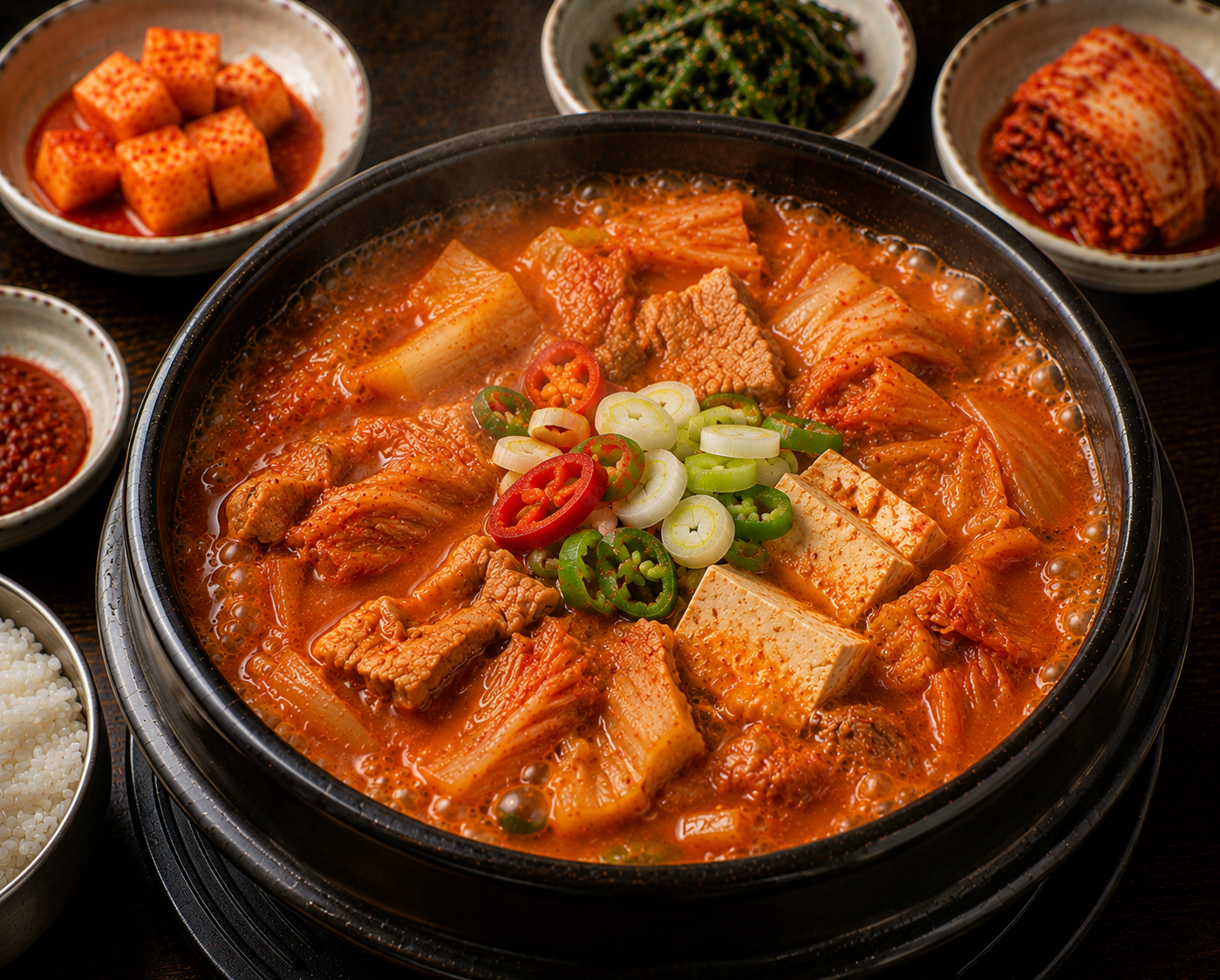
Kimchi Jjigae
김치찌개 · kimchi-jjigae
A communal stew made with well-fermented kimchi and pork simmered in a rich broth, seasoned to perfection, salty and spicy. Unlike soup, it is served bubbling in an earthenware pot and enjoyed by ladling the broth and ingredients over rice, shared among many. The fermented sourness of the kimchi combines with the pork fat to create a deep flavor that complements the rice.
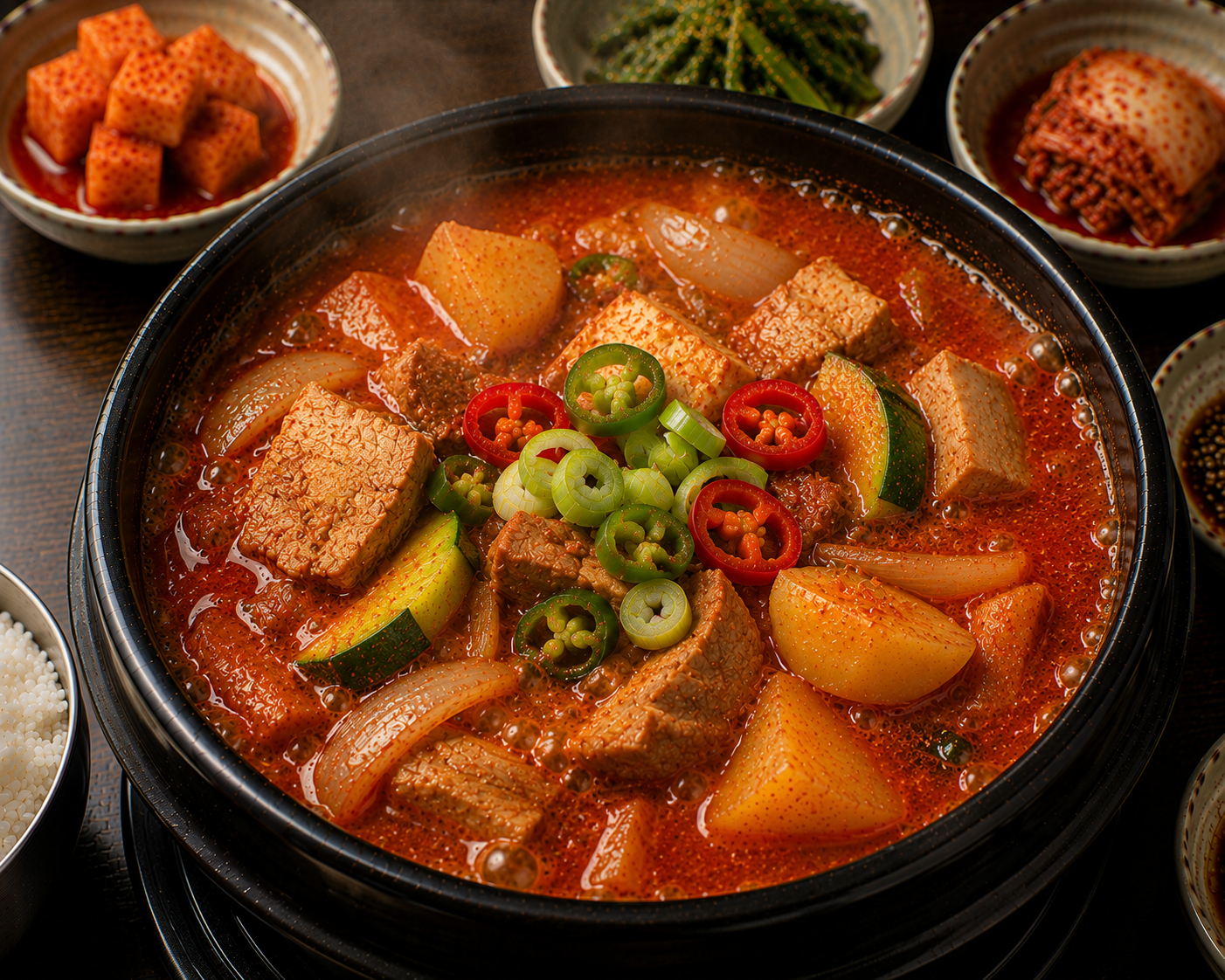
Gochujang-jjigae
고추장찌개 · gochu-jang-jjigae
A spicy Korean stew made with gochujang as the base seasoning, pork, tofu, and vegetables cooked together.
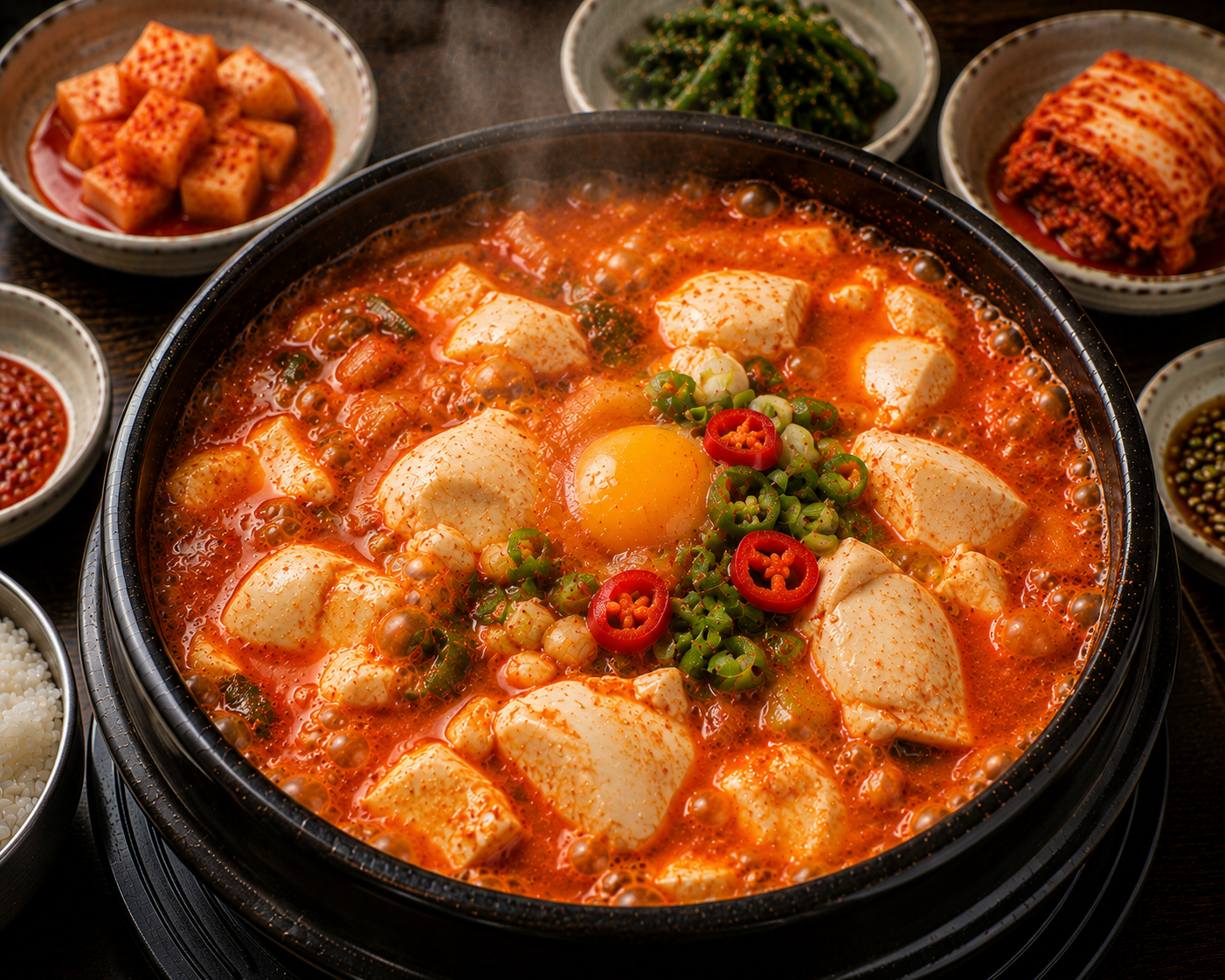
Sundubu-jjigae
순두부찌개 · sundubu-jjigae
A spicy Korean stew simmered with soft sundubu (tofu), seafood, and red pepper powder.
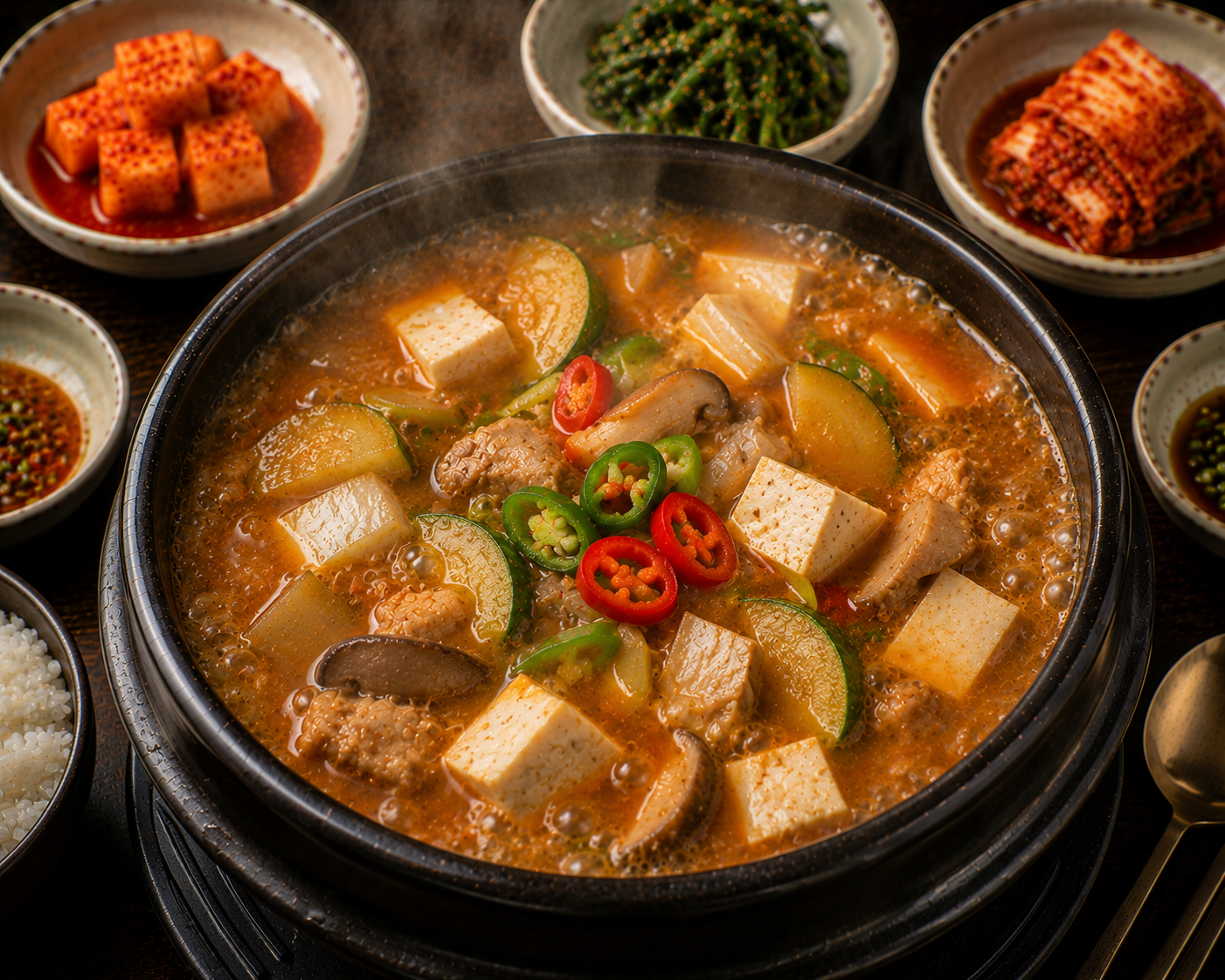
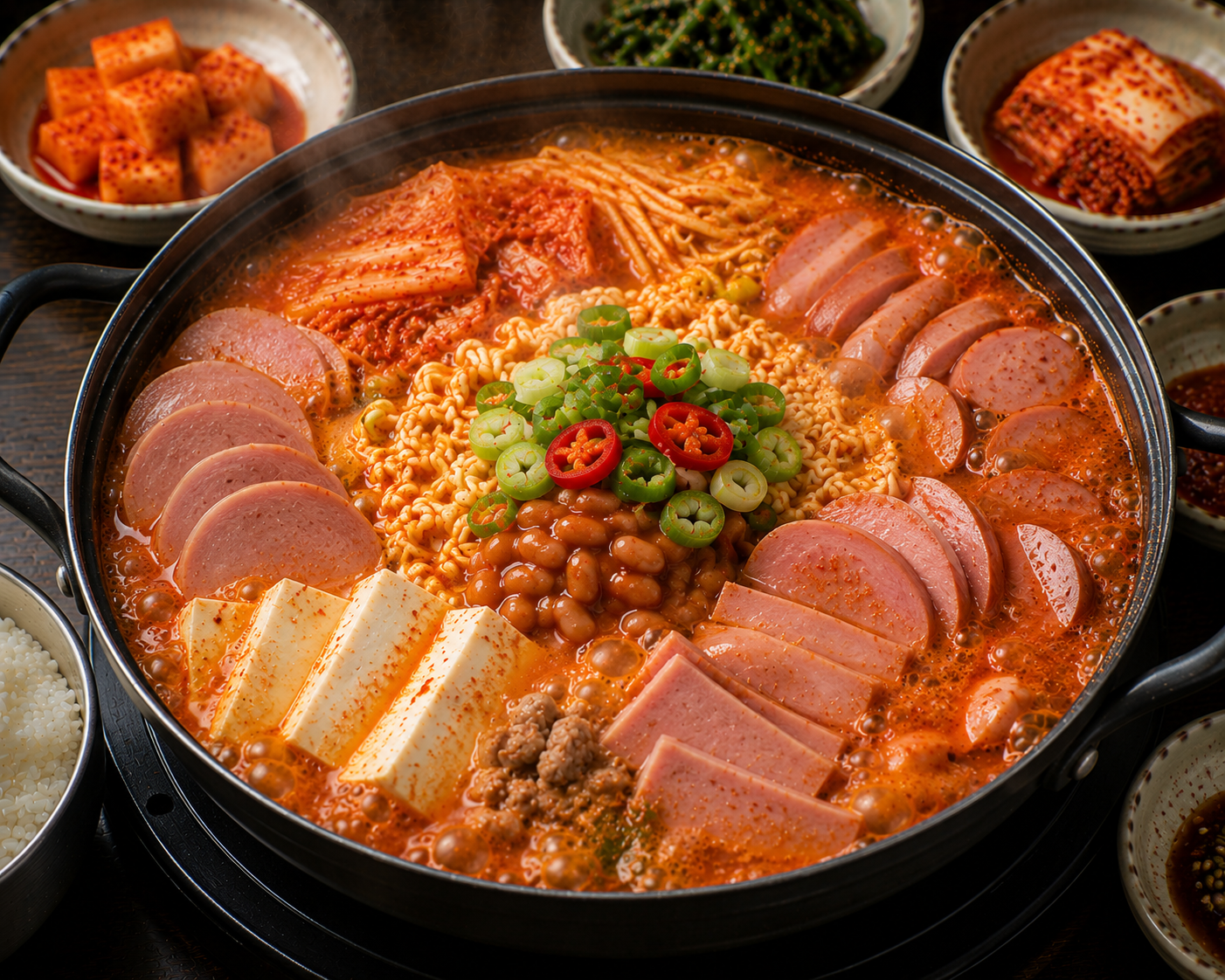
Goes well with
Ingredients
How it's made
- 1Prepare the soybean pulp (biji) and cut the pork into suitable sizes.
- 2Stir-fry the pork in a pot, then add the soybean pulp (biji) and continue to stir-fry together.
- 3Pour in water and add red pepper powder and garlic to bring to a boil.
- 4Add green onion and simmer a bit longer.
Nutrition
* Estimated values per serving.
Allergens
Contains pork, not suitable for halal or vegetarian diets.
How to order
콩비지찌개 주세요
Kong-bi-ji-jji-gae ju-se-yo
Please give me Soybean Pulp (Biji) Stew