Cultural background
Mokchang-gui is a dish enjoyed mainly in the evening with friends or family, particularly popular at drinking gatherings. The chewy texture and nutty flavor can be polarizing.
Origin & history
Mokchang-gui grew out of a cooking culture that cleaned and grilled offal instead of throwing it away. In so-mokchang, or beef mokchang, mokchang refers to the cow’s final stomach section. Unlike gopchang, the long small intestine, mokchang comes from a thick, springy stomach section, so the chew is different.
In Daegu and some other regions, Mokchang-gui is especially well known as a drinking snack and a restaurant dish. As grilling less costly cuts over a hot plate became a familiar alternative to expensive lean meat, it developed into a popular grilled dish.
Regional & modern variations
- Sogeum-mokchang — This version is grilled with salt rather than heavy seasoning. The nutty richness of the mokchang’s own fat and its grilled aroma come through more clearly.
- Yangnyeom-mokchang — The meat is marinated in a Gochujang- or Soy Sauce-based seasoning before grilling. Because the seasoning burns easily, heat that is too high can quickly char only the outside.
- Dwaeji-mokchang-gui — The name sounds similar, but the cut and texture differ from beef mokchang. Dwaeji-mokchang, or pork mokchang, can taste fattier and have a stronger aroma, so it is worth checking at the restaurant which meat is being served.
How Koreans eat it
Mokchang-gui is usually eaten at a gopchang restaurant or a mokchang restaurant. Many people order it together with gopchang or daechang, but mokchang is thicker and more springy, so it takes a little longer to cook. At some restaurants, staff will help get the grilling started for first-timers.
Taste & how to choose
Well-grilled mokchang has a golden-brown, lightly crisp exterior, while the inside should be springy rather than tough. First-time diners are sometimes surprised less by the offal aroma than by its rich, nutty fattiness. A strong smell rising from the grill or a mushy interior usually suggests the cleaning or grilling could have been better.
Similar dishes
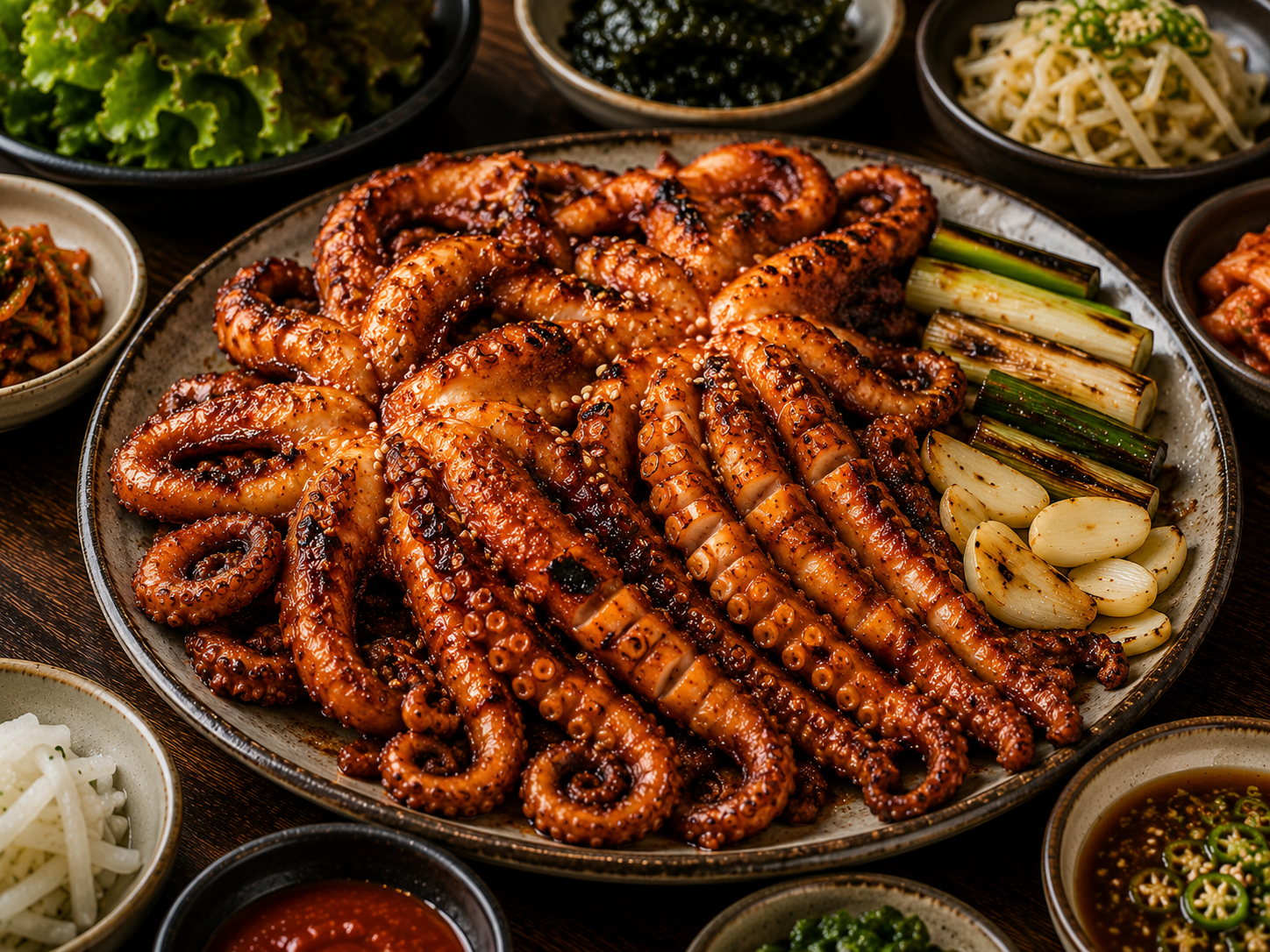
Grilled Octopus
낙지구이 · nakji-gui
This dish features octopus marinated in sauce and grilled on a hot plate, characterized by its chewy texture and spicy seasoning. It is typically grilled directly at the dining table and enjoyed at the perfect moment of cooking, wrapped in lettuce and enjoyed with ssamjang.
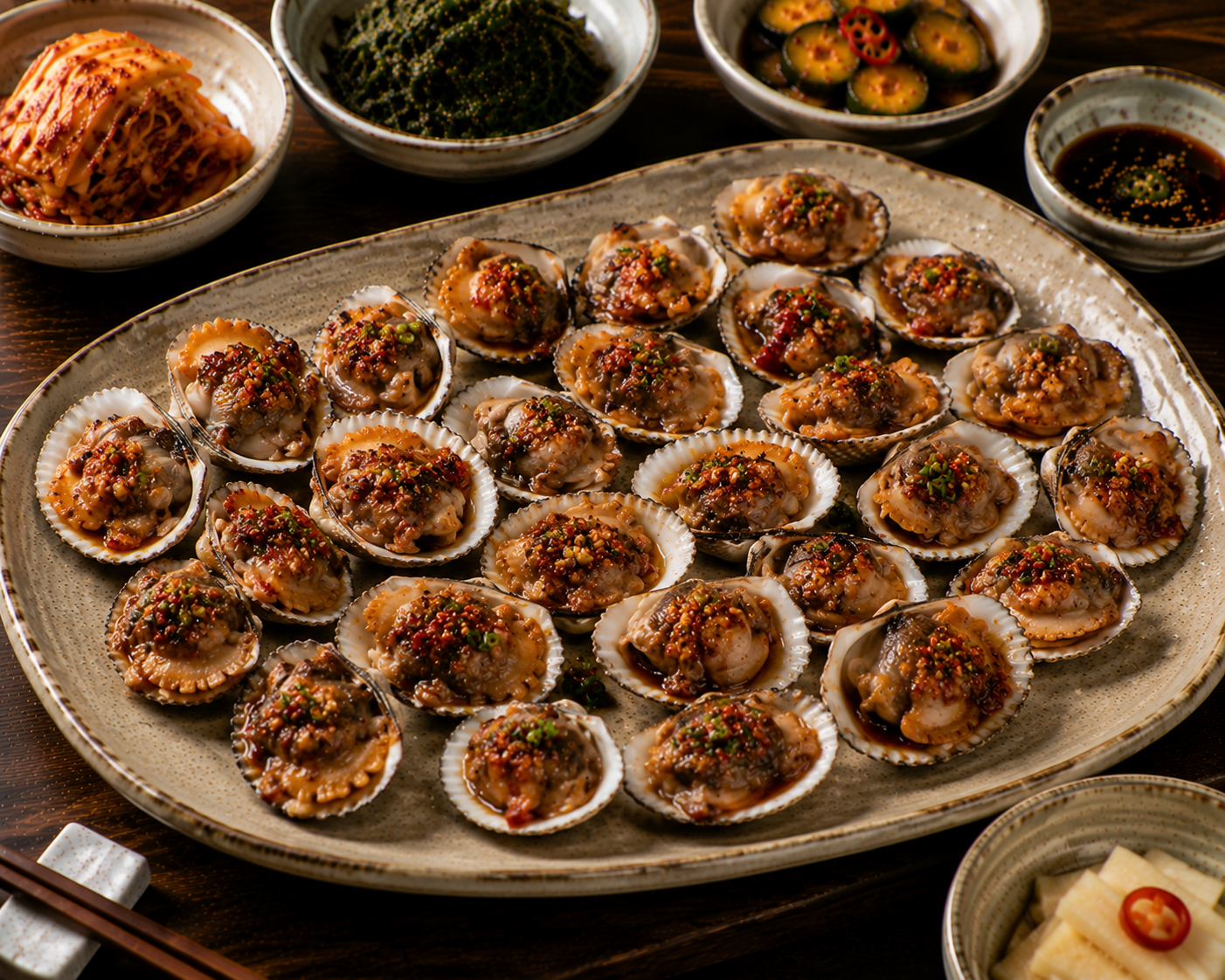
Grilled Cockles
꼬막구이 · kkoma-gui
This dish involves lightly brushing cockles with salt or seasoning and grilling them directly over a fire, allowing you to experience a chewy texture and the flavors of the sea. It is usually enjoyed with soy sauce or gochujang.
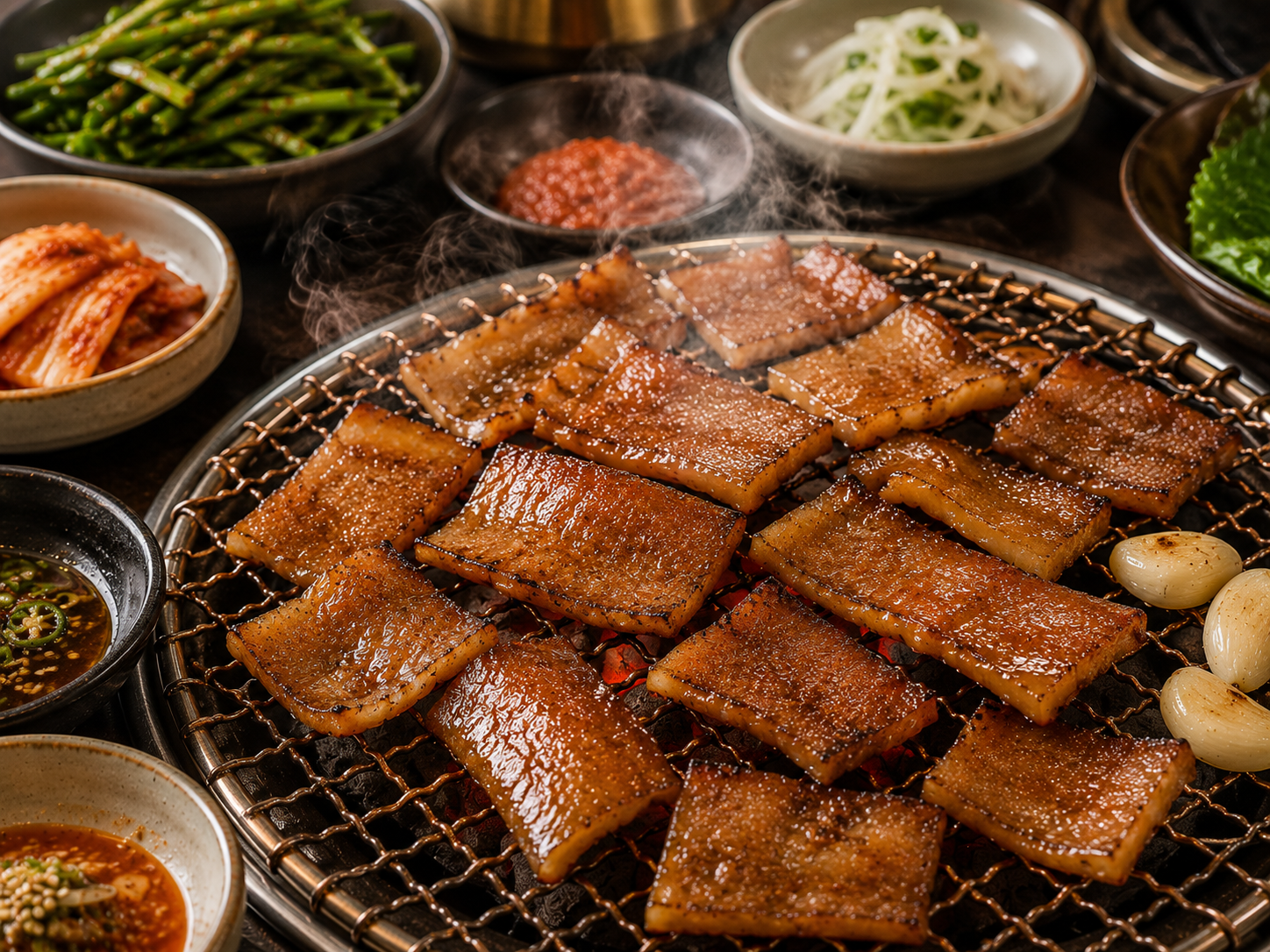
Ggopdegi-gui
껍데기구이 · Kkeop-de-gi-gu-i
A dish that enjoys the chewy and savory taste of grilled pig skin over direct fire. It is usually grilled with salt or seasoning and eaten with ssamjang.
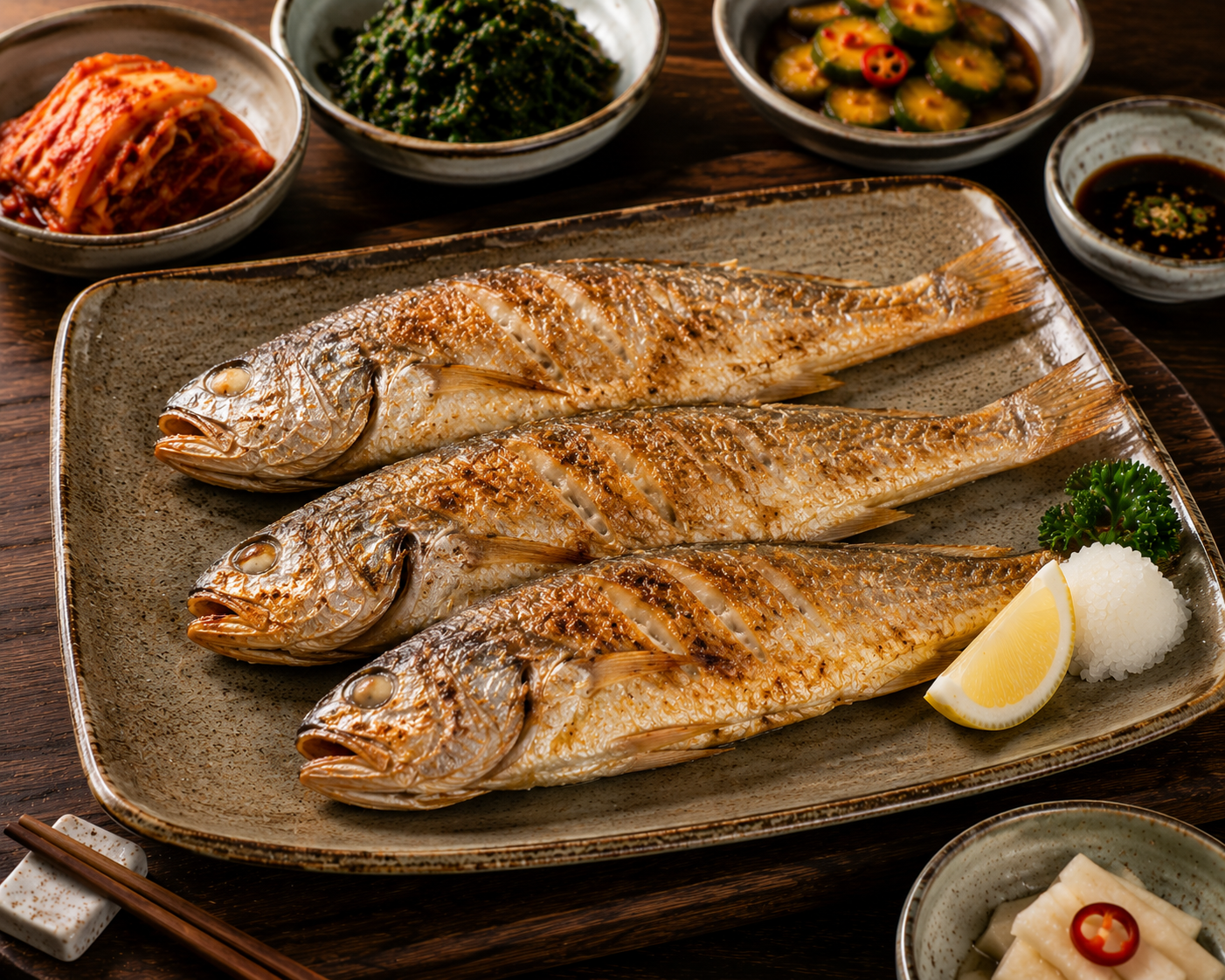
Grilled Yellow Croaker
조기구이 · jogi-gui
Grilled fish made by salting croaker and grilling it, characterized by its nutty and clean taste. It is usually enjoyed as a side dish with rice, and the light flavor distinctive of lean white-fleshed fish is exquisite.
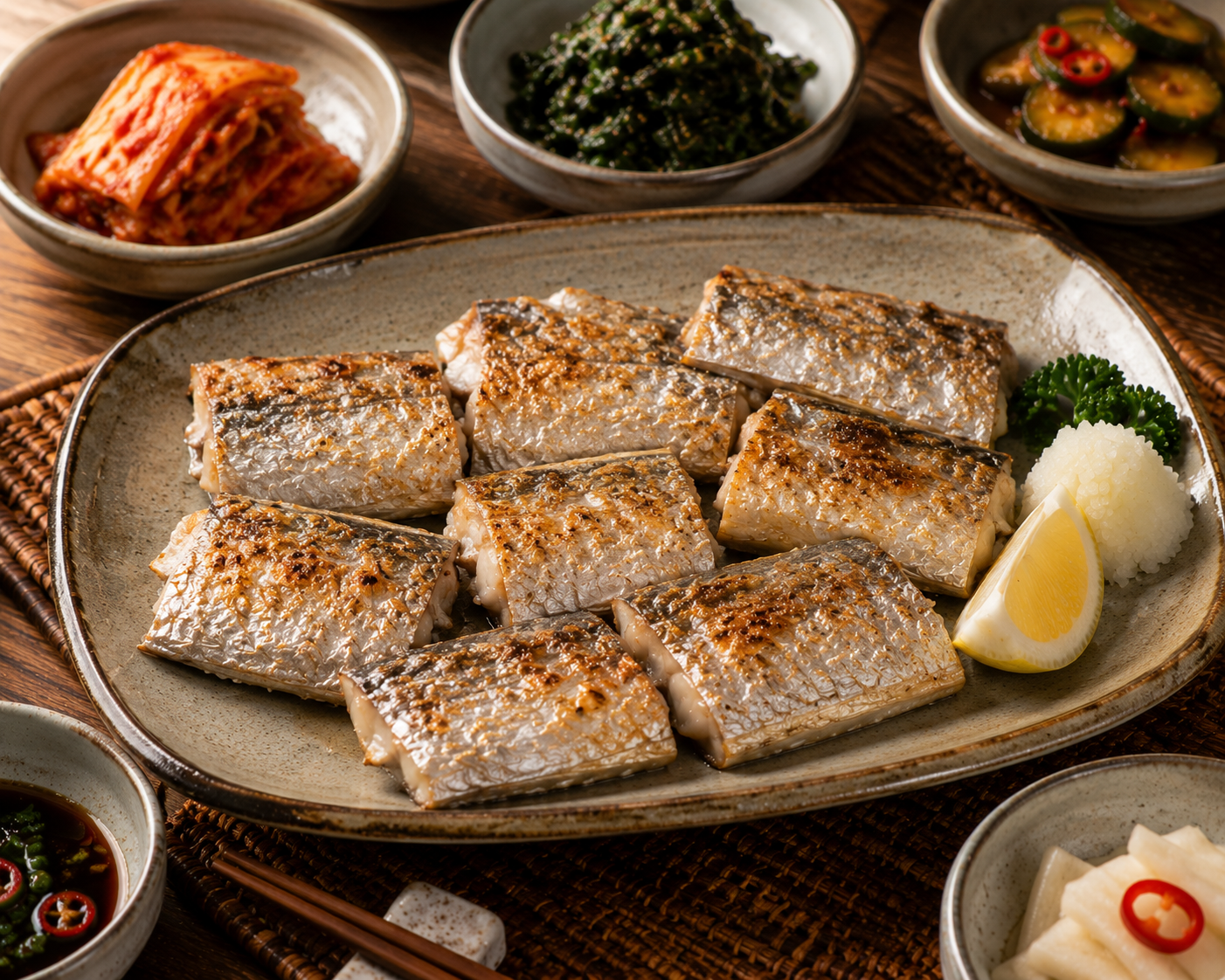
Grilled Hairtail
갈치구이 · galchi-gui
Grilled fish seasoned with salt and cooked over direct heat or on a grill, characterized by a rich and mild flavor. It is usually enjoyed as a side dish with rice, allowing you to savor the rich flavor of the fish.
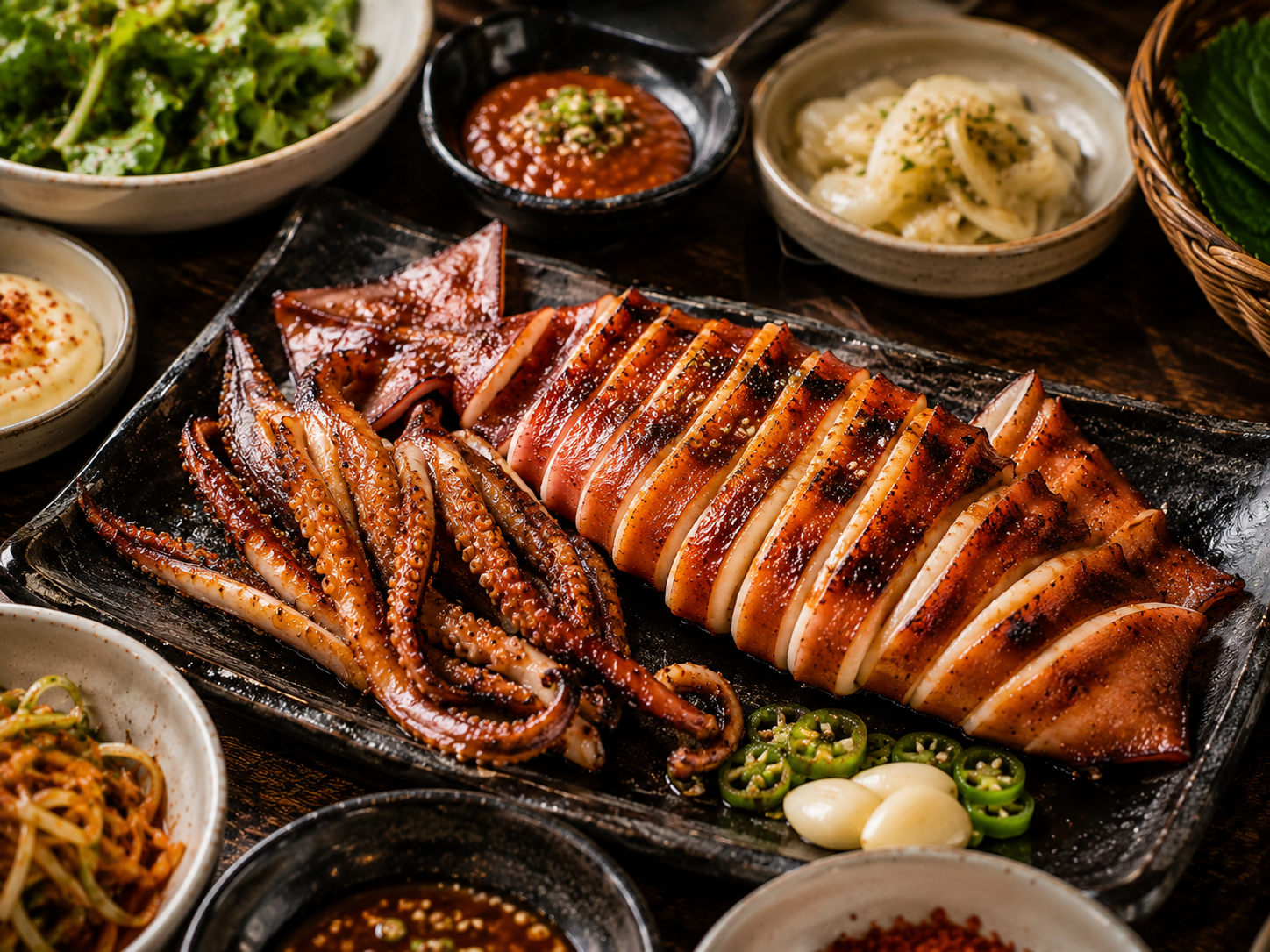
Grilled Squid
오징어구이 · o-jing-eo-gui
A dish made by grilling squid over direct heat or on a griddle, characterized by its savory and chewy texture. It is usually grilled with seasoning like soy sauce or salt and can be wrapped in ssamjang or garlic for eating.
Ingredients
How it's made
- 1Clean the makchang (beef abomasum) thoroughly and marinate them in salt or seasoning.
- 2Light a fire on the table grill and place the makchang (beef abomasum) on to grill.
- 3Once the makchang (beef abomasum) are grilled to a golden color, cut them with scissors.
- 4Serve with wrap vegetables and ssamjang.
Nutrition
* Estimated values per serving.
Allergens
Not suitable for vegetarian or halal diets as it uses cow's internal organs.
How to order
막창구이 주세요
Mak-chang-gui ju-se-yo
Please give me makchang-gui
Customize your order
Traveler tips
How to eat it
Frequently asked questions
- How are mokchang and gopchang different?
- Beef mokchang comes from the cow’s final stomach section, while gopchang is the small intestine. Mokchang is thicker and has a stronger, springier chew; gopchang feels richer and softer because of the gop inside.
- Does mokchang need to be cooked until very well done?
- Because mokchang is an offal cut, people generally eat it fully cooked. It is ready when the outside turns golden brown, the fat renders out, and the edges become slightly crisp.
- Why is mokchang cut into small pieces before grilling?
- Mokchang is thick and tends to curl, so large pieces can be hard to cook evenly. Cutting it into bite-size pieces with scissors makes it easier to cook through and more convenient to wrap in ssam.
Last reviewed: 2026-10-07