
Sundae-guk (Korean Blood Sausage Soup)
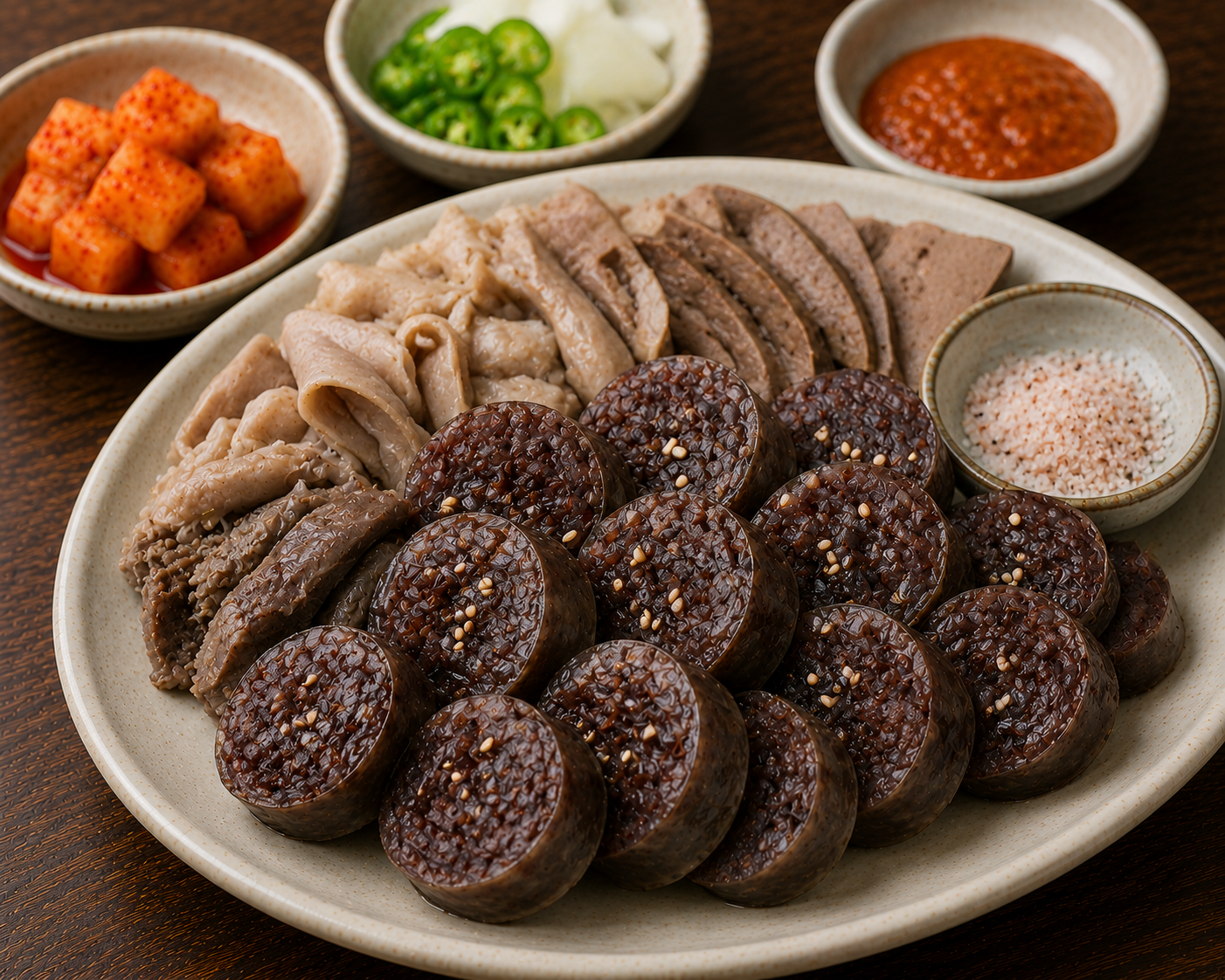
A soup dish made by boiling pork intestines and sundae (blood sausage) in pork bone broth, characterized by its milky, rich broth and the chewy texture of the sundae. It is usually eaten with rice mixed in, seasoned to taste with salt or salted shrimp, and topped with perilla seed powder and a spicy seasoning paste.
Cultural background
Sundae-guk is often sought after for hangover recovery and is regarded by Koreans as food that warms and soothes the stomach.
Origin & history
Sundae-guk is a rice soup made by simmering Sundae and pork offal together in one bowl. Sundae is a sausage made by stuffing pig intestines with pig's blood, glass noodles, vegetables, and other ingredients; the use of offal ties the dish to a working-class food culture that avoided wasting pork by-products.
At markets and gukbap shops, a practical style took hold: pre-cooked offal and Sundae are reheated in an earthenware ttukbaegi and served quickly. Sundae-guk is therefore less a leisurely banquet dish than a hot, filling meal.
Regional & modern variations
- Sundae-only gukbap — This version leaves out offal such as pork liver, lung, and stomach, focusing mainly on Sundae. A good first choice for anyone who finds the aroma of offal intimidating.
- Offal gukbap — A rice soup with more pork offal than Sundae, or sometimes only offal and no Sundae at all. The chew and rich, nutty aroma are more pronounced.
- Spicy Sundae-guk — A style eaten red and sharply spicy with plenty of dadaegi, a gochugaru seasoning paste, stirred into the broth. The aroma is stronger than in basic Sundae-guk, so some people notice the offal smell less.
How Koreans eat it
At Sundae-guk restaurants, diners often adjust the contents when ordering with requests such as "순대만 (sundae-man, 'Sundae only')," "내장 빼고 (naejang ppaego, 'no offal')," or "다 섞어서 (da seokkeoseo, 'mix everything')." Tables usually have perilla seed powder, dadaegi, salted fermented shrimp, and minced chili. Koreans typically taste a spoonful or two of the broth first, then add seasonings to suit their own palate.
Taste & how to choose
Sundae has a springy casing and a soft filling. Pork offal varies widely in texture from chewy to pillowy depending on the part. First-time diners may be surprised by the dark color of blood-based Sundae and the aroma of offal. Good Sundae-guk's broth should not have a murky, fishy or unpleasant smell, and the offal should not be tough or sour-smelling.
Similar dishes
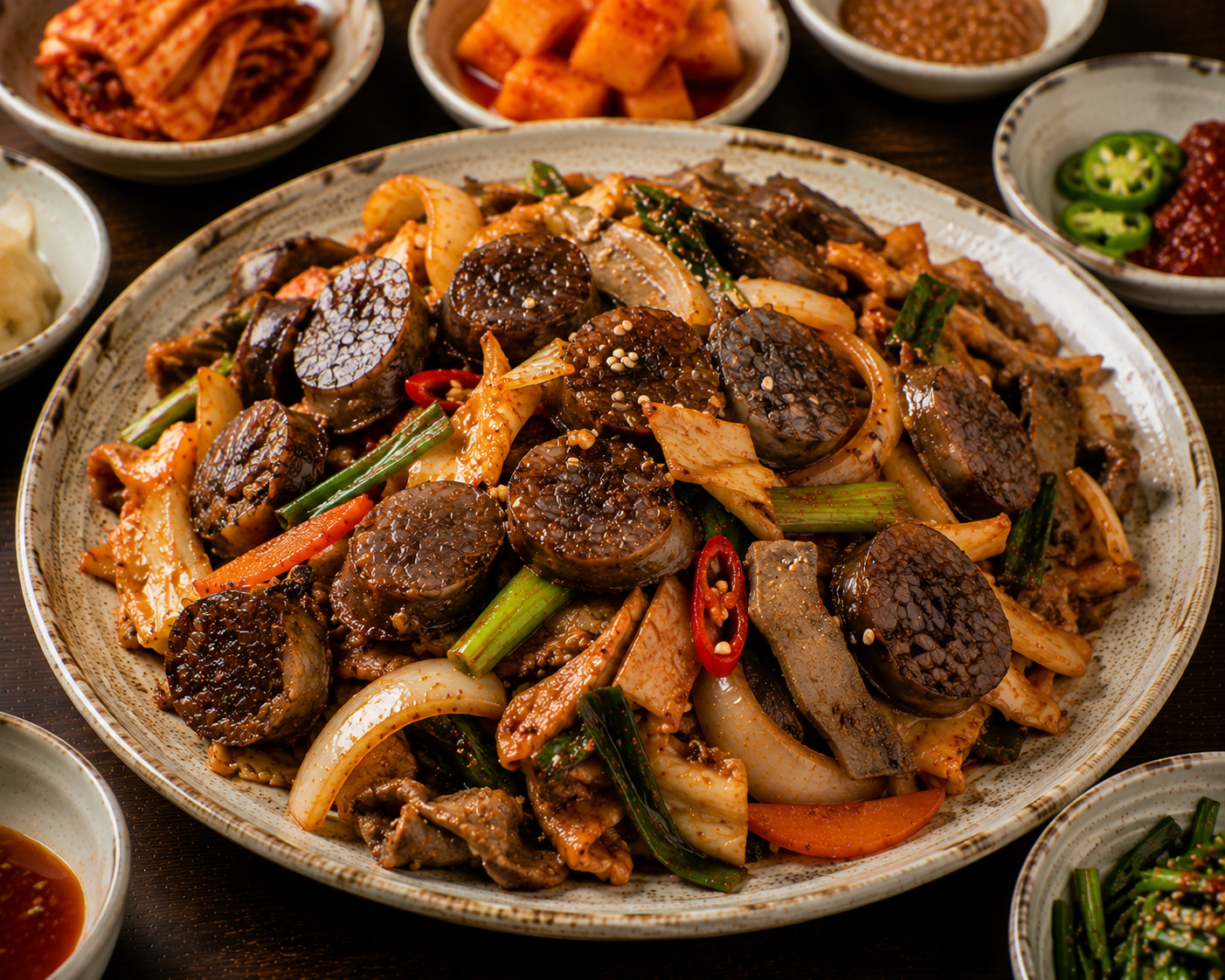
Sundae-bokkeum (Stir-fried Blood Sausage)
순대볶음 · sundae-bokkeum
A spicy dish made by stir-frying sundae with gochujang seasoning and vegetables over high heat.
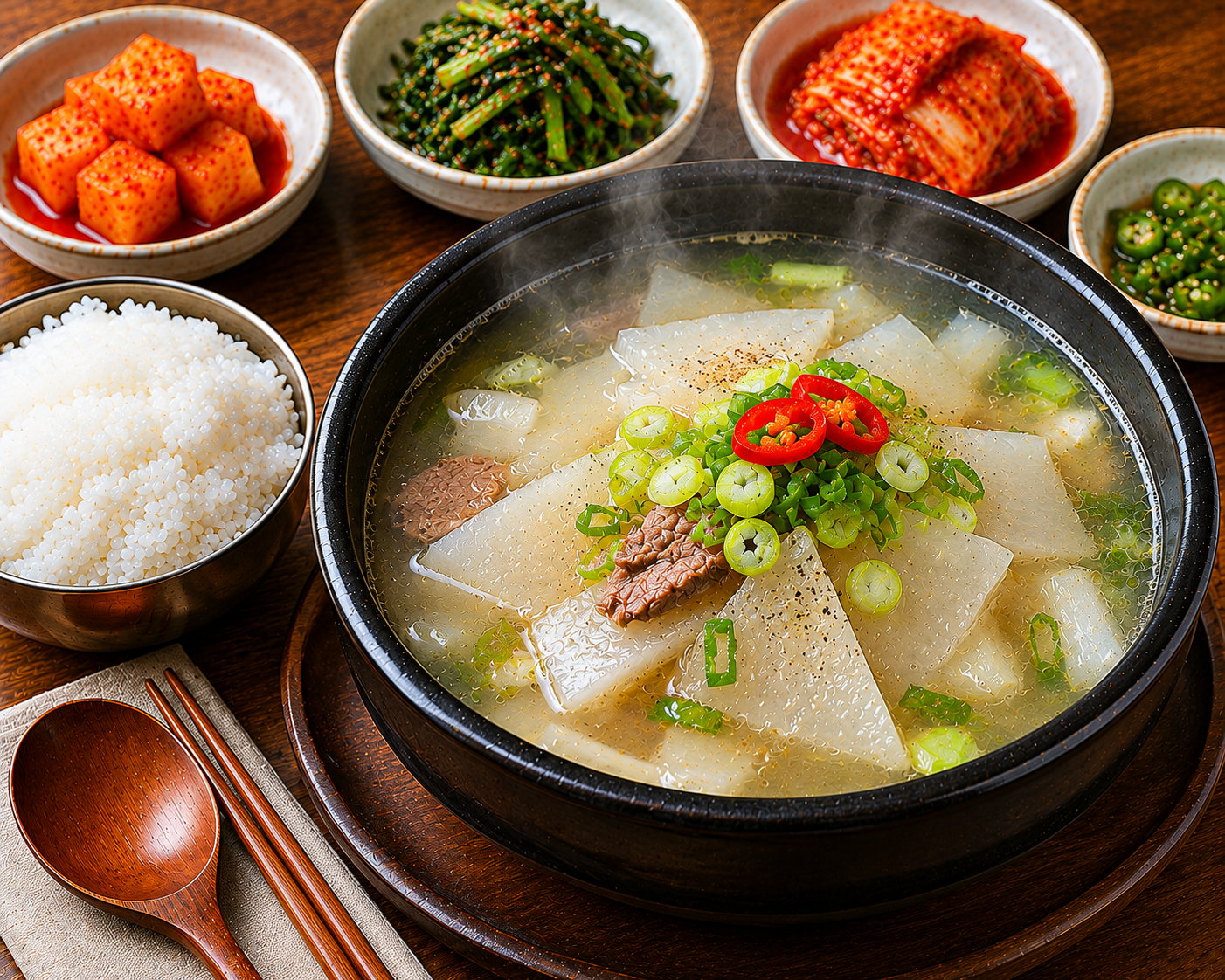
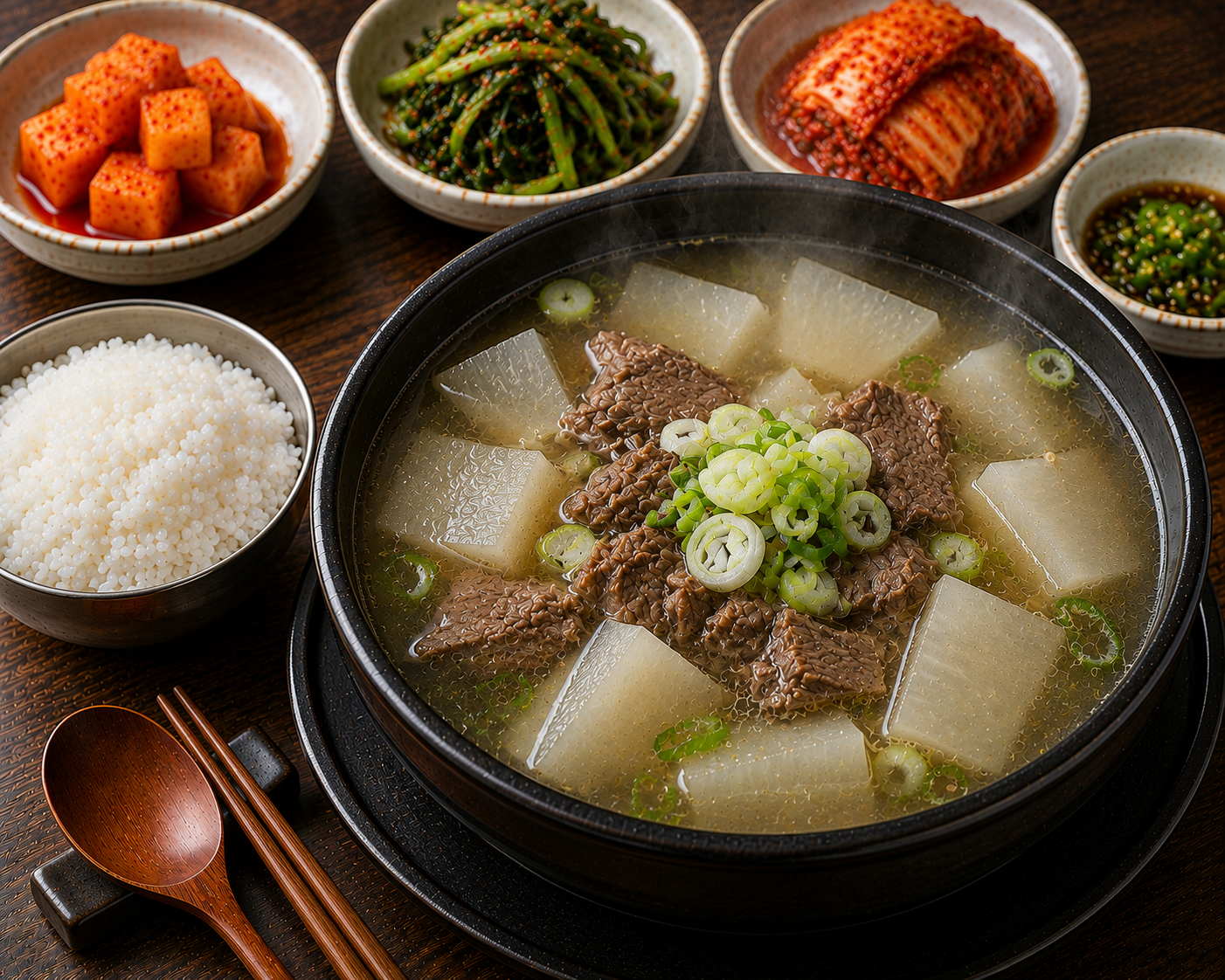
Radish Soup
무국 · mu-guk
A clear soup dish made with radish and beef, characterized by a light and refreshing taste. It is usually enjoyed with rice, and salt or soy sauce can be added at the table to adjust the seasoning.
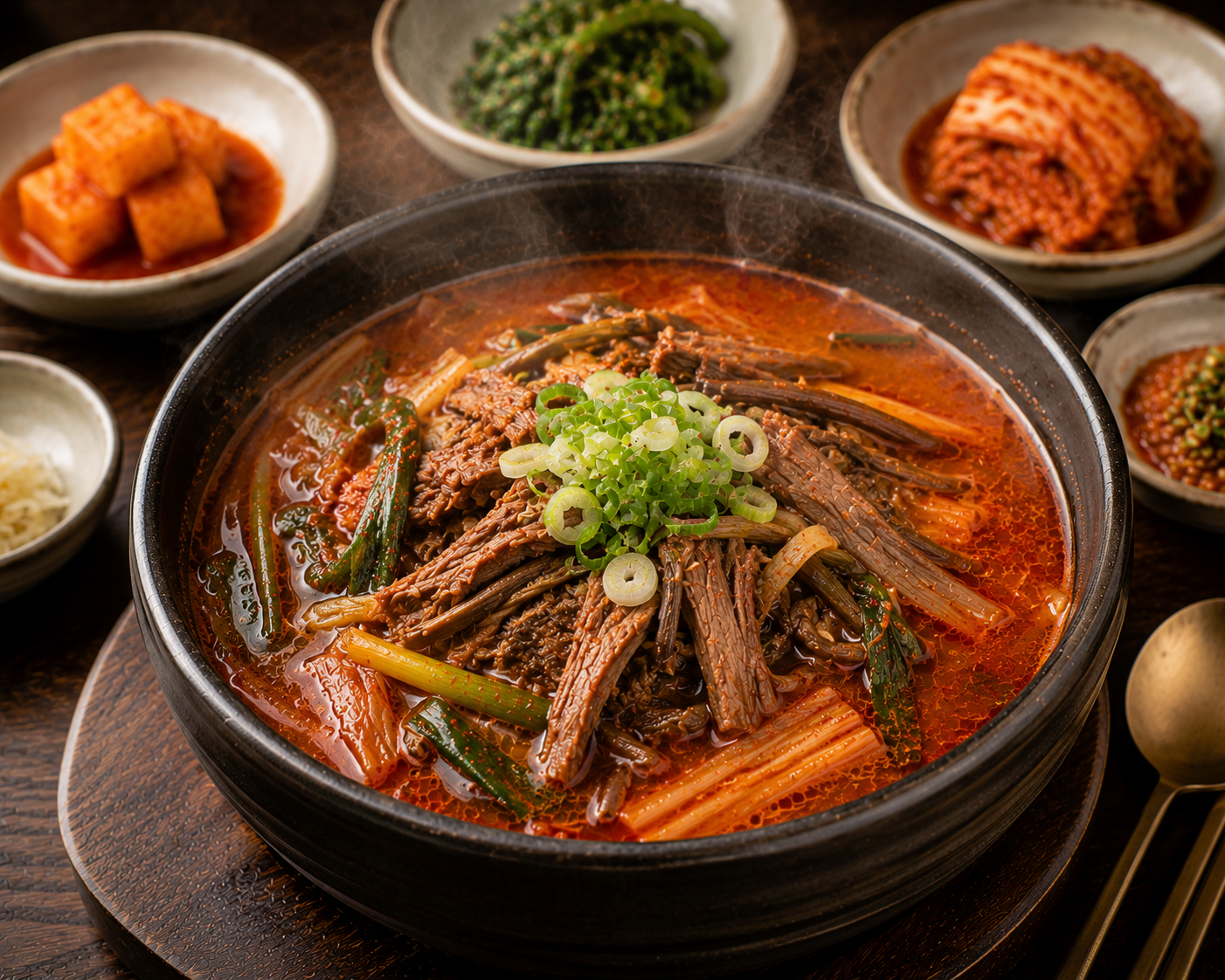
Yukgaejang
육개장 · yuk-gae-jang
A spicy soup dish made with beef, fernbrake, and bean sprouts cooked in hot pepper oil. The broth is rich and spicy, and it tastes even better when eaten with rice.
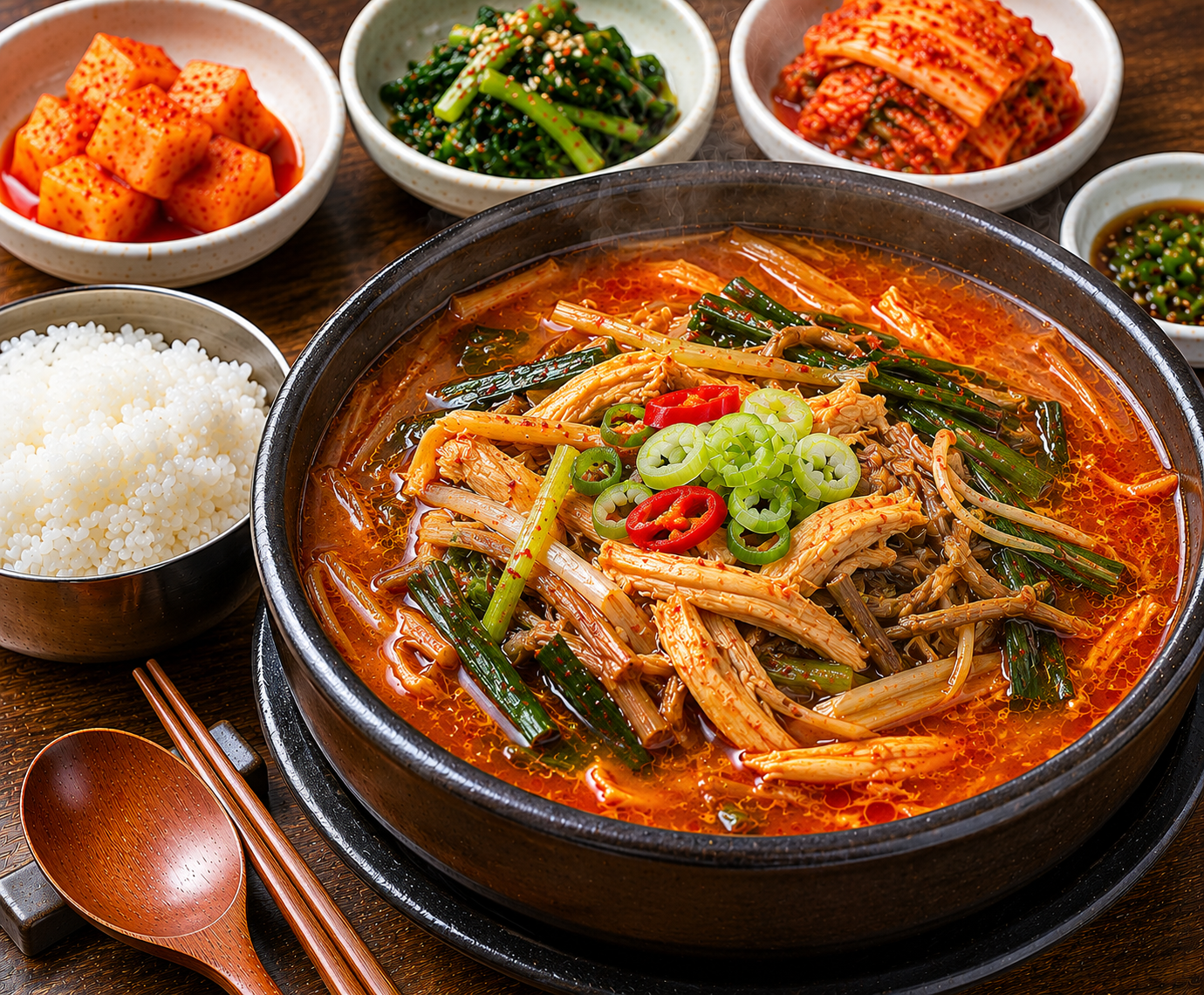
Dakgaejang
닭개장 · dak-gae-jang
A soup dish made by boiling chicken and a variety of vegetables with red chili powder for a hearty kick, characterized by its spicy and deep flavor.
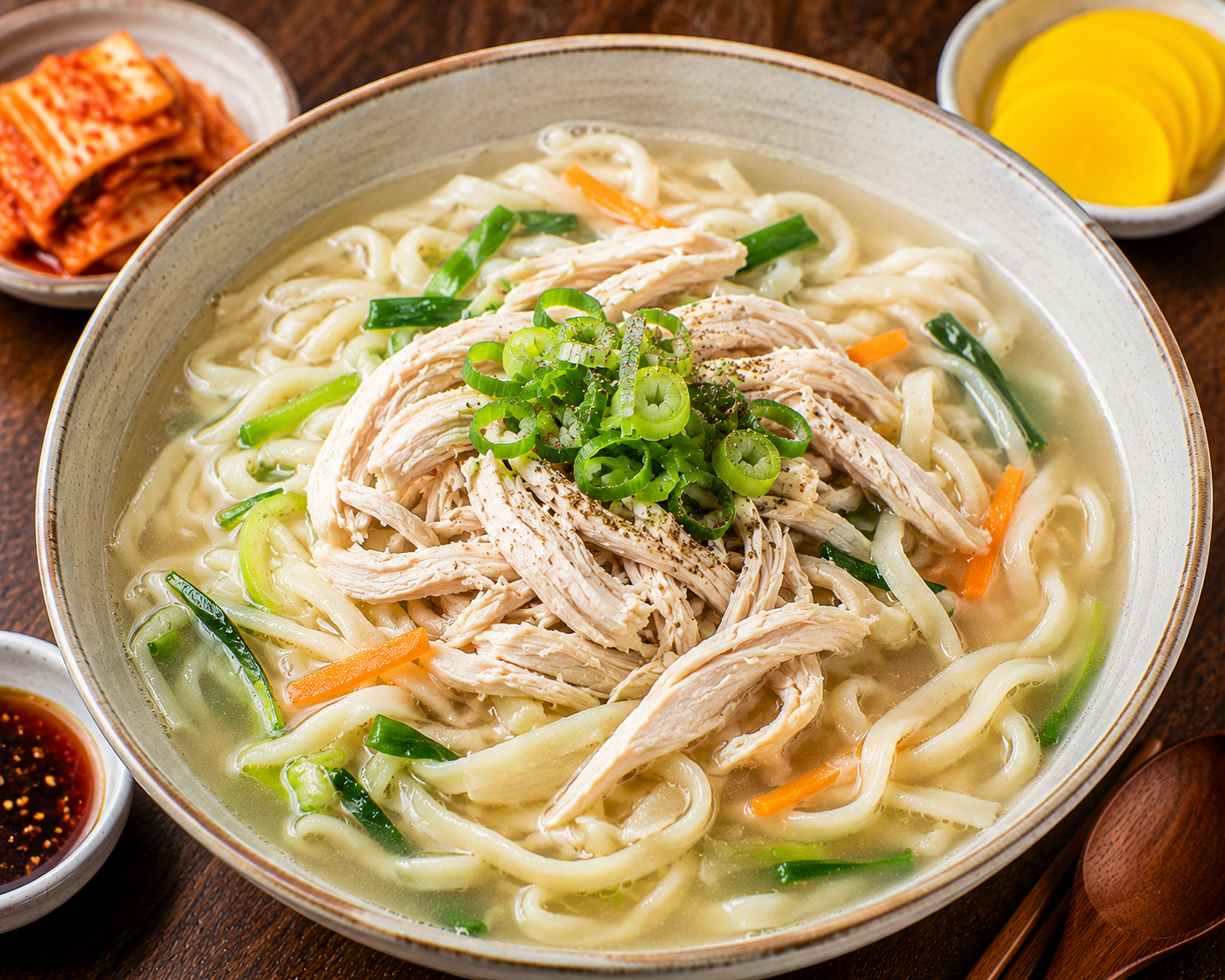
Chicken Kalguksu
닭칼국수 · dak-kal-guksu
A warm noodle dish made by boiling knife-cut wheat flour noodles in a rich chicken broth simmered slowly from whole chicken.
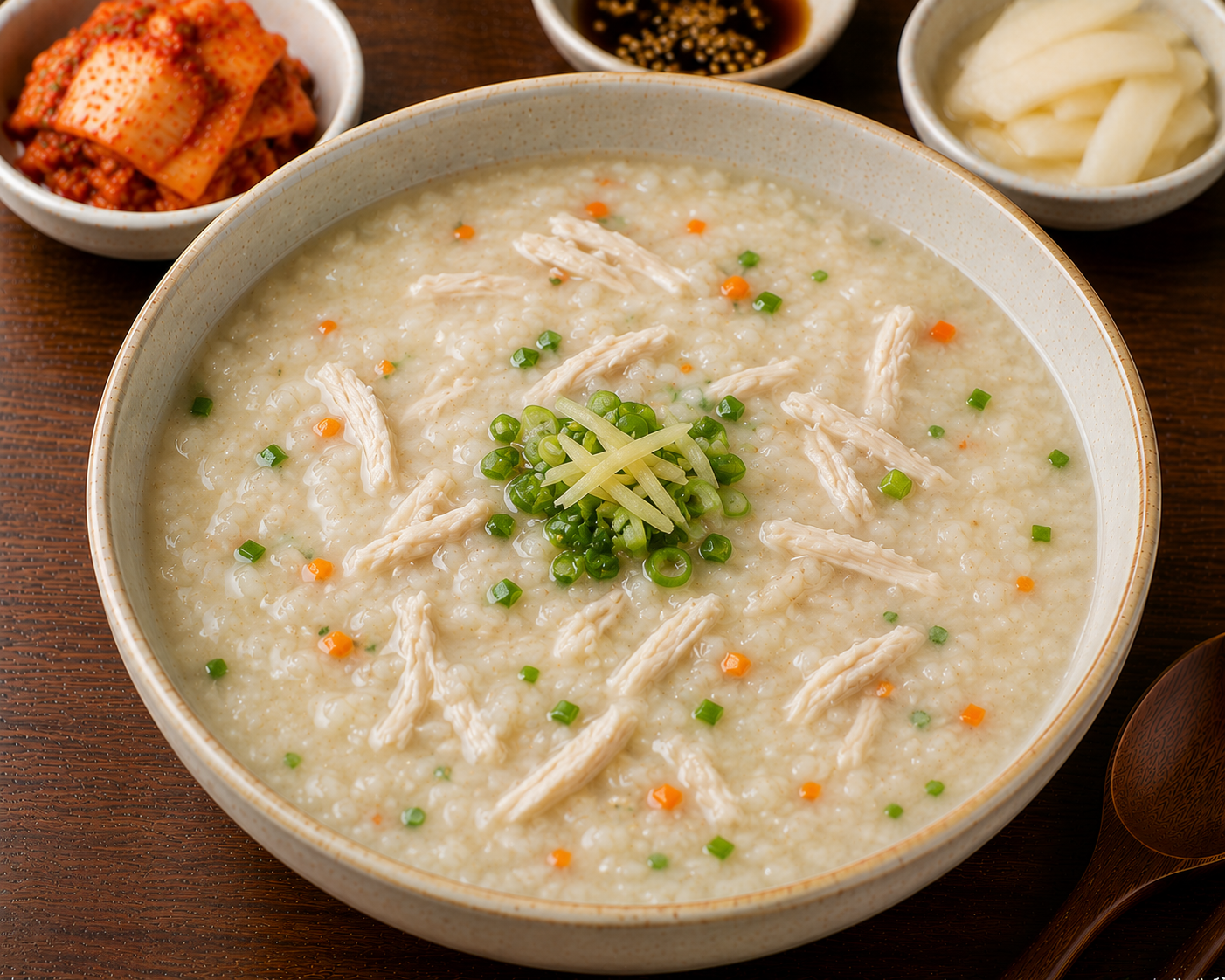
Chicken Porridge
닭죽 · dak-juk
A traditional Korean porridge made by simmering rice and chicken together until soft and thick. The deep flavor of the chicken adds a mild and nutty taste. It is best enjoyed with salty side dishes like kimchi or jangjorim.
Goes well with
Ingredients
How it's made
- 1Thoroughly clean the pork entrails.
- 2Put the entrails and water in a pot and bring to a boil.
- 3Add the sundae, green onion, and garlic, and continue boiling.
- 4Season with salt and red pepper powder.
Nutrition
* Estimated values per serving.
Allergens
Contains pork entrails, therefore not halal or vegetarian friendly.
How to order
순대국 주세요
Sun-dae-guk ju-se-yo
Please give me Sundae-guk
Customize your order
Traveler tips
How to eat it
Frequently asked questions
- Is the Sundae in Sundae-guk the same as the Sundae sold as street food?
- They belong to the same basic family of foods. However, the Sundae used in the soup is often relatively firm so it does not fall apart too easily during long simmering.
- Can I add all the red seasoning paste from the start?
- Start with just a little. If you stir in a lot of dadaegi, the broth shifts toward the aroma of gochugaru rather than the flavor of the Sundae and offal.
- What is the difference between Sundae-guk and dwaeji-gukbap?
- Sundae-guk centers on Sundae and pork offal. Dwaeji-gukbap usually centers on Suyuk or pieces of lean pork, and Sundae is often not included by default.
Last reviewed: 2026-10-07