
Gopchang Jeongol
A Korean hot pot dish made by placing beef small intestines, vegetables, mushrooms, etc. in a large pot and pouring broth over it to cook directly at the table. The chewy texture of the intestines combines with various ingredients to create a deep flavor.
Cultural background
It is a social meal enjoyed slowly while sitting together, typically enjoyed in the evening. It pairs particularly well with cold weather.
Origin & history
Gopchang refers to the small intestines of cattle. In an agrarian society, cattle were valuable animals, so a culture developed of eating not only the meat but also the offal without letting it go to waste. Gopchang Jeongol combines that tradition of offal cooking with the format of a jeongol-style hot pot.
The spicy Gopchang Jeongol widely eaten today is thought to have spread through market alleys, restaurants specializing in offal, and Korea's drinking-food culture. Cleaned gopchang is simmered for a long time in a seasoned broth to reduce odor, and the dish became established as something shared by several people.
Regional & modern variations
- Gopchang-Sundae Jeongol — Adds Sundae, a Korean sausage made with glass noodles and coagulated blood, alongside the gopchang. The broth becomes thicker and the dish feels more filling.
- Daechang Jeongol — Centers on daechang, the large intestine of cattle. Because it is fattier than gopchang, the broth is richer, oilier, and more savory.
- Nakgopsae — Known as a Busan-style spicy hot pot made with octopus, gopchang, and shrimp. Rather than spooning up the broth, people commonly mix it with rice.
How Koreans eat it
Gopchang Jeongol is often ordered as an add-on after eating grilled gopchang at restaurants specializing in it. The dish tastes best once the fat from the gopchang and the seasoning have melted into the broth, so it is better to let it boil a little longer rather than eating it as soon as it first comes to a boil. People eat it as a drinking snack, but adding rice or noodles at the end turns it into a full meal.
Taste & how to choose
First-time eaters may be surprised by the soft, fatty gop inside the gopchang. In a good Gopchang Jeongol, the gopchang is not merely tough but pleasantly chewy, and the broth is spicy without a strong gamy smell. Some oil floating on top is natural, but a harsh odor or bitter taste may mean the gopchang was not cleaned or simmered enough.
Similar dishes
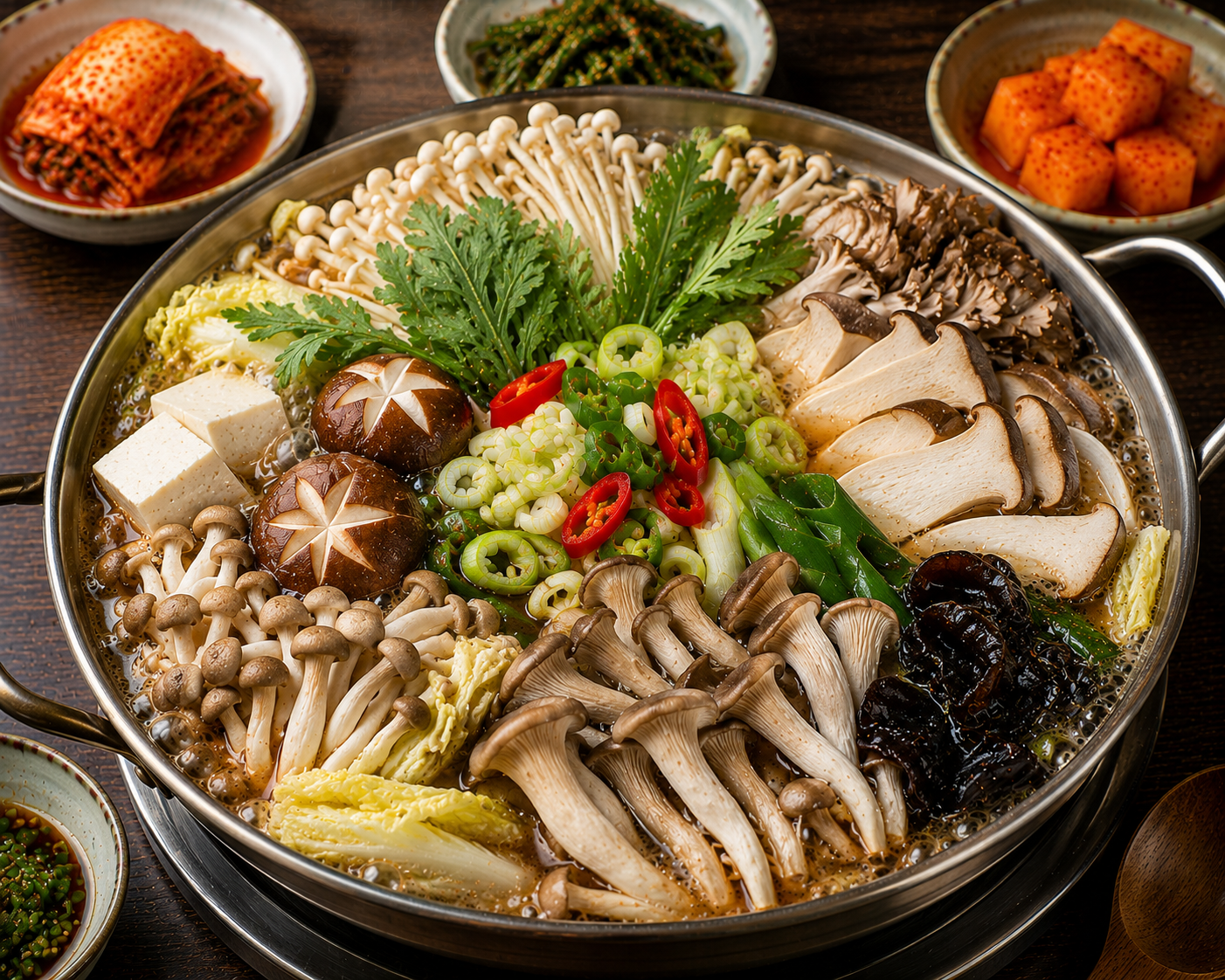
Mushroom Jeongol
버섯전골 · beoseot-jeongol
A communal dish where a variety of mushrooms and vegetables are neatly arranged in a large pot and cooked at the table by pouring in broth. As the ingredients cook, the broth reduces and deepens in flavor, and you enjoy the cooked ingredients before ending with rice or noodles added for a final treat.
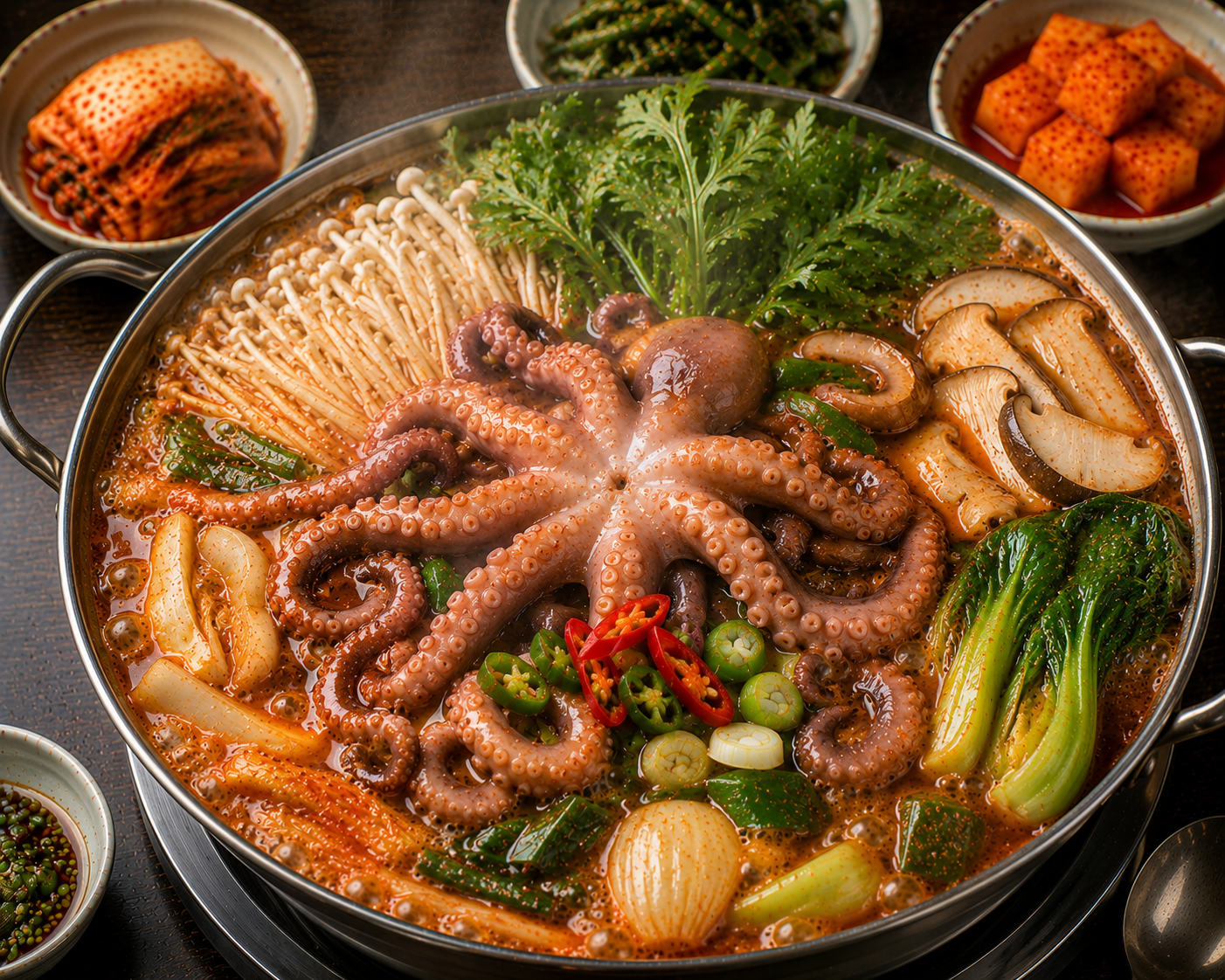
Nakji Jeonggol
낙지전골 · nakji-jeongol
Nakji and various vegetables and mushrooms are placed in a large pot, and broth is added to cook it directly at the table. The chewy texture of nakji and the freshness of the vegetables blend together, and as the broth reduces, it adds a deeper flavor. Enjoy the cooked ingredients and finish off with rice or noodles.
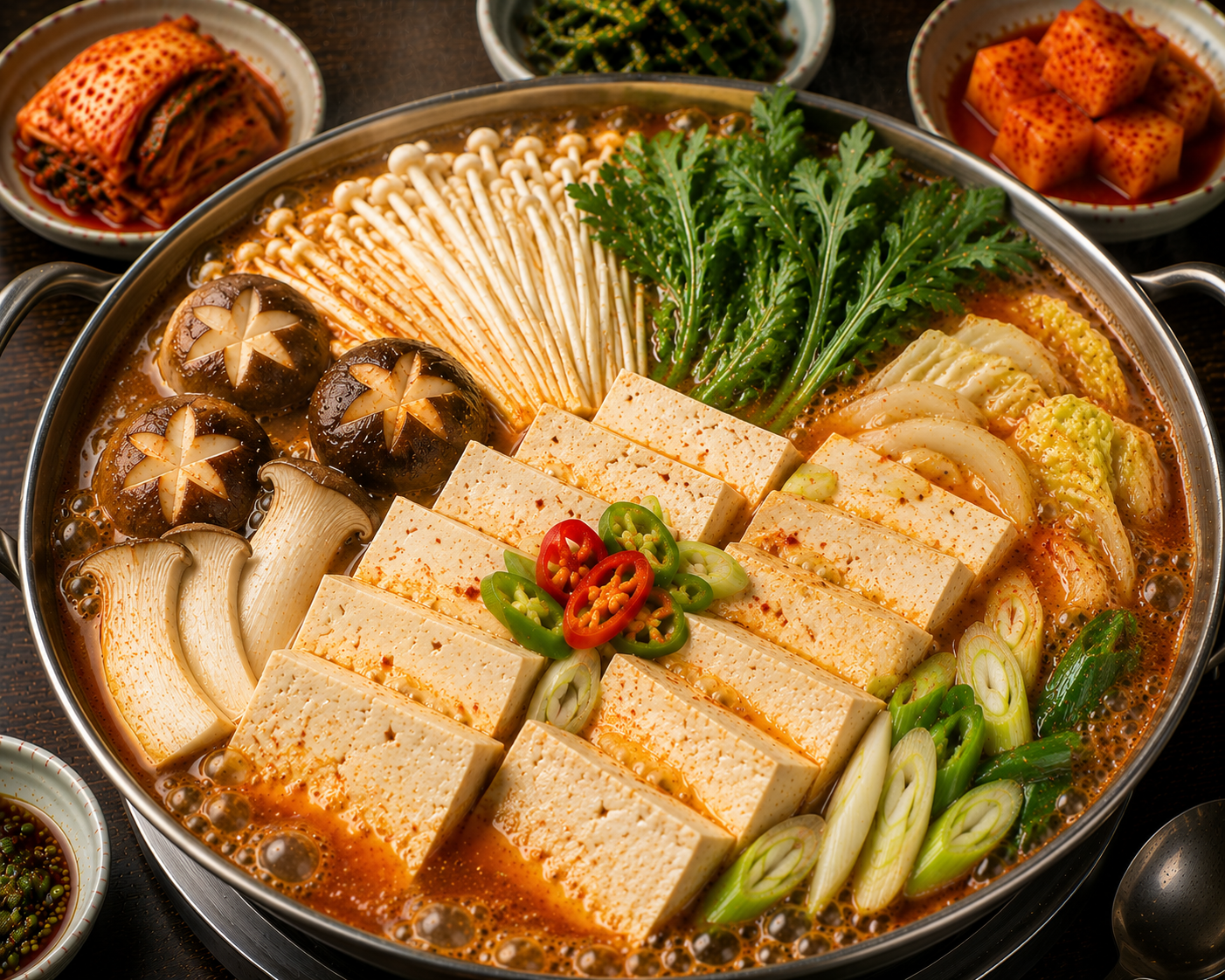
Tofu Jeongol
두부전골 · dubu-jeongol
This is a communal dish where tofu, vegetables, and mushrooms are neatly arranged in a wide pot, and broth is poured in to cook directly at the table. The soft texture of tofu and the freshness of various vegetables blend together, deepening the flavor of the broth. Enjoy cooked ingredients first, then add rice or noodle to finish.
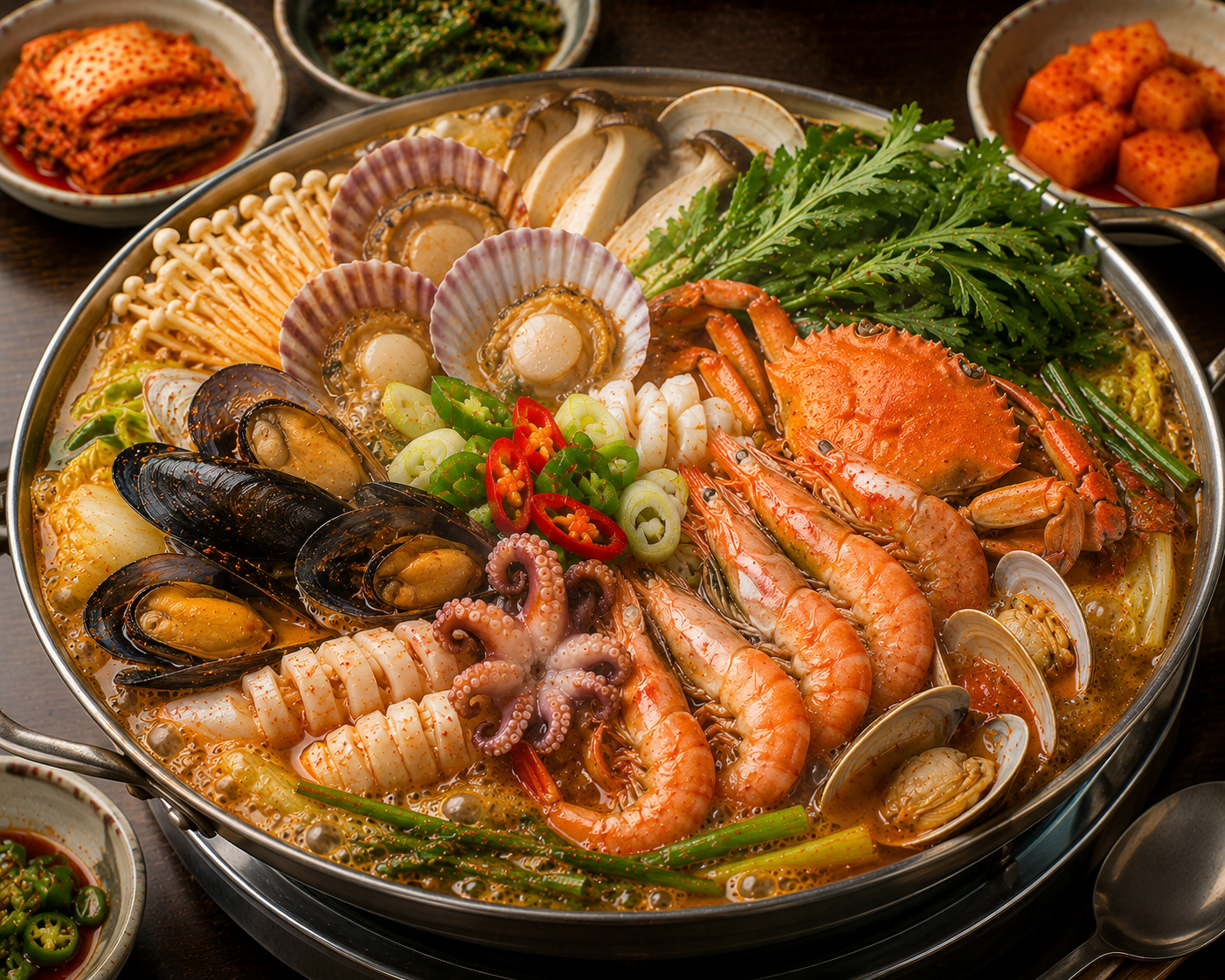
Seafood Hot Pot
해물전골 · hae-mul-jeon-gol
A Korean hot pot dish that combines various seafood and vegetables in a large pot, boiled at the table and eaten fresh. The fresh taste of seafood and the crunch of vegetables come together to enrich the broth.
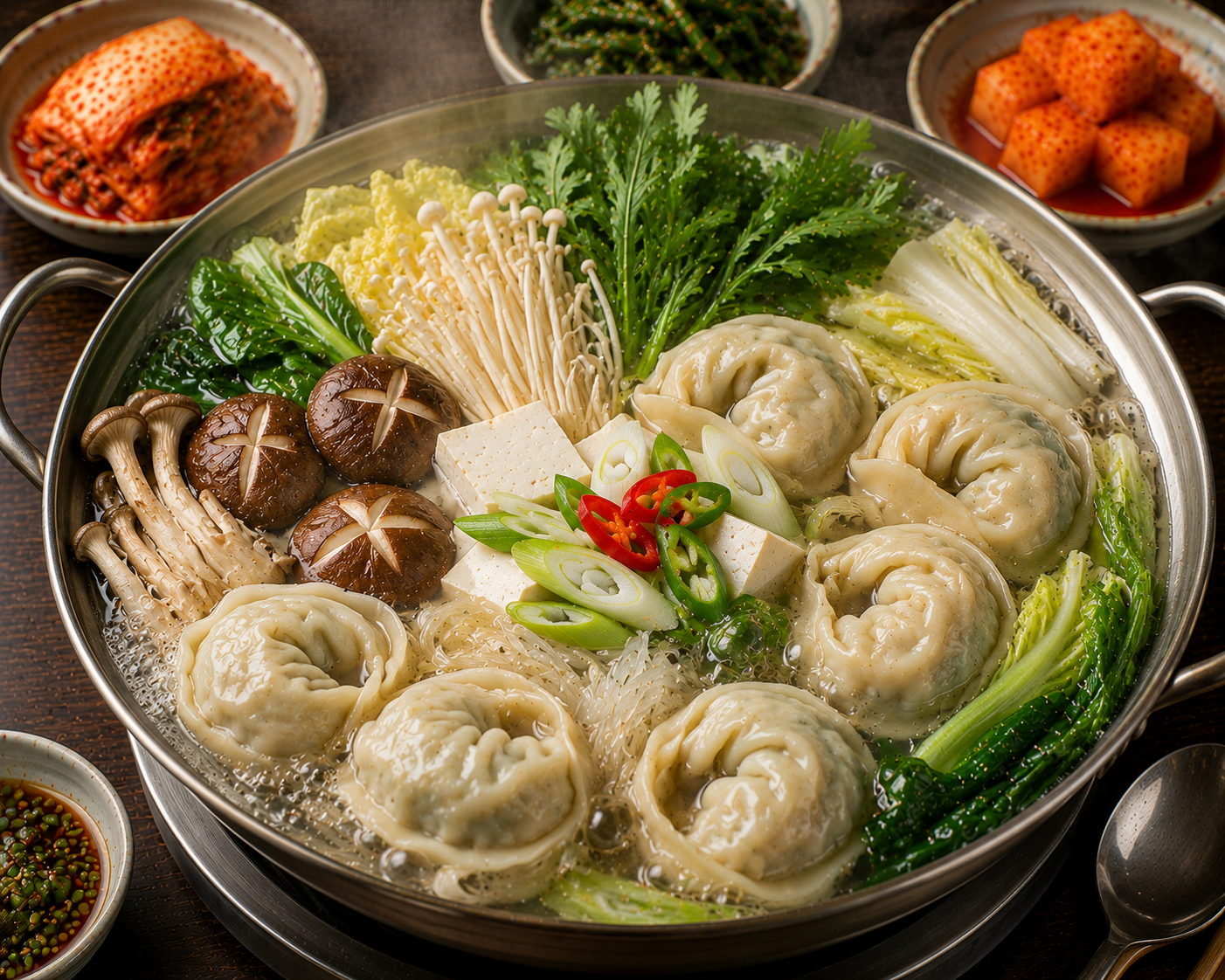
Dumpling Hotpot
만두전골 · mandu-jeongol
A Korean hotpot dish that consists of dumplings and various vegetables and mushrooms cooked in a large pot at the table with broth. As the ingredients cook, the broth becomes richer, and diners can enjoy eating the cooked ingredients before finishing with noodles or rice.
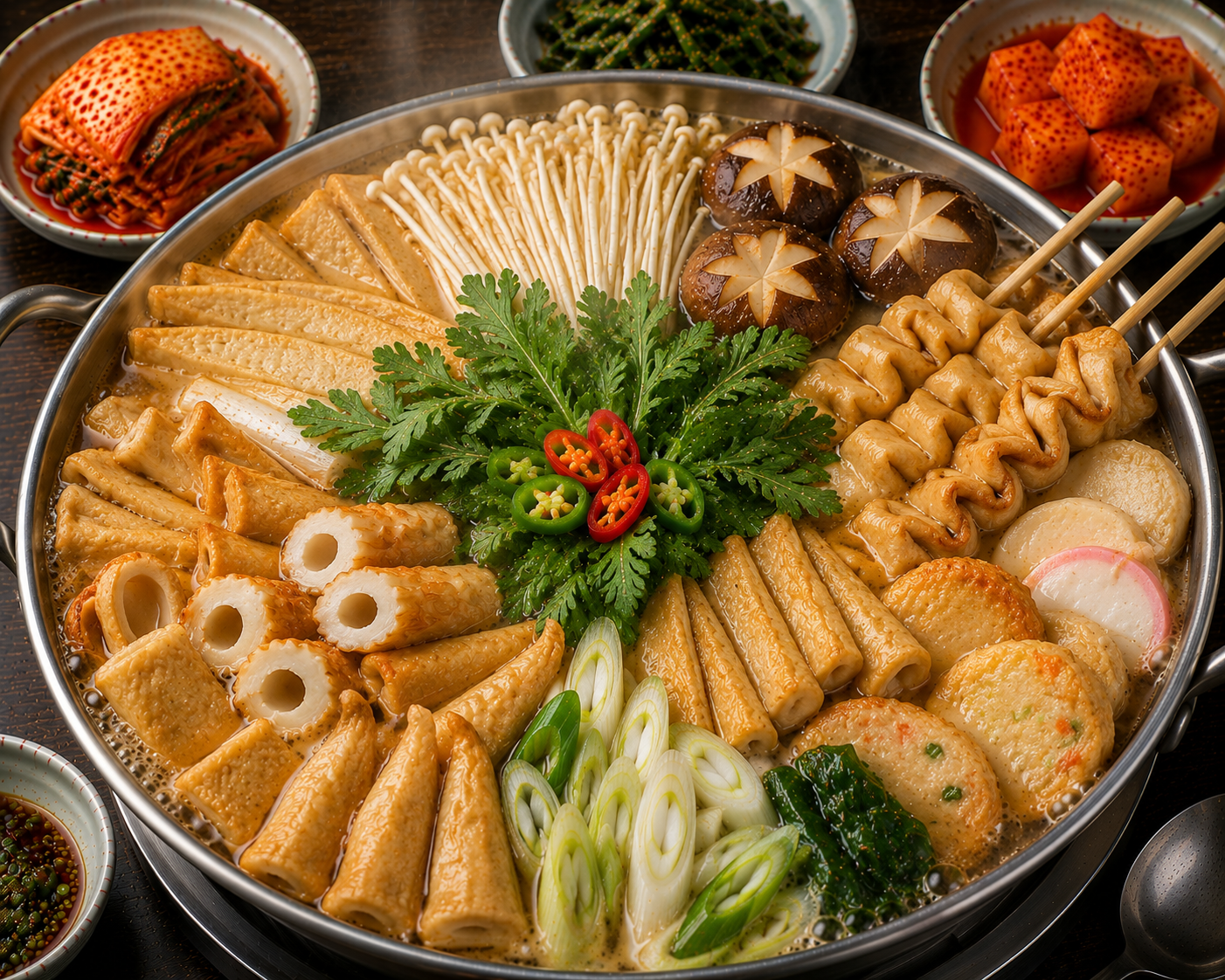
Eomuk Jeongol
어묵전골 · eomuk-jeongol
A gathering-style dish where eomuk and various vegetables are placed in a wide pot and boiled directly at the table. The chewy texture of the eomuk combines with the freshness of the vegetables, and the broth reduces to create a deep flavor. People sit together to eat the cooked ingredients, and for the finale, noodles or rice are added for enjoyment.
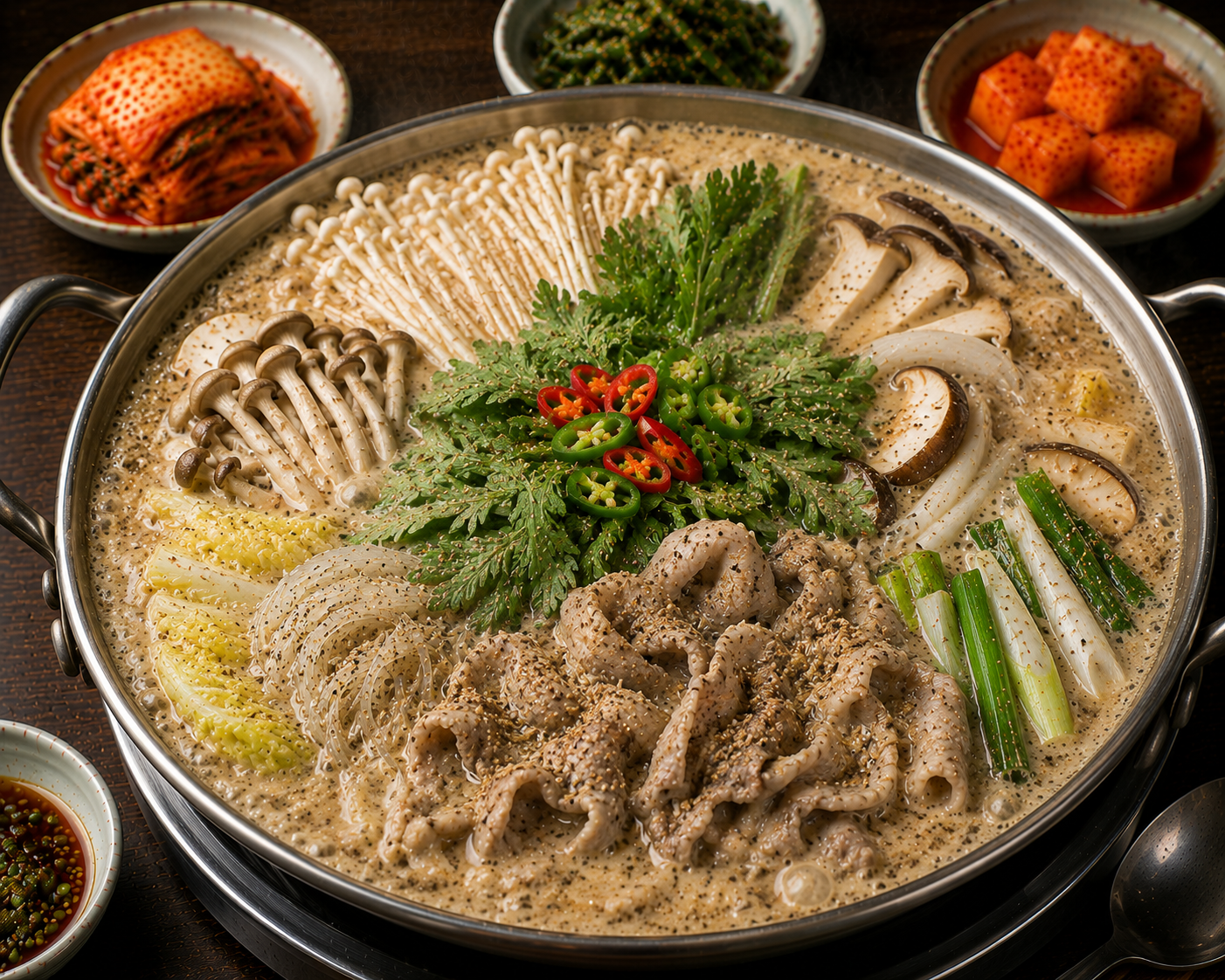
Perilla Seed Hot Pot
들깨전골 · Deulkkae-jeongol
This is a communal dish made by placing beef, mushrooms, and vegetables in a wide pot and pouring broth with perilla seed powder, which is cooked directly at the table. The nutty flavor of the perilla seeds melds into the broth, adding deep richness while the broth reduces and thickens as the ingredients cook. Enjoy by taking out the cooked ingredients first, then finish off with rice or noodles.
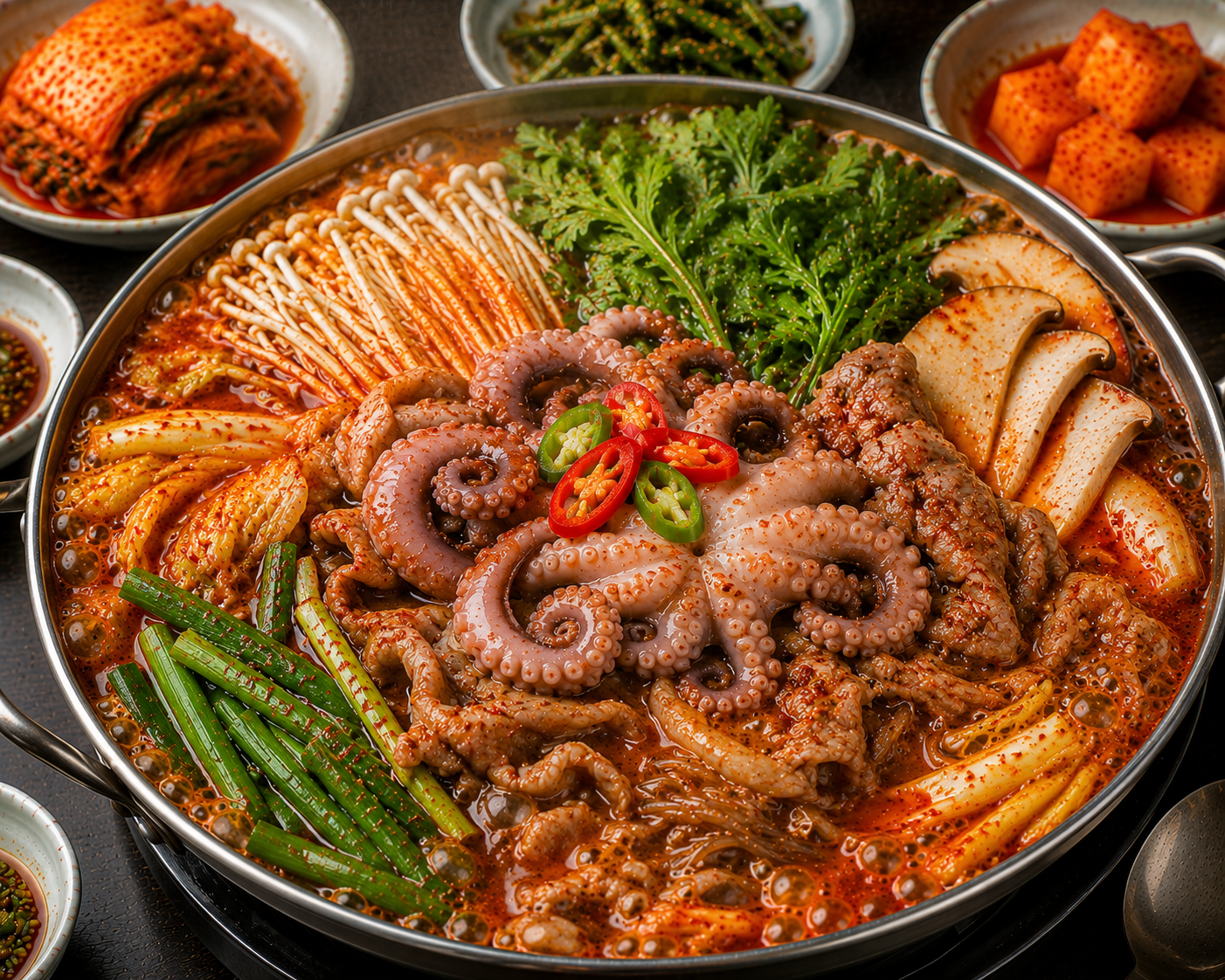
Bulnak Jeongol
불낙전골 · bul-nak-jeongol
A hot pot dish that includes beef and octopus cooked in a large pot with broth, served directly at the table. The deep flavor of the beef and the chewy texture of the octopus blend together, with the broth becoming richer as it reduces. Typically enjoyed slowly with multiple people gathered around, finishing with rice or noodles added.
Goes well with
Ingredients
How it's made
- 1Clean the beef small intestines thoroughly and prepare the vegetables and mushrooms.
- 2Neatly arrange the intestines, vegetables, and mushrooms in a large pot.
- 3Pour the broth and boil it at the table's stove.
- 4Once the ingredients are cooked, serve them, and enjoy them with rice or noodles as a finish.
Nutrition
* Estimated values per serving.
Allergens
Not suitable for vegetarian or halal diets as it uses beef small intestines.
How to order
곱창전골 주세요
Gop-chang-jeong-ol ju-se-yo
Please give me Gopchang Jeongol
Customize your order
Traveler tips
How to eat it
Frequently asked questions
- Do you eat the white gop inside the gopchang?
- Yes, it is eaten. When gopchang has been properly cleaned and fully cooked, the gop inside is considered central to the dish's nutty, savory flavor.
- How are grilled gopchang and Gopchang Jeongol different?
- Grilled gopchang is cooked on a grill, highlighting its nutty browned exterior and chewy texture. Gopchang Jeongol is simmered in a seasoned broth, so you eat the soup together with the flavors of gopchang fat and vegetables mixed in.
- Why does the broth taste less rich at first?
- As Gopchang Jeongol boils, the gopchang fat, seasoning, and vegetable flavors dissolve into the broth. The flavor deepens after a while, so extra noodles or rice are usually added after you have eaten some of the dish.
Last reviewed: 2026-10-07