
Stir-fried Spicy Pork
This is a sweet and spicy dish made by marinating pork in gochujang and gochugaru, then stir-frying it over high heat with onions and green onions. The smoky flavor permeates as the seasoning coats the meat, and it is enjoyed either mixed with rice or wrapped in lettuce or perilla leaves.
Cultural background
This is a common meal in a lunch restaurant and is also popular as a spicy accompaniment to drinks. Stir-fried with gochujang is representative of Korean spicy flavors.
Origin & history
‘제육’ (jeyuk, pork) means pork. So Stir-fried Spicy Pork literally means stir-fried pork, but in restaurants today it usually refers to pork stir-fried in a red Gochujang seasoning.
Unlike Soy Sauce-seasoned Bulgogi, Stir-fried Spicy Pork makes bold use of Gochujang, gochugaru, and garlic. Thinly sliced pork cooks quickly in the pan and works well as a side dish with rice, helping it become a common lunch item at casual restaurants.
Regional & modern variations
- Soy Sauce Stir-fried Spicy Pork — Pork stir-fried mainly with a Soy Sauce-based seasoning instead of Gochujang. The color is less red, and the flavor leans more salty-sweet than spicy.
- Osam Bulgogi — A variation made by stir-frying squid and Samgyeopsal together in a spicy seasoning. The rich fattiness of the pork comes through along with the chewy texture of the squid.
- Pork Over Rice — Stir-fried Spicy Pork served over rice as a one-bowl meal. It often appears at bunsik shops and lunch restaurants as a good option for a quick solo meal.
How Koreans eat it
Menu items labeled "제육백반" (jeyuk baekban, Stir-fried Spicy Pork set meal) or "제육정식" (jeyuk jeongsik, Stir-fried Spicy Pork set menu) often mean a set built around Stir-fried Spicy Pork with rice, soup, and several side dishes. If the meat comes separately on a plate, people share it like a side dish with rice; if it comes as a rice bowl, they mix it so the sauce soaks into the rice.
Taste & how to choose
Good Stir-fried Spicy Pork has seasoning that clings to the meat rather than pooling loosely, with a lightly charred aroma around the edges. A lot of onion can make it sweeter than expected. If the meat is too thick, the seasoning can taste separate from it; if it is stir-fried too long, it turns dry.
Similar dishes
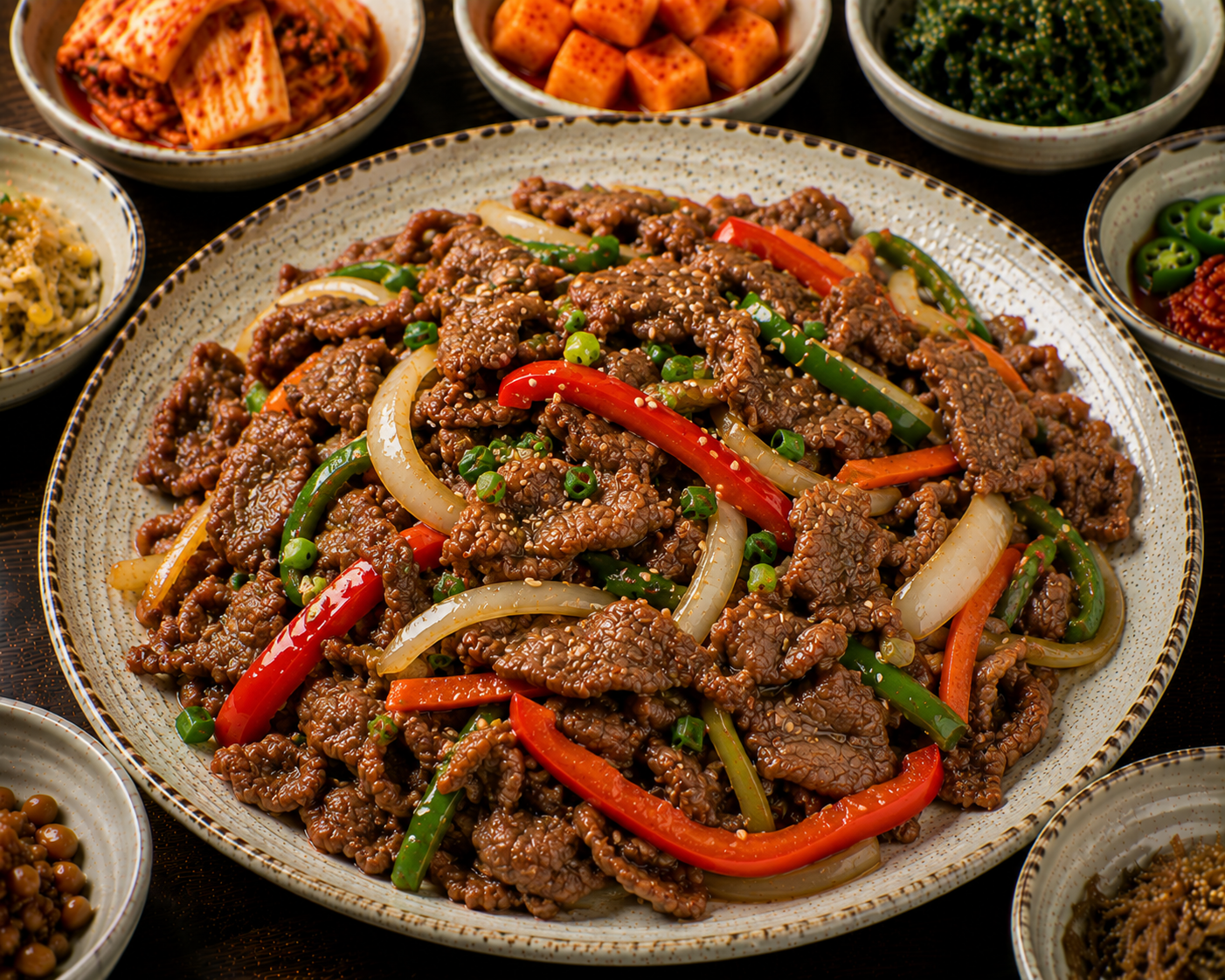
Beef Stir-fry
소고기볶음 · so-go-gi-bokkeum
This dish features marinated beef stir-fried with onions over high heat, characterized by its savory and rich taste. It can be mixed with rice or wrapped in lettuce for serving.
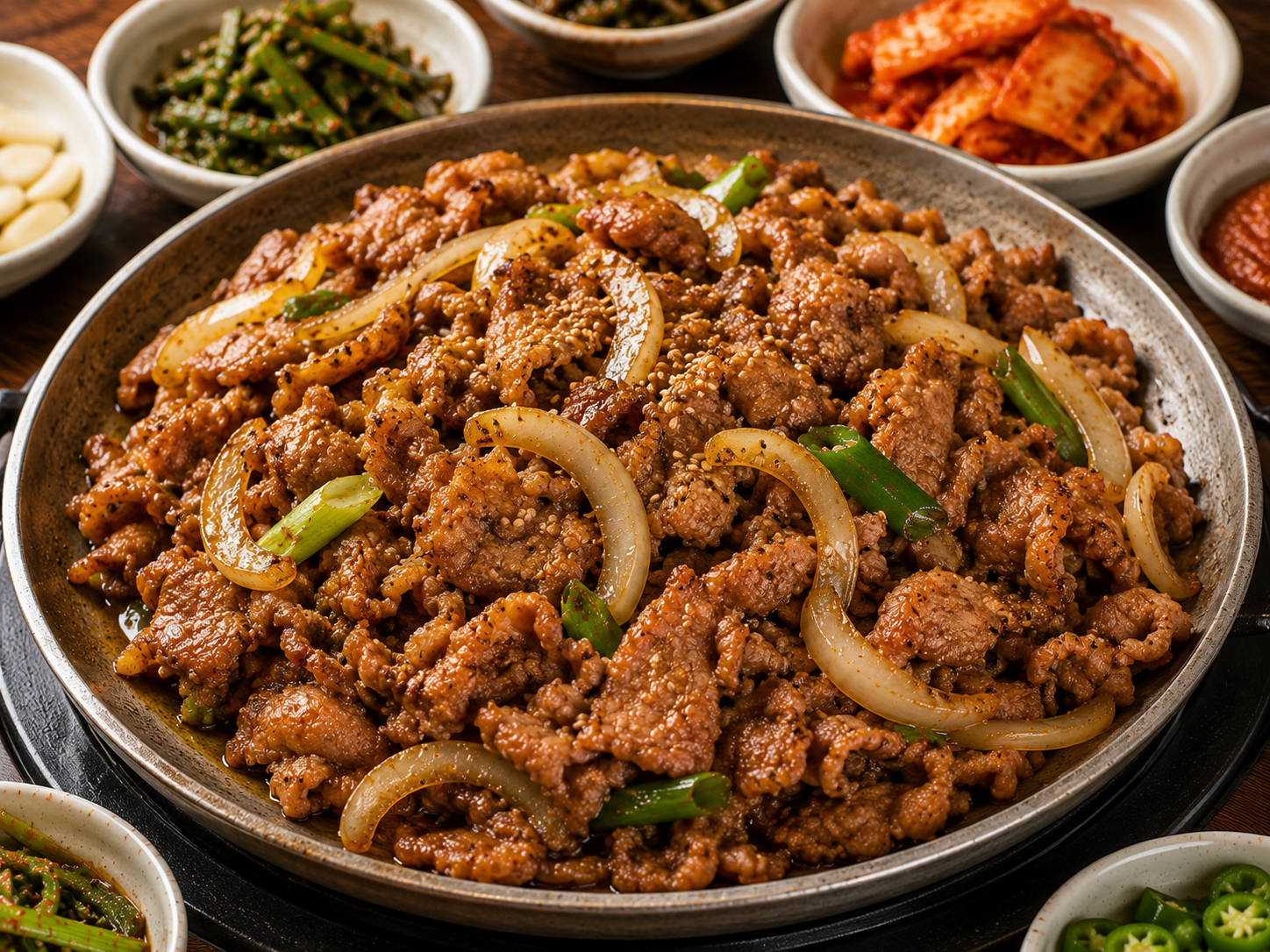
Pork Bulgogi
돼지불백 · dwaeji-bulbaek
A dish where pork is marinated in soy sauce and gochujang and grilled on a hot plate, served with rice. It is characterized by a sweet and spicy flavor due to the caramelization of the marinade.
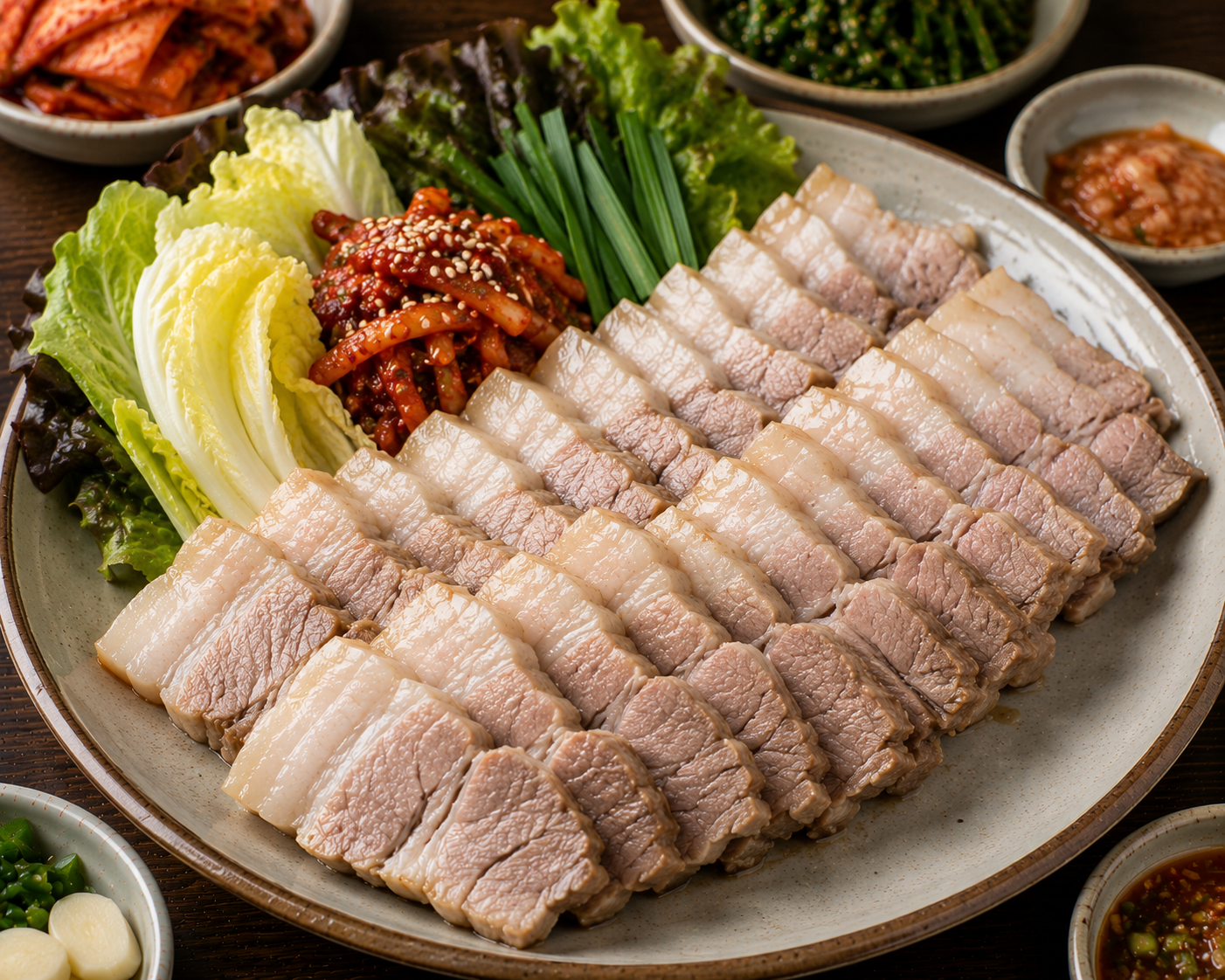
Suyuk
수육 · su-yuk
This dish is made by boiling pork without seasoning, characterized by its tender and mild flavor. It is usually eaten wrapped with kimchi or ssamjang.
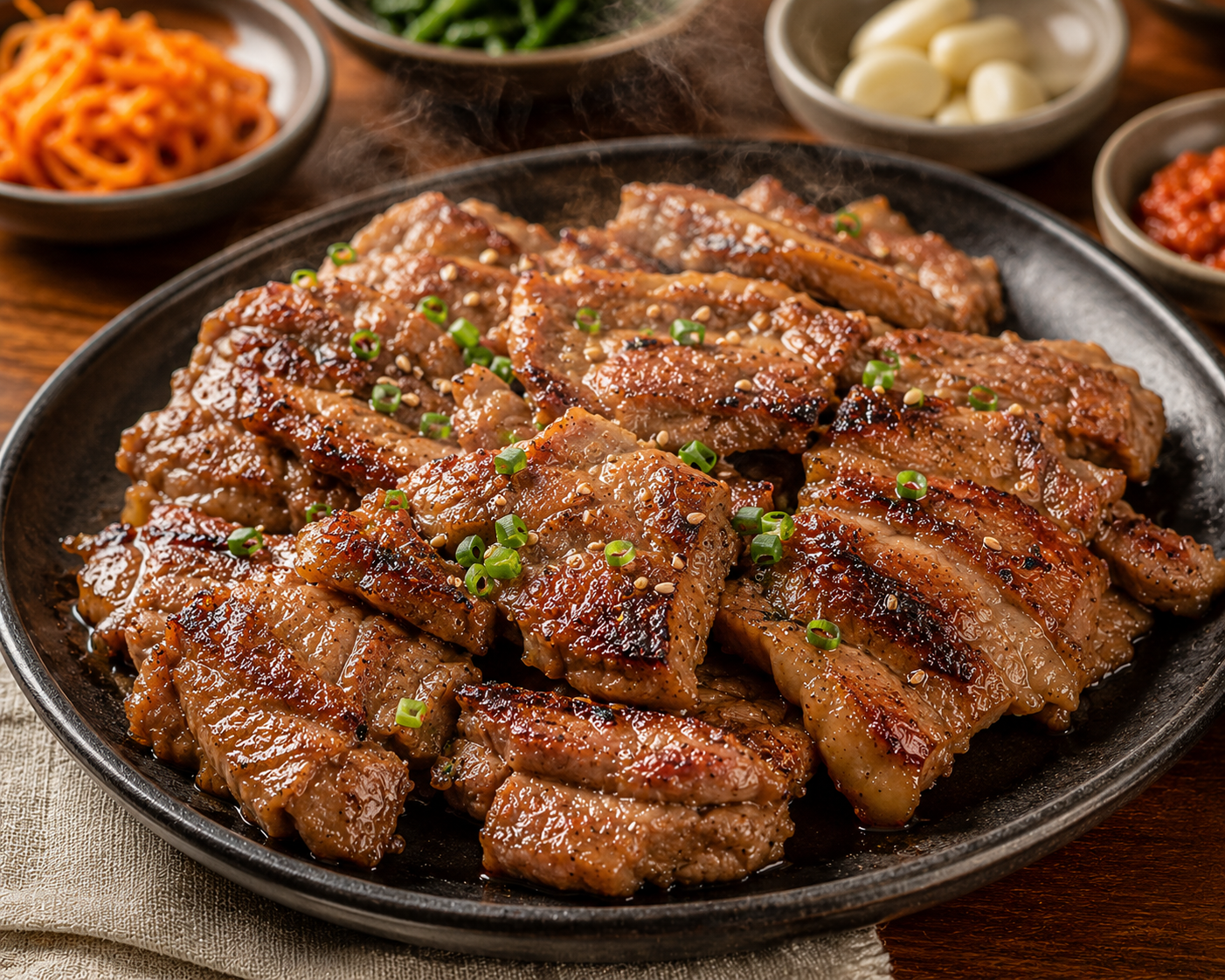
Pork Ribs
돼지갈비 · dwaeji-galbi
Pork ribs marinated with soy sauce, sugar, garlic, and other ingredients, grilled on a hot plate, is a traditional Korean barbecue dish. The marinade caramelizes, resulting in a sweet and savory flavor, and the meat is juicy. It is usually grilled at the table and eaten with wrapped vegetables.
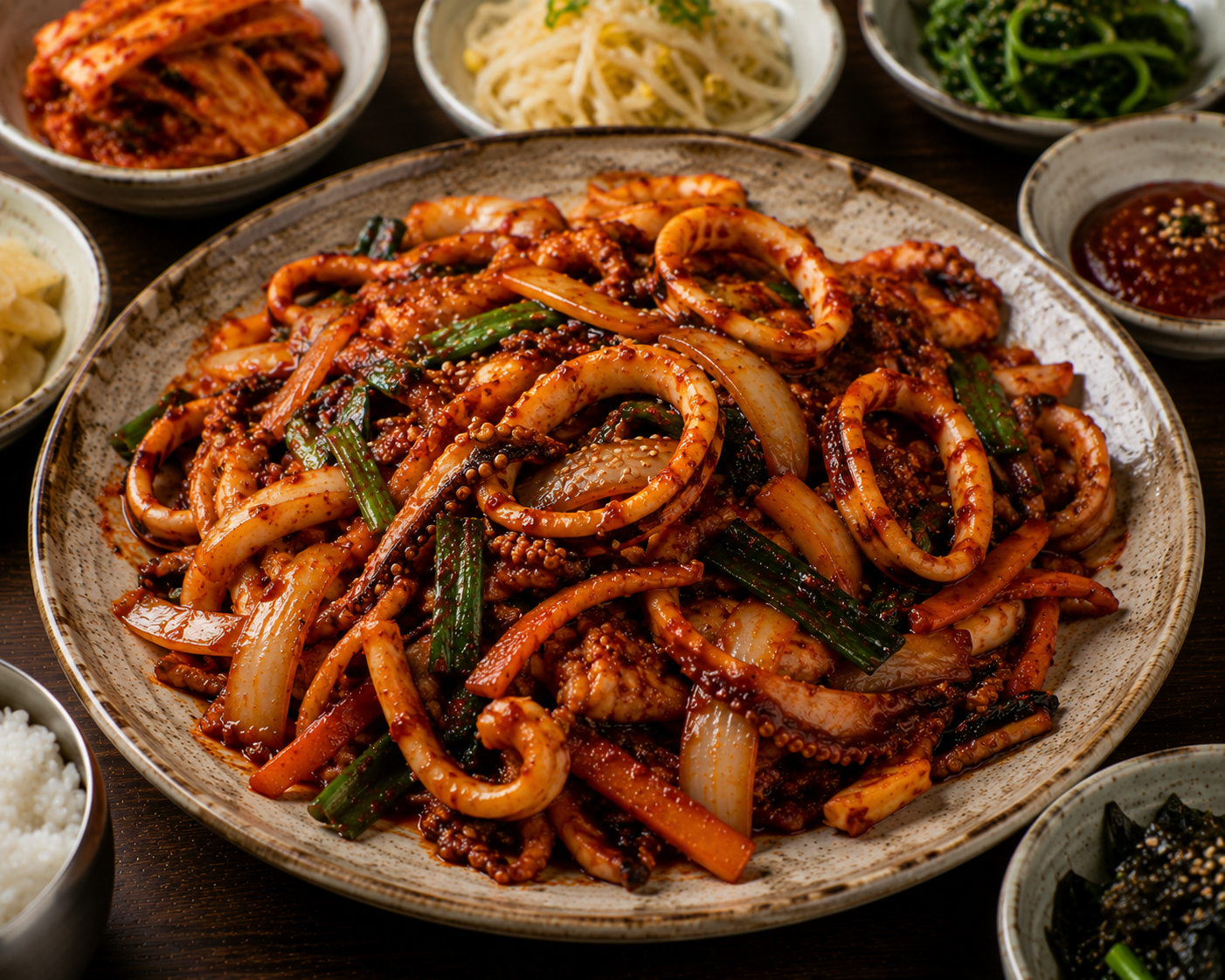
Stir-fried Squid
오징어볶음 · o-jing-eo-bokkeum
A spicy and sweet dish made by stir-frying squid with vegetables in gochujang seasoning over high heat. The chewy squid and seasoning blend together perfectly and can be enjoyed mixed with rice or as a lettuce wrap.
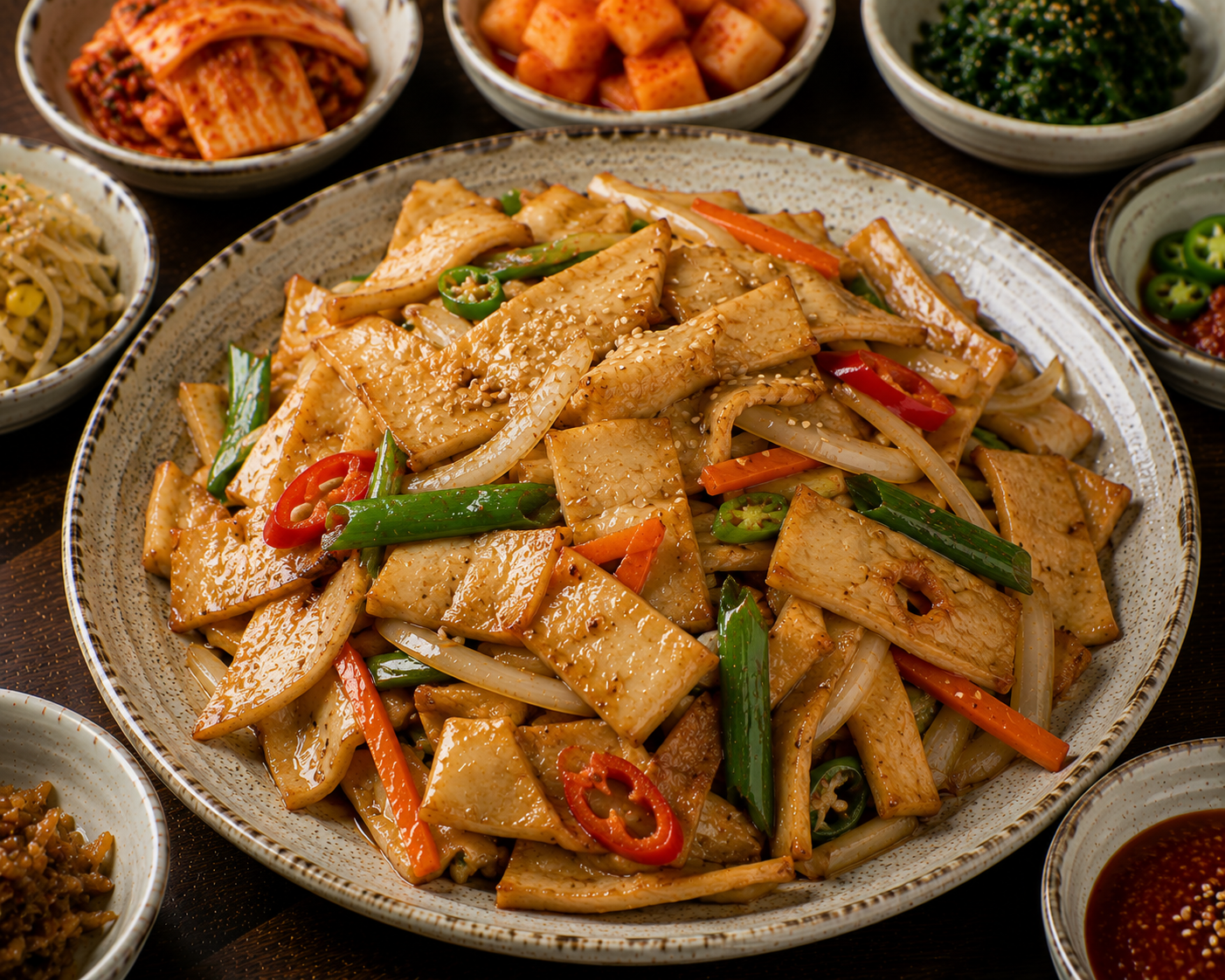
Stir-fried Fish Cake
어묵볶음 · eomuk-bokkeum
Stir-fried fish cakes seasoned with soy sauce and sugar, creating a savory and sweet side dish.
Goes well with
Ingredients
How it's made
- 1Marinate the pork in gochujang, gochugaru, and garlic.
- 2Chop the onions and green onions into appropriate sizes and prepare them.
- 3Heat oil over high heat and stir-fry the marinated pork.
- 4When the meat is halfway cooked, add the onions and green onions and stir-fry together.
- 5Continue stir-frying until the seasoning is well absorbed and it is complete.
Nutrition
* Estimated values per serving.
Allergens
Not suitable for vegetarian or halal diets as it contains pork.
How to order
제육볶음 주세요
Je-yuk-bok-keum ju-se-yo
Please give me stir-fried spicy pork
Customize your order
Traveler tips
How to eat it
Frequently asked questions
- Are Stir-fried Spicy Pork and pork Bulgogi the same dish?
- They overlap, but people usually see them as different. Stir-fried Spicy Pork brings to mind pork stir-fried over high heat in a red Gochujang seasoning, while pork Bulgogi is used more broadly, including Soy Sauce-seasoned versions and even grilled versions cooked on a grate.
- Why is the word "제육" (jeyuk) used?
- ‘제육’ (jeyuk) is a Korean word meaning pork. So even if a restaurant menu simply says "제육" (jeyuk, pork), it usually means spicy stir-fried pork.
- How is it different from duruchigi?
- The line varies by region and restaurant. Still, duruchigi is sometimes used for a saucier dish, or one in which several ingredients are stir-fried and simmered together with a little liquid, while Stir-fried Spicy Pork is often understood as a drier, side-dish-style stir-fry.
Last reviewed: 2026-10-07