Cultural background
As a Korean-Chinese dish, it is one of the popular dining options enjoyed by Koreans. It is especially popular for delivery from Chinese restaurants.
Origin & history
Jajangmyeon is a Korean-style Chinese dish that developed after a Chinese noodle dish made with stir-fried fermented sauce arrived in Korea and changed to suit Korean tastes and restaurant culture. A widely known account traces its spread to ethnic Chinese restaurants centered around Incheon Chinatown.
Compared with similar Chinese noodle dishes, the sauce tends to be darker and sweeter. That comes from the Korean method that took hold: frying chunjang, a black fermented bean paste, in oil and cooking it with plenty of onion and pork.
Regional & modern variations
- Ganjjajang — A version of Jajangmyeon with sauce that is stir-fried to a thicker consistency and served separately, without being heavily loosened with water or starch. The crunch of the onion and the wok-fried aroma come through more clearly.
- Samseon Jjajang — Jajangmyeon made with seafood such as shrimp and squid. It has a stronger savory depth than standard Jajangmyeon and usually costs more.
- Jaengban Jjajang — A style served with the noodles and sauce stir-fried together on a large plate or in a pan. It is usually portioned so that two or more people can share it easily.
- Yuni Jjajang — Jajangmyeon made with meat and vegetables chopped very finely. The sauce coats the noodles evenly, and the texture is soft.
How Koreans eat it
In Korea, Jajangmyeon is close to a symbol of “빠르게 시켜 먹는 한 끼” (ppareuge sikyeo meongneun han kki, “a quick meal ordered in”). It strongly brings to mind delivery from a Chinese restaurant on moving day or in the middle of a busy job. Popular culture also has the idea that people who did not receive gifts on Valentine's Day or White Day eat Jajangmyeon on April 14, known as ‘블랙데이’ (beullaek dei, “Black Day”).
Taste & how to choose
First-timers often expect the black color to mean the dish will be very salty or spicy, but in reality the sweetness and the nutty savoriness of the fried paste come through before the saltiness. Good Jajangmyeon should not have overly watery sauce, and the onions should not be cooked to mush, leaving their sweetness and texture intact. The sauce can splatter as you eat, so it is best to be careful with light-colored clothing.
Similar dishes
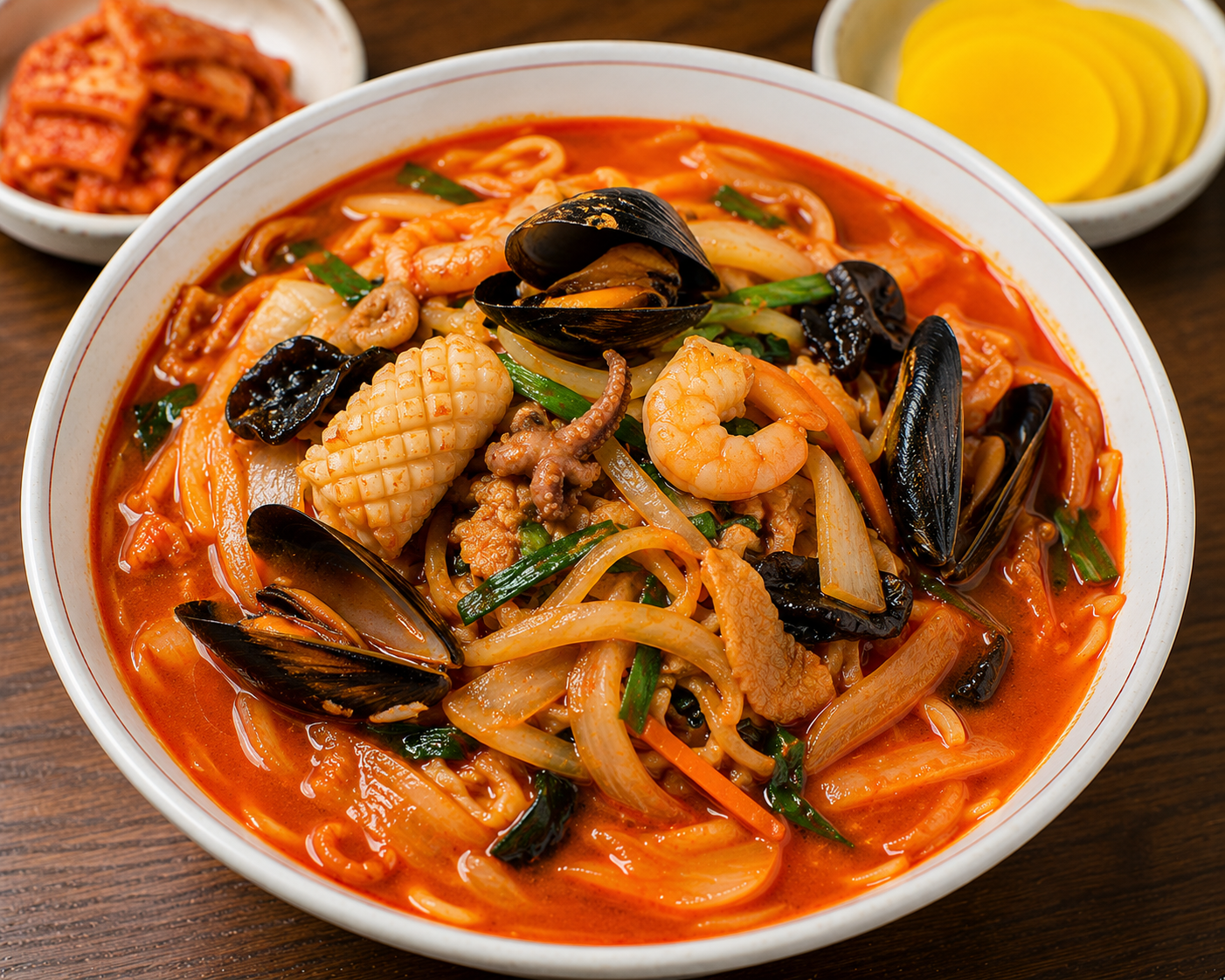
Jjamppong
짬뽕 · jjamppong
A Korean-style Chinese noodle dish made with seafood and vegetables boiled in spicy broth.
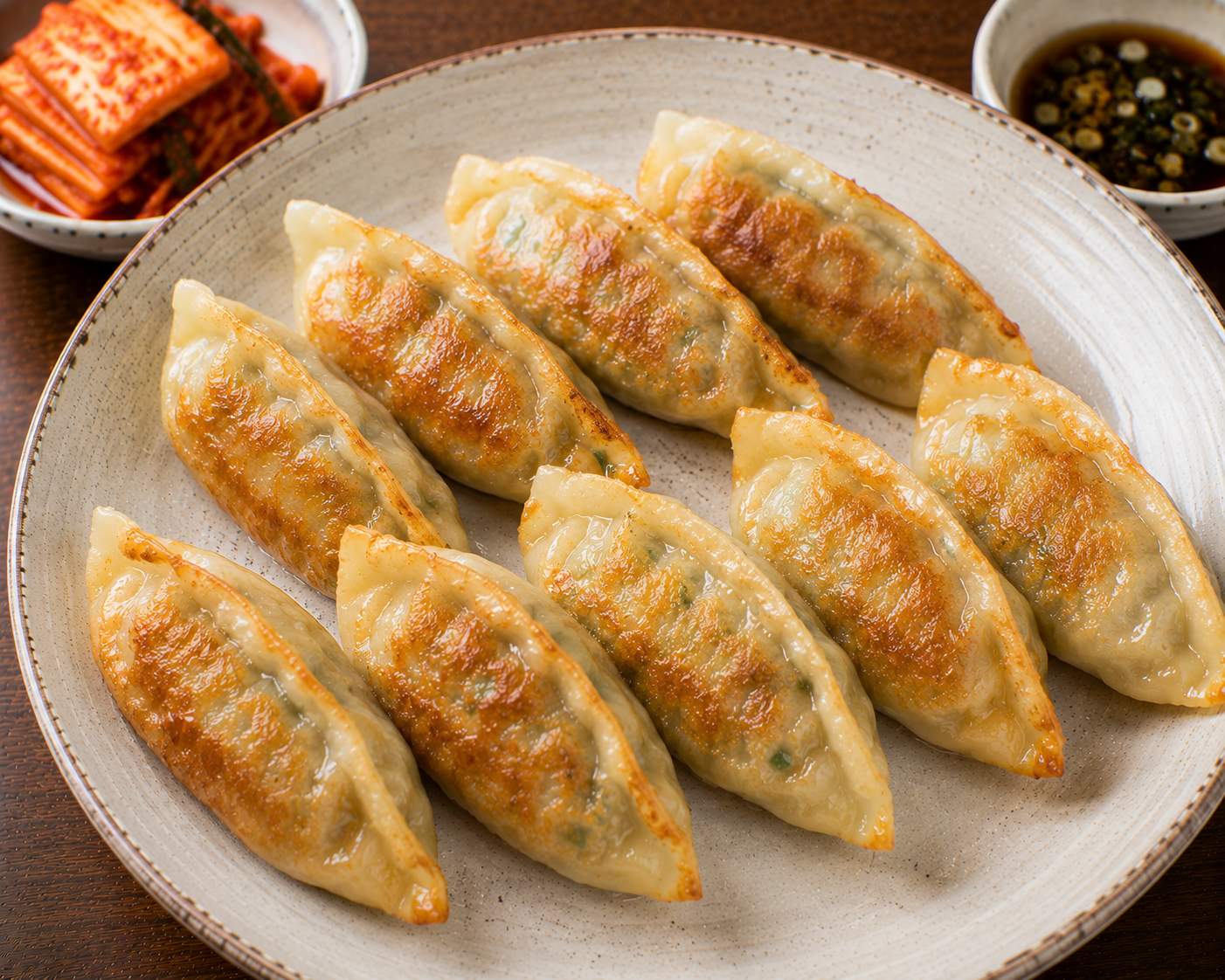
Goon Mandu
군만두 · gun-mandu
A crispy dumpling filled with meat and vegetables wrapped in a flour crust, enjoyed with soy sauce as a Korean-style dumpling.
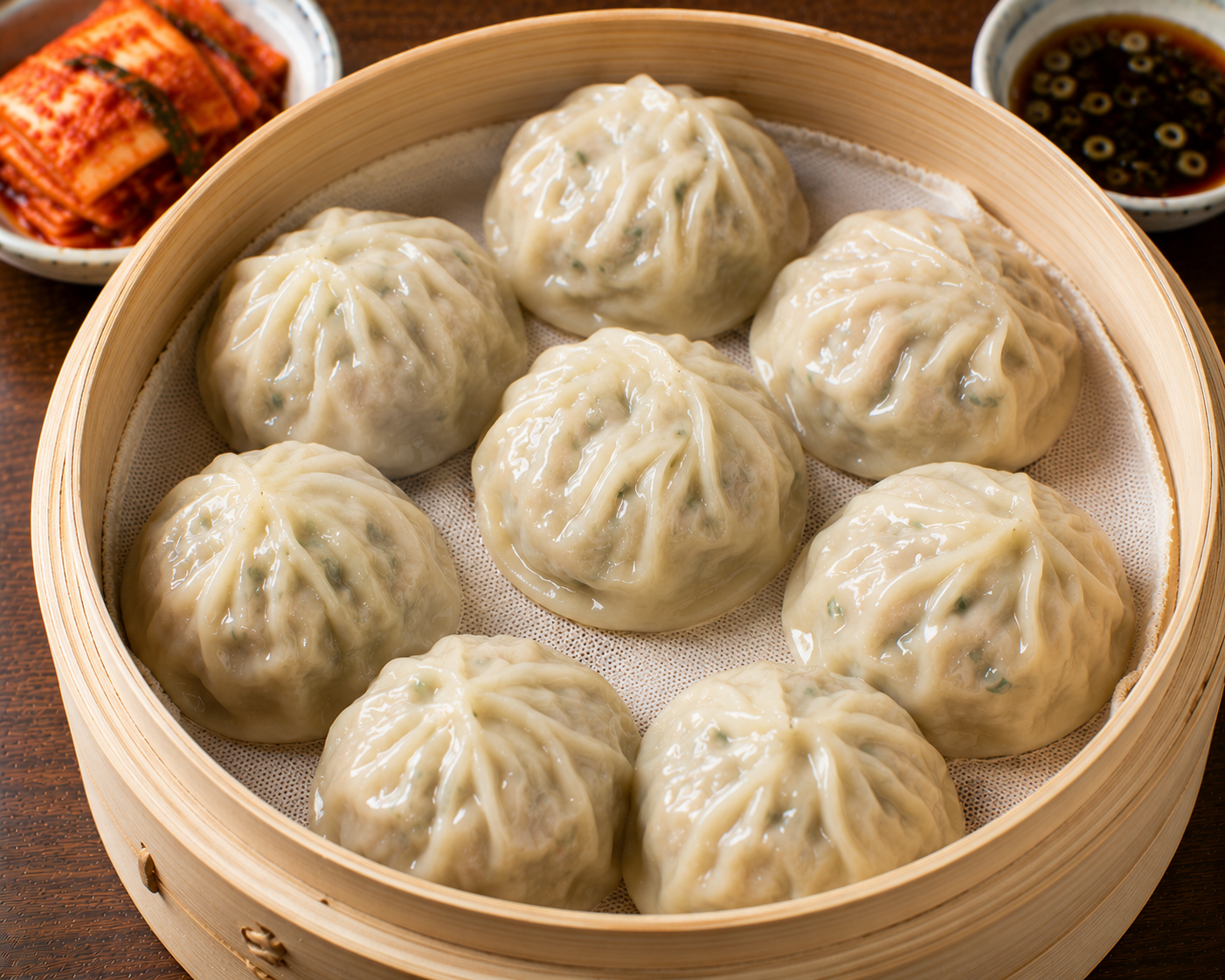
Steamed Dumplings
찐만두 · Jjin-mandu
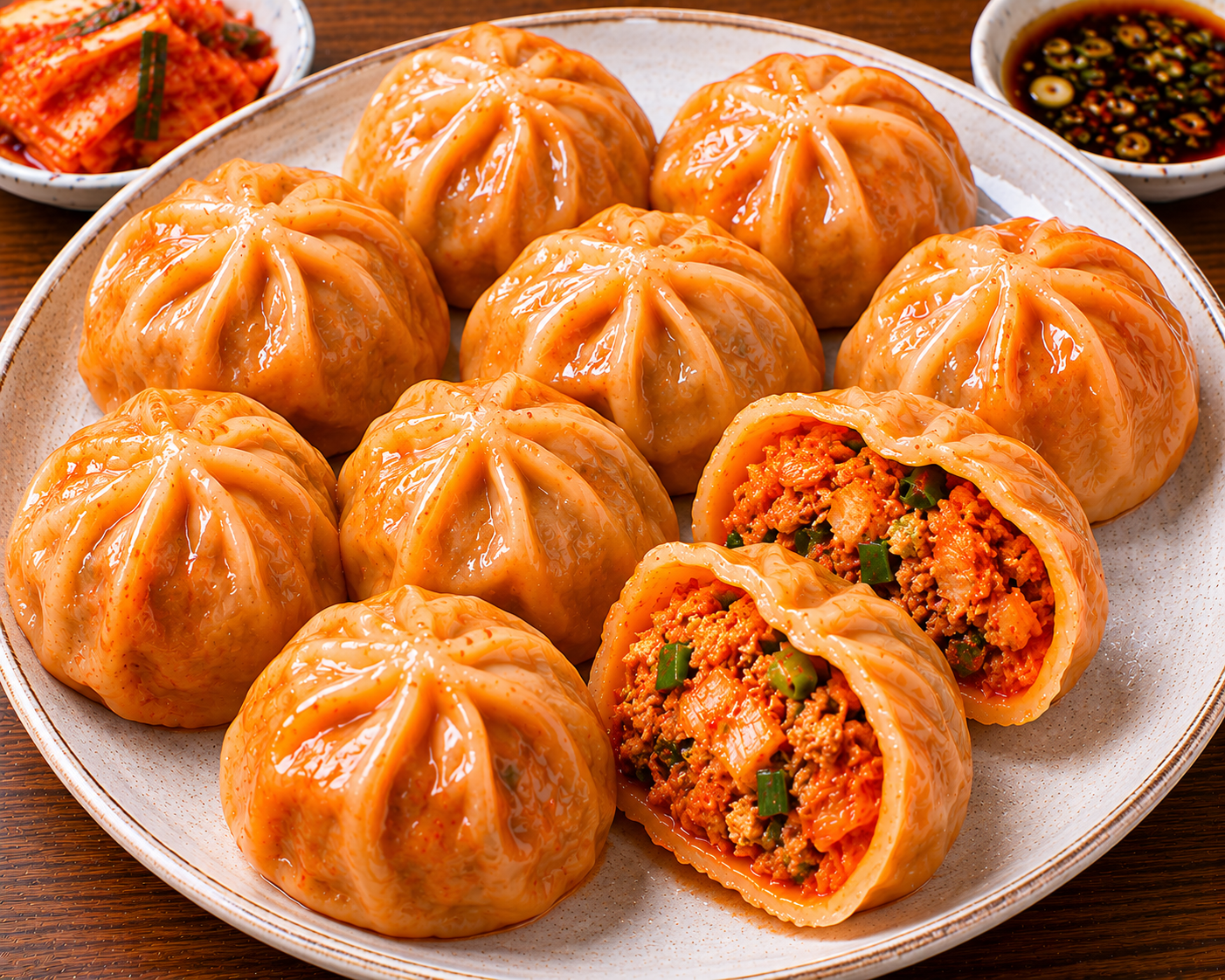
A dish made by steaming dumplings filled with meat, kimchi, tofu, and other ingredients, characterized by its chewy skin and juicy filling. It tastes even better when dipped in soy sauce.
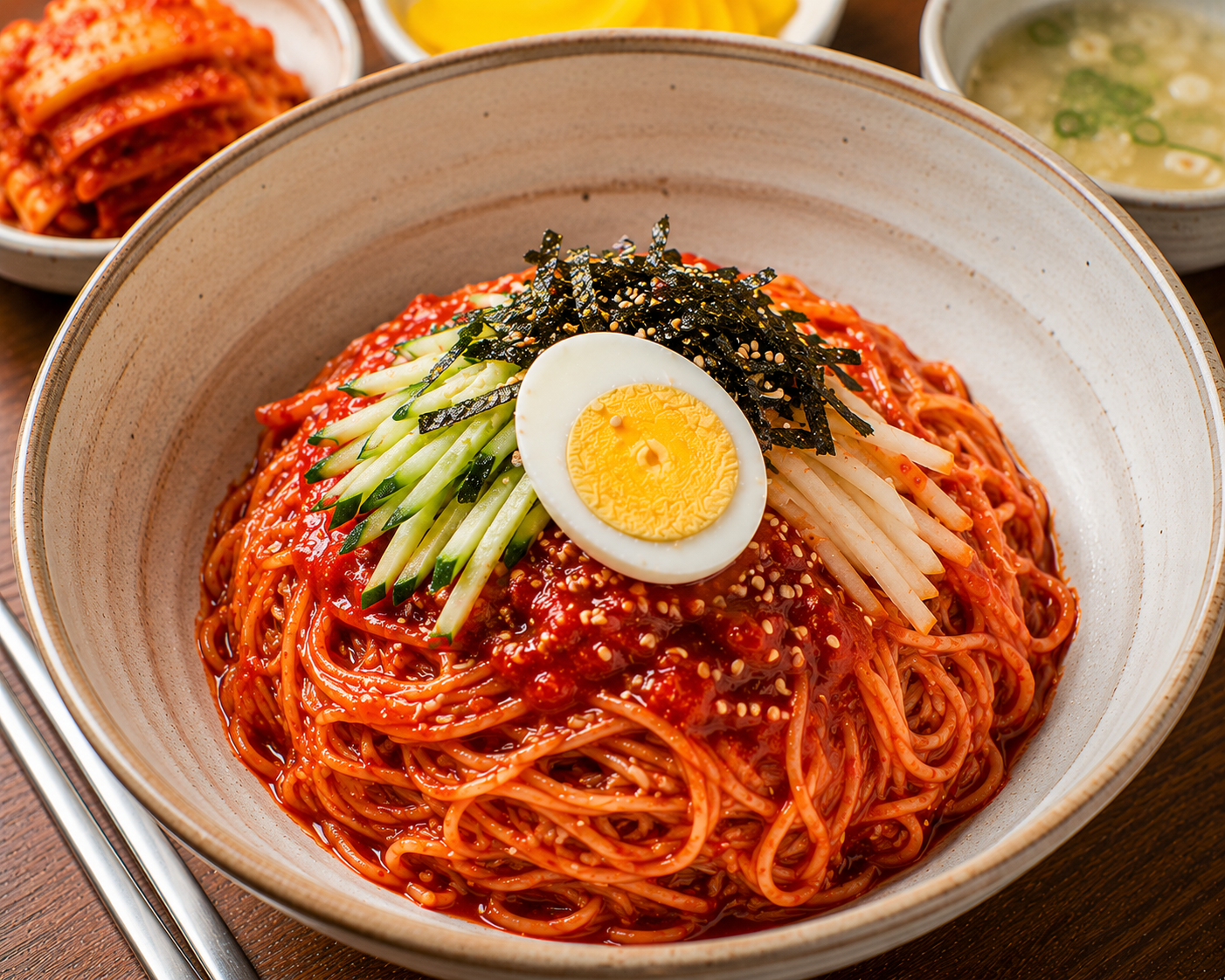
Bibim Guksu
비빔국수 · bi-bim-guksu
A Korean noodle dish made by mixing boiled somen noodles with a spicy sauce. The chewy noodles and the sweet and spicy sauce blend together to be enjoyed as a summer delicacy.
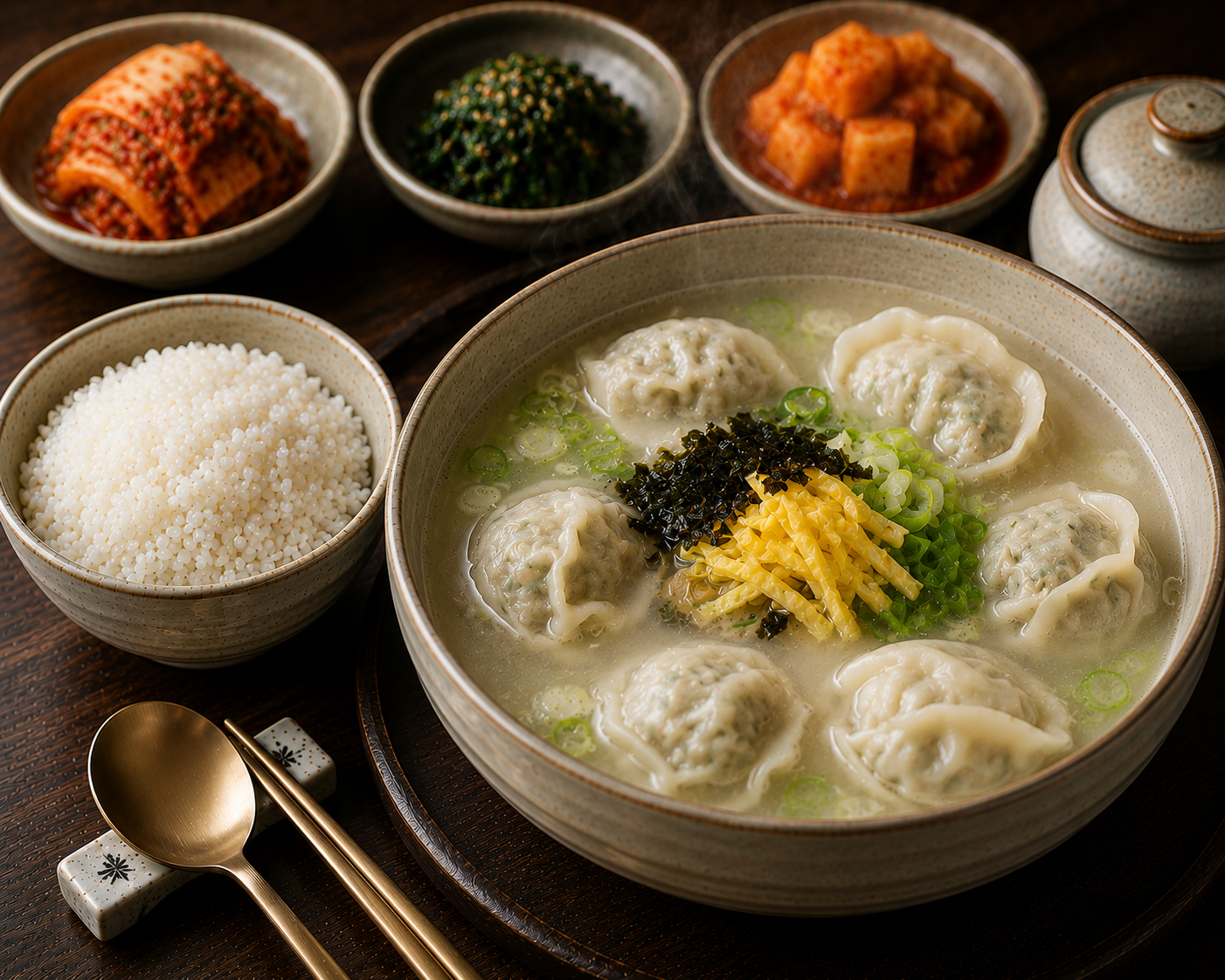
Dumpling Soup
만둣국 · man-du-guk
A traditional Korean soup dish made by boiling dumplings filled with meat and vegetables in a clear broth.
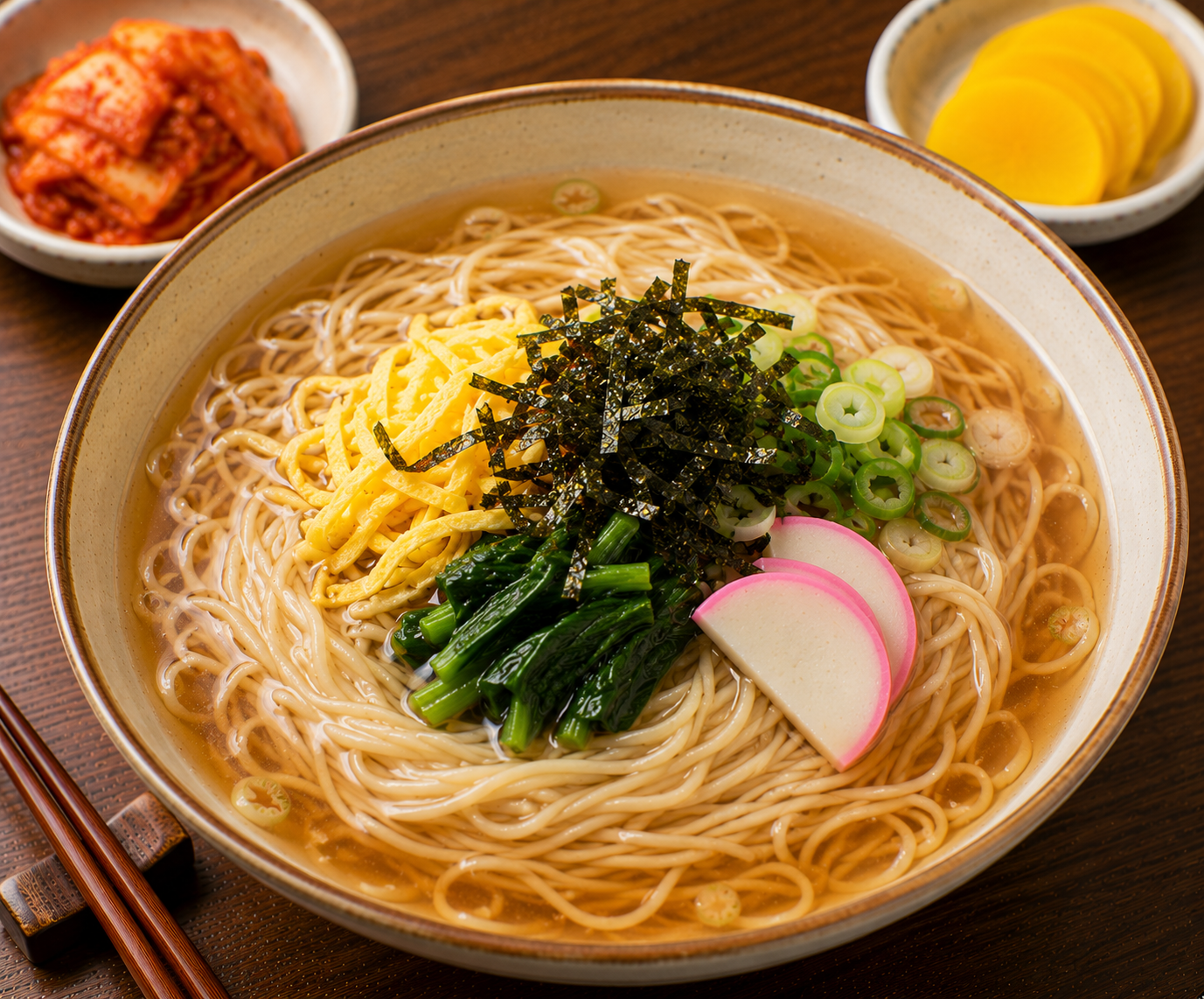
Warm Noodles
온면 · on-myeon
A traditional Korean noodle dish where boiled noodles are mixed in warm broth. You can enjoy a rich and light taste primarily using anchovy or beef bone stock.
Goes well with
Ingredients
How it's made
- 1Prepare the wheat noodles by boiling them.
- 2Chop the pork, onion, and zucchini finely and stir-fry them with chunjang.
- 3Pour the stir-fried chunjang sauce over the boiled noodles.
- 4Mix well and serve on a plate.
Nutrition
* Estimated values per serving.
Allergens
Not suitable for vegetarian and halal diets as it contains pork and chunjang.
How to order
짜장면 주세요
Jja-jang-myeon ju-se-yo
Please give me Jajangmyeon
Customize your order
Traveler tips
How to eat it
Frequently asked questions
- Is it the same food as Chinese zhajiangmian?
- The roots are similar, but Korean-style Jajangmyeon is close to a separate dish. The Korean version is darker and sweeter because the chunjang is fried, and it tends to contain plenty of onion and pork.
- Why is the sauce served separately with Ganjjajang?
- Ganjjajang is often served with the noodles and sauce separate to preserve the aroma and thickness of the sauce stir-fried after the order is placed. Pouring it over the noodles and mixing just before eating makes the onion texture and wok-fried flavor easier to notice.
- Why do people eat Jajangmyeon on April 14?
- Because of the popular culture around ‘블랙데이’ (beullaek dei, “Black Day”). It is known as a day when people eat Jajangmyeon, a black-colored food, and joke their way through a romance-related occasion.
Last reviewed: 2026-10-07