Cultural background
Enjoyed as a snack in snack bars or on the street, often dipped in tteokbokki sauce.
Origin & history
Fried Assorted is less a single fixed dish than a name that grew out of the way snack shops sell several kinds of fried items from the display case together on one plate. As Korea's bunsik snack culture expanded, it became a natural companion to Tteokbokki, Sundae, and Gimbap.
Gimmari, in particular, shows the character of Korean snack-shop fried foods well. Like Gimbap, it is rolled in gim, or dried seaweed, but instead of rice, the filling is dangmyeon, or glass noodles, before it is fried. As a result, Fried Assorted often brings seafood, vegetables, and glass noodle fritters together in one mix.
Regional & modern variations
- Gimmari — A classic snack-shop fritter made by rolling seasoned dangmyeon, or glass noodles, in gim, or dried seaweed, and frying it. The outside is crisp, while the inside is chewy, making it especially good with Tteokbokki sauce.
- Vegetable Tempura — Shredded vegetables such as onion, carrot, and sweet potato are gathered into a cluster and fried. Irregular shapes and crisp edges are its defining features.
- Squid Tempura — Long strips of squid are fried, giving them a springy bite the more you chew. First-time diners should avoid putting a whole piece in their mouth at once, as the inside can be extremely hot.
How Koreans eat it
Fried Assorted is usually ordered by choosing the types you want from the fried items on display, or by ordering a set chosen by the shop. Owners commonly cut larger pieces with scissors. The pieces become easier to share and easier to dip into Tteokbokki sauce.
Taste & how to choose
A good Fried Assorted should not have a thick, soggy coating; the first bite should make a crisp sound. Gimmari is crisp on the outside, while the dangmyeon inside stays soft and chewy. Fried items that have been sitting out for a long time may look darker and have a heavy smell of oil.
Similar dishes
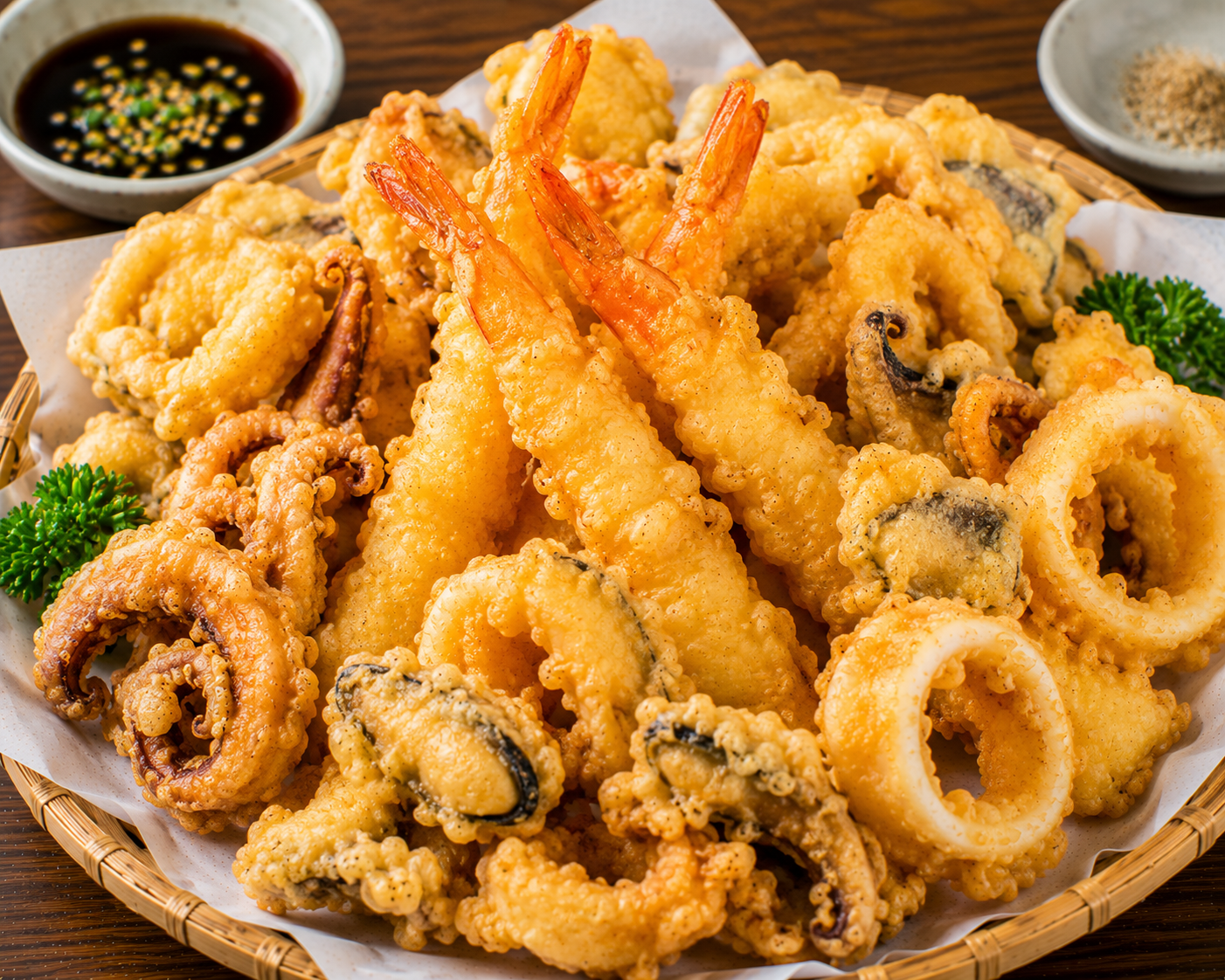
Seafood Tempura
해물튀김 · hae-mul-twi-gim
A dish made by coating various seafood such as squid and shrimp in batter and frying them until crispy, often served with vinegared soy sauce for dipping.
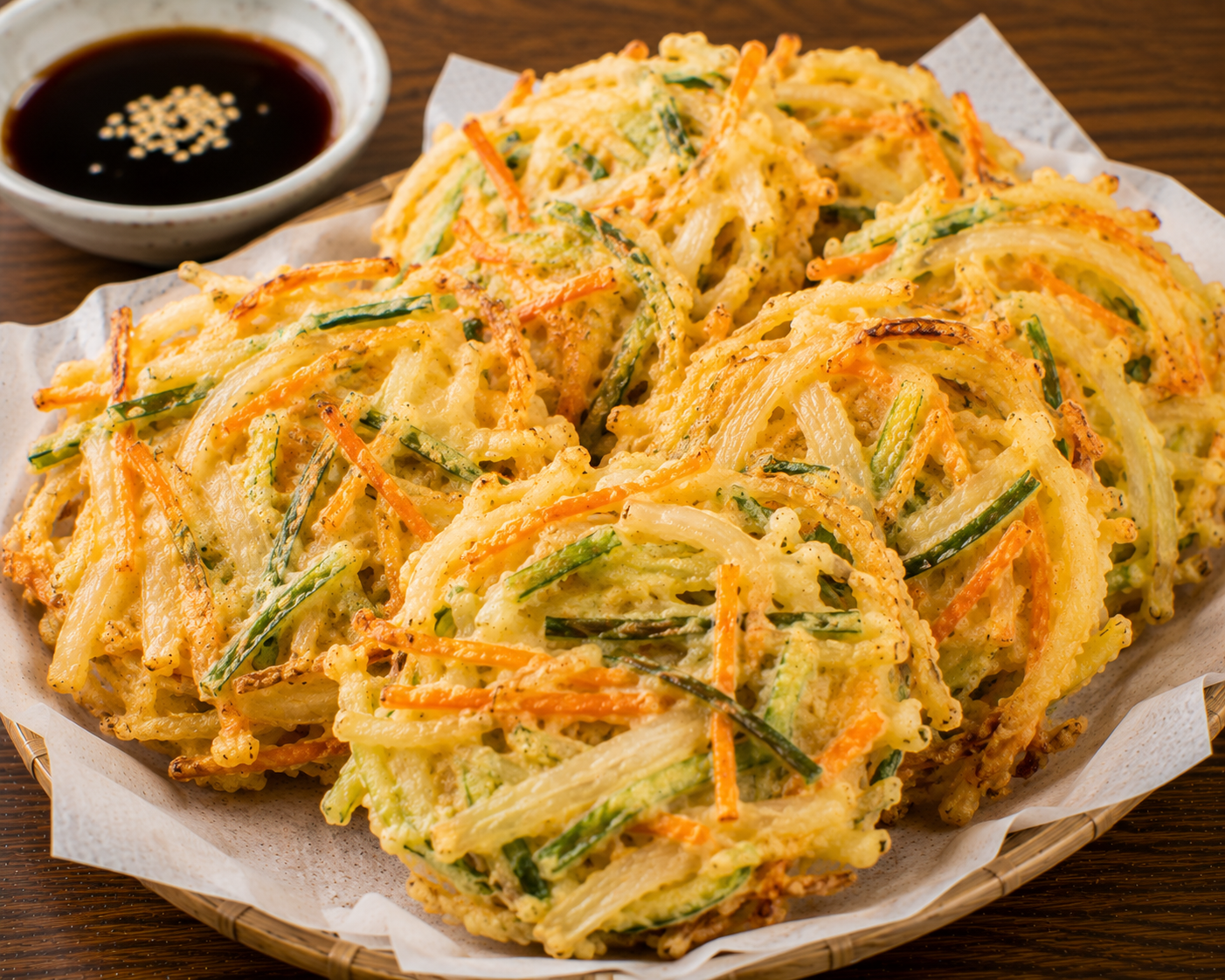
Vegetable Tempura
야채튀김 · ya-chae-twi-gim
A dish made by coating various vegetables in batter and deep-frying them until crispy, often enjoyed as a snack or side dish.
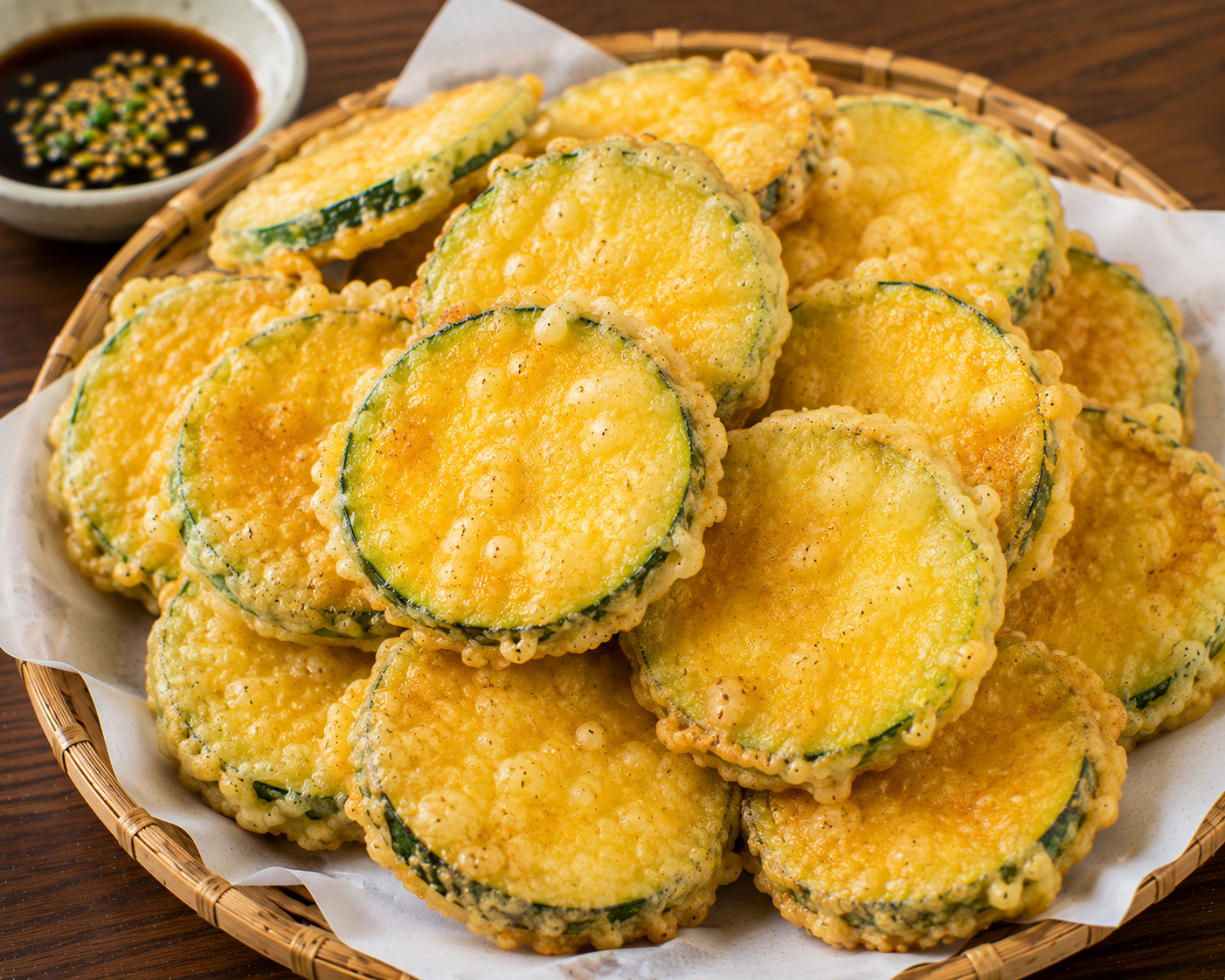
Pumpkin Tempura
호박튀김 · hobak-twigim
This dish is made by slicing pumpkin thinly, coating it in batter, and frying it until crispy, commonly enjoyed as a snack at street food stalls.
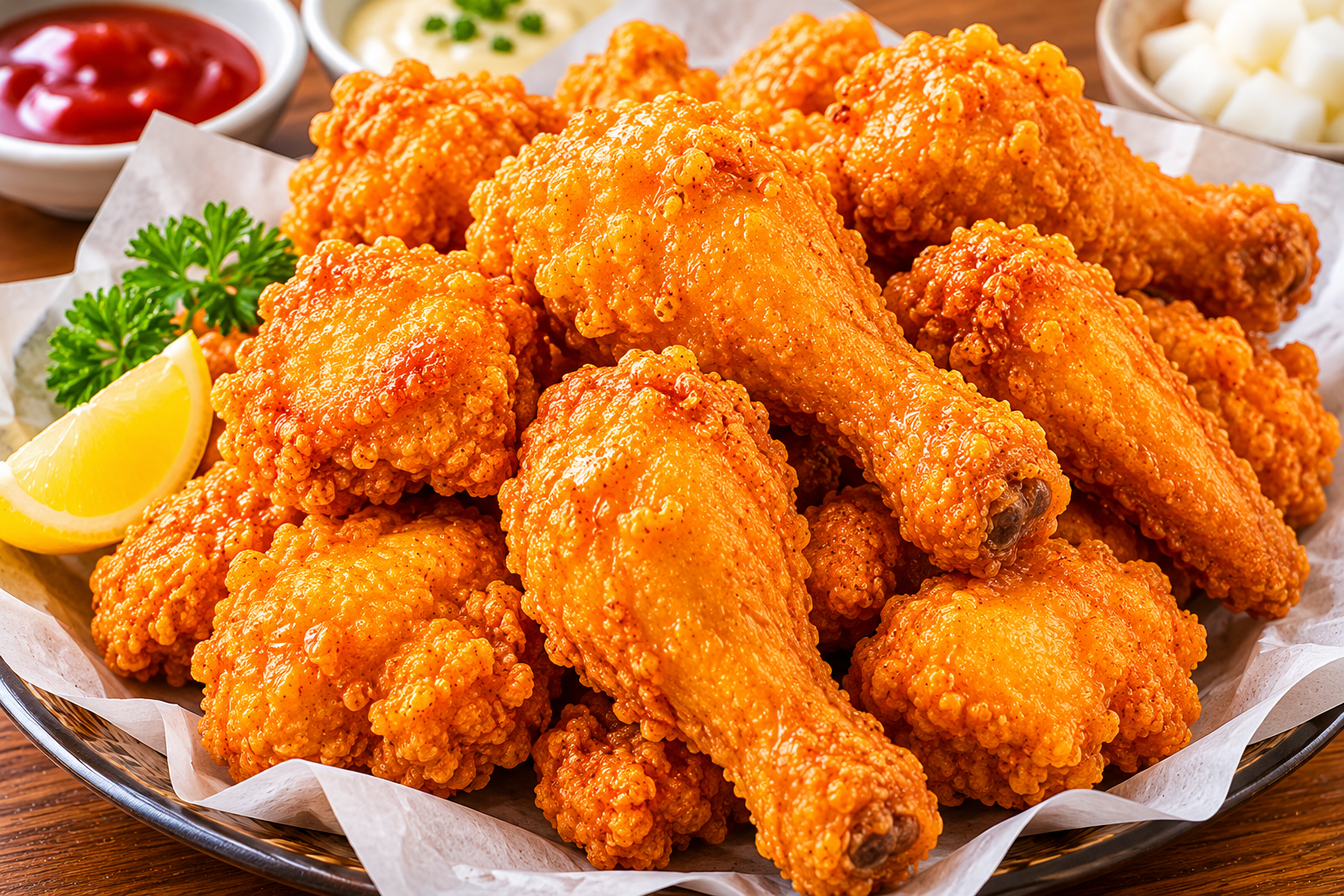
Fried Chicken
닭튀김 · dak-twigim
A dish where chicken is coated and deep-fried until crispy, often enjoyed with soy sauce or spicy sauce.
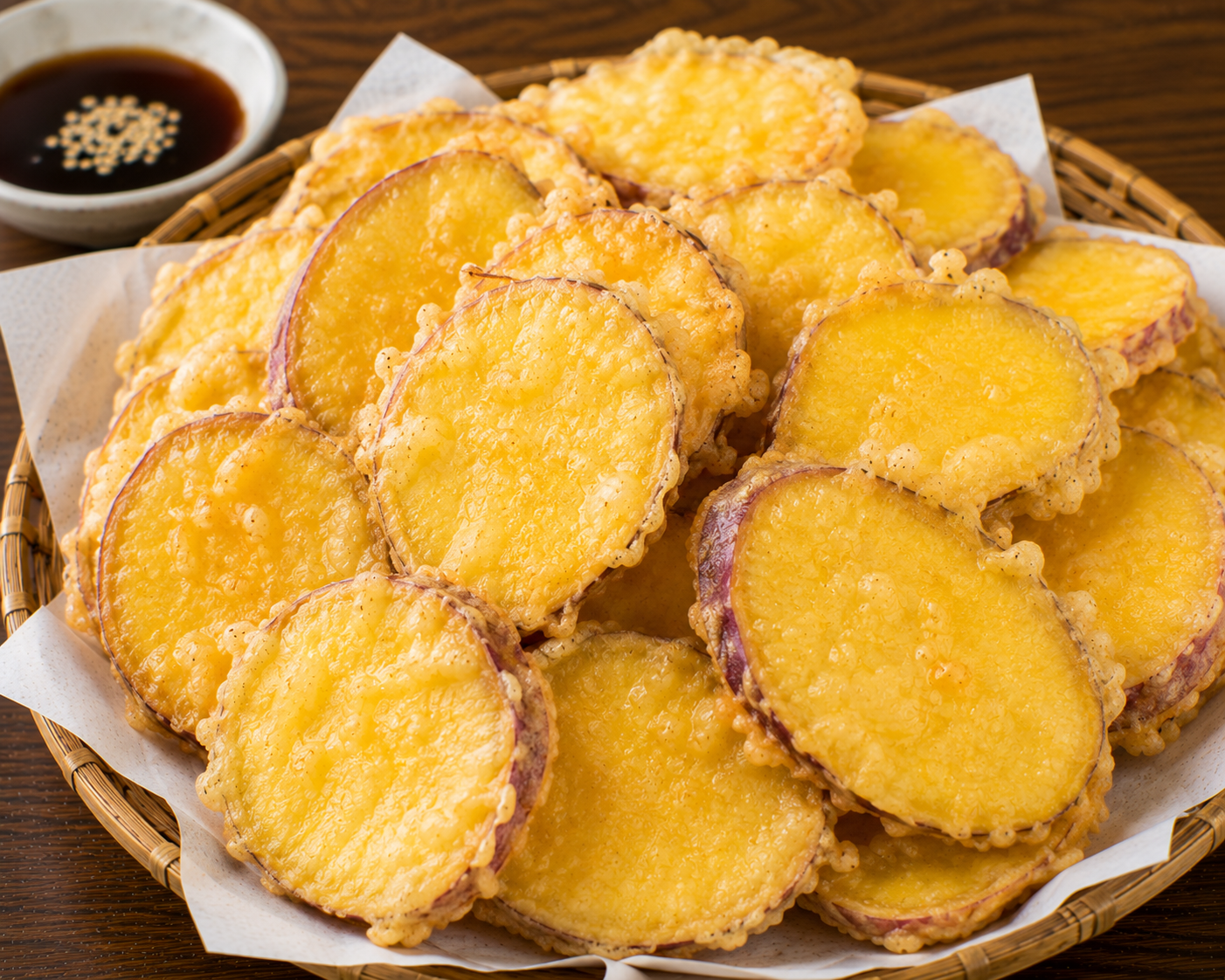
Deep-fried Sweet Potato
고구마튀김 · go-gu-ma-twi-gim
A snack made by thinly slicing sweet potatoes, coating them in batter, and frying them until crispy, characterized by a sweet taste.
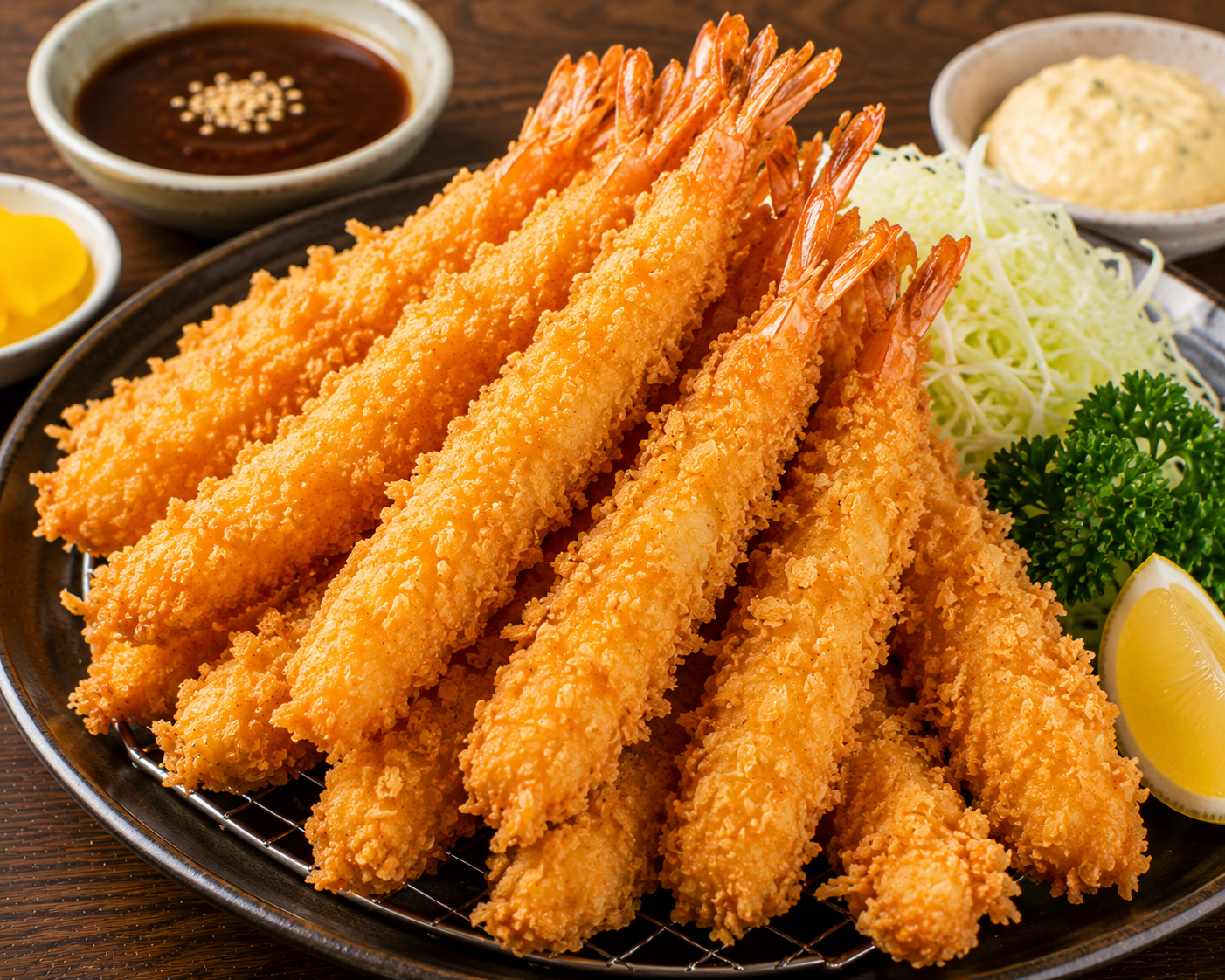
Shrimp Tempura
새우튀김 · sae-u-twigim
A dish made by coating shrimp in batter and frying it until crispy, often served with vinegared soy sauce for dipping, or enjoyed alongside tteokbokki broth.
Goes well with
Ingredients
How it's made
- 1Cut the squid and vegetables into appropriate sizes.
- 2Evenly coat the ingredients with batter.
- 3Heat oil and fry the ingredients until crispy.
- 4Drain the oil and serve on a plate.
Nutrition
* Estimated values per serving.
Allergens
Contains gluten as the batter is made with flour.
How to order
튀김 모듬 주세요
Twi-gim mo-deum ju-se-yo
Fried Assorted, please
Customize your order
Traveler tips
How to eat it
Frequently asked questions
- Is gimmari fried Gimbap?
- No. Although it is rolled in gim, or dried seaweed, like Gimbap, it does not contain rice. Usually, dangmyeon, or glass noodles, are rolled inside and then fried.
- Why do they cut the fried items with scissors?
- At Korean snack shops, large fried items are cut into several pieces so they are easier to share. Cutting also makes them easier to dip in Tteokbokki sauce or Soy Sauce.
- Do you always get the same assortment when you order Fried Assorted?
- No. Each shop prepares different fried items, and the selection left can also change depending on the time of day. If there is an ingredient you dislike, ask them to leave it out when you order.
Last reviewed: 2026-10-07